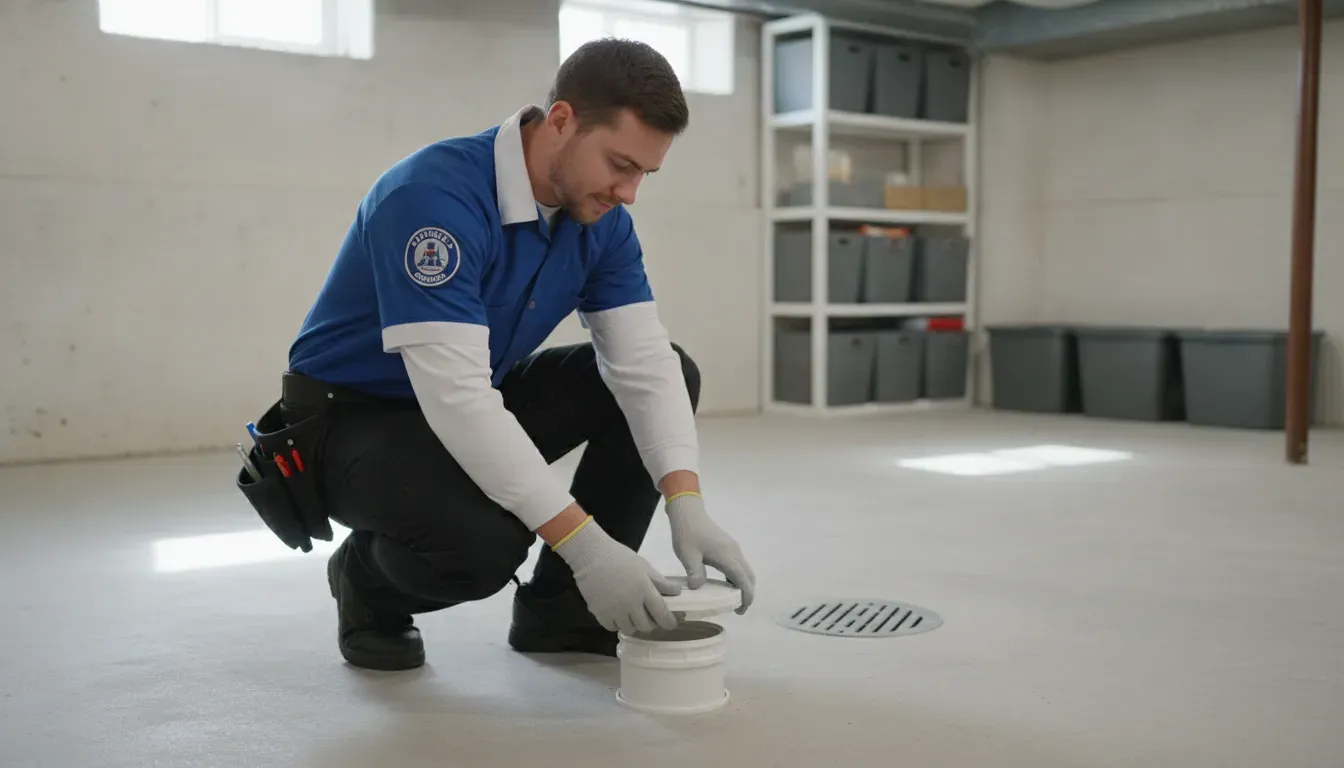

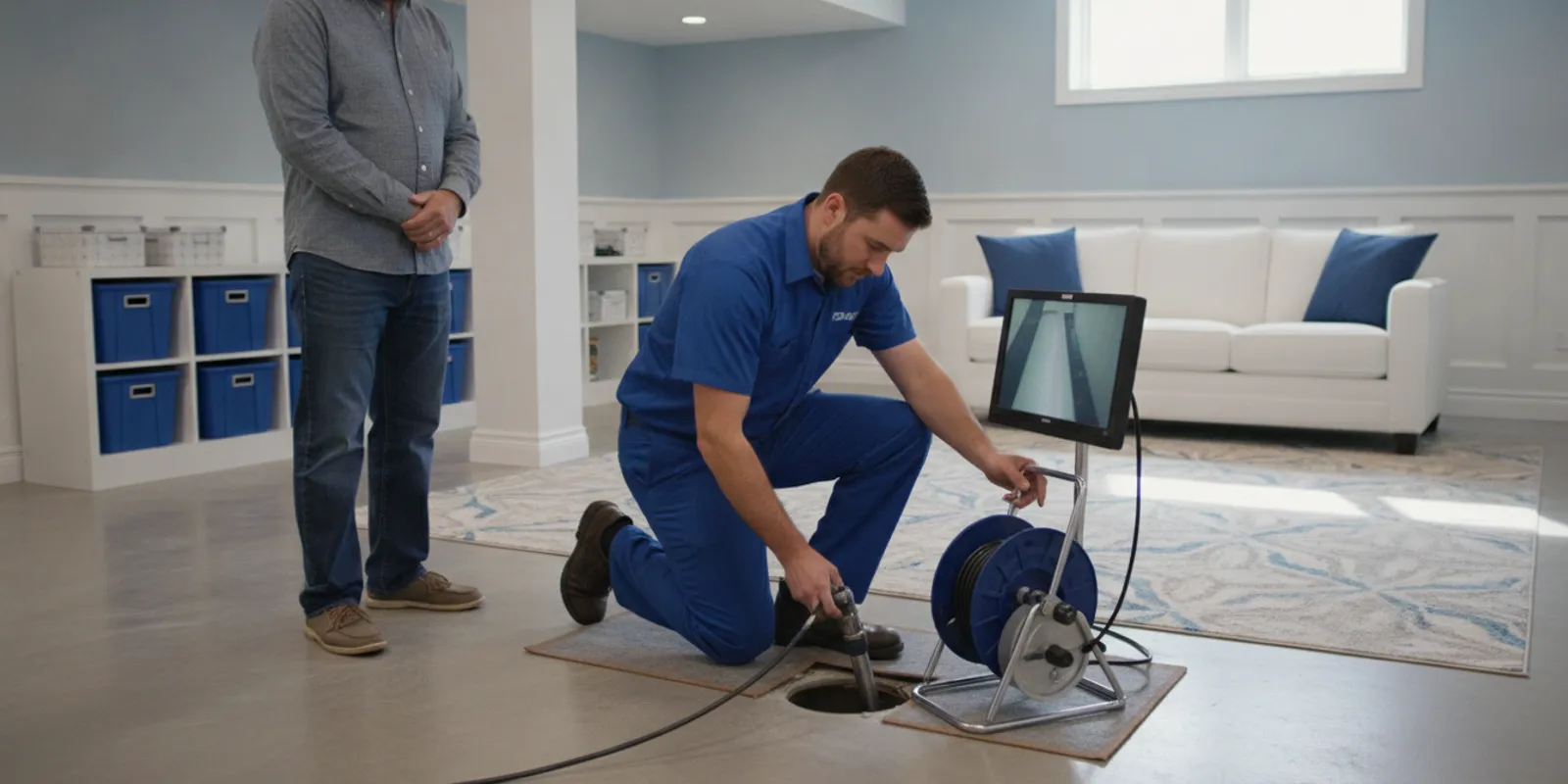
For a Southfield homeowner, a sewer backup can interrupt everyday routines and raise immediate questions: where did the blockage start, and how can it be avoided next time? Prevention starts with understanding what enters the sewer line, watching for early changes, and finding out whether the property has a recurring plumbing or backflow issue. A few consistent habits and timely professional assessment can help reduce risk without guessing at the cause.
Contact Mr. Pipey to discuss sewer backup prevention in Southfield
What causes sewer backups in Southfield homes?
A sewer backup occurs when wastewater cannot move freely through the building drain or sewer lateral. The obstruction may be within the home’s plumbing, in the private lateral between the home and the public sewer, or farther downstream in a public system. A homeowner may notice the same symptoms even when the source is outside the property. That is why diagnosis matters: repeating surface-level drain clearing can miss a damaged pipe, a persistent obstruction, or a problem beyond the home.
Common contributors include accumulated grease, debris, wipes or other products that do not break down like toilet paper, and tree roots entering a compromised pipe. A pipe that is cracked, offset at a joint, or otherwise deteriorated may collect material and restrict flow. In some circumstances, heavy rain can add stress to parts of a sewer system and reveal a capacity or inflow problem. These causes are possibilities, not a way to identify the exact fault without inspection.
It helps to separate the path wastewater takes through a home. Fixture drains carry water from sinks, tubs, and toilets to larger branch drains. Those branches connect to a building drain, which leads out through the private sewer lateral toward the public sewer. A concern close to one fixture may affect only that fixture. A restriction in a shared branch or the building drain can show up in multiple rooms. A public-side condition may create similar symptoms, so the number and location of affected fixtures are clues rather than a definitive diagnosis.
Pay attention to patterns across fixtures. A slow bathroom sink by itself can point to a local drain issue. Several fixtures draining slowly, gurgling sounds, or wastewater appearing at a lower drain may suggest a problem farther along the building drain or sewer lateral. Note which fixtures are affected, when the issue occurs, and whether it has happened before. That information helps a licensed plumber narrow the investigation.
Southfield properties vary in age, plumbing layout, and sewer connection. Do not assume that a neighbor’s solution applies to your home, or that a backup always originates in the public main. If you are unsure whether the issue is on private or public property, ask the relevant local sewer authority how to report and confirm a suspected public-side problem while arranging an appropriate plumbing assessment.
When describing a recurring problem, a short chronology is more useful than a guess about the cause. Record the first date you noticed a symptom, the rooms and fixtures involved, whether the condition clears or persists, and whether more than one fixture changed at the same time. If a plumber has previously cleared or inspected the line, keep the service notes. Comparing those observations can help distinguish a one-time fixture clog from a recurring line condition and can prevent the next assessment from starting without context.
How can everyday habits help prevent sewer backups?
What goes down a drain can affect how well a sewer lateral carries wastewater. Keep cooking grease, fats, and oils out of sinks. They can cool and accumulate inside plumbing, trapping other material over time. Collect them for appropriate disposal rather than washing them away with hot water or soap. Food scraps, coffee grounds, and fibrous material are also better kept out of kitchen drains.
Use toilets only for human waste and toilet paper. Wipes labeled flushable, paper towels, tissues, hygiene products, cotton products, and similar items can remain intact long enough to snag on rough pipe surfaces or combine with grease and debris. Put them in the waste bin instead. A product’s ability to pass through a toilet does not mean it will move safely through a home’s full sewer line.
- Keep fats, oils, grease, and food scraps out of sinks and floor drains.
- Flush only human waste and toilet paper.
- Keep packaging, wipes, and other non-flushable products out of toilets.
- Use drain strainers where appropriate to limit hair and larger debris entering fixture drains.
- Tell household members and guests which items should not go into sinks or toilets.
Consistency matters more than a one-time reminder. In a busy household, make the disposal rules clear to everyone who uses the kitchen and bathrooms, including guests and children. Keep a waste bin accessible near the toilet so wipes and hygiene products have an easy alternative to flushing. In the kitchen, scrape plates into the trash or food-waste collection rather than relying on water to carry scraps through the drain. These small routines limit material entering the system; they do not prevent a root intrusion or restore a deteriorated pipe.
These habits reduce avoidable material entering the plumbing, but they cannot correct a broken, root-intruded, or poorly flowing pipe. If a drain repeatedly clogs despite sensible use, have the line assessed rather than relying on repeated temporary clearing. A professional may recommend sewer and drain service based on the symptoms and inspection findings.
Which warning signs deserve a professional sewer inspection?
Early warning signs are useful when treated as clues, not proof of a specific failure. A single slow fixture may have a localized cause. Multiple affected fixtures or a recurring pattern can indicate that the concern is farther downstream. Record what you observe and arrange an assessment when the pattern repeats or becomes more widespread.
- Several drains slow down at once. When sinks, tubs, or toilets in different areas are affected, the issue may be in a shared drain or sewer line rather than one fixture.
- Gurgling or bubbling repeats. Sounds from a nearby fixture as another one drains can be associated with restricted flow or an air movement issue. A plumber can determine whether it points to a larger concern.
- Wastewater returns at a low fixture. A basement floor drain or another low point can reveal a downstream blockage. Stop using affected fixtures and seek professional guidance.
- The same clog returns after clearing. A recurring blockage can have an underlying cause such as buildup, roots, or pipe condition that needs diagnosis.
- Drain problems follow a repeated pattern. Note whether symptoms return after certain conditions, such as periods of heavy rain, and share that timing with the plumber and local sewer authority as appropriate.
Before the appointment, organize those observations in a few practical categories: which fixtures are affected, whether they are on the same floor or different floors, when symptoms happen, and whether a prior service visit changed them. Mention if the concern appears only during periods of heavy rain, or if it recurs independently of weather. This information does not replace inspection, but it can help the plumber decide where to begin and what access or diagnostic steps may be appropriate.
A technician can assess the plumbing layout and determine whether additional diagnosis is needed. Depending on access and the situation, a professional sewer camera inspection can help show the pipe’s interior and identify the location and nature of a concern. It is different from simply clearing a drain: the goal is to understand what is happening inside the line and inform the next step.
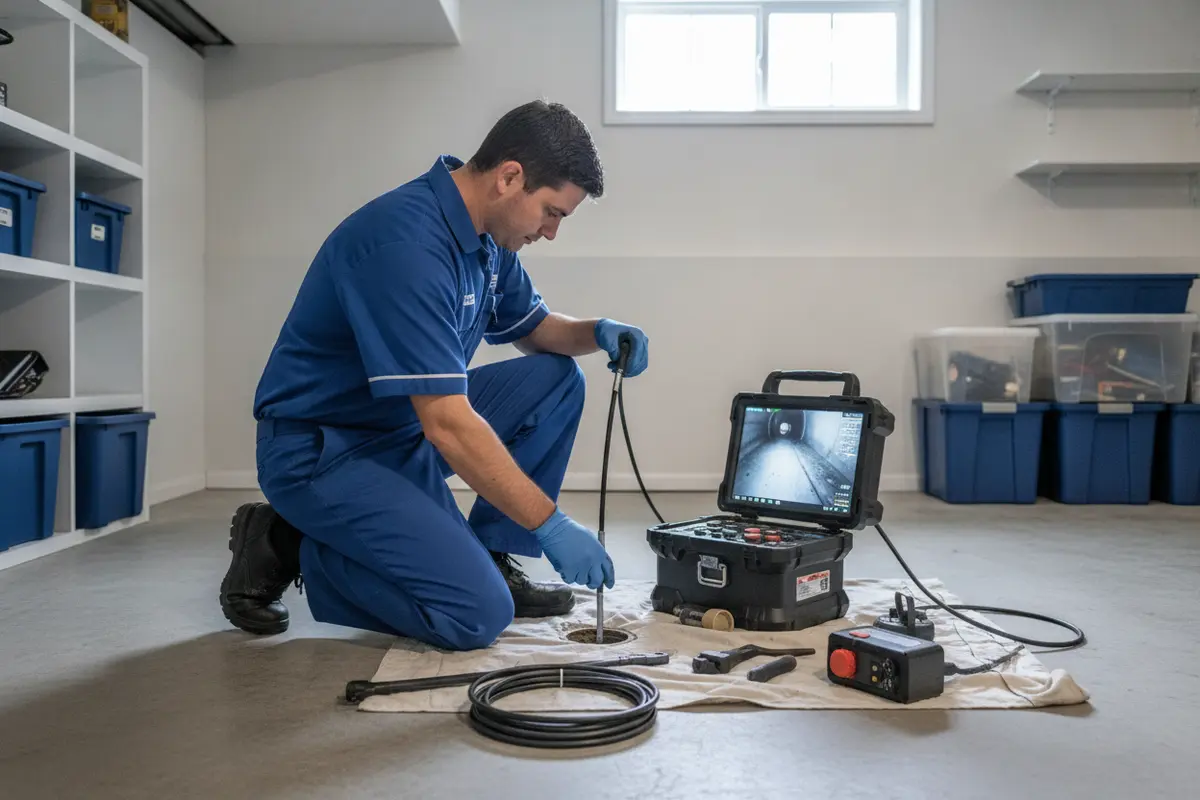
For a recurring clog, a plumber may consider professional hydro jetting when the pipe condition and blockage make that method appropriate. Clearing a line is not a substitute for identifying structural damage; the right service depends on what an inspection finds. For context on pipe repair options, see this Southfield sewer repair guide.
Ask what the camera inspection can and cannot establish. It may reveal visible buildup, roots, a joint offset, or another condition in the portion of pipe reached by the camera, but access and visibility can affect the findings. Ask whether the entire relevant length was viewed, where the concern is located, and whether the plumber recommends cleaning, repair, additional inspection, or monitoring. Request a plain-language explanation of how each recommendation addresses the observed condition. This gives you a useful basis for deciding what follow-up is appropriate without treating a single service as a guaranteed prevention plan.
What sewer backup protections are worth discussing?
Some homes may benefit from a backwater valve or another professionally selected protective measure. These devices are intended to help limit reverse flow under certain conditions, but they are not a universal solution. Suitability depends on the building’s drainage layout, local requirements, existing plumbing, and the cause of the backup. A licensed plumber should evaluate the property and explain what a device can and cannot do, including any inspection and maintenance needs.
The City of Lincoln’s homeowner guidance describes options such as a check valve, floor-drain plug, standpipe, and overhead sewer as possible approaches to sewer backup protection. Those examples help illustrate that protection can involve different designs; they are not a Southfield code determination or a recommendation for a particular home. Discuss local requirements and the appropriate approach with a qualified plumbing professional and the relevant authority. Read the City of Lincoln’s overview of homeowner sewer backup prevention options.
The Insurance Information Institute also advises homeowners to consider maintenance and prevention measures for both a sewer lateral and the city main. Its guidance reinforces why property owners should address practical contributors such as grease and paper products while reporting a suspected public-side issue to the proper authority. The recommendations are general, not a Southfield plumbing code or a diagnosis of a specific property. Review the Insurance Information Institute’s sewer backup prevention guidance.
Ask the plumber to explain the findings in plain language. Useful questions include: where is the suspected restriction, what evidence supports the diagnosis, whether the issue appears to be inside the home or along the lateral, and what options are appropriate for this specific plumbing layout? If a protective device is proposed, ask how it functions, what could limit its effectiveness, and what future servicing it requires. A clear explanation helps you compare repairs and prevention measures without treating one device as a guaranteed fix.
For a proposed protective system, ask how it fits with the home’s existing drainage paths and what parts of the property it protects. A device may address a particular reverse-flow pathway without preventing a local drain clog, groundwater entry, or a damaged lateral. Ask whether installation would require changes to other plumbing, which local permits or approvals may apply, and who is responsible for future inspection or servicing. If you are comparing proposals, make sure they address the same suspected cause and describe the limits as well as the intended benefit.
| Prevention measure | What it addresses | Best next step |
|---|---|---|
| Careful disposal habits | Grease, wipes, and other avoidable material entering drains | Use consistent household rules; seek assessment for recurring symptoms |
| Professional drain or sewer evaluation | Repeated clogs, restricted flow, or an unknown cause | Describe the pattern and ask whether further inspection is appropriate |
| Camera inspection, when indicated | Visible conditions inside an accessible sewer pipe | Have a qualified professional explain findings and limits |
| Backwater protection, when suitable | Some reverse-flow conditions, depending on system design | Confirm layout, local requirements, installation, and maintenance needs |
| Public-side reporting | A suspected issue in a public sewer or shared system | Contact the relevant local sewer authority and provide observed details |
The table is a discussion guide, not a substitute for an on-site diagnosis. A protective device cannot repair a deteriorated lateral, remove a root intrusion, or guarantee against every backup scenario. Likewise, a clean line at one point in time does not establish that a pipe has no structural concern.
It is also useful to distinguish prevention from maintenance. Disposal habits can reduce the amount of avoidable material entering the system. Cleaning can remove a blockage or buildup when the pipe and conditions are suitable. Inspection can help identify a concern that cleaning alone will not fix. Repair or replacement may be discussed if the pipe itself is damaged. Asking which of these goals a proposed service addresses helps you understand why it was recommended and what result to expect.
How do rain and basement plumbing affect sewer backup prevention?
Heavy rainfall can coincide with sewer symptoms, but timing alone does not prove why wastewater has backed up. A plumber can help assess whether the home’s drain system, a private lateral, a public sewer condition, or another factor may be involved. Keep notes on the date, weather, affected fixtures, and whether the problem has happened before. If a public sewer issue is suspected, report it to the appropriate local authority rather than assuming the property-side plumbing is the only cause.
When a rain-related pattern repeats, share specific observations rather than attributing the event to one presumed cause. For example, note if the symptoms affect a basement drain while upper-floor fixtures seem normal, or if several fixtures slow at the same time. Record whether you have seen the same pattern during dry weather. The difference can help a qualified professional examine the relevant portions of the plumbing and determine whether the sewer authority should also be contacted.
Keep stormwater and sanitary wastewater systems distinct. Roof runoff and yard drainage should not be redirected into household fixtures or connected to a sanitary drain without confirming that the arrangement is permitted and properly designed. A professional can assess drainage concerns around the home and clarify which system serves each connection. If the home has a sump pump, a plumber can also inspect the pump and discharge arrangement as part of a broader basement water review; sump pump performance and sewer backup protection address different concerns.
For related basement drainage concerns, review basement drain service information and sump pump service details. These services should not be confused with a sewer lateral evaluation. Matching the assessment to the symptoms helps keep the conversation focused on the actual source.
What should you do when a backup starts?
If wastewater is actively coming up through a drain, stop using plumbing fixtures that may send more water into the affected line and contact a licensed plumber for direction. Avoid contact with wastewater, and keep children and pets away from affected areas. If water is near electrical equipment, do not enter the area; contact the appropriate qualified professional for safe guidance. For an active emergency, Mr. Pipey’s emergency plumbing information explains how to reach the company.
Share concise, useful details when you call: the affected drain or room, whether more than one fixture is involved, when it began, whether it has happened previously, and any recent changes you noticed. Do not assume the origin is on your property or the public side. If there is reason to suspect a public sewer issue, contact the relevant local authority as well and follow its instructions.
After the immediate concern is addressed, ask what the plumber found and whether follow-up is recommended. A line that has been cleared may still need further diagnosis if the same symptoms recur. Keep a note of the service date and findings so future visits can build on what is already known. Mr. Pipey provides drain repair services for plumbing concerns that require professional evaluation.
Once conditions are safe, keep a record of the response and any instructions you receive. Note which fixtures were not used, whether the backup stopped, and whether the plumber identified a specific location or condition. If a local sewer authority took a report, save its reference details. This record can help if symptoms return and gives the next professional a clearer starting point. Avoid treating the absence of an immediate repeat backup as proof that the original cause has been permanently corrected; follow the diagnosis and any recommended next steps.
Request a professional sewer assessment for your Southfield home
Frequently Asked Questions
Can I prevent every sewer backup?
No prevention measure can guarantee that a sewer backup will never occur. Good disposal habits can reduce avoidable obstructions, while professional inspection and an appropriate protective design may address particular risks. The best plan depends on pipe condition, plumbing layout, and whether the concern is private-side or public-side.
Do flushable wipes cause sewer backups?
Wipes can remain intact and contribute to obstructions even when labeled flushable. The safer practice for sewer lines is to flush only human waste and toilet paper, and dispose of wipes in the trash.
Does a slow drain mean the sewer line is blocked?
Not necessarily. A single slow fixture can have a localized drain issue, while several affected fixtures or repeated symptoms may point farther downstream. A plumber can evaluate the pattern and determine whether sewer inspection is warranted.
Will a backwater valve solve a recurring backup?
Not in every case. A backwater valve may help with certain reverse-flow conditions, but it does not repair a damaged pipe or remove an obstruction. Have a plumbing professional assess the system, explain whether the device is appropriate, and review local requirements and maintenance.
Who should I contact if I suspect a public sewer problem?
Contact the relevant local sewer authority to report the concern and ask how it determines whether a public line is involved. At the same time, a licensed plumber can assess the home’s private plumbing and sewer lateral. The two checks help clarify which part of the system needs attention.
Preventing sewer backups in Southfield starts with careful disposal habits, attention to recurring symptoms, and a professional plan based on the home’s plumbing and sewer connection. Contact Mr. Pipey to discuss your next step.