
When a sink or tub in your West Bloomfield home drains slowly, it is natural to ask: what is the best drain cleaner for West Bloomfield homes? The answer depends on what is blocking the pipe, where the blockage sits, and whether the problem keeps returning. A product that can affect a small amount of grease near a drain may not clear a deeper obstruction or address a sewer-line issue.
Contact Mr. Pipey for professional drain guidance
What Is the Best Drain Cleaner for West Bloomfield Homes?
For a simple, isolated clog, the most suitable response may be different from the right solution for a recurring or widespread drainage problem. Many products sold as drain cleaners work only on certain types of buildup, and no single formula is appropriate for every pipe or obstruction. Product labels and advertised results do not reveal whether the clog is close to the fixture, farther down the branch drain, or in the building sewer.
Consumer Reports notes that caustic drain cleaners can be especially effective on grease blockages, but that does not mean a caustic product is the best choice for every slow drain. Its guidance is about selecting a product for a particular kind of blockage, not diagnosing the plumbing system. Read its overview, How to Choose and Use a Drain Cleaner, as general product information—not a substitute for identifying a persistent plumbing problem.
For a homeowner, the practical answer is to match the response to the evidence:
- One fixture is slow: The restriction may be near that fixture, though an isolated symptom does not prove where the blockage is.
- Several fixtures are slow or backing up: The issue may be farther along a shared drain or sewer line and deserves professional assessment.
- The clog returns: A temporary improvement may not have removed the underlying buildup or identified another cause.
- You do not know what is in the drain: Avoid guessing with different chemical products. A plumber can evaluate the symptoms and select a suitable method.
When a clog is persistent, recurring, or affecting more than one fixture, a professional drain service is often a better next step than escalating to a stronger cleaner. Mr. Pipey provides sewer and drain cleaning and can determine whether the concern calls for targeted drain work or a closer look at the sewer line.
How Do Chemical Drain Cleaners Compare With Professional Drain Cleaning?
Drain cleaners are not all the same. The main distinction for a homeowner is between a consumer product intended to affect certain types of buildup and a plumbing service that can assess the drain and choose a method based on what is happening. The table below compares the general use and limitations of common approaches; it is not a recommendation to handle plumbing chemicals yourself.
| Approach | What it may address | Key limitation | When to consider professional help |
|---|---|---|---|
| Caustic drain-cleaner product | Some products are formulated to act on certain organic material, including grease-related blockages. | It may not reach or remove a deeper obstruction, and suitability depends on the product and plumbing situation. | When the clog persists, returns, affects multiple fixtures, or the drain’s condition is uncertain. |
| Enzymatic or biological product | Some are marketed for gradual treatment of certain organic residue or routine maintenance. | It is not an instant solution for every blockage and should not be assumed to clear a solid obstruction. | When slow drainage is ongoing or a maintenance product has not resolved the symptom. |
| Professional mechanical or jetting service | A plumber selects a method for the condition and location of the blockage; hydro jetting uses pressurized water to clean the line. | It requires professional assessment to determine whether the method is appropriate for the pipe and problem. | When recurring buildup, multiple affected fixtures, or a deeper line concern needs evaluation. |
| Camera inspection | Can help a plumber examine the inside of an accessible sewer line and locate conditions that may contribute to repeated trouble. | It is diagnostic; inspection alone does not remove a blockage. | When the source is unclear or the same sewer problem keeps coming back. |
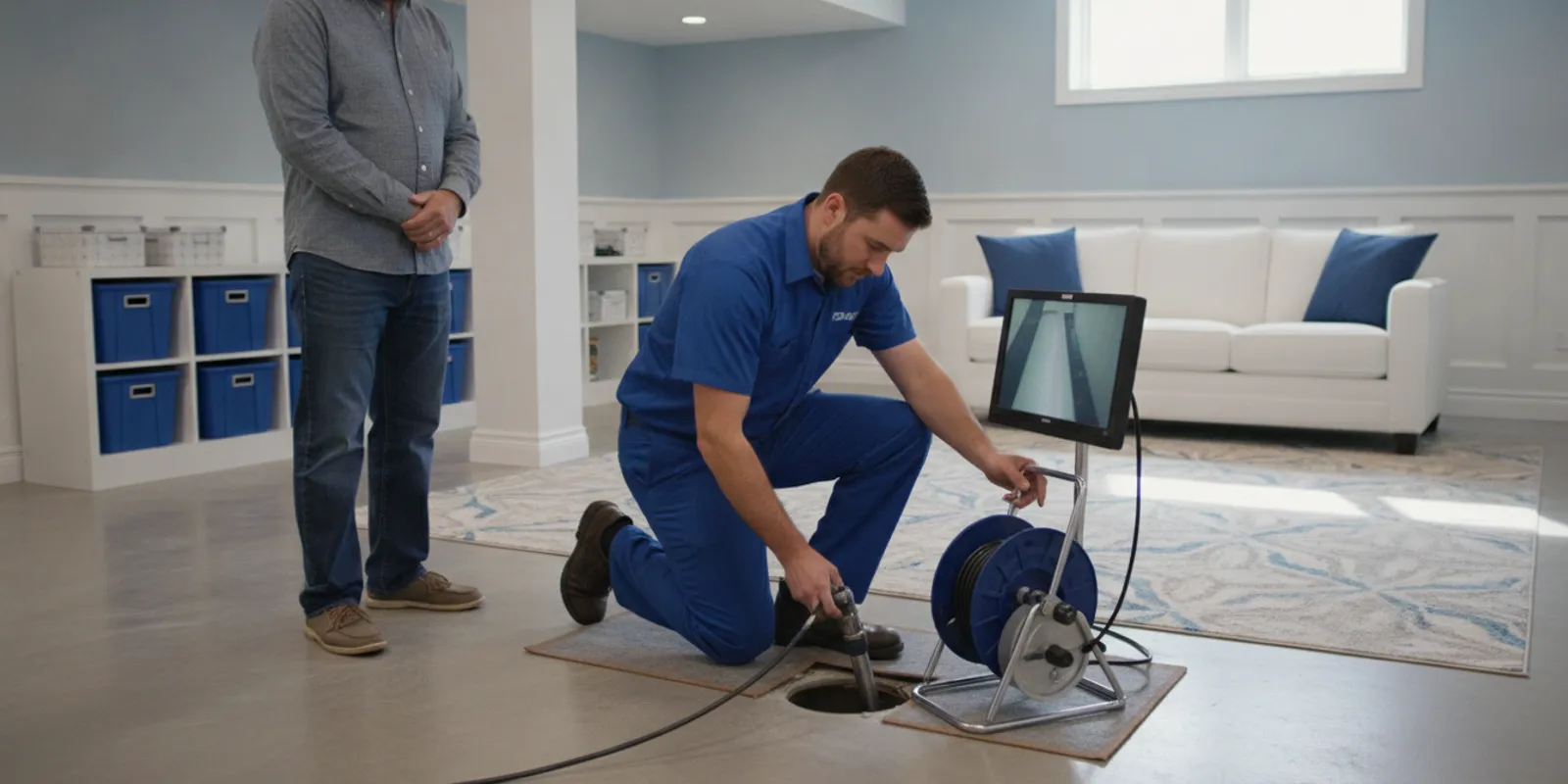
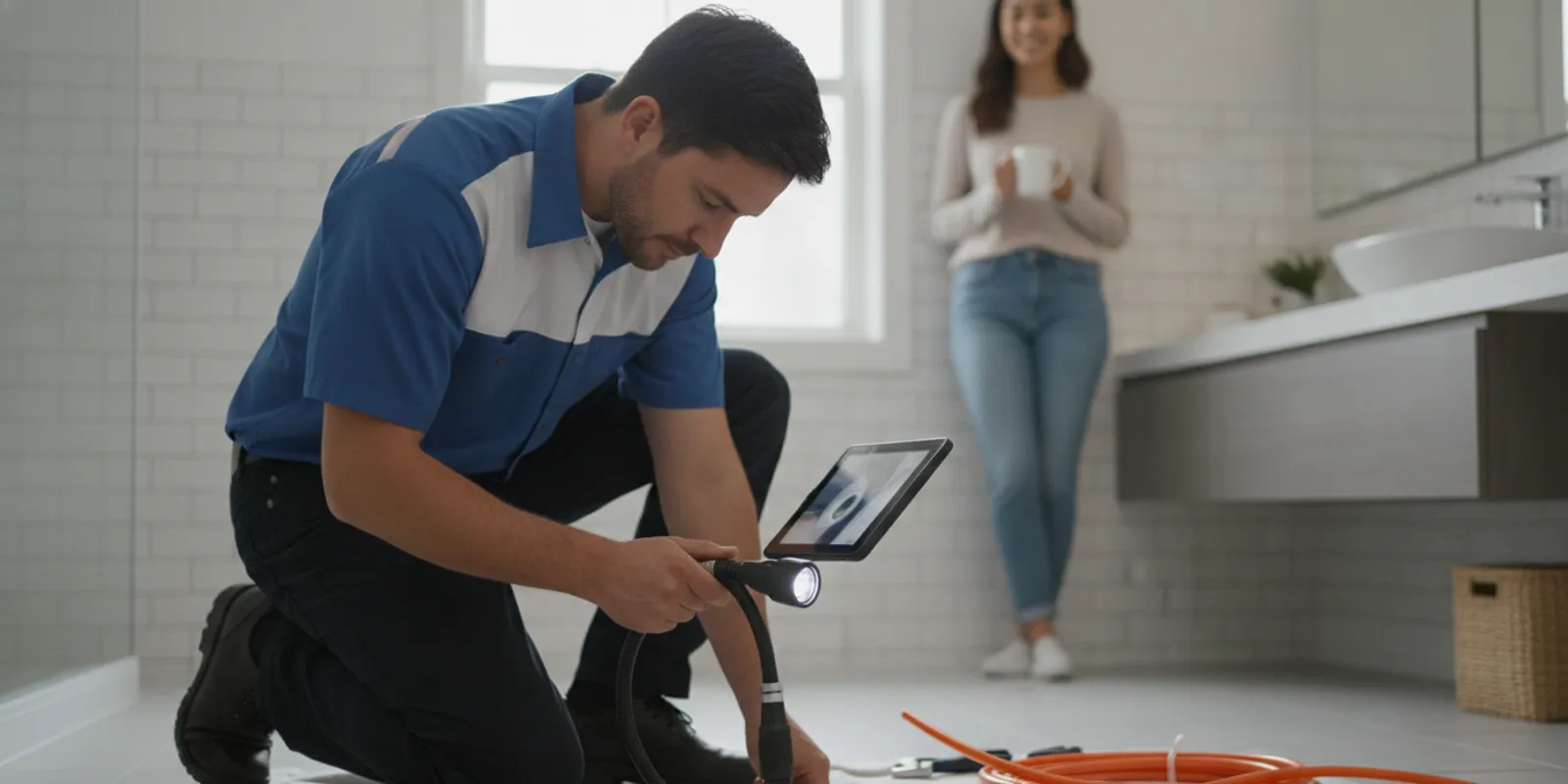
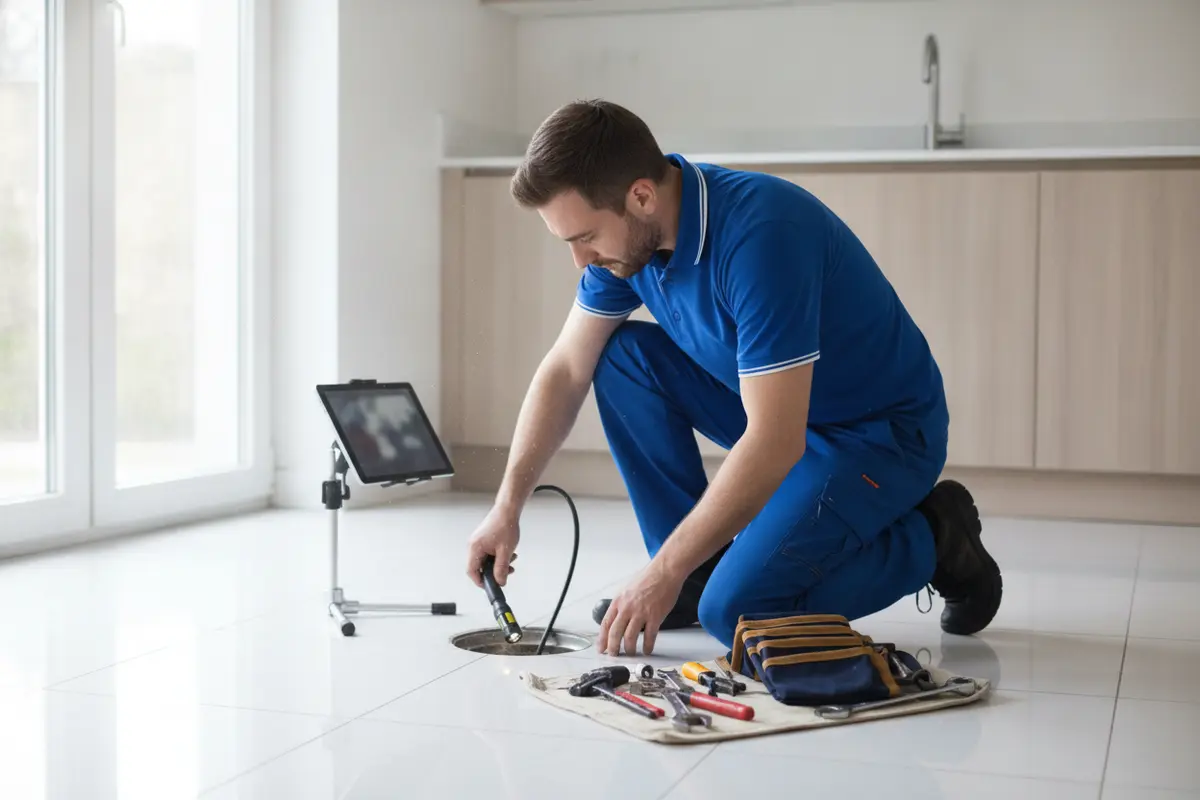
A key difference is visibility. A bottle gives you no direct view of what is happening downstream. A service visit can begin with the reported symptoms and, when useful, include professional equipment such as a sewer camera. Mr. Pipey’s sewer camera inspection service helps assess line conditions rather than treating every clog as if it were identical.
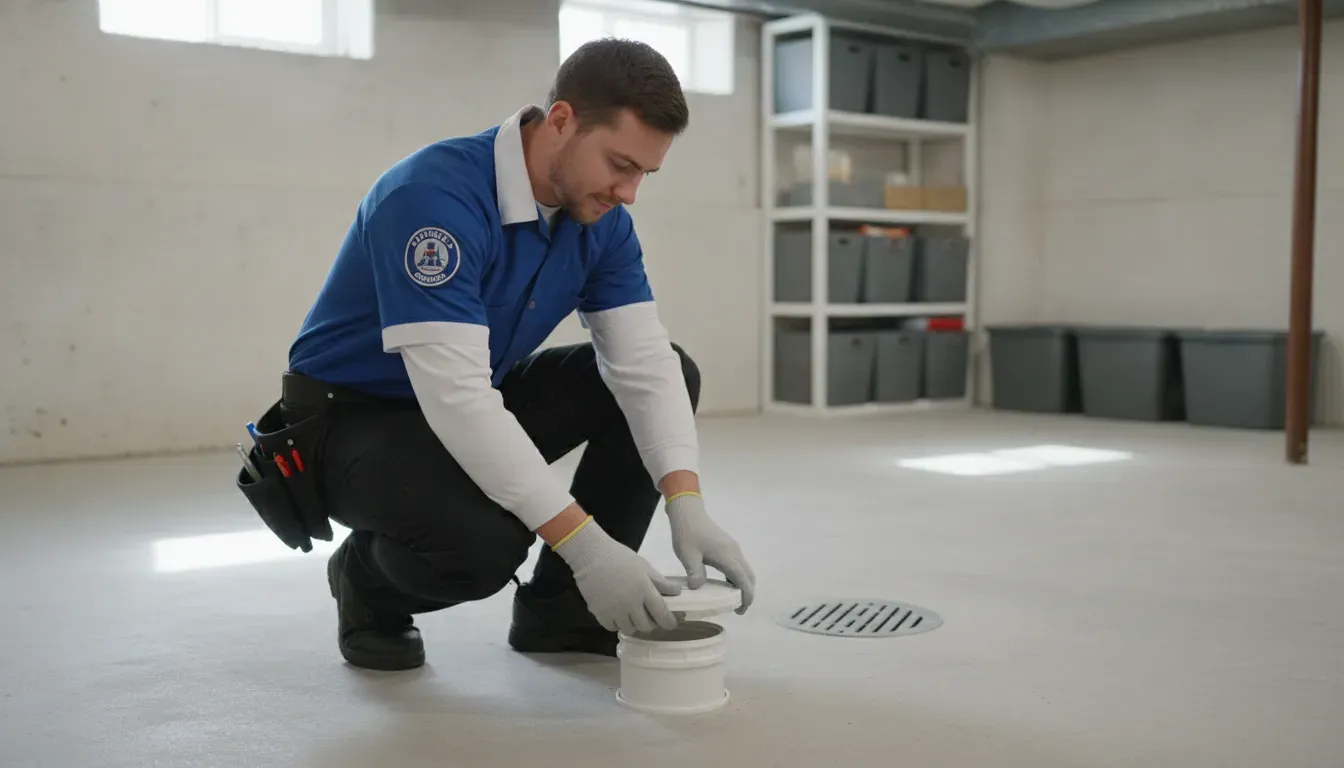
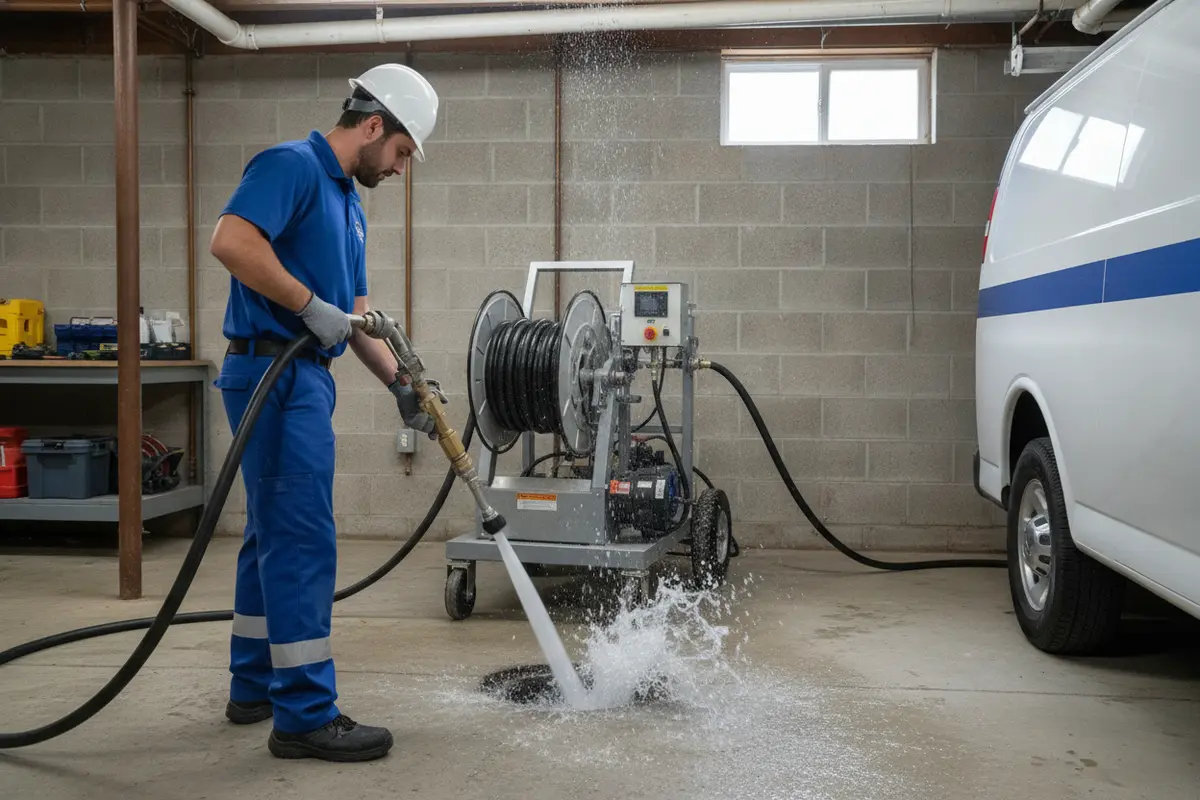
For a blockage appropriate for jetting, Mr. Pipey offers HydroScrub drain jetting, a professional service using high-pressure water. The company’s service information describes HydroScrub as 4,000 PSI and chemical-free. Whether jetting is suitable depends on the line and the conditions a plumber finds; a professional evaluation should come first. Learn more about HydroScrub drain jetting.
When Should West Bloomfield Homeowners Stop Trying Drain Cleaner?
A product that does not resolve the issue can make it harder to know what to do next. Rather than applying multiple products or repeating a treatment, pause and consider the pattern of the drainage problem. These observations can help a plumber understand where to begin:
- Notice whether one fixture or several are affected. A single slow sink has a different pattern from a toilet, tub, and floor drain that are all draining poorly.
- Pay attention to recurrence. If the same drain slows again soon after it appears to clear, the blockage may not have been fully removed or there may be another issue contributing to it.
- Watch for water appearing in an unexpected fixture. Gurgling or backup in another drain can indicate that the issue is not limited to the fixture where it first showed up.
- Share what products have already been used. Tell the plumber what was applied and when. Do not combine different drain-cleaning products.
- Arrange an assessment if the concern continues. A professional can evaluate the symptoms and recommend a suitable next step instead of relying on trial and error.
A useful way to organize what you observe is to separate the location, timing, and pattern. For example, note whether the kitchen sink alone is slow, whether the issue happens after regular use, and whether a nearby fixture changes at the same time. If there are multiple bathrooms, distinguish which ones are affected rather than reporting only that “the drains” are slow. These details do not diagnose the cause, but they help a plumber decide what parts of the system to assess first.
Also record whether the symptom is constant or intermittent and whether it improved temporarily before returning. A drain that clears briefly and then slows again is different from one that has been draining poorly for weeks. If a product was used, note its name and when it was applied; do not add another product to test a different theory. This clear timeline gives the service professional useful context and avoids relying on memory during the appointment.
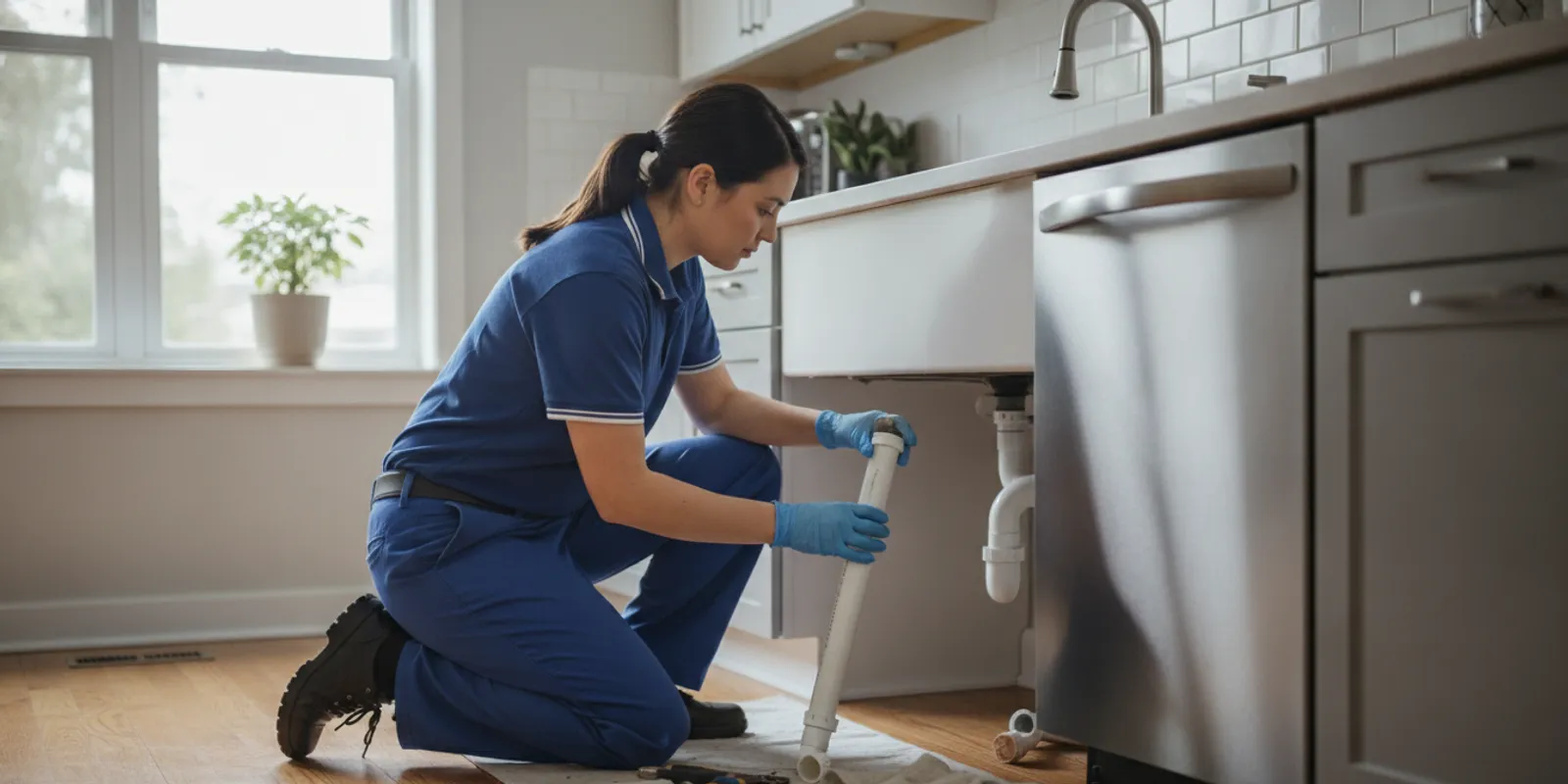
This is not a reason to panic. It is a way to avoid treating a repeated symptom as a brand-new, isolated clog every time. A clear description of which fixtures are affected, when the problem began, and whether it returned helps a plumber narrow the possibilities. If the issue appears limited to a sink, Mr. Pipey’s drain repair service is one relevant starting point for professional help.
Do not use a chemical cleaner as a diagnostic test for a sewer backup or an unknown line condition. If wastewater is coming up through a lower fixture, or multiple drains are affected, describe that clearly when arranging service. Mr. Pipey also provides 24/7 emergency plumbing service for urgent plumbing concerns.
What Can a Plumber Do Instead of Recommending a Stronger Cleaner?
A professional visit is about matching a method to the situation, not automatically using the most aggressive option. The plumber can ask when the problem started, which fixtures are involved, whether it has happened before, and what has already been tried. These details help distinguish a fixture-level clog from symptoms that may point farther into the drain system.
The evaluation typically starts with those reported symptoms and the affected fixtures. A plumber can compare what is happening at the drain with the condition of other fixtures, then determine whether a focused cleaning or additional diagnosis is appropriate. If the suspected blockage is in a sewer line or the same trouble keeps recurring, a camera may help clarify what is present inside an accessible section. The goal is to choose work based on findings, rather than assume that every slow drain needs the same treatment.
Before service, it can help to identify which drains are affected, when the problem began, whether water has backed up elsewhere, and what products have already been applied. During the conversation, ask what the recommended method is intended to do and what the assessment has established so far. For example, cleaning and camera inspection are not interchangeable: one addresses buildup, while the other helps view line conditions. A clear explanation makes it easier to understand the difference between treating a clog and investigating why it keeps returning.
Depending on the findings, the next step may be focused drain cleaning, a closer look at the sewer line, or a repair recommendation. For example, hydro jetting uses pressurized water to clean the inside of a line, while a camera inspection can provide a view of line conditions. Those methods serve different purposes: cleaning aims to address buildup, and a camera helps with diagnosis. The plumber should determine whether either approach is suitable for the specific pipe and conditions.
If the source appears to be a damaged or leaking pipe rather than removable buildup, a cleaner will not correct the underlying condition. Mr. Pipey’s plumbing leak service addresses a different type of concern. If evaluation points toward a sewer-line problem, the plumber can explain the available repair path; the company also offers trenchless sewer line repair where appropriate; homeowners can also review this guide to sewer replacement.
Ask for a clear explanation of what the assessment found, what service is recommended, and what options are available before work begins. Mr. Pipey’s company profile describes upfront pricing with multiple service options for major work. Understanding the reason for a recommendation is especially useful when a drain problem has returned and you want to address its cause rather than repeat temporary treatments.
Useful questions include: Which fixtures or sections of the system appear to be involved? Is the suggested service intended to remove a blockage, or is it meant to identify the source? What did the inspection show, if a camera was used? If cleaning is recommended, what signs would indicate that follow-up or repair is needed? Clear answers help you compare the proposed work with the symptoms you reported.
It is also reasonable to ask whether the problem seems isolated or could be connected to a shared line. A plumber may not be able to identify the cause from a brief description alone, but the pattern of symptoms can guide the assessment. For instance, a slow bathroom sink by itself is different from several fixtures draining poorly at once. Sharing the full pattern helps avoid assumptions based only on the first drain you noticed.
How Can West Bloomfield Homeowners Reduce Repeat Drain Problems?
Not every clog can be prevented, and a recurring problem may have a cause that is not visible at the fixture. Still, a few practical habits can reduce avoidable strain on household drains and make it easier to recognize when professional attention is needed.
- Use sink and shower drains for their intended purpose; avoid putting materials down a drain if they are not meant to pass through household plumbing.
- Pay attention to gradual changes in drainage rather than waiting until several fixtures show symptoms.
- Keep track of repeated trouble in the same location and tell the plumber how often it has occurred.
- For older, recurring, or unexplained sewer concerns, ask whether a professional evaluation or camera inspection makes sense.
- Do not treat routine chemical use as a substitute for finding out why a drain repeatedly slows.
Maintenance is most useful when it responds to the actual system and its history. A one-time clog does not automatically mean the home needs a major repair, and a temporary improvement does not prove that a recurring problem is solved. A qualified plumber can explain the difference based on the symptoms and the condition of the line.
Keep a simple record if a drain acts up more than once: note the date, which fixture was involved, whether nearby drains behaved differently, and whether the issue cleared or returned. This is not a diagnosis, but it gives the plumber a useful timeline. Mention unusual circumstances too, such as a problem that appears after normal household use or a symptom that occurs in more than one area. Specific observations are more helpful than trying several products and then guessing which one changed the result.
West Bloomfield homeowners should also avoid assuming that a familiar symptom always has the same cause. A slow drain can result from different kinds of buildup or a condition farther along the line. The right maintenance plan depends on what a professional finds, especially if the same part of the plumbing system has needed attention repeatedly. When in doubt, request an evaluation rather than treating frequent chemical use as routine maintenance.
Request professional help with a recurring drain clog
Frequently Asked Questions
What is the safest drain cleaner for a West Bloomfield home?
There is no one product that is best for every drain or blockage. The right choice depends on what is causing the clog and where it is located. For a persistent or recurring problem, have a plumber assess the drain instead of trying multiple products.
Can drain cleaner clear a sewer-line clog?
A consumer drain cleaner should not be assumed to clear a blockage in a building sewer line. When multiple fixtures are affected or symptoms return, a plumber can assess the line and determine whether cleaning or inspection is appropriate.
Is hydro jetting the same as using a chemical drain cleaner?
No. Hydro jetting is a professional drain-cleaning method that uses pressurized water. A plumber needs to evaluate the line and decide whether jetting is suitable for the specific condition.
Should I use another product if the first drain cleaner did not work?
Do not combine different products or keep escalating treatments without understanding the cause. Note what you used and tell the plumber. A professional can evaluate the symptoms and recommend a fitting next step.
When should I call a plumber for a slow drain?
Contact a plumber when a clog does not clear, comes back, affects multiple fixtures, or is accompanied by water backing up elsewhere. Describe the affected drains and any prior treatment when you request service.
Get a Clear Next Step for a Persistent Drain Problem
If you have a recurring clog or are unsure whether the problem is limited to one fixture, professional evaluation can help clarify what is happening. Mr. Pipey serves Metro Detroit with drain cleaning, jetting, and sewer inspection options, and can explain a suitable next step based on the symptoms.
Contact Mr. Pipey to discuss your drain concern
The best drain cleaner is the one that fits the actual cause of the blockage; when the cause is unclear or the problem keeps returning, a professional assessment is the more reliable place to start.