
A Livonia homeowner may notice a slow drain, an unusual odor, or a basement fixture that does not behave normally and wonder whether a larger sewer concern is developing. Those signs deserve attention, but prevention starts with a measured look at household drainage, private sewer lines, surrounding water flow, and the city’s public-system guidance.
Request a professional sewer-backup prevention assessment
Learning how to prevent sewer backups in Livonia means reducing avoidable blockages, watching for recurring symptoms, and arranging professional diagnosis when the problem may extend beyond a single fixture. The City of Livonia maintains and repairs its public sewer system, while homeowners still need a clear plan for the private plumbing on their property.
That distinction makes prevention more practical. The first step is understanding what sewer-backup prevention includes for a Livonia home and where municipal responsibility meets property-level maintenance.
How to Prevent Sewer Backups in Livonia: What Should Homeowners Do?
For a Livonia homeowner, prevention starts with understanding which parts of the sewer system are managed by the city and which parts are connected to the property. Livonia states that it continually maintains and repairs the public sewer system to keep it in good working condition and reduce the potential for backups. That municipal work is important, but it does not replace attention to the private sewer line and plumbing serving an individual home.
A sanitary sewer system carries wastewater to a treatment facility. The U.S. Environmental Protection Agency explains that these systems can experience problems when pipes deteriorate, or when sewer mains develop blockages and breaks. Those conditions may occur in public infrastructure, on private property, or at the point where the two connect. The source of a recurring problem should therefore be identified rather than assumed.
Private-property prevention is a practical combination of responsible drain use, awareness of changing symptoms, and timely professional assessment. A homeowner cannot control maintenance of the public sewer network, but can arrange for the home’s sewer connection and drains to be evaluated when there are repeated concerns. This distinction also helps clarify when a municipal report may be appropriate and when a plumbing diagnosis is the better next step.
Livonia homeowners looking for local support can review plumbing service in Livonia for a property-focused assessment. The goal is not to promise that every backup can be prevented. It is to understand the system, recognize conditions that merit attention, and address private-line concerns before they become more disruptive.
For local guidance on the city’s role and reporting channels, see Livonia’s sewer-backup guidance.
How to Prevent Sewer Backups in Livonia: Which Drain Habits Matter?
Most household prevention starts with what enters the drainage system. A sanitary sewer is designed to carry water, human waste, and toilet paper, not every product labeled flushable or disposable. Bellevue’s official wastewater guidance explains that wipes, oil, grease, and other disposable products can contribute to blockages and backups. The same basic principle applies to Livonia homes: keep unsuitable materials out of toilets, sinks, and floor drains.
- Place wipes, diapers, facial tissues, napkins, paper towels, sanitary products, dental floss, and cloth items in the trash rather than flushing them.
- Keep grease, cooking oil, butter, dressings, and food scraps out of sink drains. Wipe residue from plates and pans before washing them.
- Do not use toilets or drains to dispose of materials that do not break down readily in wastewater.
Kitchen habits matter because food scraps and cooking fats can deposit grease and solids inside pipes. Over time, that buildup can narrow the passage available for wastewater. A sink that still drains today may offer little warning that residue is accumulating farther along the private sewer line. Simple disposal habits reduce the material available to form a blockage, but they cannot correct an existing restriction.
Landscaping deserves attention as well. Tree and shrub roots can enter sewer pipes through joints or small openings, then grow into a larger obstruction. Before adding substantial landscaping, identify where the private sewer line runs and avoid planting trees or shrubs directly near it. If mature roots are already close to the line, recurring slow drains or backup symptoms call for a professional assessment rather than guesswork.
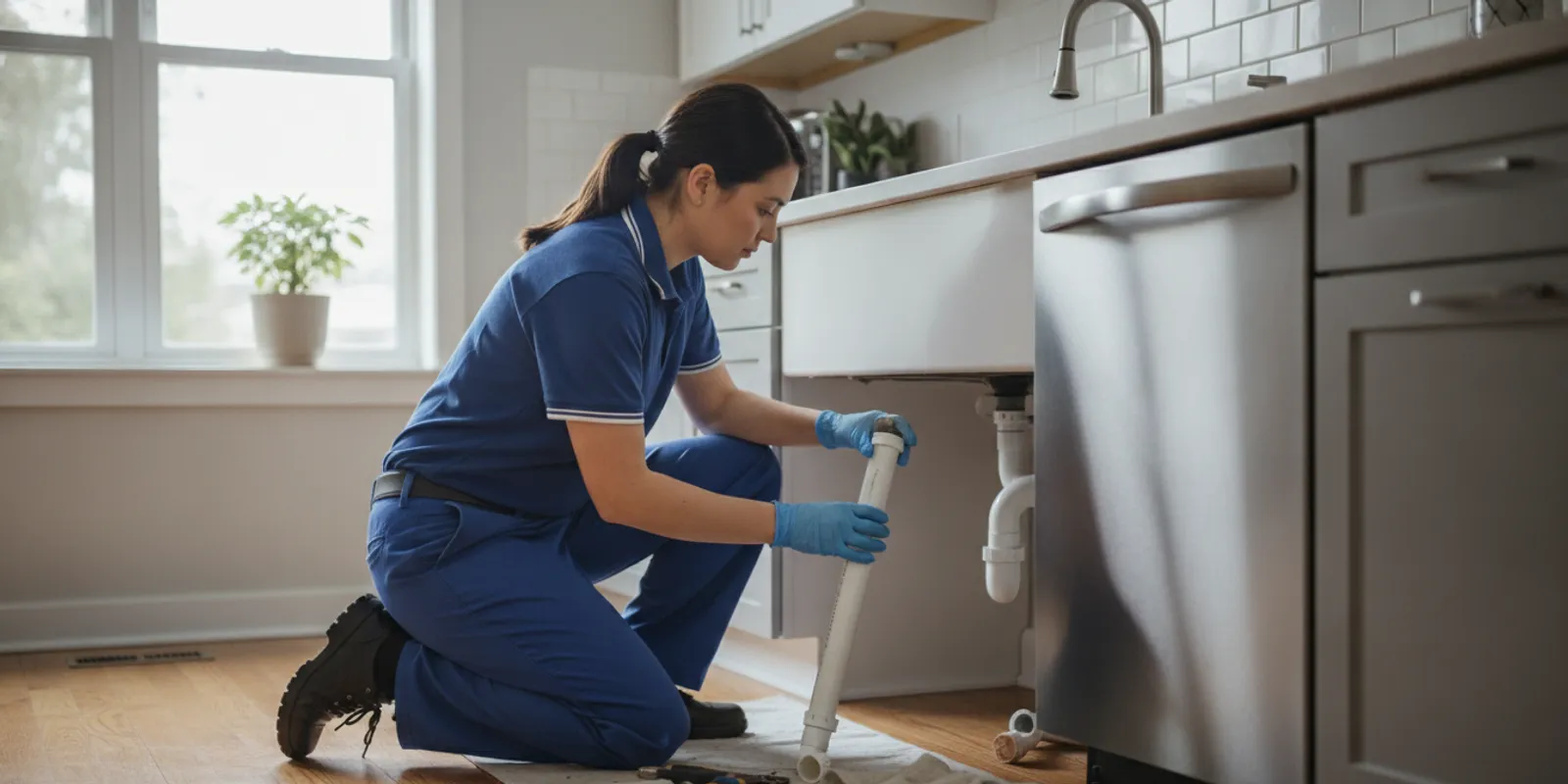
Routine professional maintenance can help identify conditions that household habits cannot. Mr. Pipey’s professional drain cleaning service uses specialized equipment and plumbing cameras when appropriate. High-pressure cleaning, camera inspection, and related equipment require trained handling and should not be treated as homeowner DIY tasks. A qualified plumber can determine whether the concern is grease, debris, roots, a damaged section, or a restriction farther downstream, then explain the available options.
Prevention also has a boundary. Livonia maintains and repairs the public sewer system, while homeowners are responsible for decisions and conditions on their own property. Keeping household waste out of drains, watching landscaping, and arranging diagnosis when symptoms recur are practical private-property steps. For local context on system maintenance and backup reporting, see the City of Livonia’s sewer-backup guidance.
What Warning Signs Suggest a Sewer Line Problem?
Livonia homeowners often notice a pattern before a sewer line concern becomes obvious. One slow drain may involve a localized fixture issue, but symptoms appearing in several areas of the home deserve closer attention. Recognizing that pattern helps you arrange a professional assessment before the disruption spreads to additional fixtures or living spaces.
- Multiple slow-draining fixtures: When sinks, showers, tubs, or other drains throughout the home begin emptying slowly, the restriction may be farther along the shared drain or sewer line.
- Sewage odors: A persistent wastewater smell near drains, in a basement, or outdoors can indicate that wastewater is not moving through the system as it should.
- Wet spots or unusually green grass: A damp area or concentrated green patch in the yard may be associated with a sewer line concern, especially when it appears alongside indoor symptoms.
- Water backup: Water returning through a basement drain or another low fixture is a reason to stop treating the issue as an isolated slow drain and seek guidance.
- Gurgling toilets: Bubbling or gurgling sounds can occur when air and wastewater are moving irregularly through connected plumbing, particularly when other fixtures are also affected.
These signs do not identify the exact cause on their own. Grease, debris, roots, pipe deterioration, or a blockage elsewhere in the system can produce similar symptoms. A qualified plumber can evaluate the pattern, identify the likely blockage point, and explain practical options instead of recommending a repair based on guesswork.
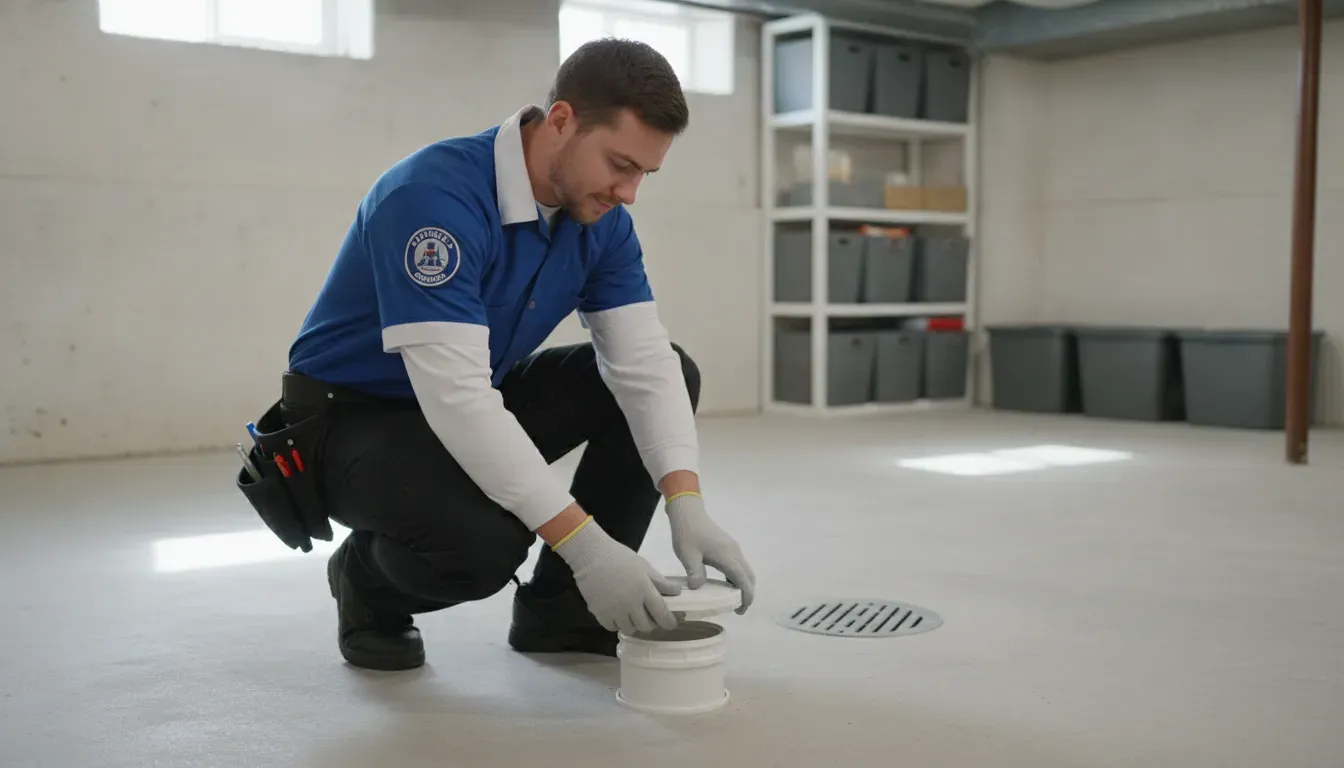
Mr. Pipey’s sewer drain services include inspection, cleaning, repair, and replacement, with camera inspection available to help locate a problem. If symptoms center on a lower level, water is backing up, or odors and gurgling are present in the basement, review basement drain maintenance options as part of the evaluation. Prompt diagnosis can clarify whether the concern is on the private sewer line, within the home’s drainage system, or requires coordination with the appropriate public authority.
How to Prevent Sewer Backups in Livonia During Heavy Rain?
Heavy rain can change the conditions around a home quickly. Severe weather may overwhelm sewer pipes or treatment capacity, according to the U.S. Environmental Protection Agency. That does not mean every basement drainage problem comes from the public sewer. Stormwater entering around the foundation, a private drain issue, and a sanitary sewer blockage can create different symptoms and require different responses.
Downspouts and other property drains should direct water away from the foundation and toward an appropriate low point away from the home. The Massachusetts Department of Public Health and Department of Environmental Protection’s flooding and sewage-backup guidance recommends this measure. Keeping roof runoff away from basement walls can reduce the amount of water that reaches cracks, floor joints, or low areas. It cannot, however, correct a blocked building sewer or change the capacity of the municipal system.
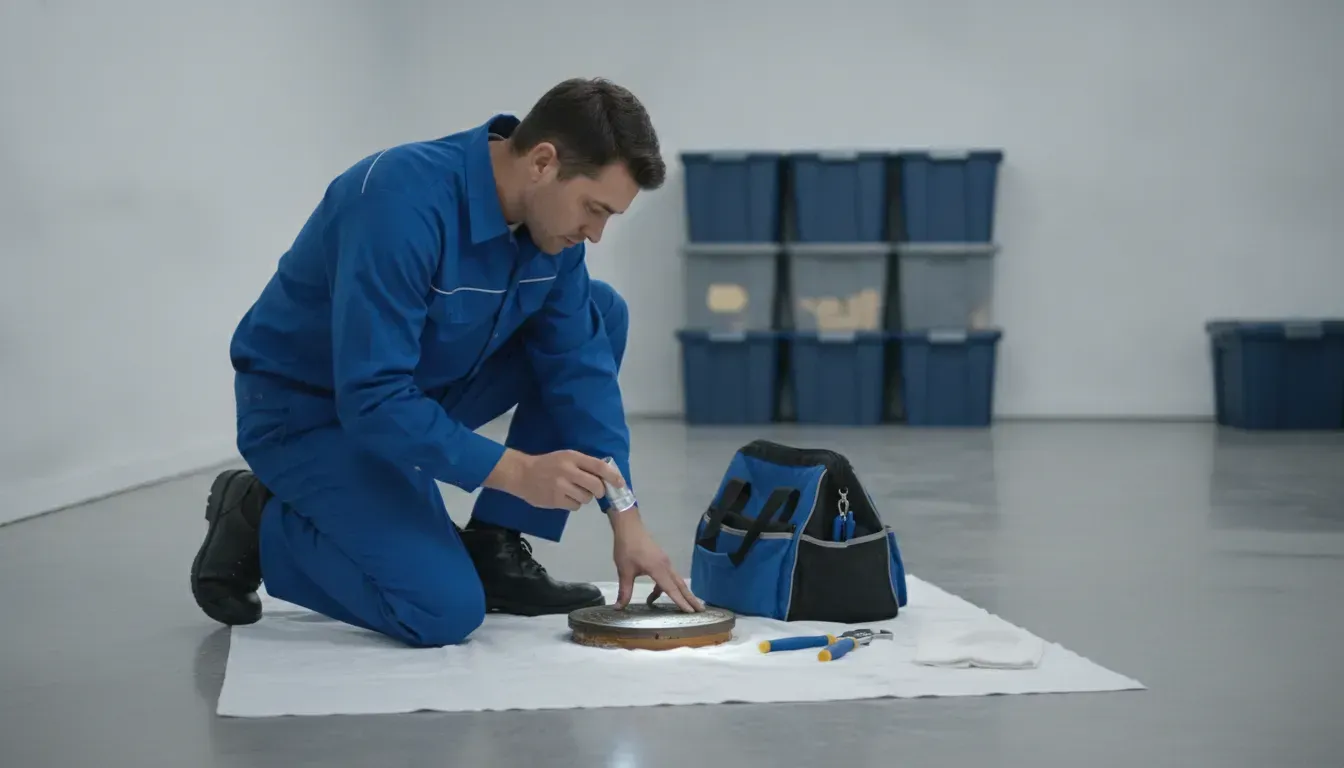
A professional assessment helps separate these conditions before a homeowner commits to the wrong solution. The review may include the basement drain, visible water entry points, the building sewer, and the relationship between indoor symptoms and recent weather. If the concern centers on a basement drain, basement drain maintenance can be evaluated as part of a broader prevention plan.
| Concern | Why it matters | Professional next step |
|---|---|---|
| Severe rainfall | High water volume can exceed available pipe or treatment capacity. | Document when symptoms occur and assess whether the issue is municipal, private, or both. |
| Downspouts aimed toward the foundation | Roof runoff can add water near basement walls and low points. | Review drainage flow and foundation conditions without assuming it is a sewer blockage. |
| Basement fixtures below sewer level | Fixtures may be more exposed when the sewer system surcharges. | Discuss approved protective measures with a qualified professional and the proper sewer authority. |
| Water collecting at a basement low point | Standing water may reflect groundwater or stormwater rather than sewage. | Evaluate the drain and pumping arrangement, then distinguish clean water from wastewater concerns. |
The same Massachusetts guidance notes that foundation waterproofing, crack sealing, and a sump pump may be considered where appropriate. These are not universal fixes, and any check valve or shut-off valve should be discussed with the proper sewer authority before installation. A diagnosis-led plan is the clearest way to protect the home without confusing stormwater management with sewer-line repair.
When Should Livonia Homeowners Schedule Professional Sewer Inspection?
A single slow drain may not explain what is happening across a home’s sewer system. When drainage problems return after temporary improvement or affect more than one fixture, a professional assessment can bring the situation into focus. The same is true when a homeowner is unsure whether the issue is inside the house or farther along the sewer line. The goal is not to guess at a repair. It is to identify the condition and location of the problem before selecting a service.
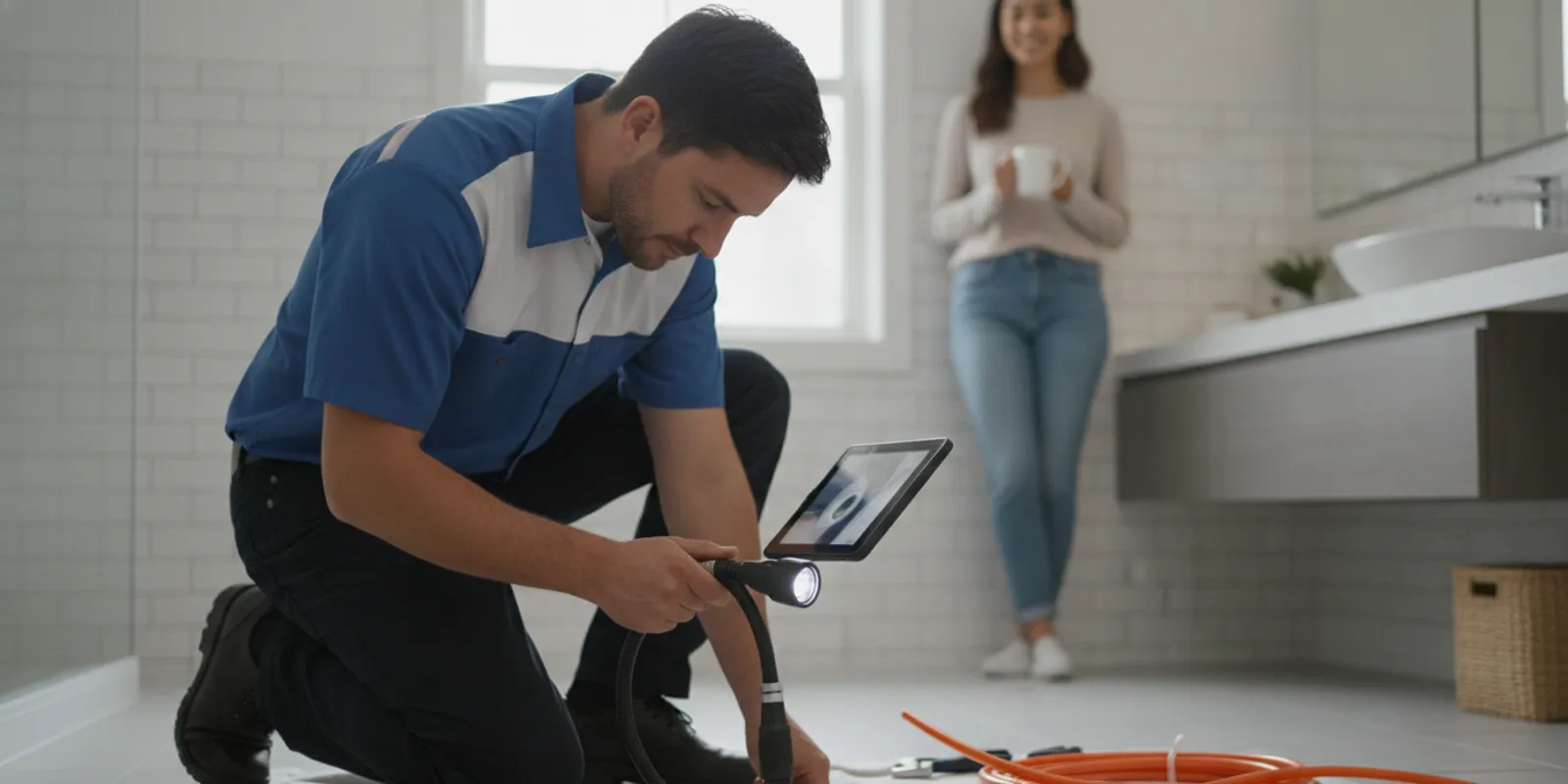
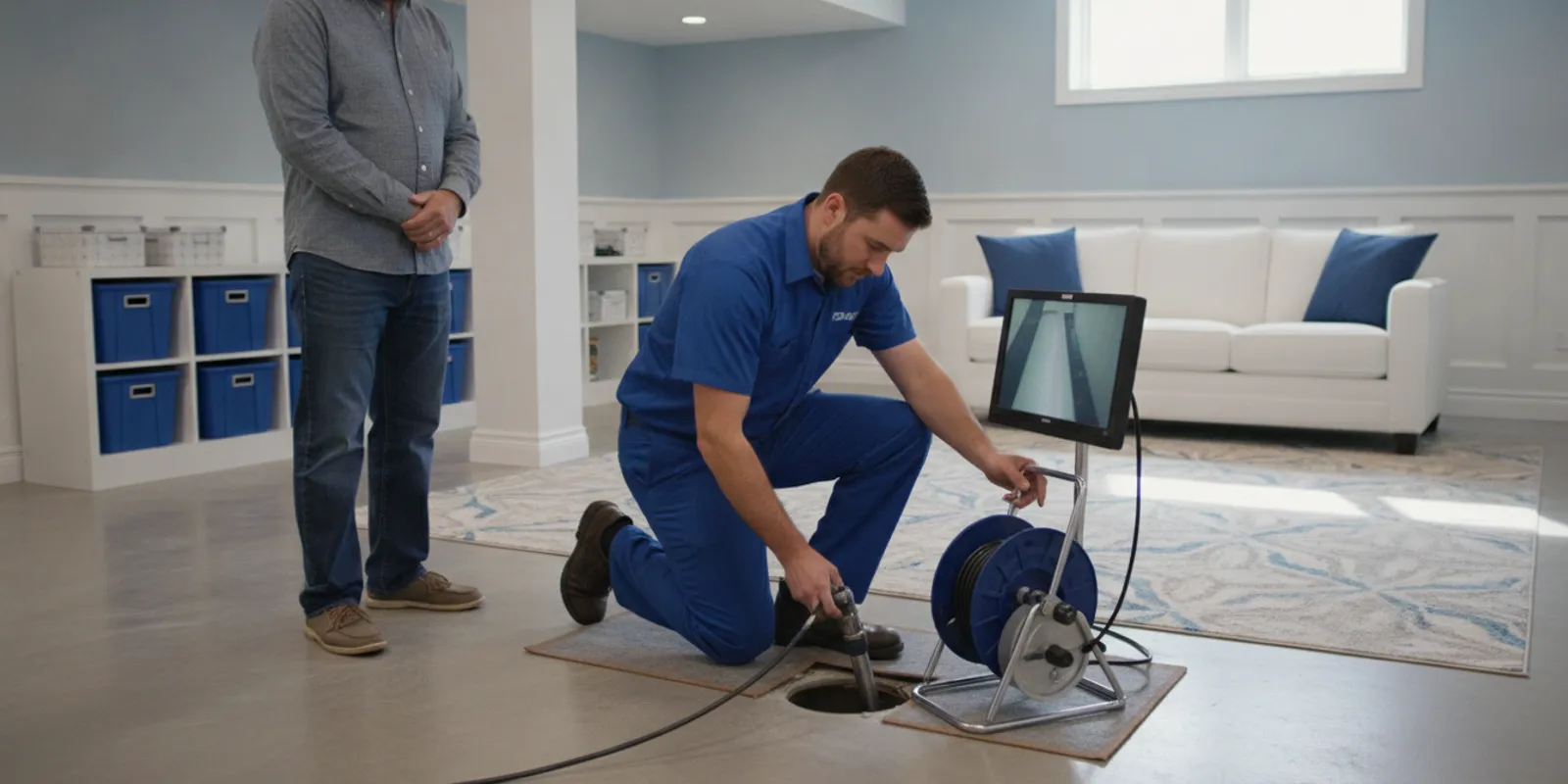
Mr. Pipey’s sewer drain service includes inspection, cleaning, repair, and replacement. A sewer camera inspection can help locate a blockage point and clarify what is happening inside the line. That information gives the technician a basis for recommending the next step, rather than treating every recurring symptom as the same type of obstruction.
Depending on the findings, the diagnosis-led process may include:
- Camera inspection: A video review can help identify the location and nature of a suspected sewer-line concern.
- Cleaning or jetting: Professional cleaning may be appropriate when buildup or an obstruction needs to be addressed. This is specialized service work, not a homeowner equipment project.
- Repair: If the line has a damaged section or another condition that cleaning cannot resolve, a technician can explain the available sewer repair options.
- Trenchless lining: Where the documented condition is suitable, trenchless sewer pipe lining may be considered as one repair approach. It is evaluated after inspection, not assumed in advance.
Scheduling an evaluation is especially reasonable when the same concern keeps returning, when a previous cleaning did not provide lasting clarity, or when the home’s symptoms suggest that the issue may extend beyond one drain. An inspection can also help separate a serviceable blockage from a larger repair question, allowing the homeowner to discuss practical options with better information.
For Livonia homeowners researching how to prevent sewer backups in Livonia, professional inspection is one part of a broader maintenance plan. It does not replace responsible drain use or municipal sewer maintenance, and no inspection can promise that a backup will never occur. It does provide a clearer basis for deciding whether cleaning, repair, or another documented option fits the condition of the line.
What Should You Do If a Sewer Backup Starts?
A sewer backup calls for a calm, organized response. Focus first on limiting contact with the affected water, then gather enough information for the right municipal and plumbing professionals to identify where the problem is occurring. Sewage can contain microorganisms that cause serious illness, so avoid treating contaminated water as an ordinary drain or plumbing spill.
- Keep people and pets away from the affected area. Limit contact with the water and avoid using fixtures that may be connected to the affected drain line. Do not attempt hazardous cleanup or handle contaminated materials without appropriate professional guidance. If anyone has already been exposed, follow guidance from a qualified health or remediation professional.
- Note which fixtures and areas are affected. Record whether the backup involves one drain, several fixtures, a basement area, or outdoor locations. Note gurgling, odors, slow drains, or changes after using water elsewhere in the home. This information can help distinguish a localized plumbing issue from a problem that may extend into the building sewer or public main.
- Contact Livonia when the main city sanitary sewer may be involved. During weekday hours, Livonia directs sewer-backup reports to the Department of Public Works Water & Sewer Division at (734) 466-2650, Monday through Friday, 8 a.m. to 4:30 p.m. If it is after hours and you believe the main city sanitary sewer may be blocked, the city directs residents to contact the Livonia Police Department at (734) 466-2470. Review the City of Livonia sewer-backup guidance for the current municipal process.
- Arrange professional emergency service for the property. Municipal reporting and private-property service address different parts of a possible backup, and one does not replace the other. A licensed plumber can assess the affected fixtures, locate a blockage, and recommend the appropriate next step without asking you to operate professional inspection or cleaning equipment. Mr. Pipey’s 24/7 emergency plumbing service includes sewage-backup response.
- Wait for a diagnosis before resuming normal use. Do not assume that visible water has resolved the underlying issue. Keep notes about the symptoms and the locations involved so the responding professional can evaluate the pattern and explain practical repair or prevention options.
The goal is a clear handoff: protect people from unnecessary exposure, notify the appropriate municipal channel when public infrastructure may be involved, and obtain a professional assessment of the private plumbing system.
What Can a Livonia Sewer Backup Prevention Plan Include?
A useful prevention plan for a Livonia home should cover both the public sewer context and the parts of the system connected to your property. The City of Livonia maintains and repairs the public sewer system to reduce the potential for backups, but homeowners cannot control conditions in the municipal main or the capacity of the wider system. Your plan should therefore separate municipal questions from private-property maintenance.
Review the property before each season
Walk through the basement and lower-level areas periodically, especially before seasons when heavy rain or saturated ground may place more demand on drainage systems. Note any recurring moisture, odors, gurgling toilets, or changes in how multiple fixtures drain. Keep gutters and downspouts directing water away from the foundation, and address visible foundation cracks or water-entry paths with an appropriately qualified professional. Massachusetts guidance also identifies basement fixture placement, foundation sealing, and sump-pump planning as measures that may reduce exposure when a sewer system surcharges. Those changes should be evaluated for the home’s layout rather than treated as a universal checklist.
Ask the proper sewer authority before installing a check valve or shut-off valve on a building sewer. That safeguard can affect how the private and municipal portions of the system interact, so local requirements and professional assessment matter. For broader background on household response and planning, this sewer line backup prevention resource can provide additional context without replacing a property-specific evaluation.
Separate public responsibilities from private warning signs
Livonia residents should use the city’s established reporting channels when a problem may involve the main city sanitary sewer. At the same time, recurring symptoms on private property may point to a blockage, root intrusion, deterioration, or another condition in the building sewer. Multiple slow drains, sewage odors, wet yard areas, or unusually green grass deserve attention rather than repeated temporary clearing.
A professional assessment makes sense when symptoms return, affect more than one fixture, or appear alongside basement or yard concerns. Mr. Pipey can use sewer drain inspection, cleaning, and camera-based diagnosis to identify the location and nature of a problem, then explain repair or replacement options when needed. A seasonal plan is not a guarantee against every backup. It is a practical record of observations, municipal contacts, property drainage considerations, and timely professional decisions.
Contact Mr. Pipey for clear sewer-backup prevention options in Livonia.
Frequently Asked Questions
What is the most practical way to prevent a sewer backup?
Keep wipes, grease, cooking oil, food scraps, paper towels, and other unsuitable materials out of toilets and drains. These materials can accumulate inside pipes and contribute to blockages. Tree and shrub roots can also enter sewer lines, so landscaping near a sewer line deserves professional review. For additional local context, see Livonia’s sewer-backup guidance.
What warning signs suggest a sewer line problem?
Pay attention when multiple fixtures drain slowly, toilets gurgle, sewage odors return, or water appears in a basement. Wet spots or unusually green patches in the yard can also indicate a concern. A recurring or multi-fixture pattern is a reason to schedule diagnosis rather than treating each drain as an isolated issue.
Is a sewer backup the homeowner’s responsibility or the city’s?
Responsibility depends on where the obstruction or failure occurs. Livonia maintains and repairs the public sewer system, but private building sewers and household plumbing require property-specific evaluation. If you believe a backup involves the main city sanitary sewer, follow the city’s reporting instructions before assuming the cause or responsibility.
When should a Livonia homeowner schedule a professional inspection?
Arrange an assessment when symptoms recur, affect more than one fixture, or appear alongside yard or basement concerns. A professional can use a sewer camera to locate blockage points and then determine whether cleaning, repair, replacement, or another documented option fits the condition. Avoid operating professional inspection or jetting equipment yourself.
What should I do if a backup starts after hours?
Limit contact with the affected water and keep people and pets away from the area. If you believe the main city sanitary sewer may be involved, Livonia directs residents to its after-hours municipal contact. For private-property sewage-backup response, a qualified emergency plumbing service can help assess the immediate situation and identify the next step.
Ready to Plan Sewer Backup Prevention in Livonia?
A professional assessment can help connect recurring drain or sewer concerns with a practical next step for your home. Mr. Pipey’s licensed team can discuss prevention, inspection, and service options with clear explanations and a customer-first approach. Contact Mr. Pipey to discuss your Livonia home’s sewer and drain needs.