
A slow kitchen sink, a tub that holds water, or several drains acting up at once can leave a Sterling Heights homeowner wondering which cleaner will actually help. The best drain cleaner for Sterling Heights homes is not one product for every clog: the right approach depends on where the blockage is, what is restricting flow, and whether the issue keeps returning. Matching the service to the cause helps avoid treating the same symptom over and over.
Request professional drain help and clear service options
What is the best drain cleaner for Sterling Heights homes?
For a minor, isolated slowdown, a professional may be able to clear a nearby obstruction with a targeted drain-cleaning service. For a recurring clog, a blockage farther down the branch line, or symptoms affecting multiple fixtures, the best next step is often diagnosis before cleaning. A chemical drain product cannot tell you whether the restriction is caused by accumulated material, a damaged pipe, or a problem in the sewer line.
That difference matters. A temporary opening may restore flow without resolving why the drain repeatedly slows. If water backs up in one fixture when another is used, or several drains are sluggish around the same time, a plumber should assess the system rather than assume every fixture has its own separate clog. Mr. Pipey’s sewer and drain services address drain concerns with the condition and location of the line in view.
The term “drain cleaner” can mean different things: a consumer chemical, routine drain clearing, professional drain cleaning, or a diagnostic service followed by a repair. Those are not interchangeable. Choose based on the symptoms and a plumber’s evaluation, not a promise that one method works for every drain. Avoid combining chemical products or pouring them into a drain before a service visit; tell the plumber if anything has already been used.
It helps to think of the decision as a sequence rather than a product choice. First, identify whether the symptom is limited to one fixture or involves several. Next, consider whether it is new or keeps returning. Finally, ask whether the proposed service will clear a known restriction, investigate an uncertain one, or address a pipe condition. These questions help keep the response proportional. A single slow drain with no other symptoms is not the same situation as a repeat backup that affects multiple rooms.
Which clues help identify the right drain-cleaning approach?
Start by noting what is happening and where. You do not need to take plumbing apart or try equipment to provide useful information. A clear description of the timing and affected fixtures can help a professional decide whether the issue appears localized or may involve a shared line.
- One fixture is slow: A problem limited to one sink, tub, or shower may be close to that fixture, though an inspection is needed to confirm the source.
- The same drain repeatedly slows: Recurrence can mean the original restriction was not fully cleared, or that another condition in the line needs attention.
- Several fixtures change together: Multiple slow drains or water moving unexpectedly between fixtures can point to a shared drain or sewer concern. Arrange a professional assessment.
- Odor or unusual sounds accompany the slowdown: Report these observations along with the location and when they occur. They are useful context, not a diagnosis by themselves.
- Water is backing up: Stop using affected fixtures and seek prompt plumbing guidance, especially if more than one fixture is involved.
These distinctions help frame the service call without encouraging trial-and-error. If the concern is a specific fixture, a professional may begin there. If symptoms suggest a line shared by multiple fixtures, the assessment may need to extend beyond the visible drain opening. Learn more about professional drain repair when a blockage or damaged section may require more than routine cleaning.
A short symptom record can make the conversation clearer. Note which fixtures are affected, whether they changed at about the same time, and whether the symptoms appear during a particular household routine. For instance, a sink that drains slowly only after repeated use still deserves attention, but that detail differs from a tub and a nearby toilet showing changes together. Include the date of any prior cleaning and whether the condition improved briefly or not at all. The point is not to determine the cause yourself; it is to give the plumber a reliable timeline.
Also describe what you observe without interpreting it as a confirmed diagnosis. “The upstairs tub drains slowly, and the bathroom sink is normal” is more useful than assuming the entire sewer needs replacement. Likewise, “the basement drain backed up when the washing machine was running” gives context that a plumber can evaluate. Keeping observations specific helps avoid both underreacting to a wider pattern and overestimating what a single symptom means.

How do common drain-cleaning options compare?
The useful comparison is not which cleaner sounds strongest. It is which service fits the symptoms, provides enough information to address the cause, and avoids unnecessary work. A plumber can explain the recommended approach and whether inspection is appropriate before proceeding.
| Approach | When it may fit | What it can and cannot tell you | Useful next step |
|---|---|---|---|
| Professional clearing at one fixture | A localized slowdown or obstruction with no other affected fixtures | Can address a blockage in the service area reached; does not automatically explain a recurring problem farther along the line | Share whether this drain has slowed before and ask what follow-up signs to watch for |
| Hydro jetting | A plumber determines that professional water-jet cleaning is suitable for the line and blockage | Can clean portions of a drain line using specialized equipment; it is not a substitute for diagnosing pipe damage or every sewer problem | Ask whether the line’s condition and blockage type make jetting appropriate |
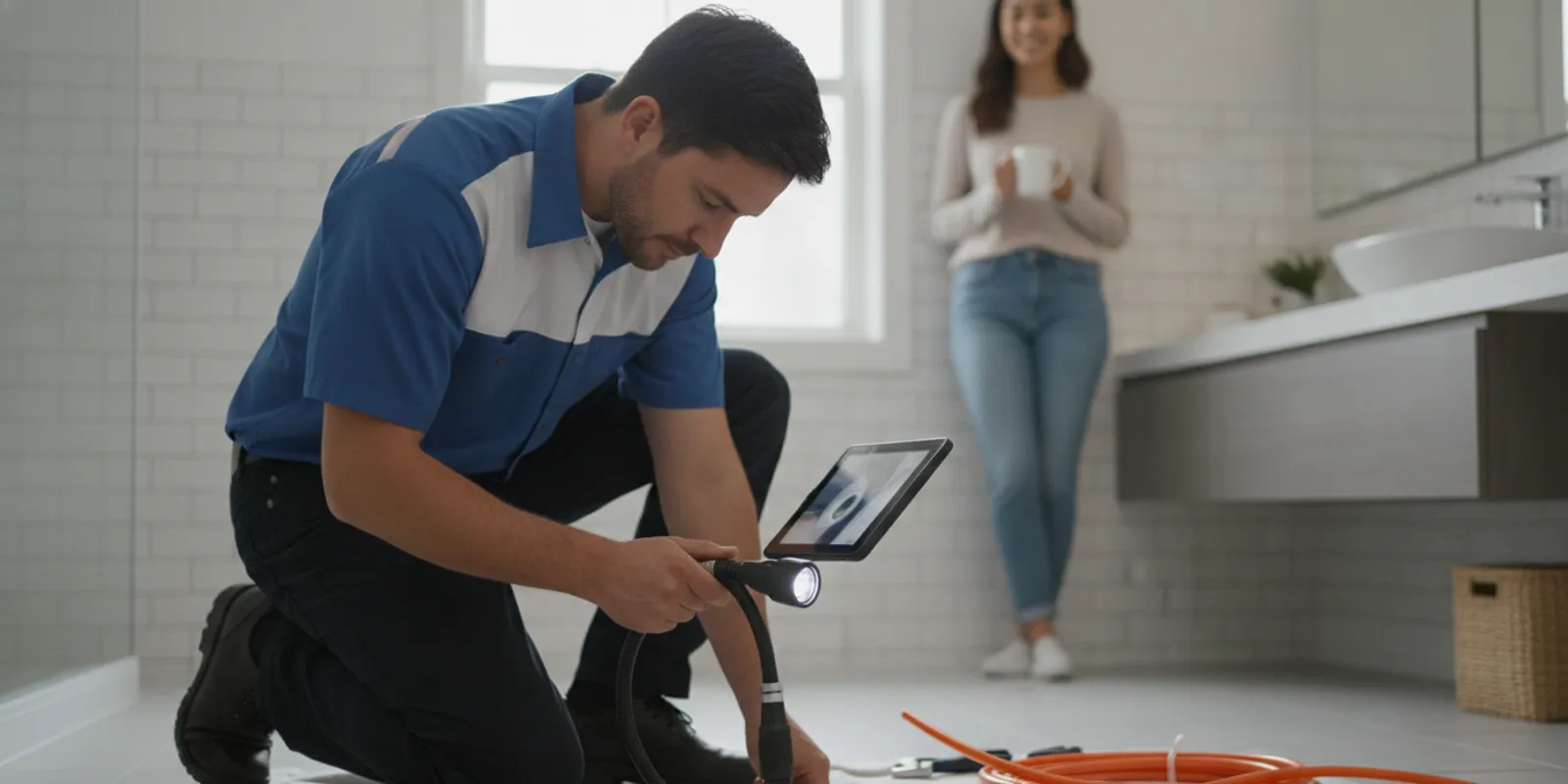
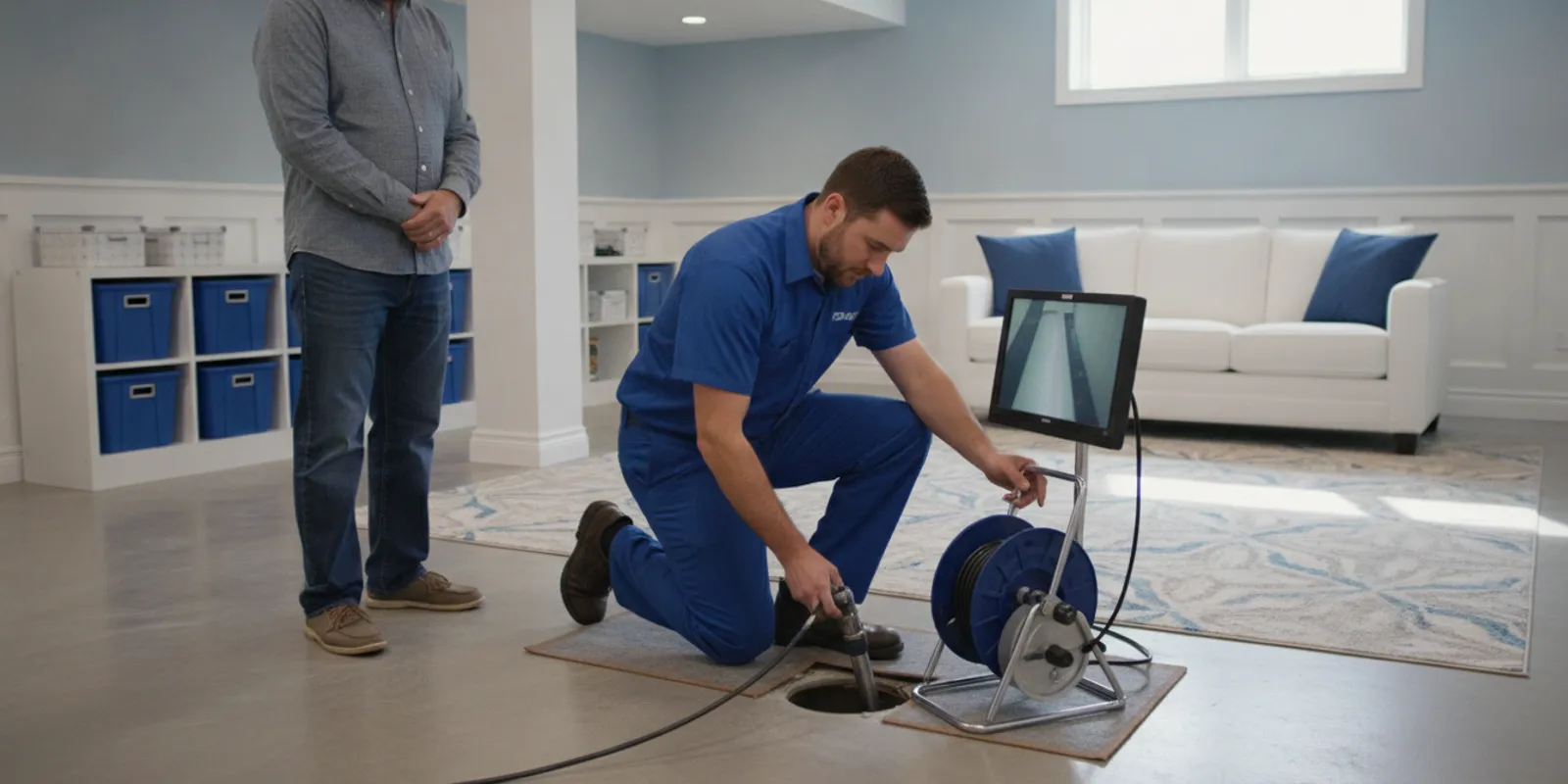
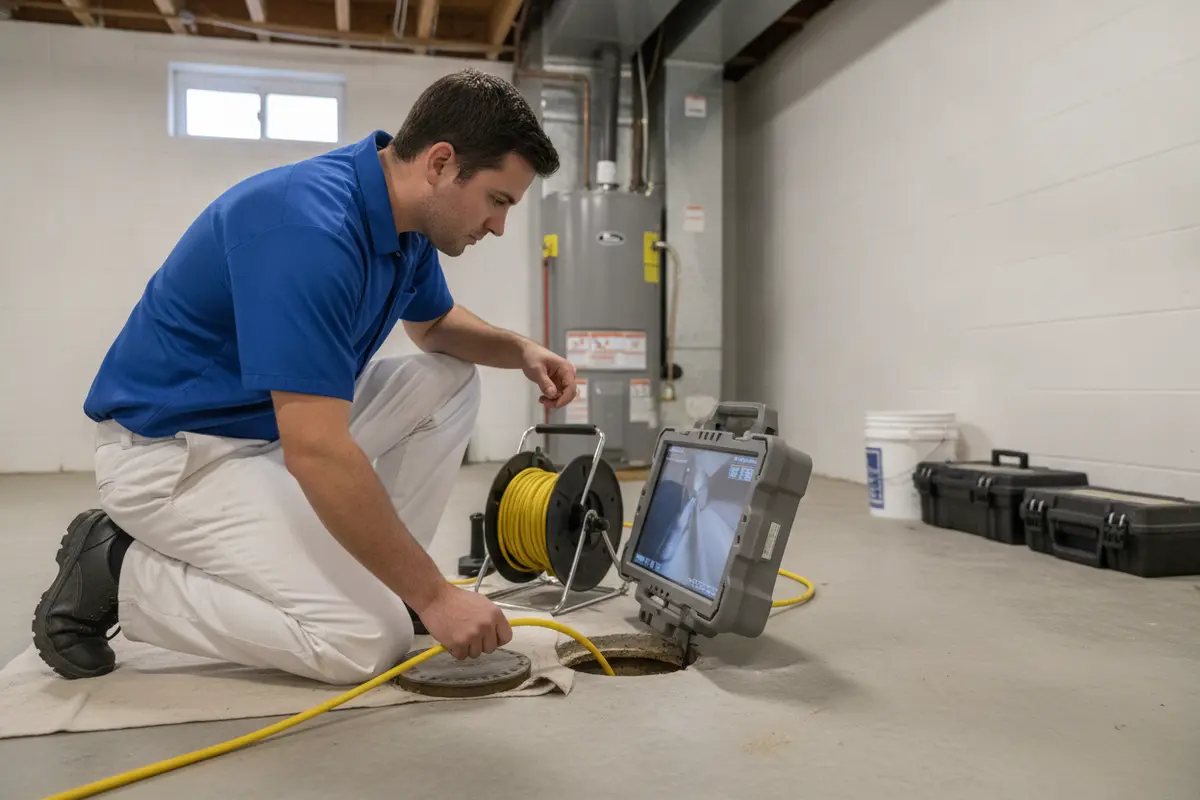
| Sewer camera inspection | Recurring symptoms, a suspected deeper restriction, or a need to understand line condition | Provides a view inside accessible sewer piping; the findings guide whether cleaning, repair, or another step is warranted | Review the inspection findings and options with the plumber |
| Repair or replacement | Inspection identifies a damaged or failing pipe rather than a removable obstruction alone | Addresses a pipe condition; the scope depends on location, material, and findings | Request an explanation of the affected section, proposed scope, and quote before work begins |
Hydro jetting is a professional service, not a universal answer. Mr. Pipey’s HydroScrub drain jetting page describes this service. A plumber should decide whether a line is a suitable candidate, particularly when symptoms recur or there is a question about pipe condition. When the cause is uncertain, sewer camera inspection can help evaluate the line before deciding on the next step.
These options serve different purposes, so comparing them by outcome is more useful than comparing names. Clearing focuses on restoring flow through an identified restriction. Jetting is one professional cleaning method and is selected based on the line and findings. Camera inspection adds information about an accessible section of piping; it does not itself clean or repair the line. Repair or replacement is considered when the findings point to a pipe condition that cleaning cannot correct. Ask the plumber to state which outcome is expected and what observation would change the recommendation.
For example, if a single sink has slowed and the rest of the home is draining normally, a focused assessment may be a reasonable starting point. If a drain clears but slows again shortly afterward, repeating the same service without revisiting the cause may not answer the important question. If more than one fixture is involved, a shared line becomes one possibility to assess. In each case, the route through the table depends on findings, not on assuming the most involved option is best.
When should Sterling Heights homeowners ask for a sewer inspection?
A one-time slow drain does not automatically mean the sewer line needs repair. But a pattern involving repeated stoppages or several fixtures deserves a broader look. A professional inspection can help separate a localized clog from a condition in a shared drain or sewer line, so the recommended service responds to what is actually happening.
Consider asking whether camera inspection is appropriate if a drain becomes slow again soon after service, several fixtures show symptoms, or a plumber suspects the blockage is beyond an individual fixture. An inspection is also useful when a cleaning attempt restores flow but does not explain a recurring pattern. The goal is to establish what the line shows, not to assume that every repeat clog means replacement.
During an evaluation, describe the fixtures involved, when symptoms began, whether they happen together, and any prior service or products used. A plumber can use that history to determine where to investigate. The technician should explain what was observed, what remains uncertain, and why a proposed cleaning or repair fits the findings. If the concern points toward a damaged sewer pipe, review the available sewer line repair options with a qualified professional.
There are practical questions worth asking before agreeing to an inspection. Which stretch of piping will be evaluated? What can the camera reasonably show in that section? Will the technician review the findings with you and explain how they relate to the symptoms? These questions clarify what information the service is intended to provide. They also distinguish a diagnostic step from a commitment to a particular repair. Inspection results should guide the next decision; a homeowner need not infer the scope from a brief description of a clog.
It is equally useful to ask what a camera cannot confirm. An inspection covers the accessible path of the camera and provides evidence from the areas viewed. If the reported symptoms occur at a different branch or under a different condition, the professional may need to explain how the inspection relates to that pattern. Good diagnosis connects the observations, the area examined, and the recommendation rather than treating a camera visit as an automatic answer to every plumbing concern.
How can you tell drain cleaner from sewer-line service?
The name of a service is less important than the part of the plumbing it addresses. A fixture drain carries wastewater from one sink, tub, or shower into a branch line. Branch drains connect fixtures to larger piping, while the building sewer carries wastewater away from the home. A slowdown close to one fixture can have a different cause from a restriction farther along a shared line, even when both are described as a clogged drain.
Look at the pattern rather than trying to infer the exact location. One sink that drains slowly is different from several fixtures changing at once. A repeat clog in the same location is also useful information, even if other fixtures seem normal. These observations do not prove where the obstruction is; they help a plumber choose where to begin and whether a camera evaluation may be useful.
It is reasonable to ask the technician to explain the proposed service in plain terms: what part of the system will be addressed, what the service is expected to do, and whether it will identify the cause or only restore flow. If the recommendation changes after an inspection, ask what finding prompted that change. Clear answers help you compare a cleaning service with a diagnostic visit or a repair proposal without assuming that the most extensive option is necessary.
For example, a single slow bathroom sink may call for a different assessment than a kitchen sink and a nearby tub both draining poorly. If symptoms spread across fixtures or persist after a previous cleaning, mention that history when scheduling. A professional may recommend examining a shared line, while a localized issue may be approached at the affected fixture. In either case, the recommendation should follow the observed condition, not just the broad label “drain cleaner.”
Terminology can also vary from one service description to another. Ask whether “drain cleaning” means work at a fixture, at a branch line, or at another section of the system. Then ask what is included in the proposed visit and whether diagnosis is part of it. The answer should help you understand the service boundary before work starts. When a contractor explains the boundary clearly, it is easier to decide whether the next step addresses the actual concern or whether more information is needed first.
What should you expect from professional drain cleaning?
A useful service visit starts with questions and a clear scope. The plumber should understand which fixtures are affected and what has already been tried. Depending on the symptoms, the visit may involve inspecting the fixture, clearing a blockage, evaluating a line, or discussing repair options. The exact work varies with the location and condition of the plumbing.
- Describe the pattern. Point out each affected fixture, when the issue occurs, and whether it is new or recurring.
- Review the assessment. Ask what the plumber believes is causing the restriction and whether more diagnosis is needed before cleaning.
- Confirm the proposed service. Make sure you understand which section is being addressed and what the service is intended to accomplish.
- Discuss the findings. After work or inspection, ask whether the line is flowing as expected and whether any condition needs follow-up.
- Agree on next steps before additional work. If repair is recommended, request a clear explanation of the options and pricing before authorizing that scope.
This process is more useful than choosing a drain product by label alone. It also gives you a record of the symptoms, service, and findings if the problem returns. For a broader view of plumbing options, see Mr. Pipey’s plumbing service information or its page on 24/7 emergency plumbing for urgent situations.
Before a visit, make a concise list of the affected drains and any relevant history. Mention whether the issue appeared suddenly, whether it has happened before, and what products or services were used. If the concern is currently active, explain whether water is standing or backing up and which fixtures are involved. This is enough to help a professional prepare without attempting to diagnose the line yourself.
During the visit, listen for a distinction between what the plumber has observed and what remains a possibility. A clear explanation might describe where the restriction appears to be, what service is being recommended, and whether there is a reason to inspect further. If a technician recommends a more extensive option, ask how the findings support it and whether there are alternatives. If the initial cleaning restores flow, ask what signs would justify follow-up and what recurrence would mean for the next evaluation.
After service, keep the description of the work and any inspection findings with your home records. If symptoms return, you can share the timing and compare it with the earlier visit rather than starting the explanation from scratch. This history is especially helpful when the same drain is involved repeatedly or when a line has been cleaned but the underlying cause was not clear. Organized notes do not replace a plumbing evaluation, but they make it easier to discuss the sequence of events accurately.
What drain habits can Sterling Heights homeowners avoid?
Preventive care does not need to involve aggressive chemicals or improvised fixes. Use fixtures for their intended purpose, and keep objects that do not belong in a drain out of it. The City of Sterling Heights’ drain blockages guidance includes a “Do Not Flush” reminder. Follow local guidance on what should not enter drains, and contact a plumber when repeated slowdowns suggest a problem beyond ordinary use.
Also, take care with chemical drain products. Product directions differ, and mixing products can create hazards. Avoid combining them, and tell the plumber what was used before anyone works on the affected drain. If a drain is repeatedly blocked, professional evaluation can help determine whether cleaning alone is suitable. The goal is to understand the line and choose a proportionate response, not to escalate to stronger products without a diagnosis.
When comparing a professional recommendation, consider whether it addresses the symptom you reported and whether the scope is clear. A suitable explanation should distinguish between clearing a restriction and investigating why it formed. It should also say what the technician can confirm during the visit and what would require additional inspection. If more than one option is appropriate, ask how each relates to the observed condition and what each option is intended to accomplish.
For Sterling Heights homeowners, local guidance is useful for everyday disposal questions, while a plumber can evaluate a persistent problem within the home’s plumbing. The two serve different purposes: public guidance helps residents understand practices such as what not to flush, and a plumbing assessment focuses on the specific fixtures and piping in a home. Neither a general tip nor a product label can identify the condition of an individual sewer line.
A simple prevention routine is mostly about awareness and timely communication. Pay attention when a drain’s behavior changes, note whether other fixtures are affected, and avoid treating recurring symptoms as a series of unrelated events without asking whether they share a cause. Local disposal guidance can help reduce avoidable blockages, but it cannot prevent every plumbing restriction or account for the condition of a particular pipe. If a drain repeatedly slows despite ordinary use, the more useful next move is a professional assessment rather than repeated escalation to chemical products.
One example is a household that notices a bathroom sink slowing over several weeks while every other fixture works normally. That is a different report from a home where more than one drain changes over a single evening. In both cases, reporting the exact pattern matters. It helps a plumber decide whether to start with the affected fixture, look for a shared line concern, or gather more information before recommending service. Routine observations are useful, but they are not a substitute for professional diagnosis when a problem persists.
Frequently Asked Questions
What is the best drain cleaner for Sterling Heights homes?
There is no single best product for every home. The appropriate service depends on the blockage location, symptoms, and pipe condition. A plumber can determine whether localized clearing, hydro jetting, inspection, or repair is warranted.
Is hydro jetting right for every clogged drain?
No. Hydro jetting is a professional cleaning method, and a plumber should assess whether it suits the specific line and condition. It does not replace diagnosis when symptoms point to pipe damage or another sewer issue.
When is a sewer camera inspection useful?
It may help when a blockage keeps returning, multiple fixtures are affected, or the cause is not clear after an initial assessment. The camera findings can help guide the next recommendation.
Should I use a chemical drain cleaner before calling a plumber?
Do not mix drain products, and follow all product warnings. If you have already used one, tell the plumber what it was and when it was applied. For recurring or multi-fixture problems, ask for an evaluation rather than relying on repeated chemical treatments.
What should I do if multiple drains back up?
Stop using the affected fixtures and contact a plumbing professional for guidance. Describe which drains are involved and whether the problem began at the same time; this helps the plumber assess whether a shared line may be involved.
Get professional help evaluating a recurring drain problem
Get a clear plan for a recurring drain problem
If a Sterling Heights drain keeps slowing down or more than one fixture is affected, a professional assessment can help identify the right next step. Contact Mr. Pipey to discuss the symptoms and request clear service options for your home.
Contact Mr. Pipey to discuss your drain service options
A careful diagnosis helps match drain cleaning or repair to the condition of the line, rather than treating every clog the same way.