When hot water starts looking cloudy, takes longer to recover, or makes new popping sounds, Southfield homeowners often want to know whether flushing the water heater will help. The answer depends on the heater, its condition, and what is causing the change. A professional assessment can separate routine maintenance from a repair issue and help you understand what service is appropriate. Here is how to flush a water heater in Southfield from a professional-service perspective: what the visit involves, what differs by system, and what to ask before approving work.
Contact Mr. Pipey to discuss water-heater service
What does flushing a water heater actually do?
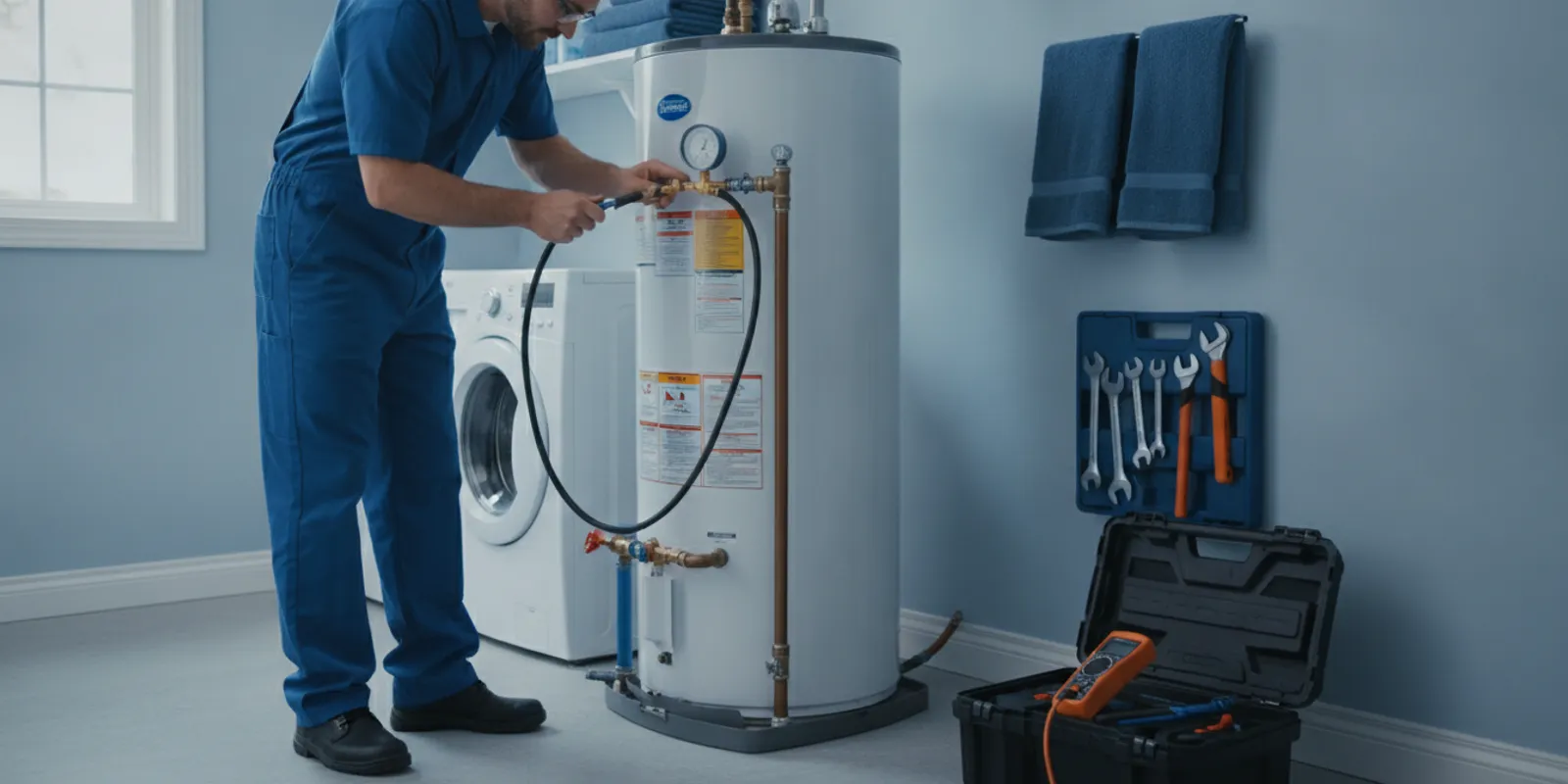
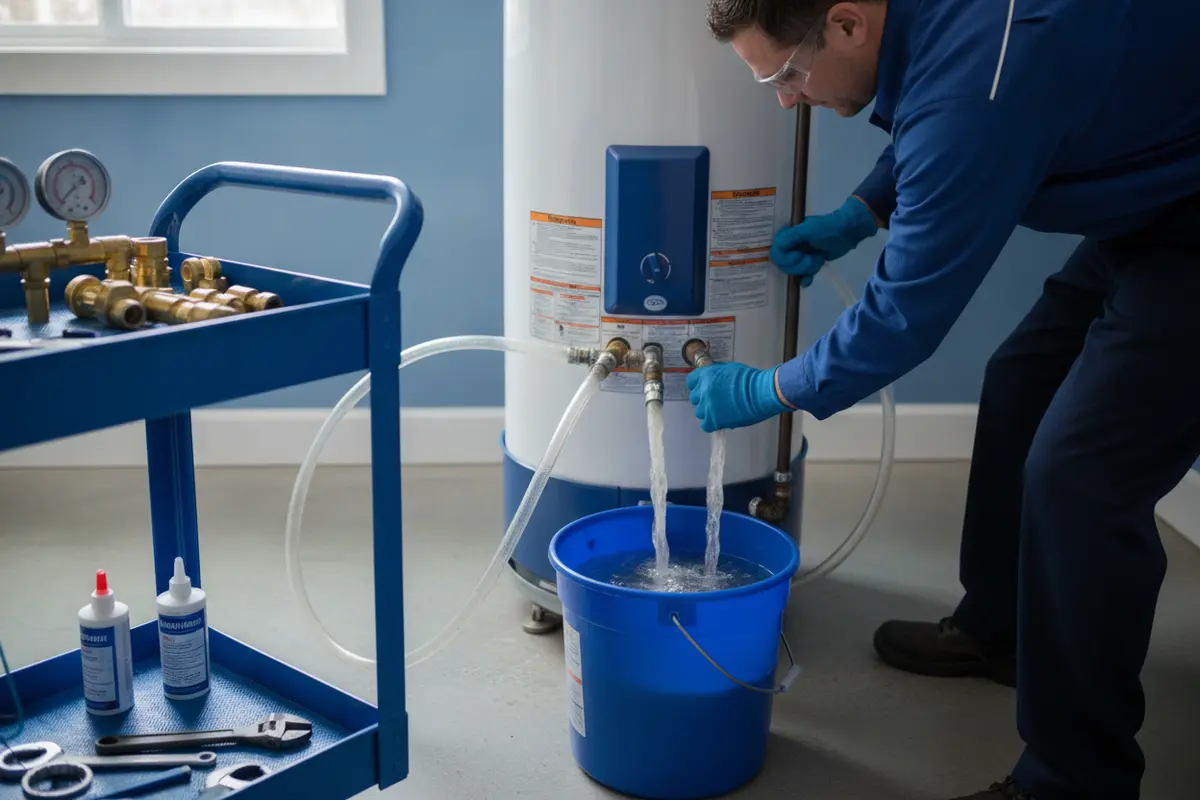
In a storage-tank water heater, a flush is a controlled process for draining water from the tank and carrying loose sediment out through the appropriate drain connection. Sediment can enter with the incoming water and settle at the bottom of a tank over time. Depending on its amount and character, it may contribute to rumbling or popping sounds, reduced usable hot-water capacity, or slower heat transfer. A flush is a maintenance procedure; it does not repair every cause of poor hot-water performance.
The key distinction is between removing loose material and correcting a fault. A flush cannot restore a failed heating element, repair a leaking tank, correct a venting or combustion problem, or resolve a sizing issue. If a symptom has another cause, flushing alone may not change it. The plumber should assess the system and explain whether maintenance, repair, replacement, or further diagnosis is the sensible next step.
Flushing a water heater is also different from running a faucet to clear household plumbing after a water advisory. Oakland County’s boil-water information describes flushing household taps after an advisory. That guidance concerns plumbing fixtures and public-health instructions, not a routine water-heater service procedure. Follow the instructions in any current local advisory, and ask a licensed plumber if you are unsure how it applies to your equipment.
How does a professional water heater flush work?
A qualified plumber starts by identifying the equipment and checking whether a flush is appropriate. That matters because a tank heater, tankless unit, and older or compromised system do not share one universal maintenance procedure. The technician considers the manufacturer’s instructions, the heater’s condition, the available shutoffs and drain arrangement, and the symptom that led to the call.
- Identify the heater and the concern. The plumber confirms whether the unit is a storage tank or tankless model, reviews its visible condition, and asks what has changed: noise, water appearance, temperature consistency, recovery time, or another issue.
- Check the installation and service condition. The technician looks for visible leakage, corrosion, unusual discharge, damaged connections, and other factors that could make routine draining inappropriate. The inspection also helps determine whether a separate repair or diagnostic visit should be discussed.
- Explain the plan before work begins. If a flush is suitable, the plumber explains the work, any relevant limitations, and the expected service scope. If the unit’s condition creates concerns, the plumber should discuss those findings rather than treating a flush as automatic.
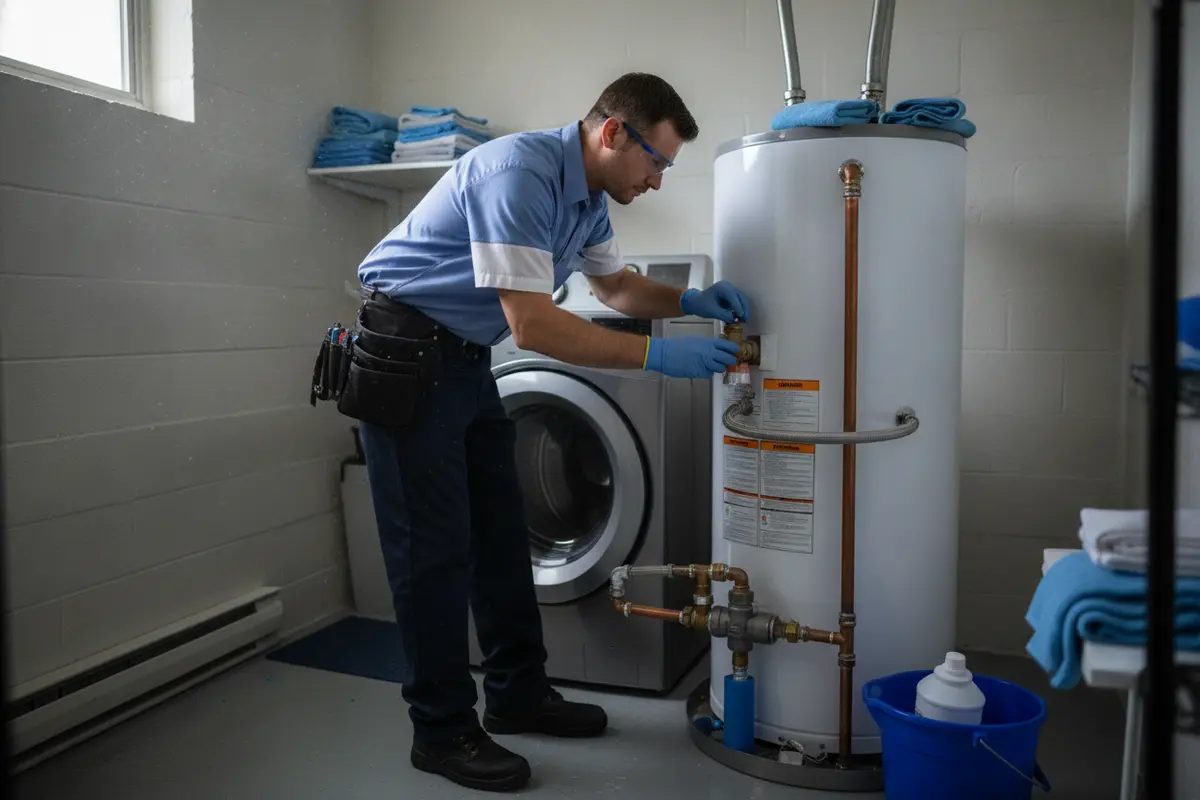
- Isolate and drain the tank as appropriate. The technician follows the equipment’s requirements and uses a controlled process to manage the water. Hot water and pressurized equipment can cause injury or damage if handled incorrectly, so this is not a homeowner instruction list.
- Clear loose material and restore service. The plumber manages the flow through the drain connection, then returns the heater to its proper operating state using the manufacturer-appropriate process.
- Check operation and review the result. The technician confirms that the system is functioning as expected, checks the service area for leaks, and explains whether the original concern appears resolved or needs additional diagnosis.
The sequence can vary with the make, model, installation, and condition. For that reason, a generic online sequence should not replace the unit’s instructions or a professional’s assessment. A heater with a leaking tank or deteriorated valve, for example, may need a different conversation than a unit receiving routine maintenance.
During the visit, the homeowner can help by describing what changed and when. Note whether the sound happens during heating, whether the hot-water issue affects every fixture or only one, and whether the change began after plumbing work or an interruption in service. These details do not diagnose the cause, but they help the plumber distinguish a heater-wide symptom from a fixture or supply issue. If you know the unit’s approximate age, model, or last service date, share that information as well. The technician can compare those details with the equipment’s condition and service guidance instead of making a recommendation from one symptom alone.
When should a Southfield homeowner ask about a flush?
There is no single interval that fits every water heater. The right maintenance schedule depends on the model’s instructions, water conditions, usage, installation, and service history. If you have the heater’s manual, its maintenance guidance is a useful starting point. A plumber can also review the unit and help determine whether service is due.
It is reasonable to ask about a professional assessment when you notice a new or recurring change such as:
- Rumbling, popping, or crackling sounds from a storage tank that were not present before.
- Hot water that seems to run out sooner than it used to, without an obvious change in household use.
- Cloudy-looking hot water or particles that appear at a hot-water fixture. The appearance alone does not prove sediment is the cause.
- Noticeable changes in heating or recovery time that persist after ordinary use patterns return.
- A manufacturer’s recommended maintenance interval or a service history that is unclear.
These observations are reasons to ask questions, not a diagnosis. A plumber may find that the concern is related to a fixture, a heating component, a thermostat or control, a plumbing connection, or another condition. If you see water leaking from the tank itself, repeated discharge, or signs of electrical or combustion trouble, explain that when arranging service; the visit may need to focus on diagnosis and safety rather than a routine flush.
It can also help to compare the symptom across several ordinary uses rather than relying on one brief observation. For example, note if recovery seems slower after the household’s usual morning use, or if the sound is repeated under similar conditions. Avoid changing heater settings or attempting a drain to test a theory. The goal is to give a professional a clear description, not to create a new operating condition. If hot water looks discolored at one tap but not another, mention that difference; it may point the assessment toward a fixture or branch of plumbing as well as the heater. A careful account prevents the symptom from being treated as proof of sediment before the system is inspected.
Does a tankless water heater need the same flush?
No. Tankless equipment does not store a tank of hot water in the same way as a conventional storage heater. Its maintenance needs and service procedure differ, and its manufacturer’s directions should guide the work. A technician may recommend a system-specific cleaning or descaling service based on the unit and its history, but that is not interchangeable with draining sediment from a storage tank.
Make and model matter. Tankless systems can have isolation valves and service requirements that vary by installation. The owner should not assume that a tank-heater procedure, a video for a different model, or a generic recommendation applies. Share the model information if available and ask the plumber to describe the proposed work in terms of your actual equipment.
Mr. Pipey provides tankless water heater service as well as water heater repair and replacement. Those service pages can help you identify the relevant service conversation, but an in-person assessment is what determines whether maintenance is appropriate for a particular unit.
Flush, repair, or replace: how do the options compare?
The table below is a discussion guide, not a remote diagnosis. The plumber should explain which option fits the condition observed and why. An estimate should distinguish the requested maintenance from any additional repair or replacement work.
| Option | When it may be considered | What the visit focuses on | What it does not promise |
|---|---|---|---|
| Professional tank flush | Loose sediment is a plausible concern and the heater is suitable for the procedure. | Assessment, controlled draining and flushing, restoration, and an operational check. | It does not repair a failed component or guarantee that unrelated symptoms will stop. |
| System diagnosis or repair | There is a leak, inconsistent heating, repeated discharge, a control issue, or symptoms that persist. | Identifying the source of the problem and explaining repair options. | A flush alone should not be presented as a substitute for necessary diagnosis. |
| Replacement estimate | The unit’s condition, repair needs, or homeowner’s plans make replacement worth comparing. | Reviewing suitable replacement choices, installation scope, and quote details. | Replacement is not automatically necessary just because sediment or noise is reported. |
| Tankless maintenance | The home has a tankless unit and its model-specific maintenance calls for service. | Following the equipment’s service requirements and checking operation. | Tank-heater flush instructions do not automatically apply to tankless equipment. |
If the heater is otherwise working well and the concern is consistent with sediment, ask whether a flush is appropriate and what it includes. If the plumber sees a separate defect, request an explanation of the finding and compare the scope and price of maintenance with any proposed repair. This keeps the decision clear and avoids paying for a procedure that does not address the actual problem.
Consider a few common decision paths. A storage heater that has a new, low rumble, no visible leak, and otherwise stable hot-water delivery may be a candidate for an assessment that includes a discussion of flushing. A heater that produces inconsistent temperatures or takes much longer to recover may need a component and control evaluation before maintenance is chosen. A tank with active leakage or a valve that is repeatedly discharging calls for a diagnostic conversation, not an assumption that a flush will solve the symptom. And if a household has a tankless unit, the relevant comparison is its own prescribed maintenance against diagnosis or repair—not a conventional tank flush. In every case, ask the plumber to connect the recommended work to the observed condition and to outline what would prompt a different next step.
What should be included in a water-heater service quote?
Before work begins, get a plain-language explanation of the visit. A useful quote or service discussion should identify the system being serviced, the work included, and any conditions that could change the scope. Ask whether diagnosis is included, whether the price covers only maintenance or also a specific repair, and what happens if the unit is not suitable for flushing.
- What type and model of heater will you service? This confirms that the proposed procedure matches the installed equipment.
- What symptom or condition makes a flush appropriate? Ask the plumber to connect the recommendation to the assessment instead of relying on a one-size-fits-all schedule.
- What exactly is included in the quoted work? Clarify assessment, flushing, restoration, and any operational checks.
- What is excluded? Ask whether component repairs, additional diagnosis, or replacement work would be quoted separately.
- What if the tank or valve is not in suitable condition? Find out whether the technician will pause and discuss options before proceeding.
- What should I expect after the visit? Ask what changes might reasonably follow from maintenance and when to request follow-up evaluation.
Clear scope is especially helpful when a homeowner is comparing a routine maintenance visit with a repair or replacement estimate. Mr. Pipey describes its plumbing approach as providing upfront pricing and options. You can also review the company’s broader plumbing service information before arranging a visit. If the issue includes a drain or sewer symptom rather than a water-heater problem, use the appropriate sewer and drain service information instead of assuming the heater is the source.
For a useful conversation, keep the service request focused on what you have observed and what you want clarified. You might say that a tank makes a new sound during heating, that hot water seems to run out sooner, or that you are checking the manufacturer’s maintenance interval. Then ask the provider to explain the assessment, the proposed procedure, and any separate repair options in writing or in a clear estimate. If a recommendation changes after the inspection, ask what finding changed the plan. This is a practical way to compare work on its scope rather than comparing labels such as “flush” or “maintenance” without knowing what each visit covers.
What should Southfield homeowners know about local water advisories?
A public notice about drinking water quality is separate from routine water-heater maintenance. If a water provider or local authority issues instructions, follow those instructions for the affected service area and fixtures. Do not assume that a heater flush is required simply because a household plumbing notice says to run taps, or that a heater flush takes the place of any required fixture-flushing steps.
For example, Oakland County’s boil-water information gives directions for flushing household plumbing after an advisory. Those instructions are specific to that public-health context. If the notice applies to your address and you are unsure how it affects a water heater or other equipment, contact the issuing authority or a licensed plumber for guidance. Do not use general maintenance content to override a current official notice.
For ordinary heater symptoms with no active advisory, start with a description of what you observe, how long it has been happening, and whether the system is tank or tankless. That gives the service professional a more useful starting point without jumping to a conclusion about sediment.
When a notice is active, check its date, affected area, and specific instructions rather than relying on an older notice or a general maintenance article. The county’s faucet directions are tied to the advisory context and may not answer every equipment-specific question. Keep the notice available when speaking with the water provider or plumber, and ask directly whether the instructions address water heaters, ice makers, filters, or other connected equipment in your home. This helps keep public-health directions and routine appliance maintenance distinct, and it avoids applying an instruction to a device when the issuing authority has not said that it applies.
Frequently Asked Questions
Can I flush my water heater myself?
This guide focuses on professional service, not do-it-yourself instructions. A water heater contains hot water and may involve electrical, gas, pressure, and drainage considerations. A licensed plumber can assess whether the unit is safe and suitable for maintenance and follow the requirements for its model.
Will flushing fix a noisy water heater?
It may help when loose sediment is contributing to noise, but noise can have other causes. A plumber should evaluate the heater and explain whether flushing is appropriate or whether diagnosis of another component is needed.
How often should a Southfield water heater be flushed?
There is no universal schedule for every home and heater. Follow the manufacturer’s maintenance guidance and consider the system’s model, condition, water conditions, and service history. A plumber can recommend an interval after reviewing the equipment.
Does a flush remove every kind of sediment or mineral buildup?
No. A routine flush may carry out loose material, but it cannot be assumed to remove all deposits or correct a mechanical problem. The technician should explain what the service can reasonably accomplish for the unit in question.
Should I flush the heater after a boil-water notice?
Follow the specific instructions from the authority that issued the notice. Household faucet-flushing directions and routine water-heater maintenance are different matters. Ask the issuing authority or a plumber if the notice does not clearly address your equipment.
Request a professional water-heater assessment
Plan the right water-heater service
A flush can be useful maintenance for some storage-tank heaters, but the unit’s condition and the source of the symptom should guide the decision. Southfield homeowners can ask a plumber to inspect the system, explain the recommended scope, and compare maintenance with repair or replacement when appropriate. For service details, visit Mr. Pipey’s water-heater page or learn about emergency plumbing availability. A clear assessment helps ensure the work addresses the actual concern rather than assuming every problem needs a flush.