
A toilet that continues running after the flush can turn a normal morning routine into a persistent distraction, especially when the sound returns every few minutes. For Metro Detroit homeowners, the first step is understanding whether water is escaping from the tank or the refill cycle is failing to shut off. That distinction points toward the right professional diagnosis.
The most reliable way to understand how to fix running toilet after flushing is to identify which part of the tank is preventing the flush cycle from ending. A worn flapper may allow water to leak into the bowl, while a faulty fill valve or misadjusted float can keep the tank refilling. If a basic inspection does not resolve the sound, a licensed plumber can test the assembly and replace the failing component.
Knowing what a normal flush sounds and looks like makes the problem easier to describe and helps separate a brief refill from a true post-flush fault. The sequence begins as soon as the handle is released.
Contact Mr. Pipey to schedule a professional toilet diagnosis.
What should happen after a toilet flush?
A toilet should move through a short, consistent cycle after the handle is pressed. Water leaves the tank and enters the bowl through the flush valve, creating the flow that clears the bowl. As the tank empties, the flapper or flush seal should close again. The fill valve then adds clean water to the tank, while the float rises with the water level. When the tank reaches its normal level, the fill valve shuts off.
In a properly working toilet, this sequence ends within a reasonable amount of time. You may hear the tank refill, followed by a brief final movement of water as the bowl reaches its normal level. The sound should then stop. The tank should not continue filling, and water should not keep moving from the tank into the bowl.
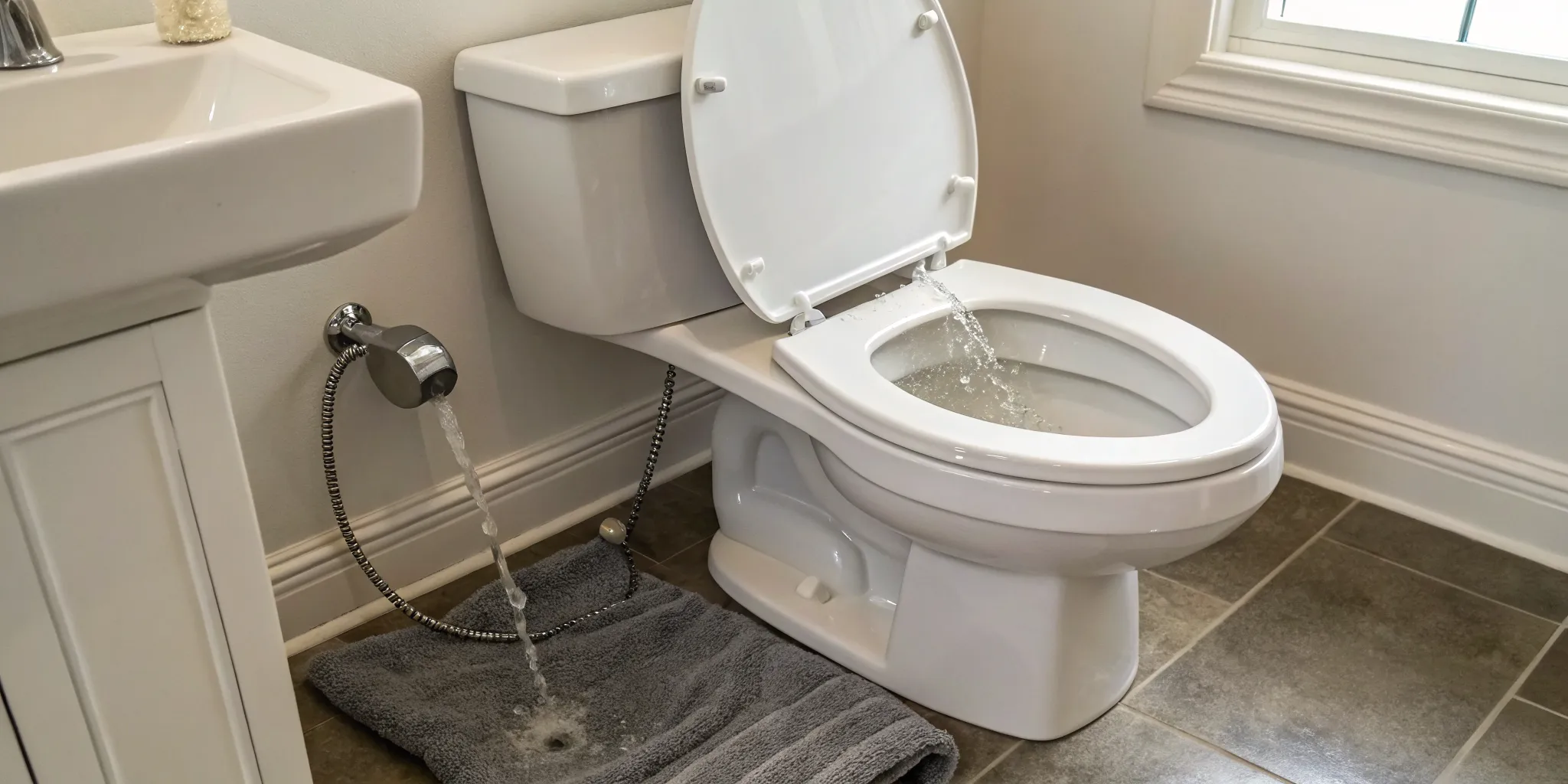
A toilet that runs after flushing is showing that the fill cycle is not terminating correctly. The toilet may refill repeatedly, make a soft hissing sound, or start and stop on its own. According to the U.S. Environmental Protection Agency, worn toilet flappers are a common source of household leaks. A flapper that does not create a watertight seal allows water to drain from the tank into the bowl, which can make the fill valve turn back on. The EPA explains how worn flappers contribute to household water leaks.
The symptom can also involve the float or another part of the fill mechanism. If the float does not signal the fill valve to shut off at the correct level, the valve may continue admitting water. In some cases, water rises toward the overflow tube instead of stopping at the intended tank level. These conditions can sound similar, but they point to different parts of the assembly and should be evaluated accurately.
- Normal cycle: The tank empties, the flush seal closes, the tank refills, and the water stops.
- Post-flush running: Water continues moving, the tank refills repeatedly, or the sound returns after the cycle appears complete.
- What it suggests: The seal, float mechanism, or fill valve may not be controlling the cycle correctly.
Understanding this sequence is the first step in knowing how to fix running toilet after flushing. The right solution depends on whether water is escaping through the flush seal or the fill system is failing to shut off. A professional diagnosis can identify the source without turning a simple symptom into an unnecessary replacement.
What helps explain how to fix running toilet after flushing?
A toilet that continues running after the flush cycle usually has a problem in the tank’s refill or sealing sequence. Water should leave the tank, the flapper should close, and the fill valve should restore the water level before shutting off.
If one component does not perform its role, the valve may keep refilling while water escapes into the bowl. The most common causes include:
- Worn or poorly seated flapper: The flapper covers the flush valve opening at the bottom of the tank. With age, its material can harden, warp, or deteriorate, preventing a watertight seal. Mineral buildup or an imperfect fit can create the same result. Water then continues to drain from the tank into the bowl, causing the fill valve to run repeatedly. The U.S. Environmental Protection Agency identifies worn toilet flappers as a common household leak source. EPA WaterSense guidance provides additional context on household toilet leaks.
- Incorrect chain tension: The chain connects the flush handle to the flapper. If it remains too tight, the flapper may be held slightly open after the handle returns to its normal position. If it is too loose or tangled, the flapper may not settle evenly. Either condition can interrupt the seal that should end the flush.
- Failing fill valve: The fill valve controls incoming water after a flush and should stop flow when the tank reaches its intended level. A worn valve may continue admitting water even when the tank is full. This can produce a steady hiss, intermittent refill sounds, or water that enters the overflow tube.
- Misaligned or damaged float: The float signals the fill valve when the water level has been restored. If it is misadjusted, obstructed, or damaged, the valve may receive an inaccurate signal. The result can be overfilling, continuous refill activity, or water flowing into the overflow tube.
- Overflow tube discharge: The overflow tube protects the tank from overfilling by directing excess water into the bowl. When the water level rises too high because of a fill valve or float problem, the tube can become the visible path for ongoing flow. The overflow is a symptom of a control or sealing issue, not necessarily the original failure.
- Tank-to-bowl leak: A leak at the connection between the tank and bowl can allow water to escape after flushing. The source may involve the flush valve assembly, seals, or mounting connection. Because this leak can be less obvious than a flapper that remains open, a professional assessment may be needed to distinguish it from other causes.
These causes explain why learning how to fix a running toilet after flushing starts with identifying the failed part, not simply silencing the sound. EPA WaterSense notes that household leaks can waste nearly 1 trillion gallons of water nationwide each year, and worn flappers are among the common sources. If the running continues after the flapper and float have been professionally assessed, a licensed plumber can evaluate the fill valve, overflow level, and tank-to-bowl connections together. That broader diagnosis helps match the repair to the actual failure instead of replacing an unrelated component.
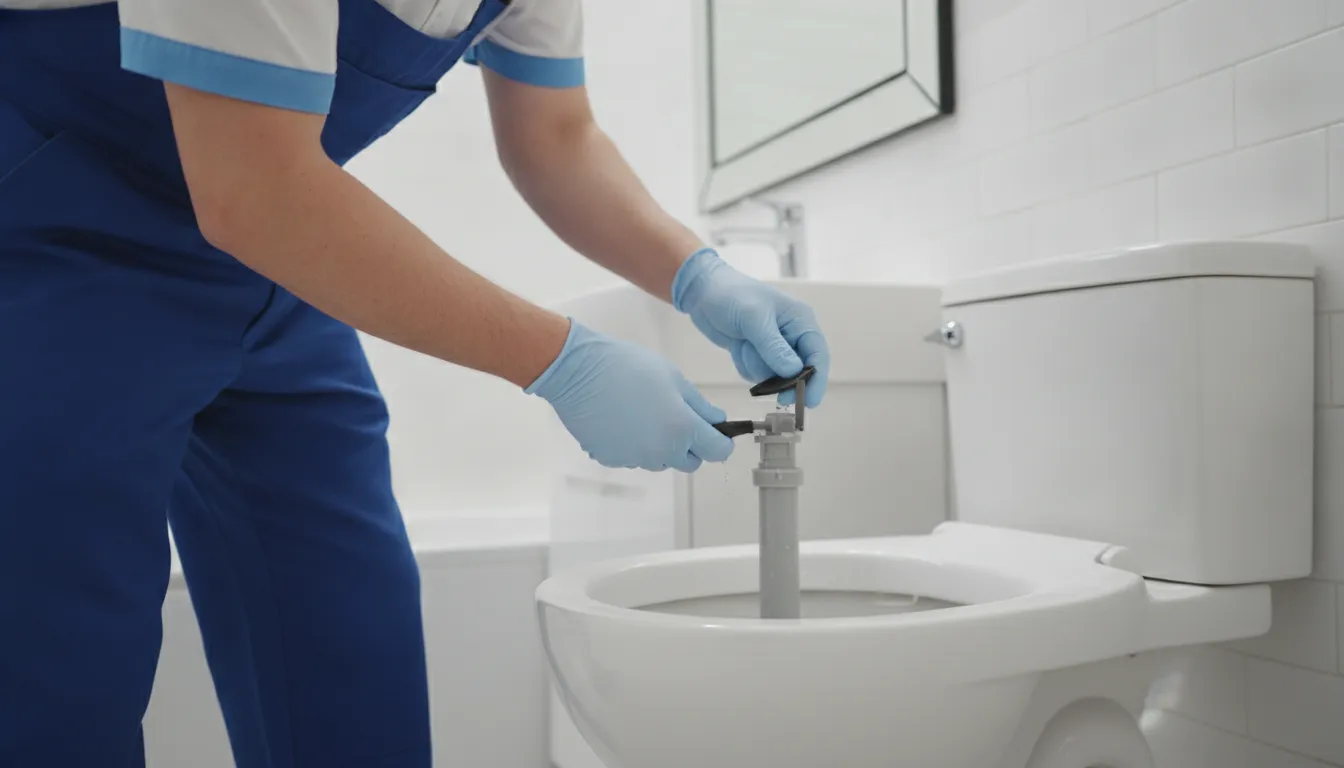
How can you tell which toilet component is failing?
When a toilet continues running after flushing, the timing and character of the sound often show where the fill cycle is failing. Continued water movement, repeated cycling. Or a faint hiss after the tank should be full indicates that water is still leaving the tank or entering it when the shutoff should have occurred. Observe the sequence rather than treating every running toilet as the same problem.
A flapper or chain problem
A worn flapper may fail to create a watertight seal between the tank and bowl. In that case, the toilet may begin refilling shortly after the flush, even when nobody has used it again. The sound is often a soft, recurring refill rather than one continuous fill. Water is escaping from the tank into the bowl, so the fill valve responds by adding more water. The EPA identifies worn toilet flappers as a common source of household leaks. EPA guidance on household leaks also describes an observational food-coloring test: color appearing in the bowl after 10 minutes indicates leakage from the tank. This information can help a plumber confirm the symptom, but it does not identify every underlying cause.
Chain interference can create a similar pattern. If the chain remains taut or catches against another tank component, the leak may start immediately after the flush or occur intermittently. This usually causes a slow loss from the tank rather than water rising too high inside it.
A fill valve, float, or overflow issue
A steady hiss that continues through the expected refill period points more toward the fill valve or float mechanism. The valve may fail to shut off at the proper water level. If water reaches the top of the overflow tube and continues flowing into it, the problem is not a tank-to-bowl seal alone. It suggests that the fill-control system is allowing the water level to rise too far.
These patterns matter when considering how to fix running toilet after flushing because the appropriate repair depends on the component, not simply on the noise. The EPA notes that post-flush running commonly involves the flapper or float mechanism. Its leak guidance treats persistent water loss as a repair issue, not a normal part of operation.
Recognizing tank-to-bowl leakage
Tank-to-bowl leakage may produce a periodic refill with no obvious overflow. The tank level falls gradually, then the fill valve turns on to restore it. A professional distinguishes this pattern by watching the water level and listening for when the valve reopens. If an inspection of the flapper and float does not resolve the running, professional plumbing help is appropriate. A trained plumber can isolate the failing seal, valve, chain relationship, or tank connection without turning a diagnostic question into an improvised repair.
When is a running toilet a simple adjustment and when does it need repair?
Not every toilet that runs after flushing has the same cause. A limited adjustment issue may be resolved during a focused inspection, while a worn seal, damaged valve, or concealed tank-to-bowl leak requires a proper component repair. The distinction matters because quiet, repeated water loss can continue even when the toilet seems to flush normally.
The most useful question is whether the fill cycle stops and the tank holds its water level. A flapper that does not seat cleanly can let water escape into the bowl, prompting the fill valve to activate again. A float or fill valve that does not regulate the refill cycle can produce a similar symptom. If the issue is not clearly isolated, a licensed plumber can evaluate the complete tank assembly rather than treating only the sound.
| Situation | What it may indicate | When to schedule a professional diagnosis |
|---|---|---|
| Limited adjustment issue | The chain, float, or related setting is preventing the flush mechanism from returning to its intended position. The running may stop once the component settles correctly. | Arrange an inspection if the symptom returns, the adjustment is uncertain, or the fill cycle still does not shut off consistently. |
| Worn or damaged component | A flapper may no longer create a watertight seal, or the fill valve may be worn and unable to control the refill. Worn toilet flappers are a common household leak source, according to the EPA. | Professional repair is appropriate when the component is deteriorated, the leak persists, or replacement must match the toilet assembly. |
| Recurring or hidden tank-to-bowl leak | Water continues to move from the tank into the bowl after the visible refill ends. The toilet may cycle periodically without an obvious external leak. | Request licensed plumbing diagnosis when basic flapper and float inspection does not resolve the running water, or when the source cannot be identified confidently. |
The EPA estimates that fixing easily corrected household leaks can save about 10 percent on water bills. That does not mean every recurring toilet requires an urgent emergency response, but it does support addressing the condition rather than accepting it as normal. A plumber can confirm whether the problem is a small adjustment, a replaceable component, or a deeper issue involving the tank-to-bowl seal and related assembly. This professional assessment is the most reliable answer for homeowners researching how to fix running toilet after flushing without turning a symptom into a sequence of uncertain repairs.
When the toilet continues to run after inspection, cycles repeatedly, or shows signs of a hidden leak, licensed plumbing help is appropriate. The goal is a correctly functioning flush and refill cycle, not merely a temporary reduction in noise.
Why should Metro Detroit homeowners address post-flush toilet leaks promptly?
A toilet that continues running after the flush may sound like a minor nuisance, but it represents ongoing water use until the fill cycle shuts off correctly. The practical response is not to panic. It is to have the cause identified before the leak becomes part of the household routine. A post-flush leak commonly means the flapper is not creating a reliable seal, or the float and fill mechanism are not stopping water at the right point.
That matters because toilets account for nearly 30 percent of an average home’s indoor water consumption, according to the U.S. Environmental Protection Agency. A small fault in one toilet can therefore affect a meaningful share of daily water use, especially in a busy household. The EPA also reports that household leaks can waste nearly 1 trillion gallons of water nationwide each year, with worn toilet flappers among the common sources. The EPA’s residential toilet guidance provides additional context on how much water this fixture uses.
Prompt attention also helps protect predictable water costs. The EPA estimates that correcting easily fixed household leaks can save homeowners about 10 percent on their water bills. That figure is a broad household estimate, not a promise for any individual Metro Detroit home, but it illustrates why a recurring leak deserves a timely assessment. Addressing the issue can restore normal water use without turning a simple maintenance concern into an ongoing monthly expense.
Professional service is especially useful when the toilet keeps running after each flush. The sound returns after a temporary adjustment, or the tank and bowl show signs of an internal leak. A plumber can evaluate the flapper, chain, float, fill valve, overflow tube, and tank-to-bowl seal as one operating assembly. That approach supports a durable repair rather than guessing at a single component.
Mr. Pipey can help Metro Detroit homeowners protect routine water use and restore reliable toilet operation. If the leak is affecting other plumbing or needs attention outside normal scheduling, emergency plumbing support is available for a professional assessment.
How does a plumber diagnose and resolve a running toilet?
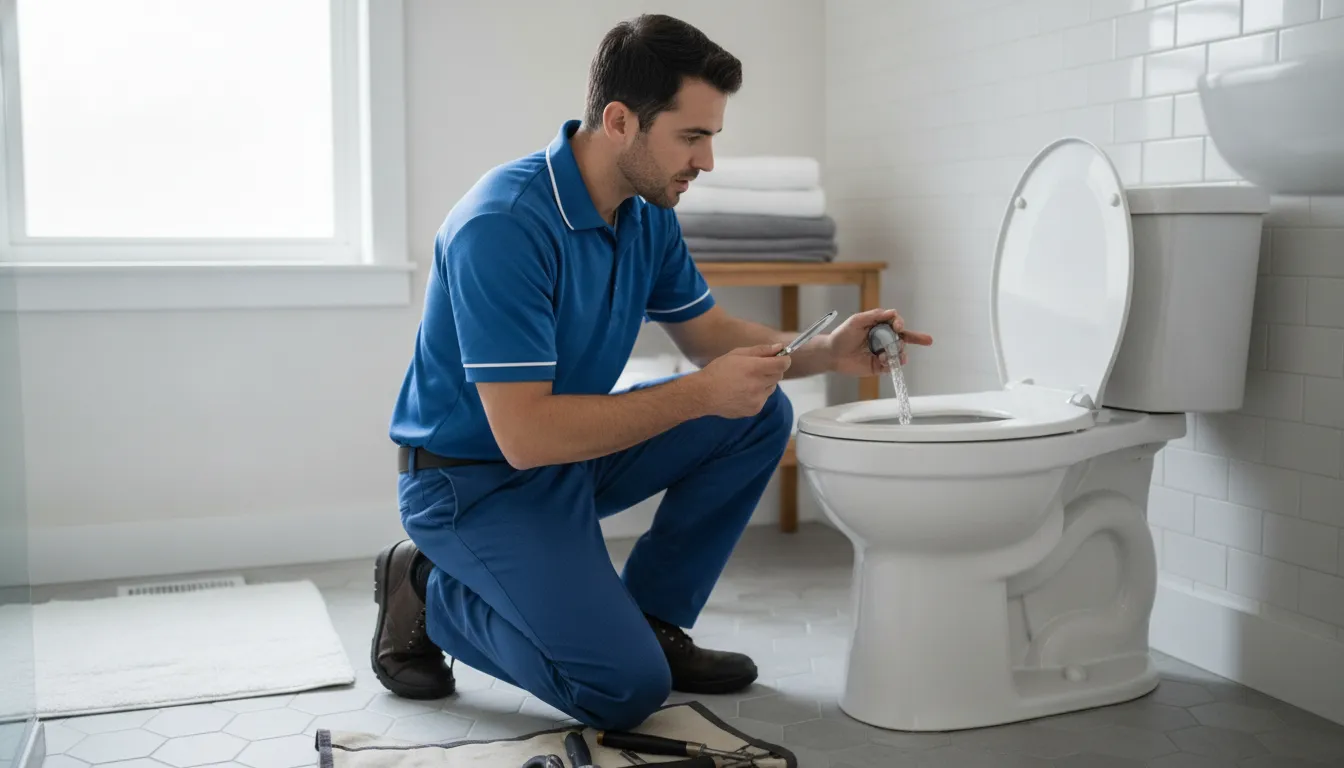
A toilet that continues running after flushing is showing that its refill cycle is not ending as designed. The sound may come from water entering the tank, water passing into the bowl, or both. A professional diagnosis follows the flush sequence to identify a worn seal, fill-control problem, or less obvious leak.
- Review the symptom. The plumber asks when the sound begins, how long it continues, and whether it occurs after every flush or intermittently. The timing matters. Immediate running may indicate trouble sealing as the flapper closes, while delayed or periodic sound can point toward water escaping and triggering the fill valve again. This distinguishes a post-flush problem from a toilet that runs without being used.
- Inspect the tank and operating sequence. Next, the plumber observes the tank during a complete flush and refill. The inspection includes the flapper, chain connection, fill valve, float mechanism, overflow tube, and the points where those components interact. The goal is not simply to find a visibly worn part. It is to see whether the flapper seats evenly, whether the water level stops at the intended point, and whether the fill valve shuts off cleanly.
- Isolate the leak source. If water continues moving, the plumber determines whether it is draining from the tank into the bowl or entering the tank without stopping. A failing flapper can allow a steady tank-to-bowl leak. A float or fill-valve issue can keep the supply running after the tank has refilled. The U.S. Environmental Protection Agency identifies worn toilet flappers as a common household leak source.
- Choose the appropriate component decision. Once the source is confirmed, the plumber decides whether a properly compatible adjustment, component replacement, or broader toilet repair is appropriate. The decision accounts for wear, fit, condition of connected parts, and the likelihood that a partial repair will leave the same symptom unresolved. For homeowners who need a dependable assessment, professional toilet repair service can address both the immediate noise and its underlying cause.
- Test the refill and document the result. After the repair, the plumber flushes the toilet repeatedly and watches the full cycle. The tank should refill to the correct level, the valve should stop, and the bowl should not receive a continuing stream of water. The plumber confirms that the symptom has stopped before completing the visit. When basic flapper and float inspection does not resolve the issue, the EPA recommends professional plumbing help.
This structured process explains how to fix running toilet after flushing without relying on guesswork. It also gives the homeowner a clear account of what failed, what was addressed, and how the finished repair was verified.
Need help before the FAQ? Contact our team to schedule professional toilet repair.
Frequently Asked Questions
What causes a toilet to keep running after a flush?
The most common causes are a flapper that no longer seals the tank. A chain that does not let the flapper close correctly, or a fill valve and float that do not stop the incoming water. A plumber can identify whether water is escaping into the bowl or the refill cycle is failing to shut off.
How do you fix a toilet flush that keeps running?
The correct repair depends on which component is failing. A professional typically inspects the flapper, chain, fill valve, float, and overflow tube, then adjusts or replaces the affected part and tests the flush and refill cycle. This approach addresses the cause rather than masking the sound.
Can I fix a running toilet myself?
Some running toilets involve a limited adjustment, but the symptom can also indicate a worn seal, a failing fill valve, or a less obvious tank-to-bowl leak. If the issue continues after basic observation, professional diagnosis is the safer way to avoid an incorrect part or an incomplete repair.
Why does my toilet randomly run for a few seconds every 10 minutes?
Short, recurring bursts usually mean water is slowly leaving the tank and the fill valve is briefly restoring the water level. A flapper that leaks between flushes is a common cause. If the pattern persists, a plumber should inspect the tank assembly and confirm that the toilet shuts off completely.
Ready to schedule professional toilet repair?
A running toilet after flushing can have more than one possible cause. A professional diagnosis helps identify the failing component and restore a reliable flush cycle without guesswork. Mr. Pipey provides transparent service and backs the work with a 100% satisfaction guarantee. Contact Mr. Pipey to schedule toilet repair.