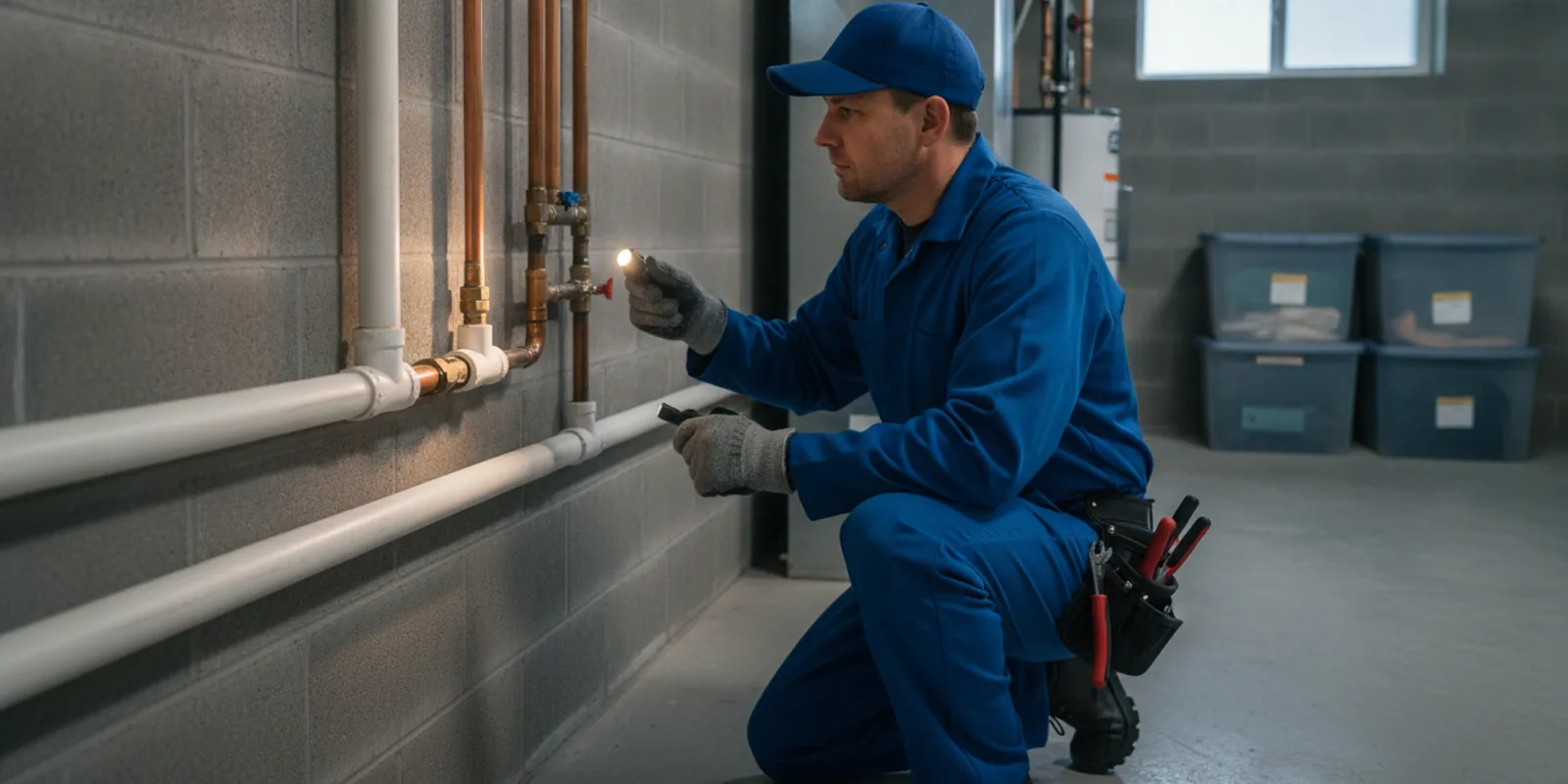
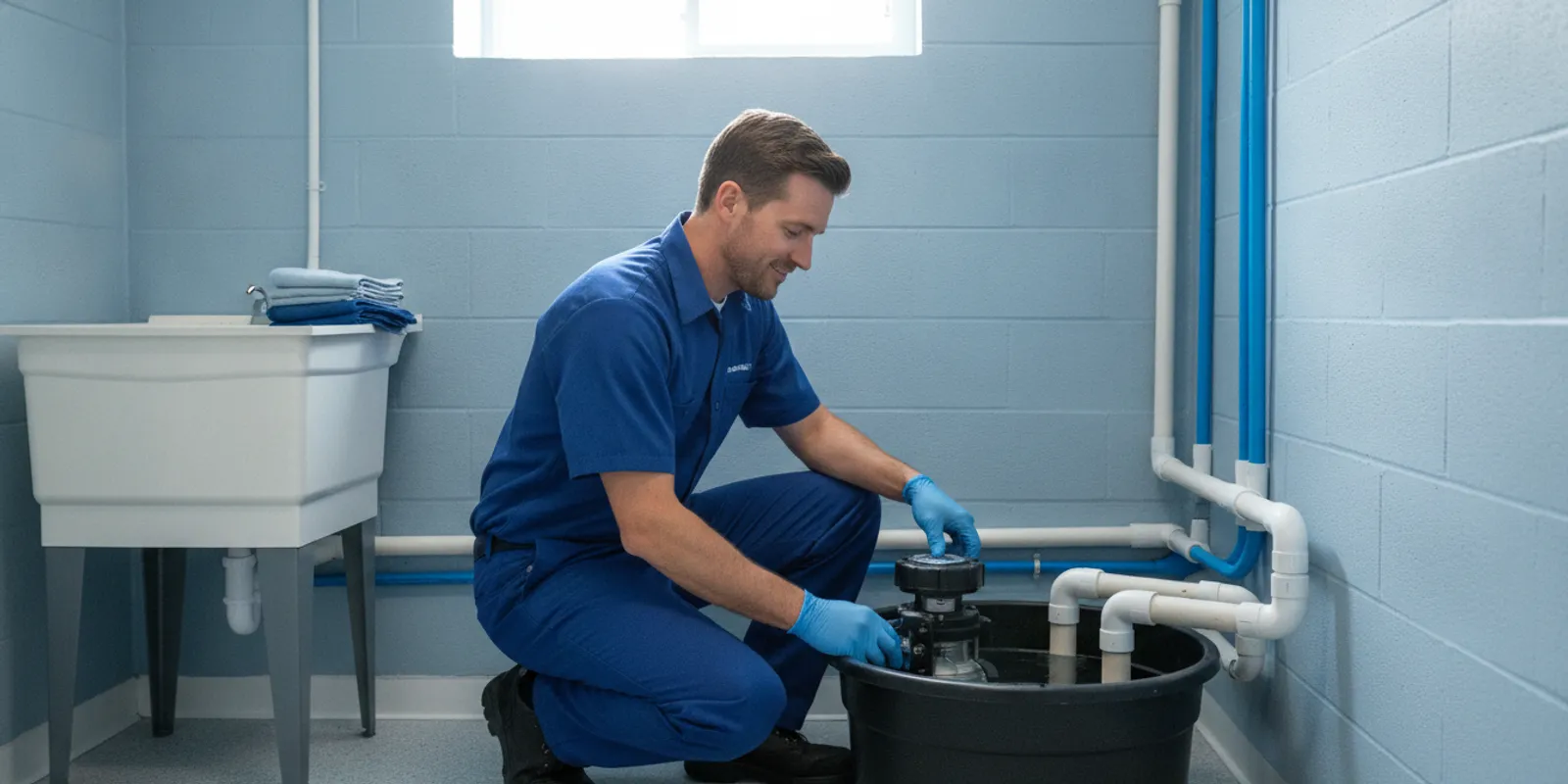
Drain maintenance is easier to plan when you look at your home’s symptoms and conditions, not just the calendar. A normally flowing drain may need a different schedule than one affected by recurring clogs, slow drainage, odors, or heavy buildup.
Contact Mr. Pipey for professional drain cleaning guidance in Ann Arbor.
For many Ann Arbor homes. How often should you clean your drains Ann Arbor is best answered with a baseline of professional drain cleaning at least once a year.
Adjust that baseline when recurring symptoms or household conditions suggest earlier attention. This is a preventive recommendation, not a universal interval for every property.
Professional service is also appropriate when drainage keeps slowing, water backs up, several fixtures are affected, or sewer-related concerns arise. Timing depends on what is happening inside the system and whether a technician needs to identify the cause before recommending cleaning. The sections below explain the practical baseline and the factors that can change it.
How Often Should You Clean Your Drains in Ann Arbor?
For many Ann Arbor homes, an annual professional drain cleaning is a sensible maintenance baseline. Mr. Pipey recommends scheduling professional drain cleaning at least once a year to help identify potential issues and keep household drains functioning reliably. This is a customer-supported recommendation, not a universal rule. Your home’s age, plumbing layout, usage patterns, and symptoms should also guide the schedule.
Annual service can provide a useful checkpoint even when water is moving normally. A professional can assess whether buildup or an emerging restriction is affecting the line before it develops into a more disruptive problem. It also gives homeowners a chance to discuss a plan based on the plumbing’s actual condition. See Mr. Pipey’s professional drain cleaning service for the company’s preventative-maintenance recommendation.
When should you schedule service sooner?
Recurring symptoms are a reason to adjust the timing. If the same sink, tub, shower, or floor drain repeatedly slows after it has been cleared, the issue may require closer assessment. Waiting for the next annual appointment may not be appropriate. Mr. Pipey identifies recurring clogs, unpleasant odors, and slow drainage as common concerns. The company recommends requesting service promptly when drainage is slow instead of waiting for a substantial clog.
Several fixtures becoming slow around the same time deserves particular attention. That pattern can involve a larger section of the drainage system. A professional assessment can help distinguish a localized concern from a problem farther along the line. Water backing up, pooling near a drain, bubbling toilet water, gurgling, or sewer odors also justify contacting a plumbing professional.
How household conditions affect the interval
Some homes may need more frequent evaluation because drains experience heavier use or repeated exposure to materials that contribute to buildup. Mr. Pipey specifically notes that grease and oils can solidify and cause clogs. If your household has a history of recurring drainage issues, the appropriate cadence may be based on observed performance and professional findings instead of an assumed yearly reset.
The practical answer to how often should you clean your drains Ann Arbor homeowners ask is this: use annual professional cleaning as a starting point. Shorten the interval when symptoms return or a plumber identifies a condition that warrants closer monitoring. Prompt attention keeps the schedule responsive without imposing a rigid rule on every home.
What Changes Your Drain Cleaning Schedule?
A drain-cleaning schedule should reflect what enters your household plumbing and how often the system handles it. A kitchen that regularly sends grease, oils, or fine food particles toward the drain may develop buildup sooner than a household with lighter use. That does not create a universal calendar, but it does provide a reason to pay attention to changes in flow, odor, or fixture performance.
How do grease and oils affect drain timing?
Grease and oils can stick to the inside of wastewater pipes. Austin Water explains that many oils solidify at lower temperatures or bind with other fats, grease, and materials already in the pipes, including wipes. The City of Lancaster likewise notes that fats do not dissolve in water and can harden as water cools in sewer pipes. This accumulation can narrow the passage and contribute to a blockage.
Kitchen habits therefore matter when considering when professional attention may be appropriate. Frequent cooking with fats or oils and repeated disposal of greasy residue can increase material entering the drain system. Most residences do not have the grease traps or interceptors used by restaurants. Proper handling of fats, oils, and grease helps reduce clogged pipes and sanitary sewer overflows, according to Austin Water guidance.
What role do food particles and wipes play?
Food particles can cling to pipe interiors, particularly when they are small enough to pass through a disposal. Natural oils in some foods can add to that residue. Wipes can also bind with fats and grease in pipes, even when they are marketed as flushable. These materials may not create an immediate symptom, but repeated exposure can change how freely water moves through the system.
Recurring use patterns are another timing factor. A large household, frequent entertaining, or several occupants may place more demand on kitchen and bathroom drains than a lightly used home. The relevant question is not simply how long it has been since service. It is whether the same drain is repeatedly slow, develops an unpleasant odor, or needs attention more often than expected. Mr. Pipey identifies recurring clogs, odors, and slow drainage as common house-drain problems.
For a practical maintenance perspective, review this professional drain cleaning guidance. If your household conditions are producing recurring symptoms, a professional assessment can help determine whether the schedule should change rather than relying on an invented interval.
Does Ann Arbor Weather or Infrastructure Affect Drain Timing?
Ann Arbor’s drainage infrastructure provides useful local context, but it does not establish a fixed cleaning schedule for private home drains. The city’s stormwater system moves runoff from roofs, parking lots, streets, and open ground toward the Huron River through drainage pipes, creeks, and storm drains. It includes public catch basins, yard inlets, underground pipes, open channels, and culverts.
That network serves a different purpose from household wastewater plumbing. Ann Arbor explains that stormwater flows directly to community ponds, streams, and lakes, while wastewater is treated before release. A storm drain collecting rainwater near a street is not the same system as a kitchen sink, shower, toilet line, or private sewer lateral. The city’s stormwater program maintains public drainage assets, including catch-basin and pipe cleaning. That public maintenance does not clean wastewater drains inside individual homes.
This distinction matters when considering how often you should clean your drains in Ann Arbor. Heavy rain, snowmelt, or visible activity around a public storm drain may raise questions about local drainage. However, those observations do not by themselves indicate that a household drain needs service or provide a reliable private-home interval. Residential timing should reflect the condition and history of the home’s own plumbing.
Weather can make an existing drainage concern more noticeable, particularly when a private line already drains slowly or more than one fixture begins to respond poorly. It is still important to separate a public stormwater concern from a private wastewater concern before deciding what kind of help is appropriate. A household problem involving sinks, tubs, toilets, or interior wastewater flow calls for plumbing assessment rather than assuming that city stormwater maintenance will resolve it.
For local reference, the City of Ann Arbor’s stormwater FAQs describe the public system and its maintenance responsibilities. Use that information to understand the city’s infrastructure, not as a substitute for evaluating your home’s drain performance. If the issue affects private fixtures or keeps returning, a professional can assess the household side of the system and recommend timing based on observed conditions.
Which Drain Warning Signs Need Professional Attention?
Some drain symptoms suggest more than an isolated slow fixture. They can indicate that wastewater is meeting resistance farther along the drainage system, especially when several fixtures are affected at once. Mr. Pipey lists backing up, pooling, bubbling toilets, gurgling, sewer odors, and slow drainage among the warning signs that deserve professional attention.
- Water backs up through a sink, toilet, or floor drain. Wastewater coming back up through a fixture is a clear reason to request service. Seattle Public Utilities defines a sewer backup as wastewater or dirty water coming up through a sink, toilet, or drain. The agency explains that a blockage can prevent wastewater from flowing freely. A backup should be addressed promptly rather than treated as a normal part of household drain use. Seattle Public Utilities explains sewer backup response.
- Water pools around a drain. Pooling near a drain can show that water is not leaving the fixture or surrounding drainage area as it should. If the pooling returns, spreads, or appears alongside slow drainage, it is useful information for a plumber assessing the source of the restriction.
- A toilet bubbles when another fixture is used. Bubbling toilet water when a sink, shower, or other fixture is running often points to a plumbing issue. The pattern matters because it connects two fixtures that may share part of the same drainage path, rather than involving only the toilet bowl.
- Drains gurgle or produce sewer odors. Gurgling sounds and unpleasant sewer odors can accompany restricted flow or an issue affecting the drain line. These signs do not establish a diagnosis on their own, but recurring odors or sounds should not be ignored, particularly when they occur with slow drainage.
- Several fixtures become slow at the same time. Multiple slow-draining toilets, sinks, showers, or tubs can indicate a sewer-drain concern. This is different from one fixture that occasionally drains slowly. If your home has recurring or clogged drains, professional evaluation can help determine whether the issue is localized or farther into the system.
During a sewage backup, avoid flushing toilets or using other water appliances, and arrange professional help promptly. Seattle Public Utilities advises that backups should be stopped and cleaned quickly because contaminated wastewater may expose occupants to harmful germs. The goal is not to assume the worst, but to respond appropriately when the drainage system is showing repeated or connected warning signs.
What Happens During Professional Drain Cleaning?
Professional drain cleaning begins with assessment, not a one-size-fits-all procedure. A service professional considers the reported symptoms, the affected fixtures, and whether the issue appears limited to one drain or involves a larger sewer drain line. That initial evaluation helps determine which diagnostic tools and cleaning method are appropriate for the home’s condition.
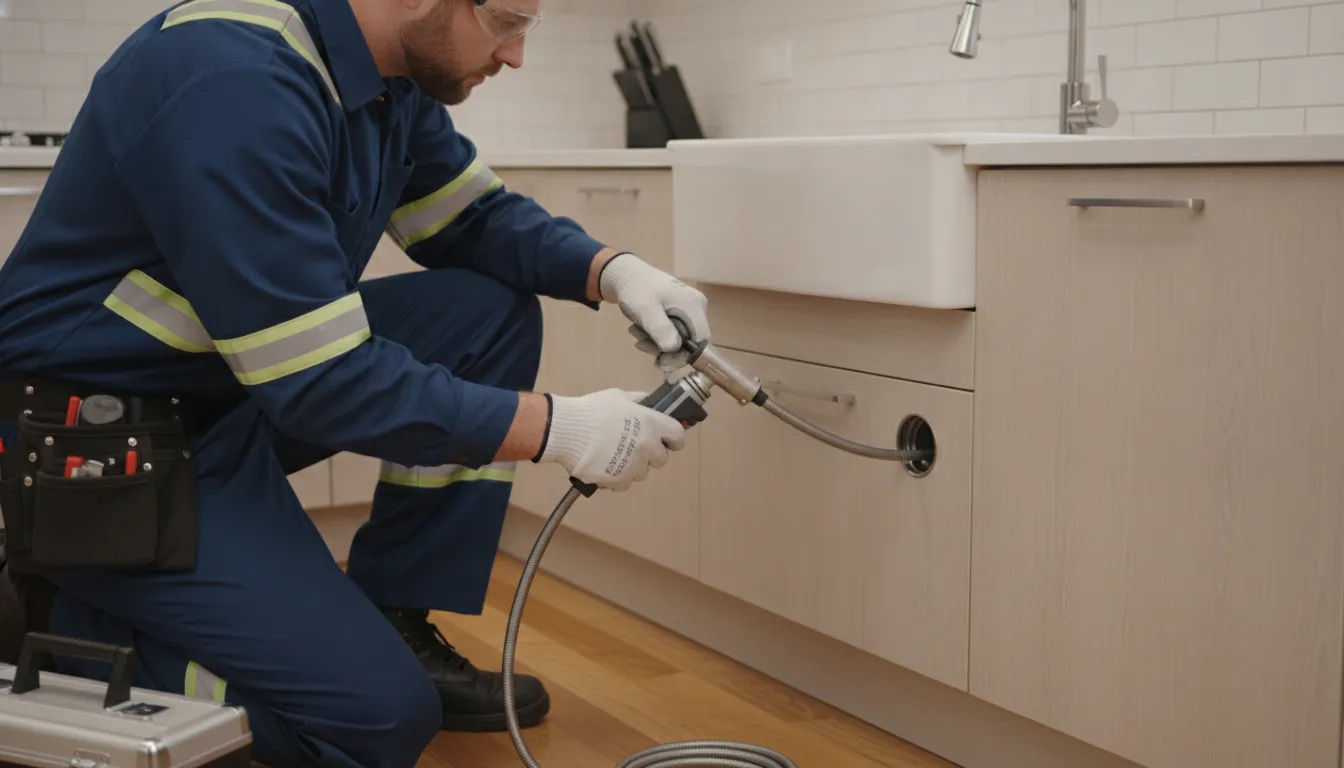
When a damaged or clogged sewer line is suspected, video equipment can provide a closer look inside the line. A sewer camera inspection helps professionals investigate the location and nature of a blockage rather than relying only on surface symptoms. It may be indicated when drainage problems recur, multiple fixtures are affected, or the service professional needs more information before recommending the next step.
For suitable drain-cleaning situations, Mr. Pipey’s professionals use HydroScrub jetting and plumbing video cameras to help locate and clear blockages. HydroScrub jetting is designed to clear stubborn clogs and clean dirty drains. The method is not presented as an automatic answer for every household drain. Its use depends on what the assessment shows and whether the line’s condition supports that service approach. Learn more about HydroScrub drain cleaning to understand where this technology fits into professional service.
The result should be a condition-based service decision. A straightforward obstruction may call for focused cleaning, while recurring symptoms or suspected line damage may warrant additional camera investigation. This is why the question of how often should you clean your drains Ann Arbor cannot be answered by frequency alone. Regular professional attention can support maintenance, but the right timing and method depend on what the plumbing system is showing at the time of service.
How Can Ann Arbor Homeowners Plan Preventive Drain Care?
| Drain-care situation | Practical response |
|---|---|
| Drains flow normally and no recurring symptoms are present | Use annual professional cleaning as a planning baseline. |
| One fixture repeatedly slows, smells, or clogs | Request an earlier assessment instead of waiting for the next annual visit. |
| Several fixtures slow, water backs up, or sewer odors appear | Seek prompt professional attention and do not treat it as routine maintenance. |
A useful drain-care plan starts with a baseline, then changes when the home provides new information. Mr. Pipey recommends scheduling professional drain cleaning at least once a year as a way to identify potential issues and help keep drains clear. That annual appointment is a starting point, not a universal rule that applies identically to every Ann Arbor household. Professional drain cleaning can be planned around the home’s symptoms, plumbing history, and household conditions.
Use annual service as a planning baseline
For a home without current symptoms, an annual review creates a predictable opportunity to discuss drainage performance before a minor concern becomes disruptive. Keep track of changes between visits, including slower sinks or showers, recurring clogs, unpleasant odors, or drainage that improves temporarily and then worsens. A pattern matters more than one isolated slow drain. If symptoms return soon after service, the schedule may need to become more frequent, or the underlying drain line may need a more complete assessment.
Adjust the schedule to household conditions
Kitchen drainage deserves particular attention when grease, oils, or food particles regularly enter the system. Public guidance from Austin Water explains that cooking oil and grease can stick to wastewater-pipe interiors, while food particles can cling to pipes. The City of Lancaster’s FOG guidance similarly notes that fats, oils, and grease can accumulate over time and contribute to blockages. These conditions do not create a fixed cleaning interval, but they are reasonable factors to discuss when setting a preventive plan. A home with repeated kitchen buildup, frequent drain complaints, or a history of recurring blockages may need attention sooner than the annual baseline. The goal is not to chase a calendar date. It is to match service timing to observed performance and the condition of the plumbing.
Know when prevention becomes urgent service
Scheduled maintenance is appropriate when drains are functioning but need evaluation or cleaning. Do not wait for the next planned visit when water backs up, several fixtures drain slowly. A toilet bubbles when another fixture is used, or strong sewer odors accompany drainage problems. These symptoms can involve more than a single fixture. A sewer backup means wastewater is coming up through a sink, toilet, or drain, according to Seattle Public Utilities. In that situation, prompt professional attention is more appropriate than simply moving the next routine appointment forward.
Contact Mr. Pipey to plan professional drain cleaning for your Ann Arbor home.
Frequently Asked Questions
How often should you schedule professional drain cleaning?
Mr. Pipey recommends scheduling professional drain cleaning at least once a year as a preventive baseline. That is not a universal interval for every Ann Arbor home. Recurring clogs, slow drainage, unpleasant odors, or heavier kitchen use may justify an earlier assessment. The service recommendation is to address slow drainage promptly rather than waiting for a substantial clog.
What can make household drains need attention sooner?
Grease, cooking oils, and food particles can accumulate inside drain and wastewater pipes. Household conditions that produce recurring buildup, repeated slow drainage, or frequent clogs can shorten the practical maintenance interval. A plumber can evaluate the pattern and recommend a schedule based on the condition of the lines instead of applying a rigid calendar.
Are vinegar and baking soda a substitute for professional drain cleaning?
No. Common household mixtures may not resolve a recurring blockage, buildup farther inside the line, or a suspected sewer-drain problem. Persistent symptoms call for accurate diagnosis rather than repeated treatments. Professional service may include video-camera inspection to investigate a suspected damaged or clogged sewer line and HydroScrub jetting to clear stubborn clogs.
When should an Ann Arbor homeowner call a plumber for a drain problem?
Request professional attention when water backs up, several fixtures drain slowly, a toilet bubbles when another fixture runs, or sewer odors and gurgling continue. A sewage backup requires prompt action. Avoid flushing toilets or using other water appliances during the backup, and contact a plumber, because wastewater can present sanitation concerns.
Ready to Plan Professional Drain Cleaning?
A clear maintenance plan can help Ann Arbor homeowners match drain service to their home’s patterns and address recurring concerns with the right professional assessment. To schedule professional drain-cleaning guidance for your Ann Arbor home, contact Mr. Pipey. Our team can review the symptoms and timing you have observed, then explain an appropriate next step without relying on a one-size-fits-all schedule.