
A bargain sump pump can become an expensive mistake during Metro Detroit’s next hard storm. The real price depends on whether you need a simple replacement or an entirely new drainage setup.
Request a free sump pump estimate from Mr. Pipey.
How much is a sump pump in 2026? A practical installed budget is $800 to $3,000, with an average near $1,100, based on national 2026 cost data. Basic replacements cost less, while backups, new pits, and drainage changes raise the total.
So, what should you expect to pay for your home’s specific setup, and which upgrades are worth the added cost? The next section, How much is a sump pump in 2026?, breaks down realistic price ranges and the job details that move your quote. Here’s how.
How much is a sump pump in 2026?
If you are asking how much is a sump pump, first define what the price includes. For a practical 2026 budget, a complete professional installation often falls within a broad national range of $500 to $4,000. This Old House reports an average near $1,400, with drainage conditions and job complexity driving the spread.
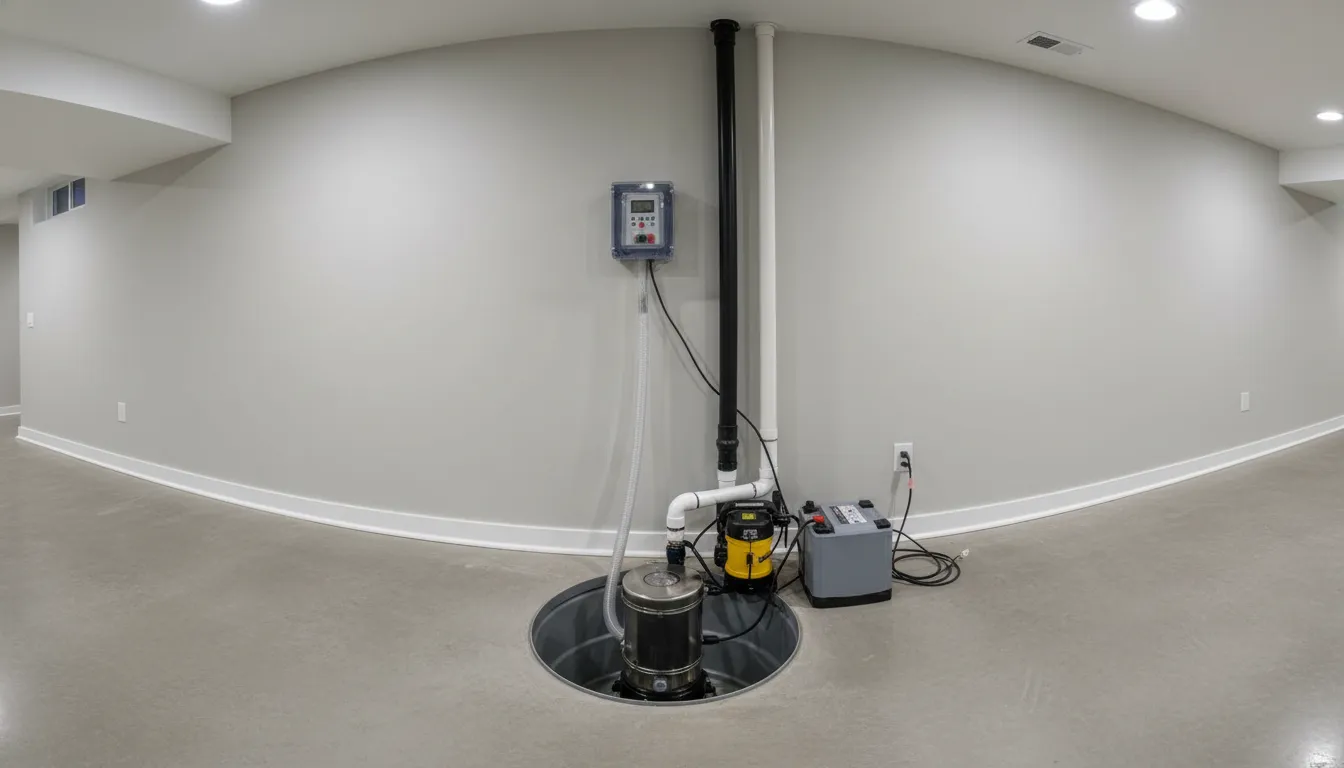
A pump-only price covers the device, not the work needed to make it protect your basement. A complete installed system may include the pump, basin work, discharge piping, check valve, electrical needs, testing, and cleanup. Replacing a failed pump in a sound pit is usually simpler than building a new system.
Pump-only versus installed cost
The lowest shelf price is not a fair comparison with a plumber’s complete quote. A quote should match the pump’s size and design to the home’s water load. It should also account for safe discharge and dependable operation during heavy rain.
| Cost item | Pump-only purchase | Complete installed system |
|---|---|---|
| Pump and controls | Included | Included and matched to the site |
| Existing pit review | Not included | Checked before installation |
| Pipe and check valve | Usually separate | Added or changed as needed |
| Testing and cleanup | Homeowner’s task | Part of the job |
| Backup protection | Separate option | Can be included in the plan |
Backup protection can raise the initial cost, but it addresses a key weak point during an outage. The CDC advises homeowners to buy and install sump pumps with backup power. Ask whether a quote includes a battery backup, a second pump, or only the main unit.
Why Metro Detroit quotes vary
A plumber needs to inspect the site before giving a useful local price. The condition and size of the pit matter, along with pump capacity and the route for discharge piping. Limited access, worn valves, clogged lines, or a need for new power can add work.
System design matters too. A pedestal pump, submersible pump, combination system, or high-capacity setup solves a different need. A new pit or dual-pump design takes more labor and materials than a straightforward replacement. Homes with recurring water entry may also need the drainage setup checked before a pump is chosen.
Mr. Pipey’s exact price depends on the home and the work approved by the homeowner. Its professional sump pump installation service covers installation, repair, replacement, and maintenance across Metro Detroit. A site-based quote can separate required work from optional upgrades before the job begins.
What should a quote show?
Ask for a clear scope rather than one unexplained total. It should name the pump type, capacity, included parts, discharge work, backup option, testing, and any pit changes. Also confirm whether removal, cleanup, and follow-up service are included.
Comparing equal scopes helps prevent a cheap pump-only figure from looking like a complete system price. It also shows which quote accounts for the home’s actual drainage conditions. That detail matters more than choosing a pump by horsepower or shelf price alone.
What affects sump pump installation cost?
When homeowners ask how much is a sump pump, the equipment price is only one part of the answer. The final quote also reflects the work needed to build a safe, reliable drainage system. In Metro Detroit, an installer should inspect the basement, power source, and discharge route before giving a firm price.
The existing pit and work area
Replacing a pump in a sound, correctly sized pit is often simpler than starting from scratch. A new system may require cutting concrete, digging a pit, adding a basin, and restoring the floor. A damaged or poorly placed pit can also add repair work before the pump goes in.
Access matters too. Tight crawl spaces, finished basements, stairs, and stored items can slow the job. The quote may also cover hauling away the old pump, broken concrete, soil, and other debris. Ask whether floor patching and final cleanup are included.
Pump type, power, and backup
Pedestal, submersible, combination, and water-powered pumps have different equipment and setup needs. Higher horsepower can raise the pump price, but the right size depends on water flow and lift. Buying more power than the home needs does not always improve the system.
A battery backup adds a second pump, battery, controls, and testing to the project. That raises the upfront cost but keeps protection available when power fails. The CDC advises homeowners to install sump pumps with backup power as part of flood preparation.
Features such as alarms, Wi-Fi alerts, and stronger switches can also change the quote. A plumber can explain which options suit the property and which add little value. Mr. Pipey’s guide to the right sump pump kit covers common system choices.
Discharge, permits, and electrical work
The discharge line can be a major cost factor. A short, clear route is easier than a long run through walls or hard ground. New piping, check valves, freeze protection, or drainage changes add materials and labor. Metro Detroit winters also make the outdoor discharge route worth careful planning.
The pump needs a safe power source. If the nearby outlet, wiring, or circuit is not suitable, a licensed electrician may be needed. Permit and inspection needs can vary by city, so the quote should state who handles them and their fees.
For a useful estimate, ask for an itemized scope instead of one equipment price. It should name the pump, backup, pit work, discharge changes, electrical work, permits, cleanup, and warranty. A site visit for professional sump pump installation helps uncover these details before work starts.
Compare sump pump options with a licensed Metro Detroit plumber.
Which sump pump type should you choose?
The right pump depends on your pit, water flow, power risks, and the space around the unit. Pump type also affects how much a sump pump costs to buy, install, and maintain. Start with the problem your basement faces, then compare equipment and installation needs.
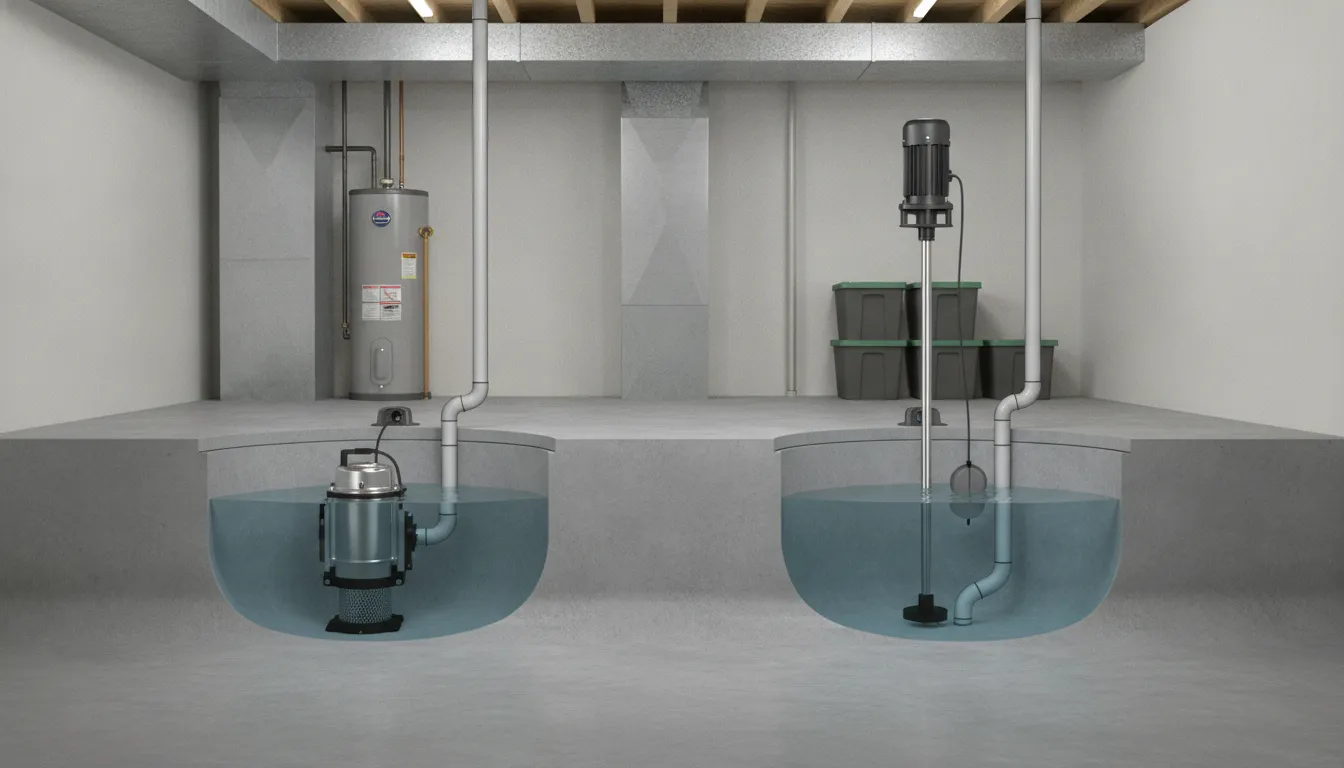
Primary pump options
A submersible pump sits inside the sump pit and runs while surrounded by water. Its enclosed position can suit a finished basement where noise and open floor space matter. It often costs more than a basic pedestal unit because the pump design and installation can be more involved.
A pedestal pump keeps its motor above the pit, with an intake extending into the water. The exposed motor is easier to reach for service. This option may fit a narrow or shallow pit that cannot hold a submersible model. Yet the above-pit motor takes up space and can be easier to hear.
Neither style is the automatic best choice. A plumber should check pit size, discharge routing, expected water flow, and available power. Mr. Pipey’s guide to the right sump pump kit can help you review the parts that a complete setup may need.
Backup and combination systems
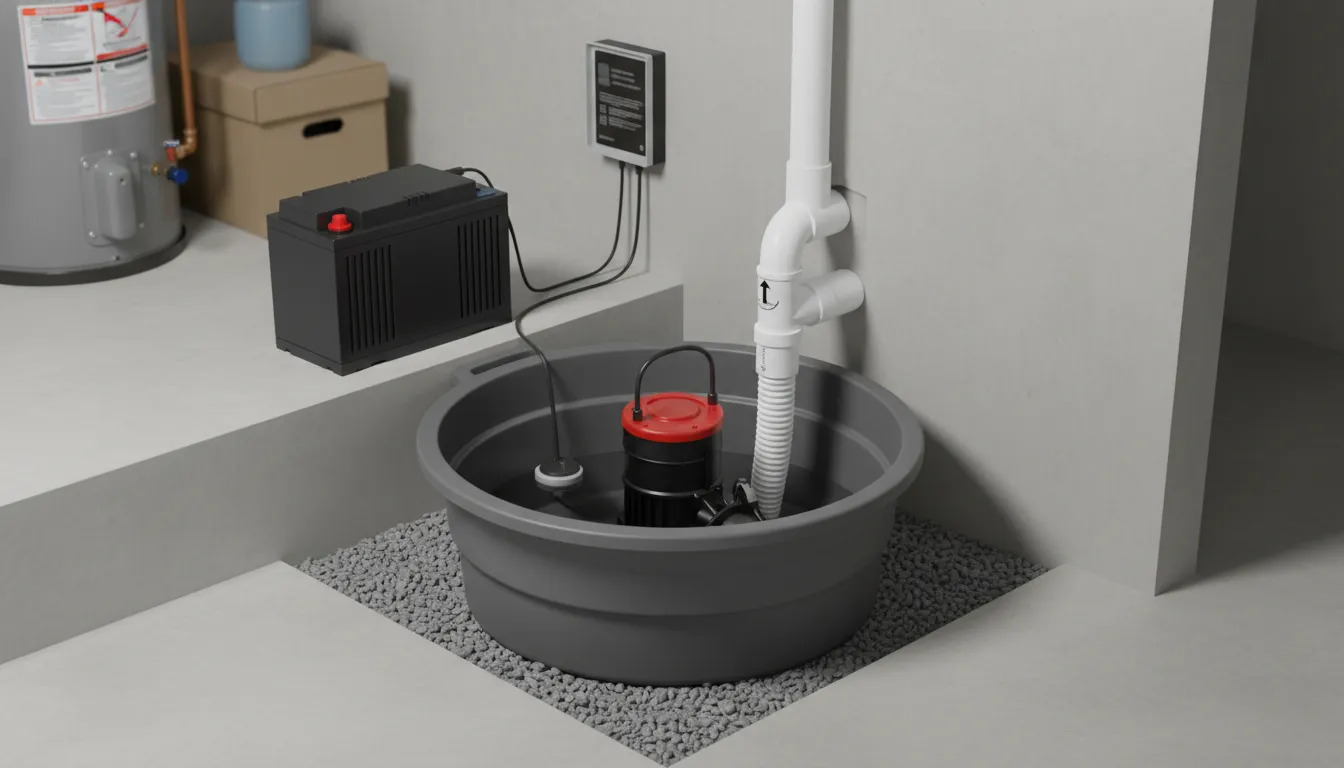
A battery backup pump is a second unit that runs when the main pump loses power or cannot keep up. The CDC advises homeowners to buy and install sump pumps with backup power. That advice matters because heavy rain and power loss can happen at the same time.
A combination system packages a primary pump and battery backup as one matched setup. It can reduce the guesswork of pairing separate units. It also raises the initial equipment cost and adds a battery that needs checks and later replacement. The added cost buys another layer of protection, not more value for every dry basement.
Choose backup capacity based on your actual risk. A basement with frequent water entry has different needs than a pit that rarely runs. Also consider how long outages tend to last and whether someone can check the system during a storm.
Water-powered backup pumps
A water-powered backup uses the home’s pressurized water supply instead of a battery. It can keep working during a long outage without waiting for a battery recharge. However, it needs a suitable municipal water supply and proper plumbing connections. It may not fit homes served by a well, since well pumps also need electricity.
This option can cost more to install because it requires added water lines, valves, and discharge planning. It also uses household water while operating. Before choosing any type, ask for a full quote that covers the pump, backup plan, pit work, piping, electrical needs, and testing.
A type comparison is useful, but the site check makes the final choice clear. Professional sump pump installation can confirm that the selected unit fits the pit and the home’s drainage needs.
Replacement versus a new sump system
A sump pump replacement and a new sump system are different jobs. A replacement uses a pit, power source, and discharge route that are already in place and still work well. A new system may require each of those parts, so the quote includes far more than the pump itself.
Replacing a pump in a usable pit
A basic replacement starts with removing the failed pump from an existing pit. The plumber then checks the pit, float clearance, check valve, power supply, and discharge line. If those parts are sound, the work can stay focused on choosing and fitting the new pump.
The replacement still needs to match the home’s water load and the height of the discharge route. A pump that is too small may struggle during a storm. One that does not fit the pit can bind or cycle poorly. Mr. Pipey’s professional sump pump installation service covers replacement, repair, installation, and maintenance for Metro Detroit homes.
Installing a complete new system
A complete installation begins where no usable sump setup exists. The scope may include cutting the basement floor, digging a pit, placing a basin, and restoring concrete around it. It can also include a new outlet and a safe route for discharged water.
The site determines how much work the system needs. Finished basement surfaces, tight access, thick concrete, or a difficult drainage route can add labor and materials. The right quote should separate the pump from pit, power, discharge, and finish work. That breakdown makes it easier to see why a new system costs more than a direct swap.
A new setup is also the right time to plan for power loss. The CDC advises homeowners to install sump pumps with backup power as part of flood preparation. A battery backup or other supported option adds equipment and setup work, but it can keep pumping when utility power fails.
When pit and discharge work increase the scope
An existing pit does not always make the job a simple replacement. A cracked, undersized, dirty, or poorly placed basin may need repair or replacement before a new pump can work as planned. The plumber may also need to adjust the float, replace a worn check valve, or clear debris.
Discharge problems can change the quote just as much. A blocked, leaking, frozen, or poorly routed line may need repair or a new route. Longer runs and wall penetrations add work, while local drainage rules may limit where water can go. Homeowners comparing equipment can review the right sump pump kit, but the pit and discharge route still need an on-site check.
- Likely replacement: The pit is sound, the line drains well, and safe power is already available.
- Likely new system: There is no usable pit, discharge route, or suitable power source.
- Expanded replacement: The pump can be swapped, but the pit, valve, line, or backup setup also needs work.
How to budget for a sump pump project
A useful sump pump budget starts with the problem, not a pump price from a store shelf. Your quote should reflect current symptoms, backup needs, drainage work, and the full installation scope. This approach gives you a clear answer when asking how much is a sump pump for your home.
Preparing for an accurate quote
Before calling a plumber, note where water enters and how often the current pump runs. Check for standing water, unusual sounds, visible rust, and recent power outages. These details help the plumber tell whether you need repair, replacement, or a new system.
- Check the symptoms. Write down leaks, odors, pump noise, and signs of recent overflow. Note whether the issue appears during rain or after snow melts.
- Review the existing setup. Find the pump type, discharge route, power source, and pit condition. Ask whether the current pipework and check valve can stay.
- Choose backup protection. Decide how much protection you want during an outage or primary pump failure. The CDC advises homeowners to install sump pumps with backup power.
- Request a complete scope. Ask whether the quote covers the pump, labor, pit work, discharge piping, electrical needs, cleanup, and old-pump removal.
- Compare written quotes. Review pump capacity, backup features, included work, expected schedule, and total price. Make sure each contractor is pricing the same scope.
- Review warranties and service. Compare coverage for the pump and labor, plus the response process if problems occur. A lower bid may leave key work uncovered.
Questions that prevent surprise costs
Ask what could change the quoted price after work begins. Common scope questions include whether the pit needs changes and whether the discharge route meets current needs. Also ask if the estimate includes permits, testing, cleanup, and maintenance guidance.
A contractor should explain each option in plain language and show why it fits your basement. For Metro Detroit homeowners, Mr. Pipey’s professional sump pump installation service covers installation, repair, replacement, and maintenance. Its flat-rate pricing also helps make the planned cost clear before work starts.
Value beyond the lowest bid
Price matters, but the cheapest quote may not provide the best protection. Compare the complete system, workmanship, backup plan, warranty terms, and future service access. Budget for the solution that handles your water risk and includes the work needed to install it correctly.
Keep some room in the budget for hidden site issues that cannot be confirmed before work starts. Ask the contractor to get your approval before adding work. That simple rule keeps decisions clear and helps prevent an unexpected final bill.
Schedule a sump pump system assessment before the next storm.
Is professional sump pump installation worth it?
Professional installation is often worth the cost when the job involves new wiring, a new pit, or a hard discharge route. It also makes sense when basement flooding could damage finished rooms, stored items, or key equipment. A plumber can assess the full system instead of treating the pump as a stand-alone appliance.
Safety, drainage, and local rules
A sump pump works near water and relies on electricity, so safe power is a key concern. The CDC’s flood safety guidance recommends using a licensed electrician for flood-related electrical changes. A professional plumber can flag power concerns and explain when an electrician should handle part of the job.
Good installation also depends on where the water goes. The discharge line needs a sound route that moves water away from the foundation without causing a new problem. A plumber can check valves, pipe pitch, freezing risks, and the point where the line ends. They can also review permit and code needs that may apply to the work.
Correct sizing and system testing
The lowest-priced pump is not always the right fit. Pump size should match the pit, lift height, discharge route, and the amount of water entering the space. A professional can also discuss whether a battery backup is useful. The CDC advises homeowners to install sump pumps with backup power as part of flood preparation.
After installation, testing shows whether the parts work together. The installer should confirm that the float moves freely, the pump starts and stops, and the check valve holds. Testing should also show that the discharge line carries water out as planned. This step can catch setup issues before the next heavy rain.
Warranty and service value
Professional work may also protect the value of a manufacturer’s warranty, depending on its terms. Keep the invoice, model details, and any service records. Ask what the labor warranty covers, who handles a failed part, and whether follow-up testing is included.
For Metro Detroit homeowners comparing professional sump pump installation, service terms matter alongside the quoted price. Mr. Pipey is a licensed and insured, family-owned plumbing company. Its work includes a satisfaction guarantee, and its no-overtime-charge policy keeps the same flat rate during nights, weekends, and holidays.
A straightforward replacement may be within reach for an experienced homeowner. Professional help has more value when the job changes drainage, power, pit layout, or pump capacity. When asking how much is a sump pump, compare the full scope, testing, warranty, and service terms rather than the pump price alone.
Frequently Asked Questions
How much does a sump pump cost?
A complete sump pump project costs about $1,100 on average, with many installations ranging from $800 to $3,000. According to Angi, pump type, labor, and project complexity affect the final price. Metro Detroit homeowners should request a local quote because pit condition, discharge routing, backup power, and drainage needs can change the total.
How much does it usually cost to install a sump pump?
Professional sump pump installation usually costs more than the pump alone because the total includes labor, fittings, testing, and drainage work. This Old House reports a national average near $1,400, with projects ranging from $500 to $4,000. A straightforward replacement in an existing pit generally costs less than a new system requiring excavation or drainage changes.
Do you need a plumber to install a sump pump?
A homeowner can replace a basic pump when the pit, outlet, check valve, and discharge line are already suitable. However, a licensed plumber is the safer choice for a new installation, repeated flooding, electrical concerns, or drainage changes. Professional installation helps ensure the pump is correctly sized, the discharge route works, and the backup system operates when storms or outages occur.
Can a sump pit cause radon?
A sump pit does not create radon, but an open or poorly sealed pit can provide a path for soil gas to enter a basement. Research has found that wind pressure can affect radon entry into basements. Test the home’s radon level, use a sealed sump lid when appropriate, and consult a certified radon professional if results are elevated.
Ready to Protect Your Basement Before the Next Storm?
Waiting can turn a manageable sump pump concern into a flooded basement, damaged belongings, and an urgent repair when you have fewer choices. Starting now gives you time to compare options, plan your budget, and arrange service before the next heavy rain puts your system under pressure. A professional assessment can clarify what your home needs and help you avoid paying for the wrong pump or an unplanned replacement.
Ready to protect your basement with a clear plan and upfront next steps? Request a free sump pump estimate to discuss your home’s setup, budget, and timing with Mr. Pipey. Contact the team today so you can make a confident decision before sump pump trouble becomes an emergency.