For Birmingham homeowners, a sump pump is often out of sight until heavy rain or melting snow puts it to work. Many residential sump pumps last about 7 to 10 years, but actual service life varies with use, maintenance, installation, and basement conditions. If you are wondering how long do sump pumps last in Birmingham, consider both the pump’s age and how reliably it operates when needed.
Request a professional sump pump evaluation
How long do sump pumps last in Birmingham homes?
A commonly cited planning range for a residential sump pump is roughly 7 to 10 years. This is not a guarantee or a fixed replacement date. A pump that runs often, handles substantial water, or operates in a challenging pit may wear sooner. A lightly used, properly installed and maintained system may last longer. The pump’s model and component condition also matter.
Age is one part of the assessment. A pump several years old that works consistently may not need immediate replacement. An older unit with irregular operation, unusual noises, visible corrosion, or a history of trouble deserves closer attention. A plumber can inspect the pump, pit, discharge arrangement, and related controls to help determine whether service or replacement is appropriate.
For local homeowners, basement water conditions are relevant. Seasonal rain and snowmelt can increase pump cycles. A pump that cycles frequently may experience more wear than one that runs only occasionally. Frequent cycles do not automatically mean failure; they are useful context when judging service life. Homeowners in Birmingham should also consider whether the system has been asked to manage recurring water entry over multiple seasons. A timeline based only on the calendar can miss that usage history. If the home has changed, or drainage patterns seem different, mention this during a professional visit; the new conditions may influence how the pump performs.

What factors affect sump pump service life?
Two pumps of similar age can be in very different condition. These factors help explain why:
- How often it runs: Repeated operation in wet periods adds use. Continuous operation or unusually frequent cycling should be evaluated to identify the reason.
- Installation and sizing: The system should suit the building’s drainage conditions and pit. Setup problems can affect performance and contribute to premature wear.
- Pit conditions: Debris or sediment can interfere with operation. A professional can check whether the pit and pump are functioning as intended.
- Discharge arrangement: A blocked, damaged, or poorly routed line can affect how water leaves the property. Discharge should be directed away from the foundation and not toward a neighboring property.
- Maintenance and inspection: Periodic professional attention can identify wear or operating concerns before the pump is needed during demanding weather.
- Backup provisions: A backup system does not extend the primary pump’s life, but it can provide another layer of preparedness if the primary pump cannot operate.
Look at the full system rather than judging the pump by age alone. Mr. Pipey provides sump pump service and repair for homeowners seeking a professional assessment. Related drainage concerns may also involve basement drain service or sewer and drain plumbing.
Which signs suggest a sump pump needs attention?
Changes in sound or operating behavior can provide useful clues. Contact a plumbing professional if you notice:
- The pump does not start when water rises in the pit, or it does not stop as expected.
- Frequent cycling, unusually long run times, or operation that seems inconsistent with recent conditions.
- Grinding, rattling, or other sounds that are new or persistent.
- Visible rust, damaged wiring or connections, or water around the pump that does not appear to be normal operation.
- A history of the basement becoming wet despite the pump running.
- A pump nearing or past the typical planning range, especially without a recent professional evaluation.
One observation does not always identify the cause. Frequent cycling, for example, may relate to water entering the pit, controls, or system configuration. A qualified plumber can assess the conditions and explain next steps rather than guessing from age alone. If a leak or water issue is also visible elsewhere, professional leak detection and repair can help evaluate that separate concern.
How do age and operating conditions compare?
This table is a practical planning aid, not a diagnostic chart or promise of remaining pump life.
| What you know | What it may mean | Reasonable next step |
|---|---|---|
| Under about 7 years, operates consistently | Age alone may not indicate replacement is due | Track unusual operating changes and arrange service if concerns appear |
| About 7 to 10 years old | Within a common planning window; condition varies | Consider a professional inspection and discuss replacement planning |
| Older than 10 years or age unknown | May warrant closer evaluation, particularly with heavy use | Have the pump and discharge components assessed |
| Any age with irregular operation or recurring water concerns | Age does not explain the issue by itself | Arrange a timely professional diagnosis |
How can Birmingham homeowners plan for replacement?
Planning before a pump stops working gives you time to understand the system and compare appropriate options. Start with available information: approximate installation date, service history, and circumstances when the pump runs. If the age is unknown, note that during an assessment. A technician can inspect the equipment and explain whether repair, maintenance, or replacement is the soundest route.
Ask the plumber to review the whole arrangement, not only the motor. Useful questions include:
- How old does the pump appear to be, and what condition are its key components in?
- Does its operation match the water conditions at this home?
- Is the pit clear and functioning properly?
- Does the discharge line carry water safely away from the home?
- Would a backup system be appropriate for this property?
- What repair and replacement options are available, and what does each include?
A clear explanation should connect the recommendation to observed conditions. If replacement is advised, ask what changes are proposed and how the work addresses the home’s drainage needs. Review the options and scope before authorizing work. If the evaluation identifies another plumbing concern, Mr. Pipey also offers drain repair services and emergency plumbing support for appropriate situations.
Why does sump pump discharge matter?
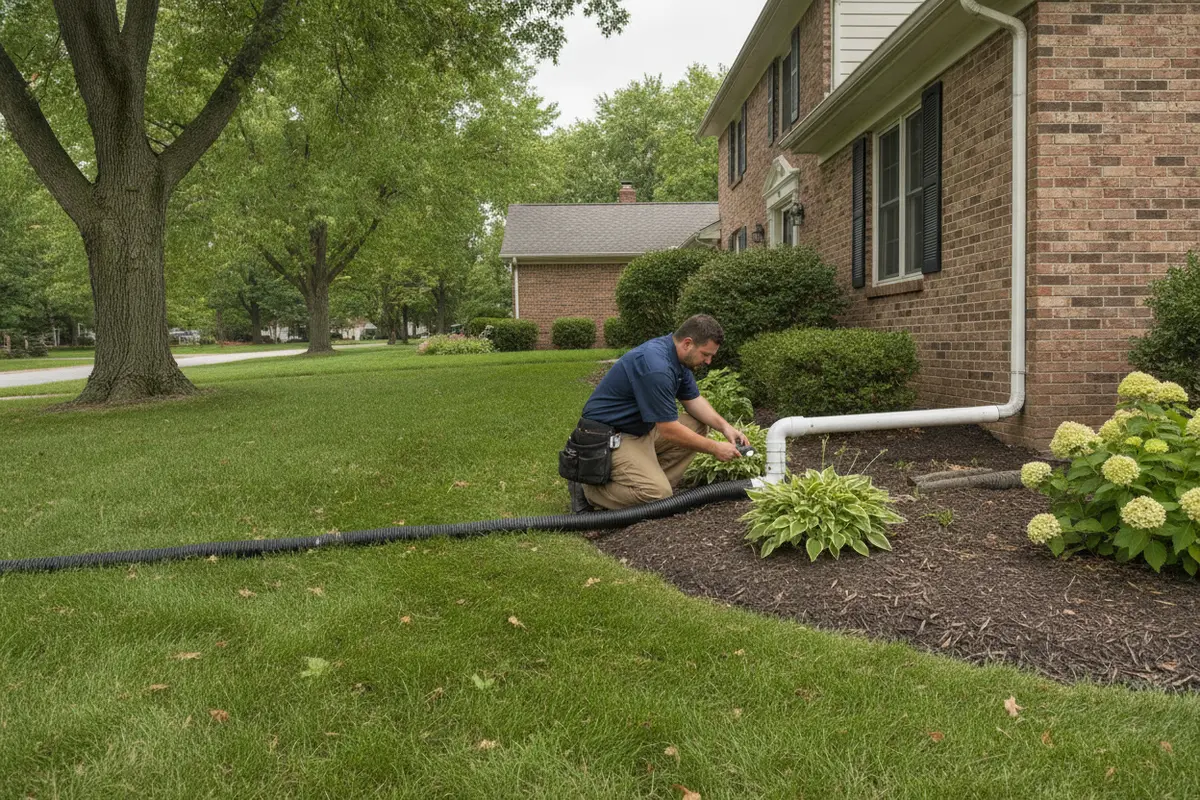
The pump’s job is not complete when water leaves the pit; the discharge route matters too. Water should be directed away from the building so it does not return toward the foundation. It should also avoid draining onto a neighbor’s property. The InterNACHI Sump Pump Operation and Inspection Guide notes that water should be discharged at least 20 feet from the building and should not drain back into the house or onto a neighbor’s property.
Site conditions and local requirements can affect the right arrangement. If water pools near the foundation, the line appears damaged, or discharge is directed into an unsuitable area, ask a plumber to evaluate it. A professional can consider the property layout and explain a suitable solution. A sound discharge path is part of the system’s overall performance, so it should be considered during maintenance and replacement discussions.
What happens during a professional sump pump assessment?
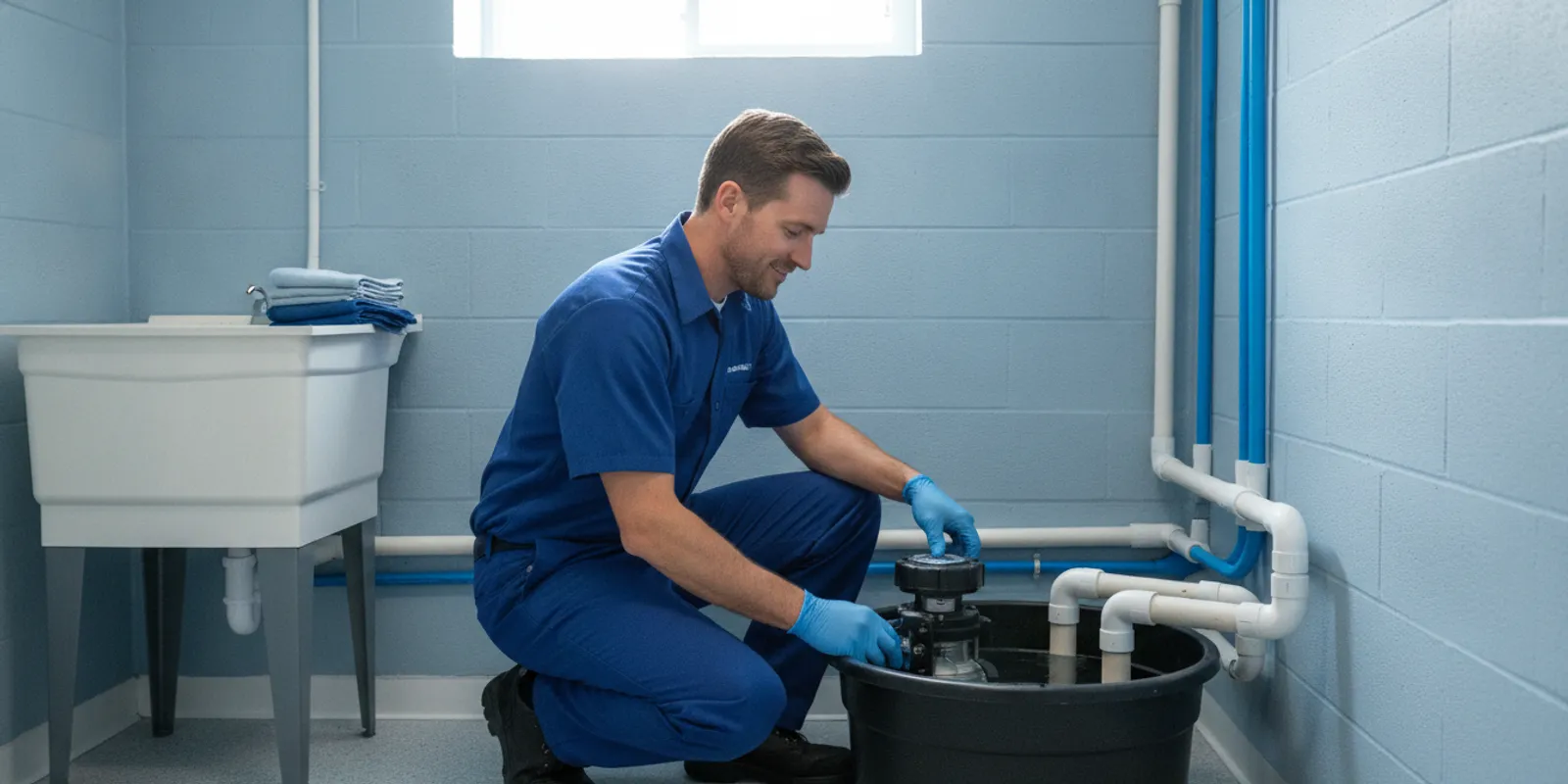
An assessment typically focuses on the pump’s condition and how the system performs as a whole. The plumber can review the equipment and pit, observe operating behavior where appropriate, and examine the discharge line and visible connections. They can also discuss the pump’s age, use, and history of water concerns.
The findings help distinguish between a maintenance concern, a repair need, and a system that may be approaching replacement. A useful assessment ends with a clear explanation of what was found, the available options, and why a particular step is recommended. If you have noticed recurring basement water or changes in pump behavior, share when it occurs and what you observed. A concise history is particularly helpful: note whether the issue followed a storm, appeared during a dry period, or happened repeatedly over time. These details do not diagnose the problem, but they help the professional connect the symptoms with the conditions in the home and prioritize the inspection.
How should you interpret repair or replacement recommendations?
A recommendation should reflect the equipment’s condition and the symptoms, not age alone. Ask what the professional observed, which parts or operating conditions informed the diagnosis, and whether the proposed work addresses the cause of the concern. If service is recommended, request an explanation of its scope and what result it is intended to achieve.
When replacement is discussed, compare the proposed system with the existing setup. The conversation can cover the pump’s capacity for the home’s conditions, pit compatibility, controls, discharge route, and any backup arrangement being considered. Ask whether components beyond the pump itself need attention. This helps make clear whether the proposal is a direct replacement or includes changes to other parts of the system.
It is also reasonable to ask what signs to monitor after service and when a follow-up assessment might be appropriate. A professional should be able to explain the choices in plain language. Homeowners who want to learn more about the provider can review Mr. Pipey’s plumbing services and then discuss the specific findings for their property.
How can you keep useful sump pump records?
Simple records make future evaluations more informed. Keep any available installation paperwork, service notes, and information about repairs or replaced components. When you notice a change, record the date and what was happening at the time, such as a wet-weather period or an unusual sound. These observations can help a plumber understand whether an operating pattern is new or recurring.
Record the approximate pump age if known, the conditions under which it runs, and whether basement water concerns have occurred. If multiple people maintain the property, keeping this information in one place can prevent details from being lost. The record does not replace an inspection, but it gives the professional useful context and can make a conversation about repair or replacement more specific. Include the contact information for any previous service provider if available, and keep receipts or notes about parts that were changed. Over time, these records can clarify whether a symptom is isolated or has returned after prior service.
Seasonal notes can be useful as well. A brief record of when the pump seems to run more often, whether water has collected in the basement, and whether the discharge area stays wet gives an evaluator a clearer picture than a general recollection. There is no need to estimate technical measurements; simply describe what you observed and when. Bring the information to the assessment, along with questions about the equipment’s age and condition. This makes the visit more focused and supports a practical conversation about maintaining the existing unit or planning a replacement.
Contact Mr. Pipey to discuss sump pump service
Frequently asked questions
Can a sump pump last longer than 10 years?
Yes. Some pumps operate beyond 10 years, while others need attention sooner. The range is a planning reference, not a guaranteed lifespan. Condition, usage, installation, and maintenance all contribute.
Should I replace a sump pump just because it is 10 years old?
Not automatically. Age is a reason to consider an evaluation and plan ahead, but a professional should also assess operation and condition. That review can clarify whether the pump needs service or replacement planning makes sense.
What if I do not know when the pump was installed?
Tell the plumber the installation date is unknown and describe any service history or operating changes. A professional can inspect its condition and discuss practical options based on the system in place.
Does frequent running mean the pump is failing?
Not necessarily. Frequent operation can reflect water entering the pit, the pump’s controls, or other system conditions. A professional evaluation can help identify the cause and determine whether the pump itself needs repair or replacement.
When should Birmingham homeowners arrange an evaluation?
Arrange an evaluation if the pump behaves inconsistently, makes new persistent noises, cycles unusually often, or if you have concerns about its age or discharge route. Professional attention can clarify the condition and available options.
A professional assessment can help Birmingham homeowners understand their pump’s condition and plan the next step with confidence.