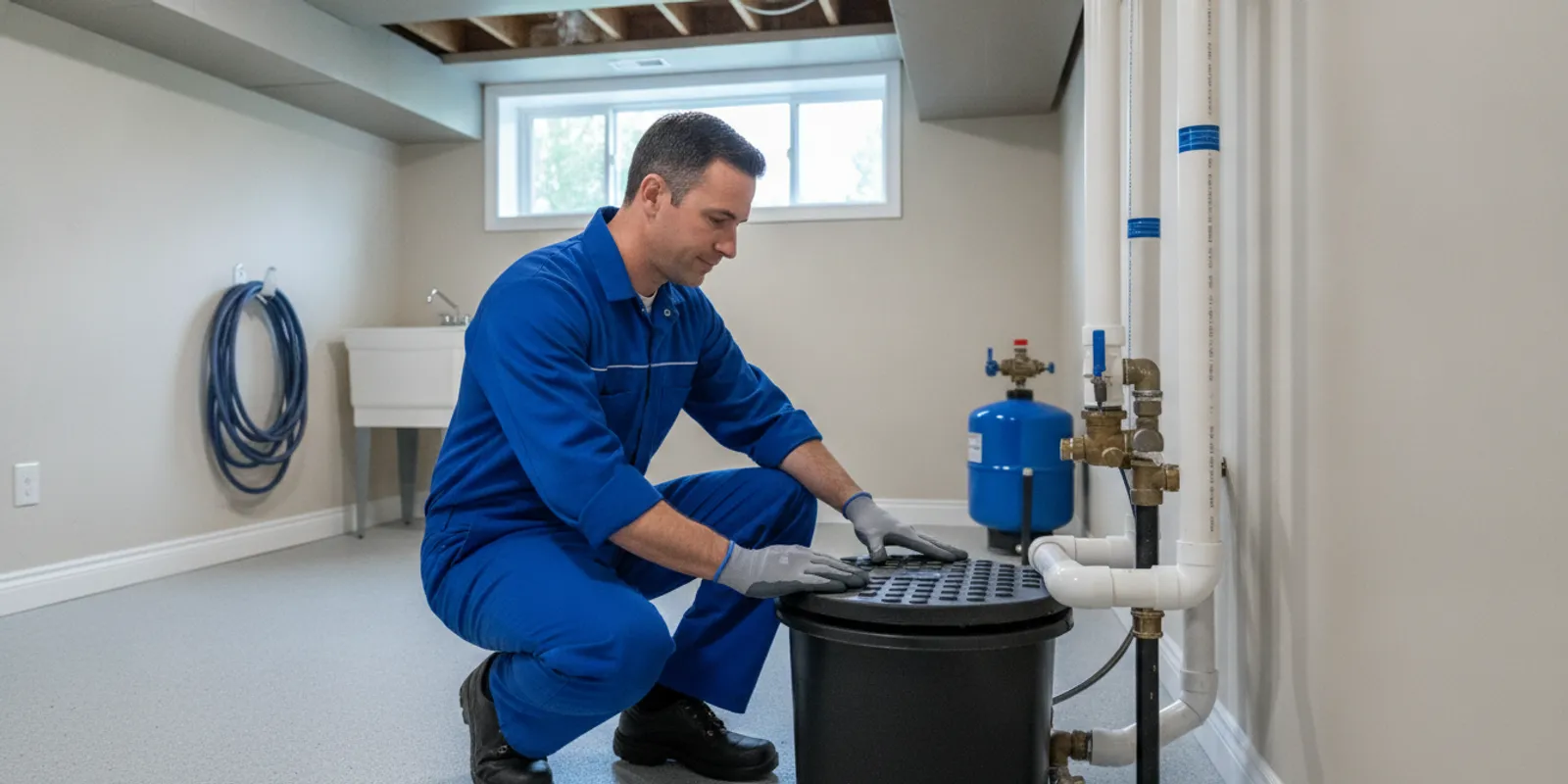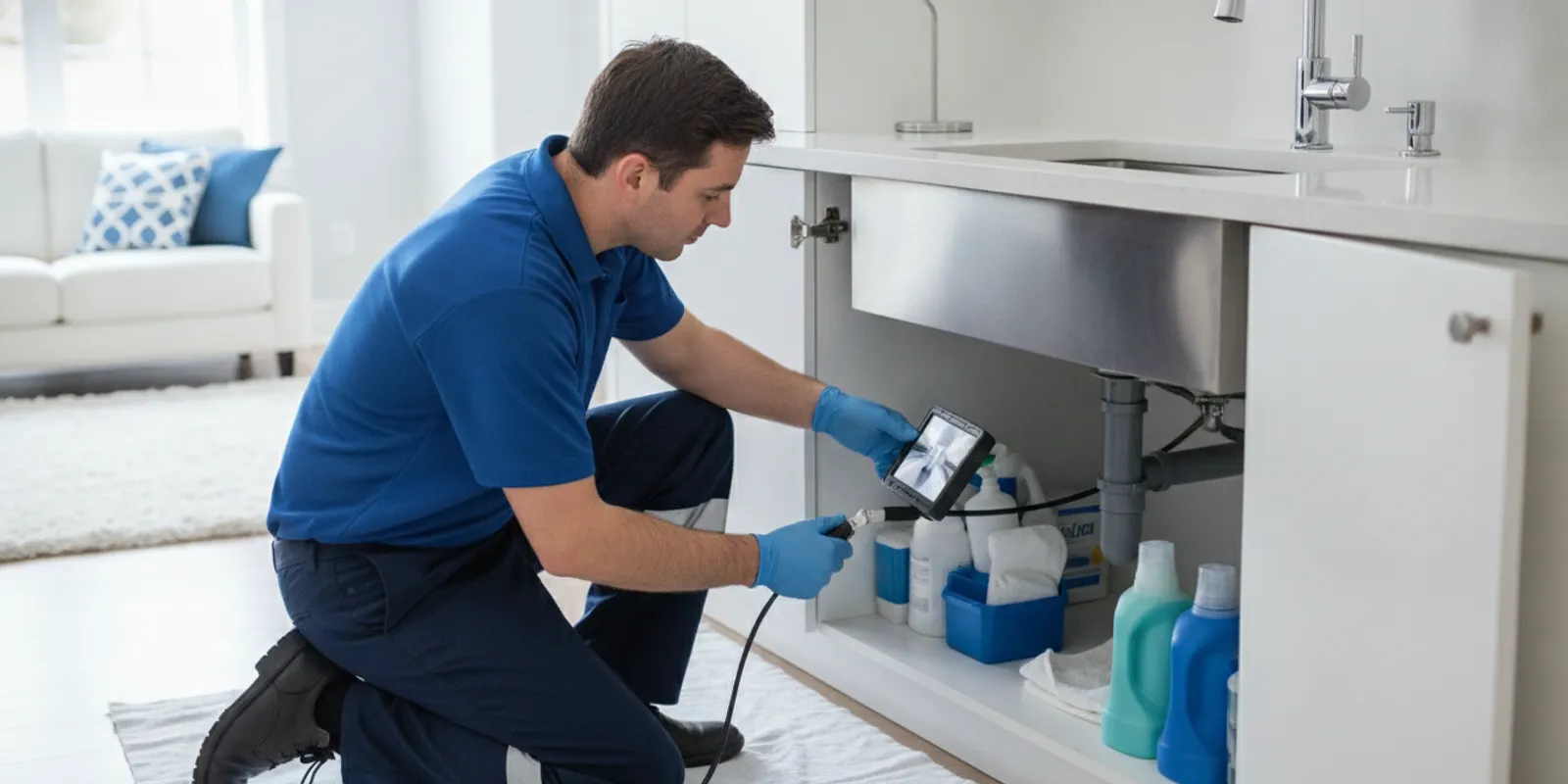


That sudden drop in hot water pressure is more than just an annoyance; it’s your plumbing system sending a clear signal. While your mind might jump to worst-case scenarios like a failing water heater, the real cause is often surprisingly simple. The problem could be anything from a clogged showerhead to sediment buildup in your pipes. We’ll walk through the most common culprits, starting with the easy fixes first. This guide will help you understand what’s going on so you can find the right solution and get your hot water flowing properly again.
Key Takeaways
- Pinpoint the Problem’s Source: Start by comparing your hot and cold water pressure. If only the hot water is weak, the issue is likely with your water heater system; if both are low, the problem probably affects your entire home’s supply.
- Start with the Easiest Fixes: Before assuming a major issue, clean your faucet aerators and showerheads to remove mineral buildup and double-check that all shut-off valves are completely open. These simple steps often solve the problem.
- Recognize When It’s Time for a Pro: If the simple fixes don’t work or you suspect a larger issue like corroded pipes, a faulty pressure regulator, or a hidden leak, call a professional to ensure the job is done safely and correctly.
Why Is My Hot Water Pressure So Low?
Stepping into the shower for a relaxing, hot spray only to be met with a weak trickle is one of the most frustrating ways to start your day. If you’ve noticed your hot water just doesn’t have the same oomph it used to, you’re not alone. This is a common household plumbing issue, and the good news is that the cause is often straightforward. When the cold water runs just fine but the hot water is lagging, it’s a clear signal that the problem is somewhere within your hot water system.
Most of the time, the culprit is sediment buildup in your water heater, which can clog the pipes and restrict flow. It could also be something as simple as a shut-off valve that isn’t fully open. While it’s tempting to think the worst, a little investigation can often point you toward a simple fix. Understanding the potential causes is the first step to getting your water pressure back to normal. If the problem seems complex or you’re not comfortable troubleshooting it yourself, our team is always ready to provide expert plumbing solutions to get things flowing smoothly again.
What’s Considered Normal Hot Water Pressure?
Before you can be sure you have a problem, it helps to know what “normal” actually feels like. Water pressure is measured in pounds per square inch, or PSI. For most homes, the ideal water pressure is somewhere between 45 and 80 PSI. Anything below 45 PSI is considered low and can lead to those unsatisfying showers and slow-filling sinks. If you suspect your pressure is low, you can buy a simple pressure gauge from a hardware store to test it yourself. Knowing this number gives you a solid baseline and helps you communicate the issue clearly if you need to call a professional for emergency plumbing services.
Spotting the Signs of a Pressure Problem
The most obvious sign of a pressure problem is a weak stream of hot water from your faucets and showerheads. But paying attention to the details can help you narrow down the cause. If only the hot water pressure is low throughout your entire house, the issue is almost certainly related to your water heater. However, if both your hot and cold water pressure are low in every faucet, the problem might be with your home’s main water supply or pressure regulator. If the issue is isolated to just one or two faucets, you might just be dealing with a clogged aerator, which is an easy fix.
What’s Causing Your Low Hot Water Pressure?
Figuring out why your hot water is barely trickling out can feel like a mystery. Is it the water heater? The pipes? The good news is that the list of potential culprits is usually pretty short. More often than not, the issue comes down to a handful of common problems, ranging from a simple clog you can fix yourself to a more complex issue that needs a professional eye. Let’s walk through the most frequent causes so you can get a better idea of what’s happening in your home.
Is Sediment Clogging Your Water Heater?
Over time, minerals like calcium and magnesium naturally present in your water can settle at the bottom of your water heater tank. This layer of sediment can build up and eventually start blocking the outlet pipe where hot water exits the tank. If your cold water pressure seems fine but the hot water is weak everywhere in the house, this is a prime suspect. It’s a particularly common issue in areas with hard water. Flushing the tank can sometimes help, but a significant blockage might require professional plumbing services to resolve safely and effectively, restoring your hot water flow.
Are Your Faucets and Showerheads Clogged?
Sometimes the problem isn’t your entire plumbing system, but just one specific fixture. If you notice low hot water pressure in your shower but it’s fine in the kitchen sink, the issue is likely a clog right at the source. Mineral deposits can build up inside your showerhead or faucet aerator, blocking the small openings and reducing water flow. Before you worry about a bigger problem, try cleaning the affected fixture. This is often a quick fix you can handle yourself, and it’s a great first step in troubleshooting your pressure problem.
Check for Partially Closed Shut-Off Valves
This one might sound too simple to be true, but it happens all the time. Your home has several shut-off valves that control water flow, including one for your main water supply, one on the cold water line leading into your water heater, and individual ones under each sink and toilet. If any of these were recently used for a repair or accidentally bumped, they might not be fully open. A partially closed valve will restrict water flow and can easily be mistaken for a more serious plumbing issue. Take a moment to check that all the valves connected to your hot water lines are turned completely to the “on” position.
Could Old, Corroded Pipes Be the Culprit?
If you live in an older home, your pipes themselves could be the source of your low pressure. Over decades, galvanized steel pipes can corrode from the inside, causing rust and other mineral deposits to build up along their inner walls. This buildup effectively narrows the diameter of the pipe, restricting how much water can pass through. This is a gradual problem that you’d likely notice getting worse over time, affecting all the faucets in your home. Dealing with corroded pipes is a complex job that requires a professional to assess the extent of the damage and discuss options for pipe repair or replacement.
Do You Have a Failing Tempering Valve?
A tempering valve, also known as a mixing valve, is a safety device on your water heater that blends hot and cold water to ensure the water coming out of your taps isn’t dangerously hot. When this valve starts to fail or gets clogged with mineral deposits, it can malfunction and restrict the flow of hot water, leading to a sudden drop in pressure. Since this component is crucial for preventing scalding, it’s not something you should try to fix yourself. If you suspect the tempering valve is the issue, it’s best to call for emergency plumbing service to have it inspected and replaced by a professional.
When Your Water Heater Is the Problem
While sediment buildup is the most common water heater-related cause of low pressure, it’s not the only one. Other internal components can also be to blame. For instance, a kinked or corroded connector on the hot water outlet line can create a bottleneck right at the source. In some cases, the dip tube inside the tank, which directs cold water to the bottom, can break and send pieces into your plumbing lines, causing blockages. Any of these issues can disrupt the flow of hot water from the tank to your faucets. A thorough inspection of your water heater is often the key to diagnosing these less obvious problems.
Is Your Pressure Regulator Failing?
Think of a pressure regulator as the gatekeeper for your home’s water supply. This small device is installed on your main water line and is responsible for keeping the incoming pressure from the city at a safe and consistent level for your pipes and appliances. When a pressure regulator gets old or breaks down, it can fail in a way that severely restricts the flow into your home. The telltale sign of a failing regulator is low water pressure at every single faucet, affecting both hot and cold water. Since this component manages your entire home’s water supply, testing and replacing it is a job best left to a professional to ensure it’s done correctly and safely.
Could Your Home’s Plumbing Design Be the Issue?
If you live in an older home, the problem might be built right into the walls. Many homes built decades ago used galvanized steel pipes, which were the standard at the time. Unfortunately, these pipes have a tendency to corrode from the inside out over the years. As rust and mineral deposits build up, the internal diameter of the pipes shrinks, creating a bottleneck that chokes off water flow. This isn’t a problem that happens overnight; it’s a gradual decline in pressure that you would notice getting progressively worse over time. Addressing corroded pipes is a significant undertaking that requires a professional assessment to determine if a full or partial pipe replacement is necessary.
Is a Single Faucet the Problem?
Before you start worrying about your water heater or main supply line, do a quick check around the house. Is the low hot water pressure happening everywhere, or is it isolated to just one or two spots, like the kitchen sink or the master shower? If the issue is localized, you’re likely dealing with a simple clogged aerator or showerhead. These small screens get blocked with mineral deposits over time, which is an easy fix. Simply unscrew the end of the faucet or the showerhead, soak it in a bowl of vinegar for a few hours to dissolve the buildup, and then scrub it clean before reattaching it. This simple step often restores pressure instantly.
What About Tankless Water Heater Buildup?
Tankless water heaters are fantastic for providing on-demand hot water, but they aren’t immune to the problems caused by hard water. Just like in a traditional tank, minerals can build up inside a tankless unit. Instead of settling at the bottom, these deposits can clog the narrow passages within the heat exchanger, severely restricting water flow. If your tankless heater isn’t too old, a professional plumber can perform a flush to descale the unit and clear out the blockage. Regular maintenance is key to preventing this kind of buildup and keeping your tankless system running efficiently. If you suspect this is your issue, it’s wise to call for professional plumbing services to avoid damaging the unit.
How to Find the Source of the Problem
So you know you have a pressure problem. But where is it coming from? Before you can find a solution, you need to do a little detective work to narrow down the culprit. Think of it like a process of elimination. By running a few simple tests around your house, you can get a much clearer idea of whether you’re dealing with a minor clog, a water heater issue, or something bigger. These steps don’t require any special tools, just a few minutes of your time and a little observation. Let’s walk through how you can trace the source of your low hot water pressure.
Compare Your Hot and Cold Water Pressure
First, head to the sink that’s giving you the most trouble. Turn the hot water on full blast and take note of the flow. Then, turn it off and switch to full-blast cold water. Is there a noticeable difference? If only your hot water pressure is weak, the problem is almost certainly related to your water heater system. However, if both the hot and cold water are just a trickle, the issue is likely affecting your home’s entire water supply. This could point to a problem with the main shut-off valve or the pressure regulator for the house.
Test Different Faucets Around Your Home
Next, take a tour of your home’s plumbing fixtures. Check the hot water pressure in the kitchen sink, the bathroom faucets, and the shower. Is the low pressure happening everywhere, or is it isolated to a single spot? If you only have low pressure at one faucet, you’re probably looking at a simple fix, like a clogged aerator or a blocked showerhead. But if every hot water tap in the house is underperforming, it confirms the problem is more widespread, likely originating from your water heater or the pipes connected to it.
Give Your Water Heater a Quick Inspection
Since low hot water pressure often leads back to the water heater, give the unit a quick visual inspection. Look for any signs of dripping water, puddles on the floor, or rust spots on the tank itself, as these can indicate a leak or internal corrosion. A very common cause of low pressure is sediment buildup inside the tank. Over time, minerals like calcium and magnesium settle at the bottom, creating a sludgy layer that can clog the hot water outlet pipe, restricting flow. If you see signs of a major leak, it’s best to call for emergency plumbing right away.
Listen for Popping or Rumbling Noises
While you’re inspecting your water heater, listen closely. Do you hear any strange sounds, like popping, crackling, or a low rumble when it’s heating up? These noises are a classic sign of sediment buildup. Over the years, minerals from the water supply settle at the bottom of the tank, forming a hard, crusty layer. When the burner kicks on, water gets trapped beneath this layer and boils, creating those distinct popping sounds. This same sediment can break free and travel into your plumbing, creating a blockage in the hot water outlet pipe and causing the low pressure you’re experiencing throughout your home.
Ignoring these sounds isn’t a good idea. That layer of sediment forces your water heater to work much harder to heat the water, which wastes energy and drives up your utility bills. More importantly, it can cause the tank to overheat, potentially leading to permanent damage and shortening the lifespan of your unit. If the sounds are loud or you’re concerned about the health of your water heater, it’s a good time to call in a professional. A failing water heater can quickly become a major headache, so addressing it early can prevent a much bigger plumbing emergency down the road.
Look for Obvious Leaks or Pipe Damage
Finally, check for any visible leaks in your plumbing. Look under sinks and around the pipes connected to your water heater. Sometimes, a drop in pressure is caused by a leak you can’t easily see. A great way to check for hidden leaks is to use your water meter. First, make sure every faucet, appliance, and water source in your home is turned off. Then, go look at your water meter. If the dial or numbers are still moving, you likely have a leak somewhere. Damaged or frozen pipes are often the source of these hidden leaks.
Check Your Water’s Color and Clarity
Another important clue can come directly from your tap. Turn on the hot water and let it run into a clear glass. If the water appears discolored—brown, yellow, or rusty—it’s a strong indicator of a problem within your hot water system. This discoloration is often caused by rust and corrosion inside your pipes or a significant sediment buildup in your water heater tank. While it might be tempting to ignore it, discolored water is a clear sign that parts of your plumbing are breaking down from the inside. It’s not just an aesthetic issue; it points to an underlying problem that will likely worsen over time and could affect your water quality and pressure.
Consider the Age of Your Plumbing
If you live in an older home, the age of your plumbing system itself could be the root cause of your low hot water pressure. Many homes built decades ago used galvanized steel pipes, which were the standard at the time. Unfortunately, these pipes are prone to corrosion from the inside out. Over many years, rust and mineral deposits build up along the inner walls, gradually narrowing the passage for water to flow through. This restriction is often more noticeable with hot water, as the heat can accelerate the corrosion process. If you suspect your home’s age is a factor, it’s wise to get a professional opinion, as addressing old, corroded pipes is a complex job that requires expert plumbing solutions.
Water Heater Lifespan
Just like any other major appliance, your water heater has a finite lifespan, typically lasting between 8 and 12 years. As it ages, it becomes less efficient and more susceptible to problems that cause low pressure. The most common issue is the accumulation of sediment, but older tanks are also more likely to have corroded internal components. You can usually find the manufacturing date on a sticker on the side of the tank. If your unit is approaching or has surpassed the 12-year mark and you’re experiencing pressure issues, it may be a sign that the heater is failing and it’s time to start thinking about a replacement.
Galvanized Pipe Lifespan
As mentioned, galvanized steel pipes were a popular choice for homes in the past, but they come with a known expiration date. These pipes generally last about 40 to 50 years before corrosion becomes a major issue. Once they start to break down, the problems go beyond just low water pressure. The internal rust can flake off into your water supply, leading to discoloration and potential blockages in your faucets and fixtures. In advanced stages, the corrosion can eat through the pipe walls entirely, causing leaks that can lead to significant water damage. Replacing old galvanized pipes is a major undertaking that should always be handled by a licensed plumber.
Simple Fixes You Can Try Right Now
Before you pick up the phone, there are a few simple checks you can perform that might just solve your low hot water pressure problem. These issues are surprisingly common and don’t require any special tools or plumbing expertise. Taking a few minutes to investigate can save you time and give you a better understanding of your home’s plumbing system. Let’s walk through some easy fixes you can tackle on your own.
Clean Your Faucet Aerators and Showerheads
Over time, the small screens on your faucets (aerators) and showerheads can get clogged with mineral deposits and tiny bits of debris from your water lines. This buildup acts like a dam, restricting water flow and causing a noticeable drop in pressure right at that specific fixture.
The fix is usually pretty simple. Unscrew the aerator from the tip of the faucet or remove the showerhead. You can often do this by hand, but you might need a wrench—just be sure to wrap the fixture with a cloth to avoid scratches. Soak the parts in a bowl of white vinegar for a few hours to dissolve the mineral buildup, then use an old toothbrush to gently scrub them clean. Rinse thoroughly and reinstall.
Use Vinegar for a Deep Clean
To really tackle that stubborn mineral buildup, white vinegar is your best friend. This simple household staple is fantastic at dissolving the deposits that clog up your fixtures. Start by carefully unscrewing the aerator from your faucet or removing the showerhead. If it’s on tight, use a wrench, but be sure to wrap a cloth around the fixture first to prevent any scratches. Submerge the parts completely in a bowl of white vinegar and let them soak for a few hours—or even overnight if the buildup looks serious. Afterward, grab an old toothbrush and gently scrub away any leftover gunk. After a quick rinse and reinstallation, you should see a noticeable improvement in your water flow. If this simple deep clean doesn’t solve the problem, it might be a sign that it’s time to look at other expert plumbing solutions.
Make Sure All Shut-Off Valves Are Fully Open
Sometimes the solution is as easy as turning a handle. Your home has several shut-off valves that control water flow, and if one isn’t fully open, it will definitely reduce your water pressure. Start by checking the valve under the sink or behind the toilet that’s giving you trouble. Then, find the main shut-off valve for your house and the valve on the cold water line that feeds into your water heater. Make sure each one is turned all the way to the “on” position (usually counter-clockwise). It’s possible one was partially closed during a previous repair and never fully reopened.
Straighten Out Any Kinked Supply Lines
The flexible supply lines that connect your faucets and appliances to the main water pipes can easily get kinked or bent, especially if they’re crammed into a tight space under a sink or behind a washing machine. A sharp bend in one of these hoses acts just like a kink in a garden hose, choking off the water flow and reducing pressure. Gently pull out your appliances or look in your cabinets to inspect these lines. If you spot any kinks, carefully straighten them out to restore the proper flow. This simple adjustment can make a world of difference.
Try Flushing Your Water Heater
Your water heater can accumulate sediment and mineral deposits at the bottom of the tank over time. This buildup can clog the outlet pipe, restricting the flow of hot water to your entire home. Flushing your water heater annually helps clear out this gunk and maintain its efficiency and pressure. While this is a task some homeowners feel comfortable doing themselves, it involves draining a large tank of very hot water. If you’re not familiar with the process, it’s often best to leave this to the pros. If you suspect sediment is the culprit, our team can provide a professional flush as part of our plumbing services.
What If You Have a Boiler System?
If your home is heated by a boiler instead of a furnace and water heater combo, the rules for diagnosing low hot water pressure are a bit different. Boilers heat water that circulates through pipes to heat your home and provide hot water, and the entire system relies on maintaining a specific level of pressure to work correctly. When that pressure drops, it can affect how well the hot water travels to your taps. Unlike a standard water heater, where the problem is often sediment, a boiler’s performance is directly tied to its pressure gauge. Understanding what that gauge is telling you is the first step to solving your hot water woes.
Understanding Boiler Pressure Levels
Take a look at your boiler, and you should find a small, round pressure gauge, usually with green and red zones. When the system is cold and not running, the needle should typically point somewhere between 1 and 1.5 bar. This is the sweet spot for most residential boilers. It’s normal to see the pressure rise slightly when the heat kicks on and the water expands. If you notice the needle has dropped into the red zone or is well below 1 bar, you’ve likely found the reason for your weak hot water flow. Low pressure means the system can’t effectively push the hot water through the pipes to reach your faucets and showerheads with enough force.
How to Adjust Your Boiler’s Pressure
If your boiler pressure is too low, it needs to be re-pressurized by adding more water to the system. This is typically done using a component called a filling loop, which is a small, flexible hose that connects the boiler to your main water supply. While it sounds straightforward, adding too much water can create dangerously high pressure, which can strain the system and potentially cause leaks or damage. Because getting it right is crucial for the safety and longevity of your boiler, we strongly recommend calling a professional. If you’re dealing with pressure issues, our team has the expertise to handle all types of plumbing solutions safely and get your system back to its optimal level.
Is It Time to Call a Professional Plumber?
While it’s empowering to tackle home repairs yourself, some plumbing problems are best left to the experts. If you’ve tried the simple fixes and your hot water pressure is still just a trickle, it’s time to put down the wrench and pick up the phone. Certain issues require specialized tools, can be dangerous if handled incorrectly, or point to a much larger problem within your plumbing system. Calling a professional not only saves you time and frustration but also protects your home from potential damage.
When Your Water Heater Needs an Expert
You’ve successfully flushed your water heater, but the pressure problem persists. Now what? If the issue lies deeper within the unit, it’s a clear sign to call for backup. Complex repairs, like fixing internal heating elements, thermostats, or dealing with gas and electrical connections, are not DIY tasks. Working with gas lines or high-voltage electricity is extremely dangerous without professional training and can have serious consequences. A licensed plumber has the expertise to safely diagnose and repair your water heater, ensuring it runs efficiently and, most importantly, safely for you and your family.
If Your Pipes Need to Be Replaced
Sometimes, the problem isn’t your water heater at all—it’s the pipes delivering the water. Over time, especially in older homes, pipes can corrode from the inside out. Galvanized pipes are particularly known for this, as they rust and accumulate scale, severely restricting water flow. This isn’t a simple clog you can clear with a drain snake; it’s a systemic issue that often requires pipe replacement. A professional can properly assess the condition of your plumbing, identify the extent of the corrosion, and provide the best solution, whether it’s a partial repair or a full pipe replacement.
If the Pressure Regulator Needs Adjusting
If both your hot and cold water pressure are low throughout the house, you might have an issue with your home’s pressure regulator. This valve is responsible for controlling the water pressure from the municipal line into your home’s plumbing. If it fails or is improperly set, it can affect every single faucet. Adjusting or replacing a pressure regulator requires careful handling and specific tools to get the pressure just right. Setting it too high can damage your pipes and appliances, while setting it too low won’t solve your problem. This is a job for a professional plumber who can precisely calibrate it for your home.
When You Suspect a Hidden Leak
A sudden drop in water pressure that isn’t explained by a clogged faucet or a faulty valve could signal a hidden leak somewhere in your plumbing. Leaks in pipes behind walls or under your foundation are notoriously difficult to find and can cause significant water damage if left unaddressed. While you might notice a damp spot or an unusually high water bill, pinpointing the source is another story. Plumbers use specialized equipment, like acoustic detectors and thermal cameras, to find leaks without tearing your walls apart. If you suspect a leak, it’s crucial to call for emergency plumbing services right away to prevent further damage.
The Importance of Safety and Building Codes
It might not be the most exciting topic, but understanding the role of building codes is crucial when you’re dealing with plumbing issues. Think of these codes as a set of rules that ensure all plumbing work is done safely and correctly. Their main goal is to protect public health by setting minimum standards for everything from waste disposal to preventing water contamination. When a plumbing job follows these codes, you can trust that it’s designed to prevent hazardous situations like leaks, dangerous backflow, or other system failures. This is why hiring a professional who knows the local Metro Detroit codes is so important—it guarantees your plumbing isn’t just functional, but also safe for your family.
Beyond safety, adhering to building codes ensures your plumbing system operates efficiently and legally. These regulations are essential for everything from installing a new toilet to performing complex backflow preventer testing. A licensed plumber understands that these aren’t just suggestions; they are requirements that protect your home’s value and your peace of mind. When work is done to code, you avoid potential fines and the need for costly corrections down the road. It’s the difference between a quick fix and a reliable, long-term solution that you can count on for years to come.
How a Pro Restores Your Hot Water Pressure
When you’ve tried the quick fixes and your hot water is still just a trickle, it’s time to call in a professional. A licensed plumber has the right tools and experience to get to the bottom of the issue safely and efficiently. Instead of guessing, they use a systematic approach to find the exact cause of your low water pressure and implement a lasting solution. Here’s a look at what a professional from Mr. Pipey will do to get your hot water flowing freely again.
Starting with a Full System Diagnosis
The first thing a plumber will do is a full system diagnosis to pinpoint the source of the problem. They’ll check if the low pressure is affecting only one faucet or your entire home. By comparing the hot and cold water flow at different fixtures, they can quickly determine if the issue lies with your water heater or the main water supply. If only the hot water is weak, the problem is likely in your hot water system. If both hot and cold are struggling, it could point to a bigger issue like a faulty pressure regulator. This thorough check ensures they fix the right problem the first time.
Repairing or Replacing Your Water Heater
Often, the culprit behind low hot water pressure is sediment buildup in your water heater tank, especially in areas with hard water. Over time, these mineral deposits can clog the outlet, restricting water flow. A plumber can professionally flush the tank to clear this out. If they discover a leak in your water heater during the inspection, it’s important to act fast. A leaking tank can lead to significant water damage, which is why we offer emergency plumbing services to address urgent issues right away and protect your home.
A Close Inspection and Repair of Your Pipes
Your home’s pipes can also get clogged with rust, minerals, and other debris, creating a bottleneck that reduces water pressure. While you can clean a faucet aerator, blockages deep within your plumbing system require a professional’s touch. A plumber has the tools to inspect your pipes and clear out stubborn clogs without causing damage. If a hidden leak is suspected, they can use specialized techniques to find its exact location. Addressing these pipe issues not only restores your water pressure but also helps maintain the long-term health of your home’s entire plumbing system.
Targeted Pipe Replacement
If you live in an older home, your low water pressure might be coming from the pipes themselves. Over many years, galvanized steel pipes can corrode from the inside, allowing rust and mineral scale to build up on their inner walls. This buildup slowly narrows the pipe’s diameter, creating a bottleneck that restricts how much water can flow through. Because this is a gradual problem, you might not notice it until your shower feels more like a drizzle. Dealing with corroded pipes is a complex job, which is why a professional assessment is so important. A plumber can determine the extent of the damage and recommend the best course of action, whether it’s a targeted pipe repair or a more comprehensive replacement to restore full flow.
Solutions for Gravity-Fed Systems
Some homes, particularly older ones, use a gravity-fed system where water pressure is created by the height of a water tank, usually located in the attic. In these systems, any blockage or restriction in the pipes can have a major impact on the flow you feel at the tap. Sediment buildup is a common culprit, and flushing the system can often help clear the lines and restore pressure. However, because all the components—from the tank to the pipes and valves—must work together perfectly, it’s crucial to have a professional diagnose the issue. An expert can identify the exact problem and make sure every part of your gravity-fed system is working correctly, getting your water pressure back where it belongs.
What to Expect When Your Plumber Arrives
Knowing you have a plumbing issue is one thing, but it’s another to know what will happen when a professional arrives. When you call Mr. Pipey, we want you to feel comfortable and informed every step of the way. Our process is designed to be transparent and efficient, so you know exactly what’s happening in your home. We’ll diagnose the problem, walk you through the solution, and provide clear pricing before any work begins. Our goal is to solve your plumbing problem with the care and respect we’d show our own family, ensuring you get reliable, long-lasting results.
Your Plumber’s Initial Assessment
When our plumber arrives, their first goal is to pinpoint the source of the low pressure. They’ll start by checking if the issue is happening at just one faucet or throughout your entire home. By comparing the hot water flow to the cold water flow at different spots, they can quickly narrow down the possibilities. If only the hot water is affected, their investigation will likely focus on your water heater and its dedicated lines. However, if both hot and cold water are just trickling out, the problem might be with your main water supply or a faulty pressure regulator. This initial diagnosis is key to finding the right fix without wasting time.
Walking You Through the Repair Process
Once we’ve identified the cause, we’ll explain the repair process clearly. Low hot water pressure often stems from common issues like sediment buildup in the water heater, clogged faucet aerators, partially closed shut-off valves, or corroded pipes. Our plumber will investigate these potential culprits to determine the best course of action. If sediment is the problem, we may need to flush your water heater. For more serious blockages or corrosion within the pipes, a more hands-on approach might be necessary. Whatever the solution, we’ll walk you through our plan before we start any of our expert plumbing solutions.
A Clear Look at the Costs
We believe in honest work at a fair price. Before beginning any repairs, our plumber will provide you with a clear and upfront estimate. While simple fixes for clogs are straightforward, issues like hidden leaks, corroded pipes, or a failing pressure regulator require professional expertise. Attempting these complex repairs yourself can often lead to bigger, more expensive problems and can even be unsafe. Our team is fully licensed and equipped to handle the job correctly the first time. If you have any questions about the scope of the work or the costs involved, we’re here to help you understand your options. When you’re ready, you can contact us to schedule a visit.
Preventing Future Hot Water Pressure Issues
Dealing with low hot water pressure is a hassle, but once you’ve got it fixed, you’ll want to keep it from happening again. The good news is that a little proactive care can go a long way. Staying on top of your plumbing system’s health doesn’t have to be complicated. By building a few simple habits, you can help ensure your hot water flows freely for years to come, saving you from the frustration of a weak shower and the cost of unexpected repairs. Think of it as a simple check-up for your home’s circulatory system.
Create a Simple Maintenance Plan
One of the best ways to prevent pressure problems is with a consistent maintenance routine. At the top of the list is flushing your water heater. We recommend doing this once a year to clear out any sediment that has settled at the bottom of the tank. If you live in an area with hard water, you might even want to do it twice a year. This simple task prevents buildup that can clog your system and reduce water flow. While you’re at it, take a quick look at your pipes for any signs of leaks or damage. Making sure your pipes are properly insulated can also protect them from damage, especially during our cold Michigan winters. Proper pipe insulation is a small step that makes a big difference.
Pay Attention to Your Home’s Water Quality
The quality of your water plays a huge role in your plumbing’s health. Over time, minerals like calcium and magnesium—the culprits behind “hard water”—can build up inside your pipes and water heater. This sediment accumulation acts like a clog, narrowing the path for water to flow through and causing your hot water pressure to drop. If you notice chalky white residue on your faucets and showerheads, you likely have hard water. While cleaning fixtures helps, the problem is often deeper inside your plumbing. Addressing your home’s water quality, perhaps with a water softening system, can be a long-term solution to prevent sediment from causing recurring pressure issues.
Schedule Annual Professional Inspections
While DIY maintenance is fantastic, some things are best left to a professional. Scheduling an annual plumbing inspection is a smart way to catch potential problems before they turn into major headaches. A licensed plumber can spot things you might miss, like early signs of pipe corrosion, issues with your pressure regulator, or complex water heater problems that go beyond a simple flush. If you’ve tried the basic fixes and are still struggling with low pressure, it’s definitely time to make the call. A professional can perform a full system diagnosis to get to the root of the issue and keep your entire plumbing system in top shape. When you’re ready for a check-up, our team at Mr. Pipey is always here to help.
Set the Right Water Heater Temperature
Setting your water heater temperature isn’t just about finding that perfect shower setting; it’s also a matter of safety and efficiency. Many water heaters have a safety device called a tempering valve, which blends hot and cold water to make sure the water from your taps isn’t dangerously hot. If this valve gets clogged with mineral deposits or starts to fail, it can restrict the flow of hot water, leading to a sudden drop in pressure. Since this component is essential for preventing scalding, it’s not something you should try to fix on your own. If you suspect a faulty valve is the cause of your pressure woes, it’s best to call for emergency plumbing service to have it inspected and replaced by a professional.
Consider Energy and Cost Savings
Good maintenance habits don’t just prevent future headaches—they can also save you money. When sediment from hard water builds up in your water heater, it forces the unit to work harder to heat the water, driving up your energy bills. An annual flush helps your water heater run more efficiently, which can lead to noticeable savings. Similarly, addressing hard water with a water softening system is a smart long-term investment that protects your pipes and appliances from damaging mineral buildup. By scheduling regular professional inspections, you can catch small issues before they become costly emergencies, keeping your entire plumbing system healthy and your wallet happy. A little preventative care is one of the best ways to manage your home’s plumbing solutions and avoid unexpected expenses.
Related Articles
- How to Repair an Instant Water Heater: A DIY Guide
- Plumbing Maintenance & Prevention
- DIY Garbage Disposal Repair: A Step-by-Step Guide
Frequently Asked Questions
Why is only my hot water pressure low, but my cold water is fine? When your cold water is running strong but the hot water is just a trickle, it’s a clear sign the problem is somewhere in your hot water system. The most common reason for this is sediment buildup inside your water heater tank, which can clog the pipe where hot water flows out. It isolates the issue to the journey the water takes after it gets heated.
Is low hot water pressure a sign of a bigger, more dangerous problem? Usually, low pressure is more of an annoyance than a danger. It’s often caused by a simple clog or a valve that isn’t fully open. However, it can sometimes be a symptom of a more serious issue, like a hidden pipe leak or a failing water heater. If you notice damp spots, a sudden spike in your water bill, or signs of rust on your water heater, it’s best to call a professional to rule out any significant problems.
I cleaned my showerhead, but the pressure is still low. What should I check next? If cleaning the fixture didn’t solve it, the next step is to determine if the problem is widespread. Check the hot water pressure at other faucets in your home, like the bathroom and kitchen sinks. If the pressure is low everywhere, the issue is likely originating at your water heater. If it’s still just the shower, check that its specific shut-off valve is fully open and that the flexible supply line isn’t kinked.
Can flushing my water heater really fix the problem? Yes, it absolutely can. Flushing your water heater is one of the most effective ways to restore pressure if the cause is mineral and sediment buildup. Over time, a layer of gunk can form at the bottom of the tank and block the outlet pipe. A thorough flush clears out that blockage and allows water to flow freely again. It’s a key piece of maintenance that addresses the root cause for many homes.
If the pressure is low everywhere, does that mean I need all new pipes? Not necessarily, so don’t panic. While old, corroded pipes can certainly cause widespread pressure loss, the problem often starts at a single point. If every hot water tap in your house is underperforming, the issue is almost always traced back to the water heater itself. A clog at the heater’s outlet pipe or a failing mixing valve will affect the entire system. A professional diagnosis can pinpoint the exact cause before you assume the worst.