
A beautiful brick Tudor in Detroit can harbor thousands of dollars in hidden pipe damage. Behind plaster walls, decades of slow leaks may be quietly rotting the structural floor joists. Spotting these issues before closing is the best way to protect your investment.
A comprehensive home plumbing inspection checklist detroit home buyers rely on must evaluate outdated pipe materials, aging water heaters, and damaged sewer systems. According to plumbing profiles from the Environmental Protection Agency, older properties built before 1930 are highly likely to contain lead interior pipes. Buyers should also check basement utility areas for rusted galvanized steel plumbing, which is common in pre-1960s homes and limits water supply pressure. You must always request a professional sewer camera scope to identify critical issues like tree root intrusions, soil bellies, and cracked joints. Checking plumbing fixtures, testing the main shut-off valve, and spotting hidden leaks will help you prevent expensive repair bills. Running these checks helps you negotiate a fair price and ensures your family has clean, safe water from day one.
How can you spot these plumbing issues before they ruin your home purchase? This guide walks you through the complete checklist so you can buy with confidence. Our breakdown begins with What to Look for in a Water Heater During a Home Plumbing Inspection.
Home Plumbing Inspection Checklist Detroit: What to Look for in a Water Heater During a Home Plumbing Inspection
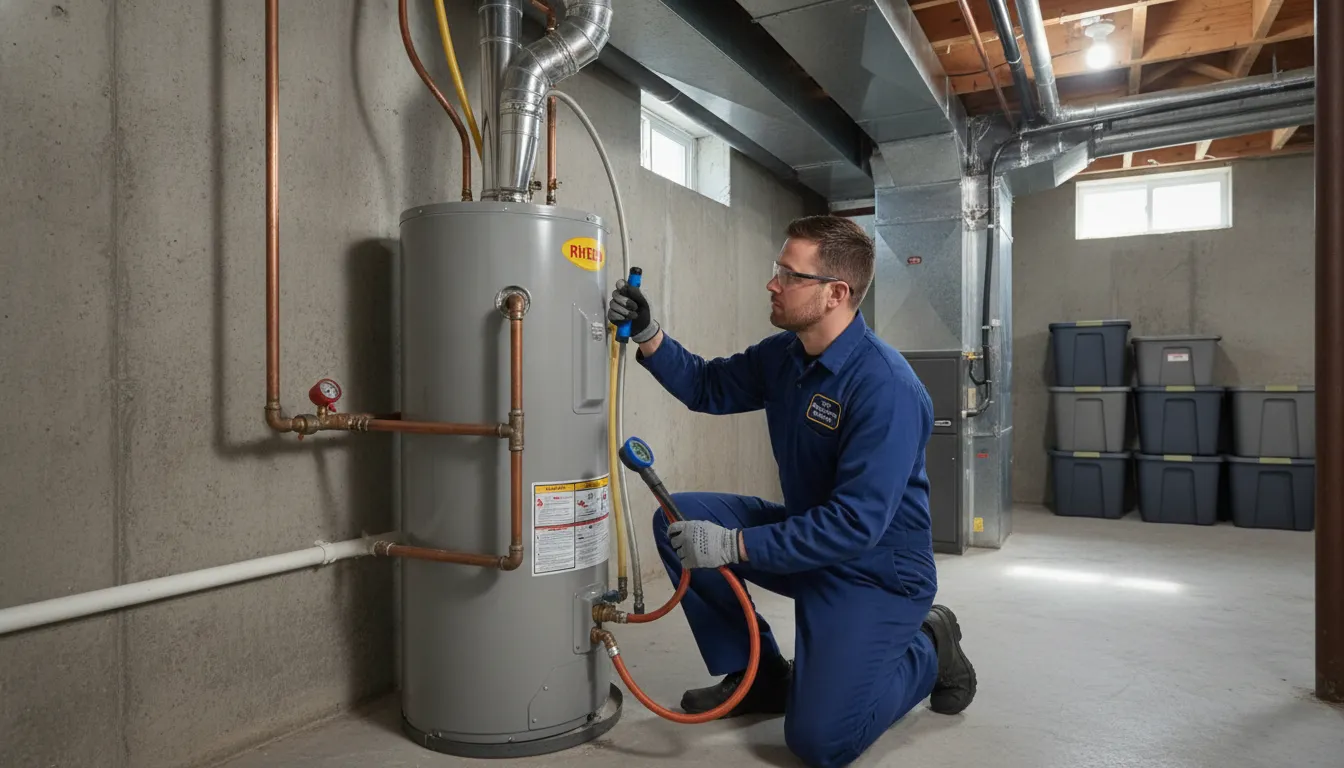
When you look at a house, the water heater is a key item. This is a key part of any home plumbing inspection checklist detroit buyers use to check older homes. Most tanks sit on the basement floor in older Detroit homes, which puts them in damp air.
Age and Lifespan of the Tank
A standard water heater has a lifespan of about 10 to 12 years. If the tank is older than this, it is at a high risk of failure. You can find the age of the unit by reading the serial number on the maker’s label. Buying a home with an old tank means you will likely need to replace it soon.
Sediment and Heating Efficiency
Over time, hard water leaves minerals that settle at the bottom of the tank. This build-up causes the unit to work much harder to heat your water. As a result, sediment build-up in aging water heaters can lead to tank corrosion and a big loss of heating efficiency. Units that are over ten years old need a close check to avoid a sudden breakdown.
When sediment builds up, it also makes a rumbling or popping sound. If you hear these noises during your visit, the tank is likely near the end of its life. Buyers can use these signs of wear to get a lower price or ask for a new unit.
Safety Valves and Corrosion Signs
You must also check the safety features on the tank. The temperature and pressure relief valve, or TPR valve, is a critical safety tool. It opens to let out water if the pressure inside the tank gets too high.
A standard inspection must look for any water leaks around this valve and the tank base. The federal home inspection checklist from the EPA recommends checking the hot water delivery system for leaks. Look for rust on the tank body or water pools on the floor. If you find rust or water leaks, you should hire a licensed plumber to check the tank before you buy.
Identifying Outdated Pipe Materials in Detroit Homes
Buying a home in Metro Detroit is a major milestone, but older houses often hide plumbing secrets behind their walls. Many local streets have homes built long ago, when plumbing rules were quite different. Finding out what pipes are in the walls is a key part of any home plumbing inspection checklist detroit buyers use to check a house.
Lead and galvanized steel pipes
Lead was a common choice for indoor water lines in the early 1900s. According to the EPA, plumbing put in place before 1930 is much more likely to have lead parts. Copper replaced lead for water pipes after 1930. Yet, plumbers still used lead solder to join these copper lines until the late 1980s. When acid levels in the water are high, lead can leach into your drinking supply. This lead can harm your health, so finding it early is very important.
Many Detroit homes built before the 1960s also feature galvanized steel pipes. These steel lines are highly prone to rust and buildup on the inside over time. Rust flakes can also break off and clog your faucet aerators, cutting your water flow to a trickle. As rust builds up, a thick layer of scale narrows the inside of the pipe. This scale blocks water flow and drops your water pressure. That makes it hard to run modern dishwashers or clothes washers.
The risks of polybutylene
During the 1980s and 1990s, some homes were fitted with a grey plastic pipe called polybutylene. This plastic piping is no longer used because it tends to become brittle and crack. Chemicals in city water react with the plastic and make it break down from the inside. The pipes can leak or burst without warning, causing bad water damage inside your walls.
How to find service line materials
When you look at an old house, checking the main water service line is your first step. This line brings fresh water from the city main into your home plumbing system. You must know if this pipe is made of lead, copper, steel, or plastic so you can plan ahead. If the service line is made of lead, you will want to replace it as soon as you can. A full home plumbing inspection is the best way to find out what you have.
Testing these pipes yourself is hard and often leads to mistakes. A scratch test might show shiny metal, but only an expert can tell lead from steel. To keep your family safe, you should always hire a licensed plumber to check the lines before you close on a house. An expert can spot active leaks, find hidden polybutylene lines, and give you a clear plan for your plumbing needs. At Mr. Pipey, we offer flat-rate pricing with no overtime charges, so you get the same rate at any hour.
Checking for Visible Leaks and Water Pressure Issues
When you walk through a house, checking for water issues is a key part of your home plumbing inspection checklist detroit. You must look closely at all plumbing parts to find signs of trouble before you buy. Walk through each room and check under sinks, near toilets, and around the hot water system to find leaks you can see.
Finding Fixture and Pipe Leaks
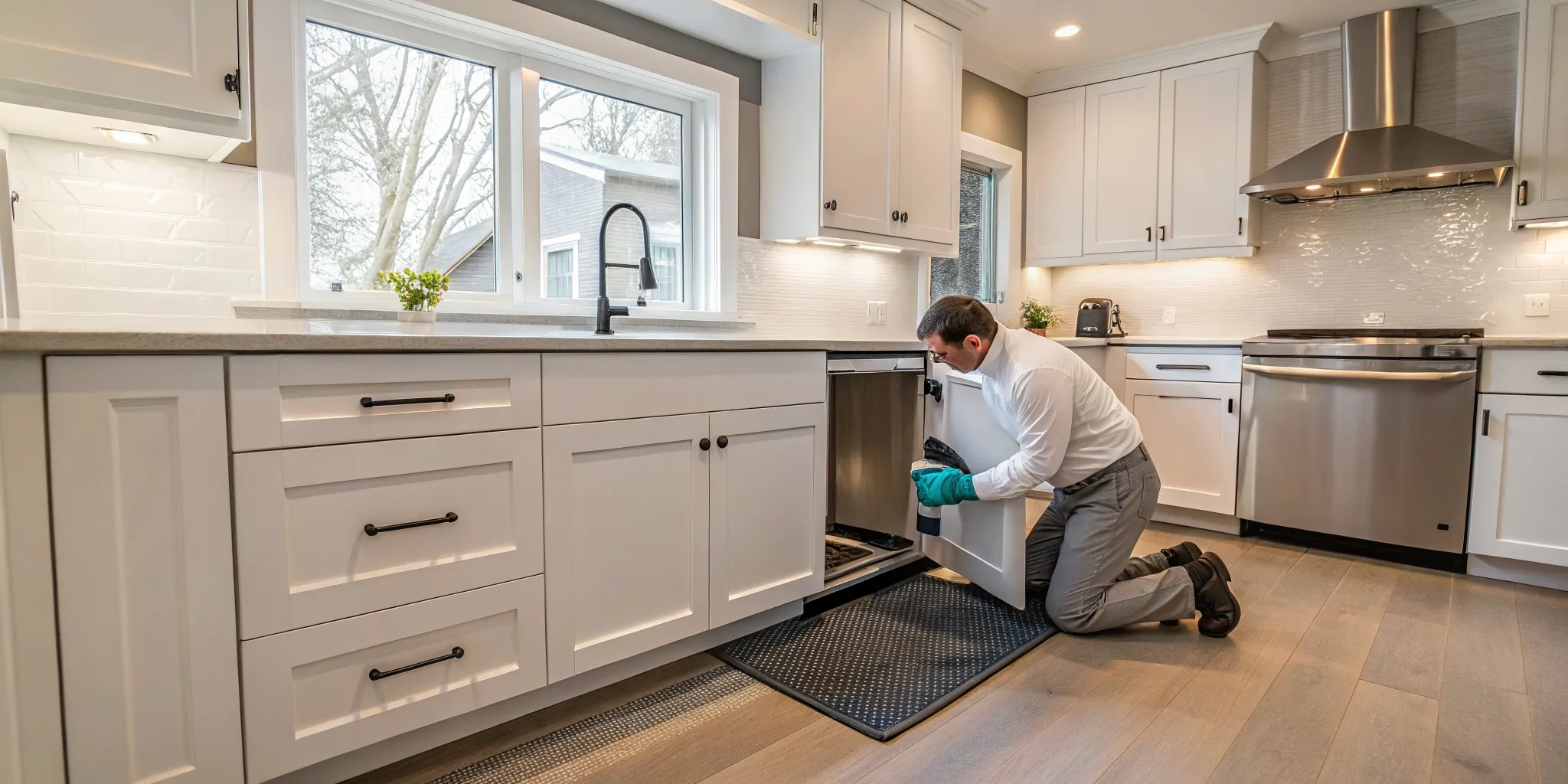
Many older homes have copper or metal pipes that can slow-drip for years. Check the P-trap beneath every sink, as these older metal traps are prone to rust and pinhole leaks. A tiny leak from a rusted P-trap can damage wood cupboards long before you spot the wet spot. Look for green stains, also known as verdigris, on copper lines. These green stains show that a slow, quiet leak is present and may weaken the pipe walls. Be sure to check the hot water system, toilets, kitchen and bathroom faucets, and showerheads. If you find damp spots or rot, you may need professional leak detection services to find the source.
Testing System Water Pressure
Water pressure that is too high can ruin your pipes and fixtures. High service pressure is a common cause of pipe bursts and leaks in older homes. During a home visit, check that the main water pressure is 60 psi or less. Keeping pressure at or below this level prevents major stress on aging joints. Next, perform a pressure-loss test on all water lines to see if there is a hidden leak. To do this, a pro will shut off all taps and watch the meter or gauge. A drop in pressure means water is leaking somewhere in the system. You can check the standard steps for these tests on the EPA home inspection checklist to learn more.
Recognizing Poor Flow in Older Pipes
If you turn on a tap and only get a weak stream, the home may have old galvanized steel pipes. Over many decades, hard scale builds up inside these steel lines. This scaling narrows the inside of the pipe and blocks the flow of water. This blocked flow is a common issue in older homes built before the 1960s. Low pressure makes it hard to use modern dishwashers and wash machines. It also means you may need to plan for new pipes soon.
Why a Sewer Line Inspection Matters for Detroit Home Buyers
When you walk through a classic Detroit home, you might focus on the wood floors or the cozy brick porch. But some of the most vital parts of your plumbing system are hidden deep underground. Adding a sewer line check to your home plumbing inspection checklist detroit is the best way to avoid surprise costs after you buy. Old drain lines face unique threats from decades of soil movement, heavy weather, and mature trees.
Soil Settling and Sinking Lines
Older streets in Detroit have mature soil that has shifted over many decades. This ground movement often causes main sewer lines to sag and form low spots, which are called sewer bellies. These bellies trap waste and water, which leads to frequent drain blocks. At the same time, foundation sinking is a major cause of drain line breaks in older homes. When a heavy stone foundation shifts, the rigid cast-iron sewer lines beneath it can crack or pull apart at the joints.
Tree Roots in Aging Pipes
Shady tree-lined streets are part of Detroit’s charm, but those old trees have deep, thirsty roots. Fine tree roots can easily find their way into the tiny cracks of older clay or cast-iron lines. Once inside, the roots grow into thick masses that block the flow of waste. A standard sewer scope can find these blocks before they cause a backup. If you catch root growth early, a team can perform drain cleaning to clear the pipe and keep your system running.
Combined Sewers and Camera Scopes
Many older Detroit neighborhoods use combined sewer systems that handle both rain and home waste. Heavy storms can overload these systems and push raw sewage back into your basement. To protect your home, you should check for a backwater valve, which acts as a shield against storm backups. You also want to look at the basement clean-out caps. If these caps are loose or missing, sewer gases can escape into your living space and create a bad smell. Under the EPA home inspection standards, checking for leaks is vital to prevent home water loss and damage.
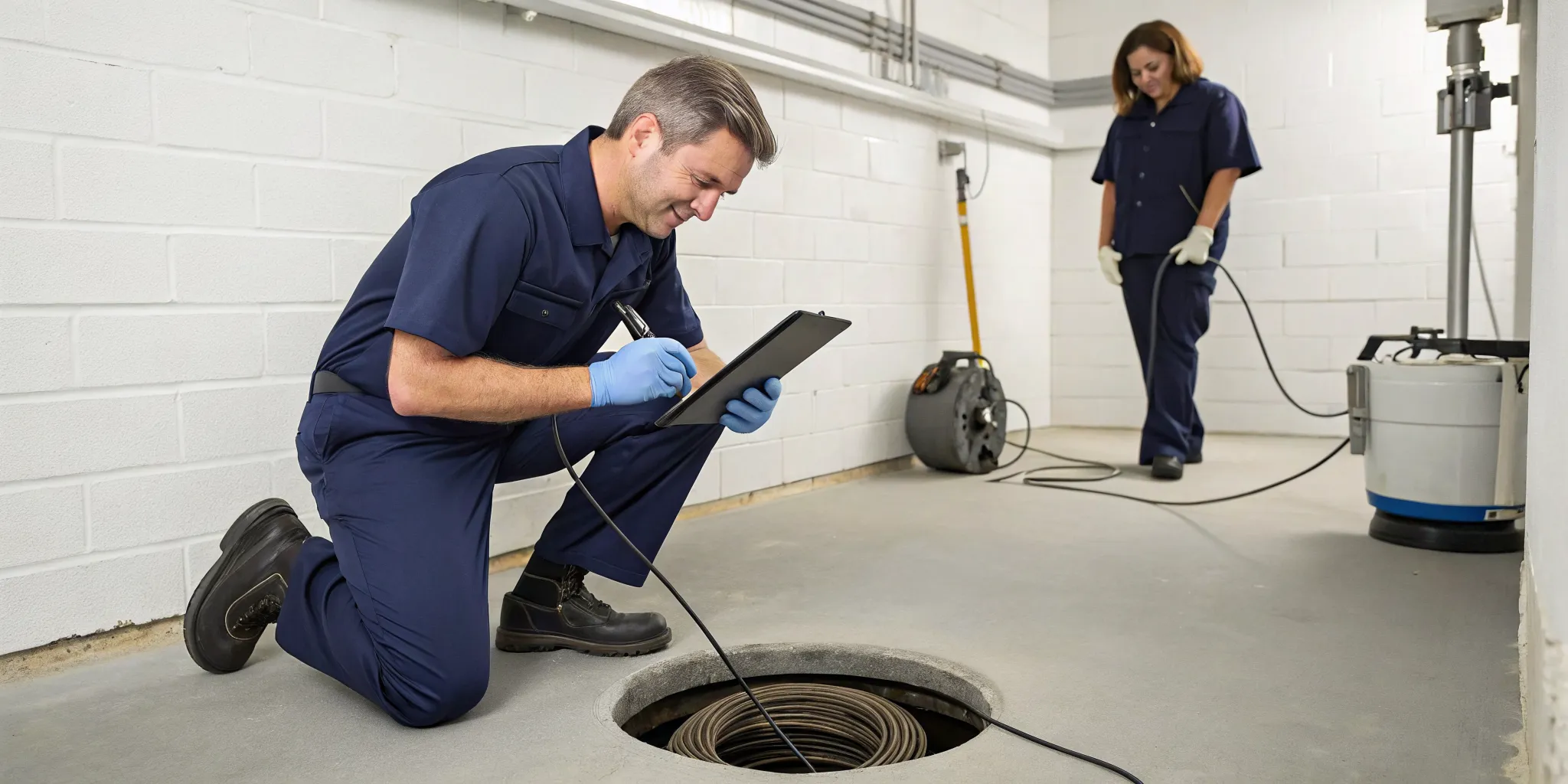
Because you cannot see underground pipes with the naked eye, a visual walk-through is not enough. To save money, you should always schedule a professional sewer camera inspection before you sign the final papers. A pro will feed a camera down the line. This simple step can save you thousands of dollars in unplanned repair bills.
Sump Pump, Floor Drains, and Basement Plumbing Checks
When you tour a house, the basement is a crucial stop on your home plumbing inspection checklist detroit. This area holds the systems that protect the property from water damage.
Sump pump efficiency and sizing
Older homes in Detroit often have undersized sump pumps that cannot handle heavy modern rain storms. An inspection should verify if the pump works and if it has a high-water alarm to warn you of rising water. If the pump is too small, you should hire a licensed plumber to replace it. A professional can make sure the new pump is sized right for the home.
To test the pump, you can pour water into the basin until the float switch activates. This test shows if the motor turns on and pumps the water out. If the system fails or lacks a backup pump, a big storm could flood the home.
Floor drain traps and moisture issues
Older homes frequently have basement floor drains. These drains often dry out, which allows sewer gases to enter the home. A good check ensures these drains are accessible and properly trapped to keep the basement healthy. Regular checks and water priming are needed to keep the traps working.
Some older floor drains might be hidden under flooring or carpets from previous owners. An expert inspection will find these traps to verify that they still work.
Damp basement air is another common issue. This dampness speeds up rust on exposed copper and steel pipes, which shortens their lifespan. To find hidden leaks in these old lines, you need an expert check.
According to the Environmental Protection Agency, a standard check should include a pressure-loss test. This test on water lines helps find tiny leaks before they cause major damage.
Outdoor spigot backflow prevention
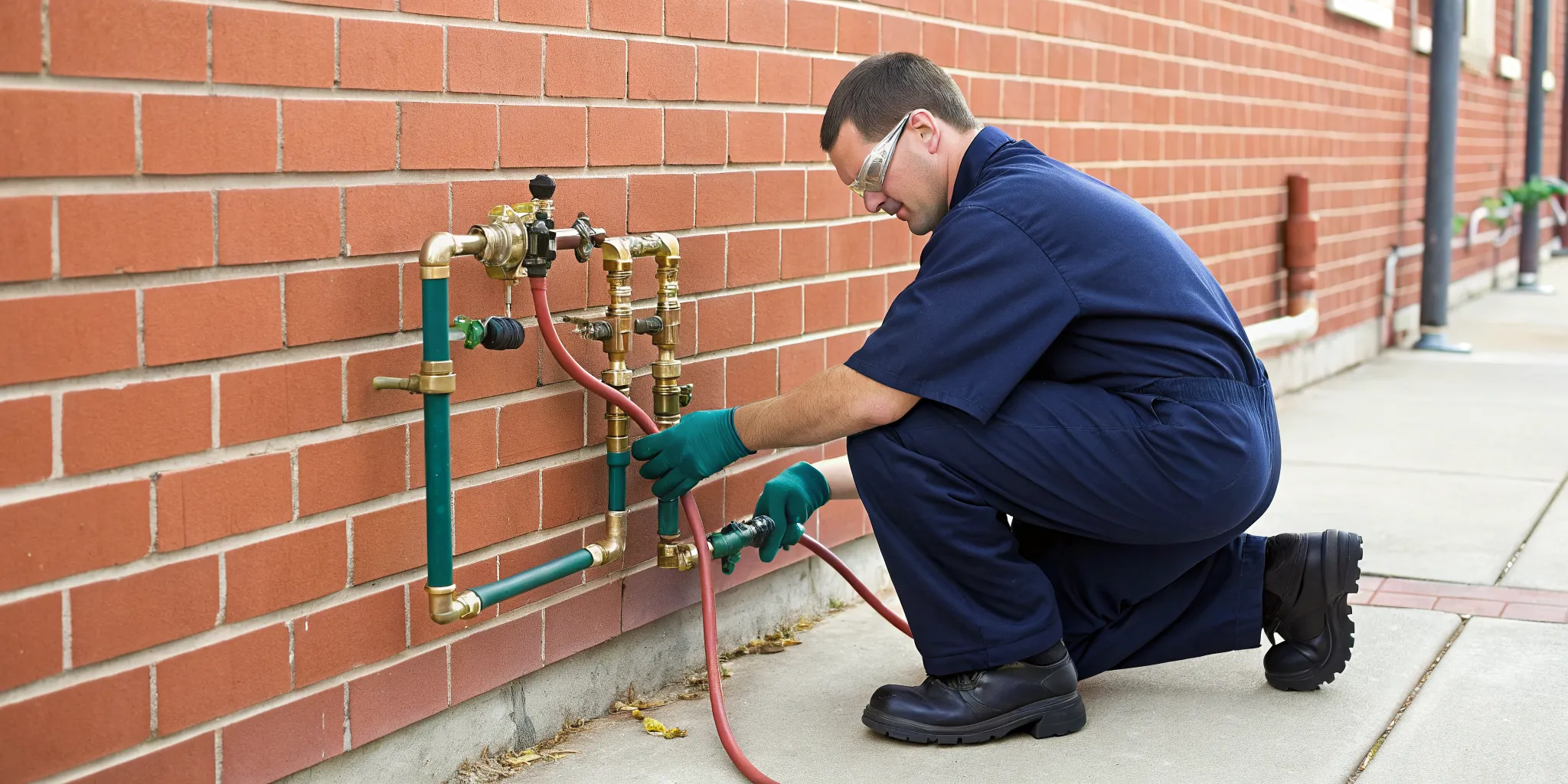
Basement plumbing lines also connect to outdoor spigots, which need a close check. You must make sure each spigot has a backflow preventer or a vacuum breaker. This simple device protects your drinking water from dirt that can flow backward through a garden hose. Checking for backflow prevention is an easy way to keep your water safe.
Main Shut-Off Valve, Toilets, and Fixture Functionality
Every home plumbing inspection checklist detroit buyers use must focus on the core safety points of the house. You need to make sure that water can be stopped quickly if a pipe breaks. You must also check each toilet and faucet to prevent high water bills after you buy. Spotting these small details now can save you thousands of dollars later.
Emergency main shut-off valves
The main water shut-off valve is a vital safety tool. In older Detroit houses, this valve is often old and has not been turned in years. It is common for these old valves to seize shut or leak when you try to force them.
If the valve is stuck, you cannot stop the flow during a pipe emergency. It is best to have a plumber test this valve before you close on the home. A broken valve is one of the key signs of a plumbing emergency that needs quick help.
Older toilets and water waste
Old toilets waste a lot of water. Many Detroit homes still have toilets that date back before the 1990s. These old units often use five to seven gallons of water for each flush.
Modern toilets use much less water to do the same job. You can save water and lower your bills by putting in new toilets. A professional check helps you plan for these future upgrades.
Testing fixtures and checking the water meter
Your checklist must prioritize toilets, faucets, and showerheads. A proper visual leak inspection helps you find hidden drips. Make sure to check each of these fixtures to ensure the whole system runs well.
Next, check the water meter for phantom usage. You must turn off all the taps in the house to run this test. If the meter dial still moves, you have a silent leak. This is often caused by a bad toilet flapper that needs expert care.
What Does a Full Home Plumbing Inspection Include
A basic walk-through only shows you so much. To avoid costly repairs, you need a deep look at the plumbing. Our team uses advanced tools to test the water lines and drains. We find problems that are hidden behind walls or under concrete.
Advanced tools for hidden issues
We use high-tech cameras, pressure gauges, and thermal imaging. We can inspect the inside of your sewer line with a small camera. To find slow, hidden leaks, our plumbers do a pressure-loss test on the whole water system. This test helps find tiny pipe breaks before they flood your home.
Our thermal imaging tools can locate water leaks behind solid walls. This method allows us to find wet spots without tearing up drywall. We also use pressure gauges to find drops in your main lines.
Support, vent, and stack checks
We also inspect parts of your system that sit out of sight. Our plumbers check the pipe hangers and straps in your basement. Sagging pipes often occur when hangers have failed. Without proper support, joints can break over time under the weight of the pipe and water. This failure can lead to major water leaks.
In older Detroit homes, we look for wear from the basement to the roof. We check the main cast-iron stack. When cast-iron plumbing stacks rust through at the roof line, they allow rain or snowmelt into the attic. This water causes wood rot. Catching this early protects your home from severe damage.
Fixture and airflow reviews
Next, we test every fixture in the bathrooms and kitchen. We check faucet aerators for buildup. Mineral buildup in faucet aerators is common in older homes, leading to uneven spray and low water flow. This buildup can also hide rust in your water supply.
We also review the airflow in each bathroom. High bathroom moisture, caused by poor airflow, is a main cause of mold. It also causes fast rust on plumbing fixtures and metal hardware. Checking fans and vents helps keep these spaces dry and clean.
Using a basic sheet can help you spot clear issues. But a DIY home plumbing inspection checklist detroit buyers use cannot replace a real expert. Before you close on a house, you should hire a licensed plumber to run a full system check.
Frequently Asked Questions
Why do older Detroit homes need a backwater valve?
Older Detroit neighborhoods often have combined sewer systems. During heavy rain, these local systems can overload and push sewage back into basements. According to Mr. Pipey, a backwater valve is an essential defense that stops this backup. Installing one keeps your new home safe from dirty water and costly damage.
How do you check a water meter for hidden plumbing leaks?
To find hidden leaks, turn off every tap and water-using appliance in the house. Then, look closely at the water meter. According to Mr. Pipey, if the meter dial moves when all water is off, you have a silent leak. This is often a running toilet or a leaking pipe under the floors that needs quick repair.
Why is high water pressure bad for older home plumbing?
High water pressure puts heavy stress on pipes. In older homes, this extra force can cause weak joints to break or fixtures to fail. According to the EPA, your home’s water pressure should be set at 60 psi or less. Keeping pressure low protects your plumbing and helps prevent sudden pipe bursts.
What is the lifetime of a home water heater?
A standard water heater usually lasts about 10 to 12 years. Over time, sediment builds up at the bottom of the tank. This buildup lowers heating efficiency and can cause the tank to rust. According to Mr. Pipey, units older than ten years need yearly checks to find small problems before they lead to complete failure.
Ready to schedule a professional plumbing inspection?
Buying a home is a major step. Missing hidden pipe leaks or root damage in an old sewer line can cost you thousands of dollars after you move in. Do not let hidden issues spoil your new home. We can run a professional sewer camera inspection to check the main line for cracks and blocks. This simple step can save you from a major sewer backup on your first day. Booking a professional check before you close on the house protects your wallet and gives you real peace of mind. Our local team knows Detroit homes and will find any plumbing issue before it is too late.
Ready to schedule a professional plumbing inspection? Call (313) 900-0700 to schedule a professional plumbing inspection.