
A pipe bursts during a bitter Detroit night. Water rises near a basement drain after a hard rain. A toilet backs up just before guests arrive. In these moments, knowing whether to call an emergency plumber Detroit homeowners can rely on protects your property and helps you act without panic. A plumbing emergency is any problem that threatens people, causes active or imminent property damage, stops essential water or sanitation service, or may worsen quickly if left alone.
Get 24/7 emergency plumbing help from Mr. Pipey Plumbing.
Mr. Pipey Plumbing is a family-owned, licensed, and insured Michigan plumbing contractor based in Detroit. The team provides emergency service around the clock with upfront flat-rate pricing and no overtime charges. This guide explains which warning signs cannot wait, the safe steps to take before help arrives, and which less urgent problems can usually be scheduled for regular service.
Emergency Plumber Detroit: What Counts as an Emergency?
A plumbing problem is an emergency when delay could endanger someone, spread contaminated water, cause significant damage, or leave the property without an essential plumbing function.
The size of the visible problem does not always reveal the level of risk. A small stain can point to a hidden supply-line leak, while a clogged sink may be inconvenient but contained. Focus on what is happening now, what could happen next, and whether you can safely stop the source.
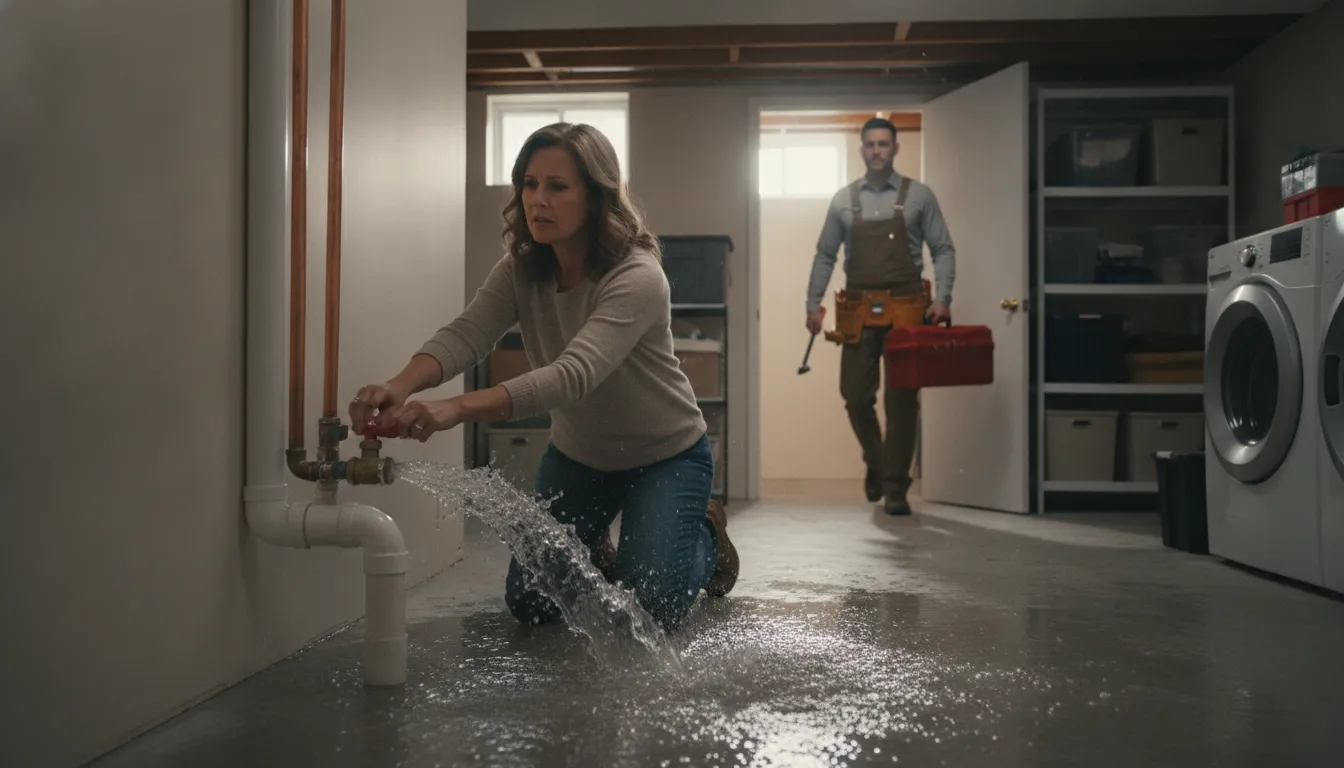
- Active flooding: Water is spreading across a floor, running through a ceiling, or entering a basement faster than it can drain.
- Suspected gas leak: Leave the property immediately, avoid switches or flames, and contact the gas utility or emergency services from a safe location.
- Sewage backup: Wastewater is entering a tub, floor drain, toilet, or other fixture and creating a sanitation hazard.
- Burst or frozen pipe: A split line is releasing water, or a frozen line may rupture as it thaws.
- No usable water: The entire property has lost water service and the cause appears to be within the plumbing system.
- Failed essential fixture: The only toilet is unusable, or a critical fixture failure makes the home unsafe or unsanitary.
- Leaking water heater: Water is collecting around the unit, especially near electrical connections or a gas-fired appliance.
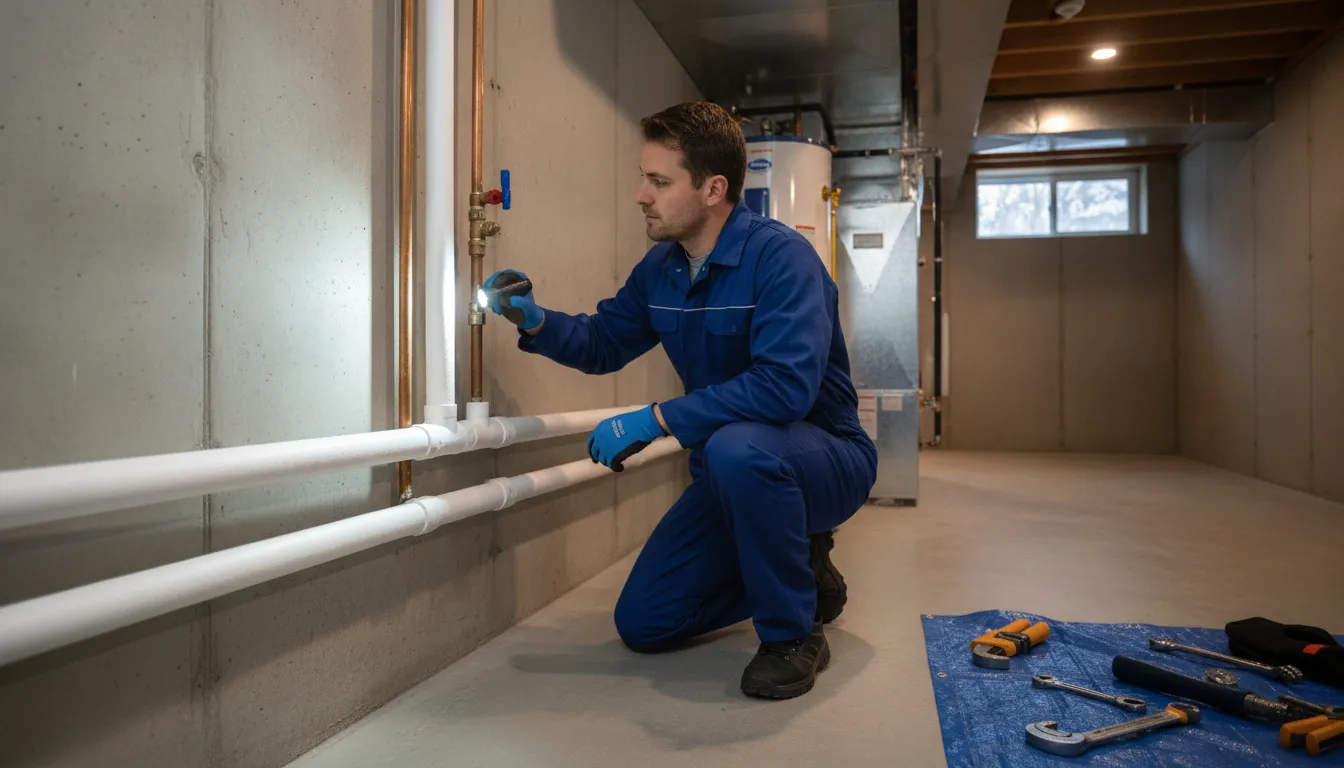
When the source is not obvious, watch for sound and movement. Running water behind a wall, a rapidly spinning water meter when fixtures are off, or a growing wet area can indicate an active hidden leak. Mr. Pipey Plumbing uses specialized equipment for professional leak detection when water is escaping out of sight.
Urgent Does Not Always Mean Dramatic
A slow but uncontrolled leak can become an emergency if water reaches flooring, cabinets, drywall, wiring, or structural materials. Likewise, repeated backups in multiple fixtures can signal a main sewer issue rather than an isolated clog. If you cannot contain the problem, treat it as urgent.
Which Detroit Plumbing Problems Need Immediate Help?
Burst pipes, sewage backups, uncontrolled leaks, suspected gas leaks, and major water-heater failures need immediate professional attention because their risks grow with time.
Burst and Frozen Pipes
Metro Detroit winters put water lines in exterior walls, basements, crawl spaces, and unheated areas at risk. When water freezes, expansion can damage a pipe. The release may begin only after the ice starts thawing, so a frozen fixture with little or no flow deserves attention even if no water is visible yet.
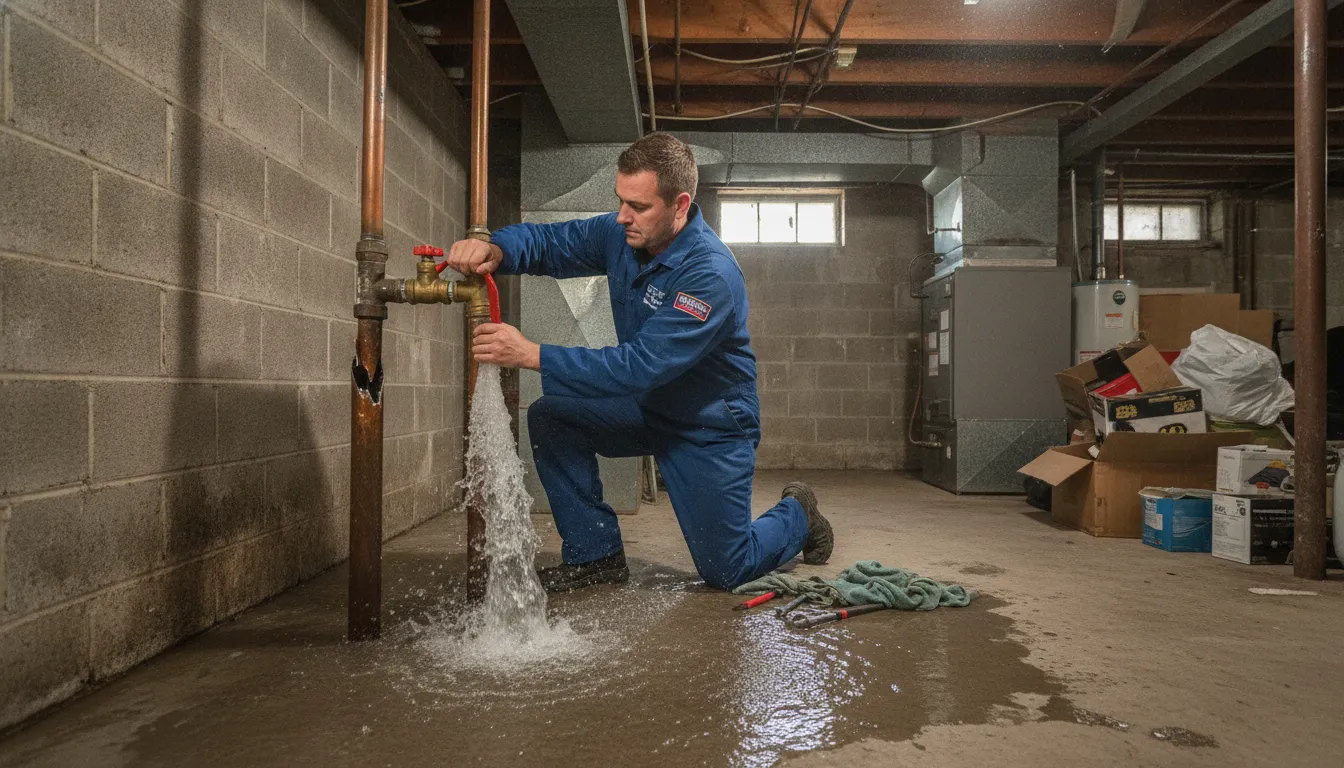
Shut off the water if a pipe has split or water begins escaping. Do not use an open flame to thaw plumbing. Mr. Pipey Plumbing provides frozen pipe repair and insulation services for damaged lines and future protection.
Sewage Backups and Multiple Clogged Fixtures
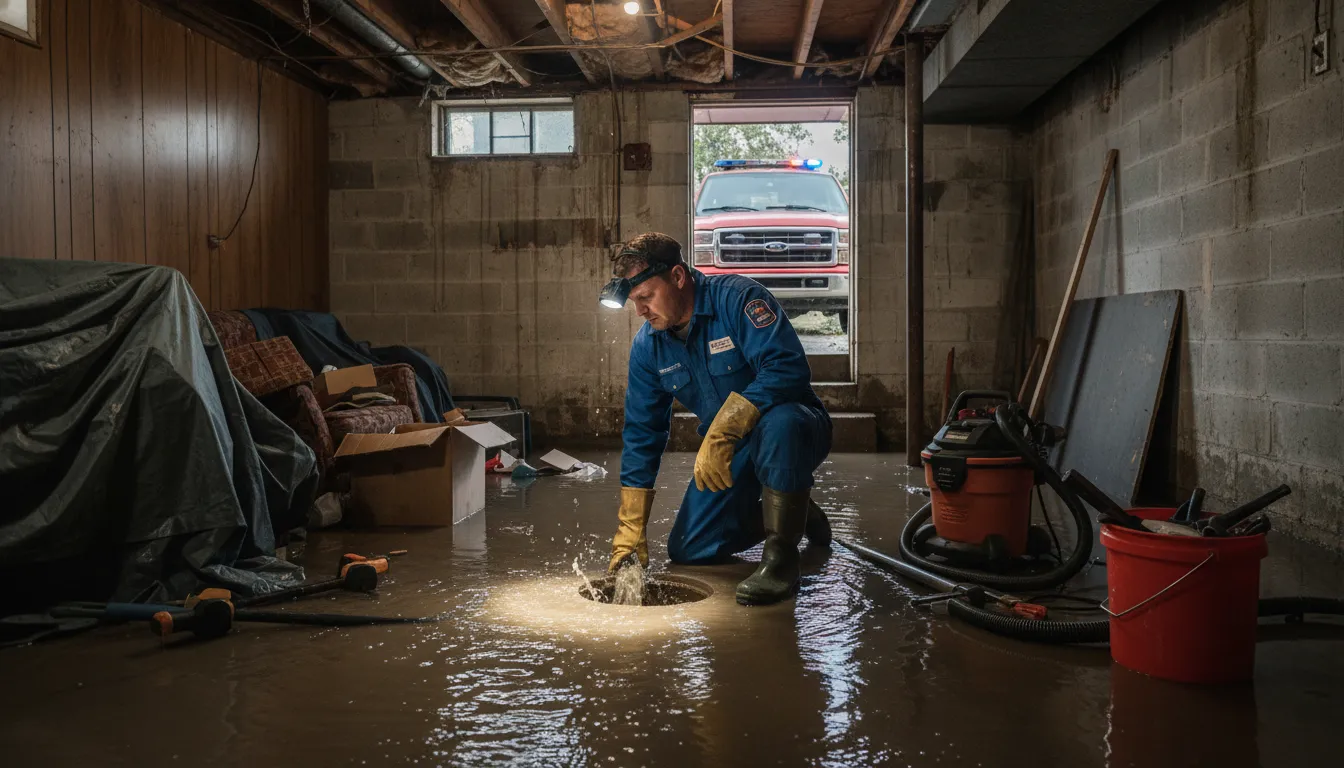
A single slow sink may be a localized blockage. Water or waste rising from a floor drain, sewage entering a tub, or several fixtures draining poorly at once can indicate a larger drain or sewer problem. Stop using water throughout the property to avoid adding more flow to the backed-up system.
Keep people and pets away from affected areas. Do not try to solve a suspected main-line blockage by repeatedly flushing toilets or running faucets. Professional clogged drain diagnosis can identify whether the issue is limited to one fixture or affects a larger part of the system.
Uncontrolled Supply-Line Leaks
Supply lines carry pressurized water, so even a small break can release a large amount over time. Warning signs include water spraying under a sink, a ceiling stain that is rapidly expanding, sudden low pressure, or the sound of water when every fixture is off. Closing the main valve is the fastest way to limit damage until a plumber can locate and repair the failure.
Water Heater Leaks or Failures
A lack of hot water is disruptive, but active leaking around the tank raises the urgency. Water near electrical components or a gas-fired appliance can create additional hazards. Do not touch wet electrical equipment. If it is safe and you know how, stop the water supply to the heater and follow the unit manufacturer’s shutdown directions.
Professional water heater repair and replacement can address leaks, unusual noises, rusty water, and loss of hot water.
What Should You Do Before the Plumber Arrives?
First protect people, then stop the water if it is safe, limit further use of the plumbing system, and give the plumber clear information about what happened.
Quick, calm action can reduce damage without putting anyone at risk. You do not need to diagnose or repair the system yourself. Your goal is to make the area safer and prevent more water from entering it.
- Address immediate danger: If you suspect a gas leak, leave immediately and call the gas utility or emergency services from outside. If water is near live electrical equipment, stay clear and contact the appropriate emergency professional.
- Shut off the water: Close the fixture valve for a contained toilet or sink leak. For an uncontrolled leak, close the home’s main water shutoff if you can reach and operate it safely.
- Stop using drains: During a sewage backup or suspected main-line clog, do not flush toilets, run faucets, use the washing machine, or run the dishwasher.
- Protect the area: Move valuables away from clean water only when it is safe. Use buckets or towels for a manageable clean-water leak, but avoid contact with sewage.
- Document visible damage: Take photos or a short video from a safe position. This can help explain the problem and may be useful for your records.
- Share useful details: Tell the plumber when the issue started, which fixtures are affected, whether the water is shut off, and what sounds, odors, or changes you noticed.
Every household should know the location of the main shutoff before an emergency occurs. If the valve is difficult to operate, damaged, or missing, professional water valve service can make future shutdowns easier.
Have an active or hidden leak? Ask Mr. Pipey Plumbing to find the source.
When Can a Plumbing Repair Usually Wait?
A plumbing repair can usually be scheduled when the issue is contained, essential fixtures still work, no safety hazard exists, and waiting will not allow damage to spread.
Not every drip or clog requires a middle-of-the-night response. A prompt regular appointment is often appropriate when you can fully stop the water, keep the affected fixture out of service, and monitor the area. When in doubt, describe the symptoms to a plumbing professional and ask how urgently the issue should be assessed.
| Usually an Emergency | Often Schedulable |
|---|---|
| Water is actively spreading and cannot be stopped | A dripping faucet is contained in the sink |
| Sewage is entering the home | One drain is slow but still flowing |
| Several fixtures back up at the same time | One toilet is clogged and another works |
| A burst pipe or failed supply line releases water | A minor fixture leak stops when its valve is closed |
| A leaking water heater creates a safety risk | Hot water performance has gradually declined without a leak |
Problems That Still Deserve Prompt Scheduling
- Recurring drain clogs: Repeated blockages may indicate buildup or a deeper line problem even if the drain clears temporarily.
- Small contained leaks: A drip can waste water and may worsen as seals or connections continue to deteriorate.
- Running toilets: A toilet that runs continuously should be repaired even when it is still usable.
- Low water pressure: A sudden or persistent change may point to a valve, fixture, supply, or leak issue that needs diagnosis.
- Sump pump concerns: Strange operation or failure during dry weather should be checked before the next heavy rain.
Basement water risk deserves special attention in Southeast Michigan. If your pump is unreliable or does not have the right setup for the property, schedule sump pump inspection and service before severe weather tests it.
How Does a Plumber Diagnose the Emergency?
A plumber diagnoses an emergency by controlling the immediate problem, tracing the affected plumbing, testing likely causes, and explaining repair options based on the findings.
A useful diagnosis goes beyond the first visible symptom. For example, a backed-up floor drain may result from a localized obstruction, buildup farther down the line, root intrusion, or damaged piping. The right repair depends on identifying where the restriction or failure is located.
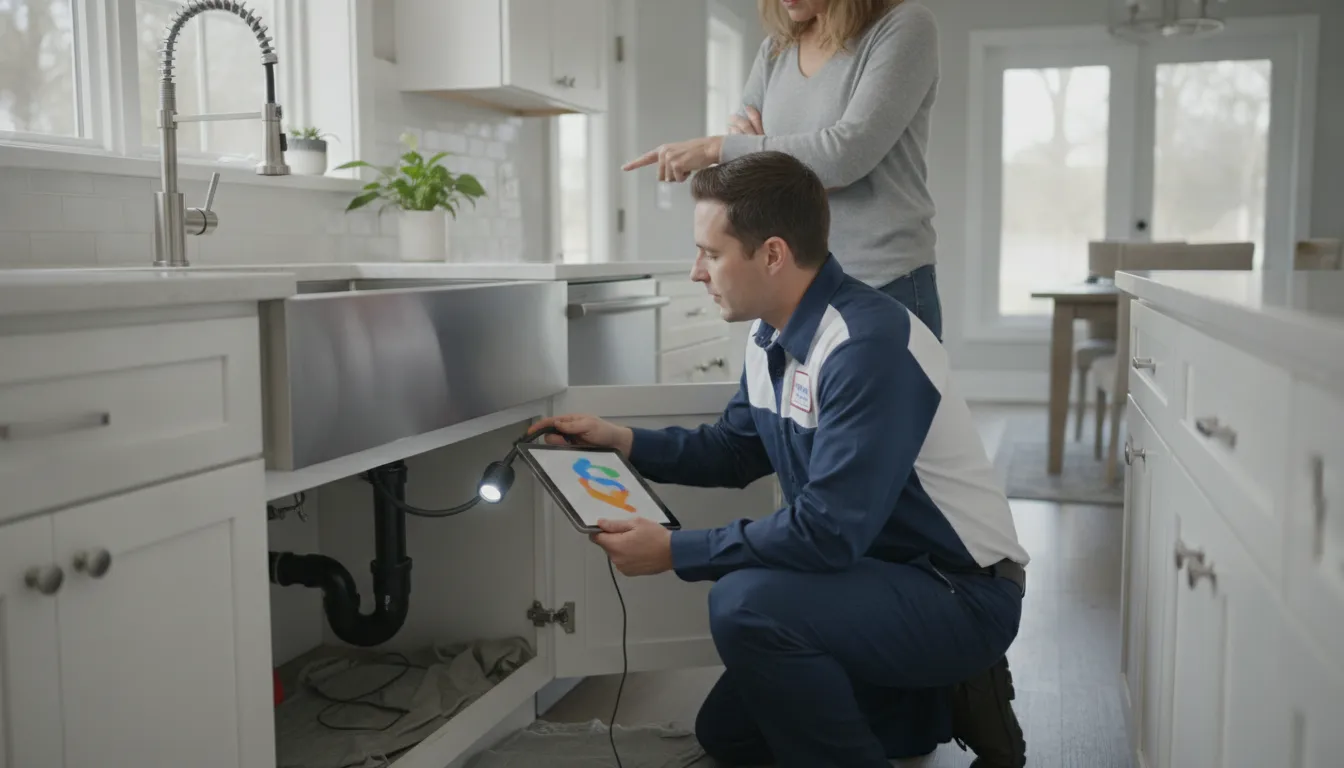
- Visual inspection: The plumber checks fixtures, exposed piping, valves, appliances, and visible damage.
- System testing: The affected plumbing may be isolated and tested to determine where flow, pressure, or drainage changes.
- Leak detection: Acoustic listening, video inspection, and other methods can help locate water escaping behind surfaces or underground.
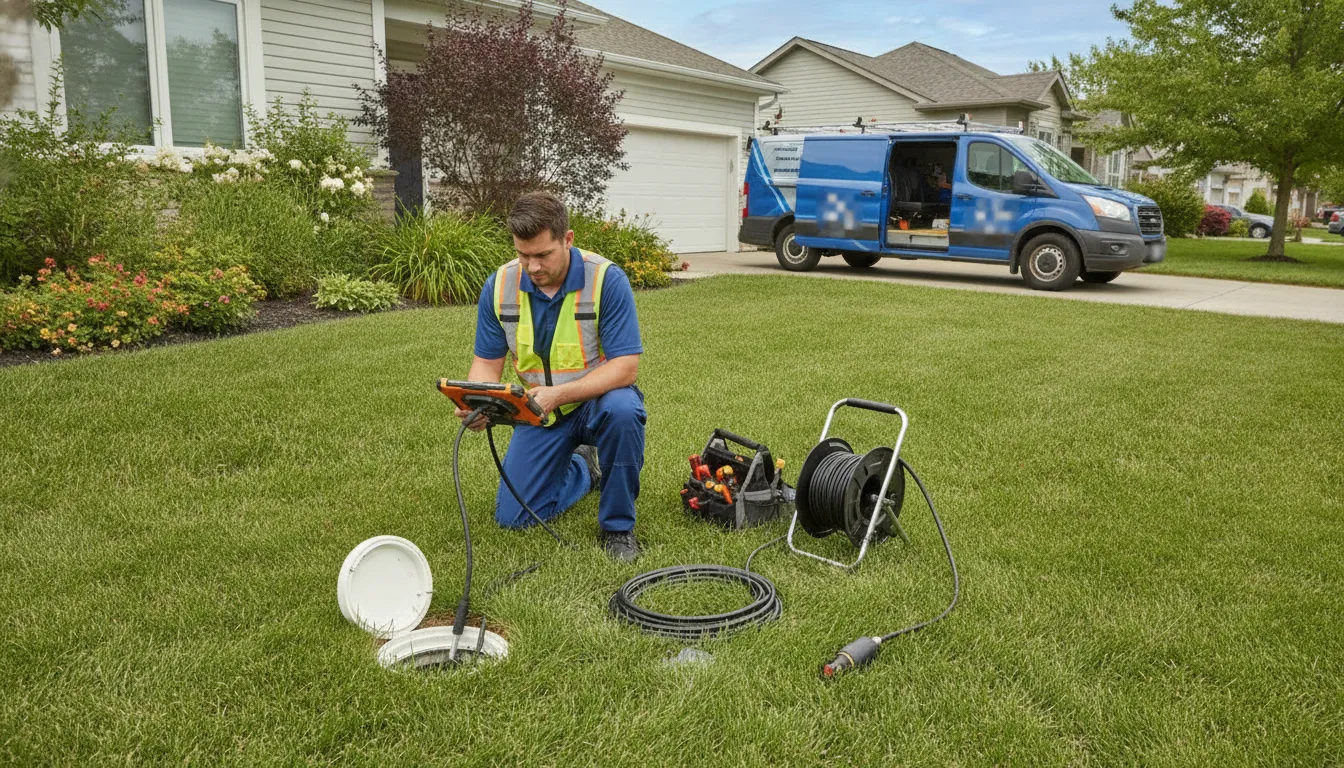
- Drain and sewer inspection: A waterproof camera can reveal obstructions and damaged areas without unnecessary disruption.
- Repair planning: Findings are used to explain the problem, immediate priorities, and available service options.
For drain and sewer concerns that cannot be explained from the surface, a sewer camera inspection can help pinpoint the affected area. Accurate diagnosis reduces guesswork and helps ensure the repair addresses the cause rather than only the symptom.
Why Call a Local Detroit Plumbing Specialist?
A local Detroit plumbing specialist brings nearby service coverage, familiarity with regional plumbing challenges, and accountability to the Metro Detroit communities the company serves.
Mr. Pipey Plumbing is headquartered at 12660 Burt Rd STE 300 in Detroit and serves communities across Metro Detroit. As a family-owned plumbing specialist, the company focuses on plumbing services for residential, commercial, and industrial properties.
For an emergency plumber detroit property owners can contact day or night, Mr. Pipey Plumbing offers 24/7 availability. Its service model includes upfront flat-rate pricing and no overtime charges, so emergency timing does not add an overtime fee. Licensed and insured professionals can address burst water lines, sewage backups, clogged fixtures, water heater failures, and other urgent plumbing problems.
What to Ask When You Call
- Describe the symptoms: Explain what you can see, hear, or smell and identify every affected fixture.
- Confirm current conditions: State whether water is still flowing, whether the main valve is closed, and whether sewage is present.
- Ask about the process: Learn how the issue will be assessed and when repair options will be discussed.
- Share access details: Mention parking, locked areas, pets, or any other information that will help the plumber reach the problem.
Do not delay because you are unsure whether the problem is serious enough. A clear description helps a professional assess urgency and recommend the next step.
Frequently Asked Questions About Plumbing Emergencies
The most common questions involve which issues are urgent, how to limit damage, what service may cost, and what details to share when requesting help.
What is considered a plumbing emergency?
A plumbing emergency is a problem that threatens safety, causes uncontrolled water or sewage release, stops an essential plumbing function, or is likely to create rapid property damage. Burst pipes, sewage backups, suspected gas leaks, and major uncontrolled leaks require immediate action.
Should I shut off the water before calling a plumber?
Shut off the affected fixture or the main water supply if there is an uncontrolled clean-water leak and you can reach the valve safely. Do not enter standing water near electrical equipment. For a suspected gas leak, leave the building rather than trying to operate plumbing valves.
How much does emergency plumbing cost in Detroit?
Cost depends on the cause, location, damage, parts, and work required. Mr. Pipey Plumbing provides upfront flat-rate pricing and does not add overtime charges for nights, weekends, or holidays. A plumber must assess the specific problem before confirming a price.
What information should I give an emergency plumber?
Explain when the issue began, which fixtures are affected, whether water or sewage is spreading, whether you shut off the water, and any sounds or odors you noticed. Also provide safe access details and mention if water is near electrical equipment or a gas appliance.
Get Help Before the Damage Spreads
If water, sewage, or a failed plumbing system threatens your Detroit property, act safely, stop the source when possible, and contact a licensed plumbing professional without delay.
Preparation makes a difficult moment easier. Know where your main shutoff is located, keep the area around it accessible, and save a reliable plumbing contact before you need one. When an urgent problem happens, Mr. Pipey Plumbing can assess the situation, explain the findings, and provide clear repair options.
Contact Mr. Pipey Plumbing for 24/7 emergency service in Metro Detroit.