
That small button on the bottom of your garbage disposal is a vital safety switch. It’s designed to trip and cut power when the motor overheats, protecting it from burning out. So, when you press it and it won’t click or stay in, your unit is sending a clear warning. A garbage disposal not resetting is a symptom, not the core problem. It’s telling you there might be a stubborn jam, an electrical fault, or that the motor itself is failing. Before you get frustrated, let’s walk through what this signal means and how to safely troubleshoot the root cause.
Key Takeaways
- Always start with safety and power: Before doing anything else, unplug the garbage disposal or turn off its circuit breaker. Most silent disposals are caused by simple power issues, so check your GFCI outlet and breaker panel first.
- A stubborn reset button is a clear warning sign: If the button won’t stay in, it’s doing its job by signaling a deeper problem. This usually means the motor is too hot, a jam is still present, or there’s an underlying electrical fault.
- Recognize the limits of a DIY fix: If you’ve cleared any jams and let the motor cool but the unit still hums without spinning or won’t turn on at all, it’s time to call a professional. Persistent issues often point to motor failure or electrical problems that require an expert.
Garbage Disposal Reset Button Not Working? Here’s What to Do
It’s a familiar kitchen scene: you flip the switch for your garbage disposal and get… silence. Before you start thinking about a costly replacement, there’s a simple fix that often works. But what happens when that fix, the little red reset button, doesn’t seem to do anything? Don’t worry. Let’s walk through what that button does, why it might not be working, and what your next steps should be. Sometimes, the solution is easier than you think, but it’s also important to know when to call for backup.
What Does the Reset Button Actually Do?
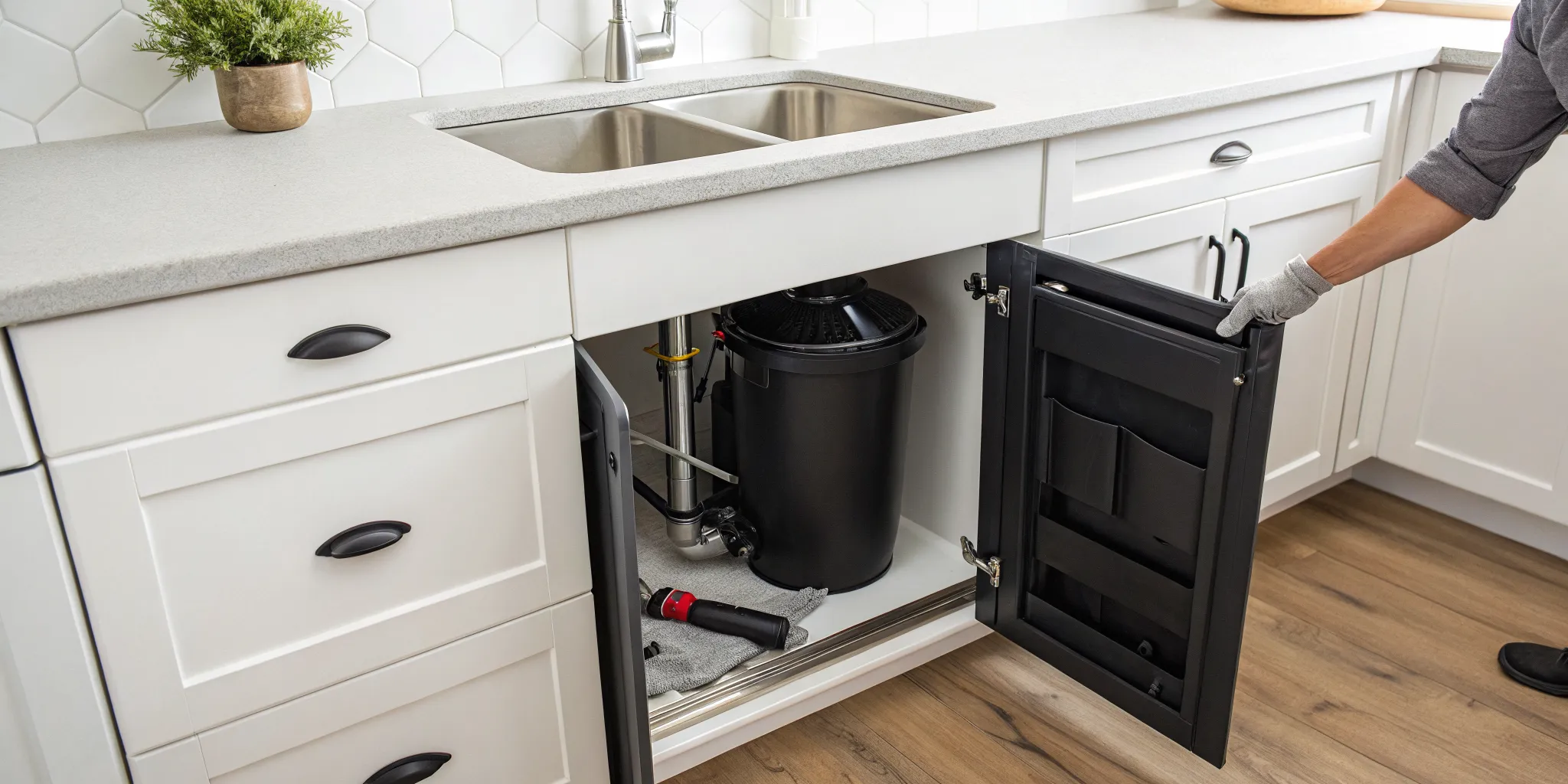
Think of the reset button as your garbage disposal’s built-in protector. This small, usually red button is located on the bottom of the unit under your sink. Its main job is to prevent the motor from overheating. When the disposal works too hard, gets jammed, or runs for too long, it can get hot. To prevent permanent damage, an internal circuit breaker trips, cutting power to the motor. Pressing the reset button is supposed to restore that connection once the issue is resolved and the motor has cooled down, getting your disposal back in action. It’s the first thing you should check when your unit suddenly stops working.
Common Reasons Your Reset Button Fails
If you’re pushing the reset button and nothing happens, it’s usually due to one of a few common issues. The most frequent reason is that the motor is still too hot. The button is designed not to reset until the unit has cooled sufficiently, so giving it 10-15 minutes can solve the problem. Another culprit is a stubborn jam. If something is physically blocking the blades, the motor can’t turn, and the reset button won’t engage properly. In some cases, the button mechanism itself might be broken, or you could be dealing with an electrical issue beyond the disposal unit. These problems can sometimes require emergency plumbing services to diagnose correctly.
Is the Reset Button Broken? Signs to Look For
So how do you know if the button itself is the problem? If you’ve let the unit cool down, confirmed there are no jams, and checked your circuit breaker, but the button still feels mushy or won’t click into place, it might be faulty. A broken reset button often points to a more significant internal failure. Unfortunately, this component isn’t typically replaceable on its own. If the button is broken, it usually means the entire garbage disposal has reached the end of its life. When you’ve tried all the DIY fixes and are still stuck with a silent disposal, it’s a clear sign to contact a professional for help.
Troubleshooting a Completely Silent Garbage Disposal
Flipping the switch for your garbage disposal and hearing nothing but silence can be unsettling. Unlike a humming sound, which usually signals a jam, complete silence often points to a power issue or an internal mechanism that has shut off for safety. Before you assume the worst, there are a few simple troubleshooting steps you can take to diagnose and potentially fix the problem yourself. These checks are straightforward and can often save you the time and expense of a service call.
The most common culprits for a silent disposal are a lack of power, a tripped internal breaker, or a serious jam that prevents the motor from even trying to start. The key is to work through these possibilities systematically, starting with the easiest fixes first. Always prioritize your safety by making sure the power is completely disconnected before you inspect the unit’s interior or use any tools. Let’s walk through the four main steps to see if we can get your disposal running again.
Step 1: First, Check the Power Supply
First things first, let’s make sure the unit is getting electricity. Start by looking under your sink to see if the disposal is plugged into an outlet. It’s surprisingly common for the plug to get knocked loose during daily use. If it’s plugged in securely, test the outlet itself. The easiest way to do this is by unplugging the disposal and plugging in a small appliance you know works, like a phone charger or a nightlight. If that appliance doesn’t turn on, you’ve found your culprit: the outlet isn’t working. This could be due to a tripped breaker or a faulty GFCI outlet, which we’ll cover next.
Step 2: Safely Inspect for Jams and Clogs
Even if you don’t hear a hum, a particularly stubborn jam can sometimes prevent the motor from engaging at all. Before you do anything else, make sure you disconnect the power. Unplug the garbage disposal from the wall or shut off the corresponding circuit at your home’s breaker panel. Safety is key here. Once the power is off, grab a flashlight and peer down into the disposal’s chamber. You might find a stray spoon, a fruit pit, or another hard object wedged against the blades. Never use your hands to remove an object; always use tongs or pliers to pull it out safely.
Step 3: Manually Turn the Blades with an Allen Wrench
Most garbage disposals have a manual crank on the bottom that helps you clear jams. Look for a small, hex-shaped opening in the center of the unit’s underside. You’ll need a 1/4-inch Allen wrench (sometimes called a hex key) for this step. Many disposals come with a special wrench, which might be taped to the unit or stored nearby. Insert the wrench into the opening and turn it back and forth. This motion manually moves the grinding plates, which can dislodge whatever is stuck inside. After a few turns, remove the wrench, restore power, and try the switch again.
Step 4: Test the GFCI Outlet
Kitchen outlets are often GFCI (Ground Fault Circuit Interrupter) outlets, designed to shut off power instantly if they detect a short circuit to prevent electric shock. These outlets have small “Test” and “Reset” buttons on them. If your disposal is plugged into one, press the “Reset” button firmly. Sometimes, this is all it takes to restore power. Keep in mind that one GFCI outlet can control several others on the same circuit. If resetting the immediate outlet doesn’t work, check for other GFCI outlets in your kitchen or nearby rooms and try resetting them too. If the problem persists, you may need professional plumbing services.
What if the Reset Button Keeps Popping Out?
If you’ve managed to press the reset button, only to have it pop back out moments later, your garbage disposal is trying to tell you something. This isn’t just a glitch; it’s a safety feature kicking in to prevent a more serious problem, like a burnt-out motor. A reset button that repeatedly trips signals an ongoing issue that needs your attention. The most common culprits are an overheating motor, a stubborn jam that you haven’t fully cleared, or an underlying electrical issue. Figuring out which one you’re dealing with is the key to getting your sink back in working order.
Is Your Motor Overheating?
Think of the reset button as a mini circuit breaker designed to protect the disposal’s motor. When the motor works too hard for too long, it gets hot, and the button pops out to cut the power and prevent it from burning out. This can happen if you run the disposal for an extended period or try to grind up too much food waste at once. If you suspect overheating, the fix is simple: patience. Turn off the disposal and give it at least 15 minutes to cool down. You can also try running cold water into the disposal (without turning it on) to help speed up the process.
Could There Be a Stubborn, Hidden Jam?
You used your tongs to pull out a rogue bottle cap, but the reset button still won’t cooperate. You might be dealing with a more persistent jam. Sometimes, a small, hard-to-see piece of food or foreign object can remain wedged against the blades, preventing them from spinning freely. When you try to run the unit, the motor strains against the blockage, overheats, and trips the reset button. If you hear a low humming sound but the blades aren’t moving, that’s a classic sign of a jam. You’ll need to cut the power again and use your Allen wrench to manually work the blades back and forth to dislodge whatever is stuck.
Are You Dealing with an Electrical Issue?
If you’ve ruled out a jam and the motor has had plenty of time to cool, the problem might not be with the disposal itself. An electrical issue could be the cause. Start with the simple things: make sure the unit is securely plugged into the wall outlet. Sometimes vibrations can loosen the plug over time. Next, check your home’s main electrical panel to see if the breaker connected to the disposal has tripped. If the breaker or the reset button keeps tripping, you could have a wiring issue. For your safety, it’s best to leave electrical diagnostics to the pros. Don’t hesitate to contact a professional plumber to investigate.
Warning Signs of a Failing Motor
Unfortunately, a reset button that refuses to stay in can be a sign that the motor has reached the end of its life. A severe jam can cause the motor to burn out, and once that happens, the reset button may not work at all. Other signs of motor failure include loud, unusual grinding noises when the disposal is empty or a persistent humming sound even after you’ve confirmed there’s no jam. If you’re facing these symptoms, a replacement is usually the most practical and cost-effective solution. Continuing to force a failing unit is a waste of time and can be a safety hazard. Our team can help with a full range of plumbing services, including appliance installation.
A Burning Smell or Complete Silence
A burning smell coming from your garbage disposal is one of those kitchen alarms you should never ignore. It’s a major red flag that the motor is severely overheating or has already burned out. This isn’t just a sign of a jam; it’s the smell of the motor’s internal components failing under extreme heat. If you notice this smell, immediately turn off the power at the circuit breaker and do not try to run it again. If the burning smell is followed by complete silence the next time you try the switch, it’s a strong indicator that the motor has failed for good. At this point, the unit is likely beyond repair and poses a safety risk. This is when it’s time to contact a professional, as you’ll probably need a replacement installed safely and correctly.
How to Fix Common Garbage Disposal Problems
If your garbage disposal is still silent after your initial troubleshooting, don’t worry. Many common reset and motor issues can be fixed with a few simple steps. Before you start any hands-on work, the most important rule is to always disconnect the power to your garbage disposal. You can do this by unplugging it from the wall under the sink or by switching off the corresponding breaker in your home’s electrical panel. Safety first, always. Once you’re sure the unit has no power, you can confidently try these solutions to get your disposal running again. These fixes address the most frequent culprits, from stubborn clogs to minor electrical hiccups.
Safety First: Before You Begin Any Repairs
I can’t stress this enough: before you even think about reaching for a tool or peering into the drain, you must cut the power to your garbage disposal. This is the most critical step, and there are no shortcuts. Go under your sink and unplug the unit directly from the wall outlet. If the plug is hard to reach, head to your home’s electrical panel and flip the breaker that controls the disposal. Make sure it’s completely off. Once you’re certain the power is disconnected, you can safely proceed. This simple action not only protects you from serious injury but also helps in diagnosing the problem, as sometimes the issue is as simple as a loose plug or a tripped breaker. If you’re ever uncertain about electrical safety or dealing with a persistent issue, it’s always best to call for emergency plumbing assistance rather than take a risk.
How to Safely Clear a Jammed Disposal
Even if you don’t hear a humming sound, a jam could be preventing the motor from starting. After cutting the power, grab a flashlight and look down the drain for any obvious obstructions like a bottle cap, fruit pit, or silverware. If you see something, carefully remove it with pliers or tongs, never your fingers. For less visible jams, find the small hole on the very bottom of the disposal unit. Insert a 1/4-inch Allen wrench (sometimes called a jam-buster wrench) and turn it back and forth. This manually moves the blades to dislodge whatever is stuck. Once the wrench turns freely, you’ve likely cleared the jam.
What to Do if Your Disposal is Spinning but Not Draining
It’s one of the most confusing garbage disposal problems: you flip the switch, hear the familiar whir of the motor, but the dirty water in your sink isn’t going anywhere. This tells you the motor is working fine, but there’s a clog somewhere downstream. The blockage isn’t in the grinding chamber itself but in the drainpipe or P-trap beneath the sink. This issue is often caused by a buildup of grease, coffee grounds, or starchy food waste like potato peels that made it through the disposal but got stuck further down the line. Don’t worry, this is a common plumbing problem, and there are two main ways to tackle it yourself.
Using a Plunger to Clear the Clog
Before you start taking pipes apart, a simple plunger can often do the trick. This method works best if the clog is only affecting one side of a double sink. First, if you have a double sink, seal off the drain on the side without the disposal. Then, fill the sink with the disposal with a few inches of water—enough to cover the head of the plunger and create a good seal. Place your plunger directly over the drain opening and give it several firm pumps. The pressure should be enough to dislodge the blockage. It’s a good idea to keep a separate plunger just for the kitchen to avoid any unpleasant cross-contamination.
Manually Cleaning the P-Trap
If the plunger didn’t work, or if both sides of your sink are backed up, the clog is likely in the P-trap. That’s the U-shaped pipe under your sink. Clearing it is a bit more hands-on, but it’s very effective. Start by placing a bucket directly under the P-trap to catch any water and debris. Use your hands or a pair of channel-lock pliers to loosen the two large nuts connecting the trap to the drainpipe. Once it’s loose, remove the trap and empty its contents into the bucket. Clean out any remaining gunk with a paper towel or a small brush, then reassemble everything. If you’re not comfortable with this step, don’t hesitate to contact a professional for help.
Checking for Tripped Breakers and Loose Wires
Sometimes the problem isn’t with the disposal itself but with its power connection. Start by checking your home’s main circuit breaker panel to see if the switch for the garbage disposal has tripped. If it has, flip it back to the “On” position. Many kitchen outlets are also GFCI (ground fault circuit interrupter) outlets, which have their own reset buttons. Check the outlet your disposal is plugged into and press the “Reset” button if it has popped out. If you’re dealing with frequent trips or suspect a wiring issue, it’s best to call a professional for emergency plumbing assistance to avoid any electrical hazards.
Don’t Forget to Check the Fuse Box
While you’re checking outlets, take a walk to your home’s main electrical panel, often found in the basement, garage, or a utility closet. The issue might not be in your kitchen at all. Open the panel door and look for the breaker labeled for your kitchen or garbage disposal. A tripped breaker won’t be fully in the “Off” position; it will likely be stuck somewhere in the middle. To reset it, you need to push the switch firmly to the “Off” position first, and then flip it back to “On.” If it stays put, you may have solved the problem. However, if the breaker trips again right away, that’s a red flag for a more serious electrical fault that requires expert assistance to diagnose safely.
Give the Motor Time to Cool Down
If you’ve been running your disposal for a while or it was working hard on tough food scraps, the motor may have overheated. This is a built-in safety feature that prevents permanent damage. When the motor gets too hot, the reset button will pop out and won’t stay in until the unit has cooled down sufficiently. The best solution here is patience. Just wait about 10 to 15 minutes to give it time to cool. You can also try running cold water into the disposal for a few minutes to help speed up the process. Afterward, try pressing the reset button again; it should now click and stay in place.
How to Prevent Future Disposal Problems
The best way to fix a garbage disposal is to prevent it from breaking in the first place. A little routine care goes a long way. Be mindful of what you put down the drain. Avoid fibrous foods like celery stalks and corn husks, grease, coffee grounds, and hard items like bones or fruit pits, as these are common causes of jams. Always run a strong flow of cold water before, during, and for about 15 seconds after using the disposal to help flush food waste through the pipes. For a simple cleaning, you can grind up a few ice cubes to sharpen the blades and toss in some citrus peels for a fresh scent. Consistent maintenance is key to keeping all your home’s systems running smoothly, and Mr. Pipey offers a wide range of plumbing services to help.
Avoid Putting These Items Down Your Disposal
Your garbage disposal is a powerful tool, but it’s not invincible. Treating it like a trash can is the fastest way to cause a jam or a serious clog. To keep it running smoothly, be mindful of what you send down the drain. Fibrous and starchy foods are major culprits; things like celery stalks, corn husks, onion skins, and potato peels can wrap around the blades and create a tough, stringy mess. You should also never pour grease, oil, or fat down the disposal. While it might be liquid when it’s hot, it will solidify in your pipes, leading to stubborn blockages. Other items to avoid include coffee grounds, which create a dense sludge, and hard materials like bones, fruit pits, or eggshells that can dull or damage the blades. Steering clear of these items is a simple step that can prevent many common plumbing problems.
Run Your Disposal Frequently
It might sound counterintuitive, but one of the best ways to maintain your garbage disposal is to use it regularly. Infrequent use can cause the moving parts to rust or seize up, and food particles can dry out and harden inside the unit. A good rule of thumb is to run it every few days to keep everything moving freely. When you do use it, always follow the right procedure: turn on a strong flow of cold water first, then turn on the disposal and gradually add the food scraps. Let the disposal run for about 30 seconds after the grinding sound stops, and keep the cold water running for another 10 to 15 seconds to ensure all the particles are flushed completely through the pipes. This simple habit helps prevent clogs and keeps odors from building up, ensuring you won’t need to call for emergency plumbing services unexpectedly.
When Is It Time to Call a Plumber?
While it’s great to handle small home repairs, some garbage disposal issues are best left to the professionals. If you’ve tried all the troubleshooting steps and your disposal still isn’t working, it’s time to call for help. Pushing a DIY fix too far can lead to bigger problems, water damage, or even injury. When you’re dealing with a combination of electricity, water, and sharp blades, safety is the top priority. For persistent issues that go beyond a simple reset, our team provides emergency plumbing services to get your kitchen back in working order.
For Any Suspected Electrical Hazards
Your home’s electrical system is not something to experiment with. If the reset button feels loose, won’t stay in, or shows any signs of damage, it could point to a serious electrical problem. A broken reset button often means the entire garbage disposal needs to be replaced, as it’s a key safety component. Attempting to fix this yourself without proper knowledge is dangerous. A professional plumber can safely diagnose the issue, handle any necessary electrical work, and ensure your appliance is installed correctly. Don’t risk it; if you think the problem is electrical, it’s time to contact a professional.
If You Notice a Leak
Discovering a puddle of water under your sink is an immediate red flag. While some garbage disposal leaks are simple to fix, others can signal a failing unit that needs to be replaced. The key is to act quickly, as even a small drip can lead to warped cabinets, damaged flooring, and mold growth over time. Leaks typically originate from one of three areas: the top flange where the disposal meets the sink, the side hoses connected to the dishwasher, or the bottom of the unit itself. Before you panic, a quick inspection can help you determine the severity of the problem. If you’re facing a steady drip or a more significant leak, it’s best to call for emergency plumbing services to prevent further damage.
How to Identify the Source of the Leak
To find the source of the leak, start by making sure the disposal is turned off. Place a stopper in your sink drain and fill the basin with a few inches of water. Then, remove the stopper and use a flashlight to carefully inspect the disposal unit as the water drains through it. If water drips from where the disposal meets the sink, the issue is likely a failing seal at the sink flange. If you see water coming from the side, check the hose connecting to your dishwasher. However, if water is dripping from the very bottom of the unit, it often indicates a crack in the housing itself, which means the entire disposal needs to be replaced. If you’re not comfortable diagnosing the issue or if it looks like a replacement is needed, it’s time to contact a professional.
When the Motor or Other Parts Have Failed
Do you hear a humming sound when you flip the switch, but the blades aren’t moving? This is a classic sign of a seized or failed motor. If you’ve already tried clearing a jam with an Allen wrench and the humming continues, the motor is likely the culprit. Motor repair or replacement is a complex job that requires taking the unit apart. It’s often more cost-effective and safer to have a professional assess the situation. They can determine if a repair is possible or if a new unit is the better long-term solution for all your plumbing needs.
If You’ve Tried Everything and It’s Still Not Working
Some jobs are simply too complicated for a weekend project. This includes dealing with severe leaks, replacing broken internal parts, or addressing any issue involving the unit’s wiring. Trying to fix these problems without the right tools and expertise can easily lead to further damage to your disposal, pipes, or cabinets. A professional plumber has the experience to handle these complex repairs efficiently. Calling in an expert not only saves you time and frustration but also ensures the job is done right the first time, preventing future headaches.
Related Articles
- Garbage Disposal Not Working? 5 Easy Fixes to Try
- Garbage Disposal Repair: Your DIY Fix-It Guide
- Fix a Garbage Disposal Jam in 6 Easy Steps
Frequently Asked Questions
Why won’t my garbage disposal’s reset button click or stay in? This usually means the button is doing its job protecting the motor. The most common reason is that the motor is still too hot and needs more time to cool down, so try waiting about 15 minutes. It can also indicate a persistent jam is still preventing the blades from moving. If you’ve cooled it down, cleared any jams, and it still feels loose or won’t engage, the button mechanism itself may have failed, which often means it’s time to replace the entire unit.
Is it really safe for me to try and fix my garbage disposal myself? You can safely perform basic troubleshooting as long as you follow the most important rule: always disconnect the power first. Before you look for a jam or use any tools, unplug the unit from the wall or switch off the correct breaker in your electrical panel. Never put your hands inside the disposal chamber. If the problem seems electrical, like a frequently tripping breaker, it’s safest to stop and call a professional.
My disposal is just humming, not silent. What does that mean? A humming sound is a classic sign that the motor has power but the blades are stuck. In almost every case, this points to a jam caused by a piece of food or a foreign object. After you cut the power, you can typically use a 1/4-inch Allen wrench on the bottom of the unit to manually turn the blades and free whatever is stuck. If you clear the jam and the motor still only hums, it may have failed.
What are the worst things I can put down my garbage disposal? To avoid jams and clogs, you should never put fibrous foods like celery stalks, corn husks, or onion skins down the drain. Grease, coffee grounds, and expandable foods like pasta or rice are also major culprits for clogs. Hard items such as bones, fruit pits, or seafood shells can damage the blades and overwork the motor, so it’s best to throw those in the trash instead.
How do I know if I need a new garbage disposal or just a repair? If your disposal is old and you’re dealing with constant clogs, frequent resets, or leaks coming from the body of the unit, a replacement is usually the most practical solution. Other signs that it’s time for a new one include loud, unusual grinding noises or a motor that continues to hum even after you’ve confirmed there are no jams. A professional can help you decide, but for multiple or recurring issues, a new unit is often the better long-term investment.