
It often starts with a subtle clue you might easily dismiss. A faucet that only produces a trickle of water, a faint, strange smell from a drain, or a patch of frost on a pipe in the basement. These are the quiet warnings your home gives you before a plumbing problem becomes a full-blown crisis. Ignoring them can lead to a burst pipe, significant water damage, and a major headache. Learning to recognize these early signs is one of the most powerful skills a homeowner can have. Here, we’ll detail exactly what to look and listen for, so you can act fast and get the professional help you need for frozen pipe repair West Bloomfield MI.
Key Takeaways
- Get ahead of the cold: A little prevention goes a long way in protecting your plumbing. Focus on insulating pipes in unheated areas, sealing air leaks that let cold in, and disconnecting your garden hoses before the first freeze.
- Recognize the signs and react quickly: If you have no water or see frost on a pipe, it’s time to act. For any signs of a leak, like a water stain, immediately shut off your main water valve and open your faucets to relieve pressure while you wait for help.
- Don’t risk a DIY disaster: While gently warming an exposed pipe is okay, you should always call a professional for pipes hidden behind walls or any that have already burst. The investment in a professional repair is small compared to the potential cost of widespread water damage.
Are Your Pipes Frozen? Key Warning Signs
When a Michigan winter hits hard, the last thing you want is a plumbing disaster. Suspecting you have a frozen pipe can be stressful, but catching the problem early is the best way to prevent a small issue from turning into a catastrophic burst pipe and major water damage. If you’re worried about your plumbing, don’t ignore the subtle hints your house might be giving you. Pay close attention to these four key warning signs that indicate you might need frozen pipe repair.
No Water or a Sudden Drop in Pressure
This is often the first and most obvious clue. You turn on a faucet and get nothing but a trickle, or worse, no water at all. If water comes out very slowly, an ice blockage may be starting to form inside the pipe. If there’s no water, the pipe is likely frozen solid. Try checking a few different faucets around your house, both hot and cold. If the problem is isolated to one area, like a bathroom on an exterior wall, the frozen section is probably in the pipe leading to it. If none of your faucets work, the blockage is likely in your main water line, which requires immediate attention.
Frost on Exposed Pipes
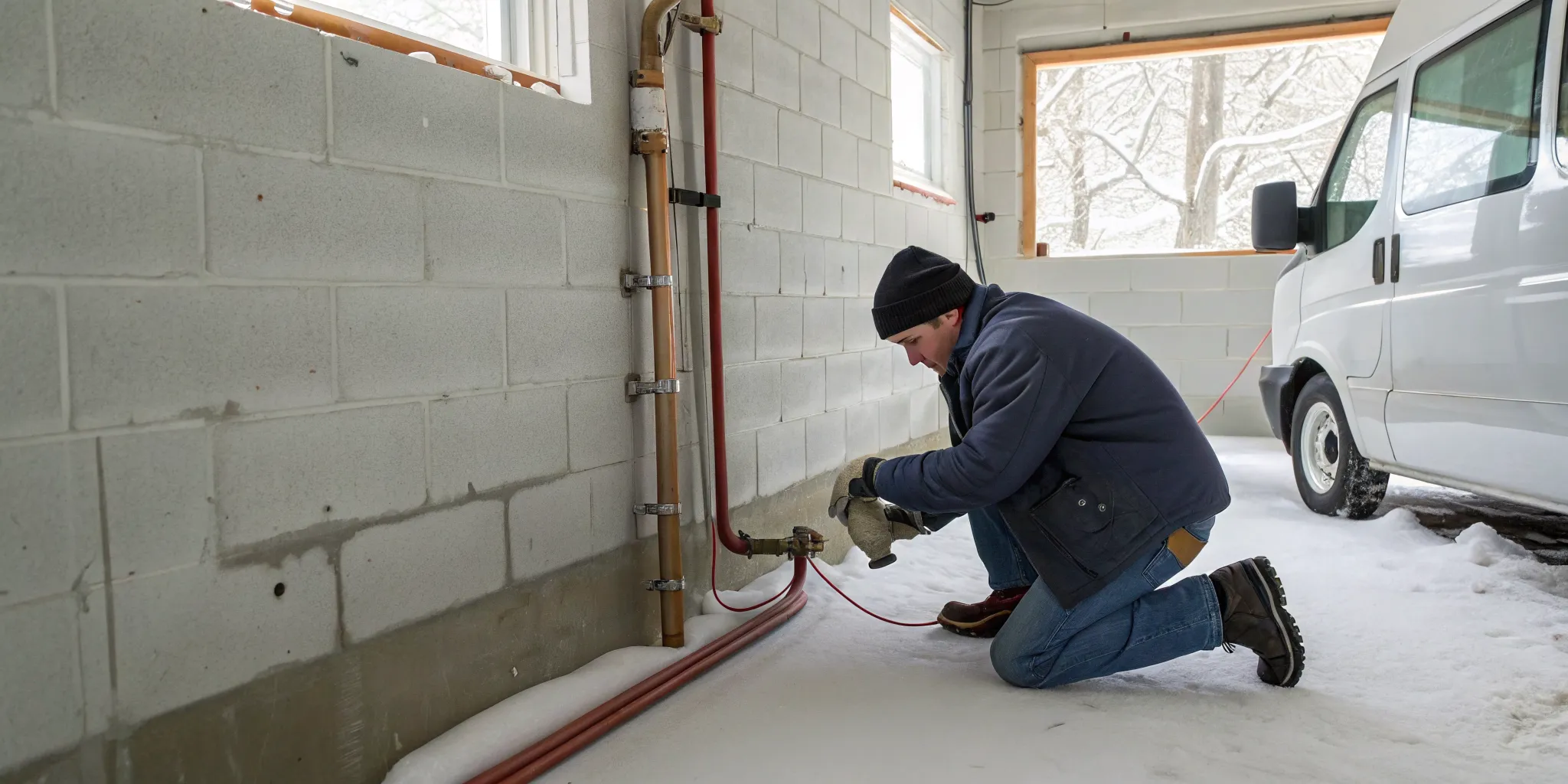
Sometimes, the problem is right there in plain sight. If you have any exposed pipes in unheated areas like a basement, crawl space, or garage, give them a quick visual inspection. If you can see a layer of frost or ice on the outside of a pipe, it’s a sure sign the water inside is frozen. Even without visible frost, a pipe that feels intensely cold to the touch is at high risk. This is a clear warning that the pipe is not protected enough from the cold. Taking steps to get proper pipe insulation can prevent this from happening again next winter.
Strange Smells from Faucets or Drains
Have you noticed an unpleasant odor coming from a drain or faucet that you can’t explain? This could be a sign of a frozen pipe. When a pipe freezes, the ice creates a complete blockage, preventing waste and odors from flowing away from your home. As the waste gets trapped, the smell has nowhere to go but back up into your kitchen or bathroom. While it might seem like a simple clog, a foul smell during a cold snap points to a more serious blockage. This is a sign that pressure could be building in the line, so it’s best to act quickly.
Damp Drywall or Ceiling Stains
This is the warning sign you never want to see, as it often means the pipe has already cracked or burst. When water freezes, it expands, putting immense pressure on the pipe. If you notice damp patches, new water stains on your ceiling or walls, or can hear dripping sounds behind the drywall, it’s a plumbing emergency. The ice blockage may have already compromised the pipe, and as it thaws, water will begin to leak out, causing significant damage. If you spot any of these signs, you need to call for emergency plumbing services right away.
DIY Fix or Call a Pro? When to Get Help for Frozen Pipes
When you realize a pipe is frozen, your first instinct might be to panic, and your second might be to grab a hairdryer. While some situations can be handled with a little DIY know-how, others require a professional right away. Knowing the difference is key to protecting your home from serious damage. Let’s walk through when you can tackle it yourself and when it’s time to call for backup.
What You Can Safely Handle Yourself
If you can see the entire frozen section of the pipe and it’s easily accessible (like under a sink), you might be able to handle the situation. You can try gently warming the pipe by wrapping it in towels soaked in warm water or by using a hairdryer on a low setting. Keep the faucet open slightly so melting water can drip out. The key here is to be gentle; never use a blowtorch or any open flame, as this can damage the pipe and create a serious fire hazard. If the pipe doesn’t start to thaw after a short time, it’s best to stop and call a professional for frozen pipe repair.
Red Flags That Require a Plumber in West Bloomfield, MI
Some situations are too risky to handle on your own. It’s time to call a plumber immediately if you notice any of these red flags. If a pipe has already burst or you see any signs of a leak, turn off your main water supply and call for help. Don’t attempt to thaw pipes that are hidden behind walls, ceilings, or floors, as you can’t see if they’ve already cracked. If you’ve tried gentle thawing methods without success, or if you’re simply not comfortable with the process, it’s a clear sign you need an expert. A burst pipe is an urgent problem, Mr. Pipey offers emergency frozen pipe repair for West Bloomfield homeowners, available 24/7.
Why You Shouldn’t Wait to Call for Help
Procrastinating on a frozen pipe can turn a minor inconvenience into a major disaster. The water inside a frozen pipe expands, putting immense pressure on the metal or plastic. The longer the pipe remains frozen, the higher the risk of it bursting. A burst pipe can release hundreds of gallons of water into your home, causing catastrophic damage to your floors, drywall, furniture, and electrical systems. Acting quickly is the best way to prevent expensive water damage and potential mold growth. Calling a plumber at the first sign of trouble is a smart investment that protects your home and gives you peace of mind. Contact Mr. Pipey’s frozen pipe specialists at the first sign of trouble to prevent burst pipes and costly water damage.
What to Do While Waiting for Your Plumber
You’ve made the call, and help is on the way. I know waiting during a plumbing emergency is stressful, especially when you see water where it shouldn’t be. But the next few minutes are critical. There are a few simple, powerful steps you can take to control the situation and prevent further damage to your home. Think of it as plumbing first aid. By taking these actions, you’re not just waiting; you’re actively protecting your property and making the repair process smoother for when we arrive. Let’s walk through exactly what you need to do while our team is en route.
Turn Off the Main Water Valve
First things first, you need to stop the flow of water into your home’s plumbing system. The quickest way to do this is by shutting off the main water valve. This single action can be the difference between a small puddle and a full-blown flood, saving you from extensive and costly water damage. If you’re not sure where your main valve is, check your basement near the front foundation wall, in a crawl space, or in a utility closet. It will usually have a wheel-style handle or a lever. Turn it clockwise until it’s completely closed. Taking this immediate step is a crucial part of handling any emergency plumbing situation.
Open Faucets to Relieve Pressure
Once the main water supply is off, head to your sinks and tubs and open all the faucets, both hot and cold. This might seem counterintuitive, but it’s an essential step. Opening the taps helps relieve any pressure that has built up in the pipes. It also allows the water that’s still in the system to drain out safely through the faucets instead of through a burst section of pipe. If you’re dealing with a frozen pipe, this gives the melting ice and trapped water a clear escape route, reducing the risk of the pipe bursting as it thaws. Just leave them open until your plumber arrives.
Document Any Damage for Insurance Claims
While you wait, grab your phone and become a detective. Carefully document any and all damage by taking clear photos and videos. Capture images of the source of the leak if you can see it, any damp or stained drywall, puddles on the floor, and damage to your personal belongings. This evidence is incredibly important when it comes to your homeowner’s insurance. Having a detailed visual record makes the process of filing a claim much smoother and can help ensure you get the coverage you’re entitled to for repairs and replacements. Keep these files in a safe place for when you need them.
What Does Frozen Pipe Repair Cost in West Bloomfield, MI?
When you’re dealing with a frozen pipe, one of the first questions that comes to mind is, “How much is this going to cost?” The answer really depends on the severity of the situation. A simple thaw is much different from repairing a pipe that has burst and caused water damage. Understanding the potential costs can help you prepare and make an informed decision. Let’s walk through the different factors that influence the price of a frozen pipe repair in West Bloomfield.
Cost for Thawing an Intact Pipe
If you catch a frozen pipe before it bursts, you’re in the best-case scenario. Having a professional plumber thaw an intact pipe is a relatively quick and straightforward job. Typically, this service can cost between $100 and $200. A plumber uses specialized equipment to safely warm the pipe and restore water flow without causing any damage. This is why it’s so important to call for help as soon as you notice signs of a freeze. Addressing the problem early with a professional frozen pipe repair can save you from a much more expensive and messy situation down the road.
Cost for Repairing a Burst Pipe
When a frozen pipe expands and bursts, the repair becomes more involved and, as you might expect, more expensive. The cost to fix a burst pipe can range from $150 to $500, and sometimes more. The final price depends heavily on the pipe’s location and the extent of the damage. An easily accessible pipe under a sink will cost less to fix than a pipe hidden behind a wall, which requires cutting into drywall. This price range typically covers the plumbing repair itself, not any potential water damage restoration. A quick response is key to minimizing both the damage and the overall cost of our plumbing services.
What Affects the Final Repair Cost?
Several key factors determine the final bill for a frozen pipe repair. The most significant one is whether the pipe is simply frozen or has actually burst. Beyond that, the pipe’s location plays a huge role; a pipe in an exposed basement is much easier and cheaper to access than one inside a finished ceiling. The pipe’s material, like copper or PEX, can also influence the cost of materials and labor. Finally, the overall extent of the damage will shape the scope of the work. For a clear and transparent estimate based on your specific situation, it’s always best to contact a professional who can assess the problem firsthand.
Does Emergency Service Add to the Cost?
A burst pipe rarely happens at a convenient time. If you need help immediately, especially after hours or on a weekend, you’ll likely need emergency service. This premium service typically adds 20% to 50% to the total cost of the repair. While nobody loves paying extra, it’s often a necessary expense to prevent catastrophic water damage that could cost thousands to fix. Think of it as an investment in protecting your home. When water is actively flooding your property, calling for emergency plumbing is the smartest and most cost-effective decision you can make in the long run.
Choosing a Plumber for Frozen Pipe Repair in West Bloomfield
When you’re dealing with a frozen pipe, the last thing you want is the added stress of finding a reliable plumber. The choice you make can mean the difference between a quick, effective fix and a prolonged disaster with more damage. It’s tempting to call the first company you find, but taking a moment to choose the right professional is crucial. You need someone with specific experience in frozen pipes, a reputation for quality work, and a commitment to fair pricing. A great plumber won’t just fix the immediate issue; they’ll help you understand how to prevent it from happening again, giving you peace of mind for future cold snaps.
Why Mr. Pipey Is Your Trusted Local Expert
As a family-owned business, we treat every customer in West Bloomfield like a neighbor. We understand how stressful a plumbing emergency can be, which is why we focus on providing not just expert repairs but also exceptional service. Our team is experienced in handling the specific challenges of Michigan winters, offering reliable frozen pipe repair and insulation services. We believe in transparency, so we provide upfront pricing and clear options before any work begins. Our goal is to deliver cost-effective, long-lasting solutions that protect your home and give you confidence in your plumbing system. We’re here to help 24/7 with any plumbing emergency.
What to Look for in a Plumbing Company
When your pipes are frozen, you need a plumber who can respond quickly and has the right expertise. Look for a company that specifically lists frozen pipe services and has a team ready for emergency plumbing calls. A qualified plumber will know how to safely thaw pipes to prevent them from bursting. If a pipe has already burst, they should be able to handle the repair efficiently to minimize water damage. Always ask for upfront pricing to avoid hidden fees, and choose a company that guarantees its workmanship. A reputable plumber will stand behind their repairs and offer solutions to protect your home in the long run.
How to Prevent Frozen Pipes This Winter
An ounce of prevention is worth a pound of cure, especially when that cure involves a burst pipe in the middle of a Michigan winter. Taking a few proactive steps before the temperature plummets can save you from the stress and expense of a major plumbing emergency. Think of it as winterizing your home’s circulatory system. These simple habits and one-time fixes will protect your pipes from the inside out, giving you peace of mind all season long.
Instead of waiting for a problem, you can get ahead of it. Focusing on insulation, consistent heat, and a few other key tasks will make your home much more resilient against the cold. Here’s a straightforward guide to keeping your pipes safe and your water flowing freely, even on the most frigid West Bloomfield days.
Insulate Pipes in Basements, Crawl Spaces, and Attics
Your first line of defense against the cold is proper insulation. Pipes located in unheated areas like basements, crawl spaces, and attics are the most vulnerable to freezing. You can wrap these exposed pipes with foam sleeves or heat tape, which are readily available at most hardware stores. It’s a simple project that makes a huge difference. Pay special attention to any pipes running along exterior walls, as they get the coldest.
For a more permanent and thorough solution, you might consider professional pipe insulation. A professional can ensure there are no gaps and use high-quality materials that offer maximum protection. This is especially helpful for hard-to-reach pipes or if you want to be absolutely certain your home is protected.
Maintain a Consistent Temperature in Your Home
Even if you’re heading out of town for the holidays, don’t be tempted to turn the heat completely off. When a cold snap hits, you should keep your thermostat set to at least 55°F. This consistent warmth is crucial for protecting the plumbing within your walls. A great tip for extra protection is to open the cabinet doors under your kitchen and bathroom sinks. This allows the warmer air from your home to circulate around the pipes.
This simple action can prevent a costly disaster. If you do come home to a problem, knowing what to do next is key. Understanding the signs of a frozen pipe can help you act quickly to minimize damage.
Let Faucets Drip During Cold Snaps
When the forecast calls for a deep freeze, letting a faucet drip can be a pipe-saver. It’s not the dripping itself that prevents freezing, but the fact that it keeps water moving through your plumbing system. Even a slow, steady trickle of cold water is enough to relieve pressure and prevent the water from freezing solid inside the pipe.
Focus on the faucets that are connected to vulnerable pipes, like those on exterior walls or in unheated areas. While it might seem wasteful, a dripping faucet costs far less than repairing a burst pipe. If a pipe freezes despite your best efforts, it’s important to call for emergency plumbing help right away to prevent a burst.
Seal Air Leaks and Disconnect Hoses
Frigid air can find its way into your home through the smallest cracks, putting your pipes at risk. Take some time to seal any air leaks around windows, doors, and foundation walls, especially in the basement or crawl space. Use caulk or weatherstripping to close these gaps and stop cold drafts in their tracks. This not only protects your pipes but can also help lower your heating bills.
Before the first frost, make it a priority to disconnect, drain, and store all your garden hoses. Leaving a hose attached to an outdoor spigot traps water inside, which can freeze and expand back into the pipe, causing a break inside your wall. If you need help winterizing your outdoor faucets, don’t hesitate to contact us.
Is Professional Pipe Insulation a Good Investment?
As a homeowner, you’re always weighing the costs and benefits of different home improvement projects. When it comes to your plumbing, investing in professional pipe insulation is one of the smartest decisions you can make, especially with Michigan’s harsh winters. It’s a proactive step that protects your home and your wallet from the headache of frozen pipes. Let’s break down why it’s such a worthwhile investment.
The Benefits of Professional Insulation
Think of professional insulation as a protective winter coat for your plumbing system. Its main job is to keep the water inside your pipes from reaching freezing temperatures. This simple barrier is incredibly effective at preventing the expansion, pressure buildup, and eventual bursting that happens when water freezes. Taking this step helps you avoid the chaos and damage of a burst pipe. Proper pipe insulation is a key defense for any pipes located in unheated areas like basements, crawl spaces, or attics, safeguarding your home all winter long.
Upfront Cost vs. Long-Term Savings
It’s true that professional insulation has an upfront cost, but it’s minor compared to the potential expense of a plumbing emergency. A single burst pipe can lead to thousands of dollars in water damage, not to mention the cost of the repair itself. By investing in insulation, you are effectively paying a small premium to avoid a much larger, unexpected bill down the road. Consider it an insurance policy against the costly and stressful experience of dealing with frozen pipe repair. The long-term savings and peace of mind make it a clear financial win for any savvy homeowner.
Related Articles
- Pipe Insulation & Repair in Birmingham Hills | Mr. Pipey® Plumbing
- Need a 24 Hr Emergency Plumber? Read This First
- Repair & Emergency Solutions
- Repair a Copper Pipe Leak: A Step-by-Step Guide
- Sewer Line Repair & Replacement Services in Bloomfield Hills| Mr. Pipey®
Frequently Asked Questions
What is the absolute first thing I should do if I think my pipe has burst? Immediately find and shut off your home’s main water valve. This is the most critical step to prevent major flooding and water damage. The valve is usually in the basement or a utility closet. Once the water is off, open your faucets to help drain the remaining water from the pipes and relieve any built-up pressure.
Can I really thaw a frozen pipe myself? If the frozen pipe is exposed and you can see the entire frozen section, you can try to thaw it yourself. Use a hairdryer on a low setting or wrap the pipe in towels soaked in warm water. However, if the pipe is hidden behind a wall, if you see any signs of a leak, or if your gentle warming methods aren’t working, call a professional right away. Never use a blowtorch or open flame.
Why does a frozen pipe sometimes cause a bad smell? When a pipe freezes solid, it creates a complete blockage that prevents waste and sewer gas from flowing away from your home. With the normal exit route blocked, those unpleasant odors have nowhere to go but back up your drains and into your living space. It’s a key sign that pressure is building in your plumbing system.
Is professional pipe insulation really worth the cost? Yes, it’s a very smart investment. The upfront cost for professional insulation is minor compared to the potential expense of repairing a burst pipe and dealing with thousands of dollars in water damage. It’s a proactive measure that provides long-term protection and peace of mind, saving you from a much bigger, more stressful bill down the road.
If I let a faucet drip during a cold snap, should I use hot or cold water? You only need to let the cold water drip. The purpose of the drip is to keep water moving through the pipe, which helps prevent it from freezing solid and relieves pressure in the line. A slow, steady trickle from the cold tap is all you need, so there is no reason to waste energy by using hot water.