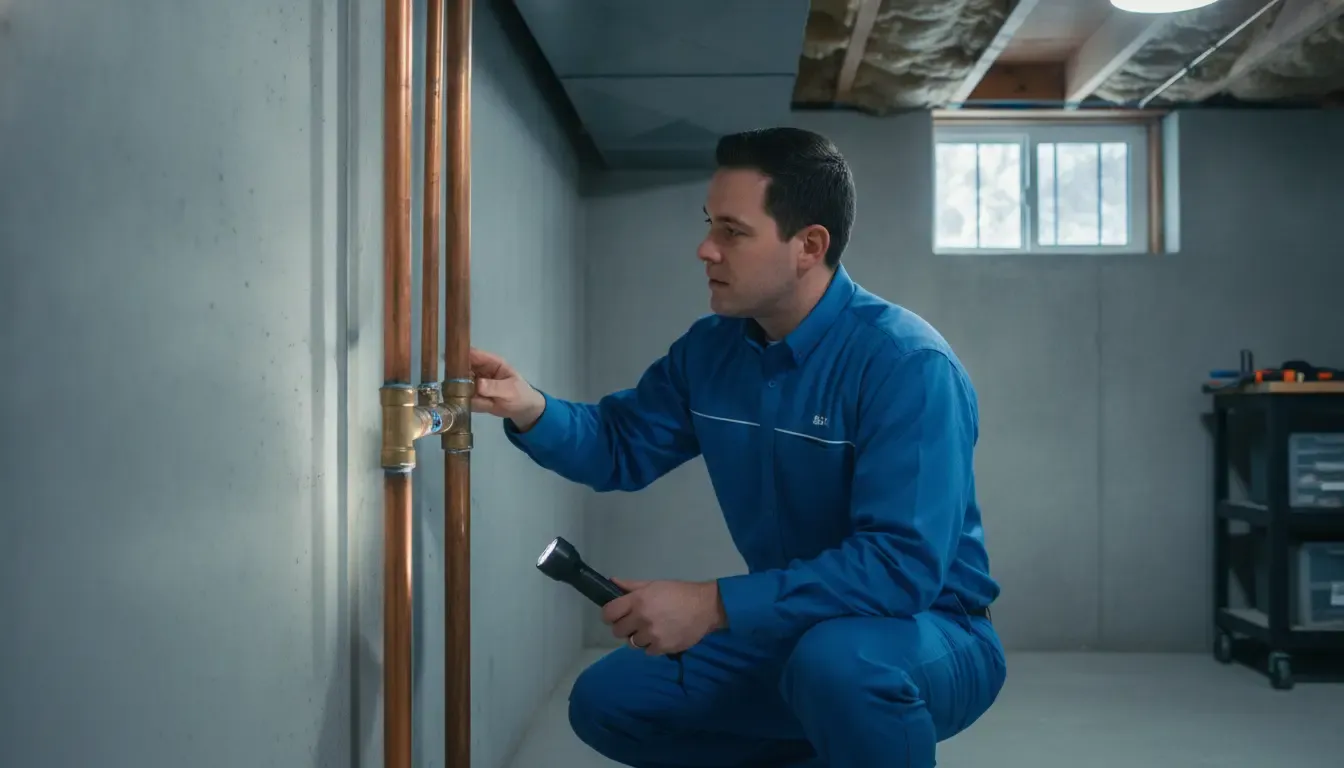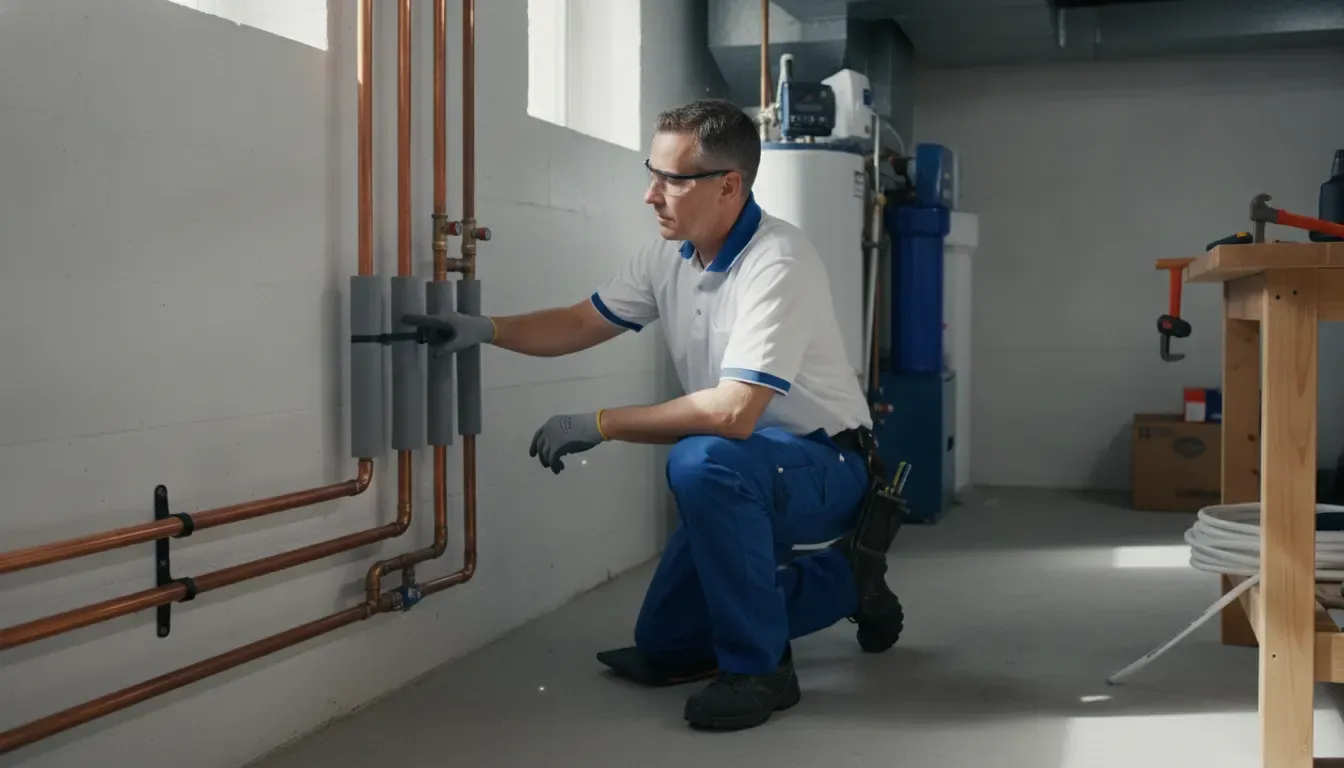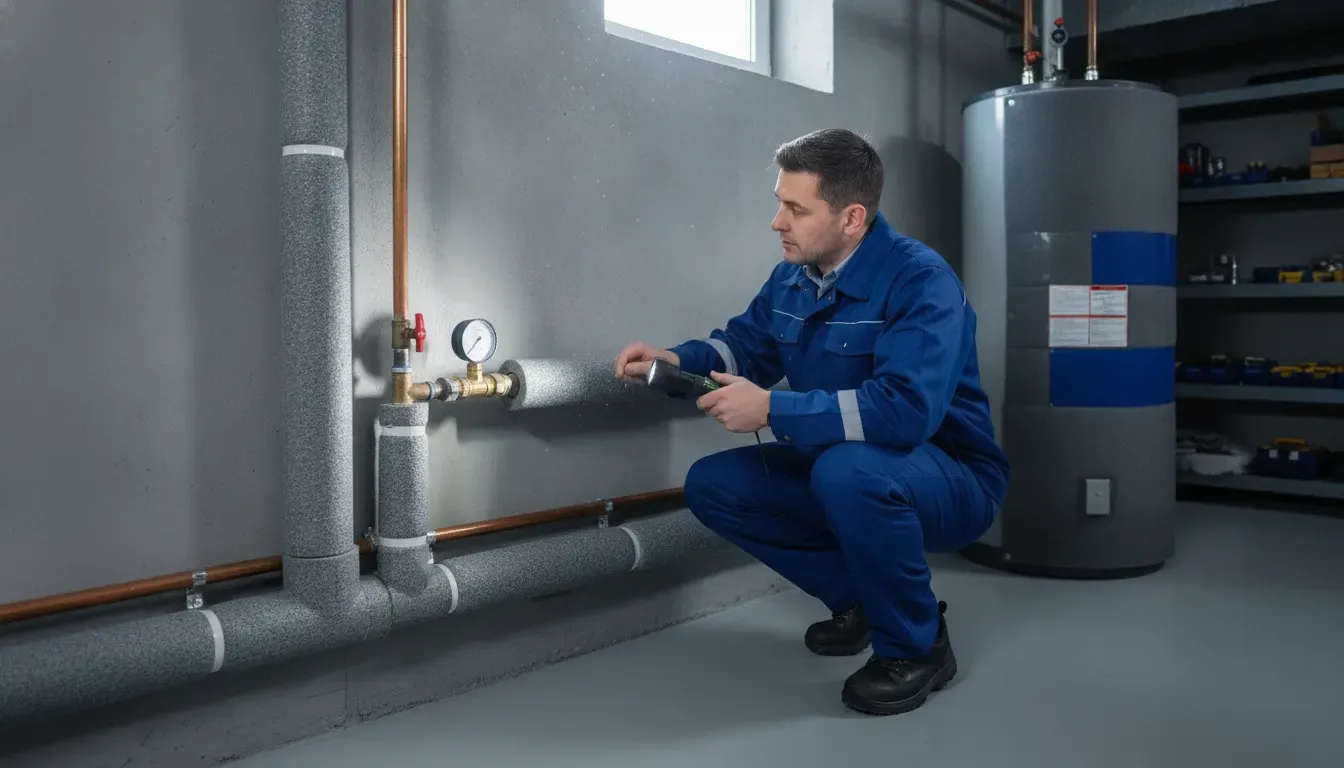


A little prevention goes a long way, especially when it comes to protecting your home from the harsh Michigan winter. Instead of waiting for an emergency, you can take simple, proactive steps to safeguard your plumbing from freezing temperatures. A burst pipe can cause thousands of dollars in water damage, a headache you can easily avoid. Think of this as your essential winterizing checklist. We’ll cover everything from insulating vulnerable pipes to knowing what to do during a sudden cold snap. Following these tips will give you peace of mind, helping you prevent the need for an emergency call for frozen pipe repair in Troy, MI, and keeping your home safe and dry all season long.
Key Takeaways
- Get ahead of winter with simple prevention: Avoid a plumbing emergency by taking proactive steps before the cold arrives. Insulating pipes in your basement or crawl space, sealing air leaks near plumbing, and disconnecting garden hoses are small tasks that make a huge difference.
- Identify the early warning signs: Your plumbing will often tell you when there’s a problem. Pay attention to low water flow, strange gurgling or banging sounds, and visible frost on pipes, as these are clear indicators that a pipe is frozen and at risk of bursting.
- Understand when to call for help: While you can sometimes thaw an exposed pipe with a hairdryer, it’s crucial to call a professional for pipes hidden in walls, if you see any leaks or bulges, or if your pipes freeze year after year. A professional can solve the problem safely and address the root cause.
Are Your Pipes Frozen? Here Are the Telltale Signs
Waking up to a plumbing problem on a cold Michigan morning is never fun. When temperatures drop, your pipes are at risk of freezing, which can lead to serious and expensive damage. The good news is that your plumbing system will usually give you a few warning signs before a complete disaster strikes. If you suspect you have a frozen pipe, acting quickly is crucial. Here are the three most common telltale signs to watch for.
Low or No Water Flow
You turn the handle on your kitchen sink, but only a weak trickle comes out, or maybe nothing at all. This is one of the most straightforward signs of a frozen pipe. When water freezes, it expands and forms an ice blockage inside the pipe, stopping the normal flow of water to your faucets. This might happen at a single fixture if the freeze is localized, or it could affect your entire home. If your water pressure suddenly drops during a cold spell, it’s time to investigate. A lack of water is a clear signal that you need to check for a frozen pipe before the pressure builds and causes a burst.
Strange Noises from Your Pipes
Have you started hearing odd sounds coming from your walls or floors? Gurgling, banging, or clanking noises from your plumbing are a definite cause for concern. These sounds can occur when water tries to squeeze past an ice blockage, or when the pressure changes suddenly. This is sometimes called a “water hammer.” Think of it as your plumbing system’s cry for help. These noises often mean that pressure is building up in the pipes, which significantly increases the risk of a crack or burst. If you hear anything unusual, don’t ignore it; it could be a sign you need emergency plumbing assistance.
Frost, Bulges, or Damp Spots on Pipes
If you can safely access any of your home’s pipes, like those under sinks or in the basement, take a moment to look them over. Visible frost on the outside of a metal pipe is a dead giveaway that the water inside is frozen solid. You might also notice condensation or dampness on the pipe or the area around it. The most dangerous visual sign is a bulge or swollen section of the pipe. This indicates that the expanding ice is putting extreme stress on the pipe walls, and a rupture could happen at any moment. Proper pipe insulation is your best defense against this, but if you see a bulge, it’s time to call a professional immediately.
Common Myths About Frozen Pipes
When it comes to frozen pipes, what you don’t know can definitely hurt your home and your wallet. Misinformation can lead you to either underestimate the risk or try a dangerous DIY fix. Let’s clear the air and bust a few common myths about frozen pipes. Understanding the truth can help you protect your home from serious water damage this winter.
Myth: “Only pipes in unheated areas can freeze.”
This is one of the most common and costly misconceptions. While pipes in unheated basements, crawl spaces, and garages are certainly at high risk, they aren’t the only ones. Any pipe located in an exterior wall, even in a heated room, can be vulnerable to freezing temperatures. This is especially true in older homes that may have less effective insulation. A small draft is all it takes to drop the temperature around a pipe to freezing. That’s why it’s so important to check all your plumbing, including the pipes under your kitchen and bathroom sinks, if they are on an outside wall. Proper pipe insulation is your first line of defense against the cold.
Myth: “A frozen pipe will always burst.”
Hearing you have a frozen pipe is stressful, but it doesn’t automatically mean a catastrophe is underway. When water freezes, it expands, and this expansion creates immense pressure inside the pipe. While this pressure can cause a pipe to crack or burst, it’s not a guaranteed outcome. The real danger comes from the pressure building up between the ice blockage and a closed faucet. If you catch it early, you might be able to thaw it without any damage. However, the risk of a burst is very real and increases the longer the pipe remains frozen. Treating every frozen pipe as a potential crisis is the safest approach and a good reason to have an emergency plumbing expert on speed dial.
Myth: “Insulation is all you need for protection.”
Insulation is an excellent and necessary step for pipe protection, but it isn’t a magic shield. Think of insulation like a winter coat: it slows down heat loss, but it doesn’t create its own heat. During a long and severe cold snap, an insulated pipe can still freeze if the surrounding air stays below freezing for too long. Sometimes, homeowners don’t even notice the damage until the pipe thaws and water starts leaking. If you suspect a pipe has frozen inside a wall or ceiling, it’s best to call a professional for frozen pipe repair before a hidden crack turns into a major flood. A pro can safely thaw the pipe and inspect for damage you can’t see.
Why Do Pipes Freeze in Troy Homes?
When temperatures in Troy drop, the risk of frozen pipes rises. But it’s not just the cold; it’s how that frigid air finds its way to your plumbing. Frozen pipes happen when the water inside turns to ice. Because water expands as it freezes, this puts immense pressure on the pipe, which can lead to cracks or a burst. Understanding the specific weak points in your home is the key to preventing a messy and expensive disaster. Here are the most common reasons pipes freeze in our area.
Exposed and Uninsulated Pipes
The most direct cause of a frozen pipe is a lack of protection. Pipes located in unheated or poorly insulated areas of your home, like crawl spaces, basements, attics, and garages, are the most vulnerable. If frigid air can reach these pipes, the water inside can easily freeze. Without a thermal barrier, there’s nothing to stop the cold from turning your water supply into a solid block of ice. Proper pipe insulation acts like a winter coat for your plumbing, keeping the water inside just warm enough to prevent it from freezing, even when the surrounding air is well below 32°F.
Low Thermostat Settings and Air Leaks
Your thermostat setting plays a bigger role than you might think. While it’s tempting to lower the heat to save on energy bills, especially when you’re away or asleep, setting it too low can create a dangerously cold environment for your plumbing. Even a well-insulated pipe can freeze if the ambient temperature drops too much. Compounding this issue are air leaks. Small cracks in your foundation or gaps around utility lines can act as direct channels for icy outdoor air, creating cold spots that put nearby pipes at high risk. Sealing these drafts is just as important as keeping your heat at a consistent, safe temperature.
Outdoor Faucets and Garden Hoses
One of the most common and avoidable causes of frozen pipes happens right outside your home. Leaving a garden hose connected to an outdoor faucet is a recipe for disaster. When the temperature plummets, any water trapped in the hose and faucet will freeze. This ice can expand back into the pipe running through your wall, causing a burst inside your home where you can’t see it until the damage is done. Before the first hard freeze, make it a habit to disconnect all garden hoses. It’s a simple five-minute task that can save you from a major headache and costly frozen pipe repair.
Can You Safely Thaw Frozen Pipes Yourself?
When you realize a pipe is frozen, your first instinct might be to tackle the problem yourself. It’s a common reaction, especially when you want to get your water running again quickly. And in some specific situations, a careful DIY approach can work. If a pipe is exposed, like the one under your kitchen sink, and you can easily access it, you might be able to thaw it safely using gentle heat. However, it’s important to understand the limits and the risks. Trying to thaw a pipe without the right knowledge can easily turn a minor inconvenience into a major disaster, like a burst pipe and significant water damage.
The key is knowing which methods are safe and, just as importantly, which ones to avoid at all costs. It’s also about recognizing when the problem is beyond a simple fix and requires a professional touch. A frozen pipe hidden inside a wall or ceiling is a completely different challenge than one you can see and reach. Before you grab a tool, take a moment to assess the situation. Is the pipe accessible? Do you see any signs of damage already? Answering these questions will help you decide whether to proceed with a DIY method or make the smart call to a professional plumber for frozen pipe repair.
Safe DIY Thawing Methods
If the frozen pipe is exposed and you don’t see any cracks, you can try a few gentle thawing techniques. First, open the faucet connected to the frozen pipe. This gives the melting ice and steam a place to go, relieving pressure inside the pipe. Next, apply gradual, low heat to the frozen section. A hairdryer on its lowest setting, moved back and forth along the pipe, is a great option. You can also wrap the pipe in towels soaked in warm (not boiling) water. A portable space heater can work too, but place it a safe distance from the pipe and never leave it unattended. These methods are for minor, accessible freezes and often serve as a temporary fix.
What Not to Do: Open Flames and High Heat
This is incredibly important: never, ever use an open flame to thaw a pipe. Using a blowtorch, propane heater, or even a candle is an extreme fire hazard and can cause the pipe itself to fail. The intense, concentrated heat can also create a sudden buildup of steam pressure between the flame and the ice blockage, causing the pipe to burst. Even high-heat tools like heat guns should be avoided, as applying too much heat too quickly can lead to the same dangerous outcome. A burst pipe is a much bigger problem than a frozen one, so always prioritize safety and stick to gentle, gradual warming methods. If you find yourself with a burst pipe, you’ll need emergency plumbing services immediately.
When to Stop and Call for Help
Knowing when to put down the hairdryer and pick up the phone is crucial. You should stop and call a professional plumber immediately if the frozen pipe is located inside a wall, ceiling, or crawl space. Attempting to thaw a pipe you can’t see is a gamble, as you won’t know if it has already cracked or burst until water starts seeping through your drywall. If your DIY methods aren’t working after a reasonable amount of time, or if you notice any bulges, cracks, or leaks on the pipe, it’s time to call for help. Acting fast is the best way to prevent serious water damage. Don’t hesitate to contact us for professional assistance.
When to Call a Pro for Frozen Pipe Repair
While it’s tempting to try a quick fix when you realize a pipe is frozen, some situations are best left to the experts. Trying to handle a serious freeze on your own can quickly turn a small problem into a catastrophic one, leading to burst pipes and expensive water damage. Think of a professional plumber as your first line of defense. We have the right tools and experience to solve the problem safely and figure out why it happened in the first place. If you notice any of the following signs, it’s time to put down the hairdryer and call for emergency plumbing help.
Water Is Out in Multiple Areas
If you turn on a single faucet and only get a trickle of water, the freeze might be isolated and close to the tap. However, if you have no water in an entire bathroom, the kitchen, or multiple areas of your house, you’re likely dealing with a more significant problem. This usually indicates a freeze in a main water supply line, which can be much harder to locate and thaw. A professional can trace the issue back to its source and use specialized equipment to safely thaw the blockage without causing the pipe to burst from a sudden pressure change. Don’t risk a major pipe failure; a widespread outage requires a professional assessment.
You See Leaks or Water Damage
Any visible sign of water is a major red flag that your frozen pipe has already become a burst pipe. Look for damp spots on drywall, water stains on the ceiling, or puddles on the floor near where you suspect the freeze is. Even a tiny crack can release a surprising amount of water, causing serious structural damage to your home. If you see a leak, your first step is to shut off your home’s main water supply valve immediately to stop the flow. Your next step is to call a plumber. This is a true plumbing emergency that requires immediate attention to repair the pipe and prevent further destruction.
The Frozen Pipe Is in a Wall or Ceiling
If you suspect the frozen pipe is hidden within a wall, ceiling, or crawl space, do not attempt to thaw it yourself. You can’t safely or effectively get heat to the pipe without being able to see it. Using a space heater can create a fire hazard, and a hairdryer simply won’t be powerful enough to penetrate drywall. Plumbers can use tools like thermal imaging cameras to pinpoint the exact location of the freeze without needless destruction. From there, we can use professional-grade heating equipment to thaw the pipe safely or, if necessary, cut a small, precise opening to access and repair the pipe.
This Isn’t Your First Pipe Freeze
If your pipes have frozen before, it’s a clear sign of an underlying issue that needs a permanent fix. A recurring freeze isn’t just bad luck; it means a specific area of your plumbing is vulnerable. This could be due to insufficient insulation, persistent air leaks that expose pipes to cold air, or even how the pipes were originally installed. A professional plumber can do more than just thaw the pipe. We can diagnose the root cause and recommend a lasting solution, such as adding targeted pipe insulation or sealing drafts. Investing in a proper fix will save you the stress and expense of dealing with the same emergency winter after winter.
What to Expect from a Professional Pipe Repair Service
Calling a professional for a frozen pipe can feel like a big step, but it’s the safest and most effective way to handle the situation. When you bring in an expert, you’re not just getting a quick fix; you’re getting a thorough process designed to solve the problem and prevent it from happening again. A professional plumber takes the stress and guesswork out of the equation, ensuring your home’s plumbing is handled with care. From the initial thaw to long-term prevention, here’s a breakdown of what a skilled technician will do when they arrive at your door.
Thawing Pipes with Professional Tools
First things first, a plumber will safely thaw the frozen pipe. Unlike risky DIY methods that can cause pipes to burst, professionals use specialized equipment to apply heat gradually and evenly. For metal pipes, they might use an electronic pipe-thawing machine that passes a low-voltage current through the pipe to gently warm it. For plastic pipes, they often use commercial-grade heat guns or warming blankets. This controlled approach is crucial for melting the ice blockage without creating a sudden pressure surge that could crack the pipe and cause a flood.
Inspecting for Damage After the Thaw
Once the water is flowing again, the job isn’t over. The next critical step is a detailed inspection. The immense pressure from expanding ice can cause hairline fractures, weaken joints, or create hidden damage that isn’t immediately obvious. A professional plumber knows exactly what to look for, carefully examining the entire length of the affected pipe and its connections. This post-thaw check is essential for catching small problems before they turn into catastrophic leaks down the road, saving you from much bigger headaches and expenses.
Repairing or Replacing the Damaged Pipe
If the inspection reveals any damage, your plumber will get to work on the repair. For minor cracks, they may be able to fix the existing pipe. However, if the pipe is significantly damaged or has burst, a replacement will be necessary. A professional can quickly and efficiently cut out the broken section and install a new, durable pipe. This is where their expertise truly shines, as they ensure the frozen pipe repair is seamless and built to last, restoring your plumbing system to perfect working order.
Adding Insulation to Prevent Future Freezes
A great plumber doesn’t just fix the immediate issue; they help you avoid a repeat performance next winter. After the repair is complete, they will likely recommend preventative measures. The most common and effective solution is adding insulation to vulnerable pipes. By wrapping pipes in areas like your basement, crawl space, or garage with foam sleeves or other insulating materials, they create a thermal barrier against the cold. This simple step is one of the best ways to protect your home from future freezes, and a pro can handle the pipe insulation for you.
Access to 24/7 Emergency Service
Frozen pipes rarely happen at a convenient time. They often become critical in the middle of the night or over a holiday weekend when the temperature plummets. That’s why reliable plumbing companies offer 24/7 availability. Knowing you have access to emergency plumbing provides incredible peace of mind. Whether you wake up to no water or discover a leak late at night, you can call for help immediately. A responsive team can dispatch a technician to your home quickly, minimizing damage and getting your life back to normal as soon as possible.
How Much Does Frozen Pipe Repair Cost?
When you’re dealing with a frozen pipe, one of the first questions that comes to mind is, “How much is this going to cost?” It’s a valid concern, and the answer can vary quite a bit. The final bill depends on whether the pipe is simply frozen or has already burst, where it’s located, and the extent of any damage. While the price range is wide, understanding the different cost factors can help you know what to expect and avoid any surprises. Let’s break down the potential costs so you can feel more prepared.
Typical Costs for Thawing and Repairs
The cost to fix a frozen pipe can range from around $150 to over $5,000, but most homeowners typically spend about $500. If you catch the problem early and the pipe is just frozen without any cracks, you’re looking at the lower end of that spectrum. A simple, professional thaw of an accessible pipe might only cost between $100 and $200. This involves a plumber using specialized heating tools to safely warm the pipe and restore water flow. The key is acting fast. A straightforward frozen pipe repair is always more affordable than dealing with the aftermath of a burst.
Factors That Influence the Final Price
Several things can affect the final price of your repair. The biggest factor is accessibility. A frozen pipe in an exposed basement is much easier and cheaper to fix than one hidden behind a wall or ceiling, which requires cutting into drywall and patching it afterward. The pipe’s material also plays a role, as some materials are more complex to repair than others. Of course, the most significant factor is whether the pipe has burst. A simple thaw is a quick job, but repairing a crack or split takes more time and materials, increasing the cost. Our team always provides a clear, upfront estimate for all our plumbing services so you know exactly what to expect.
The Cost of a Burst Pipe
If a frozen pipe bursts, the costs can climb quickly. While the pipe repair itself might be a few hundred dollars, the real expense comes from water damage. Depending on how much water escaped and for how long, the cleanup and restoration can cost anywhere from $500 to $5,000 or even more. This covers drying out the area, replacing damaged drywall and insulation, and repairing floors or ceilings. This is why it’s so important to call for emergency plumbing help the moment you suspect a pipe has burst. Shutting off the water and getting a professional on-site immediately can save you thousands in secondary damages.
Your Winter Checklist: How to Prevent Frozen Pipes
A little bit of prevention is worth a pound of cure, especially when it comes to your home’s plumbing. Instead of waiting for a winter emergency, you can take a few simple steps to protect your pipes from freezing temperatures. Think of it as winterizing your home’s circulatory system. Following this checklist can save you from the stress and expense of a burst pipe, keeping your home safe and your water flowing all season long. Each step is straightforward and designed to give you confidence as you prepare for the cold months ahead.
When a pipe freezes, the water inside expands, putting immense pressure on the pipe walls. If the pressure becomes too great, the pipe can split or burst, leading to significant water damage, costly repairs, and a major disruption to your life. By taking proactive measures, you’re not just protecting your pipes; you’re safeguarding your home and your budget. This guide breaks down the most effective strategies into manageable tasks. Whether you’re a new homeowner or have been through many Michigan winters, these tips will help you feel prepared for whatever the season brings.
Insulate Pipes in Vulnerable Areas
Pipes in unheated or poorly insulated parts of your home are the most likely to freeze. This includes any plumbing in your attic, crawl space, basement, or garage. The easiest way to protect them is by adding foam pipe sleeves, which you can find at most hardware stores. Just slip them over the exposed pipes for an instant layer of protection. For pipes that are harder to reach or for a more permanent solution, professional pipe insulation ensures every vulnerable spot is covered correctly, giving you total peace of mind. A professional can assess which pipes are most at risk and use high-quality materials to keep them safe all winter.
Seal Cracks and Openings
Even a small draft can be enough to freeze a pipe. Before the first cold snap hits, take a walk around your home’s foundation and exterior walls. Look for any cracks or openings where utility lines and pipes enter the house. Use caulk or spray foam to seal these gaps tightly. This simple step does double duty: it keeps cold air away from your pipes and can also help lower your heating bills by preventing heat from escaping. It’s a quick fix that makes a big difference in protecting your plumbing from the winter chill and improving your home’s overall energy efficiency.
Let Faucets Drip During Cold Snaps
When you hear that a deep freeze is on its way, letting a faucet drip is one of the simplest and most effective ways to prevent a freeze. Moving water has a much harder time freezing than stagnant water. Choose a faucet that is fed by pipes on an exterior wall, as these are the most vulnerable. You don’t need a steady stream; just a slow, consistent drip is enough to keep the water flowing and relieve pressure in the line. This little trickle can be the key to avoiding a major plumbing disaster during an arctic blast.
Keep Your Heat Consistent
It can be tempting to lower your thermostat at night or when you leave for work to save on heating costs, but drastic temperature drops can put your pipes at risk. Maintaining a consistent temperature in your home, even when you’re away, ensures that warm air continues to circulate around your plumbing. If you plan to be gone for an extended period during the winter, don’t turn the heat completely off. Set the thermostat to at least 55°F to provide enough warmth to keep your pipes from freezing and potentially bursting.
Disconnect Hoses and Shut Off Exterior Valves
This is a critical step that’s easy to forget. Before the first frost, make sure to disconnect all garden hoses from your outdoor spigots. Drain them completely and store them for the winter. If you don’t, water trapped inside the hose and faucet can freeze, expand, and crack the spigot or the pipe it’s connected to inside your wall. If your home has a separate shut-off valve for your exterior faucets, turn it off and then open the spigots to drain any remaining water from the line.
Use Heating Cables on Problem Pipes
If you have pipes that seem to freeze every winter no matter what you do, it might be time for a more robust solution. Heating cables, or heat tape, can be installed directly on pipes that are chronically exposed to cold. These cables have a built-in thermostat that turns them on when the temperature drops to a dangerous level, providing just enough warmth to prevent freezing. While some are DIY-friendly, professional installation is often the safest bet, especially for complex plumbing. This is a great way to prevent future freezes on particularly stubborn pipes.
Schedule a Pre-Winter Pipe Inspection
Sometimes, the most vulnerable pipes aren’t the ones you can see. An annual inspection from a professional plumber can identify hidden risks in your walls, ceilings, or foundation before they become a problem. A trained eye can spot poor insulation, tiny leaks, or pipes that are routed too close to exterior walls. Scheduling a pre-winter inspection gives you a clear picture of your home’s plumbing health and provides an opportunity to address any issues before the temperatures plummet. It’s a small investment that can prevent a huge headache later.
Finding the Right Plumber for Frozen Pipes in Troy
When you realize you have a frozen pipe, the last thing you want to do is spend hours vetting plumbers. The pressure is on to find someone reliable, fast. Knowing what to look for ahead of time can make a stressful situation much more manageable. Your goal is to find a professional who can solve the immediate problem and help you prevent it from happening again. A little preparation goes a long way in protecting your home from the serious damage a burst pipe can cause.
What to Look for in a Local Plumber
When your pipes are frozen, time is critical. You need a plumber who offers 24/7 emergency plumbing services, because these problems rarely happen during convenient business hours. Beyond availability, look for a company with specific, proven experience handling frozen pipes. A plumber who understands the nuances of thawing pipes safely can prevent a minor freeze from turning into a major flood. A professional who is aware of the significant property damage a burst pipe can cause will take every precaution to protect your home. Choosing an expert isn’t just about fixing a pipe; it’s about safeguarding your property from costly repairs.
Why Mr. Pipey Is Troy’s Trusted Choice
We stand out as Troy’s go-to choice because we specialize in exactly what you need during a winter plumbing crisis. Our team is highly experienced in providing frozen pipe repair for both homes and businesses. We use professional-grade, safe thawing methods that protect the integrity of your plumbing system, avoiding the risks that come with DIY attempts. But we don’t just stop at the immediate fix. We’re focused on long-term solutions. After we resolve the issue, we can add pipe insulation to vulnerable areas, helping you avoid future freezes. As a family-owned business, we treat your home like our own, ensuring you get a reliable and lasting solution.
Related Articles
- Need a 24 Hr Emergency Plumber? Read This First
- Pipe Insulation & Repair in Birmingham Hills | Mr. Pipey® Plumbing
- 7 Signs You Need an Emergency Plumber Now
- Repair a Copper Pipe Leak: A Step-by-Step Guide
Frequently Asked Questions
What is the very first thing I should do if I suspect a pipe is frozen? First, find the faucet connected to the pipe and turn it on. Even if no water comes out, leaving it open relieves pressure as the ice melts, which can prevent the pipe from bursting. If the pipe is exposed and you can safely reach it, you can then try applying gentle heat with a hairdryer. If the pipe is in a wall or you see any signs of a leak, your first step should be calling a professional.
How can I tell if a frozen pipe has already burst? A frozen pipe simply stops the flow of water, so you’ll notice a weak trickle or no water at all from a faucet. A burst pipe is a much more obvious problem. You will see physical signs of water damage, such as damp spots on your drywall, water stains appearing on a ceiling, or puddles forming on the floor. If you see any of these signs, you should shut off your home’s main water supply immediately and call for emergency help.
My pipes seem to freeze in the same spot every winter. What can I do to stop this for good? A recurring freeze is a clear signal that there’s an underlying problem in that specific area. It’s usually caused by insufficient insulation or a persistent cold air leak that you might not even see. The best long-term solution is to have a professional plumber diagnose the root cause. We can identify why that spot is so vulnerable and recommend a permanent fix, like adding targeted pipe insulation or sealing hidden drafts, to prevent it from happening again.
Is it really that important to disconnect my garden hose for the winter? Yes, it is absolutely critical. When you leave a hose attached, water can get trapped in the hose and the outdoor faucet. As that water freezes, the ice expands back into the pipe that runs through your home’s foundation or wall. This can easily cause a burst inside your home, leading to a hidden leak that can cause major damage before you even notice it. It’s a five-minute task that can save you from a huge repair bill.
I’m going on vacation for a week in the winter. What’s the best way to protect my pipes? The most important thing is to not turn your heat completely off. Keep your thermostat set to at least 55°F to ensure the ambient air in your home stays warm enough to protect your plumbing. It’s also a good idea to open the cabinets under your kitchen and bathroom sinks to allow warm air to circulate around the pipes. For extra protection, you can let one or two faucets drip very slowly to keep water moving.