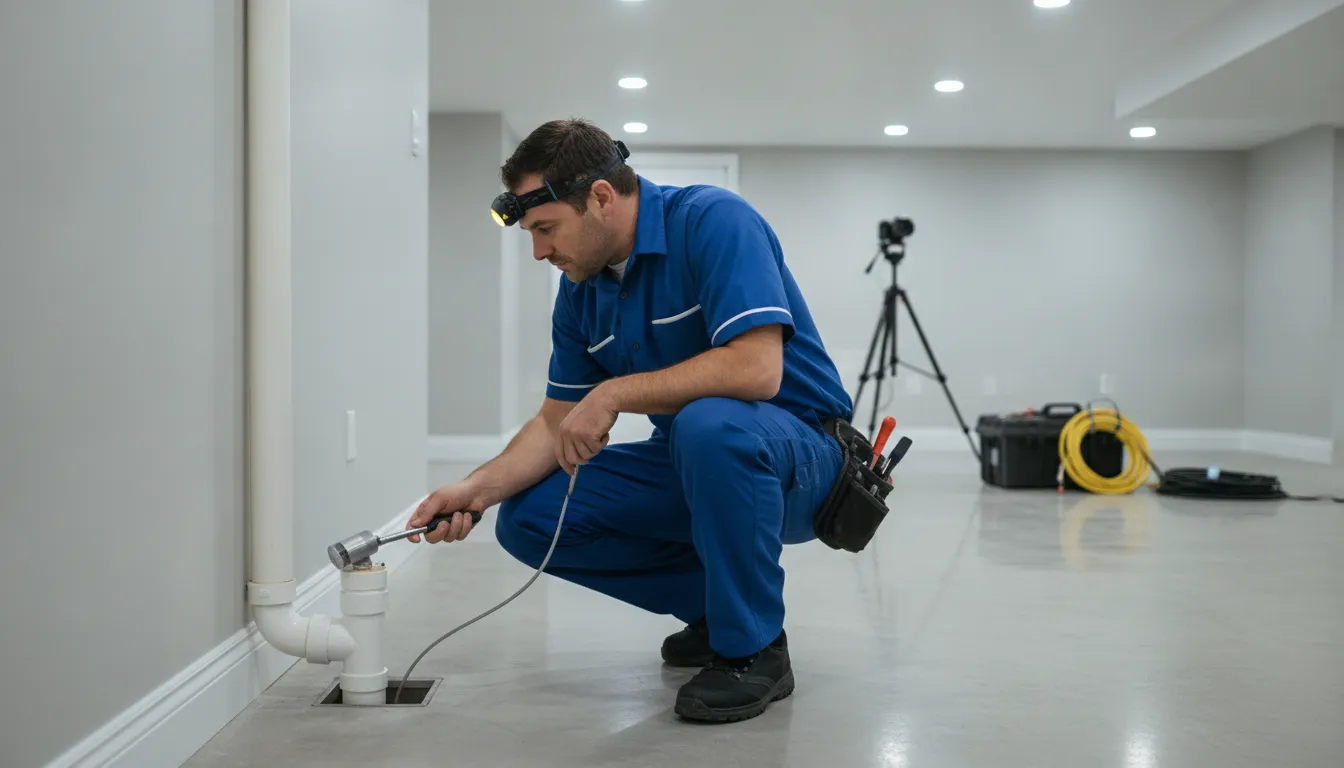


There’s a common belief that frozen pipes are only a problem for old, drafty houses. Unfortunately, that’s a dangerous myth. The truth is, any home, new or old, can fall victim to a frozen pipe if the conditions are right. A pipe running through an unheated crawlspace or along an exterior wall is at risk, regardless of your home’s age. Understanding the real risks and separating fact from fiction is the first step toward protecting your property. This article will debunk common myths and give you the practical, actionable advice you need to prevent a disaster. We’ll cover everything from safe thawing techniques to knowing when it’s time to call in a professional for frozen pipe repair Southfield MI homeowners can depend on.
Key Takeaways
- Prepare your pipes before winter arrives: Simple actions like insulating pipes in basements and crawl spaces, disconnecting garden hoses, and sealing air leaks are the most effective ways to prevent a costly plumbing emergency.
- Know the signs of a frozen pipe: A weak trickle of water, visible frost on exposed pipes, or unusual banging sounds are clear warnings. Acting on these signs right away is crucial to stop a pipe from bursting.
- Understand when to DIY and when to call for help: You can safely thaw an exposed pipe with gentle heat from a hairdryer, but never use a torch or open flame. If a pipe is cracked, bulging, or hidden in a wall, it’s time to call a professional immediately to avoid a disaster.
How to Tell If Your Pipes Are Frozen
Waking up to a frozen pipe is a homeowner’s nightmare, especially during a harsh Michigan winter. The key to preventing a small problem from turning into a catastrophic burst pipe is catching it early. But how do you know if a pipe is frozen before it’s too late? Your plumbing system will often give you a few warning signs. Paying attention to changes in your water flow, strange sounds, or even visible frost can help you act quickly. Here’s what to look for if you suspect your pipes are struggling with the cold.
Low Water Pressure or No Water at All
This is usually the first red flag. You turn on a faucet and instead of a steady stream, you get a weak trickle, or maybe nothing at all. If water is only trickling out, an ice blockage is likely forming inside the pipe, restricting the flow. A good first step is to check a few different faucets in your home. If the issue is only happening in one area, you can narrow down the location of the frozen pipe. Having no water is a serious issue, and if you can’t resolve it quickly, it might be time to call for emergency plumbing help to prevent a burst pipe.
Visible Frost on Pipes
Sometimes, your pipes will give you a very obvious clue. If you have exposed pipes in your basement, crawl space, or under a kitchen sink, take a look at them. If you can see your pipes, look for ice or frost on the outside. A layer of frost is a clear sign that the pipe’s surface is below freezing and the water inside is likely frozen solid. You might also notice condensation on the pipe, which indicates it’s extremely cold. This visual confirmation means you need to start the thawing process immediately. Proper pipe insulation is the best way to prevent this from happening in the first place.
Strange Noises from Your Plumbing
Your ears can be a great tool for detecting frozen pipes. When water flow is obstructed by ice, you might hear strange noises from the pipes, like banging, gurgling, or whistling sounds. These noises can be caused by water pressure building up behind the ice blockage or by the pipe itself contracting and expanding due to the extreme cold. Think of it as your plumbing system crying out for help. Don’t dismiss these sounds as your house just “settling.” They are often a direct warning of a frozen pipe that is under a great deal of stress and at risk of bursting.
Which Pipes Freeze First in Southfield Homes?
Knowing which pipes are most vulnerable can help you pinpoint a problem faster. As a rule, pipes in unheated areas are the most likely to freeze. This includes plumbing located in exterior walls with poor insulation, unheated basements, crawl spaces, attics, and garages. Outdoor hose bibs and water supply lines to swimming pools are also at high risk. When temperatures drop in Southfield, these are the first places you should check if you suspect a problem. If you find a frozen pipe in one of these areas, it’s a good idea to have a professional assess the situation and provide frozen pipe repair.
What Happens If You Ignore a Frozen Pipe?
It’s tempting to cross your fingers and hope a frozen pipe thaws on its own, especially when you have a million other things to worry about. Unfortunately, ignoring the problem is one of the biggest mistakes a homeowner can make during a Michigan winter. A frozen pipe isn’t just an inconvenience that leaves you without running water; it’s a ticking time bomb that can cause catastrophic damage to your home. When water freezes, it expands, creating intense pressure inside the pipe. If that pressure has nowhere to go, it can cause the pipe to split or burst, turning a simple issue into a full-blown disaster. Understanding the potential consequences makes it clear why acting fast is so important. From immediate water damage flooding your basement to long-term structural issues and mold, the risks are simply too high to wait and see what happens. When you suspect a pipe is frozen, it’s time to take action, not chances.
The Risk of Burst Pipes and Water Damage
You might remember from science class that water expands when it freezes. This simple fact is what makes a frozen pipe so dangerous. As ice forms inside the pipe, it creates immense pressure between the blockage and the faucet. If that pressure gets too high, the pipe can split or burst wide open. The result is often a sudden, massive flood. We’re talking about water pouring into your walls, soaking your floors, and ruining furniture and personal belongings. This isn’t a small leak; it’s an emergency plumbing situation that requires immediate attention to prevent your basement or living space from turning into an indoor swimming pool.
Long-Term Problems: Mold and Structural Damage
The damage from a burst pipe doesn’t stop once the water is shut off. Lingering moisture is a perfect breeding ground for mold, which can appear in as little as 24 to 48 hours. Mold not only causes a musty smell but can also pose health risks and be difficult to remove completely. Beyond mold, the water can cause serious structural damage. It can weaken drywall, warp wooden floors and support beams, and even compromise your home’s foundation over time. What started as a single frozen pipe can lead to weeks or months of complex and expensive repairs, often costing thousands of dollars to fix. Prompt frozen pipe repair is your best defense against these lasting headaches.
Does Homeowner’s Insurance Cover Frozen Pipe Damage?
This is one of the first questions homeowners ask, and the answer is: it depends. Most standard homeowner’s insurance policies do cover damage from a burst pipe, but there can be exceptions. For example, if the insurance company determines the pipe froze due to negligence, like leaving the house unheated during a vacation, they might deny the claim. It’s crucial to read your policy carefully to understand what is and isn’t covered. We always recommend calling your insurance agent to clarify the details of your specific plan. Knowing your coverage ahead of time can save you a lot of stress if you ever have to file a claim.
How to Safely Thaw a Frozen Pipe
Discovering a frozen pipe can be alarming, but if you catch it early, you might be able to thaw it yourself. The key is to work slowly and use gentle, even heat. Rushing the process or using the wrong tools can turn a simple fix into a major disaster. Before you do anything, make sure you can work safely and that the situation is manageable. If you see a significant bulge in the pipe or extensive freezing, it’s best to skip the DIY and call a professional right away.
First, Find the Frozen Section
Your first step is to locate the frozen blockage. Follow the pipe from the fixture back to the wall, looking for any visible signs of frost, condensation, or a slight bulge. The frozen area will likely be in an unheated part of your home, like a crawl space, basement, or along an exterior wall.
Once you’ve found the spot, shut off the water to that pipe using its specific shut-off valve or by turning off your home’s main water supply. Next, open the faucet connected to the frozen pipe (both hot and cold handles). This helps relieve pressure building up between the blockage and the faucet, giving the melting ice and steam a place to go.
Safe DIY Methods for Thawing Pipes
With the faucet open, you can begin to gently warm the frozen section of the pipe. Never start thawing at the center of the freeze; always begin near the faucet and work your way back toward the blockage. This ensures melting water can flow out freely.
Here are a few safe methods you can try:
- Hairdryer: Use a standard hairdryer on a low setting. Keep it moving back and forth along the pipe to distribute the heat evenly and avoid concentrating it on one spot.
- Heating Pad: Wrap an electric heating pad around the frozen pipe. It provides consistent, gentle warmth.
- Warm Towels: Soak towels in hot water, wring them out, and wrap them around the pipe. You’ll need to replace them frequently as they cool down.
If these methods don’t work or the pipe is in a hard-to-reach area, it may be time to call for professional frozen pipe repair.
What Never to Do When Thawing Pipes
What you don’t do is just as important as what you do. Using high, intense heat can cause the water inside to boil and turn to steam. The rapid pressure increase can easily cause the pipe to burst. For your safety and to prevent severe water damage, never use any of these methods to thaw a pipe:
- Propane torch or any open flame
- Kerosene or propane heater
- Welding torch
- Charcoal stove
These tools create a serious fire hazard and are almost guaranteed to damage your plumbing. Trying to speed up the process with extreme heat is one of the biggest mistakes a homeowner can make. If you’re facing a stubborn freeze, don’t risk it. Our team is always ready to provide emergency plumbing services to safely resolve the issue.
When to Call a Plumber for a Frozen Pipe
While it can be tempting to tackle a frozen pipe on your own, some situations are best left to the professionals. Knowing when to put down the hairdryer and pick up the phone can save you from a much bigger headache, like a burst pipe and major water damage. A frozen pipe isn’t just an inconvenience; it’s a serious plumbing problem that can quickly escalate. If you’re feeling unsure or the situation looks risky, trusting a professional is always the right call. A licensed plumber has the tools and experience to safely thaw your pipes, check for damage, and get your water flowing again without turning your home into an indoor swimming pool. They can also help you figure out why the pipe froze in the first place and suggest ways to prevent it from happening again.
Signs It’s Time to Call a Professional
If you notice a pipe is bulging or has a visible crack, stop what you’re doing and call a plumber immediately. These are clear signs that the pipe is under immense pressure and could burst at any moment. You should also call for help if the frozen pipe is hidden behind a wall or in a crawlspace that’s difficult to access. Trying to thaw a pipe you can’t see or reach is a recipe for disaster. Ultimately, if you’ve tried gentle thawing methods for a short time with no success, or if you simply don’t feel confident handling the issue, it’s time to bring in an expert. A professional can provide frozen pipe repair and inspect your plumbing for any hidden leaks or damage.
What to Expect When the Plumber Arrives
When a plumber from a trusted company like Mr. Pipey arrives, their first priority is safety. They will assess the situation to locate the frozen area and check for any immediate signs of a burst or cracked pipe. While their job is to resolve the freeze, their primary role is to prevent a catastrophe. If a leak is present, they will address that first. A plumber uses specialized equipment, like thermal cameras to find the blockage and professional-grade pipe thawing machines, which are much safer and more effective than DIY methods. After the pipe is thawed, they will thoroughly inspect it and the surrounding fittings to ensure everything is intact before restoring your water service.
How to Choose a Plumber in Southfield, MI
In a plumbing emergency, you need someone reliable, and you need them fast. Look for a local, family-owned company with deep roots in the community and a strong reputation for customer service. Check for a satisfaction guarantee, which shows the company stands behind its work. Reading reviews and asking for recommendations from neighbors can also point you toward a trustworthy plumber. A company that treats you like family, as we do here at Mr. Pipey, will be transparent about the process and pricing from the start. Choosing an established, professional service ensures the job is done right the first time, giving you peace of mind.
Why Quick Response Times Are Crucial
With a frozen pipe, every minute counts. The longer water remains frozen inside a pipe, the more pressure builds up, dramatically increasing the risk of a burst. What starts as a simple fix can quickly become a costly water damage restoration project. Water from a burst pipe can ruin floors, warp drywall, and lead to mold growth. That’s why having access to a plumber with fast, emergency plumbing services is so important. A quick response not only gets your water running again sooner but also minimizes the potential for expensive secondary damages. Don’t wait for the problem to get worse; a swift call to a professional can save you significant time, money, and stress.
What Does Frozen Pipe Repair Cost in Southfield, MI?
When you’re dealing with a frozen pipe, one of the first questions on your mind is probably, “How much is this going to cost?” In the Southfield area, the cost for frozen pipe repair can range from around $150 for a simple thaw to over $5,000 for a major burst pipe and water damage restoration. Most homeowners typically spend about $500.
This wide range exists because every situation is unique. The final price tag depends on the specific circumstances of your plumbing problem, from the location of the pipe to the extent of the damage. Understanding these factors can help you get a clearer picture of what to expect and avoid any surprises.
What Factors Influence the Cost?
Several key elements play a role in your final bill. Pipes that are hard to access, like those inside walls or underground, naturally require more labor to reach and repair. The material of the pipe also matters, as some are more expensive to replace than others. Of course, the biggest factor is the level of damage. Simply thawing a frozen pipe is far less expensive than repairing a pipe that has already burst and caused water damage to your floors, walls, or belongings. Labor rates in your area also contribute to the overall cost of a frozen pipe repair.
When Repair Costs Can Increase
If you find yourself with a burst pipe in the middle of the night or on a weekend, be prepared for the cost to go up. Calling for emergency plumbing services outside of standard business hours often comes with a premium charge, which can increase the cost by 20% to 50%. While nobody wants to pay extra, a rapid response is critical to prevent a small leak from turning into a catastrophic flood. The added cost of an emergency call is often much less than the cost of repairing extensive water damage later.
How to Manage Repair Costs
While it might be tempting to try a DIY fix, it’s important to know when to call in a professional. You might be able to safely thaw an exposed pipe yourself, but for anything more serious, professional help is the smartest and safest choice. A DIY repair on a burst pipe might fail, leading to even more damage. If you have recurring freezing problems or a leak behind a wall, a licensed plumber can diagnose the root cause and provide a lasting solution. Investing in a professional repair now can save you from much larger and more expensive problems down the road. If you’re unsure, it’s always best to contact a professional.
The Importance of Transparent Pricing
When you’re facing a stressful plumbing issue, the last thing you want is a surprise on your final bill. That’s why working with a company that offers clear, upfront pricing is so important. A trustworthy plumber will assess the situation and provide you with a detailed estimate before any work begins, so you know exactly what to expect. This commitment to transparency is a hallmark of a customer-focused business. It shows that the company values your trust and is dedicated to providing honest service, which is a core part of our family-owned philosophy.
How to Prevent Frozen Pipes: A Homeowner’s Checklist
An ounce of prevention is worth a pound of cure, especially when it comes to your home’s plumbing. Taking a few proactive steps before a cold snap hits Metro Detroit can save you from the headache and expense of a burst pipe. Think of this as your go-to checklist for winterizing your plumbing. These simple actions protect your pipes, give you peace of mind, and help you avoid a frantic call for emergency plumbing services on a frigid winter night. By making these tasks part of your annual fall routine, you can keep your home safe and your water flowing freely all season long.
Insulate Pipes in Unheated Spaces
Your first line of defense against the cold is insulation. Pipes running through unheated or poorly heated areas like basements, crawl spaces, attics, and garages are the most vulnerable to freezing. Wrapping these pipes creates a thermal barrier that keeps them closer to the ambient temperature of the water inside, rather than the frigid air outside. You can find pipe sleeves or foam insulation at most hardware stores. Proper pipe insulation is a small investment that delivers significant protection. If you’re unsure which pipes are at risk or how to install insulation correctly, our team can help identify vulnerable spots and get them properly protected.
Open Cabinet Doors, Close Garage Doors
Here’s a simple, no-cost trick that makes a big difference. On especially cold nights, open the cabinet doors under your kitchen and bathroom sinks. This allows the warm air from your home to circulate around the pipes, preventing them from getting cold enough to freeze. It’s particularly important for sinks located on an exterior wall. At the same time, make a habit of keeping your garage door closed. Even if your garage is unheated, keeping the door shut traps any residual heat and blocks wind, which can be just enough to protect water supply lines that might run through it.
Disconnect Hoses and Protect Outdoor Faucets
Before the first freeze, it’s critical to prepare your outdoor plumbing. Disconnect, drain, and store all garden hoses for the winter. If you leave a hose attached, water can get trapped inside and freeze, creating a pressure buildup that can travel back into the pipe inside your wall and cause a burst. After disconnecting the hose, protect the outdoor spigot itself with an insulated faucet cover. These are inexpensive and easy to install, providing an essential layer of protection against the harsh Michigan winter. This simple step can prevent a hidden leak that you might not discover until spring.
Keep Your Thermostat at a Consistent Temperature
While it might be tempting to lower your thermostat at night or when you’re away to save on heating bills, this can put your pipes at risk. A sudden drop in your home’s internal temperature can be all it takes for an uninsulated pipe to freeze. We recommend keeping your thermostat set to a consistent temperature, no lower than 55°F, throughout the day and night. The few extra dollars you might spend on heating are minimal compared to the potential cost and damage of repairing a frozen and burst pipe. Consistent warmth is one of the most reliable ways to keep your entire plumbing system safe.
Seal Air Leaks Around Your Home
Even a small draft can introduce enough cold air to freeze a nearby pipe. Take some time to inspect your home’s exterior, foundation, and basement for any cracks or openings that could let cold air in. Pay close attention to areas where utility lines or pipes enter the house. Use caulk or spray foam to seal these gaps and prevent drafts from reaching your plumbing. Sealing air leaks not only helps protect your pipes but also improves your home’s overall energy efficiency, which can help lower your heating bills. It’s a win-win that keeps your home warmer and your plumbing safer.
Is Pipe Insulation a Good Investment for Metro Detroit Winters?
Let’s get straight to the point: yes, absolutely. When you live in a place like Metro Detroit, where winters can be unforgiving, thinking ahead is your best defense against plumbing emergencies. Pipe insulation is one of the most effective and affordable ways to protect your home from the chaos of a frozen and burst pipe. Think of it as a cozy winter jacket for your plumbing system. It’s a small, proactive investment that can save you from the massive headache and expense of water damage, emergency repairs, and the loss of precious belongings.
While we’re always here to help when disaster strikes, our goal as a family-owned company is to help you avoid those stressful situations in the first place. Adding insulation is a simple step that significantly reduces the risk of your pipes freezing when the temperature plummets. It helps keep the water inside your pipes just above freezing, even in the coldest parts of your home. Investing a little in pipe insulation now is far better than dealing with the aftermath of a burst pipe later. It’s a smart move for your home and your peace of mind.
Choosing the Right Pipe Insulation
When you walk down the aisle at a hardware store, the options for pipe insulation can feel a bit overwhelming. The most common types you’ll see are foam sleeves and fiberglass wraps. Foam sleeves are easy to install on straight, accessible pipes, while fiberglass is more flexible for bends and tight spots. For pipes that are especially prone to freezing, you might also consider heat tape or heat cables. This product acts like a small, electric blanket for your pipes, providing a steady, low level of warmth. If you’re unsure what’s best for your home’s specific needs, we can help you find the right solution for your frozen pipe prevention plan.
Key Areas in Your Home to Insulate
To get the most out of your insulation efforts, you need to focus on the pipes that are most at risk. These are typically the ones running through unheated or poorly insulated areas of your home. Pay close attention to pipes in your basement, crawl spaces, attic, and garage. Any pipes located along an exterior wall are also prime candidates for freezing. A simple, no-cost trick is to open the cabinet doors under your kitchen and bathroom sinks during a cold snap. This allows the warmer air from your home to circulate around the pipes, giving them extra protection. Taking these small steps can make a huge difference in keeping your plumbing system running smoothly all winter long.
Don’t Believe These Common Frozen Pipe Myths
When a Michigan winter hits, advice about frozen pipes starts flying around. While your friends and neighbors mean well, a lot of common “wisdom” is actually incorrect and can lead to bigger problems. It’s important to separate fact from fiction to keep your home safe and your plumbing intact. Let’s clear the air and bust a few of the most persistent myths about frozen pipes.
Myth: A Frozen Pipe Always Bursts
It’s easy to think that once a pipe freezes, a burst is inevitable. Thankfully, that’s not always the case. The real danger isn’t the ice itself, but the intense water pressure that builds up between the ice blockage and a closed faucet. As water freezes, it expands, and that pressure needs somewhere to go. While some pipes can withstand the strain, many can’t. If you suspect a freeze, it’s a race against pressure. Acting quickly can prevent a minor issue from turning into a major flood, which is why having a plan for emergency plumbing is so important for homeowners.
Myth: Thawing Pipes Is an Easy DIY Project
You might see online tutorials suggesting you can thaw a pipe with a hairdryer or space heater. While these methods can work, they are slow and often ineffective for pipes inside walls. The real danger comes from using anything with an open flame, like a propane torch. Applying intense, direct heat can cause the water inside to boil and turn to steam, creating a rapid pressure spike that can easily burst the pipe. It also creates a serious fire hazard. The safest and most effective approach is to call a professional for frozen pipe repair, as they have the right tools to thaw your pipes safely without risking damage to your home.
Myth: Only Old Homes Have Frozen Pipes
While older homes can have plumbing that’s more vulnerable, frozen pipes can happen in any house, regardless of its age. The problem isn’t how old your home is, but where the pipes are located and how well they are insulated. Pipes running through unheated areas like crawl spaces, basements, attics, or along exterior walls are at risk in any home, new or old. Even new construction can have uninsulated spots. The best defense for any home is proper pipe insulation, which creates a thermal barrier to protect your plumbing from frigid temperatures.
Myth: A Dripping Faucet Is a Foolproof Solution
Letting a faucet drip is a common piece of advice, and it can certainly help. The moving water makes it harder for ice to form, and the open faucet provides an escape route for pressure if a blockage does occur. However, it’s not a guaranteed fix. In a deep freeze, a slow drip might not be enough to stop a pipe from freezing solid. Its effectiveness also depends on your home’s specific plumbing layout. Think of it as one helpful step in a larger prevention strategy, not a standalone solution. For complete peace of mind, a comprehensive approach to your home’s plumbing services is always the best bet.
Related Articles
- Need a 24 Hr Emergency Plumber? Read This First
- Pipe Insulation & Repair in Birmingham Hills | Mr. Pipey® Plumbing
- Repair a Copper Pipe Leak: A Step-by-Step Guide
- 7 Signs You Need an Emergency Plumber Now
Frequently Asked Questions
My pipe is frozen, but it’s located behind a wall. What should I do? If you suspect a pipe is frozen inside a wall, your best and safest move is to call a professional plumber right away. Trying to thaw a pipe you can’t see is risky because you can’t check for bulges or cracks that signal an imminent burst. Plus, applying heat to a wall surface can be a fire hazard. A plumber has specialized tools, like thermal imaging cameras, to locate the exact spot of the freeze and thaw it safely without causing damage to your home.
Is it okay to just wait for a frozen pipe to thaw on its own when the weather warms up? Waiting it out is a huge gamble that we never recommend. The real danger of a frozen pipe isn’t the ice itself, but the incredible water pressure that builds up between the blockage and the closed faucet. The longer you wait, the more pressure builds, and the higher the risk that the pipe will split or burst. Acting quickly is your best defense against turning a simple freeze into a major flood.
I let my faucet drip during the cold snap, but the pipe still froze. Why didn’t that work? Letting a faucet drip is a good preventative step, but it isn’t a foolproof solution. The idea is that moving water is harder to freeze, and an open faucet gives pressure a place to escape. However, during a deep freeze or in a poorly insulated area, a slow drip might not be enough to stop ice from forming. It’s best to think of a dripping faucet as one tool in your toolbox, which should also include proper insulation and sealing air leaks.
What’s the single most effective thing I can do to prevent my pipes from freezing in the first place? Without a doubt, the most effective preventative measure is to insulate any vulnerable pipes. This is especially important for plumbing that runs through unheated or uninsulated spaces like basements, crawl spaces, attics, and garages. Pipe insulation is an affordable and straightforward way to create a thermal barrier that protects your pipes from frigid air, and it’s an investment that can save you thousands in potential repair costs.
Will my homeowner’s insurance automatically cover damage from a burst pipe? Not necessarily. While most standard policies do cover sudden and accidental water damage from a burst pipe, coverage can be denied if the insurance company finds that the freeze was due to homeowner negligence. For instance, if you went on vacation and turned the heat completely off, they might not cover the claim. It’s always a good idea to read your policy carefully or call your agent to understand the specifics of your coverage before you have a problem.