
When you suspect a frozen pipe, your first instinct might be to grab a hairdryer and try to fix it yourself. Sometimes, a little gentle heat on an exposed pipe can work. But what happens when the pipe is hidden in a wall, or when you’re not even sure where the blockage is? Trying to thaw a pipe without the right knowledge can be risky, potentially turning a simple freeze into a full-blown burst and a flooded basement. It’s crucial to know the difference between a simple fix and a situation that requires a professional. This article will help you assess the problem, understand the dangers of a DIY attempt, and recognize the clear signs that it’s time to call for professional frozen pipe repair in Pontiac, MI.
Key Takeaways
- Identify a frozen pipe early: Look for the key symptoms, including no water from the faucet, visible frost on pipes, and strange gurgling sounds or smells coming from your drains.
- Take simple steps to prevent a freeze: Protect your plumbing before cold weather hits by insulating pipes in basements and crawl spaces, sealing air leaks, and disconnecting your outdoor garden hoses.
- Don’t hesitate to call a professional: If you suspect a pipe has burst or you cannot easily thaw the frozen area yourself, calling an expert is the safest choice to avoid significant water damage and costly repairs.
Are Your Pipes Frozen? 3 Telltale Signs
Waking up to a plumbing problem on a cold Michigan morning is never ideal. Sometimes, the issue is obvious, like a puddle on the floor, but other times, your plumbing system sends subtle hints that something is wrong. When temperatures in Pontiac plummet, it’s smart to pay close attention to your pipes, especially those in vulnerable areas like basements, crawl spaces, or along exterior walls. A frozen pipe isn’t just an inconvenience that stops your morning shower; it’s a ticking time bomb. As water freezes, it expands, putting immense pressure on the pipe from the inside. This pressure can easily lead to a crack or a full-blown burst, causing significant water damage to your home’s structure, drywall, and belongings.
Recognizing the early warnings can save you a lot of stress and money down the road. If you suspect a freeze, you don’t have to wait for a disaster to happen. By looking for a few key indicators, you can catch the problem before it gets worse. From a faucet that won’t run to strange noises coming from your walls, your home will often tell you when there’s an ice blockage. Learning to spot these signals is the first step in protecting your home. Here are the three most common signs that you’re dealing with frozen pipes.
No Water (or Just a Trickle) From Your Faucet
This is often the first and most obvious sign of a frozen pipe. You turn the handle on your kitchen or bathroom sink, and nothing comes out, or you only get a weak trickle of water. When water inside a pipe freezes, it creates a solid ice blockage, preventing any more water from flowing through. If you experience this, try checking other faucets in your house. If the problem is isolated to one area, the frozen pipe is likely nearby. If none of your faucets are working, you could have a more widespread issue. In either case, it’s a clear signal that you need to address your frozen pipes before the pressure builds up and causes a burst.
Visible Frost on Your Pipes
Sometimes, you can see the problem with your own eyes. Take a look at any pipes that are exposed, especially those in unheated areas like your basement, crawl space, or under a kitchen cabinet. If you see a layer of frost or ice on the exterior of a pipe, it’s a definite warning sign. This frost indicates that the pipe’s surface temperature is below freezing, and the water inside has likely frozen solid. A frosty pipe is a pipe in distress. Taking action quickly is key, and improving your pipe insulation is a great long-term solution to prevent this from happening again. Don’t ignore this visual cue; it’s a direct confirmation that you have a frozen pipe.
Strange Sounds or Smells Near Drains and Faucets
Your ears and nose can also alert you to a frozen pipe. You might hear unusual gurgling, banging, or clanking sounds when you turn on a faucet. These noises are often caused by water trying to force its way around an ice blockage, which creates abnormal pressure inside the plumbing system. You might also notice strange smells coming from your drains. When a pipe is blocked with ice, it can trap sewer gas that would normally flow out of your home, causing unpleasant odors to back up into your sink or shower. These signs are serious, as they can point to a pressure buildup that may require emergency plumbing services to prevent a burst.
Why Are Pontiac Homes at High Risk for Frozen Pipes?
Living in Michigan, we all know how brutal the winters can be. But it’s not just the snow and ice that we have to worry about. The freezing temperatures put our homes, especially our plumbing, under serious strain. In Pontiac, a combination of our climate, the age of our homes, and specific housing types creates a perfect storm for frozen and burst pipes. Understanding these risks is the first step in protecting your home from costly water damage this winter.
Michigan’s Harsh Winters and Freeze-Thaw Cycles
It’s no secret that Michigan winters are intense. When the temperature plummets, the risk to your plumbing skyrockets. As one local report noted, “Frigid temperatures are creating plumbing problems across Mid-Michigan, with pipes bursting, water damage and broken water lines affecting homeowners.” The real danger often comes from the freeze-thaw cycle. Water expands when it freezes, putting immense pressure on your pipes. When the ice thaws, the pressure releases, but the pipe may already be weakened. This repeated stress can lead to cracks and, eventually, a burst pipe and a flooded basement. If you suspect your pipes are already feeling the effects of the cold, it’s crucial to get professional help for frozen pipe repair before a small issue becomes a major disaster.
Common Culprits: Unheated Spaces, Older Pipes, and Poor Insulation
Many homes in Pontiac have unique characteristics that make them more vulnerable. Older houses, for instance, often have pipes running through unheated spaces like basements, crawl spaces, or attics with poor insulation. These areas can get almost as cold as the outdoors, leaving your pipes completely exposed. According to one expert, “many of Pontiac’s older homes with basements face recurring risks of basement flooding and aging infrastructure.” If your pipes are located in these chilly spots without proper protection, they are prime candidates for freezing. Investing in professional pipe insulation is one of the most effective ways to safeguard these vulnerable areas and prevent a winter plumbing emergency.
The Unique Risks for Mobile Homes
Mobile homes face a distinct set of challenges during Pontiac’s winters. Because they are elevated, cold air can circulate freely underneath, directly exposing the plumbing system to freezing temperatures. As one plumber explained, “air can more easily get under mobile homes where plumbing and pipes are located, which can cost homeowners thousands of dollars if pipes freeze.” This exposure means that without extra precautions like skirting and heat tape, the pipes in a mobile home can freeze much faster than those in a traditional house. If you live in a mobile home, it’s essential to be extra vigilant. A frozen pipe can quickly turn into a burst pipe, making it an emergency plumbing situation that requires immediate attention.
How to Prevent Frozen Pipes This Winter
The best way to deal with a frozen pipe is to prevent it from ever happening. A burst pipe can cause thousands of dollars in water damage, not to mention the stress and disruption to your life. Thankfully, taking a few preventative steps before the temperature plummets can protect your home and give you peace of mind all winter long. These proactive measures are simple, cost-effective, and can save you from a major plumbing emergency.
Insulate Pipes in Your Basement, Attic, and Crawl Space
Your first line of defense against the cold is insulation. Pipes located in unheated or poorly insulated areas of your home, like the basement, attic, or crawl space, are the most vulnerable to freezing. You can find foam pipe sleeves or fiberglass insulation wrap at most hardware stores, and they are fairly easy to install yourself. The more insulation you use, the better protected your pipes will be. If you have pipes in tricky-to-reach spots or you’re just not sure where to start, getting a professional opinion is a great idea. Our team can help you identify at-risk areas and provide expert pipe insulation to keep your plumbing safe.
Seal Air Leaks to Keep the Cold Out
Even a small draft can be enough to freeze a pipe when temperatures drop below freezing. Take some time to inspect your home for air leaks, especially in areas where pipes are located. Check around windows, dryer vents, and any gaps around pipes or wiring that enter your home from the outside. Use caulk or spray foam insulation to seal these cracks and keep the cold air out. This simple step not only helps prevent frozen pipes but can also make your home more energy-efficient, which is a nice bonus for your heating bill. It’s a small effort that delivers significant protection against the harsh Michigan winter.
Keep Your Heat Consistent and Let Faucets Drip
Maintaining a consistent temperature inside your home is key. While it might be tempting to lower the thermostat at night or when you’re away, a sudden drop in temperature can put your pipes at risk. During a severe cold snap, it’s best to keep your heat set to a steady temperature, day and night. For extra protection, let faucets connected to vulnerable pipes drip slowly. A trickle of both hot and cold water is often enough to keep water moving and prevent it from freezing. You can also open cabinet doors under sinks on exterior walls to allow warmer air to circulate around the plumbing.
Winterize Your Outdoor Hoses and Faucets
Don’t forget about your outdoor plumbing. Before the first freeze, you need to disconnect all garden hoses from your outdoor faucets, or spigots. Water trapped inside a hose can freeze and expand, creating a blockage that can travel back into the connecting pipe and cause a burst inside your wall. After disconnecting the hose, find the indoor shut-off valve for your outdoor faucets, turn it off, and then open the outdoor spigot to drain any remaining water from the pipe. This simple fall chore is one of the most effective ways to prevent a costly frozen pipe repair come winter.
When Is It Time to Call a Professional?
It’s tempting to try and fix a frozen pipe on your own, and sometimes, a little patience and gentle heat can do the trick. But there’s a fine line between a minor inconvenience and a major disaster waiting to happen. Knowing when to put down the hairdryer and pick up the phone is key to protecting your home from serious damage. If you’re seeing specific warning signs or you’re just not comfortable with the situation, trusting a professional is always the smartest and safest choice. It’s about more than just getting the water running again; it’s about ensuring the job is done right without risking a burst pipe and the costly mess that follows.
Signs You’re Dealing with More Than a Simple Freeze
A few key signs tell you it’s time to get an expert involved. The most obvious is when you turn on a faucet and nothing comes out, or you only get a weak trickle. This indicates a potential freeze somewhere in the line. Another clear warning sign is visible frost on the exterior of an exposed pipe under a sink or in the basement. If you suspect a pipe has already burst, you need to act fast. Immediately find your home’s main water shut-off valve and turn it off, but leave the faucets open to relieve pressure. At this point, your next step should be to call for professional frozen pipe repair.
The Dangers of Delaying a Professional Repair
Waiting to call for help when you have a frozen pipe can be a costly mistake. A burst pipe isn’t just a leak; it can release gallons of water per minute, leading to severe water damage, mold growth, and even harm to your home’s structural integrity. Property losses from these incidents often average more than $10,000, and the repairs can take weeks or even months to complete. If you can’t find the frozen area, can’t thaw it safely, or suspect a pipe has already burst, delaying the call only makes the problem worse. This is the exact moment when you need emergency plumbing services to prevent a small issue from becoming a full-blown catastrophe.
What to Expect from a Professional Pipe Repair
Calling a plumber for a frozen pipe can feel stressful, but knowing what to expect can make the process much smoother. When you call a professional, you’re not just getting a quick fix; you’re getting a trained expert who can safely resolve the issue and help prevent it from happening again. A professional plumber will assess the situation, explain your options clearly, and get to work with the right tools for the job. From carefully thawing the pipe to repairing any damage, their goal is to restore your plumbing with minimal disruption and give you peace of mind. They understand the urgency and the potential for damage, so they work efficiently to protect your home.
Safe and Professional Pipe Thawing Techniques
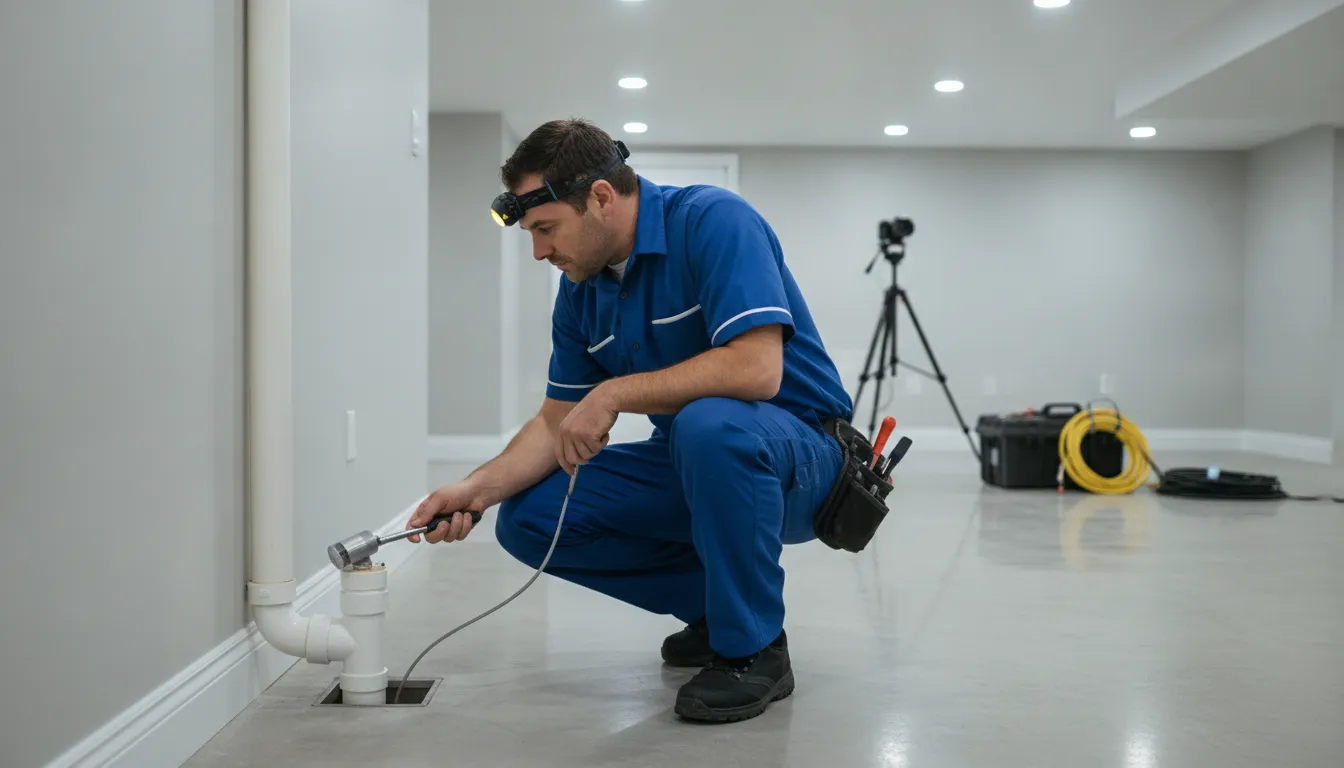
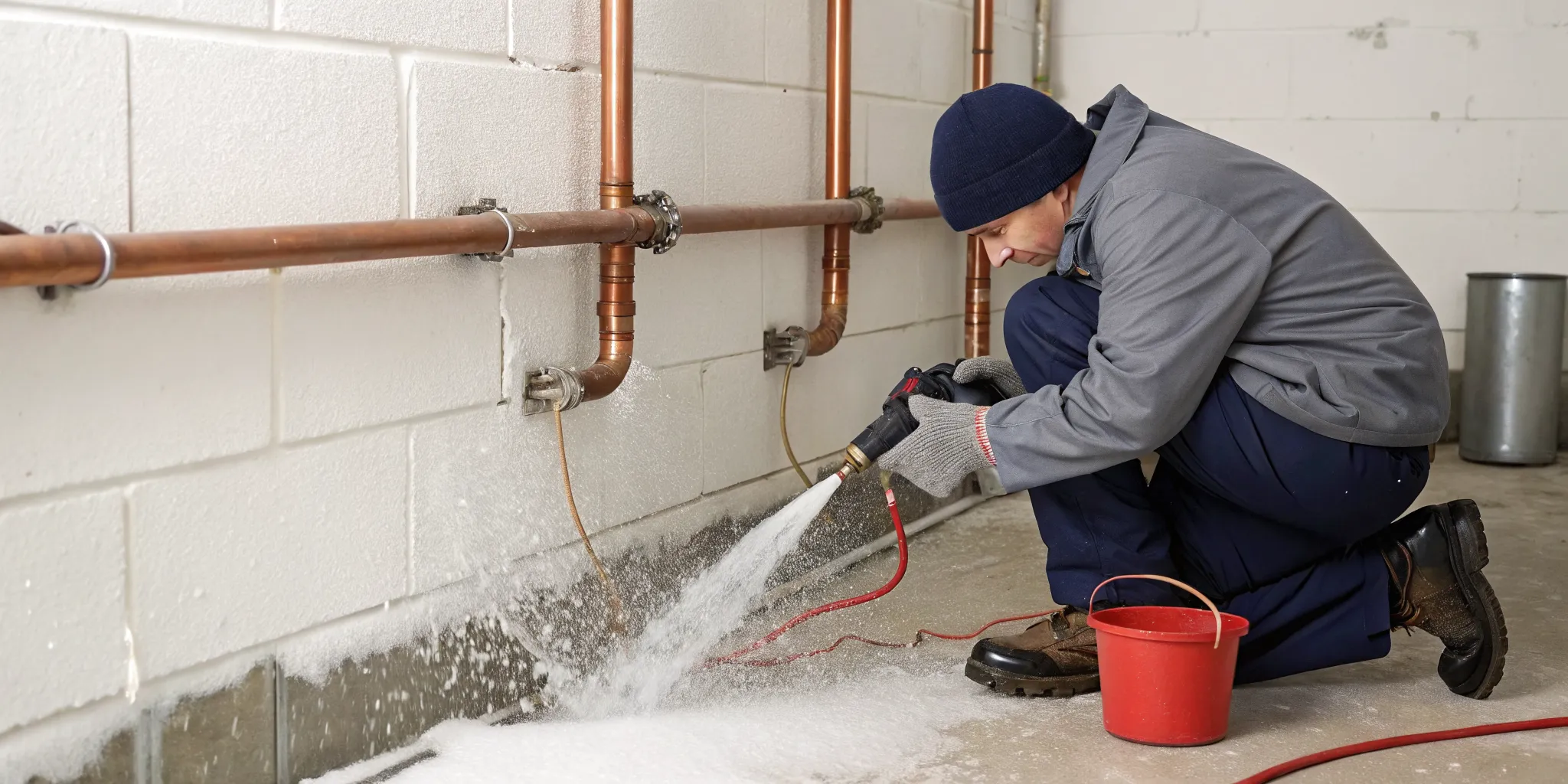
The first thing a professional will do is locate the frozen section of the pipe. While you might be able to thaw a visible, lightly frozen pipe with a hairdryer, a plumber has specialized equipment for blockages that are hidden or more severe. They use safe thawing techniques, like applying heating cables or using a targeted warm air blower, to gently raise the temperature of the pipe. This controlled approach is crucial because thawing a pipe too quickly can cause it to crack or burst. A professional frozen pipe repair service ensures the ice melts slowly and evenly, protecting your plumbing system from further damage. They will never use an open flame, which is incredibly dangerous and can damage your pipes or even start a fire.
Repairing or Replacing a Burst Pipe
If the pipe has already burst, the situation becomes an emergency. A professional plumber will immediately turn off the water at the main shut-off valve to stop any flooding. When water freezes, it expands, which can lead to cracks, leaks, or full pipe bursts. The plumber will then inspect the pipe to determine the extent of the damage. For small cracks, a simple repair might be possible. For a full burst, they will need to cut out the damaged section and replace it. The complexity of the repair often depends on the pipe’s location; a burst pipe in an accessible basement is much easier to fix than one hidden inside a wall. In any case, a professional ensures the new section is installed correctly for a lasting, leak-free solution.
Installing New Insulation to Prevent Future Problems
A great plumber doesn’t just solve the immediate problem; they help you avoid a repeat performance next winter. After the pipe is thawed and repaired, the final step is prevention. According to restoration experts, pipe insulation is one of the most effective ways to protect against freezing. Your plumber can recommend and install the best type of insulation for vulnerable pipes in your attic, crawl space, or basement. They will also check for and seal any air leaks that let cold air reach your pipes. This proactive step is a small investment that provides significant protection against future freezes and costly repairs, keeping your home safe and your mind at ease through Michigan’s cold winters.
Understanding the Cost of Frozen Pipe Repair in Pontiac
When you’re dealing with a frozen pipe, the last thing you want is a surprise bill. The cost of a repair can feel like a big unknown, but it doesn’t have to be. While every situation is unique, understanding the key factors that go into the final price can help you feel more prepared. Let’s break down what you can expect when it comes to the cost of a professional frozen pipe repair in the Pontiac area.
What Factors Influence the Final Cost?
The price for a frozen pipe repair isn’t one-size-fits-all. Several things can affect the final quote. The biggest factor is the location and accessibility of the pipe. A frozen pipe in an open basement is much easier and less expensive to address than one hidden behind a finished wall. The extent of the damage also plays a huge role. A simple, contained freeze that just needs thawing will cost less than a pipe that has burst and caused water damage. The type of pipe material (like copper or PEX) can also influence the cost of materials and labor for the frozen pipe repair.
A Look at Typical Repair Costs
While it’s impossible to give an exact price without seeing the problem, we can look at some typical ranges. For a straightforward thawing service on an easily accessible pipe, you might expect to pay between $150 and $400. If the pipe has burst, the repair itself could range from $400 to over $1,000, depending on the complexity. When you factor in severe damage and extensive water cleanup, costs can climb higher. The best way to get an accurate number is to have a professional plumber assess the situation. We always provide clear, upfront pricing before any work begins, so you know exactly what to expect.
Will Your Homeowners Insurance Cover It?
This is a great question, and the answer is often yes. Most standard homeowners insurance policies do cover water damage from a burst pipe, which can be a huge relief. However, there’s a catch. Coverage usually depends on you having taken reasonable steps to prevent the pipes from freezing, like keeping your heat on. It’s always a good idea to pull out your policy or call your agent to confirm your specific coverage details. Dealing with insurance can be a hassle, but it’s worth it, especially since property losses from burst pipes can be significant. We’re happy to provide any documentation you need for your claim.
Finding the Right Plumber for Frozen Pipes in Pontiac
When you realize you have a frozen pipe, the last thing you want is the added stress of finding a reliable plumber. You need someone who can get to your Pontiac home quickly, handle the job correctly, and treat you with respect. Making the right choice not only solves the immediate problem but also prevents future headaches and costly damage. A great plumber will offer peace of mind during a frantic time, ensuring your home is in good hands.
The key is to know what to look for before you even make the call. A little preparation can help you sort through the options and find a true professional you can depend on, especially when you’re dealing with an emergency. From checking credentials to understanding their approach to customer service, vetting your plumber is a crucial step in protecting your home and your wallet.
What to Look for in a Plumbing Professional
When you’re searching for a plumber to handle a frozen pipe, focus on a few key qualifications. First, always confirm they are licensed and insured. This is non-negotiable, as it protects you from liability and ensures the plumber meets professional standards. A reputable company will also have a history of positive customer reviews and be transparent about their pricing from the start. You shouldn’t have to guess what the final bill will be. Look for a team that offers clear, upfront cost estimates so you can make an informed decision without any surprises. A company that stands by its work with a satisfaction guarantee shows confidence in its service and a commitment to its customers.
Why Metro Detroit Trusts Mr. Pipey for Frozen Pipe Repair
Living in Michigan means we’re no strangers to harsh winters, and frozen pipes are an unfortunate reality for many homeowners. These situations can quickly become expensive emergencies if not handled properly. That’s why so many people in Pontiac and across Metro Detroit trust our team at Mr. Pipey. We specialize in frozen pipe repair and understand the urgency of the situation. As a family-owned business, we treat every customer’s home like our own. We combine expert technical skill with a genuine commitment to your satisfaction, ensuring we not only fix the problem but also provide a lasting solution. Our licensed and insured professionals are here to give you the reliable, cost-effective service you deserve.
Related Articles
- Need a 24 Hr Emergency Plumber? Read This First
- Pipe Insulation & Repair in Birmingham Hills | Mr. Pipey® Plumbing
- 7 Signs You Need an Emergency Plumber Now
- DIY Pipe Leak Repair: Your Step-by-Step Guide
- Repair a Copper Pipe Leak: A Step-by-Step Guide
Frequently Asked Questions
What’s the very first thing I should do if I suspect a pipe is frozen? First, don’t panic. If you turn on a faucet and only a trickle comes out, try checking other faucets in your home. If the issue is only with one, the frozen pipe is likely close by. Leave that specific faucet open, since running water and relieving pressure can help the thawing process. If the pipe is exposed (for example, under a sink) and you feel comfortable, you can try warming it gently with a hairdryer. If you can’t find the frozen area or you’re not sure what to do, your best next step is to call a professional.
Is it safe to try and thaw a frozen pipe myself? It can be, but only under specific circumstances. If you can see the frozen pipe, it’s easily accessible, and the freeze seems minor, using a hairdryer on a low setting is a safe approach. However, you should never use an open flame like a blowtorch or propane heater, as this is a serious fire hazard and can damage your pipes. If the frozen pipe is hidden inside a wall or you can’t locate the blockage, it’s much safer to call a plumber. They have the right tools to thaw the pipe without risking a burst.
My pipe burst! What are the immediate steps I need to take? If you’re facing a burst pipe, you need to act quickly to minimize water damage. Your first and most important step is to find your home’s main water shut-off valve and turn it off immediately. This will stop the flow of water. After you’ve shut off the water, leave the faucets open to help drain the system and relieve any remaining pressure. Once you’ve done that, call for emergency plumbing services right away.
I let my faucet drip during the cold snap, but a pipe still froze. Why didn’t it work? Letting a faucet drip is a great preventative measure, but it isn’t always foolproof, especially during a severe Michigan cold spell. A slow drip might not be enough to stop a freeze if the pipe is in a very cold, uninsulated area or is directly exposed to a draft. This is why a layered approach is so important. Combining a dripping faucet with proper pipe insulation and sealing air leaks around your home gives you the most effective protection against a freeze.
If a plumber has to cut into my wall to fix a burst pipe, who repairs the drywall? This is a very practical question. A plumber’s expertise is in fixing the pipe itself. They will make the necessary cuts into the wall to access and repair the plumbing. However, repairing the drywall, painting, and any other restorative work is typically handled by a separate contractor or a handyman. While we focus on ensuring your plumbing is working perfectly, we can often recommend trusted local professionals who can help you with the restoration process.