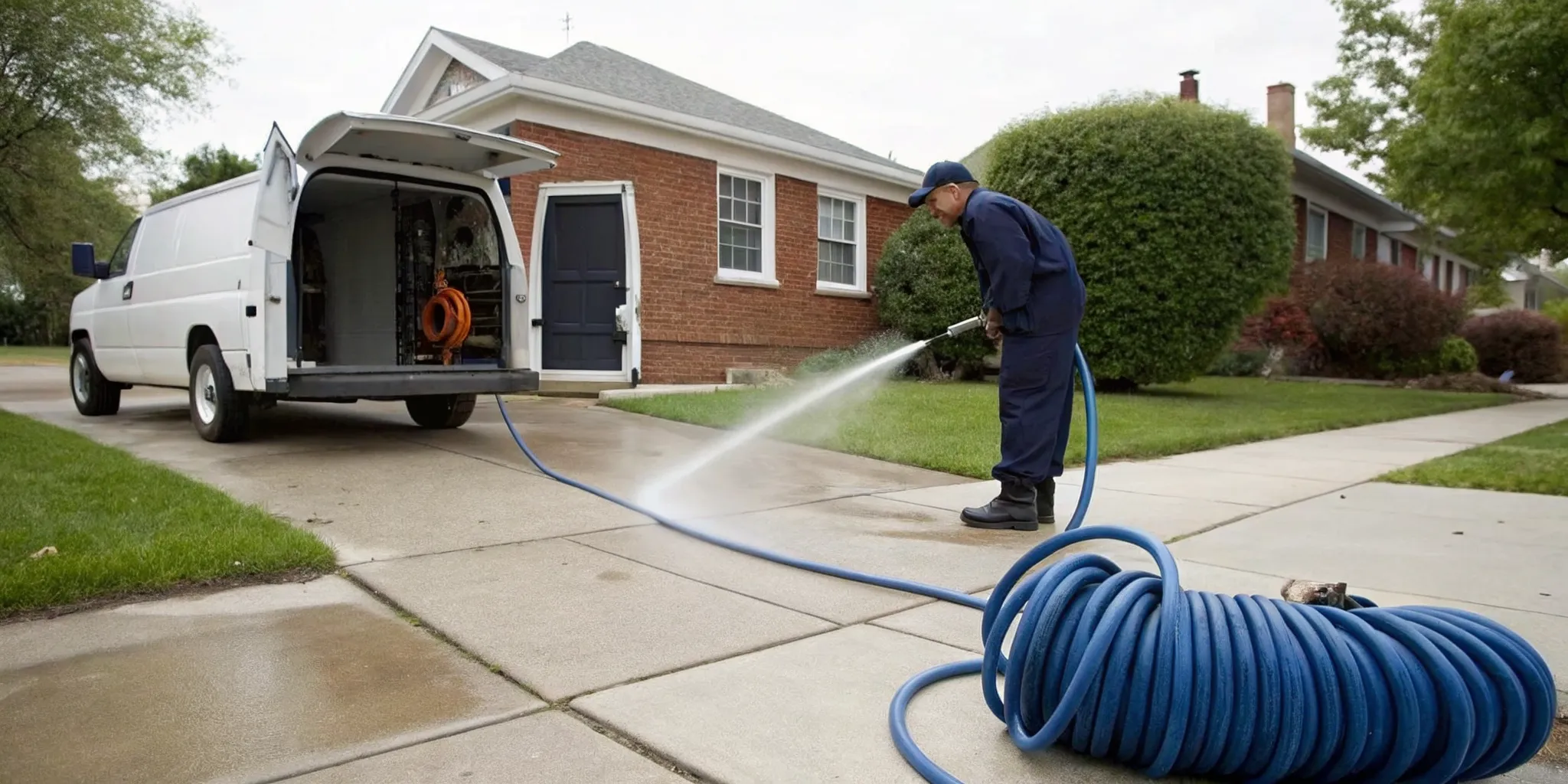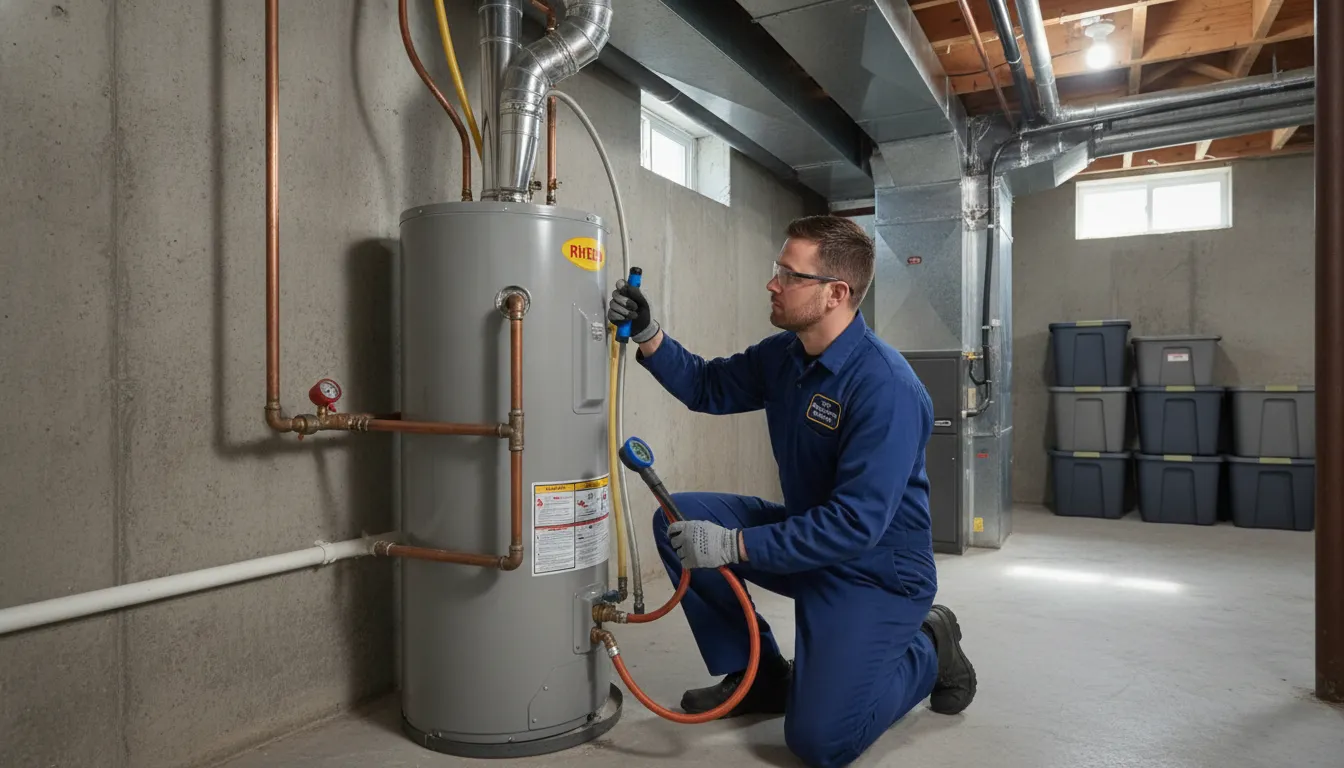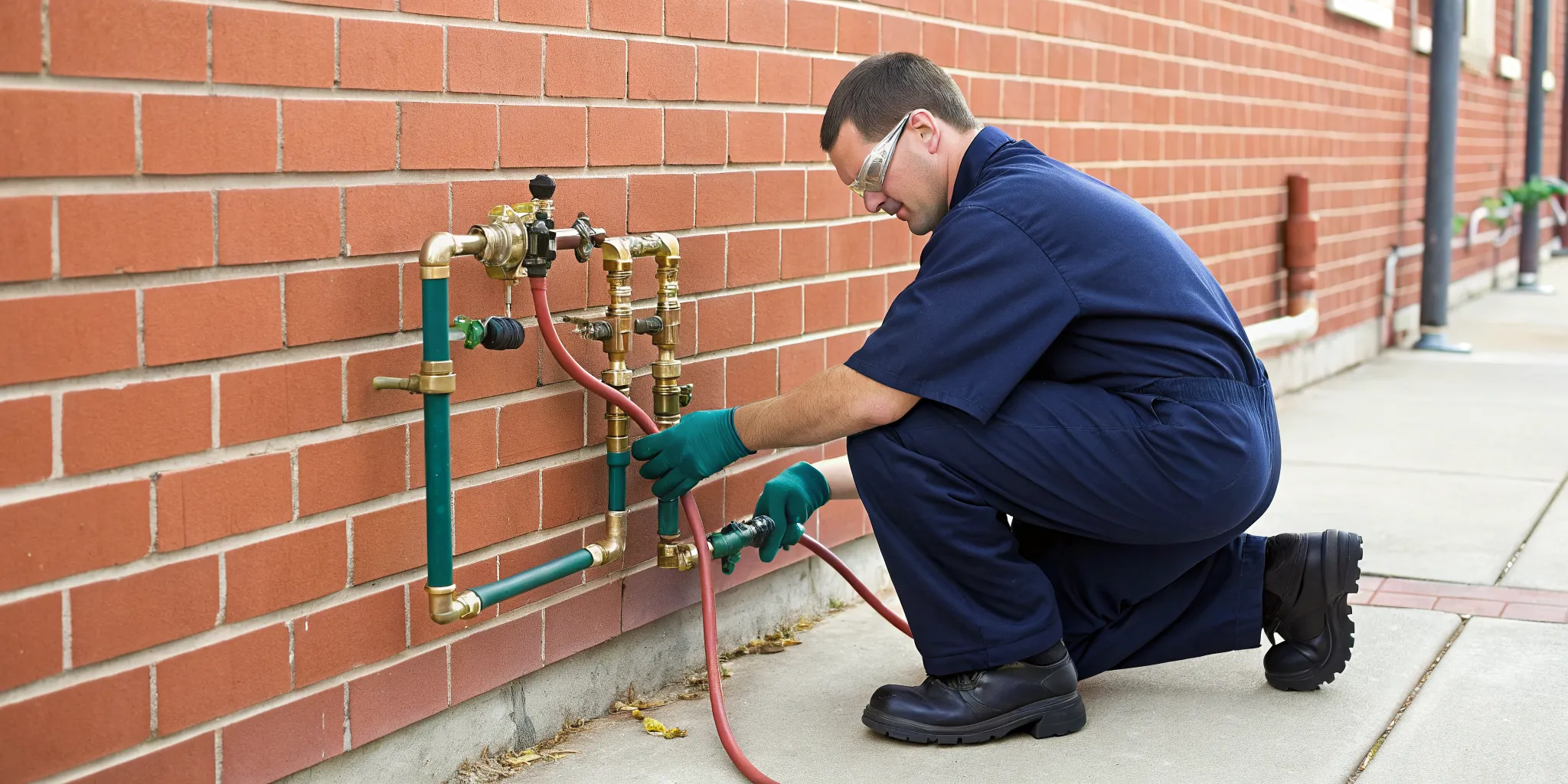


As homeowners in Oak Park, we know that a Michigan winter demands respect. The bitter cold doesn’t just chill us to the bone; it puts our homes’ plumbing systems to the test. A frozen pipe isn’t just a problem; it’s a call to action. Whether you live in a historic home with older plumbing or a newer build with hidden vulnerabilities, knowing how to respond is key. This guide is designed for our community, offering practical advice to protect your property from the specific challenges we face. We’ll cover everything from prevention to what to do when you need immediate, trustworthy frozen pipe repair Oak Park MI, helping you keep your home safe and dry all winter long.
Key Takeaways
- Proactive prevention is your best defense: The easiest way to handle a frozen pipe is to stop it from happening in the first place. Simple actions like insulating pipes in cold areas and sealing air leaks are small investments that prevent a stressful and expensive emergency.
- Pay attention to your home’s warning signs: Your plumbing will often give you clues before a pipe bursts. A sudden drop in water pressure, visible frost on a pipe, or strange gurgling sounds are urgent signals that you need to act fast to avoid a bigger problem.
- Understand your limits with DIY thawing: While you can sometimes thaw an accessible pipe with gentle heat, you should call a professional if the pipe is inside a wall, shows any signs of cracking, or if your efforts aren’t working. The risk of causing a burst pipe and major water damage is too high to take chances.
Are Your Pipes Frozen? Signs to Look For
That moment of panic when you turn on the faucet and nothing happens is all too familiar during a Michigan winter. Before you jump to conclusions, it helps to know the specific signs of a frozen pipe. Sometimes the clues are obvious, but other times they’re more subtle. Recognizing these warnings early can be the difference between a simple fix and a major disaster. If you suspect you’re dealing with frozen pipes, paying attention to what your plumbing is telling you is the first step toward protecting your home.
Low Water Pressure or No Water at All
This is often the first red flag. You go to wash your hands or fill a glass, but only a weak trickle of water comes out, or worse, nothing at all. Low water pressure suggests a partial blockage, meaning ice has formed but hasn’t completely stopped the flow yet. If there’s no water, the pipe is likely frozen solid. This situation is critical because the pressure building up behind the ice blockage can cause the pipe to burst, leading to significant water damage. Don’t wait to see if it resolves on its own; it’s time to take immediate action to prevent a much bigger problem.
Frost or Bulges on Your Pipes
If you have access to your pipes, like in a basement, crawl space, or under a sink, take a look. Visible frost on the outside of a pipe is a dead giveaway that it’s frozen. Think of it like a little freezer burn on your plumbing. An even more alarming sign is a bulge or crack in the pipe. This means the water inside has expanded as it turned to ice, putting extreme stress on the pipe walls. A bulging pipe is on the verge of bursting, so this is a clear signal to call a professional right away.
Strange Sounds or Smells from Faucets
Your ears and nose can also alert you to a problem. Have you noticed any gurgling, hissing, or clanking sounds when you turn on a faucet? This could be water struggling to get past an ice obstruction inside the pipe. Another strange sign is an unpleasant odor coming from your drains or faucets. A sewage-like smell can indicate that waste is backing up because a drain pipe is frozen and blocked. While less common than other signs, these sensory clues shouldn’t be ignored as they point to a developing issue that needs attention.
Why Do Pipes Freeze in Oak Park?
Living in Michigan, we all know how brutal the winters can be. But a frozen pipe isn’t just a random bit of bad luck; it’s usually the result of specific conditions in your home. Understanding what causes pipes to freeze is the first step in preventing a watery disaster. Most frozen pipes happen because of a combination of frigid temperatures, inadequate protection, and sneaky drafts that let the cold air creep in. Let’s look at the main reasons your pipes are at risk here in Oak Park.
Bitter Cold Temperatures
The most obvious culprit is, of course, the weather. When the temperature outside plummets below 32°F, the water inside your pipes can start to freeze. The real problem isn’t the ice itself, but the fact that water expands when it freezes. This expansion creates immense pressure inside the pipe, and if there’s nowhere for that pressure to go, the pipe can split or burst. It doesn’t take long for this to happen during a Michigan cold snap, which is why it’s so important to be prepared. If you suspect the cold has already gotten to your plumbing, getting a professional frozen pipe repair is the safest way to handle it.
Poor or Missing Insulation
Your home’s insulation is the main line of defense against the cold, and that goes for your pipes, too. Pipes located in unheated or poorly insulated areas are the most vulnerable. Think about pipes in your garage, crawl space, attic, or even those running along the inside of an exterior wall. Without proper insulation to act as a protective barrier, the frigid air can easily chill the pipe and freeze the water inside. Taking the time to add proper pipe insulation is one of the most effective preventive measures you can take, especially for those pipes in high-risk zones. It’s a small investment that can save you from a major headache.
Drafts from Cracks and Gaps
You might be surprised by how much a small draft can affect your plumbing. Cold air can find its way into your home through tiny cracks and gaps around your foundation, windows, or where utility lines enter the house. Even if your home feels warm, a steady stream of cold air blowing directly onto a pipe can be enough to cause it to freeze. These drafts create cold spots that put your plumbing at risk, even in areas you might think are safe. Sealing these air leaks is a crucial step in protecting your home. If a draft leads to a sudden pipe burst, you’ll need emergency plumbing services right away to minimize the damage.
The Dangers of Ignoring a Frozen Pipe
It’s easy to dismiss a frozen pipe as a minor winter annoyance, but ignoring it is one of the biggest risks you can take as a homeowner. What starts as a simple blockage can quickly escalate into a catastrophic and expensive problem. The pressure building inside that frozen pipe puts your home at immediate risk. When you notice the signs of a freeze, your next move is critical. Acting fast can be the difference between a simple thaw and a full-blown disaster that affects your walls, floors, and finances for months to come.
Burst Pipes and Major Water Damage
The number one danger of a frozen pipe is that it can burst. You might remember from science class that when water freezes, it expands. Inside a rigid metal or plastic pipe, that expansion creates an immense amount of pressure. If that pressure isn’t relieved, the pipe will rupture. As one local expert notes, “Frozen pipes are a big problem in Oak Park during cold Michigan winters. They can burst and cause a lot of water damage to homes and businesses.” A single burst pipe can release hundreds of gallons of water, causing significant water damage to your floors, drywall, insulation, and even your home’s electrical systems.
Costly Repairs from Mold and Structural Damage
The trouble doesn’t stop once the water is shut off. The aftermath of a burst pipe often leads to even more expensive problems. Any area that got wet is a potential breeding ground for mold, which can appear in as little as 24 hours and pose health risks to your family. Prolonged moisture can also cause wood to rot, compromising your home’s structural integrity. That’s why it’s so important to “act fast to fix frozen pipes to prevent bigger, more costly problems to your home.” The cost to repair water damage can easily run into the thousands, so if you suspect a pipe is frozen, you should call a professional right away.
How to Prevent Frozen Pipes This Winter
An ounce of prevention is worth a pound of cure, especially when it comes to your home’s plumbing during a Michigan winter. Taking a few proactive steps can save you from the stress and expense of a burst pipe. Here are five simple ways to protect your pipes from freezing.
Keep a Consistent Temperature
Keeping your home’s temperature steady is one of the easiest ways to protect your pipes. While it’s tempting to turn the thermostat way down when you leave for work or go on vacation, a sudden drop in temperature can be all it takes for water in a vulnerable pipe to freeze. We recommend keeping your heat set to at least 55 degrees Fahrenheit, even when you’re away. This consistent warmth is a simple but powerful defense against the bitter cold. It’s a small price to pay to avoid a major plumbing headache and the need for an emergency repair.
Let Faucets Drip During Cold Snaps
You’ve probably heard this tip before, and for good reason: it works. During a serious cold snap, letting a faucet drip can be a pipe-saver. Moving water freezes much more slowly than still water. By allowing a slow, steady drip from faucets connected to pipes on exterior walls, you keep the water flowing and relieve pressure inside the pipes. This makes it significantly harder for ice to form. You don’t need a running stream; just a cold water drip every few seconds is enough to prevent a costly call for emergency plumbing services.
Insulate Exposed Pipes
Pipes in unheated areas of your home like basements, crawl spaces, and garages are the most likely to freeze. Wrapping them is one of the most effective preventative measures you can take. You can find foam pipe sleeves or heat tape at most hardware stores for a DIY solution. For a more thorough and long-lasting fix, professional pipe insulation ensures every vulnerable spot is covered correctly. A professional can assess your home’s specific needs and use high-quality materials to give you peace of mind all winter long, protecting your home from potential water damage.
Seal Air Leaks and Cracks
Even a small crack in your foundation or walls can let in a surprising amount of frigid air, creating a microclimate around your pipes that’s much colder than the rest of your house. Take some time to inspect your home’s exterior, especially where pipes or utility lines enter. Sealing these openings with caulk or weatherstripping can make a huge difference in keeping your home warm and your pipes safe. It’s a simple weekend project that helps protect your home from the main cause of frozen pipe repair calls: direct exposure to cold air.
Open Cabinet Doors
Here’s a trick that costs nothing but can save you a lot of trouble. The plumbing for your kitchen and bathroom sinks is often tucked away inside cabinets, which can block the warm air circulating in your home. This is especially true for sinks located against an exterior wall. During cold weather, simply open up those cabinet doors before you go to bed or leave the house. This allows the warmer air to circulate around the pipes, keeping them from getting dangerously cold. It’s an incredibly simple step that adds an extra layer of protection when temperatures drop.
Can You Thaw a Frozen Pipe Yourself?
When you turn on a faucet and get nothing but a weak trickle, it’s easy to feel a sense of panic. If you suspect a frozen pipe, your first thought might be to handle it yourself. And sometimes, you can! A DIY approach can be effective for a minor, easily accessible freeze, saving you time and money. However, this is one home repair where things can go wrong very quickly. The biggest risk is that the pipe has already cracked or will burst from the pressure of the expanding ice or from improper thawing techniques. What starts as a simple blockage can escalate into a full-blown flood, causing thousands of dollars in water damage to your floors, walls, and belongings. That’s why it’s so important to know the safe way to thaw a pipe and, even more critically, to recognize when it’s time to call in a professional. We’ll walk you through the safe steps for thawing a pipe and the critical moments when you need to stop and get expert help.
How to Safely Thaw a Pipe
If you’ve located the frozen pipe and it’s easily accessible (not behind a wall), you can try to thaw it. First, open the faucet connected to the frozen pipe, even if only a trickle comes out. This will relieve pressure as the ice melts and give the water a path to escape. Next, apply gentle, gradual heat to the frozen section. A hairdryer on a low setting, a heating pad, or even warm towels wrapped around the pipe are good options. Start near the faucet and work your way back toward the blockage. Never use an open flame, like a propane torch, or pour boiling water on the pipe. The sudden, intense heat can cause the pipe to crack or burst.
When to Stop and Call a Pro
Knowing your limits is crucial. You should stop immediately and call a professional if you notice the pipe is already cracked or leaking. If you see any water, your first step is to shut off your home’s main water supply and then call for emergency plumbing services. You should also call for help if the frozen pipe is located inside a wall or ceiling, as trying to access it yourself can cause structural damage. If you’ve been applying gentle heat for a while and the water flow doesn’t return, it’s a sign the blockage is more severe than you can handle. Don’t risk a burst pipe; getting professional frozen pipe repair is the safest and most effective solution.
What to Expect from a Professional Repair
Calling a professional when you suspect a frozen pipe can feel a little daunting, but it’s the safest and most effective way to protect your home from a potential disaster. When you call a trusted plumber, you’re not just getting a quick fix; you’re getting a comprehensive service designed to solve the problem and prevent it from happening again. A professional follows a careful, step-by-step process to ensure your pipes are handled correctly from start to finish. Here’s a look at what you can expect when our team arrives at your door.
Inspection and Damage Assessment
The first thing a professional plumber will do is a thorough inspection. It’s not enough to just find the pipe that isn’t working; we need to locate the exact frozen section and, more importantly, assess the extent of the damage. A frozen pipe is under immense pressure, which can cause tiny cracks or large bulges that are easy to miss if you don’t know what to look for. Identifying these weak spots is critical because a frozen pipe that hasn’t burst yet is still a major risk. This careful assessment ensures we address the entire problem, not just the symptom, preventing a much bigger, messier issue down the line.
Professional Thawing Methods
Once the frozen area is identified, the next step is to thaw it safely. You might have seen DIY tips involving hair dryers, but professionals use specialized equipment to apply gentle, even heat. This controlled approach is the key to preventing the pipe from cracking or bursting as the ice inside expands and melts. We have the training and tools to manage the thawing process efficiently, restoring water flow without causing additional damage to your plumbing system. Our priority is to get your water running again quickly while protecting the integrity of your pipes, which is why a professional frozen pipe repair is always the safest bet.
Pipe Repair or Replacement
After the pipe is completely thawed, we’ll perform another close inspection to check its condition. If the pipe was simply frozen without any damage, you’re all set. However, if we find cracks, splits, or signs of stress, a repair will be necessary. For minor damage, a simple repair might be all that’s needed. But if the pipe is old, severely damaged, or has burst, replacement is often the most cost-effective solution in the long run. A professional will walk you through the options, explaining the pros and cons of each so you can make an informed decision about the best repair or replacement for your home.
Future Prevention Advice
Our job isn’t done once the water is flowing again. A crucial part of our service is helping you prevent this from happening again. We’ll offer personalized advice based on our findings, like identifying areas in your home that are vulnerable to the cold. This might include recommending you keep your heat at a consistent temperature or let faucets drip during extreme cold snaps. We’ll also point out any exposed pipes that could benefit from protection. Properly insulating exposed pipes in basements, crawl spaces, or attics is one of the most effective ways to prevent future freezes. We want to leave you with peace of mind and a home that’s better prepared for the next Michigan winter.
How Much Does Frozen Pipe Repair Cost in Oak Park?
When you’re dealing with a frozen pipe, one of the first questions that comes to mind is, “How much is this going to cost?” The answer really depends on the situation. The final bill for a frozen pipe repair can vary quite a bit based on whether the pipe is simply frozen or if it has already burst. Other factors, like the pipe’s location and whether you need help outside of normal business hours, also play a role.
Understanding the potential costs can help you prepare and make an informed decision. A simple, straightforward thaw is always the most affordable route. However, if the situation has escalated to a burst pipe, the repair becomes more involved and, therefore, more expensive. Let’s break down the different cost scenarios you might face in Oak Park.
Cost to Thaw a Frozen Pipe
If you catch a frozen pipe early before it bursts, you’re in the best possible position. The cost to have a professional plumber safely thaw a frozen pipe is typically between $100 and $200. This is a relatively simple job where a plumber uses professional equipment, like a heating cable or a hot air gun, to gently warm the pipe and restore water flow. This price covers the service call and the labor involved in the thawing process. It’s a small price to pay for peace of mind and to prevent a much bigger, more expensive disaster.
Cost to Repair a Burst Pipe
If a frozen pipe has already burst, the repair is more complex and the cost reflects that. You can expect to pay anywhere from $150 to $500 or even more to repair the damaged section of pipe. The price range is wide because it depends heavily on the pipe’s location and the extent of the damage. A burst pipe that’s easily accessible in a basement will cost less to fix than one hidden behind a finished wall, which requires cutting into drywall and then patching it afterward. The more difficult the access, the more labor is involved, which increases the total cost of the plumbing service.
Factoring in Emergency Service Fees
Frozen pipes don’t always happen during convenient 9-to-5 hours. If you wake up in the middle of the night or on a holiday weekend to a burst pipe, you’ll need to call for emergency plumbing services. Most plumbing companies charge an extra fee for these urgent calls, which can add 20% to 50% to your total bill. While nobody likes paying extra, this fee ensures a professional can get to your home quickly to stop the water flow and prevent catastrophic damage. Think of it as an investment in protecting your home from further harm.
How Acting Fast Saves Money
The single best way to keep frozen pipe repair costs down is to act fast. As you can see from the numbers, the cost to thaw a pipe is significantly less than repairing a burst one, not to mention the additional costs of water damage restoration. The moment you notice signs of a frozen pipe, like a trickle of water from a faucet, it’s time to take action. Don’t wait and hope it resolves itself. Making a quick call to a professional can be the difference between a minor inconvenience and a major financial headache. If you suspect a problem, it’s always best to contact a plumber right away.
When to Call a Plumber for a Frozen Pipe
While it can be tempting to handle a frozen pipe on your own, some situations are best left to the professionals. Knowing when to put down the hairdryer and pick up the phone can save you from turning a minor inconvenience into a major catastrophe. A professional plumber has the right tools and experience to thaw pipes safely and address any underlying issues that caused the freeze in the first place.
Calling for help isn’t admitting defeat; it’s making a smart decision to protect your home and your wallet. If you’re unsure about the severity of the freeze, or if your initial, gentle attempts at thawing aren’t working, it’s always better to be safe than sorry. A quick call can prevent thousands of dollars in water damage repairs down the line. When you’re dealing with your home’s complex plumbing system, an expert eye can spot problems you might miss and provide a lasting solution.
Signs You Need an Expert
Certain signs are clear indicators that it’s time to call a professional. If you turn on a faucet and no water comes out, the pipe is likely frozen solid. This creates a high-pressure situation inside the pipe, significantly increasing the risk of a burst. Another major red flag is seeing any visible water leaks, drips, or cracks on the pipe itself. If you spot a leak, you should immediately shut off your home’s main water supply and call for emergency plumbing services. Don’t wait, as even a small crack can quickly lead to a full-blown flood.
What to Look for in a Reliable Plumber
When your pipes are frozen, you need a plumber you can trust to respond quickly and work efficiently. Look for a local, family-owned company that stands behind its work with a customer satisfaction guarantee. A reliable plumber will offer a comprehensive range of expert plumbing solutions, showing they have the knowledge to handle any issue that comes up, from simple thaws to complex repairs. Check for transparent pricing and a commitment to treating your home with respect. Reading reviews and learning about a company’s values can tell you a lot about the service you can expect to receive.
Why a Quick Response Matters
With frozen pipes, time is of the essence. The longer a pipe remains frozen, the greater the pressure builds inside it, and the higher the likelihood it will burst. Acting fast is the key to preventing expensive water damage, which can lead to ruined floors, damaged drywall, and even mold growth. A rapid response from a professional not only resolves the immediate issue but also helps you avoid a much larger and costlier problem. Getting expert frozen pipe repair quickly minimizes the risk and gives you peace of mind knowing your home is protected from further damage.
Get Fast, Reliable Frozen Pipe Repair in Oak Park
When a pipe freezes in your Oak Park home, every minute counts. Michigan winters are unforgiving, and a frozen pipe is more than an inconvenience; it’s a ticking time bomb that can lead to a burst pipe, flooding, and serious water damage. While you might find several companies offering emergency help, getting a fast response from a team you can trust is what truly matters. Acting quickly with the right professional support can save you from a much bigger headache and more expensive repairs down the road.
Instead of attempting a risky DIY thaw, which can damage your pipes, it’s best to call in an expert. A professional plumber has the right tools and experience to safely thaw the blockage and inspect the pipe for cracks or stress that could cause a future leak. At Mr. Pipey, we specialize in frozen pipe repair and understand the urgency of the situation. As a family-owned business serving the Metro Detroit area, we treat your home like our own, ensuring the job is done right the first time.
Our team doesn’t just provide a quick fix; we offer a complete solution. We’ll assess the situation, explain your options clearly, and perform the repair with lasting workmanship. We can also give you practical advice on how to prevent your pipes from freezing again, like adding insulation or sealing drafts. Our goal is to provide peace of mind along with our expert plumbing services.
Don’t wait for a frozen pipe to turn into a catastrophe. If you have no water, see frost on your pipes, or suspect a freeze, it’s time to make the call. We offer reliable emergency plumbing services throughout Oak Park to resolve your issue quickly and efficiently. We stand by our work with a 100% customer satisfaction guarantee, so you can feel confident you’re getting the best care possible.
Related Articles
- Repair a Copper Pipe Leak: A Step-by-Step Guide
- Pipe Insulation & Repair in Birmingham Hills | Mr. Pipey® Plumbing
- Need a 24 Hr Emergency Plumber? Read This First
- DIY Pipe Leak Repair: Your Step-by-Step Guide
- Repair & Emergency Solutions
Frequently Asked Questions
What is the very first thing I should do if I think my pipes are frozen? First, find the faucet connected to the pipe you suspect is frozen and turn it on (both hot and cold). Even if only a trickle comes out, leaving it open helps relieve the immense pressure building up inside the pipe as the ice expands. This simple step can be the difference between a simple thaw and a burst pipe. Once the faucet is open, you can assess if the pipe is accessible and decide whether to try a safe, gentle thawing method or call a professional for help.
I can’t insulate all my pipes right now. What’s the most important thing I can do during a cold snap? The easiest and most effective immediate step is to let your faucets drip. During periods of extreme cold, especially overnight, allowing a slow, steady drip of cold water from faucets on exterior walls keeps the water inside the pipes moving. Water in motion freezes much more slowly than still water. This simple action relieves pressure and can prevent a freeze altogether, saving you from a potential emergency call.
Is it safe to thaw a pipe myself if I can see frost on it but water is still running? While it can be tempting to handle it yourself, you should be very careful. The frost indicates the pipe is dangerously cold, and you can’t be sure if a tiny, hairline crack has already formed under the pressure. If you decide to try, only use gentle, indirect heat like a hairdryer on a low setting or warm towels. Never use an open flame. If the water flow doesn’t improve quickly or if you feel at all uncertain, your safest option is to call a professional.
My pipes seem to freeze in the same spot every winter. What can I do? If you have a recurring problem area, it’s a clear sign of a specific vulnerability, like a persistent draft or a gap in your home’s insulation. A pipe that freezes once is very likely to freeze again until the root cause is fixed. A professional plumber can do more than just thaw the pipe; they can inspect the area to pinpoint why it’s happening and recommend a permanent solution, such as adding targeted pipe insulation or sealing air leaks.
Is it really worth paying an emergency fee for a frozen pipe? While no one likes paying extra, that emergency fee is an investment in protecting your home from catastrophic damage. A burst pipe can release hundreds of gallons of water in a short time, leading to thousands of dollars in repairs for flooring, drywall, and mold removal. The emergency fee ensures a plumber gets to your home quickly to stop the problem before it escalates, saving you a significant amount of money and stress in the long run.