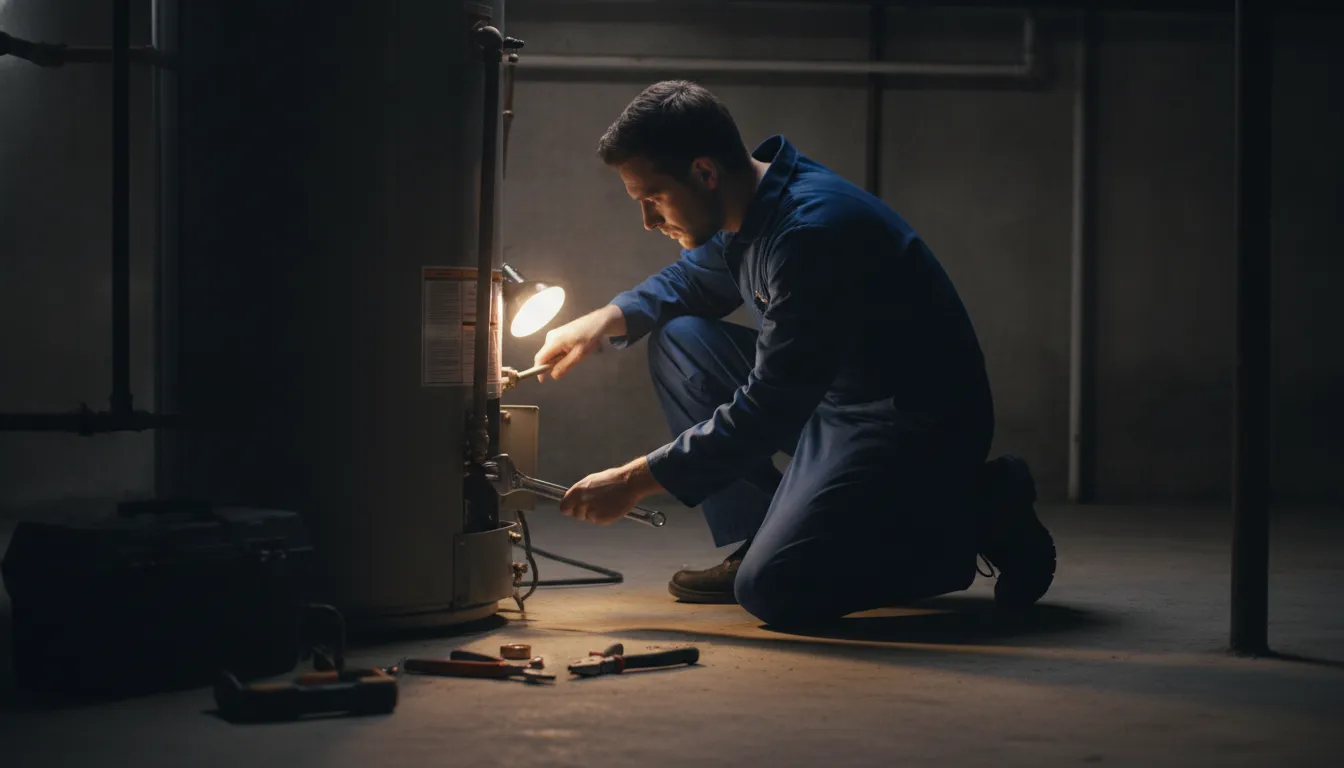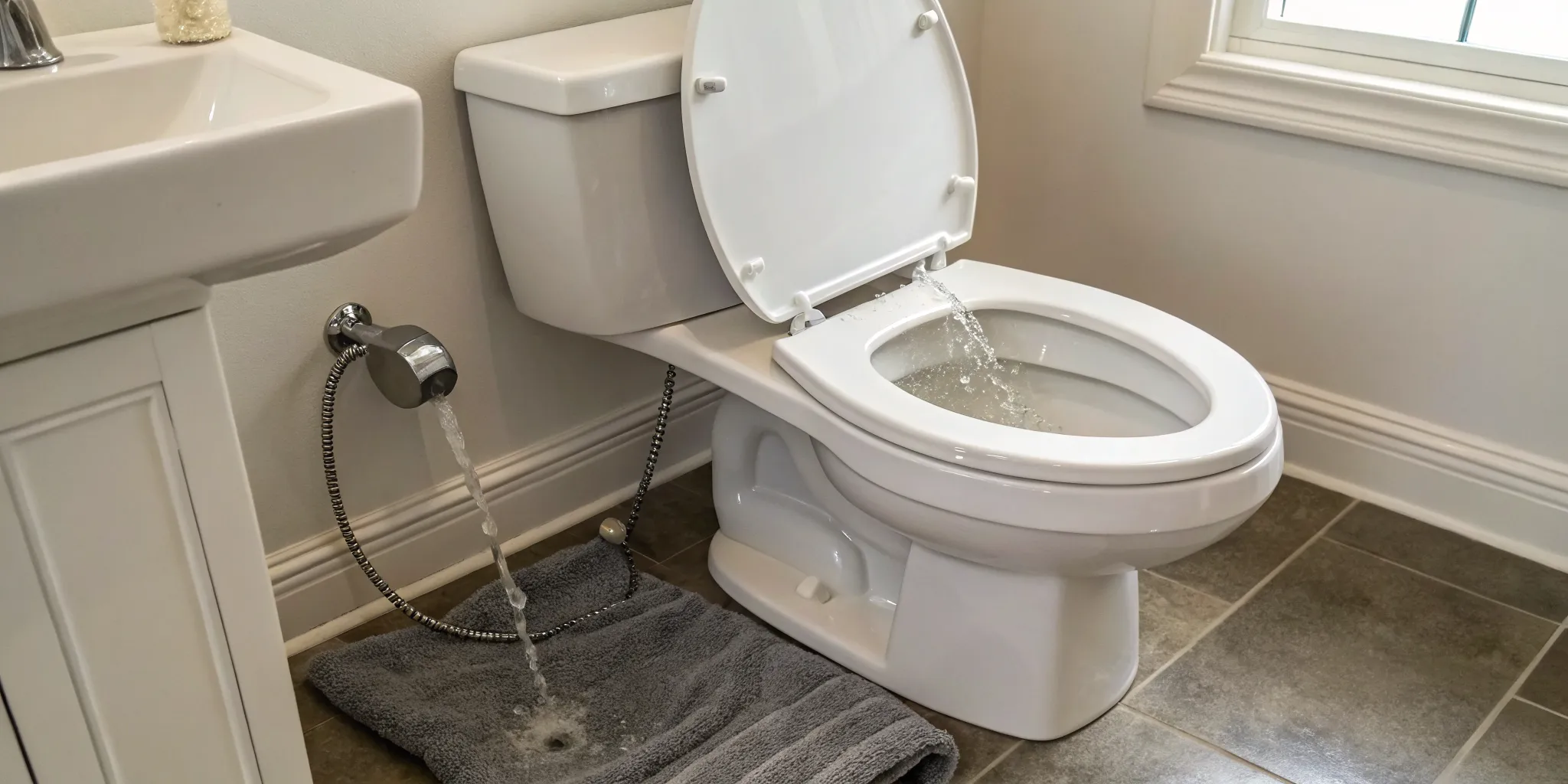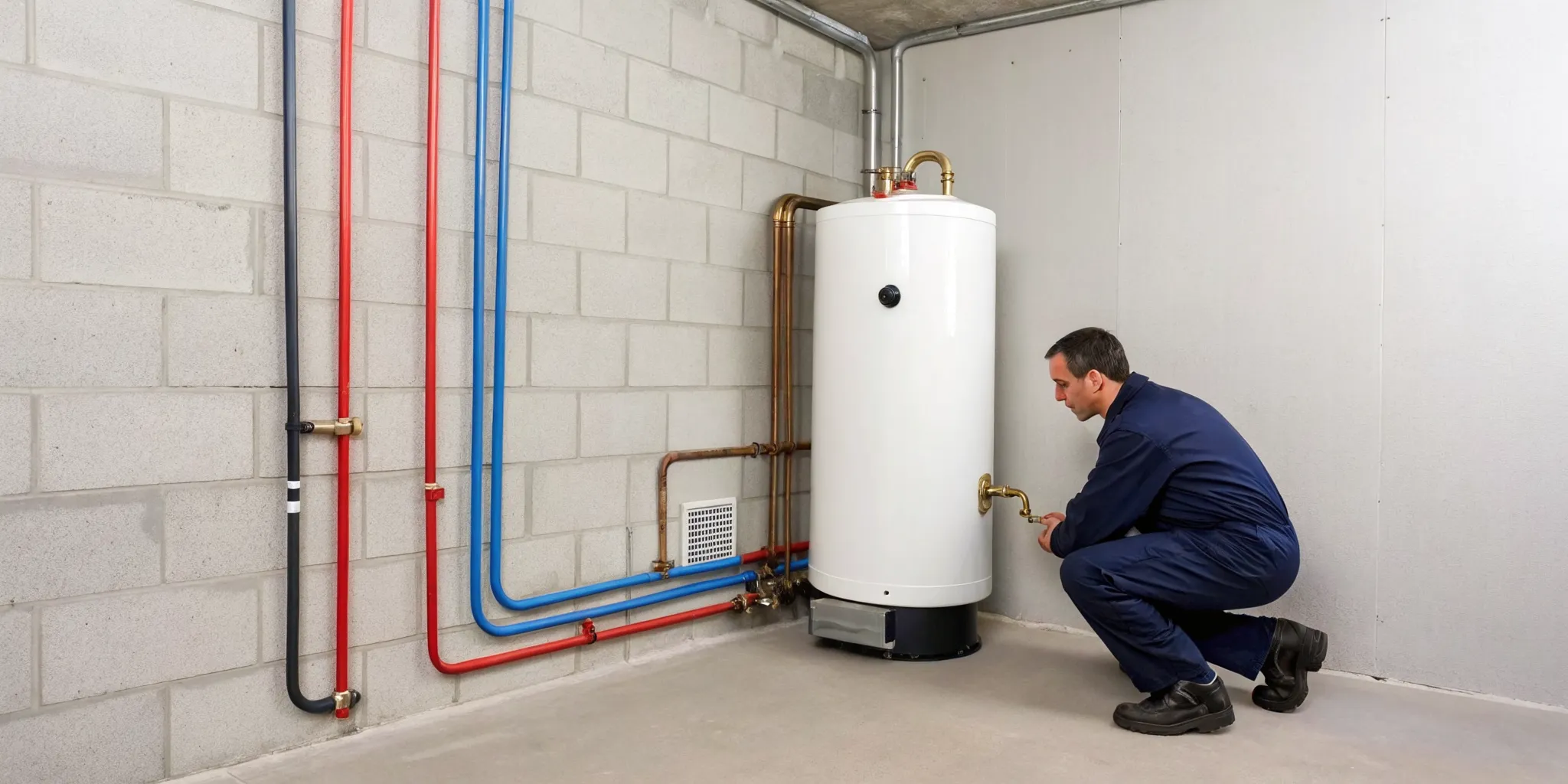

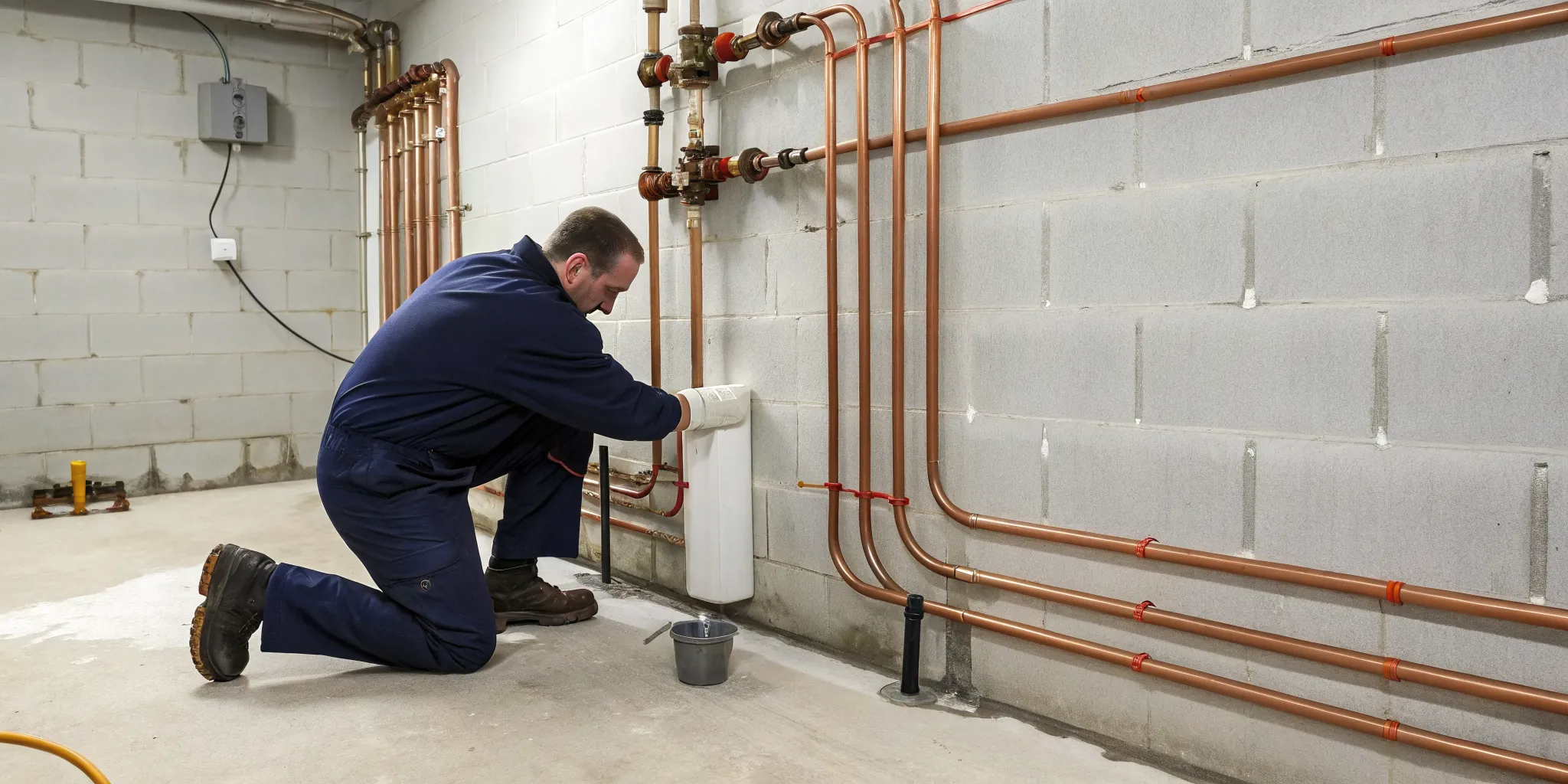
A Novi winter isn’t like winter everywhere else. The specific challenges our homes face, from the shifting soil to the biting cold, put a unique strain on our plumbing systems. When a pipe freezes, you don’t just need a plumber; you need a local expert who understands these conditions. Choosing the right professional means finding someone who knows how to provide a lasting solution, not just a temporary fix. This article will guide you on how to select a trustworthy local plumber and why that local expertise is so critical. We’ll cover what to look for in a company and explain why having a reliable team on call is essential for your peace of mind. When you need frozen pipe repair Novi MI, you can count on a team that treats you like family.
Key Takeaways
- Recognize the signs and act fast: If you have no water, see frost on a pipe, or hear odd noises, you likely have a freeze. Immediately shut off your main water supply and open the faucet connected to the frozen pipe to relieve pressure while you get help.
- Prioritize prevention for next time: Protecting your pipes is much easier than repairing them. Focus on insulating pipes in cold areas like basements, sealing air leaks around your foundation, and disconnecting outdoor hoses before winter arrives.
- Understand your limits and call for help: You can try gently thawing a pipe with a hairdryer, but never use an open flame. If you see a bulge, a crack, or any leaking water, it is no longer a DIY job; call a professional immediately to avoid a major disaster.
How to Know If You Have a Frozen Pipe
During a harsh Novi winter, a frozen pipe can go from a minor inconvenience to a major disaster in a hurry. The key is knowing what to look for. Catching the problem early can save you from the stress and expense of a burst pipe and significant water damage. If you suspect you need frozen pipe repair, here are the telltale signs to watch for.
No Water from the Faucet
You turn the handle on your kitchen sink, expecting a steady stream of water, but only a few drops trickle out, or worse, nothing at all. This is often the very first clue that you have a frozen pipe somewhere in your system. An ice blockage is preventing water from reaching the faucet. If you find this issue quickly, you can often address the problem before it causes more serious damage. Don’t just assume it’s a municipal water issue, especially on a frigid day. Check other faucets in your home to see if the problem is widespread or isolated to one area, which can help you narrow down the location of the freeze.
Frost or Bulges on Exposed Pipes
If you have any exposed pipes in your basement, crawl space, or under cabinets, take a moment to do a quick visual inspection. If you can see your pipes and notice a layer of frost on them, they are definitely frozen. This is a clear giveaway and helps you know exactly where the blockage is located. An even more alarming sign is a bulge or slight swelling in the pipe. This indicates that the water inside has frozen and expanded, placing extreme pressure on the pipe walls. A bulging pipe is a pipe that is at high risk of bursting, so it requires immediate attention.
Strange Sounds or Smells from Your Pipes
Sometimes, your ears or nose will notice a problem before your eyes do. When a pipe is partially frozen, you might hear strange gurgling or clanking sounds as water struggles to get past the ice. You may also notice unusual odors coming from your drains or faucets. A bad smell can mean that food, waste, or other debris is stuck behind the ice blockage and can’t drain away properly. These strange sounds and smells are your plumbing system’s way of telling you that something is wrong, so it’s important not to ignore them.
When to Call for Emergency Help
While some frozen pipe situations can be managed, others are true emergencies. If you see a visible crack, notice water actively leaking, or find puddles and water damage near a pipe, it’s time to act fast. First, locate and shut off your home’s main water supply to stop more damage from occurring. Then, call a professional plumber right away. A burst pipe can release gallons of water per minute, causing structural damage and creating a perfect environment for mold. This isn’t a DIY situation; you need an expert with the right tools to handle the repair safely and effectively. Our team is ready to handle your emergency plumbing needs 24/7.
What to Do While You Wait for the Plumber
You’ve realized you have a frozen pipe, and you’ve made the right call by contacting a professional. So, what now? While you wait for help to arrive, there are a few crucial steps you can take to minimize the risk of a burst pipe and prevent serious water damage. Think of it as plumbing first aid. Taking these immediate actions can make a huge difference in protecting your home and making the final repair process smoother. Remember, these are temporary measures. The most important thing you can do is call for emergency plumbing services as soon as you suspect a problem. Acting quickly helps contain the issue before it gets worse.
Shut Off Your Main Water Supply
The very first thing you should do is shut off the main water supply to your house. This stops the flow of water to the frozen blockage, which is critical for preventing a potential flood if the pipe bursts. If you’re not sure where your main shut-off valve is, check the perimeter of your basement or crawl space, often near where the water line enters your home. It might also be in a utility closet or near your water heater. Turn the valve clockwise until it’s completely closed. This single step can save you from catastrophic water damage and give you peace of mind while you wait for your plumber.
Safely Apply Gentle Heat (And What Not to Do)
You can try to gently thaw the pipe, but you have to be careful. Never use an open flame, a propane torch, or boiling water. A sudden, intense temperature change can cause the pipe to crack or burst. Instead, apply gentle, even heat. You can wrap the frozen section with an electric heating pad, use a hairdryer on a low setting and wave it back and forth, or soak towels in warm water and wrap them around the pipe. This slow and steady approach is the safest way to encourage the ice to melt without causing more damage. If you’re unsure which pipe is frozen or can’t reach it, it’s best to wait for a professional frozen pipe repair.
Open Faucets to Relieve Pressure
After shutting off the main water supply, go to the faucet connected to the frozen pipe and turn it on. Opening both the hot and cold handles allows any melting water and steam to escape, which helps relieve the immense pressure building up between the blockage and the faucet. This simple action provides an escape route for the water as the ice thaws, significantly reducing the likelihood that the pipe will burst. Leaving the faucet open also helps you know when water is flowing again, signaling that your efforts are working.
Common DIY Mistakes to Avoid
When you’re faced with a frozen pipe, it’s tempting to try a quick fix, but some common DIY mistakes can lead to disaster. The biggest error is using high-heat sources like torches, which can cause pipes to burst and create a fire hazard. Another mistake is ignoring the problem altogether. A frozen pipe is a ticking time bomb, and hoping it will thaw on its own is a risky gamble. Ignoring the initial signs, like no water flow or frost on the pipe, only increases the risk of severe damage to your home. Your safest and most effective option is always to call for professional help right away.
What Does Frozen Pipe Repair Cost in Novi, MI?
When you discover a frozen pipe, one of the first questions that comes to mind is, “How much will this cost to fix?” The answer isn’t a simple, one-size-fits-all price. The final cost for a frozen pipe repair in Novi depends entirely on the specifics of your situation. Is the pipe just frozen solid, or has it already burst and started leaking? Where is the pipe located, and what is it made of? These variables all play a role in determining the scope of the work and the final price.
Think of it less as a single charge and more as a solution tailored to your home’s immediate needs. A simple thaw is much different from a complex repair that involves cutting into a wall and replacing a section of pipe. The best way to get a clear and accurate number is to have a professional plumber assess the damage firsthand. They can identify the exact problem, explain the necessary steps to fix it, and provide a detailed estimate before any work begins. This ensures you understand the costs involved and can make an informed decision to protect your home.
Factors That Influence the Final Price
Several key factors determine the final cost of your frozen pipe repair. The price can shift based on the complexity of the job. For instance, a pipe that’s easy to access in an unfinished basement will be less expensive to repair than one hidden behind a tiled bathroom wall. The pipe’s material also matters, as copper pipes may require different techniques than PVC or PEX.
The biggest variable is the extent of the damage. A simple thaw is much less costly than a full-blown burst. Finally, the timing of your call is important. If you need help outside of regular business hours, you can expect to pay more for emergency plumbing services, which can add 20% to 50% to the total cost.
The Cost Difference: Frozen vs. Burst Pipes
There’s a significant cost difference between thawing a frozen pipe and repairing one that has burst. If the pipe is just frozen and hasn’t cracked, a plumber can typically thaw it for around $100 to $200. This is a straightforward process that restores water flow without needing major repairs.
However, if the pipe has burst from the pressure, the job becomes more complex. Repairing a burst pipe can range from $150 to over $500, depending on the location and severity of the break. In cases of extensive damage, such as multiple burst pipes, it might even be more cost-effective to replace the piping system rather than perform numerous small repairs, especially if the total repair cost approaches $2,500 or more.
What’s Included in a Professional Repair?
When you call a professional plumber, you’re paying for a safe and effective solution that protects your home from further damage. If your pipe is only frozen, a technician will use professional-grade tools, like heating cables or warm towels, to gently thaw the blockage without causing the pipe to crack. They will never use an open flame, which is a dangerous DIY mistake.
If the pipe has already burst, the service is more involved. The plumber will first shut off the water to stop the leak, then cut out the damaged section of the pipe and replace it. They ensure the new connection is secure to prevent future leaks. Calling a professional from Mr. Pipey means you get a lasting repair and peace of mind knowing the job was done right.
Who to Call for Frozen Pipe Repair in Novi
When you realize you have a frozen pipe, the next step is to call a professional. But with so many options, how do you know who to trust with your home? Finding the right plumber is about more than just a quick fix; it’s about getting reliable service from someone who understands the specific challenges of our Michigan winters. You need a team that can respond quickly and prevent the problem from getting worse.
How to Choose the Right Novi Plumber
When your pipes are frozen, you need a plumber with local experience. Novi’s unique soil composition and harsh winters put a specific kind of stress on plumbing systems. It’s important to choose a trusted plumbing company that understands these local challenges, from shifting soil that can crack pipes to the lake-effect snow that increases the risk of freezing. A plumber who is familiar with the area will be better equipped to diagnose the problem accurately and provide a solution that lasts, saving you from future headaches and repairs.
Check for Licensing, Insurance, and 24/7 Service
Before you hire anyone, take a moment to confirm they are licensed and insured. This is a crucial step that protects you and your home from liability in case of accidents or property damage. Reputable companies are proud of their credentials and commitment to professional service. Since a frozen pipe can turn into a burst pipe at any hour, you should also look for a company that offers 24/7 emergency plumbing. You can’t schedule a plumbing disaster, so having a reliable expert available around the clock provides essential peace of mind.
Why Novi Homeowners Trust Mr. Pipey
As a family-owned business, we at Mr. Pipey understand how stressful a plumbing emergency can be. We’ve built our reputation in Novi by treating every client like family and delivering high-quality solutions tailored to your specific needs. Our goal is to provide not just a quick fix, but a reliable, long-lasting repair that protects your home. We stand by our work with a 100% customer satisfaction guarantee because we believe you deserve the best. When you’re dealing with the anxiety of a frozen pipe, you can count on our team to handle the job with care and expertise.
How to Prevent Frozen Pipes in the Future
After dealing with a frozen pipe, the last thing you want is a repeat performance. The good news is that prevention is much easier and more affordable than repair. Taking a few proactive steps before the next cold snap hits can save you a lot of stress and money. Protecting your home from a Novi winter is all about reducing your pipes’ exposure to freezing temperatures. Think of it as winter-proofing your plumbing. Here are some straightforward strategies to keep your water flowing freely all season long, so you can stay warm and worry-free.
Insulate Vulnerable Pipes
One of the best defenses against the cold is insulation. Your most vulnerable pipes are those in unheated areas like basements, crawl spaces, attics, and garages. Pipes running along exterior walls are also at high risk. You can find foam pipe sleeves or fiberglass insulation at any local hardware store. Simply wrap it around the pipes to create a thermal barrier. This simple step helps keep the water inside the pipe just warm enough to prevent it from freezing. For a more robust solution, you can always get professional pipe insulation to ensure every vulnerable spot is covered.
Seal Air Leaks and Cracks
Even a small draft can introduce enough cold air to freeze a pipe. Take some time to walk through your basement, crawl space, and around your home’s foundation to look for air leaks. Check the seals around windows and any openings where utility lines enter the house. Use caulk or weatherstripping to seal up any cracks or gaps you find. This not only protects your pipes but also helps lower your energy bills by keeping warm air in and cold air out. It’s a simple weekend task that offers double the benefits for your home.
Maintain a Consistent Temperature
While it’s tempting to lower the thermostat to save money, letting your home’s temperature drop too low can put your pipes at risk. During cold weather, try to maintain a consistent temperature throughout the house, even when you’re away or asleep. A setting of at least 55°F is generally recommended. For pipes located inside cabinets, like under your kitchen or bathroom sink, open the cabinet doors during extreme cold spells. This allows warmer air from the room to circulate around the plumbing, helping to prevent a freeze.
Let Faucets Drip During a Cold Snap
When you hear that the temperatures are going to plummet overnight, head to the faucet furthest from where your main water line enters the house. Turn on the cold water just enough to produce a slow, steady drip. Keeping water moving through your plumbing system, even just a trickle, helps prevent it from freezing solid. The moving water creates friction and releases energy, which is often just enough to stop ice from forming. This simple action can be the key to avoiding an emergency plumbing call in the middle of the night.
Disconnect Hoses and Protect Outdoor Faucets
This is a critical task to complete every fall before the first freeze. Disconnect all garden hoses from your outdoor spigots, or hose bibbs. Drain the hoses completely before storing them for the winter. If water is left in a connected hose, it can freeze and expand back into the pipe inside your wall, causing a burst. After disconnecting the hose, protect the spigot itself with an insulated faucet cover. These are inexpensive, reusable, and take only a few seconds to install, offering powerful protection against a very common cause of winter pipe damage.
Consider Professional Pipe Insulation
If you’re not comfortable insulating pipes yourself or have plumbing in hard-to-reach areas, calling a professional is a smart move. A plumber can assess your home to identify all the high-risk areas you might have missed. They have the right tools and materials to properly insulate everything, giving you complete peace of mind. A professional can also offer other winterization services and check for any existing issues before they become major problems. Investing in professional frozen pipe repair and prevention ensures your home is fully prepared for whatever a Michigan winter throws its way.
Get Your Home Ready for a Novi Winter
Living in Michigan means we know a thing or two about harsh winters. Getting your home ready before the first deep freeze is one of the smartest things you can do as a homeowner. A little preparation goes a long way in preventing the stress and expense of a frozen or burst pipe. Think of it as creating a cozy, protective bubble for your home’s plumbing system.
Your Quick Home Winterization Checklist
Here’s a simple checklist to help you protect your pipes from the dropping temperatures. Running through these steps can save you from a major plumbing emergency down the road.
- Disconnect outdoor hoses: Unhook garden hoses from all your outdoor spigots. If you leave them attached, water can get trapped, freeze, and cause the pipe inside your wall to burst.
- Keep cabinet doors open: For sinks on exterior walls, open the cabinet doors underneath. This allows the warm air from your home to circulate around the pipes, keeping them from freezing.
- Close your garage door: Keep your garage door shut as much as possible. This helps protect any water pipes running through the garage walls or ceiling from the bitter cold.
- Seal air leaks: Check your basement and crawl spaces for any cracks or gaps that let cold air in. Sealing them up helps maintain a warmer temperature around your plumbing. Professional pipe insulation can also act like a warm coat for your most vulnerable pipes.
When to Schedule a Professional Plumbing Inspection
While DIY prep is great, sometimes you need an expert eye. If you live in an older home, have had pipe issues in the past, or just want total peace of mind, scheduling a professional inspection is a wise move. A plumber can spot vulnerabilities you might miss, like pipes in unheated areas that need extra protection.
If you suspect a pipe is already frozen because no water is coming out, it’s crucial to call for help right away. A professional can safely thaw the pipe before it bursts. Acting quickly is the key to avoiding expensive water damage and complex repairs. Our team is always ready to provide expert frozen pipe repair and help you get your water flowing again, safely and efficiently.
Related Articles
- Repair & Emergency Solutions
- Need a 24 Hr Emergency Plumber? Read This First
- DIY Pipe Leak Repair: Your Step-by-Step Guide
Frequently Asked Questions
What are the absolute first steps I should take if I suspect a frozen pipe? First, find your home’s main water shut-off valve and turn it off completely. This stops more water from flowing to the blockage and can prevent a major flood if the pipe bursts. Next, go to the faucet that isn’t working and open both the hot and cold taps. This gives melting ice and steam a place to go, which relieves the pressure building inside the pipe.
Is it safe to thaw a frozen pipe myself? You can try to thaw a pipe yourself, but you must be very careful. Gentle methods like using a hairdryer on a low setting or wrapping the pipe in warm towels can sometimes work. However, you should never use an open flame like a propane torch, as this can cause the pipe to burst and create a serious fire hazard. If you can’t easily reach the pipe or are unsure where the freeze is, your safest option is to call a professional.
How can I tell the difference between a frozen pipe and one that has already burst? A frozen pipe’s main symptom is a lack of water from a faucet. You might also see frost on an exposed pipe. A burst pipe, on the other hand, will show more dramatic signs. Look for visible cracks in the pipe, water actively dripping or spraying, puddles on the floor, or water stains appearing on your walls or ceiling. If you see any signs of leaking water, it’s an emergency.
Why do my outdoor faucets need special attention before winter? An outdoor faucet, or hose bibb, is a very common source of winter pipe damage. If you leave a garden hose connected, water can get trapped inside it and the spigot. When that water freezes, the ice expands back into the supply pipe located inside your heated wall. This pressure can easily cause a burst in a place you can’t see, leading to a hidden leak that can cause significant damage.
Will my homeowner’s insurance cover damage from a burst pipe? Generally, most homeowner’s insurance policies cover water damage from a sudden and accidental pipe burst. However, coverage can be denied if the damage is due to a lack of maintenance, such as failing to keep the heat on while you were away. It’s always a good idea to review your specific policy to understand your coverage. Taking preventative steps is the best way to avoid having to file a claim in the first place.