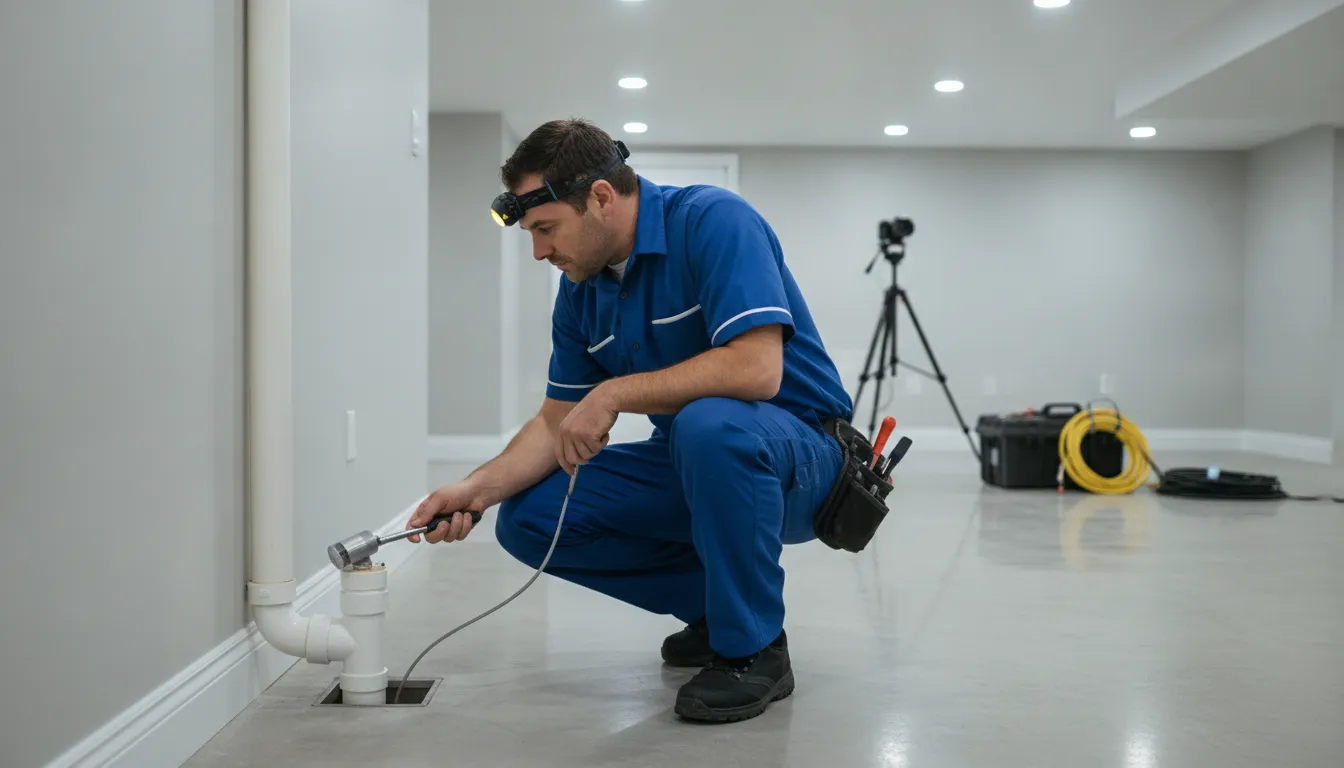


A frozen pipe might seem like a simple plumbing issue, but it’s one of the quickest ways to face thousands of dollars in home repairs. The real danger isn’t just the lack of water; it’s the immense pressure building inside your pipes. When that pressure leads to a burst, you’re suddenly dealing with flooding, water damage, potential mold, and a massive repair bill. The cost of inaction is steep. This article breaks down the true risks and costs associated with frozen pipes, helping you understand why immediate action is so critical. Knowing when to call for professional frozen pipe repair Farmington Hills MI is the smartest financial decision you can make to prevent a small problem from becoming a devastating expense.
Key Takeaways
- Proactive prevention is key: Insulate pipes in cold areas like basements and garages, seal air leaks near your foundation, and let a faucet drip during a deep freeze. These simple steps are the best way to avoid a plumbing emergency.
- Recognize the warning signs: A lack of water, strange pipe noises, or visible frost are clear indicators of a frozen pipe. If you notice these, your first step should always be to shut off your home’s main water supply to prevent a burst.
- Understand your limits: While you can safely thaw an exposed pipe with a hairdryer, never use an open flame. Call a professional immediately if the pipe is bulging or inside a wall, as a professional repair is always cheaper than fixing major water damage.
Are Your Pipes Frozen? Key Warning Signs
Waking up to a frigid Farmington Hills morning has its challenges, but discovering your pipes are frozen can turn a chilly day into a major headache. Frozen pipes aren’t just an inconvenience; they’re a serious threat to your home’s plumbing. The pressure created by expanding ice can cause pipes to crack or burst, leading to significant water damage. Recognizing the early warning signs is the first step to preventing a disaster. If you notice any of these red flags, it’s time to act quickly.
No Water from the Faucet
This is the most obvious and alarming sign. You turn the handle, and nothing comes out, or you only get a weak trickle. If this happens on a freezing day, a frozen blockage is the most likely culprit. Your first move should be to locate and turn off your home’s main water shut-off valve to prevent a flood if the pipe thaws and reveals a crack. If you suspect a frozen pipe is the issue, it’s best to call for professional frozen pipe repair to safely diagnose and resolve the problem without causing further damage.
Hearing Strange Gurgling or Banging Noises
Have you heard odd sounds coming from your walls or pipes, like gurgling, banging, or whistling? Don’t ignore them. When water freezes, it expands and creates immense pressure inside the pipe between the faucet and the ice blockage. These strange noises are often the sound of water trying to move past that blockage or the pipe itself straining under the pressure. This is a critical warning sign that a pipe is under stress and could be on the verge of bursting, making it a true plumbing emergency.
Seeing Frost or Bulges on Your Pipes
Take a look at any pipes you can see in your basement, crawl space, or under sinks. A visible layer of frost or ice on the outside of a pipe is a clear indicator that it’s frozen solid. You might also notice the pipe looks swollen or has developed a bulge. This happens because the expanding ice is literally stretching the pipe material to its limit. A bulging pipe is extremely unstable and requires immediate attention from a professional to prevent it from bursting.
Finding Unexplained Cold Spots on Walls or Floors
Since most of your plumbing is hidden behind walls and under floors, you can’t always see a problem directly. If you notice a section of your wall or floor is unusually cold to the touch, it could signal a freezing pipe behind it. This is especially common on exterior walls or in rooms above a garage. These cold spots mean the freezing temperatures are affecting your hidden pipes. Addressing this early with proper pipe insulation can prevent a much bigger, messier problem down the road.
What Causes Pipes to Freeze in Farmington Hills?
When the temperature drops in Farmington Hills, the last thing you want is a frozen pipe. It’s a common problem, but it’s rarely caused by just one thing. Usually, a combination of factors creates the perfect storm for a pipe to freeze and potentially burst. Understanding what makes your pipes vulnerable is the first step toward preventing a watery disaster in your home. Michigan winters are no joke, and they can be especially tough on your home’s plumbing system.
The main culprits are often found in the coldest, most overlooked parts of your house. From missing insulation to tiny, unnoticed drafts, these issues can allow freezing temperatures to reach your pipes. When water freezes, it expands, putting immense pressure on the pipe until it cracks or bursts. This can lead to serious water damage and expensive repairs. Knowing the specific causes helps you spot risks before they turn into a full-blown emergency plumbing situation. Let’s look at the most common reasons pipes freeze in our area.
Missing or Inadequate Pipe Insulation
Think of pipe insulation as a winter coat for your plumbing. Without it, pipes in unheated or poorly heated areas are completely exposed to the cold. This is especially true for pipes running through basements, crawl spaces, garages, and attics. These spots don’t get the same warmth as the rest of your house, making them prime locations for a freeze. Adding proper
Sudden, Extreme Drops in Temperature
We all know how quickly Michigan weather can change. A sudden, deep freeze can catch even prepared homeowners by surprise. When the temperature plummets overnight, the water inside your pipes can freeze solid before you have a chance to react. This is a widespread issue, with an estimated quarter-million homes suffering damage from frozen pipes each winter. These extreme temperature drops are particularly dangerous for pipes on exterior walls or in uninsulated areas, as they have little defense against the biting cold. This is why it’s so important to be ready before the first cold snap hits.
Cold Air Leaks and Drafts
You might be surprised by how much trouble a small draft can cause. Tiny cracks in your foundation, gaps around windows, or openings where utility lines enter your home can let in a steady stream of freezing air. As the State of Michigan points out, even a tiny opening can let enough cold air inside to cause a pipe to freeze. This cold air creates a microclimate around the pipe that is much colder than the ambient temperature in the room. Sealing these air leaks is a critical step in protecting your plumbing and making your home more energy-efficient.
Pipes Located in Unheated Areas
Location is everything when it comes to frozen pipe risk. Any pipe that runs through an unheated space is a candidate for freezing. This includes pipes in your garage, crawl space, attic, or even inside kitchen and bathroom cabinets that are against an exterior wall. These areas simply don’t receive enough heat from your home’s furnace to keep the pipes warm. If you have plumbing in these vulnerable spots, it’s essential to take extra precautions. Combining professional insulation with other preventive measures is the best way to avoid a costly frozen pipe repair bill down the road.
The Dangers of Ignoring a Frozen Pipe
A frozen pipe might seem like a small winter annoyance, but it’s a serious issue that can quickly become a major disaster. The temptation to wait and see if it thaws on its own is understandable, but it’s a gamble that can lead to extensive damage and expensive repairs. Think of a frozen pipe as a ticking time bomb for your home’s plumbing system. The pressure building inside is a sign of trouble, and ignoring it can have devastating consequences for your property and your wallet. Understanding the risks is the first step toward protecting your home.
Burst Pipes and Major Water Damage
When water freezes, it expands. This simple fact of science is the reason a frozen pipe is so dangerous. As ice forms inside your plumbing, it puts immense pressure on the pipe walls. This pressure can easily cause the pipe to crack or burst completely. A burst pipe can release hundreds of gallons of water into your home in a short amount of time, leading to catastrophic flooding. Suddenly, you’re not just dealing with a lack of water; you’re facing ruined floors, damaged walls, and soaked belongings. This situation often requires immediate emergency plumbing intervention to stop the flow and prevent further destruction.
Mold Growth, Structural Issues, and High Repair Bills
The problems don’t stop once the water is shut off. The aftermath of a burst pipe is where the real headaches begin. Standing water and damp materials create the perfect environment for mold to grow, which can pose health risks and be difficult to remove. Water can also seep into your home’s structure, weakening wood, drywall, and insulation. This can lead to long-term structural issues that compromise the integrity of your house. All of this adds up to a homeowner’s worst nightmare: thousands of dollars in water damage restoration, mold remediation, and structural repair costs, not to mention weeks of disruption to your life.
Why Quick Action Can Save You Money
Detecting a frozen pipe early and acting fast is your best defense against a costly disaster. If you notice a faucet is only trickling or there’s no water at all, it’s time to investigate. The moment you suspect a pipe is frozen, your first move should be to turn off the water at the main shut-off valve. This single action can prevent a flood if the pipe does burst. While you might be able to thaw a minor freeze with a hairdryer, many situations require professional help. Calling for frozen pipe repair right away is the smartest and safest choice, preventing a small problem from escalating into a full-blown, expensive emergency.
Can You Safely Thaw a Frozen Pipe Yourself?
Discovering a frozen pipe can make any homeowner want to jump into action. While the instinct to fix it yourself is understandable, it’s important to know which methods are safe and which can cause even more damage. In some cases, a careful DIY approach can work for a minor freeze. However, other situations require a professional to prevent a small problem from turning into a catastrophic and expensive mess. Knowing how to tell the difference is the key to protecting your home and your wallet.
Safe DIY Methods for Thawing Pipes
If you’ve located the frozen section and the pipe appears intact (no bulges or cracks), you can try to thaw it gently. First, open the faucet connected to the frozen pipe just a little. This allows melting water to drip out and helps relieve pressure building inside the pipe. Next, apply gradual, even heat to the frozen area. You can safely thaw a frozen pipe with the warm air from a hairdryer, starting from the faucet end and working your way toward the blockage. You can also wrap the pipe in towels soaked in warm water. The key here is patience; slow and steady heat is much safer than a sudden temperature shock.
DIY Dangers: Thawing Methods to Skip
When you’re trying to thaw a pipe, you should never use any device with an open flame. This includes propane torches, lighters, or kerosene heaters. Using an open flame is an extreme fire hazard, and the intense, direct heat can cause the water inside the pipe to boil and turn to steam. This rapid expansion can make the pipe burst with explosive force. It can also damage the pipe material itself, leading to leaks even if it doesn’t burst immediately. It’s simply not worth the risk to your home or your safety. If you feel like you need that much heat, it’s a clear sign you need professional help.
Knowing When It’s Time to Call a Professional
If you suspect a pipe is frozen, your first move should be to find your home’s main water shut-off valve and turn it off. This single step can save you from a major flood if the pipe is already cracked or bursts during the thawing process. If you see a bulge in the pipe, don’t apply any heat at all; call a professional immediately. You should also call for help if your DIY methods aren’t working or if the frozen pipe is in an inaccessible area like inside a wall. A professional frozen pipe repair is always less expensive than repairing the extensive water damage that comes from a burst pipe. Don’t hesitate to call for emergency plumbing services to get the problem handled quickly and safely.
What Does Frozen Pipe Repair Cost in Farmington Hills?
When you’re dealing with a frozen pipe, one of the first questions on your mind is probably, “How much is this going to cost?” The answer depends on a few key things, mainly whether the pipe has just frozen or if it has already burst. Understanding the potential costs can help you make a clear-headed decision, even in a stressful situation. Let’s break down what you can expect for frozen pipe repair costs here in Farmington Hills.
Thawing vs. Burst Pipe Repair: A Cost Comparison
Catching a frozen pipe before it bursts is the key to keeping repair costs down. Simply thawing a frozen pipe is a relatively straightforward job for a professional and typically costs less. If the pipe hasn’t been damaged, you’re looking at a much smaller bill. However, if the pipe has already burst from the pressure, the repair becomes more involved. Not only does the pipe need to be fixed or replaced, but there’s also potential water damage to address. This is why a burst pipe repair costs significantly more than a simple thaw, making quick action your best defense against a bigger bill.
What Affects Your Final Repair Cost?
Several factors influence the final price of a frozen pipe repair. The biggest one is the pipe’s location. A pipe that’s easy to access in a basement will be cheaper to fix than one hidden behind a wall or under a floor. The pipe’s material also plays a role. Beyond that, the extent of the damage and whether you need emergency plumbing services after hours will affect the total. When you call us, we assess these factors to give you a clear and accurate quote before any work begins, so you’re never left guessing.
Will Homeowner’s Insurance Cover It?
This is a question we hear a lot. In many cases, your homeowner’s insurance may cover the damage from a sudden pipe burst. However, policies often have exceptions. For instance, if the freezing was due to what they consider neglect, like leaving the heat off while you were away, your claim might be denied. It’s always a good idea to review your specific policy or call your insurance agent to understand your coverage. Taking preventative steps, like ensuring you have proper pipe insulation, can also show you’ve done your due diligence to protect your home, which can be helpful in these situations.
Getting Professional Frozen Pipe Repair in Farmington Hills
When you’re dealing with a frozen pipe, calling a professional is the safest and most effective way to handle the situation. A DIY attempt can easily go wrong, leading to a burst pipe and thousands of dollars in water damage. A licensed plumber has the right tools and expertise to solve the problem quickly and prevent it from getting worse. They can accurately locate the freeze, thaw it safely, and inspect for any cracks or damage that might cause a leak later.
At Mr. Pipey, we’ve seen it all when it comes to Michigan winters. Our team is equipped to handle any frozen pipe repair job, big or small. We focus on not just fixing the immediate issue but also ensuring your plumbing system is secure for the long term. Trusting a professional gives you peace of mind, knowing the job is done right and your home is protected from the serious risks of a burst pipe.
Our Step-by-Step Repair Process
When you call us for a frozen pipe, you can expect a clear and systematic process. First, our technician will identify the frozen section of the pipe. We then use professional-grade tools, like a targeted heat gun or specialized thawing machine, to gently and safely warm the pipe until the ice blockage melts completely. Once the water is flowing again, we carefully inspect the pipe for any cracks, bulges, or leaks caused by the ice expansion. If we find any damage, we’ll repair or replace the affected section to restore its integrity and prevent future problems.
Emergency Service for Farmington Hills Residents
A frozen pipe can quickly turn into a plumbing emergency, especially if it bursts. We know these problems don’t stick to a 9-to-5 schedule, which is why we offer emergency plumbing services for residents in Farmington Hills and the surrounding areas. A rapid response is essential to minimize water damage and get your home back to normal as quickly as possible. Don’t hesitate to call for help, even if it’s after hours or on a weekend. Getting a professional on-site right away can save you from a much bigger headache and more expensive repairs down the road.
How to Choose the Right Local Plumber
Choosing the right plumber is about more than just finding someone who can fix a pipe. You want a team you can trust in your home. Look for a company with respectful, caring technicians who take the time to explain your options and work within your budget. A solid warranty on parts and labor is also a great sign of quality workmanship. As a family-owned business, we treat every client’s home like our own. We believe in providing reliable, long-lasting solutions and stand behind our work with a 100% customer satisfaction guarantee, so you can feel confident you made the right choice.
How to Prevent Frozen Pipes This Winter
When it comes to your home’s plumbing, a little prevention goes a long way. Dealing with a frozen or burst pipe in the middle of a Michigan winter is a stressful, expensive ordeal that no one wants to experience. The good news is that you can take simple, proactive steps to protect your pipes before the temperature plummets. A little bit of prep work in the fall can save you from the headache of water damage, costly repairs, and the inconvenience of being without running water.
These preventative measures are your first line of defense against the cold. By taking the time to winterize your plumbing, you’re not just protecting your pipes; you’re protecting your home and your peace of mind. Most of these tips are easy to do yourself and don’t require a huge investment of time or money. But if you’re ever unsure or need a hand, our team is always here to help with everything from professional pipe insulation to emergency repairs. Let’s walk through the best ways to keep your pipes safe and sound all winter long.
Insulate Pipes in Basements, Crawl Spaces, and Garages
One of the most effective ways to prevent frozen pipes is to add a layer of protection. Pipes in unheated or poorly insulated areas of your home, like basements, crawl spaces, attics, and garages, are the most vulnerable to freezing. Adding insulation is a simple and affordable way to shield them from the cold. You can find pipe sleeves or foam insulation at most hardware stores. Simply wrap it around the exposed pipes to keep the water inside from reaching freezing temperatures. This small step provides significant protection and is a smart investment for any homeowner in Farmington Hills.
Seal Air Leaks Around Your Home’s Foundation
Even a tiny crack or opening in your home’s foundation can let in enough frigid air to freeze a nearby pipe, especially when the wind chill is severe. Take a walk around your property and look for any gaps where cold air could sneak in. Pay close attention to areas where utility lines and pipes enter your house. Use caulk or spray foam insulation to seal these air leaks thoroughly. Sealing drafts not only protects your pipes but also helps keep your home warmer and can even lower your energy bills. It’s a win-win situation.
Let Faucets Drip and Open Cabinet Doors
When temperatures are expected to drop significantly overnight, letting a faucet drip can be a lifesaver. Keeping water moving, even at a trickle, makes it much harder for it to freeze inside the pipe. It’s best to choose a faucet that is farthest from where the main water line enters your home. Another helpful trick is to open the cabinet doors under your kitchen and bathroom sinks. This allows the warmer air from your home to circulate around the pipes, helping to keep them from freezing. It’s a simple, no-cost strategy that can prevent a major plumbing emergency.
Maintain a Consistent Temperature Indoors
Your home’s thermostat is a powerful tool for preventing frozen pipes. It’s important to keep your house heated to a consistent temperature, even when you are away or asleep. We recommend setting your thermostat no lower than 55°F. While it might be tempting to lower the heat to save on energy costs, the potential expense of a burst pipe is far greater. A steady, warm temperature throughout your home ensures that the pipes running through your walls and floors are kept safe from the freezing cold, providing a crucial layer of defense against winter’s chill.
Disconnect and Store Outdoor Hoses
Before the first hard freeze, make it a priority to disconnect all garden hoses from your outdoor faucets. If you leave them connected, water can get trapped inside the hose and the spigot. When that water freezes, it expands and can create enough pressure to crack the faucet or the pipe inside your wall, leading to a need for emergency plumbing repairs. After disconnecting the hoses, drain them and store them in a garage or shed. If your home has an indoor shut-off valve for your outdoor faucets, turn it off and then open the spigot to drain any remaining water.
Why Farmington Hills Homeowners Trust Mr. Pipey
When you’re dealing with a frozen pipe, you need a plumber you can count on without a second thought. It’s about more than just fixing the problem; it’s about trusting the people you let into your home to do the job right and treat you with respect. For years, Farmington Hills residents have turned to Mr. Pipey because we’re more than just plumbers. We’re a part of the community, dedicated to providing reliable solutions and genuine peace of mind. We built our reputation on a foundation of trust, quality workmanship, and a commitment to our customers that feels more like family.
Our Customer Satisfaction Guarantee
When your home is at risk, you deserve the assurance that the job will be done perfectly. That’s why our customer-first approach is built around a 100% satisfaction guarantee. We promise 5-star service, and we mean it. If you’re not completely happy with our work, our job isn’t finished. We’ll stay until we make it right. This commitment isn’t just a policy; it’s the core of who we are. It means you can call us with confidence, knowing we stand behind every repair and installation, giving you one less thing to worry about during a stressful plumbing emergency.
Your Local, Family-Owned Plumbing Team
As a local, family-owned business, we have deep roots in the Farmington Hills community. We’re your neighbors, and we understand the unique challenges our Michigan weather can throw at your home’s plumbing. Our team is fully licensed and insured, bringing years of hands-on experience to every job. Because we’re local, we’re able to provide prompt and effective expert plumbing solutions tailored to the specific needs of homes in our area. When you call Mr. Pipey, you’re not calling a massive, impersonal corporation; you’re calling a dedicated team that cares about keeping your home safe and functional.
Clear Pricing and Repairs That Last
Concerns about cost should never add to the stress of a plumbing problem. At Mr. Pipey, we believe in complete transparency. Before any work begins, we provide clear, upfront pricing so you know exactly what to expect. There are no hidden fees or surprise charges. Our goal is to provide cost-effective solutions that last. We use high-quality materials and proven techniques to ensure our frozen pipe repair isn’t just a temporary fix but a durable solution that protects your home for years to come. You get the dual benefit of fair pricing and the peace of mind that comes with a job done right.
Related Articles
- Pipe Insulation & Repair in Birmingham Hills | Mr. Pipey® Plumbing
- Need a 24 Hr Emergency Plumber? Read This First
- Repair a Copper Pipe Leak: A Step-by-Step Guide
- DIY Pipe Leak Repair: Your Step-by-Step Guide
- Repair & Emergency Solutions
Frequently Asked Questions
What is the absolute first thing I should do if I suspect a pipe is frozen? Before you do anything else, find your home’s main water shut-off valve and turn it off. This single action is your best defense against a major flood. If the pipe is already cracked or bursts while thawing, having the water off will prevent a torrent of water from damaging your home. Once the main valve is off, you can proceed with other steps, like calling a professional for help.
I can’t see any frost on my pipes, but my faucet is only trickling. Could it still be a frozen pipe? Yes, it absolutely could be. Most of your home’s plumbing is hidden behind walls or under floors, so you often won’t see the physical signs of a freeze. A weak trickle of water from a faucet is one of the most common indicators of a blockage caused by ice. You might also hear strange gurgling sounds or notice that a spot on your wall feels unusually cold.
Is it safe to use a space heater to thaw a frozen pipe? I would strongly advise against using a space heater. While it doesn’t have an open flame, it can still be a fire hazard if left unattended near flammable materials. More importantly, the intense, dry heat can warm the pipe too quickly or unevenly, which can cause it to crack or burst. A hairdryer on a low setting is a much safer DIY option because you can control the heat and apply it gradually.
Why is it so dangerous to let a frozen pipe thaw on its own? Waiting for a pipe to thaw naturally is a huge gamble. The real danger is the immense pressure that builds up inside the pipe between the ice blockage and the closed faucet. As the pipe thaws, this pressure can cause it to burst. The pipe may have also developed a small, hidden crack from the initial freeze, which will start leaking as soon as the ice melts. Acting quickly is always the safer and less expensive choice.
My pipes are in a crawl space that’s hard to get to. Is it still worth insulating them? Definitely. In fact, pipes in hard-to-reach places like crawl spaces and attics are often the most vulnerable because they are exposed to the coldest temperatures. While it might seem like a hassle, insulating these pipes is one of the most effective preventative steps you can take. Think of it as a one-time investment that can save you from a very expensive and stressful emergency repair down the road.