

That sinking feeling when you walk into your basement and see a puddle is unmistakable. A floor drain backing up is more than just a mess; it’s a stressful problem that sends your mind racing. What’s the damage? How much will this cost? Before you panic, take a breath. The water is coming up simply because it has nowhere else to go. The real question is why. It could be a simple clog or a more serious issue with your main sewer line. This guide will help you investigate the clues and pinpoint the problem so you can take the right steps to fix it.
Key Takeaways
- Distinguish Between a Simple Clog and a Sewer Line Issue: If only the floor drain is affected, it’s likely a localized clog you might be able to fix. However, if multiple drains are backing up or you smell sewage, it’s a clear sign of a main line problem that requires immediate professional help.
- Take Immediate Steps to Protect Your Home: The moment you spot a backup, stop using all water in the house to prevent making it worse. Safely assess the area for electrical hazards and keep children and pets away from potentially contaminated water.
- Focus on Prevention to Avoid Future Problems: Simple habits make a huge difference. Regularly flush your drain with hot water, never pour grease down the sink, and only flush toilet paper. For ultimate peace of mind, schedule a professional inspection to catch issues before they become emergencies.
Understanding Your Floor Drain System
Think of your floor drain as the unsung hero of your basement or utility room. It’s quietly on standby, ready to whisk away any overflow from a leaky water heater or heavy rain. But for it to do its job properly, its components need to be in good working order. The system is surprisingly simple, yet incredibly important for keeping your home’s plumbing safe, dry, and smelling fresh. At the heart of this system is a clever little piece of plumbing that you might not even know is there. Understanding how it works is the key to figuring out why water might be coming back up instead of going down.
The Function of the P-Trap
Every floor drain has a P-trap, which is that U-shaped bend in the pipe just below the grate. Its main purpose is to hold a small amount of water at all times. This water acts as a barrier, effectively sealing the pipe and preventing unpleasant sewer gases from wafting into your home. As noted by plumbing experts at Jarboes, this trap “holds a little bit of water to stop bad smells and gases from coming into your house.” It also has a knack for catching debris like hair and dirt before it can travel further down your pipes. While this is helpful, it also means the P-trap is a common spot for clogs to form, which can cause water to back up. If you’re facing a persistent backup, it’s a sign that the clog might be more than you can handle, and it’s time to call for professional help.
Why Is My Floor Drain Backing Up?
Seeing water pool around your basement floor drain is never a welcome sight. It’s messy, stressful, and often points to a bigger issue than just a simple clog. The water is backing up because it has nowhere else to go, and understanding the root cause is the first step toward a lasting solution. From problems deep within your sewer lines to simple household habits, several culprits could be behind your backed-up drain. Let’s walk through the most common reasons this happens so you can figure out what’s going on.
Are Sewer Lines or Tree Roots to Blame?
Often, the problem isn’t in the floor drain itself but much deeper in your main sewer line. When this line gets blocked, wastewater has no path to the city sewer and is forced back up through the lowest point in your home—your basement floor drain. If you notice toilet paper or a foul sewer smell accompanying the water, a main line clog is the likely suspect. A common cause for these blockages is invasive tree roots, which can work their way into pipes, restricting flow and eventually causing a complete backup. This is a serious issue that requires immediate emergency plumbing services.
How Heavy Rain Can Cause a Backup
Sometimes the problem isn’t inside your home at all, but outside. During a heavy downpour, the ground can become saturated with water, overwhelming the municipal sewer system. When the city’s sewers can’t handle the volume, the excess water can be pushed back into your home’s drainage pipes, causing a backup in your basement. If you notice your floor drain only backs up during or after a significant storm, this is a strong possibility. A properly functioning sump pump is your best line of defense against this type of flooding, as it works to pump excess water away from your foundation.
What You’re Washing Down the Drain Matters
What goes down your other drains can eventually cause a problem in your floor drain. Things like cooking grease, which solidifies as it cools, can build up inside your pipes over time. Similarly, flushing items that don’t break down easily—like paper towels or even wipes labeled “flushable”—can create stubborn clogs. Even everyday debris like hair, dirt, and soap scum can accumulate in the drain’s trap and contribute to a slow-draining or fully blocked pipe. Being mindful of what you put down your drains can go a long way in preventing these frustrating backups.
Could Damaged or Old Pipes Be the Problem?
If your home is older, the pipes themselves could be the source of the problem. Over time, materials like cast iron or clay can degrade, crack, or collapse. Tree roots can cause severe damage to these older pipes, making them more susceptible to blockages. A “bellied” pipe, where a section has sunk due to ground conditions, can also create a low spot where waste collects and causes backups. When the pipe’s structural integrity is compromised, you’ll likely experience recurring issues until the damaged section is repaired or replaced. If you suspect this is the case, it’s best to get a professional plumbing inspection.
Improperly Installed Drains
Sometimes, the problem dates back to the day the drain was installed. Proper drainage relies on gravity, which means pipes need to be installed with a specific downward slope to carry water away effectively. If a pipe was installed incorrectly—perhaps it runs slightly uphill or is too small for the volume of water it needs to handle—it will constantly struggle to drain. This creates a perfect environment for debris to settle and build up, eventually leading to a complete blockage. While you can’t see the slope of the pipes hidden beneath your floor, recurring slow drainage is a telltale sign of an installation issue that only a professional plumber can diagnose and correct.
A Full Septic Tank
If your home uses a septic system instead of a municipal sewer line, a full tank could be the reason for your backup. Your septic tank is designed to hold a specific amount of waste, and when it reaches capacity, there’s simply no more room for the water and waste leaving your home. The wastewater has nowhere to go but back up the pipes, and the basement floor drain is often the first place you’ll see the evidence. This is a clear signal that your tank needs to be pumped. Regular maintenance is key to preventing this messy situation and keeping your entire plumbing system running smoothly.
Foundation Cracks Mistaken for a Backup
It’s also possible the water around your floor drain isn’t coming from the drain at all. After heavy rain or snowmelt, groundwater can seep through tiny cracks in your home’s foundation. Since the floor drain is usually at the lowest point in the basement, this water naturally pools there, making it look exactly like a plumbing backup. One way to tell the difference is to check the water itself. If it’s relatively clear, it’s likely groundwater. If it’s murky and has a foul odor, you’re dealing with a sewage backup. If you’re unsure, it’s always best to contact a professional to rule out a plumbing problem.
Your Floor Drain Is Backed Up. Now What?
Seeing water pooling around your basement floor drain is an instant stomach-dropper. It’s messy, stressful, and immediately raises questions about what to do next. Before you panic, take a deep breath. While a backed-up drain is a serious issue that often requires professional help, there are a few immediate steps you can take to control the situation and prevent further damage. Acting quickly and safely is key.
Think of this as your emergency action plan. By following these steps, you can protect your home and your family while getting a handle on the problem. From stopping the flow of water to assessing the risks, here’s exactly what you should do the moment you discover a backup.
Step 1: Stop Using Water and Turn Off Power
Your absolute first move is to stop using all water in your home. That means no flushing toilets, running sinks, or starting the dishwasher or washing machine. Any water you send down your drains can add to the backup, making the flooding worse. If you can, find your home’s main water shut-off valve and turn it off completely.
Next, address electrical safety. Water and electricity are a dangerous combination. If you can safely access your breaker box without walking through water, turn off the power to the affected area. This simple step can prevent a serious electrical hazard. If you’re dealing with significant flooding, it’s best to call for emergency plumbing services right away.
Step 2: Safely Assess the Damage
Once you’ve stopped the water, take a moment to assess the scene from a safe distance. The water coming from your drain could contain sewage, which poses significant health risks. Make sure to keep children and pets far away from the area to prevent exposure to harmful bacteria.
Try to determine the scope of the problem. Is it just the floor drain, or are other fixtures in your home—like toilets and sinks—also draining slowly or backing up? If multiple drains are affected, you’re likely dealing with a clog in your main sewer line. If it’s just the floor drain, the blockage may be more localized. This information will be helpful when you call a professional for plumbing services.
Step 3: Document the Damage for Insurance Claims
Before any cleanup begins, grab your phone and take plenty of photos and videos. Document the extent of the flooding, the source of the backup, and any items that have been damaged by the water. This evidence is crucial if you plan to file a homeowner’s insurance claim.
Create a detailed list of all damaged property, from furniture and electronics to stored personal belongings. As you move forward with repairs, keep a folder with all related receipts and invoices, including the cost of professional plumbing services and any cleanup supplies you purchase. Having thorough documentation makes the insurance process much smoother. When you’re ready for a professional assessment, you can contact us to schedule a visit.
Step 4: How to Safely Clean Minor Spills
If you’ve determined the backup is small and contained, you can likely handle the cleanup yourself. But let’s be clear: this advice is for a minor puddle, not a basement-wide flood. Your safety is the top priority here. The water from a backed-up drain can contain harmful bacteria from sewage, so you need to protect yourself before you begin. Put on some heavy-duty rubber gloves, waterproof boots, and consider wearing eye protection. Don’t take any chances with your health, especially when dealing with potentially contaminated water from a drain backup.
Once you’re geared up, you can start cleaning. Use old towels you don’t mind throwing away or a wet/dry vacuum to remove any standing water. After the area is clear, it’s time to disinfect. A simple solution of one cup of bleach mixed with a gallon of water is effective for sanitizing the concrete floor. Use a stiff brush to scrub the affected area thoroughly, then rinse it with clean water. To avoid spreading contaminants, it’s a good idea to use a mop head or rags that you can dispose of afterward. Finally, make sure the area is completely dry; a fan or dehumidifier can help speed up the process and prevent mold growth.
After cleaning up, you might be able to clear a minor clog yourself. Pouring a mix of baking soda and vinegar down the drain, letting it fizz, and then flushing with hot water can sometimes dislodge small buildups. However, if the drain continues to back up or if you suspect the problem is more than a simple clog, it’s time to call in the experts. Recurring issues often point to a deeper problem in your pipes that DIY methods can’t fix. For a professional diagnosis and a lasting solution, it’s always best to get professional emergency plumbing help to ensure the problem is resolved correctly.
How to Pinpoint the Problem’s Source
Before you can tackle the problem, you need to play detective. Figuring out whether you’re dealing with a simple clog or a more serious main line issue will help you decide on the right next steps. A little investigation can save you time and help you explain the situation clearly if you need to call in a professional. Start by looking for clues around your home to understand the scope of the backup. Is it just one drain acting up, or is your entire plumbing system sending out an S.O.S.? Answering this question is the first step toward getting your plumbing back to normal. If multiple fixtures are affected, it’s a strong sign that the problem lies deep within your pipes, likely in the main sewer line connecting your home to the municipal system. This isn’t a DIY job; it’s time to call for emergency plumbing help.
Check Other Drains in Your Home
Start by checking other drains in your house, especially on the lowest level. Flush the toilets and run the faucets in your basement bathroom or laundry sink. Do they drain properly, or do they gurgle and back up? If the floor drain is the only fixture with a problem, the clog is likely localized to that specific drain. However, if your toilet won’t flush and your shower is filling with water, you’re probably looking at a main sewer line clog. When the main line is blocked, wastewater has nowhere to go and backs up into the lowest point in your home—which is usually the basement floor drain.
Is It Sewage or Clear Water?
Take a close look at the water coming out of the drain. Is it relatively clear, or is it dark, murky, and smelly? Clear water could be groundwater being forced up by hydrostatic pressure, especially after heavy rain. But if the water is gray or brown, smells foul, and contains debris like toilet paper or what looks like coffee grounds (often from your garbage disposal), you are dealing with a sewage backup. Sewage contains harmful bacteria and contaminants, making it a serious health hazard. If you suspect a sewage backup, avoid contact with the water and call a professional plumber right away.
Test Water Flow in Nearby Fixtures
A simple test can help confirm if the issue is with your main line. Try running the washing machine or flushing an upstairs toilet and watch the floor drain closely. If running water in another part of the house causes more water to bubble up from the floor drain, it’s a clear sign the blockage is in the main sewer line. All that water is trying to exit your home, but the clog is forcing it back up through the lowest opening. This is a definite sign that you need professional help to clear the main line and prevent a bigger mess.
Look for Visible Blockages or Damage
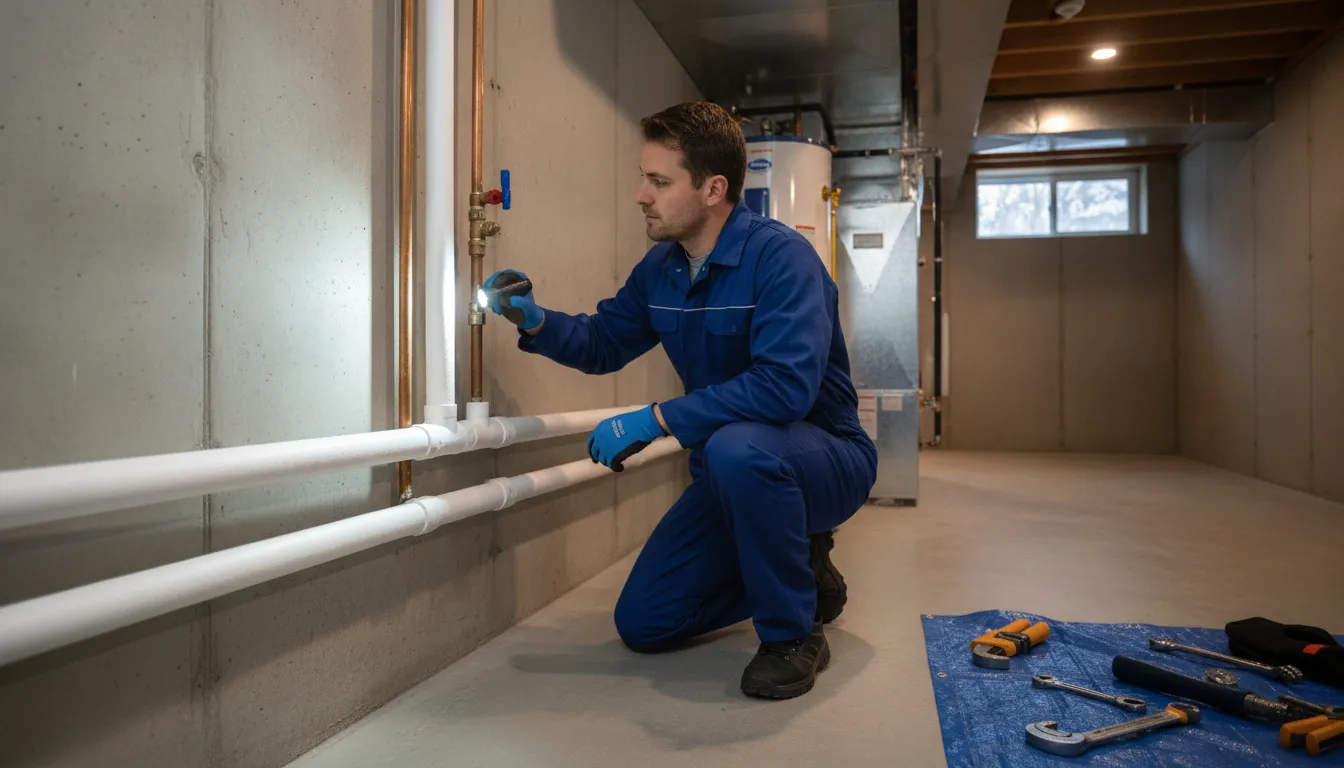
Sometimes, the problem is right where you can see it. Using a flashlight, carefully look into the floor drain opening. You might find that the clog is caused by a simple buildup of hair, soap scum, dirt, or other debris stuck in the drain’s P-trap. In some cases, a small toy or object might have fallen in and created the blockage. If you see the obstruction and can safely reach it with pliers or your hands (while wearing gloves!), you might be able to solve the problem yourself. However, if you see signs of a bigger issue, like toilet paper, it points back to a main line clog.
How to Fix a Minor Floor Drain Clog Yourself
If you’re dealing with a slow drain or a small puddle, you might be able to clear the blockage yourself before calling for backup. These DIY methods are best for minor clogs caused by things like soap scum, hair, and other light debris. Remember to always prioritize safety—wear gloves and goggles, and if a problem feels too big to handle, it probably is. For stubborn clogs or major backups that could indicate a bigger issue, your best bet is to get a professional diagnosis. A simple clog can sometimes be a sign of a more serious problem, and our team is always ready to help with emergency plumbing situations.
Try Simple Tools for Minor Clogs
If you can’t see the blockage, it’s time to try a few simple tools. For minor clogs caused by everyday buildup, these methods can be surprisingly effective. Start with the simplest solution: carefully pour a pot of hot water down the drain to dissolve soap scum and light grease. If that doesn’t clear things up, try a natural approach by pouring a cup of baking soda followed by a cup of vinegar down the drain. Let it fizz for about 15 minutes, then flush with more hot water. For a bit more force, a plunger can create the suction needed to dislodge the clog. If you suspect the blockage is a bit deeper, a drain snake is a great tool for breaking up or pulling out hair and other debris. If none of these DIY fixes work, it’s a clear signal that the problem is more serious and requires professional plumbing services to investigate.
How to Use a Plunger or Drain Snake
A trusty plunger is often the first tool to grab for a clog. For a floor drain, you’ll get the best results with a cup-style plunger. Make sure there’s enough water around the drain to cover the plunger’s cup, as this helps create a powerful seal. Push down and pull up with firm, steady pressure for about 30 seconds. If that doesn’t work, a drain snake (or auger) can physically break up or pull out the blockage. Just feed the snake into the drain until you feel resistance, then crank the handle to work through the clog. Be prepared for a bit of a mess, but it’s often effective for clogs close to the drain opening.
Using the Main Sewer Cleanout for Deeper Clogs
If you suspect the clog is deeper than the floor drain itself—especially if multiple drains are slow or you smell sewage—it’s time to check the main sewer cleanout. You can usually find this in your basement; it looks like a pipe with a square nut on the cap. Before you do anything, place some old towels around the base to catch any spillage. Carefully unscrew the cap and look inside. If you see standing water or sewage, that’s your confirmation: you have a main line clog.
This is where a DIY approach can get risky. Using a drain snake without knowing what you’re up against could push the blockage further or even damage your pipes. A main line clog requires a professional diagnosis. A plumber can use a special camera to inspect the line, pinpointing the exact location and cause of the problem, whether it’s tree roots or a damaged pipe. To prevent a much bigger mess, your best move is to call for emergency plumbing services right away.
The Classic Fix: Baking Soda and Vinegar
If you prefer to avoid harsh chemicals, this classic combination is a great alternative. The fizzing reaction between baking soda and vinegar can help dissolve grime and buildup inside your pipes. Start by pouring about one cup of baking soda directly into the drain. Follow it with one cup of white vinegar. It will immediately start to bubble and fizz—that’s the cleaning action at work. Let the mixture sit for about 30 minutes to an hour, then flush the drain thoroughly with a few pots of hot water. This method is gentle on your pipes and works well for breaking down soap scum and other organic gunk.
Can Hot Water Flush the Clog?
Sometimes, the simplest solution is the most effective. For very minor clogs, especially those caused by grease or soap buildup, a hot water flush can do the trick. Carefully pour a large pot of very hot (but not boiling) water directly down the floor drain. Do this a few times, allowing a minute or two between each pour. The heat can help melt and loosen the blockage, allowing it to wash away down the pipe. This is a great first step to try before moving on to other methods, or you can use it after the baking soda and vinegar treatment to help clear out any remaining debris.
Use a Wet/Dry Vac to Remove Standing Water
A wet/dry vacuum, or shop vac, can be a surprisingly powerful tool for drain clogs. First, you can use it to quickly remove any standing water, which makes it easier to see what’s going on in the drain. Once the water is gone, switch the vacuum to its highest suction setting. Create a tight seal around the drain opening with the vacuum hose—you may need to use a rag or a plunger head to help. The strong suction can often be enough to pull the clog right out of the pipe. Just be sure to check your vacuum’s filter and empty the canister afterward.
When Is It Time to Call a Professional Plumber?
While it’s tempting to tackle every home repair yourself, some plumbing problems are best left to the experts. A backed-up floor drain can sometimes signal a much larger issue lurking in your pipes. Ignoring these signs can lead to more extensive damage and costly repairs down the road. If you’ve tried the basic DIY fixes without success, or if you notice any of the following red flags, it’s time to put down the plunger and pick up the phone. Calling a professional ensures the problem is diagnosed correctly and fixed safely, giving you peace of mind.
If the Backup Keeps Coming Back
If you’ve cleared the drain only to have water reappear a day or two later, you’re likely dealing with more than a simple clog. Persistent standing water or backups that keep coming back are classic signs of a deeper blockage in your main sewer line. Your household drain snake just isn’t long or powerful enough to reach these obstructions. A professional plumber has the right tools, like motorized augers and high-resolution cameras, to find and break up the blockage for good. Don’t let a recurring issue turn into a major flood; it’s best to get an expert opinion on your plumbing services.
When You Smell Sewer Gas or Other Drains Are Clogged
A foul, sewer-like smell coming from your drains is a major warning sign. This odor is often caused by sewer gases seeping into your home through a dry or compromised drain trap, or it could indicate a blockage in your main sewer line. Another tell-tale sign of a main line problem is when multiple fixtures are clogged at once. If your basement drain, a toilet, and a shower are all backing up simultaneously, the issue isn’t isolated. This points to a central blockage affecting your entire home’s plumbing system, a situation that requires immediate professional attention.
If You Suspect Sewage Contamination
If the water backing up from your floor drain is dark, murky, and has a strong, unpleasant odor, you are likely dealing with a sewage backup. This water is unsanitary and contains harmful bacteria, viruses, and other pathogens that can pose serious health risks to your family and pets. Do not attempt to clean this up yourself without proper protective gear. The safest course of action is to keep everyone out of the affected area and call for emergency plumbing services right away. A professional has the equipment and expertise to handle the hazardous waste safely and fix the underlying cause.
A Clear Sign of a Main Line Clog
If you’ve noticed that it’s not just your floor drain but also your toilets, showers, and sinks that are draining slowly or backing up, you’re seeing a clear signal of a main sewer line clog. When this critical pipe is blocked, all the wastewater from your home has nowhere to go. It hits the blockage and flows back, emerging at the lowest point in your plumbing system—almost always the basement floor drain. This is why running the washing machine upstairs can cause a puddle to form downstairs. It’s a serious issue that goes beyond a simple DIY fix and requires professional emergency plumbing services to resolve before it causes significant damage.
What to Expect During a Professional Visit
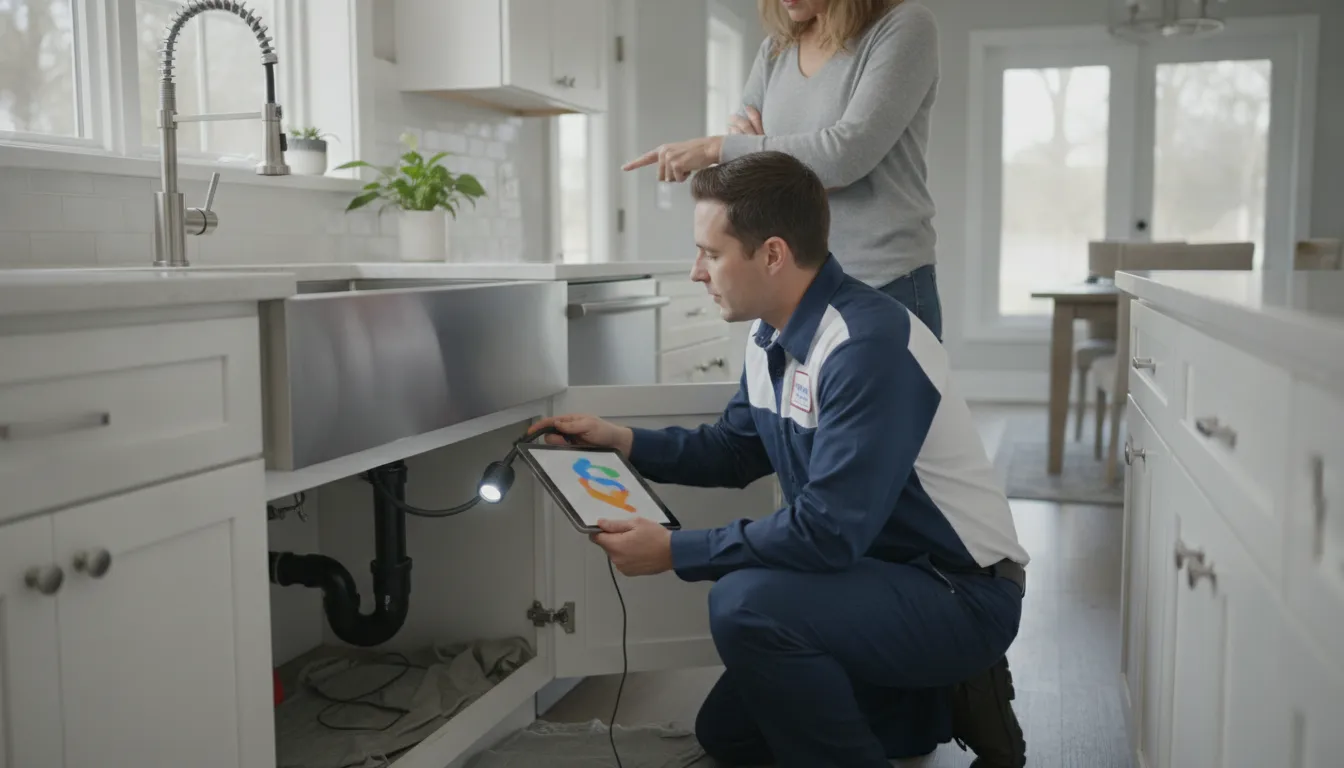
When you call in a professional, you’re getting more than just a plunger and some elbow grease. A licensed plumber will arrive with specialized equipment designed to accurately diagnose and resolve the problem efficiently. The first step is always a thorough assessment to confirm the cause and location of the clog. They will ask you questions about what you’ve been experiencing—which drains are affected, if you’ve heard gurgling sounds, and how long the issue has been going on. This initial conversation, combined with a visual inspection, helps them determine the best course of action, whether it’s a simple snake or more advanced techniques like a camera inspection or hydro jetting.
Professional Diagnostic Methods
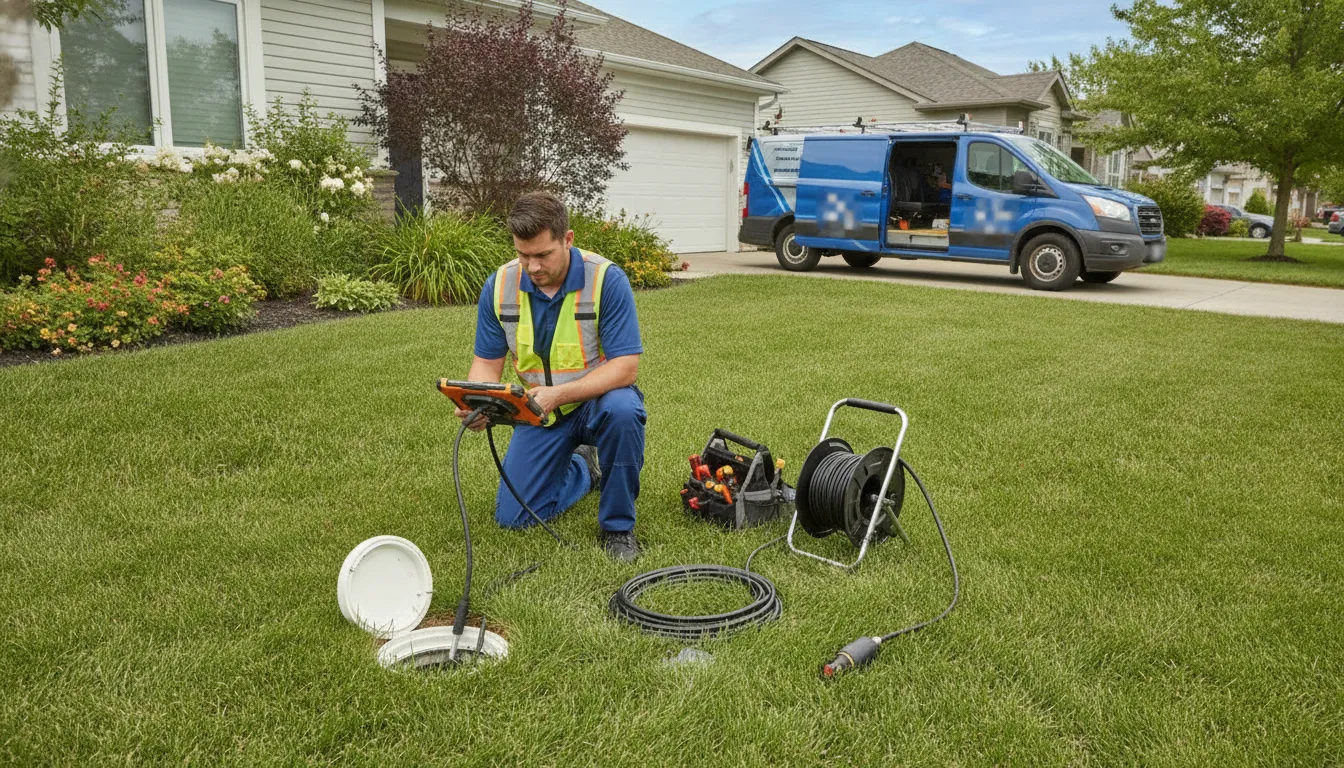
To get a clear picture of what’s happening inside your pipes, a plumber can use a special waterproof camera attached to a flexible cable. This camera is fed into your drain, allowing them to see the inside of your sewer line in real-time. This technology takes the guesswork out of plumbing by pinpointing the exact location and cause of the blockage. They can see if the problem is a buildup of grease, an invasive tree root, or even a collapsed or damaged pipe. This diagnostic step is crucial because it ensures the right solution is used, saving you time and money on ineffective repairs.
Hydro Jetting for Tough Blockages
For severe clogs, especially those caused by years of accumulated grease, sludge, or stubborn tree roots, hydro jetting is an incredibly effective solution. This method uses a high-pressure stream of water to blast through the obstruction and scour the inside of the pipes clean. Think of it as pressure washing for your sewer line. Unlike a traditional drain snake that just pokes a hole through the clog, hydro jetting removes the buildup from the pipe walls, restoring the pipe to its original diameter and helping to prevent future clogs. It’s a powerful tool that can resolve even the most persistent drainage issues.
How to Prepare for Your Plumber’s Visit
You can help make the service call go faster and smoother with a little preparation. First, clear a path to the affected drain and remove any furniture, boxes, or rugs from the immediate area. This gives the technician ample space to work with their equipment. It’s also incredibly helpful if you can locate your outdoor sewer access point, often called a cleanout, before they arrive. This is typically a capped pipe in your yard. Providing access here can sometimes allow the plumber to clear a main line clog without having to bring heavy equipment into your home, which helps keep things clean and speeds up the entire process.
Why You Shouldn’t Ignore a Backed-Up Drain
A backed-up floor drain is one of those home problems that’s impossible to ignore. Beyond the immediate mess and unpleasant smell, lingering water in your basement or laundry room can create serious problems for your home and your family’s health. Understanding these risks is the first step toward protecting your property and getting the right help when you need it.
The Health Risks of Sewage Exposure
When your floor drain backs up, the water is often contaminated with sewage. This isn’t just dirty water; it’s a hazardous mix carrying harmful bacteria, viruses, and pathogens that can make your family sick. Exposure to raw sewage can lead to gastrointestinal issues and other infections. Because the health risks are so significant, a sewage backup is a true emergency plumbing situation that requires immediate and professional attention. You’ll want to keep children and pets far away from the affected area and avoid direct contact with the water yourself. Cleaning it up properly requires specialized equipment and disinfectants to ensure your home is safe again.
How Water Backup Damages Your Home’s Structure
Water is incredibly destructive, and when it’s sitting on your floor, it’s actively damaging your home. It can seep into drywall, warp wooden floorboards and support beams, and even compromise your home’s foundation over time. What starts as a puddle can quickly lead to rotting materials and costly structural repairs. The longer the water sits, the more extensive the damage becomes. If the backup was caused by damaged pipes, such as those cracked by tree roots, the problem will only get worse. This kind of damage often requires a range of expert plumbing solutions to fix both the cause and the effects, preventing long-term harm to your home’s integrity.
Why Mold and Poor Air Quality Are a Concern
One of the most persistent dangers of a floor drain backup is the threat of mold. It only takes 24 to 48 hours for mold and mildew to start growing in a damp environment. Once it takes hold, it can spread quickly behind walls and under flooring, becoming difficult to remove. Mold releases spores into the air, which can trigger allergies, asthma attacks, and other respiratory problems. On top of that, sewer gas can seep into your home through the backed-up drain, bringing unpleasant odors and unhealthy fumes. Properly functioning sump pump services can help prevent basement water issues, but once a backup occurs, addressing the moisture immediately is critical for maintaining healthy indoor air quality.
How Much Does a Professional Plumber Cost?
When you’re dealing with a backed-up floor drain, one of the first questions that comes to mind is, “How much is this going to cost?” It’s a fair question, and the honest answer is: it depends. The final bill for a professional plumbing repair isn’t a one-size-fits-all number. It can vary quite a bit based on the specifics of your situation. Understanding the factors that go into the pricing can help you feel more prepared and confident when you make the call. A trustworthy plumber will always be transparent about their rates and what the job entails before they start working. At Mr. Pipey, we believe in clear communication, so you know exactly what to expect.
What Affects the Cost of a Repair?
The final price on your invoice is determined by a few key things. First is the nature of the problem itself. A simple clog that can be snaked out will cost less than a major sewer line blockage requiring more intensive work. The time of day also plays a role; an emergency plumbing call in the middle of the night or on a holiday weekend will naturally have a higher rate than a scheduled appointment during regular business hours. Finally, the extent of the damage matters. If the backup is contained to the drain, the cost will be lower than if water has already spread and damaged your floors, walls, or belongings.
Emergency Call vs. Scheduled Visit: What’s the Cost Difference?
There’s a significant cost difference between an urgent call and a routine visit. Emergency services are priced higher because they require an immediate response at any hour, pulling a technician away from other tasks or their personal time. While the hourly rate can be higher, paying for a quick response can save you thousands in water damage repairs down the line. In contrast, scheduled maintenance is much more affordable and serves as a preventive measure. Think of it as a small investment to avoid a huge, unexpected expense later. By having your drains inspected and cleaned regularly as part of our plumbing services, you can catch potential problems before they turn into a full-blown, floor-flooding emergency.
How to Prevent Future Floor Drain Backups
Dealing with a backed-up floor drain is something no one wants to repeat. The good news is that you have a lot of control over preventing it from happening again. By being proactive and mindful, you can keep your plumbing system running smoothly and avoid another messy cleanup. It really comes down to three key areas: establishing a simple maintenance routine, being careful about what goes down your drains, and knowing when to bring in a professional for backup. Let’s walk through some actionable steps you can take to protect your home.
Set Up a Simple Maintenance Schedule
Think of your drains like any other part of your home—they need a little TLC to stay in good shape. Setting up a simple, regular cleaning schedule is one of the best ways to prevent gunk from building up and causing a major clog. Once a month, make it a habit to pour a large pot of hot water down your floor drain. This helps dissolve soap scum, grease, and other grime that can accumulate over time. While you’re at it, do a quick visual check and clear away any hair, lint, or other debris caught on the drain cover. This small effort goes a long way in preventing the kind of slow, stubborn buildup that leads to emergency plumbing situations.
Be Mindful of What Goes Down the Drain
What you put down your drains has a direct impact on their health. Since all your home’s plumbing is connected, a clog in one area can easily cause a backup in your basement. The golden rule is simple: only human waste and toilet paper should ever be flushed down the toilet. Things like paper towels, cotton swabs, dental floss, and even so-called “flushable” wipes don’t break down properly and are notorious for causing blockages. In the kitchen, never pour cooking grease, fats, or oils down the sink; they solidify in the pipes and create stubborn clogs. By treating your drains with care, you can avoid the need for frequent toilet repair and keep your entire system flowing freely.
Avoid Coffee Grounds and Other Common Culprits
It’s easy to think that small things will just wash away, but some of the biggest clogs start with the smallest debris. Coffee grounds, for example, don’t dissolve in water. Instead, they clump together with grease and other gunk, creating a heavy, sludge-like blockage deep in your pipes. The same goes for cooking grease, which you should always let cool and throw in the trash, not the sink. Even small amounts of fat can build up over time, narrowing your pipes and catching other debris. Being mindful in the kitchen and bathroom is key to preventing the need for emergency plumbing services down the line.
Install Screens on All Drains
One of the easiest and most affordable ways to protect your drains is by installing mesh screens or strainers. You can find them at any hardware store for just a few dollars, and they are incredibly effective at catching hair, lint, soap scum, and other debris before it enters your plumbing system. Place them over every drain in your home, including your shower, bathtub, laundry sink, and yes, even the basement floor drain. The only catch is that you have to clean them regularly. Make it part of your weekly cleaning routine to empty the screens. This simple habit is a powerful preventative measure that helps keep your pipes clear and your home protected from unexpected backups.
Consider Professional Inspections and a Backwater Valve
While DIY maintenance is crucial, some things are best left to the pros. Having a licensed plumber perform a professional inspection can catch potential problems before they turn into disasters. We can use specialized tools to clear out deep-seated clogs and assess the overall condition of your pipes. For an extra layer of protection, consider installing a backwater valve. This smart device acts as a one-way gate, allowing water to flow out of your home but automatically closing to prevent sewage from backing up into your basement during heavy rain or a city sewer surge. It’s a fantastic safeguard, especially for homes in low-lying areas. If you’re interested in an inspection or learning more about backflow preventers, we’re here to help.
Schedule Annual Sewer Line Inspections
One of the most effective ways to prevent a major backup is to have your sewer line professionally inspected once a year. Think of it as a regular health check-up for your home’s plumbing system. During an inspection, a professional plumber uses a specialized, high-resolution camera that travels through your main sewer line, providing a clear, real-time view of what’s happening inside your pipes. This technology allows them to spot potential problems like minor clogs, invasive tree roots that are just starting to intrude, or small cracks in the pipe long before they escalate into a full-blown emergency. Taking this proactive step is a smart investment that can save you from the stress and significant expense of a major backup.
By scheduling an annual inspection, you shift from a reactive approach to a preventative one. Catching a small issue early is always more manageable and far less expensive than dealing with the aftermath of a basement full of sewage. These regular checks ensure your entire plumbing system remains in good working order and provide invaluable peace of mind, especially in older homes or properties with large trees. If you’re in the Metro Detroit area, our team at Mr. Pipey can provide a thorough inspection as part of our comprehensive plumbing services, helping you keep your home safe and your drains flowing exactly as they should.
Don’t Believe These Floor Drain Myths
When you’re dealing with a backed-up floor drain, you’ll hear all sorts of advice from neighbors, friends, and the internet. While some of it might be helpful, there are a few persistent myths that can lead you down the wrong path, potentially causing more damage to your home and your plumbing system. Let’s clear up some of the most common misconceptions so you can handle the situation with confidence and avoid making a messy problem even worse. Getting the facts straight is the first step toward a real, lasting solution.
Why Chemical Drain Cleaners Can Do More Harm Than Good
It’s tempting to reach for a bottle of chemical drain cleaner when you see water backing up. They’re marketed as a fast and easy fix, but they often create more problems than they solve. These harsh chemicals can be incredibly corrosive, eating away at your pipes over time and leading to costly leaks. Plus, they’re rarely effective against the serious blockages that cause floor drain backups, like sewer line issues or tree root intrusion. For small clogs, a simple plunger or drain snake is a much safer bet. But for a floor drain, it’s best to skip the chemicals and call a professional who can diagnose the real issue without damaging your plumbing.
The Problem with “Just a Little” Standing Water
You might think a small puddle around your basement floor drain is no big deal, but any amount of standing water is a red flag. This water, especially if it’s from a sewer backup, creates the perfect environment for mold and mildew to grow, which can seriously impact your home’s air quality and lead to respiratory issues. Even worse, standing water can be a sign that unhealthy sewer gas is also seeping into your home. It’s crucial to address any standing water immediately to protect your property and your family’s health. Don’t wait for the puddle to grow; treat it as the warning sign it is.
Why One Repair Might Not Be a Permanent Fix
Clearing a clog might feel like a permanent fix, but it’s often just a temporary patch on a bigger problem. If your floor drain backup is caused by an underlying issue, the problem will keep coming back until that root cause is addressed. For example, if invasive tree roots have cracked or crushed your old cast iron or clay sewer lines, simply snaking the drain won’t stop it from happening again. In these cases, you might need to replace the damaged sections with modern, durable PVC pipes. A true solution involves identifying and fixing the source of the problem for good.
Why Capping or Sealing the Drain Won’t Work
When water is coming up from your floor drain, it’s a natural instinct to want to plug the opening. It seems like a simple, direct solution, but this is one of the worst things you can do. Your floor drain is backing up because there’s a blockage somewhere else, most likely in your main sewer line. Capping the drain doesn’t fix the problem; it just blocks the symptom. All that wastewater is still trying to get out, and by sealing its easiest escape route, you force it to find the next lowest point. This could be your ground-floor shower or toilet, turning a contained basement issue into a much larger and more destructive emergency plumbing situation. The only effective solution is to address the actual clog, which requires professional help to resolve correctly.
Related Articles
- Repair & Emergency Solutions
- Plumbing Maintenance & Prevention
- DIY Garbage Disposal Repair: A Step-by-Step Guide
Frequently Asked Questions
My drain only backs up during heavy rain. Is this a problem with my house or the city’s sewer? This is a common issue that often points to the municipal sewer system being overwhelmed. When a storm dumps a large amount of water, the city’s main lines can fill up, forcing water back toward your home. While the initial cause is external, protecting your home is your responsibility. A properly working sump pump is your first line of defense, and installing a backwater valve can provide an extra layer of security by preventing city sewage from flowing into your basement.
What’s the single biggest sign that I have a main sewer line clog instead of a simple blockage? The clearest indicator of a main sewer line clog is when multiple drains in your home are backing up at the same time. If flushing an upstairs toilet causes water to gurgle up in your basement shower and floor drain, the problem isn’t isolated. This means the central pipe carrying all your home’s wastewater away is blocked, and it’s a definite sign that you need to call a professional right away.
Are “flushable” wipes actually safe for my plumbing? Simply put, no. Despite what the packaging says, these wipes do not break down in water the way toilet paper does. They are a leading cause of stubborn clogs in home plumbing and municipal sewer systems. To keep your pipes clear and avoid a preventable backup, the only things that should ever be flushed are human waste and toilet paper.
I’ve heard about backwater valves. Are they worth the investment? Think of a backwater valve as an insurance policy for your basement. This device is installed on your sewer line and acts as a one-way gate, letting wastewater flow out but automatically closing if sewage starts to back up from the city’s main line. If you live in an area prone to heavy rain or have experienced backups before, it is an excellent investment for your peace of mind and can save you from a very messy and expensive cleanup.
Why can’t I just use a chemical drain cleaner to fix the problem? While it seems like a quick fix, chemical drain cleaners can cause more harm than good. These harsh liquids can corrode your pipes, especially if they are older, leading to leaks and even more expensive repairs down the line. Furthermore, they are rarely powerful enough to clear a serious blockage like tree roots and often just burn a small hole through the clog, which means the problem will quickly return.