
A leaky pipe joint doesn’t have to ruin your day—or your budget. While you need to act fast to prevent water damage, the solution is often simpler than you think. Forget the idea that you need a professional with a soldering torch. For many common drips, you can perform a lasting pipe leak repair yourself. We’ll show you how to fix a leaky copper pipe joint without solder using accessible, DIY-friendly techniques. From push-fit connectors to compression fittings, you can create a strong seal without the complexity or danger of an open flame.
Key Takeaways
- Proper Prep Creates a Lasting Seal: Before attempting any repair, always shut off the water, drain the pipe, and scrub the leaky area until it is completely clean and dry. This step is critical for ensuring your chosen repair material can bond correctly.
- Choose the Right No-Solder Method: Use epoxy putty or repair tape for a quick, temporary patch on small pinholes. For a more durable, long-term solution on a failed joint, select a mechanical option like a push-fit or compression fitting.
- Recognize When to Call a Professional: A simple patch cannot solve major issues like severe corrosion, large cracks, or gushing leaks. If the problem seems too big or your DIY fix fails, calling a plumber is the safest way to prevent significant water damage.
Why Is Your Copper Pipe Joint Leaking?
Finding a puddle under a copper pipe joint is a frustrating discovery. Before you can choose the right fix, it helps to understand what caused the leak in the first place. Copper is a durable material, but even the strongest pipes can fail at the joints, which are the weakest points in your plumbing lines. Most leaks come down to one of a few common culprits, from simple wear and tear to issues with your home’s water pressure. Pinpointing the cause will help you decide whether a quick DIY repair is enough or if it’s time to call in a professional.
Corrosion and Age: The Slow Drip Culprits
Even though copper is known for its longevity, it’s not immune to the effects of time and chemistry. Over many years, the inside of your pipes can slowly wear away. Sometimes, the problem is galvanic corrosion, which happens when copper is connected directly to a different type of metal, like a steel or cast iron fitting. This creates a small electrical reaction that eats away at the pipe material, eventually causing a leak. If your home has older plumbing, simple aging and decades of water flow can also weaken the soldered joints, making them prone to drips and requiring a professional repair.
How Temperature Changes Stress Your Pipes
Your pipes are constantly working, and that includes dealing with rapid temperature changes. When you run hot water, the copper expands slightly. When it cools, it contracts. Over time, this constant movement puts stress on the pipe joints. Here in Metro Detroit, seasonal temperature shifts can make this even worse. This process can slowly weaken solder and create tiny pinhole leaks that develop when interior corrosion is made worse by these temperature fluctuations. Proper pipe insulation can help protect your plumbing from extreme temperature swings and reduce this stress.
Faulty Installs and High Water Pressure
Sometimes, the problem isn’t age but how the pipes were installed. Recurring leaks, especially in newer copper plumbing, often point to poor solder joints or stress put on the pipe during installation. If a joint wasn’t heated or soldered correctly, it creates a weak spot that will eventually fail. Another common cause is high water pressure. If the pressure in your home’s plumbing is too high, it puts constant strain on every pipe, fitting, and joint. This excessive water pressure can easily turn a tiny weakness into a steady drip or even a burst pipe, which may require emergency plumbing services.
Your No-Solder Pipe Leak Repair Toolkit
Before you dive under the sink, let’s get organized. The key to a successful and low-stress repair is having everything you need within arm’s reach. There’s nothing worse than having to run to the hardware store mid-project while a bucket slowly overflows. Taking a few minutes to gather your tools and materials will make the entire process smoother. This list covers the essentials for the most common no-solder repair methods we’ll be discussing. Think of it as your pre-repair checklist to ensure you’re ready for a clean, effective fix.
The Must-Have Hand Tools
You don’t need a professional-grade workshop, but a few specific tools will make this job much easier. A good pipe cutter is a must-have for getting a clean, square cut, which is essential for a leak-proof seal. You’ll also want an adjustable wrench for tightening fittings and a wire brush for cleaning the pipe surface. Don’t forget a bucket and some old towels to catch any remaining water after you shut off the main supply. Having these basics on hand means you can prep the pipe properly and avoid making a bigger mess.
The Right Materials for the Job
The material you choose will depend on the type and severity of the leak. For small cracks or pinhole leaks, epoxy putty is a fantastic temporary solution. You simply mix the two parts, press it firmly over the leak on a dry pipe, and let it cure. For a more durable fix, you might consider pipe repair tape or clamps. If you’re dealing with a drinking water line, it’s critical to use sealants that are NSF-certified for potable water to ensure your water remains safe to drink. Always read the product label to confirm it’s right for your specific situation.
Considering Different Pipe Materials
While patches like epoxy or tape are great for tiny pinhole leaks, a failing joint often calls for a more robust, mechanical solution. This is where push-fit or compression fittings come in. These are designed to create a strong, watertight seal around the pipe without any soldering. However, it’s not just about picking one that fits. You need to consider the material of the fitting itself. Connecting different metals, like copper to galvanized steel, can cause a chemical reaction called galvanic corrosion, which can eat away at your pipes and create even bigger problems down the road. Always choose fittings that are compatible with copper to ensure a durable, long-lasting repair.
Safety First: What You’ll Need
Your safety is the top priority. Start with simple protective gear like safety glasses and gloves. You’ll be cleaning and potentially cutting pipe, so protecting your eyes and hands is a smart first step. The most important safety measure, however, is ensuring the water is completely shut off and the pipe is dry before you begin. A wet surface will prevent any sealant or tape from adhering correctly. If the leak is aggressive or you’re not comfortable shutting off the water yourself, it’s always best to call a professional for emergency plumbing services.
Prepping Your Pipe for a Successful Repair
Before you can apply any fix, you need to get the pipe ready. Proper preparation is the difference between a repair that lasts for years and one that starts dripping again in a week. Taking the time to do these prep steps correctly will save you a lot of frustration and ensure your repair materials can create a strong, watertight seal. Think of it as creating the perfect canvas for your repair. We’ll walk through turning off the water, cleaning the pipe, and getting the surface ready for its fix.
Step 1: Shut Off the Water and Drain the Pipe
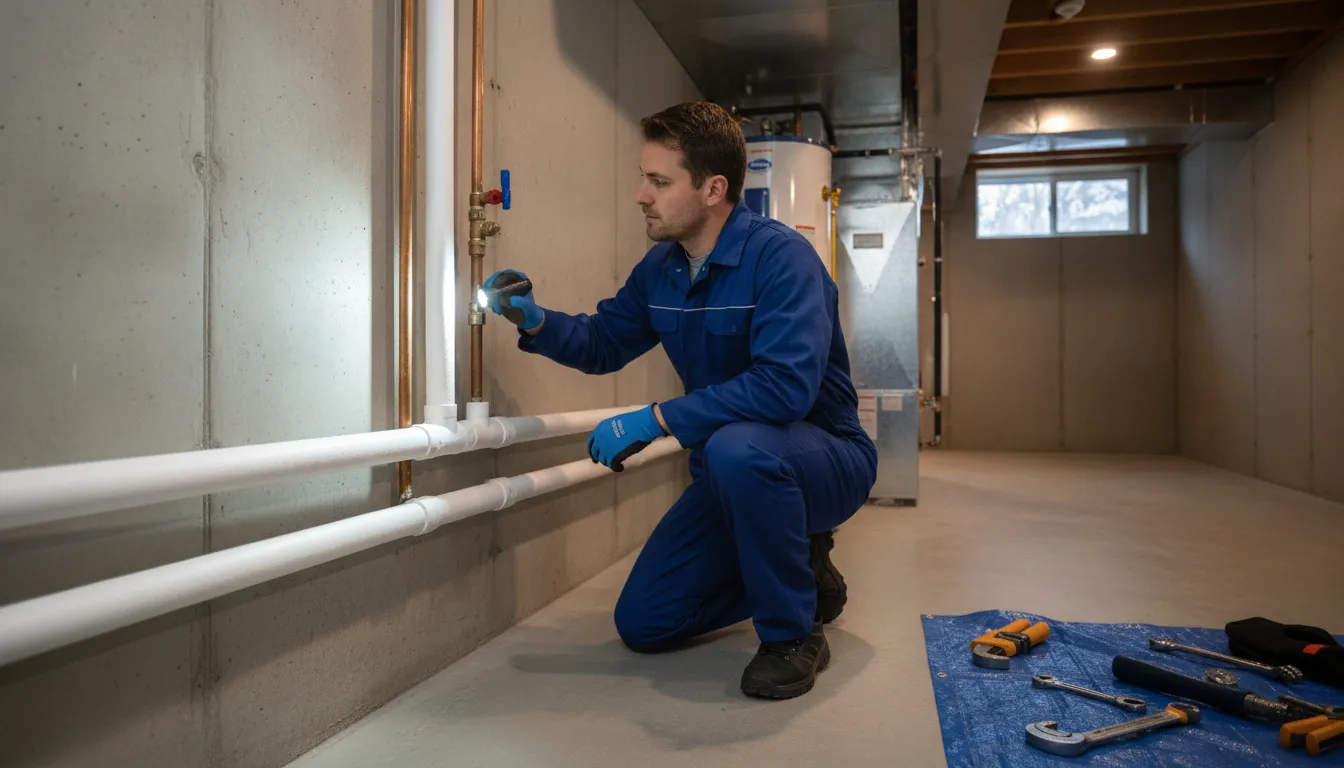
First things first, you must turn off the water supply before starting any pipe repair. This is a critical step to prevent turning a small leak into a major flood. Find your home’s main water shut-off valve, which is often in the basement or a utility closet, and turn it clockwise until it’s fully closed. Once the main supply is off, open a faucet at the lowest level of your house, like a basement sink, to drain any remaining water from the system. You’ll also want to open the faucet closest to your leaky pipe to relieve pressure. This ensures the pipe you’re working on is empty and dry, making the repair process much cleaner and safer.
Get a Closer Look: Clean and Inspect the Joint
With the water off, it’s time to get a good look at the problem area. Your goal is to make sure the area is free of dirt, rust, and any old sealant. Use a wire brush or some medium-grit sandpaper to scrub the copper pipe around the leak until it’s shiny and clean. Then, wipe it down with a dry cloth to remove any dust or moisture. A clean, dry surface is essential for any repair material to bond correctly. While you’re cleaning, inspect the joint closely. Are you dealing with a pinhole leak or a crack along the solder line? Sometimes, leaks happen because of weak “cold joints” from the original installation. Understanding the exact source will help you choose the best repair method.
Creating a Clean Surface for a Perfect Seal
The final prep step is to create a perfectly smooth surface for your chosen repair. If you’re using a push-fit or compression fitting, you need to clean and smooth the ends of your pipes for the best results. Any burrs or rough spots can damage the fitting’s internal seal and cause a new leak. Use a deburring tool or fine-grit sandpaper to smooth out any sharp edges. If you’re using a product like epoxy putty, which fills the damage and bonds the metal together, a slightly roughed-up surface can help it adhere better. No matter the fix, the pipe must be completely dry before you apply anything. If the leak looks severe, it might be time to call for professional emergency plumbing help.
The Quick Fix: Using Push-Fit Fittings
If the thought of using a blowtorch in your basement is less than appealing, you’re in luck. Push-fit fittings are a game-changer for DIY plumbing repairs, letting you fix a leaky copper pipe joint quickly and without any soldering. These connectors are designed for ease of use, creating a strong, watertight seal with a simple push. For many common leaks on straight pipe runs, this method is the perfect way to get your plumbing back in order with confidence and without the hassle of traditional pipe-fitting techniques.
Is a Push-Fit Fitting Right for Your Leak?
A push-fit fitting is your best friend for a leak on an accessible, straight section of copper pipe, like under a sink or in an open basement. It’s the perfect time to skip the complexity and hazards of soldering. You can fix many copper pipe leaks yourself, saving time and avoiding the need for an open flame. If you’re a homeowner looking for a straightforward and reliable solution for a minor leak that you want to handle on your own, the push-fit fitting is an excellent choice. It provides a professional-grade seal without a steep learning curve.
Installing a Push-Fit Fitting: Step-by-Step
Installing a push-fit fitting is surprisingly simple. After shutting off the water and draining the pipe, cut out the leaky section with a pipe cutter to get a clean, square edge. Next, use a deburring tool and some emery cloth to smooth and clean the pipe ends; this step is critical for a watertight seal. Most fittings come with a small depth gauge so you can mark how far the pipe needs to be inserted. Finally, just push the fitting firmly onto the pipe with a slight twist until it clicks or stops at your mark. That’s it! You’ve created a secure connection.
Marking the Insertion Depth
Getting the insertion depth right is the secret to a leak-free seal with a push-fit fitting. It’s a simple but crucial step. Most push-fit connectors come with a small plastic depth gauge, which takes all the guesswork out of the process. After you’ve cut and cleaned your pipe, slide this gauge over the end and use a marker to draw a line on the pipe right at the edge of the gauge. This line is your target. As you push the fitting onto the pipe, you’ll want to press it firmly until the edge of the fitting meets your mark. You should feel a distinct ‘click’ as the internal teeth grab the pipe, locking it securely in place. If you push it on and it still feels loose, or you’re just not confident in the seal, it’s better to be safe than sorry. Sometimes, a tricky angle or an older pipe can make even a simple fix challenging, and that’s when calling for a professional plumbing service is the smartest move.
Push-Fit Fittings: The Good and the Bad
The biggest advantage of push-fit fittings is their speed and simplicity. You can complete a repair in minutes with minimal tools. They create a strong, reliable seal and can even be removed with a special tool if you need to make an adjustment. However, they do have downsides. Push-fit fittings are more expensive than traditional solder joints. While reliable for accessible repairs, some professionals hesitate to use them behind finished walls where they can’t be inspected. If your leak is in a tricky spot or you want a permanent solution with maximum longevity, calling a pro is the better call. For any job that feels beyond a quick fix, our team is ready to help with our comprehensive plumbing solutions.
For a Lasting Repair: Try Compression Couplings
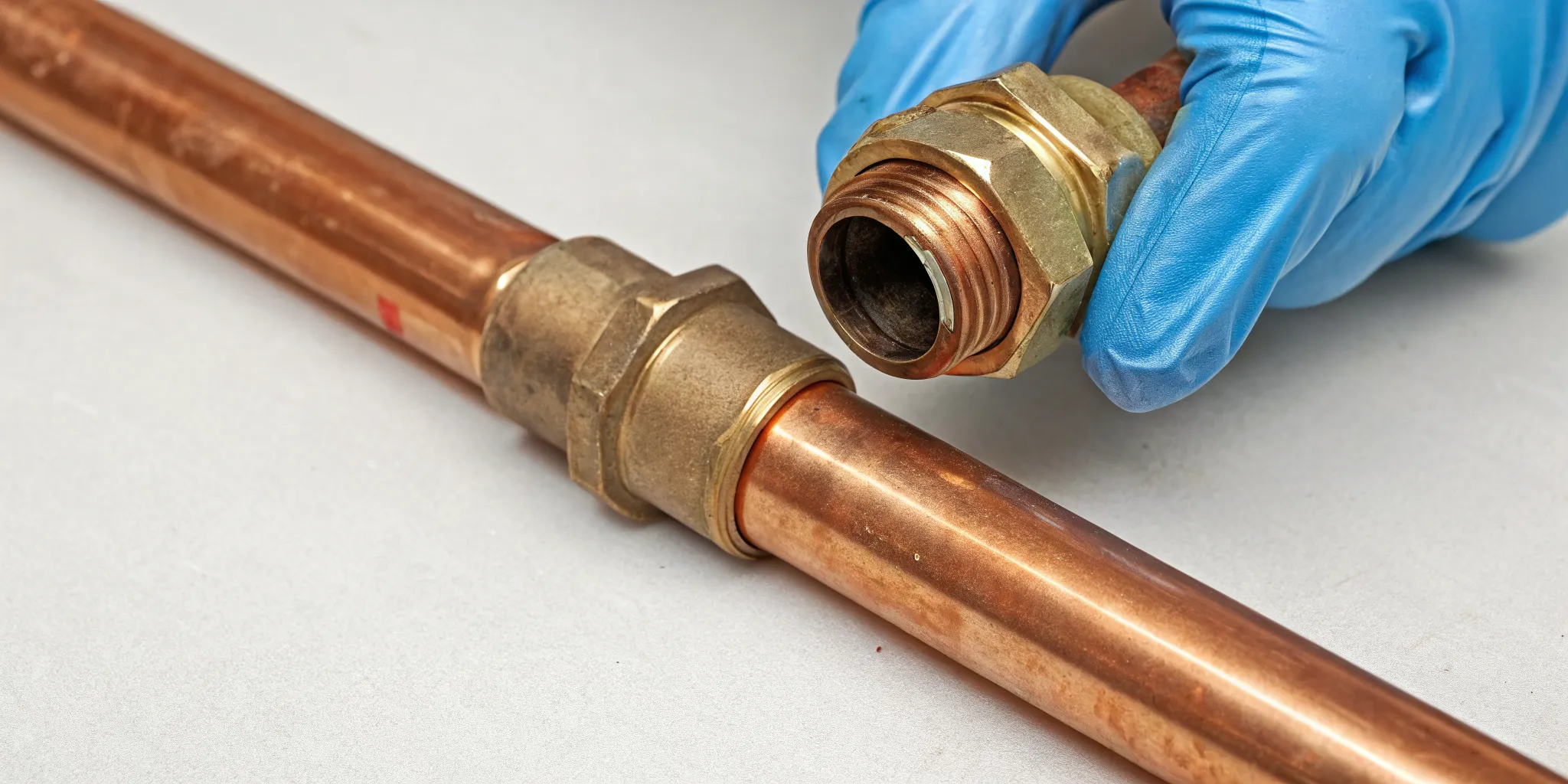
If you’re looking for a repair that offers more durability than putty or tape, a compression coupling is an excellent choice. This method creates a strong, mechanical seal without any soldering, making it a fantastic DIY-friendly option for a long-term fix. Unlike a push-fit fitting that snaps on, a compression coupling uses a more traditional approach with threaded nuts and small rings called ferrules. When you tighten the nuts with a pair of wrenches, they compress the ferrules against the copper pipe, creating a secure, watertight connection that can stand the test of time.
This type of repair is perfect for straight runs of pipe where a joint has failed or a small section of pipe needs to be replaced. While it requires a couple of wrenches and a little more elbow grease than a push-fit connector, the result is a robust repair that gives you real peace of mind. It’s a classic plumbing solution that has been trusted for decades because it’s reliable and effective. If you’re comfortable with basic hand tools, installing a compression coupling is a straightforward process that will get your plumbing back in working order.
Which Compression Fitting Do You Need?
The most critical step in using a compression coupling is selecting the right size. These fittings are not one-size-fits-all, so you’ll need to match the coupling to the exact outer diameter of your copper pipe. You can find the size printed on the side of the pipe or measure it yourself. Once you have the measurement, head to your local hardware store to find a brass compression coupling to match. The kit will include the main body of the fitting, two threaded nuts, and two small brass rings called ferrules. These little rings are what create the seal, so make sure they’re included. Before you start any work, remember to completely drain the pipe; this repair won’t work with water present.
Installing Your Compression Coupling
With the water off and the pipe dry, you’re ready to install the fitting. First, make sure the ends of the pipe are clean and smooth. Slide one compression nut onto the pipe, making sure the threads face the end of the pipe. Next, slide a ferrule on. Now, push the pipe end into the coupling body until it hits the internal stop. Slide the ferrule and nut down to meet the fitting and hand-tighten the nut. Repeat this on the other side. To finish, use two wrenches: one to hold the coupling steady and the other to tighten the nut about a half to a full turn past hand-tight. This compresses the ferrule, creating the seal. If this process seems daunting, our team handles all types of pipe repairs and can ensure a perfect, leak-free result.
The Patch-Up Job: Epoxy Putty and Repair Tape
If you’re dealing with a small drip or a pinhole leak, epoxy putty and repair tape are two fantastic tools to have in your DIY arsenal. They offer a quick and effective way to stop a leak without any soldering, making them perfect for an immediate fix. Think of them as the ultimate first-aid for your pipes. While they aren’t meant to be a forever solution for major problems, they can buy you valuable time and prevent water damage while you plan for a more permanent repair.
These materials are designed to be user-friendly. You can find them at any hardware store, and they work by creating a waterproof seal directly over the damaged area of the pipe. Applying them is straightforward, but it’s important to follow the instructions carefully to ensure you get a solid, water-tight patch. Whether you choose putty or tape often comes down to the type of leak and your personal preference, as both can be incredibly effective for minor repairs.
Is It a Temporary or a Long-Term Fix?
It’s important to understand that these fixes are not created equal in terms of longevity. Pipe repair tape is generally considered a temporary solution. It’s great for stopping a leak in a pinch, especially in an awkward spot, but you should plan on a more permanent repair soon after. Epoxy putty, on the other hand, can be a more durable, semi-permanent fix. When applied correctly to a small pinhole or crack, it hardens into a tough, waterproof material that can last for a considerable time. However, neither of these methods replaces the security of a professional repair, especially for larger cracks or failing joints. If you’re facing a significant leak, these patches can hold things together until you can get emergency plumbing help.
The Right Way to Apply Epoxy and Repair Tape
The key to a successful patch is proper application. For epoxy putty, you’ll start by cutting off the amount you need. Knead it with your fingers until it becomes a uniform color; this activates the hardening agent. Once it’s mixed, press the putty firmly over the clean, dry leak, making sure to mold it around the pipe to create a complete seal. For pipe repair tape, the technique is all about tension. Start wrapping a few inches to the side of the leak and stretch the tape tightly as you go. Overlap each layer by about half to build up a strong, pressurized seal over the damaged area. For both methods, a clean and completely dry pipe surface is non-negotiable for good adhesion.
Working with Wet or Actively Leaking Pipes
This might be the most important tip of all: you cannot successfully patch a pipe that is wet. It’s a common mistake to try and slap some putty on a slow drip, but any moisture will prevent the material from bonding to the copper. Your repair will fail, and you’ll be right back where you started. Before you apply anything, the water must be shut off and the area must be completely bone-dry. If the leak is so aggressive that you can’t get it to stop, that’s a clear sign that the problem is beyond a simple patch. In that situation, don’t hesitate to call for emergency plumbing help to prevent serious water damage.
Using Pipe Casts for a Stronger Shell
For a patch that’s a step up from basic tape, consider a pipe cast. This is typically a fiberglass tape soaked in a water-activated resin. You wrap it tightly around the clean, dry pipe, and it hardens into a rock-solid shell, much like a medical cast. It provides excellent structural support and is more durable than putty or standard repair tape, making it a great option for small cracks or pinholes that need a sturdier fix. While it’s a robust solution, it’s still a patch. It won’t fix severe corrosion or a failing joint from the inside. If you want a permanent solution, you’ll need to explore professional pipe repairs that address the root cause of the leak.
Can Your Repair Handle the Pressure?
While they are temporary fixes, both epoxy and tape are impressively strong. Once cured, epoxy putty is incredibly resilient. It’s resistant to water, chemicals, and a wide range of temperatures, making it a versatile patch for different situations. You can even sand, drill, or paint it to match your pipe. Repair tape is also quite tough and can typically withstand water pressure over 100 PSI, which is more than enough for most residential pipes. Keep in mind that extreme temperature fluctuations, like the kind that can lead to frozen pipes, can stress any plumbing system. While these materials can hold up well, they are still just a patch on the underlying issue.
Understanding Pressure and Temperature Ratings
When you grab a package of epoxy putty or repair tape, you’ll notice ratings for pressure (PSI) and temperature. These numbers are your guide to knowing if the product is right for your situation. Most residential water pressure sits between 40 and 80 PSI, so a repair tape rated for over 100 PSI is generally strong enough to handle the job. Temperature ratings are just as critical. Your pipes are constantly expanding and contracting with hot and cold water, which puts stress on any repair. A quality epoxy putty is designed to be resilient against these temperature changes, but it’s still just a patch. Here in Metro Detroit, where winters get serious, this is especially important. A temporary fix won’t stop a pipe from freezing, which is why preventative measures like proper pipe insulation are key to protecting your plumbing from more severe damage.
The External Fix: Using a Pipe Clamp
A pipe clamp is another excellent tool for your no-solder repair kit. Think of it as a strong, secure bandage for your pipe. It works from the outside, squeezing a rubber gasket over the leak to create a watertight seal. This method is fantastic for dealing with small cracks or pinholes on a straight run of copper pipe, especially when you need a reliable fix without breaking out a torch. While some clamps are designed for temporary use, others can provide a surprisingly durable solution. Let’s walk through how to choose the right one and get it installed properly.
How to Choose the Right Pipe Clamp
When you head to the hardware store, you’ll be looking for a “pipe repair clamp.” These aren’t the same as the clamps used to mount pipes to walls. A repair clamp is a two-piece metal sleeve that bolts together, with a flexible rubber gasket on the inside. The most important step is to get the right size. You’ll need to know the diameter of your copper pipe, so measure it before you go. These clamps are made to fit specific pipe sizes to ensure the gasket can create a perfect, leak-proof seal. While they offer a great temporary fix, it’s wise to consider a more permanent solution from our range of plumbing services for long-term peace of mind.
Installing a Pipe Clamp the Right Way
Putting on a pipe clamp is pretty straightforward. After you’ve shut off the water and dried the pipe, give the area around the leak a good cleaning with a cloth to remove any dirt or grime. Next, open the clamp and place the rubber gasket so it’s centered directly over the pinhole or crack. Fit the metal sleeve pieces around the gasket and pipe, then insert the bolts. Tighten the screws or nuts evenly, alternating between them a little at a time. This ensures the clamp applies uniform pressure. If the leak persists or you feel out of your depth, don’t hesitate to call for professional help. A persistent leak might require an emergency plumbing visit to prevent water damage.
How Long Will a Clamp Repair Last?
The lifespan of a pipe clamp repair really depends on the quality of the clamp and the condition of your pipe. A high-quality repair clamp, when installed correctly on a clean, straight pipe with a minor pinhole leak, can be a surprisingly durable solution, often lasting for years. Think of it as a strong, secure bandage that provides a long-term seal for a very specific, localized problem. However, it’s important to remember that a clamp doesn’t fix the underlying cause of the leak, like widespread corrosion. If the pipe itself is old and deteriorating, the clamp is only a temporary hold. For a permanent solution that addresses the health of your entire plumbing system, it’s always best to contact a professional for an expert assessment.
A Simple Hose Clamp Repair for Emergencies
In a moment of panic, you might be tempted to grab a standard hose clamp and a piece of rubber to stop a leak, but this is a risky move. A true pipe repair clamp is engineered for this exact job. It’s a two-piece metal sleeve with a thick rubber gasket inside that, when bolted together, applies even pressure to create a secure, leak-proof seal. A simple hose clamp isn’t designed to handle the consistent pressure of a home’s water line and can easily fail, turning a small drip into a major disaster. If you’re facing a leak that feels like an emergency, using the wrong tool can make things much worse. Instead of risking it, the safest bet is to call for professional emergency plumbing services to handle the problem correctly and prevent further water damage.
How to Choose the Right Repair Method
With several no-solder options available, picking the right one comes down to your specific situation. You’ll want to think about the size and location of the leak, your budget, and whether you need a quick patch or a permanent solution. Some fixes are incredibly simple and affordable but might not last, while others require a bit more effort for a more durable seal. Thinking through these factors will help you select the best method to get your pipes back in working order without having to break out a soldering torch.
Weighing Durability Against Cost
Your budget and the need for a long-term fix are the two biggest factors to weigh. Methods like using epoxy putty or a pipe clamp are very cost-effective and can save you money on a professional call-out. However, they are often temporary solutions. For a more durable repair, push-fit and compression fittings are excellent choices. While they cost more than putty, they provide a much more reliable, long-term seal. Soldering is traditionally known as an effective long-term solution, but these no-solder alternatives offer fantastic short- and long-term fixes that you can often handle yourself, saving both time and money.
Does the Fix Match the Leak?
The nature of the leak itself will guide your choice. For very small pinhole leaks or hairline cracks, epoxy putty is a great temporary solution that can seal the opening quickly. If you’re dealing with a larger crack or a corroded section of the pipe joint, you’ll need a more robust fix. A compression coupling or a push-fit fitting is ideal here because it covers or replaces the damaged area entirely. Also, consider the location. If the leak is in a tight, hard-to-reach spot, flexible repair tape or moldable epoxy putty might be your only option, as they don’t require room to tighten nuts like compression fittings do.
A Quick Guide: When to Use Each Method
Let’s break it down. Use push-fit fittings when you need a fast, easy, and reliable repair; they are perfect for beginners since you just push them into place. Opt for compression couplings when you want a very secure, long-lasting mechanical seal and have enough space to use wrenches. Reach for epoxy putty or repair tape for a quick, temporary patch on a pinhole leak, especially if you can’t shut the water off right away. If you’re unsure or the leak seems too aggressive for a DIY fix, it’s always best to call a professional. A persistent leak can lead to bigger problems, and our emergency plumbing team is always ready to help.
Understanding the Cost of Professional Pipe Leak Repair
While the no-solder fixes we’ve covered are great for many situations, there are times when a leak is simply out of DIY territory. If you’re facing a gushing leak, a pipe that’s hidden behind a wall, or a repair that just feels beyond your comfort zone, calling a professional is the smartest move. I know the thought of a surprise bill can be stressful, but understanding the potential costs ahead of time can make the process much smoother. Let’s break down what you can expect when you hire a pro, so you can feel prepared and in control.
Average Repair Costs and Plumber Rates
The final price tag for a professional repair can vary widely based on the complexity and location of the leak. A simple, easy-to-reach leak under a sink might cost between $150 and $500. However, if the leak is hidden behind a wall or under a concrete slab, the cost can climb to $500 to $5,000 or more, as it requires more labor to access and repair. Most plumbers charge an hourly rate, typically from $45 to $150 per hour for standard service. If you need help outside of business hours, be prepared for higher emergency rates, which can range from $100 to over $350 per hour. This is why addressing a small drip early is always a good idea—it can save you from a pricey emergency call later.
Potential Additional Fees for Diagnosis
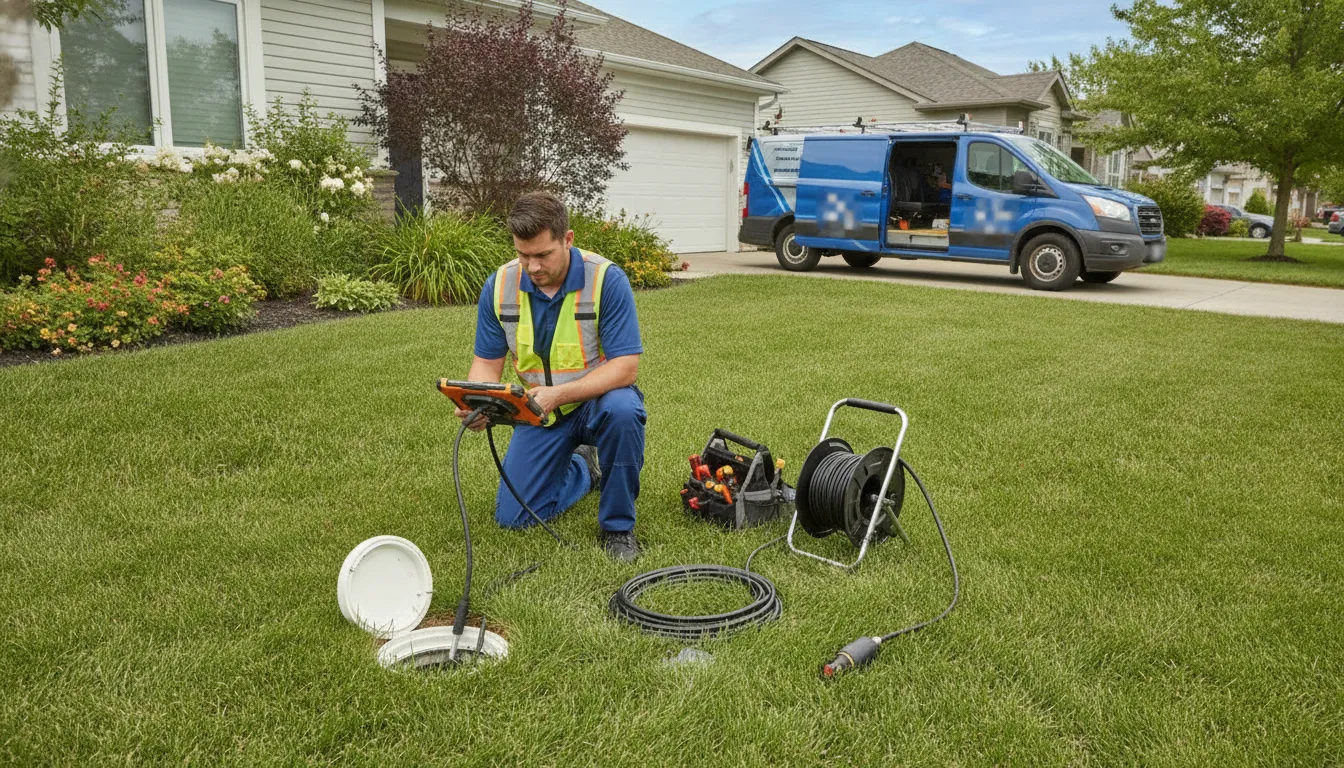
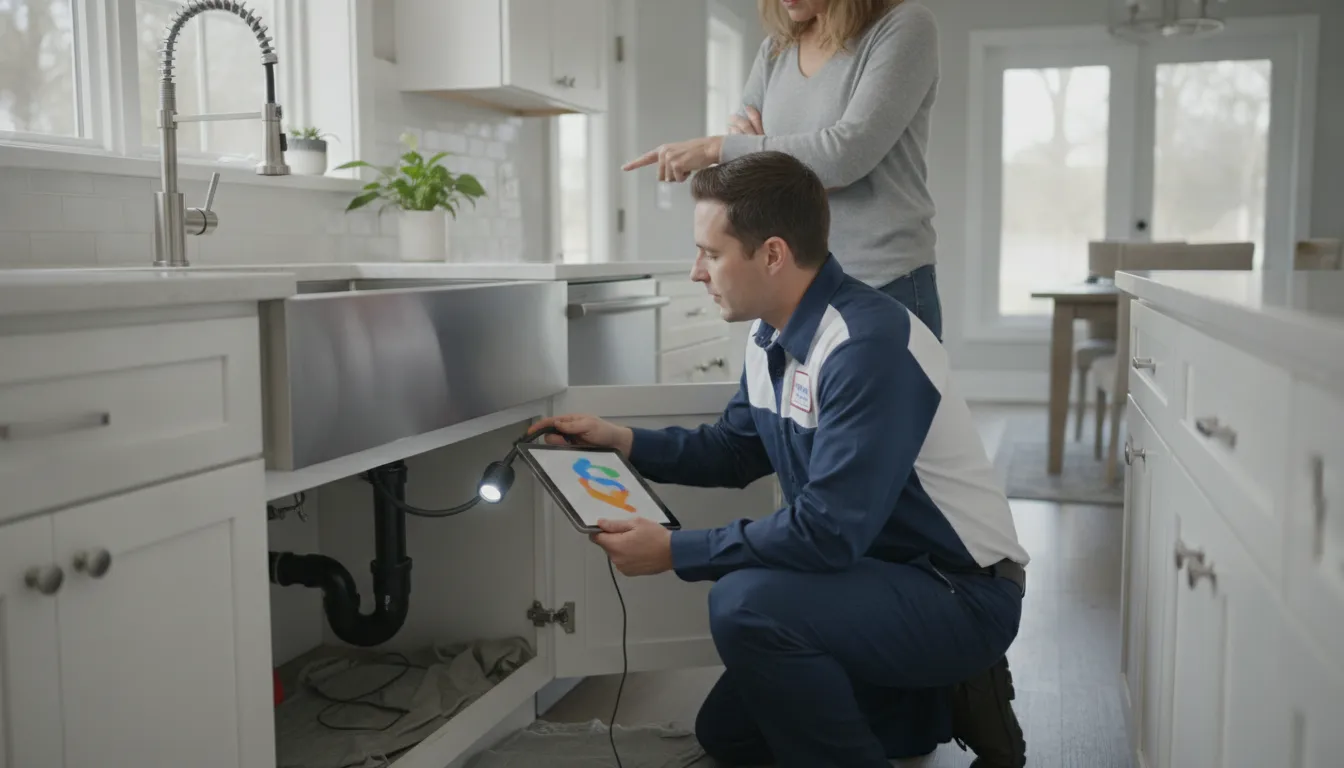
Sometimes, the hardest part of the job isn’t fixing the leak, but finding it. If the source of the water damage isn’t obvious, your plumber will need to do some detective work. Many professionals charge a diagnostic fee, usually between $50 and $200, just to locate the problem. For leaks hidden deep within walls or floors, they may need to use a special fiber-optic camera to inspect the pipes from the inside. This type of camera inspection can cost between $125 and $500, but it’s often worth every penny. It allows the plumber to pinpoint the exact location of the issue without having to cut multiple exploratory holes in your drywall, saving you a lot of mess and money on repairs.
Factoring in Secondary Water Damage Costs
The plumber’s bill is only one part of the potential cost. A persistent leak can cause significant secondary damage that needs to be addressed. If water has soaked into your walls or ceiling, you’ll need to factor in the cost of drywall repair, which can run from $50 to $100 per square foot. Even worse, lingering moisture can lead to mold growth, which requires professional remediation and can be very expensive to clean up. This is why it’s so important to act fast. Calling for emergency plumbing services at the first sign of a serious leak can stop the water in its tracks and dramatically reduce the amount of costly secondary damage you’ll have to deal with later.
How to Hire a Reliable Plumber
Now that you have a better idea of the potential costs, the next step is finding the right person for the job. Hiring a plumber can feel like a leap of faith, but it doesn’t have to be. By taking a few simple steps, you can find a trustworthy professional who will do the job right and treat your home with respect. It’s not just about finding the cheapest option; it’s about finding a partner you can rely on to provide quality work and honest service. Let’s go over a few key things to look for to ensure you’re hiring a reliable expert.
Why You Should Get Multiple Quotes
Unless you have water actively flooding your basement, it’s always a good idea to get at least three different estimates for the job. This isn’t just about price shopping. Comparing quotes allows you to see how different plumbers approach the problem and what their proposed solutions are. One plumber might suggest a simple patch, while another might recommend replacing a whole section of pipe. A detailed, written estimate gives you insight into their professionalism and thoroughness. A suspiciously low bid could be a red flag for cut corners or inexperience, so focus on the value and clarity of the proposal, not just the bottom-line number.
Checking Credentials and Online Reviews
Before you let anyone start working on your home, make sure they are licensed and insured. A license proves they have the training and knowledge required by the state, while insurance protects you from liability if an accident happens on your property. You should also take a few minutes to check online reviews on sites like Google or Yelp. Reading about other customers’ experiences can tell you a lot about a company’s reliability and customer service. As a family-owned business, we at Mr. Pipey pride ourselves on treating every client like family, a commitment you can see reflected in what our customers have to say. A little research upfront can give you confidence that you’re hiring a company with a solid reputation.
The Importance of a Written Contract
Never rely on a verbal agreement. A professional plumber will always provide a written contract or estimate before starting any work. This document is your protection. It should clearly outline the scope of the project, the materials that will be used, the total cost, and the payment schedule. It should also specify how any unexpected issues or cost changes will be handled. A written contract ensures that you and the plumber are on the same page, preventing misunderstandings down the road. If a company is hesitant to put their promises in writing, that’s a clear sign to walk away and find someone else.
Key Questions to Ask Before Hiring
When you call a potential plumber, have a list of questions ready. This helps you screen them effectively and shows that you’re an informed homeowner. Start with the basics: “Are you licensed and insured?” Then, move on to costs: “What is your hourly rate, and do you charge a separate diagnostic fee?” Finally, ask about the job itself: “Based on my description, what do you think the best way to fix this leak is, and why?” A reliable professional will be happy to answer your questions clearly and confidently. That kind of transparency is exactly what you should expect, and it’s the standard we hold ourselves to. If you’re ready to talk to a team that values clear communication, don’t hesitate to contact us.
Finishing Up: Safety Checks and Testing Your Repair
You’ve done the hard part, and your repair is in place. Before you clean up and call it a day, there are two final, crucial steps: ensuring your safety and testing your work. Skipping this part can turn a successful fix into a frustrating do-over or even a bigger problem. Taking a few extra minutes now confirms your repair is solid and gives you peace of mind. Let’s walk through how to wrap up your project safely and effectively.
Essential Safety Steps for Any DIY Pipe Repair
Your safety is always the top priority. Before you even think about turning the water back on, run through a quick mental checklist. First and foremost, always turn off your main water supply before starting any repair. This prevents unexpected sprays and potential water damage. Once the repair is applied, make sure the pipe and the surrounding area are completely dry. This is especially important for adhesives like epoxy or repair tape, as they need a dry surface to create a strong, lasting bond and properly seal the leak. A little patience here goes a long way in making sure your fix holds up.
Did It Work? How to Test Your Repair
This is the moment of truth. It’s time to see if your no-solder fix did the trick. Go back to your main water shutoff valve and turn it on very slowly. You don’t want to send a sudden, high-pressure burst of water through the pipes. As the system repressurizes, go back to your repair and watch it closely. Look for any new drips, beads of moisture, or wet spots around the joint. A great tip is to wipe the entire area with a dry paper towel; it will make even the tiniest amount of moisture immediately obvious. If it stays dry, you’re good to go.
When Is It Time to Call the Pros at Mr. Pipey?
Knowing your limits is the mark of a smart homeowner. If you turned off the water to find the pipe was severely rusted, cracked, or the leak was gushing, a DIY fix is not the answer. These are signs of a bigger problem that a simple patch can’t solve. A forceful leak requires professional tools and expertise to avoid causing major water damage to your home. If your repair doesn’t hold or you feel the job is beyond your skill level, don’t hesitate. That’s what we’re here for. Give our team at Mr. Pipey a call; we handle everything from tricky leaks to emergency plumbing situations.
How to Prevent Future Pipe Leaks
After you’ve fixed a leak, the last thing you want is a repeat performance. Taking a few preventative steps can save you a lot of future headaches and protect your home from water damage. It’s all about being proactive. By performing some simple maintenance and learning to spot trouble before it starts, you can keep your copper pipes in great shape for years to come. A little attention now goes a long way in preventing another frantic, middle-of-the-night repair.
If you’re ever unsure about the health of your plumbing system, having a professional take a look can provide peace of mind. A thorough inspection can catch potential issues that aren’t obvious to the untrained eye. At Mr. Pipey, we offer a full range of plumbing solutions to keep your home’s system running smoothly and prevent small problems from turning into major disasters. Regular check-ups are one of the smartest investments you can make for your home.
Simple Maintenance for Your Copper Pipes
Even if your copper pipes are relatively new, they aren’t completely immune to problems. Leaks often happen at the joints, sometimes because the original solder job wasn’t perfect. It’s also important to check where your copper pipes connect to other types of metal, like cast iron drains. When different metals touch, a process called galvanic corrosion can occur, which slowly eats away at the pipe. A simple visual inspection every few months can help you catch these issues early. Also, consider adding pipe insulation not just for winter, but to prevent pipes from rubbing against other surfaces, which can cause wear over time.
How to Spot the Early Warning Signs of a Leak
Leaks rarely appear out of nowhere. Usually, your plumbing gives you subtle hints that something is wrong. One of the biggest culprits behind pinhole leaks is high water pressure, which puts constant stress on your entire system. If you hear pipes banging when you turn off a faucet, your water pressure might be too high. Another thing to look for is pipes that are touching or rubbing against each other, as the friction can create weak spots. Keep an eye out for small signs like damp drywall, musty smells, or green or blue discoloration on the copper itself. Catching these early warnings lets you address the root cause before a tiny drip becomes a big problem.
Watch for Unexplained Spikes in Your Water Bill
Your water bill can be a surprisingly good detective. If you notice a sudden, unexplained jump in your monthly statement, it’s often the first sign of a hidden leak somewhere in your home. A slow drip from a faulty pipe joint or a pinhole leak caused by high water pressure might not leave a puddle on the floor, but it can waste hundreds of gallons of water over time. This constant water loss not only drives up your costs but also indicates a problem that could lead to more serious issues like rotting wood or mold growth. If your bill seems unusually high and you can’t account for the extra usage, it’s a clear signal to start investigating your plumbing. It might be time to have a professional check for hidden leaks before a small problem becomes a major headache.
Preventing Frozen Pipes in Winter
Living in Metro Detroit means we’re no strangers to harsh winters, and our homes’ plumbing feels it, too. One of the biggest risks during a cold snap is a frozen pipe, which can quickly turn into a burst pipe and a major water damage nightmare. The good news is that prevention is far easier and less expensive than a cure. By taking a few simple, proactive steps before the temperature plummets, you can protect your pipes from the stress of freezing and thawing. This isn’t just about avoiding a mess; it’s about safeguarding your home and ensuring your plumbing system remains reliable all winter long.
Keep Your Home Heated Consistently
It might be tempting to turn the thermostat way down when you leave for the day, but maintaining a consistent temperature is key to pipe health. As we’ve discussed, pipes expand and contract with temperature changes, which puts stress on the joints. During winter, a sudden drop in your home’s temperature can allow water inside vulnerable pipes to freeze. Keeping your heat set to at least 55 degrees Fahrenheit, even when you’re away, provides enough warmth to protect your plumbing. For pipes in unheated areas like basements or crawl spaces, proper pipe insulation adds an essential layer of defense against the biting cold.
Let Faucets Drip During Cold Snaps
During an extreme cold spell, one of the simplest and most effective preventative measures is to let your faucets drip. You don’t need a steady stream; a slow, consistent drip is enough to keep the water inside the pipes moving. Moving water is significantly harder to freeze than stationary water, and this small action can relieve pressure in the line and prevent a freeze-up. Focus on the faucets that are connected to pipes running along exterior walls, as these are the most vulnerable. While it may seem like a waste of water, the minimal cost is nothing compared to the expense and headache of dealing with a frozen pipe repair.
Consider Installing Leak Detection Devices
For an extra layer of security, think about installing a leak detection device. These smart gadgets are a modern solution for catching problems before they escalate. Most leak detectors are small sensors you can place near water heaters, sump pumps, or under sinks. If they sense moisture, they’ll send an alert directly to your phone, letting you know there’s a problem. More advanced systems can even monitor your home’s water flow and automatically shut off the main water supply if they detect an unusual pattern, like a burst pipe. This technology is an excellent investment for any homeowner, offering peace of mind and helping you avoid the need for emergency plumbing services.
Related Articles
- Repair a Copper Pipe Leak: A Step-by-Step Guide
- DIY Pipe Leak Repair: Your Step-by-Step Guide
- Using PVC Pipe Leak Sealant: A Complete Guide
Frequently Asked Questions
Which no-solder repair method should I choose? The best method really depends on your specific leak. For a fast and incredibly simple fix on a straight pipe, a push-fit fitting is a great choice. If you want a more robust, mechanical seal and have room to use a couple of wrenches, a compression coupling offers excellent long-term reliability. For tiny pinhole leaks that need an immediate patch, epoxy putty or repair tape are perfect for stopping the drip while you plan a more permanent solution.
Are these DIY fixes actually permanent solutions? It varies. A properly installed compression or push-fit fitting can be a very durable, long-lasting repair that you can trust for years. On the other hand, fixes like epoxy putty, repair tape, and pipe clamps are best thought of as temporary or semi-permanent. They are fantastic for stopping a leak in an emergency and preventing water damage, but they are patching the problem, not replacing the faulty component.
My leak is just a tiny drip. Is it really a big deal? Yes, even a small drip is worth addressing right away. That constant moisture can lead to mold, rot, and damage to floors or cabinets over time. More importantly, a tiny drip is often an early warning sign of a bigger issue, like widespread corrosion or high water pressure stressing your entire plumbing system. Fixing it now can prevent a much larger, more expensive problem later.
How can I tell if high water pressure is the problem? A classic sign of high water pressure is a loud banging sound in your pipes, often called a “water hammer,” when you turn off a faucet or an appliance stops running. This indicates that water is moving too forcefully through your system. For a more definite answer, you can buy an inexpensive water pressure gauge from a hardware store. It screws onto an outdoor hose spigot and will give you an instant reading.
When should I skip the DIY repair and just call a professional? You should always call a professional if the leak is spraying or gushing, not just dripping. Also, if you inspect the pipe and see severe corrosion, deep cracks, or if the pipe seems fragile, it’s best to let an expert handle it. A DIY fix on a badly compromised pipe can sometimes make the problem worse. And of course, if you simply don’t feel comfortable with the repair process, calling for help is the smartest move.