
Dealing with a basement backup once is bad enough; no one wants a repeat performance. True peace of mind comes not just from fixing the immediate problem, but from making sure it never happens again. If you’re tired of worrying every time it rains, this guide is for you. We’ll move beyond the quick fixes for a basement drain backing up and focus on proactive, long-term prevention. From simple household habits and regular maintenance to smart installations like a backwater valve, you’ll learn the strategies to keep your drains flowing freely and your basement dry for good.
Key Takeaways
- Act on safety first: Before you do anything else, stop all water use throughout your house, turn off the electricity to the basement, and stay completely clear of the contaminated water to protect yourself and your family.
- Recognize the signs of a bigger problem: A simple plunger won’t fix everything, so call a professional immediately if you notice multiple drains are clogged, you smell sewage, or the same clog keeps returning, because these are classic symptoms of a main sewer line issue.
- Prevent future backups with smart habits: Protect your plumbing by never pouring grease down the drain, keeping so-called “flushable” wipes out of your toilet, and scheduling regular professional inspections to catch potential problems like tree roots before they cause a major backup.
What’s Causing Your Basement Drain to Back Up?
Finding a puddle of murky water around your basement floor drain is a homeowner’s nightmare. It’s messy, smelly, and immediately raises questions about what went wrong. Because your basement drain is the lowest plumbing point in your house, it’s often the first place to show signs of a serious clog or system backup. Understanding the root cause is the first step to finding the right solution and preventing it from happening again. Several common issues could be at play, from simple clogs in the drain itself to major problems deep within your sewer line. Let’s look at the most frequent culprits behind a backed-up
Is Your Main Sewer Line Clogged?
Your home’s plumbing system is a network of pipes that all lead to one main sewer line. This is the large pipe that carries all the wastewater from your house to the municipal sewer system. When this main line gets blocked, the water has nowhere to go. Instead, it backs up into your home through the lowest exit point: the basement floor drain. These clogs can be caused by years of accumulated grease, flushed items that shouldn’t be, or other debris. A blocked main line is a serious plumbing issue that requires immediate attention. If you suspect this is the problem, it’s best to call for emergency plumbing services right away to prevent further damage.
When Tree Roots Invade Your Pipes
The trees in your yard might look beautiful, but their roots can cause serious trouble underground. Tree roots are naturally drawn to the moisture and nutrients found inside sewer pipes. They can work their way into tiny cracks or loose joints in your sewer line, especially in older pipes. Once inside, the roots expand and create a dense, net-like mass that catches toilet paper and other debris, eventually causing a complete blockage. This is a stubborn problem that won’t go away on its own. A professional plumber can use specialized tools to diagnose and clear root intrusions, restoring proper flow to your plumbing system.
Can Heavy Rain Overwhelm Your Drains?
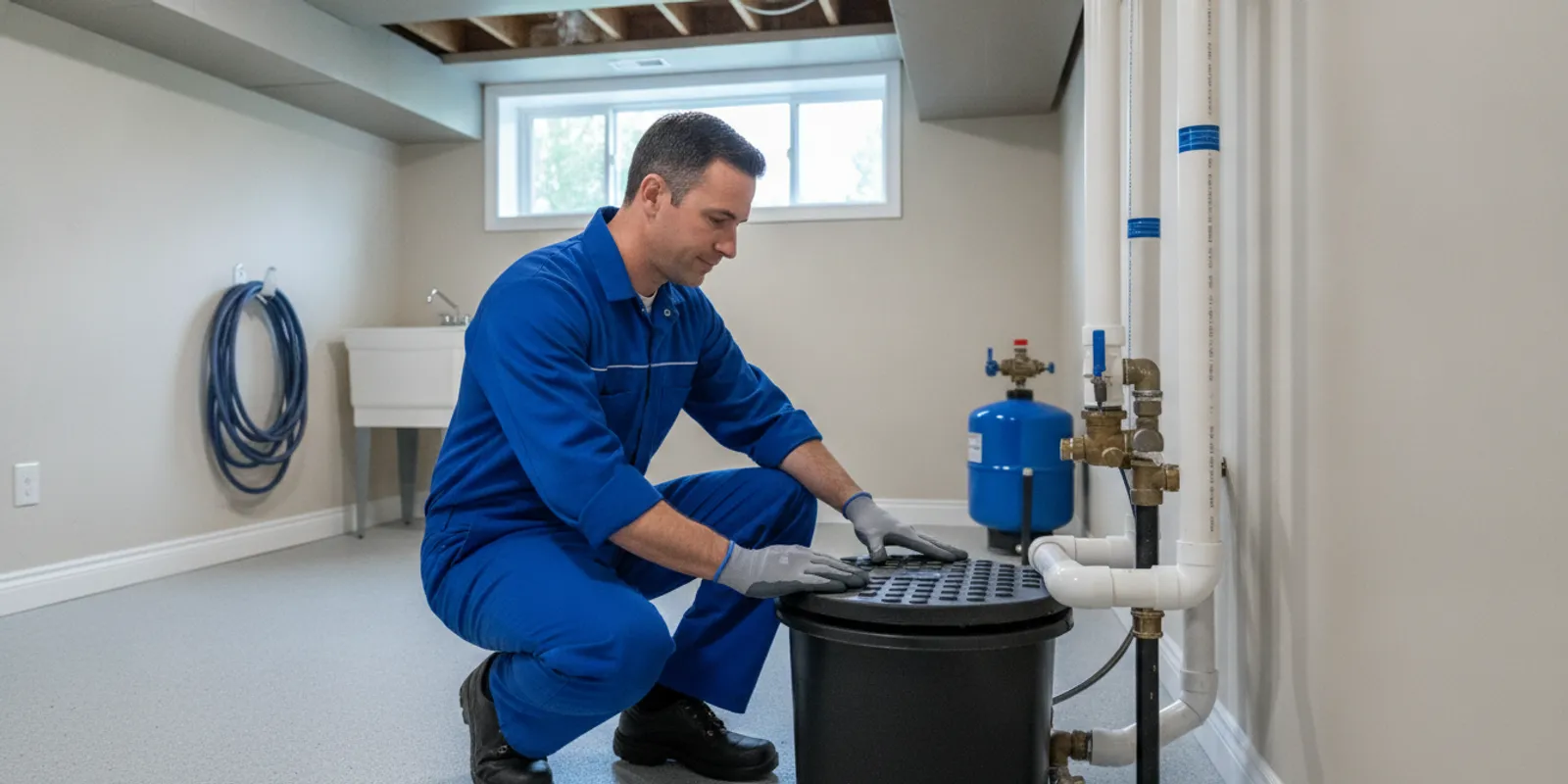
Sometimes, the problem isn’t inside your home but outside. During a heavy downpour, Metro Detroit’s municipal sewer systems can become overwhelmed with stormwater. When the city’s system can’t handle the massive influx of water, it can back up into residential sewer lines, forcing its way into your basement. Similarly, if your home’s foundation drains are connected to the sanitary sewer, heavy rain can overload your own system. A properly installed and functioning sump pump is your best defense against this kind of flooding. It will actively pump excess water out and away from your foundation, keeping your basement dry. If you’re experiencing frequent backups during storms, it might be time to look into sump pump services.
Everyday Buildup: Grease, Hair, and Debris
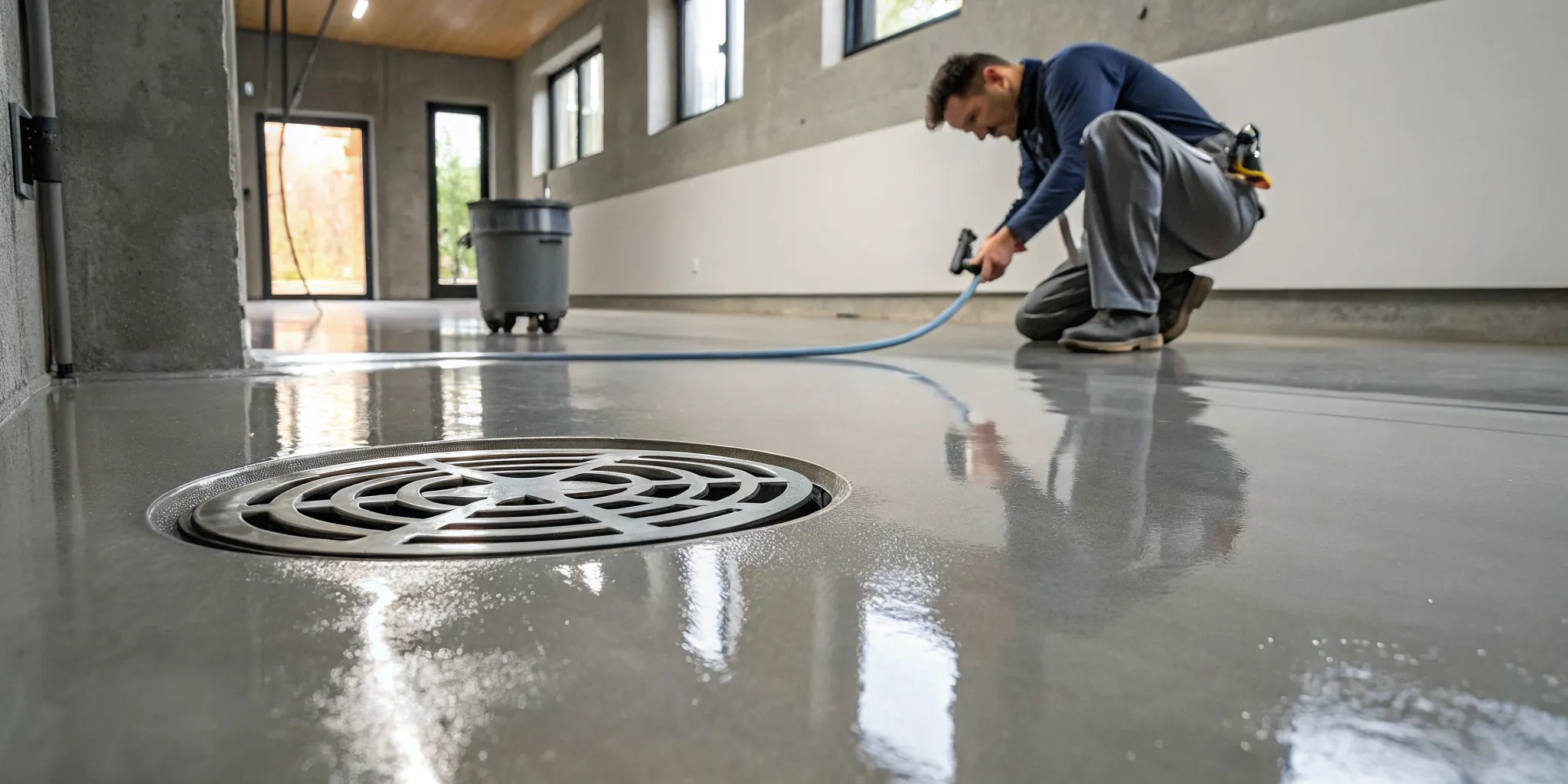
Not all backups are caused by major sewer line issues. Sometimes, the clog is located right in the floor drain itself. Your basement drain has a U-shaped pipe, called a P-trap, just below the grate. Its job is to hold water to block sewer gases from entering your home. However, this trap can also collect dirt, soap scum, laundry lint, hair, and other gunk over time. As this debris builds up, it can form a solid blockage that prevents water from draining properly. While this is a more localized problem, it can still cause a messy backup. Regular drain maintenance can help keep these smaller clogs from forming. If you’re facing a stubborn clog, it’s best to contact a professional to clear it safely.
A Failing Sump Pump
Your sump pump is your basement’s first line of defense against flooding, especially during Michigan’s wet seasons. It’s designed to automatically detect rising groundwater and pump it safely away from your foundation. However, if your sump pump fails, that water has nowhere to go but up through your floor drain. A failing pump might not remove water quickly enough, or it might not turn on at all, leading to significant water accumulation and a messy backup. If you notice your sump pump making strange noises, running constantly, or not activating during a storm, it’s a clear warning sign. Regular maintenance is key, but when a problem arises, prompt sump pump services can prevent a minor issue from becoming a major flood.
Aging or Damaged Pipes
The pipes hidden behind your walls and under your yard won’t last forever. Older homes, in particular, may have pipes made from materials like cast iron or clay that can deteriorate over time. As these pipes age, they can develop cracks, become brittle, or even collapse entirely. This damage creates rough surfaces that snag debris and impede water flow, leading to persistent clogs. A broken sewer line is a serious problem that allows soil and groundwater to enter the pipe, creating a blockage that will inevitably back up into your basement. Because these pipes are out of sight, diagnosing the problem requires professional expertise and equipment to pinpoint the exact location and extent of the damage.
Improperly Installed Drains
Sometimes, the problem isn’t due to a clog or damage but to the way your plumbing was installed in the first place. Drains rely on gravity to carry wastewater away from your home, which means they must be installed with a precise downward slope. If a drainpipe is laid improperly—even slightly uphill—or if the pipe used is too small for the volume of water it needs to handle, it will never drain effectively. This can lead to chronic backups and slow drains from day one. While it’s a less common cause, faulty installation is a frustrating issue that requires a professional correction to ensure your plumbing system can function as it was designed to.
A Full Septic Tank
If your home isn’t connected to the Metro Detroit municipal sewer system, it likely relies on a septic tank to process wastewater. A septic system works by collecting waste in an underground tank where solids settle and liquids drain into a leach field. However, this tank has a limited capacity. If it isn’t pumped out regularly, it can become full, leaving no room for any new wastewater from your home. When this happens, the waste has nowhere to go but back up the pipes and into your house, with the basement floor drain being the first and most common point of entry. This is a clear sign that your septic system needs immediate attention from a qualified professional.
Your Basement Drain Is Backed Up: First Steps
Seeing water backing up from your basement drain is a homeowner’s nightmare. It’s messy, stressful, and can cause a lot of damage. Before you even think about cleanup, there are a few critical safety measures you need to take immediately. Acting quickly can prevent the situation from getting worse and keep your family safe. These first steps are your priority before calling for emergency plumbing services. Focus on these four actions right away to gain control of the situation.
Step 1: Shut Off the Water Immediately
Your absolute first move is to stop using any water in your home. This means no flushing toilets, running faucets, taking showers, or starting the dishwasher or washing machine. Every single drop of water you send down your pipes will likely end up on your basement floor, making the backup worse. Go around the house and make sure everyone knows to stop using water until the clog is fixed. This simple action contains the problem and prevents more water from adding to the mess you already have.
Step 2: Stay Safe and Avoid Contaminated Water
The water pooling in your basement isn’t just water; it’s a serious health hazard. It can contain raw sewage, bacteria, and all sorts of harmful germs that you don’t want anywhere near your family. Make sure everyone, including your pets, stays out of the basement. If you absolutely must enter the area, protect yourself by wearing waterproof rubber boots and gloves. Never walk through the contaminated water barefoot or with exposed skin. Your safety is the top priority, and treating the standing water as toxic is the best way to protect it.
Understanding Water Contamination Levels
It’s crucial to understand that the water coming up from your basement drain isn’t the same as a leak from a clean water pipe. Professionals classify water damage into three categories based on the level of contamination. Category 1 is “Clean Water” from sources like a broken supply line, which poses a low risk. Category 2, or “Gray Water,” is slightly contaminated water from appliances like a washing machine. But a backup from your sewer line is Category 3, known as “Black Water.” This water is highly unsanitary, containing dangerous germs and pathogens from raw sewage that can cause serious illness. This is why you should never attempt to handle a significant backup on your own.
The Dangers of Sewage and Mold Growth
The health risks associated with Black Water are significant. Sewage contains harmful bacteria that can cause diseases like Dysentery, Salmonellosis, and Hepatitis A, not to mention toxic gases that can make you sick from the smell alone. Beyond the immediate threat of sewage, the damp environment it creates is a perfect breeding ground for mold. Mold can begin to grow within just 24 to 48 hours, releasing spores into the air that can cause respiratory issues and other health problems. Because of these severe risks, a basement backup is a situation that requires immediate and professional emergency plumbing intervention to ensure the area is safely and thoroughly cleaned.
Step 3: Prevent Shocks by Cutting the Power
Water and electricity are a deadly combination. If the backed-up water is getting close to any electrical outlets, appliances, or your furnace, you need to cut the power immediately. Head to your home’s main electrical panel (breaker box) and shut off the circuit breaker that controls the basement. This step is crucial for preventing electrical shocks or potential fires. If you’re unsure which breaker to flip or if the panel itself is in a damp area, it’s safest to shut off the main power to the entire house and contact a professional for help.
Step 4: Document the Damage for Insurance
Before you start moving things or cleaning up, grab your phone and document the damage. Take clear photos and videos of the extent of the flooding, the source of the backup, and any items that have been damaged by the water. This evidence is incredibly important when you file a claim with your homeowner’s insurance. A detailed visual record makes the claims process much smoother and helps ensure you get the coverage you need for repairs and replacements. Once you have everything documented, you can begin the cleanup process.
Who to Call First: Your City or a Plumber?
Once you’ve handled the immediate safety steps, your next thought is probably, “Who do I even call for this?” It’s a common point of confusion, and making the right call first can save you a lot of time, stress, and money. The source of the backup could be in the city’s main sewer line, which runs under your street, or it could be in the private sewer line that connects your home to that main line. Figuring out where the responsibility lies is key. Before you rush to call a plumber, there’s one important step you should take that could solve the problem without costing you a dime. Let’s walk through the process so you know exactly who to contact and when.
Checking with Your Local Public Works Department
Your first call should be to your local public works or water and sewer department. Most municipalities in the Metro Detroit area will send a crew out to investigate the main sewer line for free. They can quickly determine if the blockage is in the city’s portion of the system. If they find a clog in the main line, it’s their responsibility to clear it, and you won’t be charged for the service. This is the most efficient and cost-effective first move. By starting with the city, you can rule out a major municipal issue before you spend money on a private plumbing diagnosis that might not even be necessary.
When to Contact a Professional Plumber
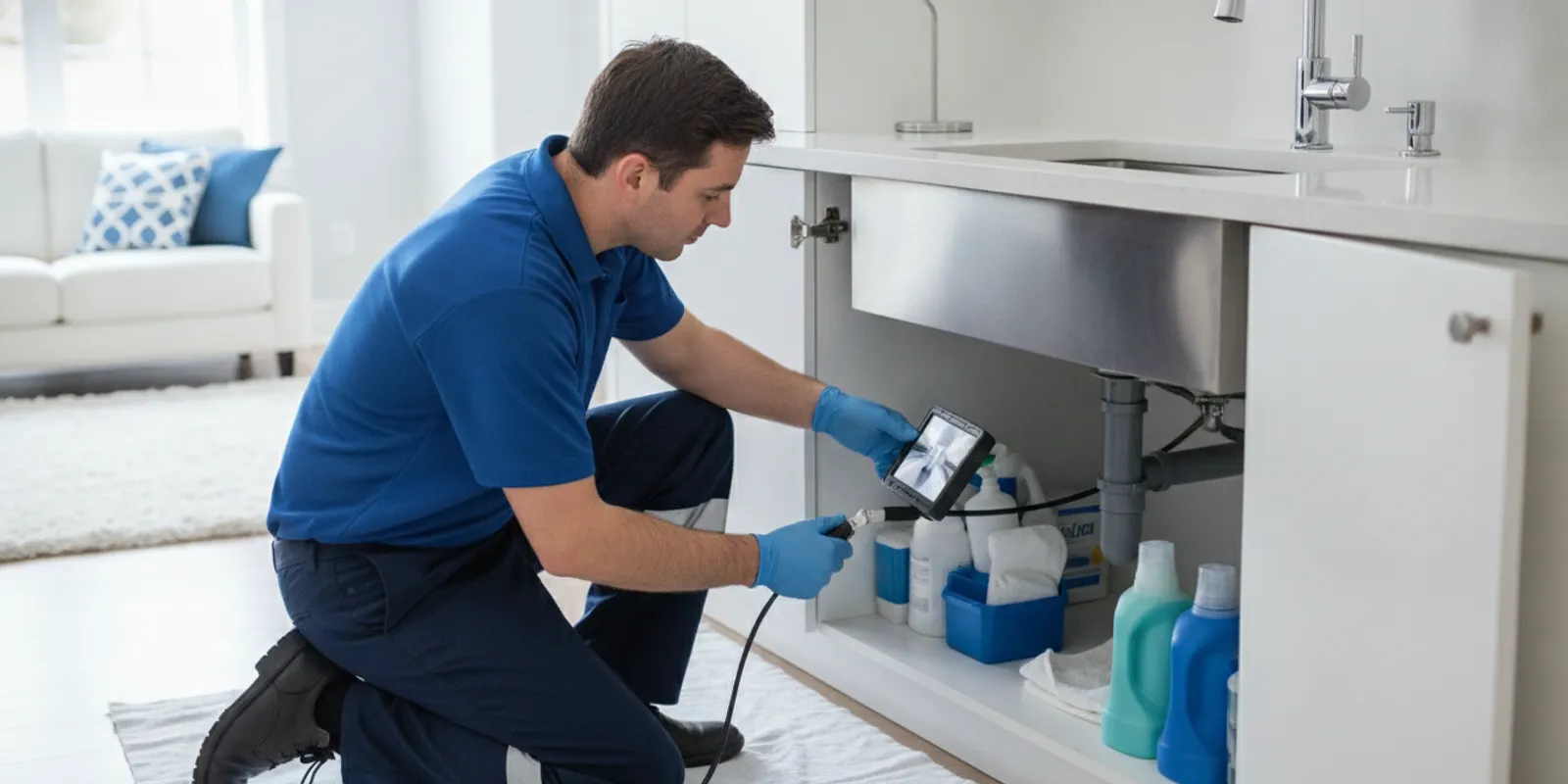
If the city checks its main line and gives you the all-clear, the problem is almost certainly located in your home’s private sewer line. This is the point where you need to call a professional. You are responsible for the pipe that runs from your house to the city’s main. Signs that the issue is on your property include recurring clogs, sewage smells, or multiple drains backing up at once. A trusted local plumber has the specialized equipment, like sewer cameras, to pinpoint the exact cause and location of the blockage. For a fast and reliable solution, our team at Mr. Pipey offers emergency plumbing services to get your system flowing again and restore your peace of mind.
How to Fix a Minor Basement Clog Yourself
If you’ve caught the backup early and it seems like a minor issue, you might be able to clear it yourself with a few common tools. These DIY methods are great first steps for simple clogs. However, if the water is rising quickly or you suspect a sewer line problem, it’s always best to skip these and call a professional for emergency plumbing assistance right away. Your safety comes first.
Start with a Plunger
A good old-fashioned plunger can work wonders on a floor drain. Before you start, make sure there’s enough standing water to cover the plunger’s cup, as this helps create the necessary suction. Place a sturdy plunger over the drain to create a tight seal, then use firm, steady pressure to push down and pull up several times. This action sends bursts of water into the pipe to help dislodge whatever is causing the blockage. It might take a few rounds of plunging to see results, so be patient. For extra power, you can block any nearby vents or drains with a wet rag to concentrate the pressure on the clog.
When to Use a Drain Snake
For blockages that are a bit deeper, a drain snake, also called a plumber’s auger, is your next best tool. You can rent or buy one from most hardware stores. Carefully insert the end of the snake into the drain and feed it down until you feel resistance. Once you hit the clog, turn the handle to break up the debris or hook onto it so you can pull it out. Work gently to avoid scraping or damaging your pipes. If the snake can’t get through, don’t force it. It could be a sign of a more serious problem that requires professional plumbing services.
Try the Baking Soda and Vinegar Method
For slow drains caused by minor buildup from things like soap scum or grime, this home remedy can be quite effective. Start by pouring about one cup of baking soda directly into the drain. Follow it with one cup of white vinegar. You’ll hear it start to fizz immediately; this is the chemical reaction that helps dissolve the gunk. Let it sit for at least 30 minutes, then carefully flush the drain with a gallon of very hot (but not boiling) water. This method is a great maintenance tool but won’t clear heavy-duty clogs or solid obstructions like tree roots.
Finish by Flushing With Hot Water
Sometimes, the simplest solution is the best one, especially for clogs caused by grease or soap. Pouring hot water down the drain can help melt and loosen the blockage, allowing it to wash away. Bring a large pot of water to a near boil and carefully pour it down the drain in a few stages, waiting a minute or two between each pour. This gives the heat time to work on the clog. Be extremely careful when handling hot water to avoid burns. This method is only effective for very minor clogs and won’t work on solid obstructions.
Signs You Need to Call a Plumber ASAP
While it’s tempting to tackle a backed-up drain yourself, some situations are more than a simple DIY fix can handle. Knowing when to put down the plunger and pick up the phone can save you from a much bigger, messier, and more expensive problem down the road. Certain red flags indicate the issue isn’t just a localized clog but a symptom of a deeper problem within your plumbing system. Ignoring these signs can lead to significant water damage and even health hazards for your family. If you notice any of the following issues, it’s time to call in a professional for an expert diagnosis and a lasting solution. For urgent situations that can’t wait, our emergency plumbing team is ready to help.
Multiple Drains Are Backing Up
If your basement drain, a toilet, and a shower are all backing up at the same time, it’s not a coincidence. This is a major sign that the problem isn’t with an individual drain but with your main sewer line. All the drains in your home eventually lead to this single, large pipe that carries wastewater away from your house. When this main line gets blocked, the water has nowhere to go and backs up into the lowest points in your home, which is often the basement floor drain. A simple drain snake from the hardware store won’t reach this kind of clog, and you’ll need a professional plumber with specialized equipment to clear it safely and effectively.
You Notice a Foul Smell or See Sewage
Your nose is one of the best tools for detecting a serious plumbing problem. A distinct sewage smell coming from your drains is a clear warning that your sewer line is backed up. This isn’t just an unpleasant odor; it’s a sign that hazardous wastewater is sitting in your pipes and could be seeping into your home. If you see dark, foul-smelling water coming up through the drain, avoid contact with it. This contaminated water contains bacteria and pathogens that can be harmful to your family’s health. This kind of issue won’t resolve itself and requires immediate professional attention.
The Same Clog Keeps Returning
Are you constantly fighting with the same backed-up drain? If you clear a clog only to have it return a few days or weeks later, your DIY methods are only treating the symptom, not the cause. A recurring clog often points to a more stubborn obstruction deep in the pipes, like invasive tree roots, a significant grease buildup, or even a partially collapsed pipe. A professional plumber can use a camera to inspect the line, identify the true source of the problem, and provide a permanent fix. Stop the cycle of temporary fixes and let us find a real solution with our comprehensive plumbing services.
You Suspect a Main Sewer Line Problem
Beyond multiple clogged drains, other signs point to a main sewer line issue. Do your toilets make a gurgling sound? Does water back up in the shower when you flush a toilet or run the washing machine? These are classic symptoms of a main line blockage. Another definitive sign is seeing water or sewage backing up out of your sewer cleanout, which is a capped pipe that provides access to the main line. If you notice any of these issues, it’s a clear signal that you need professional help immediately. A main sewer line clog is a serious plumbing emergency that won’t get better on its own.
How to Safely Clean Up After a Backup
Once the clog is cleared and the water stops flowing, your next job is the cleanup. This step is just as important as fixing the pipe, because it protects your home from long-term damage and keeps your family safe. Water from a backup isn’t just water; it can be filled with bacteria, mold spores, and other contaminants. Acting quickly and thoroughly is the key to getting your basement back to normal without any lingering issues. If the flooding is severe or you suspect it’s raw sewage, it’s always best to call a professional restoration service. For plumbing emergencies, our team is always ready to help.
First, Get Rid of the Standing Water
Your first priority is to get rid of all the standing water. The longer it sits, the more it soaks into drywall, flooring, and furniture, creating a perfect environment for mold. A wet/dry shop vacuum is an excellent tool for this job. Work methodically to remove as much water as you can from the floor and any affected areas. If you don’t have a wet/dry vac, you can use buckets and mops, but it will be much more labor-intensive. Remember, the goal is to get the space as dry as possible, as quickly as possible, to minimize damage.
How to Properly Sanitize the Area
With the water gone, it’s time to deep clean. Every surface the water touched needs to be sanitized to kill off harmful bacteria. You can create a powerful cleaning solution by mixing one cup of bleach with one gallon of water. Use this mixture to mop the floors and wipe down walls, baseboards, and any non-porous items that were affected. After sanitizing, focus on drying everything completely. Use fans and a dehumidifier to pull moisture out of the air and structure. Don’t stop until everything is bone-dry, as mold can begin to grow in as little as 24 hours.
Discard Contaminated Porous Materials
This is often the hardest part of the cleanup, but it’s non-negotiable for your family’s health. Any porous materials that came into contact with the backed-up water must be thrown away. This includes things like cardboard boxes, area rugs, upholstered furniture, books, and even drywall that has been soaked. The water from a backup is a serious health hazard, potentially containing raw sewage and harmful bacteria that you can’t simply wash away. These contaminants soak deep into the fibers of porous items, making them impossible to truly sanitize. Trying to salvage them creates a risk for mold growth and lingering health issues down the road, so it’s best to safely discard them.
Gear Up: How to Protect Yourself During Cleanup
Your safety comes first. Backup water, especially from a sewer line, can contain dangerous pathogens. Before you even start, put on protective gear, including waterproof boots, rubber gloves, and safety glasses. If there’s any standing water near electrical outlets or appliances, shut off the power to the basement at the breaker box immediately. This water can carry bacteria that cause illnesses like Hepatitis A and Salmonellosis, so it’s critical to avoid direct contact. Keep children and pets out of the area until the cleanup is completely finished and the space is safe again. If you feel the job is too big or risky, don’t hesitate to contact a professional.
The Professional Drying Process
Even after you’ve removed the standing water and sanitized every surface, your basement might feel dry, but hidden moisture can still be trapped in drywall, wood framing, and subflooring. This is where a professional drying process makes all the difference. Restoration experts use specialized equipment like high-velocity air movers and commercial-grade dehumidifiers to pull every last bit of moisture out of the air and structural materials. They also use moisture meters to find hidden damp spots you can’t see or feel, ensuring nothing is left behind. This thorough approach is crucial for preventing long-term problems like mold growth and wood rot, which can start in just a day or two. When you call for emergency plumbing services, getting the area professionally dried is the final step to truly restoring your home and your peace of mind.
How to Prevent Future Basement Backups
Dealing with a basement backup is stressful enough the first time, and the last thing you want is a repeat performance. The good news is that you can take several proactive steps to keep your drains clear and your basement dry. A little prevention goes a long way in protecting your home from water damage and saving you from future headaches. By being mindful of your plumbing system and scheduling occasional check-ups, you can significantly reduce the risk of another messy backup.
Get Proactive with Regular Drain Maintenance
Think of drain maintenance like a regular check-up for your home’s plumbing. Over time, buildup is inevitable, but staying ahead of it can prevent a major clog. If you live in an older home or have large, mature trees on your property, it’s a good idea to have your main sewer line professionally inspected and cleaned every few years. A plumber can use a camera to spot potential issues like cracks or root intrusion before they cause a full-blown backup. This preventative approach helps ensure everything is flowing smoothly and can save you from a costly emergency plumbing call down the road.
Consider Installing a Backwater Valve
If your neighborhood is prone to sewer system backups, especially after heavy rain, a backwater valve can be a real lifesaver. This simple device is installed on your sewer line and acts as a one-way gate. It allows wastewater to flow out of your home but automatically closes if the municipal sewer system starts to back up, preventing sewage from flowing back into your basement. It’s a smart, one-time installation that provides peace of mind. We can help you determine if this is the right solution for your home and handle the backflow preventer installation to protect your property.
Be Mindful of What Goes Down the Drain
Your drains are not invincible. Treating them with care is one of the easiest and most effective ways to prevent clogs. Make it a household rule to never pour grease, fat, or oil down any drain. As they cool, they solidify and create stubborn blockages. Other common culprits include coffee grounds, eggshells, and fibrous food scraps. And despite what the packaging says, so-called “flushable” wipes are a major cause of sewer backups. Keep a trash can handy for these items. Being mindful of what goes down your drains is a simple habit that protects your entire plumbing system.
Keep an Eye on Your Landscaping
The same beautiful trees that provide shade and curb appeal can also be a hidden threat to your sewer lines. Tree roots are naturally drawn to the moisture and nutrients inside your pipes and can work their way into tiny cracks, causing blockages and serious damage over time. If you have large trees near your main sewer line, you may need to have the line professionally snaked every couple of years to clear out any encroaching roots. When planting new trees, be sure to plant them a safe distance from your underground pipes. If you suspect roots are already a problem, it’s best to contact a professional to assess the situation.
Install Drain Screens and Strainers
One of the simplest and most effective ways to prevent clogs is to stop them at the source. Installing screens or strainers on your drains is an inexpensive first line of defense against backups. Put screens on all your drains, especially in the shower, laundry room sink, and even the basement floor drain, to catch hair, lint, soap scum, and other solids before they have a chance to enter your pipes. Think of it as a gatekeeper for your plumbing system. This small step can significantly reduce the amount of debris that accumulates over time, preventing the kind of slow, stubborn buildup that eventually leads to a major blockage. It’s a tiny investment that can save you from a big headache later on.
Know Where Your Sewer Cleanout Is
In a plumbing emergency, every second counts. That’s why knowing the location of your sewer cleanout is so important. The cleanout is a capped pipe that provides direct access to your main sewer line, allowing a plumber to quickly diagnose and clear a blockage. Typically, you can find the white or black-capped pipe in your yard, basement, or crawlspace. Take a few minutes to locate yours now so you’re not scrambling during a crisis. Knowing where it is helps professionals like our team at Mr. Pipey access your sewer line quickly, saving valuable time and potentially reducing the extent of water damage. It’s a simple piece of homeowner knowledge that makes a huge difference when you need emergency plumbing help.
Manage Runoff with Proper Gutter and Downspout Placement
What happens outside your home can have a big impact on your basement. During heavy rain, your gutters are responsible for directing thousands of gallons of water away from your foundation. If they are clogged or your downspouts are too short, that water pools right next to your house, saturating the ground and overwhelming your foundation drains. To prevent this, ensure your downspouts extend at least six to ten feet away from the foundation. This simple adjustment channels water to a safe distance, reducing the risk of it flooding your basement or overwhelming the municipal sewer system. This is also where a reliable sump pump becomes your best friend, actively pumping out any excess water that gets too close.
How Much Does It Cost to Fix a Backed-Up Drain?
Dealing with a basement drain backup is stressful enough without worrying about the final bill. The cost to fix the problem can vary quite a bit, depending on what’s causing the backup and how severe it is. A simple clog you can clear yourself will cost very little, while a major sewer line issue requiring professional equipment and cleanup will be a more significant investment.
Understanding the potential costs can help you make an informed decision. The price tag is influenced by a few key factors: the root cause of the clog, the extent of the water damage, and whether you need a simple drain cleaning or a more complex pipe repair. Below, we’ll break down what you can expect to pay for both DIY fixes and professional services, and we’ll touch on how your homeowner’s insurance might play a role. This way, you can approach the situation with a clear head and a realistic budget in mind.
Breaking Down the Cost of DIY Solutions
If you’re dealing with a minor, localized clog, a DIY approach can be very budget-friendly. For simple backups, you can often resolve the issue for under $40. This covers the cost of basic tools like a high-quality plunger or a small drain snake (also called a hand auger). These tools are effective for clearing blockages caused by hair, soap scum, or small debris in a single drain. Many homeowners have successfully fixed minor rainwater backups with these straightforward methods. Just remember, DIY fixes are best for simple clogs, not widespread or recurring plumbing problems.
What to Expect from a Plumber’s Bill
When a plunger just won’t cut it, it’s time to call in the pros. The cost for professional plumbing services for a sewer backup typically ranges from $1,000 to $4,000. This price reflects the complexity of the job, which often involves video camera inspections to find the blockage, powerful hydro-jetting to clear it, and any necessary pipe repairs. For severe backups that involve extensive water damage and contamination, the total cost for cleanup and restoration can climb higher, sometimes between $2,000 and $10,000. An experienced plumber can give you an accurate quote after assessing the situation.
Will Your Homeowner’s Insurance Cover It?
This is a big question for many homeowners, and the answer is: it depends. A standard homeowner’s insurance policy often does not cover water damage from sewer or drain backups. You typically need to add a specific endorsement or rider to your policy for this type of coverage. It’s a good idea to pull out your policy documents or call your agent to understand exactly what’s covered before you have a problem. Some homeowners invest in annual preventative maintenance, which can help reduce the risk of backups and keep your plumbing system in top shape.
Don’t Believe These Basement Drain Myths
When you’re dealing with a backed-up drain in your basement, you’ll hear a lot of advice. Unfortunately, much of that “common knowledge” is incorrect and can lead to bigger, more expensive problems. Let’s clear up a few common myths so you can handle the situation the right way and protect your home. Understanding the truth behind these misconceptions is the first step toward a lasting solution.
Myth #1: Chemical Cleaners Are Your Best Bet
It’s tempting to reach for a bottle of chemical drain cleaner for what seems like a quick fix. But please, step away from the chemicals. These harsh products contain corrosive agents that can eat away at your pipes, especially if they are older. If the clog is severe, the chemicals will just sit in your pipes, potentially causing significant damage and creating a pool of toxic water. A much safer and more effective approach is to call for professional emergency plumbing services to diagnose and resolve the issue without harming your system.
Myth #2: Every Basement Drain Connects to the Sewer
Many people assume a basement floor drain is an isolated part of the plumbing system. In reality, it’s often the lowest point in your home’s drainage network. This means when it backs up, it’s usually the first warning sign of a much bigger problem, like a clog in your main sewer line. If waste can’t get out through the main line, it has nowhere to go but back into your home, starting with the basement. That puddle on the floor isn’t just a floor drain issue; it’s a red flag from your entire plumbing system.
Myth #3: Once It’s Fixed, It’s Fixed for Good
Getting a drain to flow again feels like a huge victory, but don’t celebrate just yet. Simply clearing the blockage doesn’t mean the problem is solved for good. Clogs are symptoms of an underlying issue, whether it’s invasive tree roots, grease buildup, or a damaged pipe. If you don’t address the root cause, the clog will inevitably return, and it could be worse the next time. A professional plumber can use camera inspections to find the real source of the backup and recommend a long-term fix, ensuring your peace of mind.
Related Articles
- Basement Drain Backup: Your Step-by-Step Guide
- Drain Backup in Basement? A Step-by-Step Guide
Frequently Asked Questions
My basement only backs up during heavy rain. Is this a plumbing problem or a city issue? This is a great question, and the answer can be a bit of both. During a major downpour, the city’s sewer system can get overwhelmed and push water back toward homes. However, your home’s plumbing should have defenses against this. The issue could also be that your foundation drains are improperly connected to the sanitary sewer, causing your own system to overload. A properly working sump pump is your best line of defense, as is a backwater valve, which can prevent city sewage from flowing into your home.
How can I tell if the clog is just in my floor drain or in the main sewer line? The easiest way to tell is by observing your other plumbing fixtures. If only the basement floor drain is slow or backed up, the clog is likely localized right there in the drain’s trap. However, if you notice that flushing a toilet causes water to bubble up in your shower, or running the washing machine makes the floor drain overflow, you’re almost certainly dealing with a clog in your main sewer line. Multiple affected drains are the biggest clue.
Are “flushable” wipes really that bad for my plumbing? Yes, they are one of the most common causes of serious sewer line clogs. Unlike toilet paper, these wipes do not break down quickly in water. They can snag on tree roots or imperfections inside your pipes, catching other debris and eventually forming a dense, stubborn blockage. The safest rule for your plumbing is to only flush human waste and toilet paper, and put everything else, including all types of wipes, in the trash.
Is it safe to use chemical drain cleaners if I just have a slow drain? I strongly advise against using chemical drain cleaners. While they promise a quick fix, these harsh products can corrode your pipes, especially in older homes, leading to much more expensive damage over time. If the chemical fails to clear a tough clog, it will just sit in your pipes, creating a pool of toxic liquid that is dangerous to deal with. A simple plunger or a drain snake is a much safer first step for a minor clog.
What’s the absolute first thing I should do if I see water coming up from the drain? Before you do anything else, stop using all water in your house immediately. This means no flushing toilets, running sinks, or using the dishwasher or washing machine. Any water you send down the drain will likely end up on your basement floor, making the situation worse. Once you’ve stopped the flow of water, your next priorities are to ensure the area is safe by cutting the power if needed and keeping people and pets away from the contaminated water.