That sinking feeling when you turn on the tap and nothing comes out is a familiar fear for many Ferndale residents during a cold snap. A frozen pipe is a ticking clock, with the pressure building inside and threatening to cause a major burst. While panic might be your first reaction, knowledge is your best defense. Understanding the early warning signs and knowing the correct steps to take can be the difference between a simple thaw and a full-blown emergency. This article will give you the practical information you need to identify a freeze, learn safe ways to handle it, and know when to call for expert frozen pipe repair Ferndale MI to prevent a disaster.
Key Takeaways
- Prevention is your first line of defense: Insulate pipes in cold areas like basements and garages. During a severe cold snap, let vulnerable faucets drip to keep water moving and relieve pressure in the lines.
- Spot the signs and thaw pipes safely: Watch for clues like weak water flow, frost on the pipe, or strange gurgling sounds. If you attempt a DIY thaw, use gentle, even heat from a hairdryer, never an open flame.
- Know when to call for professional help: A frozen pipe is a potential emergency. Find your main water shut-off valve before you need it, and if you see any signs of a leak or feel unsure, it’s always safest to call a plumber.
Spotting a Frozen Pipe: The Early Warning Signs
When a Michigan cold snap hits, the last thing you want is a plumbing disaster. A frozen pipe isn’t just an inconvenience; it’s a ticking time bomb that can lead to a burst pipe and serious water damage. The good news is that pipes rarely freeze and burst without giving off a few warnings first. By learning to spot these early signs, you can take action before a small problem becomes a catastrophe.
Catching a frozen pipe is all about paying attention to your home’s plumbing system when the temperatures drop. The signs can be subtle, but they are there if you know what to look, listen, and smell for. From a trickle of water at the kitchen sink to a strange sound coming from your walls, your pipes will often tell you when something is wrong. If you notice any of these red flags, it’s time to investigate. Acting quickly can be the difference between a simple thaw and a major frozen pipe repair. Let’s walk through the four key warning signs that you might have a frozen pipe on your hands.
Is your water flow weak or nonexistent?
This is often the very first clue. You turn on a faucet, and instead of a steady stream, you get a weak trickle or nothing at all. If other faucets in your house are working fine, it’s a strong indicator that the pipe leading to that specific fixture is frozen. An ice blockage inside the pipe is preventing water from flowing through. If you suspect this is the case, the City of Ferndale suggests you should leave the faucet open just a tiny bit. This small step helps relieve pressure in the system and will allow water to drip out as the ice begins to melt, which can help prevent a burst.
See frost or condensation on pipes?
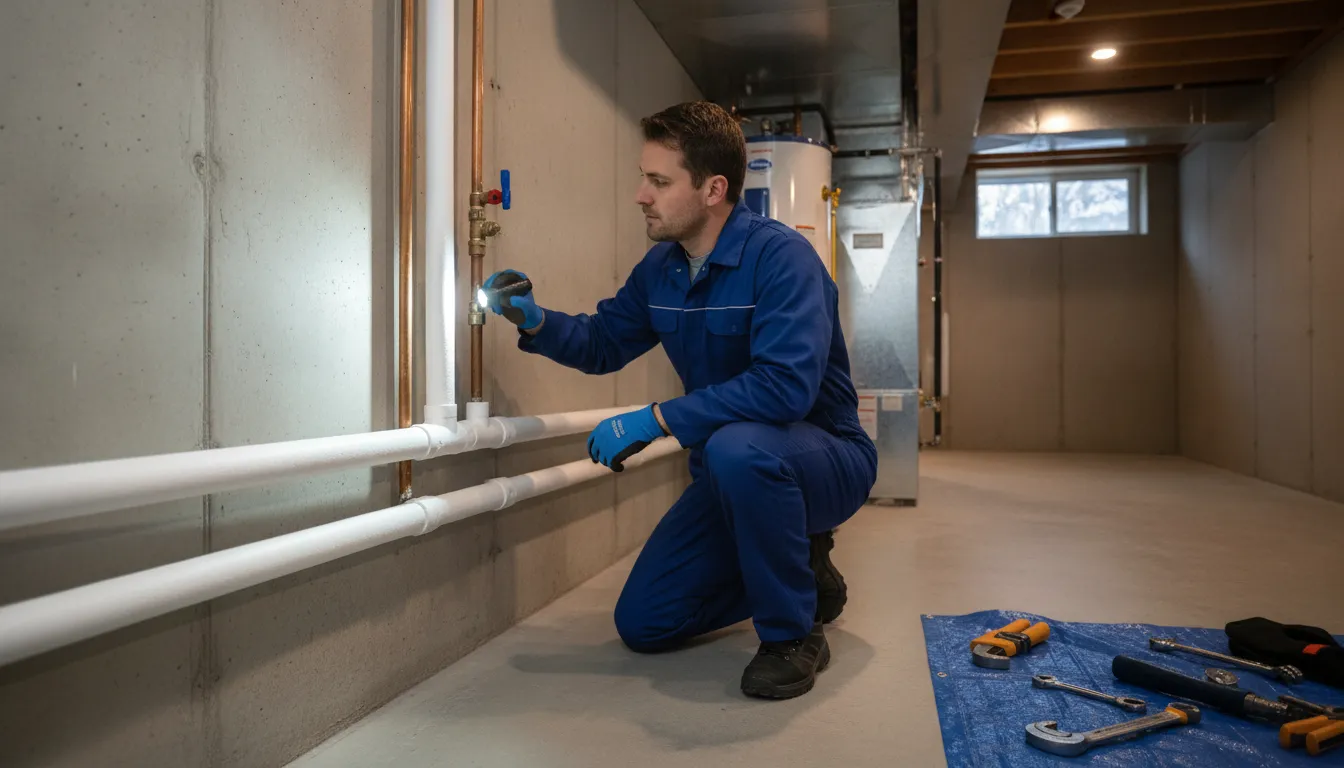
If you have access to your pipes, especially in unheated areas like a basement, crawl space, or garage, a quick visual inspection can tell you a lot. Look for frost or a layer of condensation on the outside of a pipe. As one restoration expert notes, “If you see frost on a pipe, it is likely frozen.” The section of the pipe with frost is acting like a plug, stopping water flow. This is a clear visual sign that the water inside has dropped to freezing temperatures. Taking a moment to check your vulnerable pipes during a cold spell is a simple, proactive step that can save you a lot of trouble. It’s also a good reminder that proper pipe insulation is your best defense.
Hear strange gurgling or banging sounds?
Your plumbing system should be relatively quiet. If you suddenly start hearing strange noises like gurgling, banging, or hissing when you turn on the water, listen closely. These sounds can indicate that water is trying to force its way around or through an ice blockage. This struggle increases the pressure inside the pipe dramatically, putting it under immense stress. Think of it as the pipe’s cry for help. These noises are a serious warning that a pipe could be on the verge of bursting. If you hear them, it’s time to consider it a potential crisis and call for emergency plumbing assistance right away.
Smell odd odors from your faucets?
A strange smell coming from your faucet or drain is another surprising but important sign of a frozen pipe. When a pipe freezes, it doesn’t just block fresh water from coming in; it also stops wastewater from flowing out. This blockage can cause unpleasant odors from trapped food, waste, and stagnant water to back up and escape through your drains. According to plumbing experts, this happens because the frozen pipe prevents proper drainage, allowing sewer gases and odors to build up. If you notice a new, foul smell and it’s freezing outside, a frozen pipe could be the culprit.
Is a Frozen Pipe a Plumbing Emergency?
Yes, a frozen pipe should always be treated as a potential plumbing emergency. While a simple blockage from ice is an inconvenience, the real danger is the intense pressure that builds up between the faucet and the freeze point. This pressure can easily cause the pipe to crack or burst, leading to significant water damage in your home. The moment you suspect a pipe is frozen, it’s time to act quickly. A burst pipe can release hundreds of gallons of water, damaging floors, drywall, and personal belongings.
If you’re dealing with a sudden leak or are unsure how to handle a frozen pipe, it’s always safest to call for professional help. An experienced plumber can assess the situation and prevent a minor issue from turning into a major disaster, which is why having access to reliable emergency plumbing services is so important for homeowners in Ferndale. Taking immediate, correct action is the key to protecting your home.
Signs your pipe has already burst
A burst pipe isn’t always as dramatic as a geyser in your basement. Sometimes the signs are more subtle, especially if the break is small or behind a wall. If you’ve noticed a frozen pipe, be on the lookout for any of these red flags: puddles of water on the floor, damp spots on drywall or ceilings, or a sudden, significant drop in water pressure throughout your home. You might also hear a rushing or spraying sound inside the walls. If you see any of these signs, your frozen pipe has likely already burst. The absolute first thing to do is shut off the water to prevent any more damage.
How to quickly shut off your main water valve
Knowing where your main water shut-off valve is located is one of the most important pieces of information you can have as a homeowner. Before an emergency strikes, take a few minutes to find it. It’s typically located in the basement or a crawl space, often near the front wall of the house where the water line enters. It will have either a round, wheel-like handle or a lever handle. To turn off the water, turn the wheel handle clockwise until it’s tight. If you have a lever, give it a quarter turn. If you can’t find your valve or it’s stuck, don’t force it. It’s better to contact a professional right away to avoid causing more problems.
Can You Thaw a Frozen Pipe on Your Own?
Discovering a frozen pipe can definitely send a shiver down your spine, and not just from the cold. Your first instinct might be to panic, but take a deep breath. In some cases, if you catch the freeze early and the pipe hasn’t burst, you might be able to handle the situation yourself. The key is to act safely and slowly. However, if you see signs of a burst pipe, like pooling water or damaged drywall, skip the DIY and call for emergency plumbing right away. For a simple freeze, knowing the correct techniques can save you from a much bigger headache. It’s all about applying gentle, consistent warmth and knowing what methods to avoid at all costs.
Safe ways to thaw a pipe yourself
If you’ve located the frozen section and the pipe is still intact, you can try to gently warm it. First, open the faucet connected to that pipe. This gives the melting ice and steam a path to escape, relieving pressure. Next, apply slow, even heat to the frozen area. Some of the safest methods you can use include wrapping the pipe with an electric heating pad or towels soaked in hot water. You can also use a hairdryer on a low setting, moving it back and forth along the pipe. Start near the faucet and work your way toward the blockage. Patience is your best friend here; never rush the process with intense heat.
What not to do when thawing pipes
This is just as important as knowing what to do. Under no circumstances should you ever use an open flame to thaw a pipe. That means no blowtorches, propane heaters, or any other similar device. Not only can this create a serious fire hazard in your home, but the intense, direct heat can cause the water inside the pipe to boil and turn to steam. This rapid pressure increase can easily cause the pipe to burst, turning a simple freeze into a full-blown flood. If you’re feeling unsure or the pipe isn’t thawing with gentle methods, it’s always smarter and safer to call a professional for frozen pipe repair.
6 Tips to Prevent Frozen Pipes This Winter
When you live in Michigan, you know that winter isn’t just a season; it’s a test of endurance for you and your home. While we can’t stop the temperature from dropping, we can take simple steps to protect our plumbing from the cold. A frozen pipe can quickly turn into a burst pipe, causing serious water damage and a major headache. The good news is that prevention is straightforward and can save you from a stressful and expensive emergency.
Taking a little time to prepare your home before a cold snap hits is one of the smartest things you can do as a homeowner. These six tips are practical, easy to follow, and can make all the difference in keeping your water flowing freely all winter long. Think of it as a small investment of your time to protect your home and your peace of mind. If you ever do face a problem, our team is always ready to help with frozen pipe repair, but our first goal is to help you avoid that call altogether.
Let faucets drip during a cold snap
When you know temperatures are about to plummet, one of the easiest preventive measures is to let a faucet drip. A small, steady stream of cold water running through your pipes is all it takes. Why does this work? Because moving water is much less likely to freeze than stationary water. This simple action relieves pressure building up in the pipes, which is what ultimately causes them to burst.
Focus on the faucets connected to pipes in your home’s most vulnerable areas, like those on exterior walls or in unheated spaces. While it might seem wasteful, the small cost of a dripping faucet is nothing compared to the expense and hassle of repairing a burst pipe and the water damage that follows.
Insulate pipes in your basement, attic, and garage
Any pipe located in an unheated or poorly insulated part of your home is at high risk of freezing. This includes pipes in your basement, crawl space, attic, and garage. These areas don’t get the same warmth as the rest of your house, leaving your plumbing exposed to frigid temperatures. Wrapping these pipes is a fantastic long-term solution.
You can find pipe sleeves, foam insulation, or heat tape at most hardware stores. These materials create a thermal barrier that keeps the pipe’s surface temperature above freezing. If you’re unsure which pipes are most at risk or want a professional solution, our team offers expert pipe insulation services to ensure your home is fully protected.
Open cabinet doors and close garage doors
Here’s a free and surprisingly effective tip: open the cabinet doors under your kitchen and bathroom sinks. This simple act allows the warm air from your home to circulate around the plumbing, helping to keep the pipes from freezing. It’s especially important for sinks located against an exterior wall, where the cold can easily seep through.
At the same time, make sure your garage door stays closed. If you have any water supply lines in your garage, an open door invites in a blast of arctic air that can freeze them in a matter of hours. Keeping it shut provides an essential buffer against the winter cold, protecting both your pipes and your car.
Seal cracks and holes near your plumbing
Even a tiny opening can let in enough cold air to freeze a pipe. Take some time to inspect the inside and outside of your home for any cracks, gaps, or holes, especially around the areas where pipes enter your house. Pay close attention to the foundation, exterior walls, and around dryer vents or outdoor spigots.
Use caulk or spray foam insulation to seal up any openings you find. This not only protects your pipes from drafts but also helps make your home more energy-efficient by stopping heat from escaping. It’s a win-win that keeps your home warmer and your plumbing safer. If you need help identifying potential problem spots, our experts can provide a thorough inspection of your plumbing system.
Keep your thermostat at a steady temperature
It can be tempting to lower your thermostat at night or when you’re away from home to save on your heating bill. However, during a severe cold snap, it’s best to keep your thermostat set to a consistent temperature, both day and night. A sudden drop in your home’s temperature can put your pipes at risk.
Even if it’s a few degrees warmer than you’d normally set it, that consistent heat helps keep the inside of your walls warm, which in turn protects the pipes running through them. The slight increase in your heating bill is a small price to pay to avoid a catastrophic pipe burst and the costly repairs that come with it.
Find your main water shut-off valve now
This is one of the most important things you can do as a homeowner, and it costs nothing. Take a few minutes to locate your home’s main water shut-off valve before you ever have an emergency. If a pipe does burst, being able to turn off the water supply immediately can save you from thousands of dollars in water damage.
The valve is often located in the basement, a crawl space, or a utility closet near where the main water line enters your house. Once you find it, make sure the valve is easy to access and that you can turn it. Label it clearly so anyone in your household can find it quickly. Knowing this information is a key part of handling any emergency plumbing situation.
What Does Frozen Pipe Repair Cost in Ferndale?
When you’re dealing with a frozen pipe, the last thing you want is a surprise bill. The cost for a frozen pipe repair in Ferndale can range anywhere from $150 for a simple thaw to over $5,000 for a major burst pipe and water damage. While the average repair is typically around $500, several key things can affect your final cost. Understanding these factors can help you know what to expect when you call a professional.
Factors that influence the cost
The biggest variable is the extent of the damage. If we can catch it while the pipe is just frozen, a professional thawing service is relatively inexpensive. However, if the pipe has already burst, the repair becomes more complex and costly. The material of your pipes also plays a role; some materials are more expensive or difficult to work with than others. Finally, we have to consider the pipe’s location. A frozen pipe in an easy-to-reach basement is a much quicker fix than one hidden behind a finished wall. Our team will always assess the situation and explain the frozen pipe repair costs clearly before starting any work.
Will your homeowners insurance cover it?
This is a question we hear a lot. In many cases, homeowners insurance will help cover the costs, especially the water damage that happens after a pipe bursts. However, every policy is different. Some may cover the cost of accessing and repairing the pipe itself, while others only cover the resulting damage to your floors, walls, and belongings. The best thing you can do is pull out your policy documents or call your insurance agent to get a clear answer. Acting quickly is key, as a burst pipe is an emergency plumbing situation that your insurer will want you to address immediately to prevent further damage.
Dealing with potential water damage
If a pipe does burst, the water can cause significant damage to your home’s structure and belongings very quickly. The first thing you should do is shut off your home’s main water supply to stop the flow. Once the water is off, you can begin removing any standing water with buckets, mops, or a wet-dry vacuum. The faster you can get the area dry, the better your chances of preventing mold growth and minimizing repair costs for things like drywall and flooring. When you call us for an emergency repair, we can walk you through these initial steps over the phone to help protect your home while our team is on the way.
Choosing a Plumber for Frozen Pipe Repair in Ferndale
When you realize you have a frozen pipe, your first instinct is to get help, and fast. But in that moment of panic, it’s important to find the right professional for the job. A frozen pipe can quickly turn into a burst pipe, causing serious water damage to your home. You need a plumber who is not only fast but also skilled, reliable, and transparent. Making the right choice can be the difference between a quick fix and a costly, drawn-out disaster.
So, what should you look for when your pipes are frozen and time is of the essence? It comes down to a few key factors that separate a great plumber from the rest. You want someone who understands the urgency, knows the specific challenges of homes in our area, and is upfront about their work and costs. Think of it as finding a trusted partner to help you through a stressful situation. Here are the essential things to consider when you’re choosing a plumber for frozen pipe repair in Ferndale.
Look for 24/7 emergency service
A frozen pipe is a true plumbing emergency that can’t wait for regular business hours. Water pressure builds up behind the ice blockage, and if it’s not addressed quickly, the pipe can burst, flooding your basement, kitchen, or walls. That’s why you need a plumber who offers 24/7 emergency plumbing services. A company that is available around the clock understands the urgency of your situation. Having access to immediate assistance, whether it’s late at night or on a holiday weekend, can prevent a small problem from becoming a catastrophic one, saving you from extensive water damage and a lot of stress.
Find a pro with local experience
Hiring a plumber with deep roots in the Metro Detroit area makes a real difference. Local professionals are familiar with the specific plumbing challenges our region faces, from the types of pipes used in older Ferndale homes to the impact of our harsh Michigan winters. This firsthand experience allows them to diagnose the problem faster and provide a more effective, lasting solution. A local, family-owned business is also more accountable to the community it serves. They have a reputation to uphold and are dedicated to providing reliable service to their neighbors, treating your home with the same care they would their own.
Ask about pricing and guarantees upfront
The last thing you need during a plumbing crisis is a surprise on your final bill. Before you agree to any work, find a plumber who provides clear, upfront pricing. A trustworthy company will assess the situation and give you a straightforward estimate so you can make an informed decision without any pressure. It’s also smart to ask about their service guarantees. A plumber who stands behind their work with a 100% customer satisfaction guarantee gives you peace of mind. It shows they are confident in their skills and committed to getting the job done right the first time.
Need Help with a Frozen Pipe in Ferndale?
When you’re facing a frozen pipe, you need a local team you can count on to act fast. A frozen pipe isn’t just an inconvenience; it’s a ticking clock that can lead to a burst pipe and serious water damage. At Mr. Pipey, we understand the urgency and stress that comes with plumbing problems, which is why we’re dedicated to providing Ferndale homeowners with fast, reliable, and effective solutions. We treat your home like our own, ensuring we not only fix the immediate issue but also help you prevent it from happening again. If you’re dealing with a plumbing issue, you can contact us anytime for help.
Your local experts in frozen pipe repair and prevention
A frozen pipe requires a delicate touch. Trying to thaw it too quickly or with the wrong tools can cause it to crack or burst, turning a small problem into a major disaster. Our team has the right equipment and experience to safely handle frozen pipe repair, restoring your water flow while protecting your plumbing system. We don’t just stop at the repair, either. We believe the best fix is prevention. We can help you identify vulnerable areas in your home and provide professional pipe insulation to safeguard your plumbing against Michigan’s harsh winters, giving you peace of mind all season long.
Why homeowners trust our family-owned business
As a family-owned business, we’ve built our reputation on trust and treating our customers with respect. When you call us, you’re not just another job ticket; you’re a neighbor. We provide clear, upfront pricing so you’re never caught off guard by hidden fees, and we stand behind our work with a 100% customer satisfaction guarantee. Our goal is to provide long-lasting solutions, not quick, temporary fixes. Ferndale homeowners choose us because they know we’re committed to quality workmanship and exceptional service, from the moment we answer the phone until the job is done right.
Related Articles
- Need a 24 Hr Emergency Plumber? Read This First
- Pipe Insulation & Repair in Birmingham Hills | Mr. Pipey® Plumbing
- 7 Signs You Need an Emergency Plumber Now
- DIY Pipe Leak Repair: Your Step-by-Step Guide
Frequently Asked Questions
What is the very first thing I should do if I think a pipe is frozen? First, don’t panic. If you turn on a faucet and only a trickle comes out, leave the faucet open just a tiny bit. This helps relieve pressure in the pipe as it thaws, which is the main defense against a burst. Then, try to determine which pipe is affected. If you can safely access it, you can check for visible frost. If you’re unsure or can’t find it, it’s best to call a professional for guidance.
Can I just wait for the pipe to thaw on its own when the weather warms up? Waiting is a risky gamble. The real danger of a frozen pipe isn’t the ice itself, but the immense water pressure that builds up between the blockage and the faucet. This pressure can easily cause the pipe to crack or burst. Waiting for a natural thaw simply gives that pressure more time to do serious damage to your plumbing system. It’s always safer to address the issue right away.
How can I tell the difference between a frozen pipe and a regular clog? This is a great question. A regular clog typically affects a single drain and often develops over time, causing water to drain slowly before it stops completely. A frozen pipe, however, is directly related to cold weather and usually affects the water supply, meaning no water comes out of the faucet at all. If other faucets in your home work fine but one doesn’t, and it’s freezing outside, you’re most likely dealing with a frozen pipe.
Are some pipes in my home more likely to freeze than others? Yes, absolutely. Pipes located in uninsulated or unheated areas are the most vulnerable. This includes any plumbing in basements, crawl spaces, attics, garages, or running along the inside of exterior walls. These spots don’t receive enough ambient heat from your home to keep the pipes warm, making them prime candidates for freezing during a cold snap.
My pipe already burst. What should I do now? If you see water pooling, hear spraying sounds, or notice damp spots on your walls, the first and most critical step is to shut off your home’s main water valve immediately. This will stop the flow of water and prevent further damage. Once the water is off, call for emergency plumbing services right away. A professional can handle the urgent repair and advise you on the next steps for dealing with the water damage.