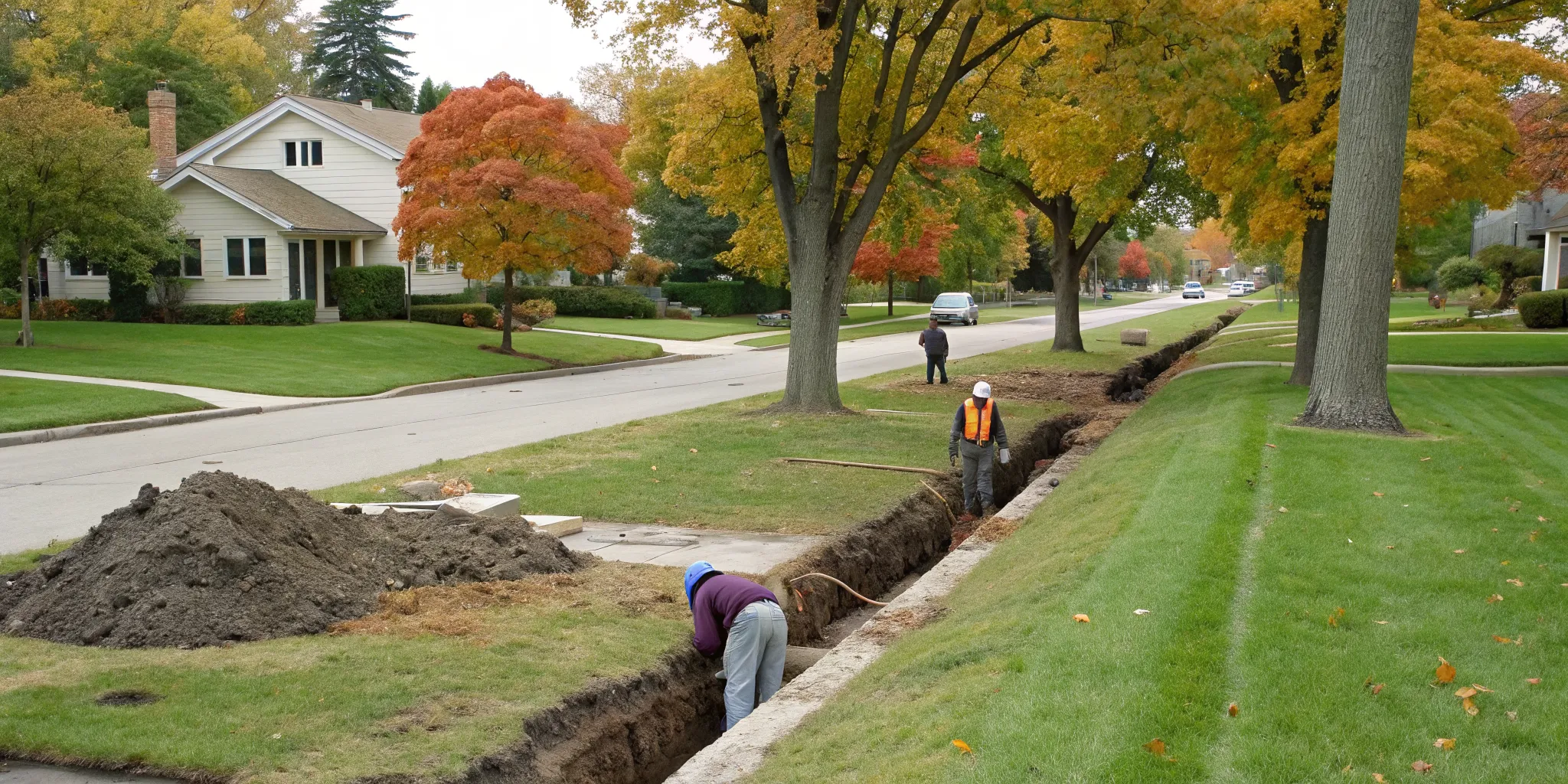

Living in our corner of Michigan means our homes face specific challenges, from hard water that leaves mineral deposits to freezing temperatures that threaten our pipes. Your faucets are on the front lines, and these local conditions can cause them to wear out sooner. A sputtering flow or a stiff handle isn’t just an annoyance; it’s often a direct result of our environment. As a local, family-owned business, we understand these unique issues better than anyone. This guide is designed to help our neighbors identify common problems and know when it’s time to call for the reliable faucet repair West Bloomfield MI residents need to keep their homes running smoothly.
Key Takeaways
- Identify problems early: Don’t ignore a constant drip, weak water pressure, or strange noises from your faucet. These are clear warnings that a part is wearing out, and catching them early saves you from water damage and higher utility bills.
- Distinguish between DIY and pro jobs: You can likely handle simple fixes like cleaning an aerator or replacing a washer. However, if the problem is hard to diagnose or requires special tools, calling a professional prevents a small issue from becoming a costly disaster.
- Practice preventative maintenance: A little regular care goes a long way in avoiding future repairs. Simple habits like cleaning mineral buildup from your aerator, checking for small leaks under the sink, and winterizing outdoor faucets will extend the life of your fixtures.
Does Your Faucet Need Repair? Watch for These Signs
It’s easy to ignore your faucet until it stops working the way it should. But paying attention to the small signs can save you from a big headache and an even bigger bill down the road. Your faucet often gives you clues that something is wrong long before a major failure occurs. If you notice any of these common issues, your faucet is trying to tell you it’s time for a repair. Acting quickly can prevent water waste, protect your home from damage, and restore peace and quiet to your kitchen or bathroom.
That Annoying Drip (or Major Leak)
That constant drip, drip, drip is more than just a background noise that keeps you up at night. While it seems small, a single dripping faucet can waste thousands of gallons of water each year, which you’ll see reflected on your utility bills. A worn-out washer or O-ring is often the culprit, but ignoring it can lead to more significant problems. What starts as a tiny drip can escalate into a steady leak, causing water damage to your countertops, cabinets, and floors. If you see any pooling water or a drip that won’t quit, it’s time to get it looked at before a small issue becomes a major emergency plumbing situation.
Weak or Sputtering Water Flow
When you turn on the tap and get a weak stream or a sputtering mess instead of a steady flow, it’s frustrating. Luckily, the fix is sometimes simple. Often, the problem is just a clogged aerator, which is the little screen at the tip of your faucet where water comes out. Mineral deposits and debris can build up and block the water flow. You can try unscrewing it, giving it a good cleaning with a small brush and vinegar, and screwing it back on. If that doesn’t restore your water pressure, the issue might be more complex, like a problem with your water lines. That’s when a professional can diagnose the real source of the blockage. Mr. Pipey’s faucet repair team can provide the right plumbing solutions.
Strange Noises, Rust, or Stains
Your faucet should operate quietly. If you hear whistling, chattering, or clanking when you turn the water on or off, it’s a red flag. These sounds can point to a worn-out part, an issue with water pressure, or even problems with the pipes themselves. Another telltale sign is visible rust on the faucet or reddish-brown stains in your sink basin. This often indicates corrosion inside the faucet or your pipes, which can affect your water quality and eventually lead to leaks. Don’t ignore these audible or visual warnings; they are clear signs that you should contact a professional to inspect your plumbing system and prevent further damage.
What Causes Common Faucet Problems?
That dripping faucet isn’t just a random annoyance; it’s a sign that a specific part has worn out. Understanding what’s happening inside your faucet is the first step to fixing it. Most issues come down to a few small, hard-working components that eventually give out after thousands of uses. The most common causes include worn washers, deteriorated O-rings, damaged cartridges, or corrosion inside the valve seat. The exact culprit often depends on the type of faucet you have, as each design works a little differently.
Different faucets have different internal mechanics, from older compression styles to modern ceramic disc models. Identifying your faucet type can give you a major clue about what’s gone wrong. For example, a steady drip from the spout often points to one problem, while a leak around the base of the handle suggests another. Whether it’s a simple rubber part that needs replacing or a more complex internal mechanism, every leak has a source. Once you know the likely cause, you can decide if it’s a quick fix or a job for a professional. If you’re ever unsure, our team is always ready to help with any plumbing services you might need.
Issues with Compression Faucets
If you have separate hot and cold handles that you have to tighten to turn off the water, you likely have a compression faucet. These are common in older homes and are frequent sources of drips. The problem almost always comes down to a small rubber washer. Compression faucets rely on this washer to press against a valve seat and seal off the water flow. Over time, the constant pressure and temperature changes cause the rubber to harden, crack, or tear. When that happens, it can no longer create a tight seal, letting water drip from the spout. It’s a simple part, but its failure is what keeps you up at night.
Problems with Cartridge Faucets
Many modern faucets, especially those with a single handle that moves up, down, left, and right, use a cartridge system. These faucets contain a hollow plastic or metal cartridge that controls the water flow and temperature. When a cartridge faucet starts leaking, the issue is usually the cartridge itself. The internal seals or O-rings can wear out, or the cartridge body can crack, causing drips from the spout or leaks around the handle base. While replacing a cartridge can sometimes be a straightforward job, finding the exact replacement part for your specific faucet model can be a challenge. If you’re struggling to find the right part, it’s often easier to contact a professional.
When Ball and Ceramic Disc Faucets Fail
Ball faucets, recognizable by their single handle that moves over a rounded ball-shaped cap, are another common type. Leaks here are often caused by worn-out inlet seals, springs, or O-rings inside the faucet body. Similarly, ceramic disc faucets are known for their durability because they use two highly polished ceramic discs to control water flow. They rarely leak, but when they do, it’s usually because the neoprene seals around the discs have worn out. Hard water buildup can also cause sediment to get between the discs, scratching them and breaking the seal. When these more complex faucets start to fail, it can lead to a serious leak, sometimes requiring emergency plumbing attention.
DIY Fix or Call a Pro in West Bloomfield, MI?
When you spot a problem with your faucet, it’s tempting to roll up your sleeves and search for a quick DIY solution. And sometimes, that’s the perfect approach! But knowing when to tackle a repair yourself and when to call for backup can save you from a major headache and a much bigger repair bill. Let’s break down which jobs you can likely handle and when it’s best to leave it to the pros.
Quick Fixes You Can Probably Handle
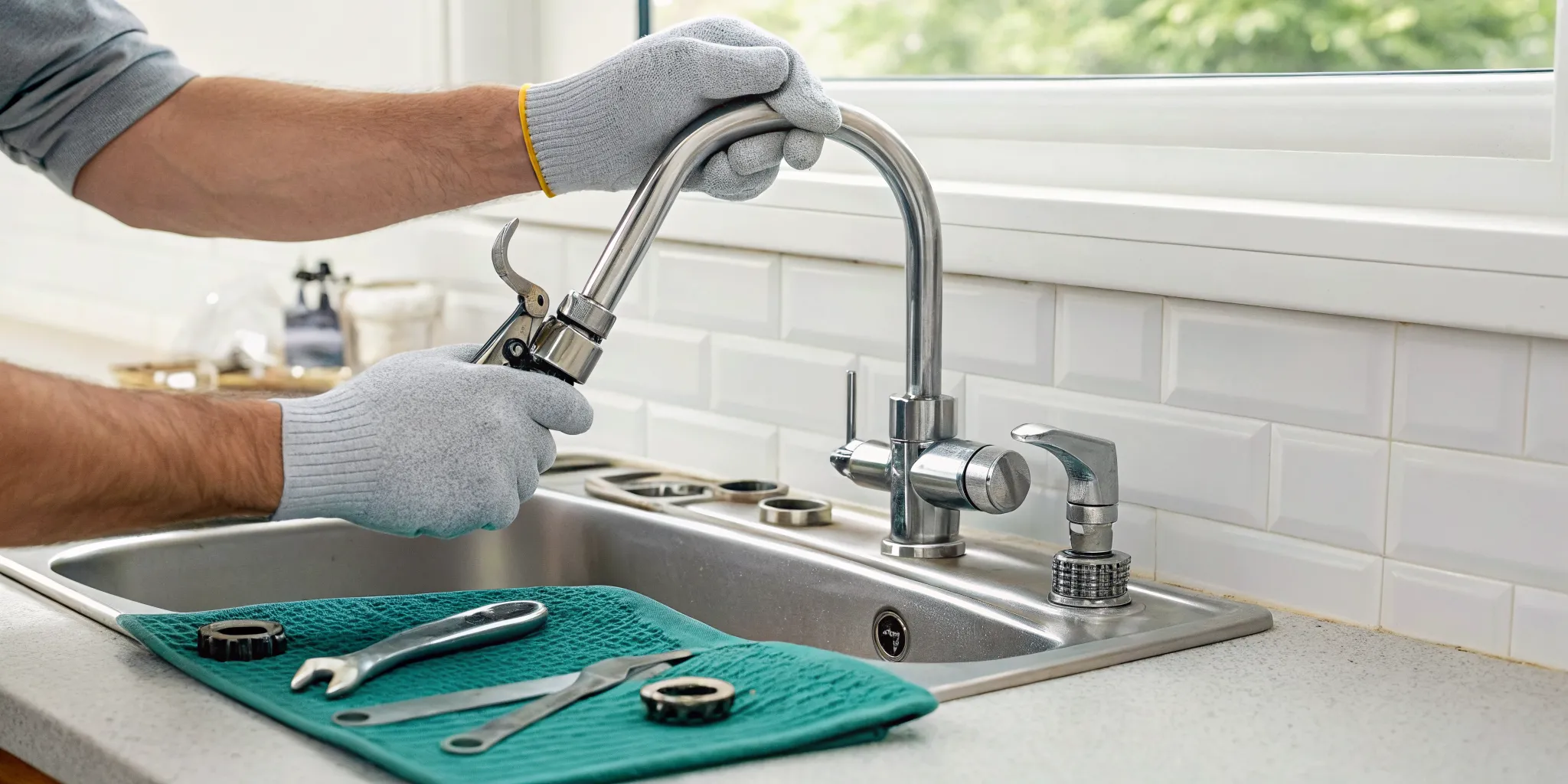
For the handy homeowner, some faucet issues are straightforward to resolve. That constant drip, drip, drip is often caused by a worn-out washer or seal, especially in older compression faucets. If you’re comfortable turning off the water supply and have a basic toolkit, replacing a washer is a common fix you can likely manage in under an hour. Similarly, cleaning the aerator (the small screen on the end of your faucet) to clear out mineral buildup can often restore weak water pressure. These small tasks can be very satisfying to complete on your own.
Common DIY Mistakes to Avoid
The road of DIY repairs is paved with good intentions, but it can have some pitfalls. One of the most frequent mistakes is misdiagnosing the problem. You might see water dripping from the spout and assume it’s a simple washer, but the leak could actually be starting from the base of the faucet, indicating a more complex internal issue. Another common error is over-tightening connections. Using too much force can strip threads or even crack the fixture, turning a tiny leak into a much more serious problem. Always be gentle and avoid forcing parts that don’t seem to fit.
When to Leave It to the Experts
If your quick fix didn’t work or if the problem seems more complicated than a simple washer replacement, it’s time to call a professional. Leaks that are difficult to locate, repairs that require specialized tools, or any issue involving the pipes behind the wall are jobs for an experienced plumber. Trying to fix these yourself can lead to bigger issues and more expensive repairs down the line. A professional can accurately diagnose the problem and ensure the repair is done right the first time, giving you peace of mind. If you’re facing a persistent leak or a problem you can’t solve, our team is ready to handle any emergency plumbing situation.
How Much Does Faucet Repair Cost in West Bloomfield, MI?
Let’s talk about one of the first questions on every homeowner’s mind: what’s this going to cost? While it’s impossible to give a precise quote without seeing the faucet, I can walk you through the typical costs and the factors that influence the final price. This will help you feel more prepared when you call for a professional estimate. Remember, a trustworthy plumber will always be transparent about pricing and provide a detailed quote before starting any work.
What to Expect for Repair vs. Replacement Costs
On average, homeowners in West Bloomfield can expect to pay between $150 and $350 for a faucet repair. This range covers a wide variety of issues, from simple fixes to more involved jobs. Where your project falls on that spectrum depends on a few things. A straightforward repair, like replacing a worn-out O-ring or washer, will be on the lower end. If the faucet is beyond saving and needs a complete replacement, the cost will be higher to account for the new fixture and the additional labor. The type of faucet and the specific parts required for the repair also influence the overall expense.
Factors That Affect Your Final Bill
Several variables can affect your final bill. The specific type of plumbing repair is a major one; fixing a simple drip is very different from addressing an internal crack in the faucet body. The complexity of the job matters, too. A faucet that’s corroded or difficult to access will require more time and effort. Another factor is the plumber’s experience. While a seasoned professional might have a higher hourly rate, their ability to quickly diagnose and solve the problem often leads to lower overall labor costs. Finally, the severity of the damage is a crucial consideration. A minor leak caught early is much less expensive to fix than a major one that has caused water damage, which might even require emergency plumbing services.
How Do You Choose a Reliable Plumbing Service in West Bloomfield?
When your faucet is on the fritz, the last thing you want is the added stress of finding a trustworthy plumber. You need someone who can provide professional faucet services in West Bloomfield and fix the problem quickly and correctly without any surprises. Choosing the right professional in West Bloomfield comes down to a few key checks that ensure you’re hiring a reliable expert who stands by their work. Taking a few minutes to vet your options will give you peace of mind and a faucet that works like new.
Look for Licenses, Insurance, and Guarantees
Before you let anyone work on your home, make sure they are properly licensed and insured. This is non-negotiable. A license proves they meet state and local standards, while insurance protects you and your property from any accidental damage. A truly confident company will also offer a satisfaction guarantee. This shows they believe in the quality of their workmanship and are committed to getting the job done right. A company that is proud of its reputation and values will always be upfront about these credentials.
Read Reviews and Know What to Ask
Customer reviews are your best friend when hiring a plumber. They give you a real-world glimpse into what it’s like to work with a company. Look for patterns in the feedback. Are they consistently on time, professional, and clean? Once you have a few candidates, don’t be afraid to call and ask questions. Find out if they have experience with your specific faucet issue or if they offer emergency plumbing for future needs. The way they answer will tell you a lot about their customer service.
Always Get a Written Estimate First
To avoid any misunderstandings or surprise charges, always ask for a detailed, written estimate before any work begins. A professional plumber will have no problem providing this. The estimate should clearly outline the scope of the job, the cost of parts, and the labor rates. This transparency is a hallmark of an honest business and allows you to budget effectively. It ensures everyone is on the same page and you feel comfortable with the plumbing solutions being provided before the project even starts.
Maintain Your Faucets and Prevent Future Repairs
A little proactive care for your faucets can go a long way in preventing surprise repairs and saving you money. Think of it like a regular check-up; catching small issues early stops them from turning into major headaches. A consistent drip or a stiff handle might seem like minor annoyances, but they are often the first signs of a bigger problem brewing.
By spending just a few minutes on simple maintenance, you can extend the life of your fixtures, keep your water bills in check, and maintain steady water pressure throughout your home. It’s about being a savvy homeowner, not about becoming a plumbing expert overnight. We’ll walk through some straightforward routines for cleaning your faucets, preparing them for Michigan’s harsh seasons, and tackling that pesky hard water buildup. These simple steps will help keep everything flowing smoothly.
Simple Cleaning and Inspection Routines
Making faucet inspection a part of your regular cleaning routine is one of the easiest ways to spot trouble. Once a month, take a moment to look and listen. Check under the sink for any signs of moisture or slow drips. Wipe down the faucet body and base, looking for rust or mineral deposits. A leaky faucet is more than just an annoying sound; it can waste thousands of gallons of water a year and drive up your utility bills. Worn-out seals and washers are common culprits. While some fixes, like replacing a washer, can be a simple DIY task, knowing when a problem starts is the first step. If you spot an issue, you can decide whether to tackle it yourself or call for professional plumbing services.
Prepare Your Faucets for Michigan’s Seasons
Living in West Bloomfield, we all know how brutal Michigan winters can be on our homes, and your plumbing is especially vulnerable. Before the first freeze, it’s crucial to winterize your outdoor faucets to prevent pipes from freezing and bursting. The process is simple: disconnect all garden hoses, turn off the water supply to the outdoor spigots using the interior shut-off valve, and then open the outdoor faucet to drain any remaining water. This quick task can save you from catastrophic water damage and expensive emergency repairs. Don’t forget about pipes in unheated areas like crawl spaces or garages, as they are also at risk when temperatures plummet. A little preparation makes all the difference.
How to Deal with Hard Water Buildup
If you’ve noticed a drop in water pressure or a sputtering stream, hard water buildup is a likely suspect. Over time, minerals like calcium and magnesium in your water can clog the faucet’s aerator, which is the small screen at the tip of the spout. Luckily, this is an easy fix. Simply unscrew the aerator, take it apart, and soak the pieces in a bowl of white vinegar for a few hours. Use an old toothbrush to scrub away any remaining deposits, then rinse and reassemble. This simple cleaning can restore your water flow instantly. If the problem persists, the mineral buildup might be affecting internal components, which can be a more complex issue. When in doubt, it’s always best to contact a professional.
Related Articles
- DIY Pipe Leak Repair: Your Step-by-Step Guide
- Plumbing Maintenance & Prevention
- Need a 24 Hr Emergency Plumber? Read This First
- Repair a Copper Pipe Leak: A Step-by-Step Guide
- Water Shut-off Valve Services in Hamtramck | Mr. Pipey® Plumbing
Frequently Asked Questions
Is it better to repair my faucet or just replace it? That’s a great question, and the answer often depends on a few factors. If your faucet is relatively new and the repair is simple, like replacing a washer, a repair is almost always the more cost-effective choice. However, if the faucet is old, constantly needs fixing, or you’re having trouble finding parts, investing in a new replacement might be a better long-term solution. It’s also a perfect opportunity to update the style of your kitchen or bathroom.
My faucet is dripping, but I can’t find the water shut-off valve under the sink. What should I do? First, don’t panic or try to force any old valves you find. If the specific shut-off valves for your sink are missing or stuck, your next step is to locate the main water shut-off for your entire house. This is usually in the basement, a utility closet, or a crawl space. Once you have the water turned off, it’s best to call a professional plumber. They can fix the drip and also install proper shut-off valves for your sink to make any future work much easier.
How long does a typical faucet repair take? The time it takes really depends on the specific problem. A straightforward fix, like cleaning a clogged aerator or replacing a worn-out O-ring, can often be completed by a professional in under an hour. More complex issues, such as diagnosing an internal leak in a cartridge faucet or replacing a corroded fixture, might take a bit longer. An experienced plumber can usually identify the issue quickly and give you a realistic time estimate once they see what they’re working with.
Why is my water pressure suddenly weak from just one faucet? If the low pressure is only happening at a single faucet, the most common reason is a clogged aerator. That’s the little screen at the very tip of the spout. Mineral deposits from hard water can build up and block the flow. You can often fix this yourself by unscrewing the aerator, soaking it in vinegar, and scrubbing it clean. If cleaning it doesn’t solve the problem, the issue might be with the faucet’s internal cartridge or the supply lines, which is a good time to call for a professional opinion.
Can a small, slow leak really cause that much damage? Yes, absolutely. It’s easy to underestimate a slow drip, but ignoring it can lead to significant problems. Over time, that constant moisture can cause water stains on your countertops, warp the wood of your cabinets, and even damage the flooring below. Worse, the persistent dampness creates a perfect environment for mold and mildew to grow, which can affect your home’s air quality. Fixing a small leak early is always the best way to prevent these bigger, more expensive headaches.