

Most faucet problems are simple annoyances, but some are genuine emergencies in disguise. A slow drip is one thing; a gushing leak or signs of water damage spreading to your cabinets and walls is another matter entirely. Knowing the difference can save you from thousands of dollars in damage and a massive headache. Before you write off that leak as a minor issue, it’s crucial to recognize the red flags that signal a bigger crisis. This guide will help you identify when a faucet issue is a true plumbing emergency that needs immediate, professional faucet repair in Ferndale, MI, to protect your home.
Key Takeaways
- Address small faucet issues immediately: Problems like drips, low pressure, and stiff handles often seem minor, but fixing them quickly prevents wasted water, higher bills, and more complex repairs later on.
- Distinguish between a simple fix and a serious problem: While cleaning an aerator or replacing a washer are great DIY tasks, you should call a professional for issues like persistent leaks, sudden pressure drops, or water damage under the sink.
- Hire a plumber with confidence: Before making a decision, confirm the plumber is licensed and insured, check their customer reviews for consistent positive feedback, and ask for upfront pricing and a service guarantee to protect your investment.
Common Faucet Problems in Ferndale
From the kitchen sink to the bathroom vanity, your faucets get a lot of daily use. So, it’s no surprise that they eventually run into problems. Most faucet issues start small, but ignoring them can lead to bigger headaches and higher water bills. Recognizing the early signs can help you decide if it’s a quick fix or time to call for backup. Let’s walk through some of the most common faucet troubles Ferndale homeowners face, so you can figure out what’s happening with yours.
Annoying Drips and Leaks
That constant drip, drip, drip is more than just a minor annoyance; it’s a clear sign that something is wrong. A leaky faucet is one of the most frequent plumbing issues, and it’s literally money going down the drain. If you’ve noticed a steady drip that won’t stop or a surprise jump in your water bill, a worn-out internal part is usually the culprit. While it might seem small, a persistent leak can waste a significant amount of water over time and may even lead to water stains in your sink. Addressing it quickly is always the best move.
Weak Water Pressure
Are you finding that your faucet’s water flow has gone from a strong stream to a weak trickle? Low water pressure can be incredibly frustrating, especially when you’re trying to wash dishes or your hands. This problem often points to a clogged aerator, which is the small screen at the tip of your faucet. Mineral buildup from hard water is a common cause. In some cases, however, weak pressure could signal a more serious clog or a break somewhere in your plumbing lines. If cleaning the aerator doesn’t solve it, it’s a good idea to get it checked out.
Squeaky or Stiff Handles
Your faucet handles should turn smoothly and quietly. If you have to fight to turn the water on or off, or if you hear a squeaking or grinding sound when you do, it’s a sign of trouble. These symptoms usually mean the internal components are wearing out or need lubrication. A stiff handle can be caused by mineral deposits building up inside the faucet’s cartridge. Ignoring these sounds and the extra resistance can cause more damage to the faucet, potentially leading to a leak or a handle that breaks off completely.
Rust and Mineral Buildup
If you see rust forming on your faucet or notice stubborn mineral deposits (that chalky white gunk) that you can’t scrub away, your faucet is showing its age. While this is partly a cosmetic issue, it can also affect how well your faucet works. Corrosion can eat away at the faucet’s internal parts, leading to leaks and other failures. In many cases, once you see significant rust or buildup, it’s often more cost-effective to consider a replacement rather than attempting complex plumbing repairs. A new faucet can update your space and ensure you have a reliable fixture for years to come.
Simple DIY Faucet Fixes
A dripping faucet isn’t just annoying; it’s a waste of water and money. The good news is that you don’t always need to call in a pro for every little drip. With a few basic tools and a little confidence, you can tackle some of the most common faucet issues yourself. These simple fixes can save you a headache and a service call. Let’s walk through a few steps you can take to quiet that drip and get your faucet working smoothly again.
First: Turn Off the Water Supply
Before you even think about picking up a wrench, your absolute first step is to turn off the water supply to the faucet. This is non-negotiable. It prevents a small repair from turning into a major flood. Look in the cabinet directly under the sink; you should see two handles, one for hot and one for cold. Turn them clockwise until they are fully closed. Once they’re off, turn the faucet on to drain any remaining water in the line. This simple but crucial step is the foundation for any successful faucet repair. If you can’t find the shutoff valves under the sink, you’ll need to turn off the main water supply to your house.
Replace Worn-Out Washers, O-Rings, or Cartridges
The most frequent cause of a leaky faucet is a worn-out internal part. For older compression faucets, it’s usually a rubber washer. In newer cartridge faucets, the entire cartridge or a small O-ring might be the problem. After shutting off the water, you can carefully disassemble the faucet handle to get to these parts. You’ll likely need a screwdriver and maybe an Allen wrench. Once you identify the worn-out piece, it’s best to take it with you to the hardware store. This ensures you get an exact match. A quick DIY repair guide can show you visuals for different faucet types, which is incredibly helpful for finding the right part.
Clean Away Mineral Deposits
If your faucet has weak water pressure or the handle is stiff, mineral buildup is a likely suspect. Metro Detroit has moderately hard water, which can leave calcium and magnesium deposits (limescale) inside your faucet over time. A simple and effective way to clean this is with white vinegar. Unscrew the aerator at the tip of the faucet and soak it in a small bowl of vinegar for a few hours. You can also use a small brush to scrub away buildup inside the faucet body. This simple cleaning can make a huge difference in your faucet’s performance and extend its life.
Use Plumber’s Tape for a Better Seal
When you’re reassembling your faucet, especially any parts with threaded connections, using plumber’s tape is a great pro tip. This thin, white tape (also called Teflon tape) helps create a watertight seal and prevents leaks from the threads. Simply wrap the tape clockwise around the male threads three or four times before screwing the parts back together. This small, inexpensive roll of tape provides extra insurance against drips and ensures your repair is secure. It’s a simple step that makes your DIY work more durable and gives you peace of mind that you’ve created a better seal.
When to Call a Professional Plumber
While tackling a small faucet fix on your own can be empowering, it’s just as important to know when to step back and call in a professional. Some plumbing problems are more than just a simple drip; they’re symptoms of deeper issues that a DIY fix might not solve or could even make worse. If you’ve tried the basics and are still stuck, or if you spot any of the following red flags, it’s time to put down the wrench and pick up the phone. Calling a pro ensures the job is done right and helps you avoid a much bigger, more expensive headache down the road.
The Leak Just Won’t Stop
You’ve replaced the washer, tightened every connection you can see, but that drip, drip, drip just won’t quit. A persistent leak that defies simple fixes is a clear signal that the problem runs deeper than the surface. The issue could be a cracked valve seat inside the faucet body or corrosion in the pipes that you can’t see. Letting it go not only wastes a surprising amount of water and drives up your utility bill, but it also puts constant stress on your plumbing system. A professional plumber has the diagnostic tools to find the true source of the leak and provide a lasting solution for all your plumbing service needs.
You See Visible Corrosion or Rust
If you notice rust spots or greenish-white corrosion on your faucet that you can’t scrub away, it’s more than just an eyesore. This is often a sign that the faucet’s internal components are breaking down from the inside out. Corrosion can flake off into your water, affecting its quality and taste. While you might be tempted to ignore it, this deterioration will only get worse, eventually leading to leaks and faucet failure. A professional can assess the extent of the damage and advise whether a repair is possible or if a full faucet replacement is the smarter, more cost-effective choice for your home.
Your Water Pressure Suddenly Drops
A sudden drop in water pressure can be alarming, and for good reason. If the weak flow is isolated to a single faucet, the culprit might just be a clogged aerator, which is an easy fix. However, if you experience a sudden pressure drop throughout your entire house, it points to a more significant problem. This could be anything from a hidden pipe leak or a blockage in your main water line to a failing pressure regulator. These are complex issues that require an expert diagnosis. It’s best to call for emergency plumbing services to prevent potential water damage or a complete loss of water.
You Hear Strange Noises from Your Pipes
Your plumbing should work silently in the background. If you start hearing rattling, clanking, or high-pitched whistling sounds when you turn a faucet on or off, your pipes are trying to tell you something. These noises are often symptoms of underlying issues within your plumbing system. A loud bang, often called “water hammer,” indicates high water pressure is slamming pipes around. Whistling can mean a part is worn out, and rattling could signal that pipes aren’t secured properly. Ignoring these sounds can lead to loosened fittings, leaks, or even burst pipes. A plumber can diagnose the problem and quiet things down for good.
There Are Signs of Water Damage
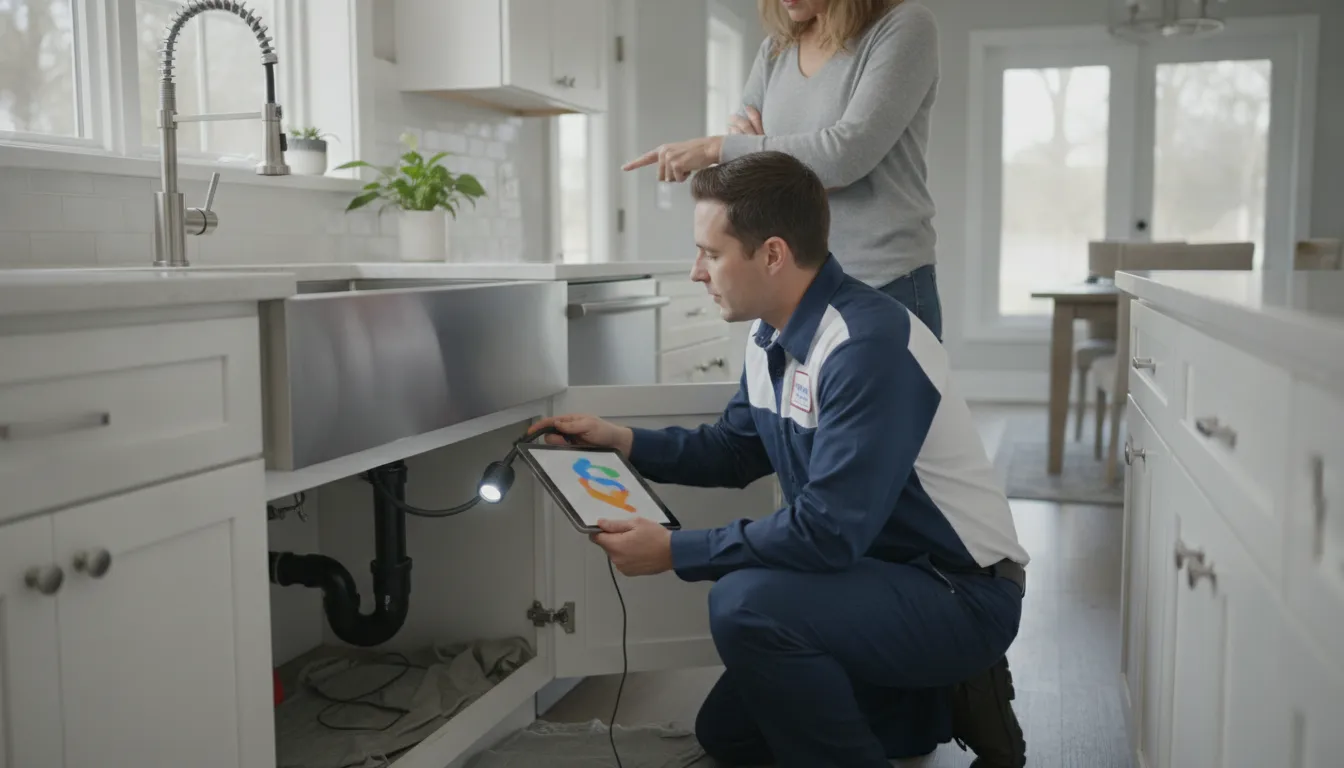
One of the most serious red flags is visible water damage. If you see water pooling around the base of your faucet, it’s a clear sign that a seal has failed. You should also check the cabinet underneath the sink for dampness, dark water stains, peeling paint, or a musty, mildewy smell. These are all indicators of a slow, hidden leak that has likely been going on for some time. This moisture can lead to wood rot, mold growth, and expensive damage to your cabinetry and flooring. A professional can trace the leak to its source and repair it correctly, protecting your home from further harm.
Is Your Faucet Problem a Plumbing Emergency?
Most faucet issues are annoyances you can schedule for a later date. But sometimes, a seemingly small faucet problem is a sign of a much bigger crisis. Knowing how to spot a true plumbing emergency can save you from costly water damage and major headaches down the road. If you see any of the following signs, it’s time to stop what you’re doing and call a professional right away. These situations go beyond a simple DIY fix and require immediate expert attention to protect your home.
Burst or Severely Damaged Pipes
A faucet is connected to your home’s plumbing system, and when the pipes behind it fail, you have a serious problem. If you notice water stains suddenly appearing on your walls, ceilings, or floors near a faucet, you could have a hidden leak from a burst pipe. A professional plumber has the right tools to locate and repair hidden leaks, preventing further damage to your property. Especially during our cold Michigan winters, pipes are vulnerable to freezing and bursting. Don’t wait for the stain to grow; a quick response can prevent a wall or ceiling from collapsing.
Uncontrolled Water Flow or Flooding
If your faucet is gushing water that you can’t turn off, you are officially in emergency territory. This isn’t a slow drip; it’s an active flood that can quickly overwhelm your sink and spill onto the floor. Your first step should be to find your home’s main water shut-off valve and turn it off immediately. Most people don’t think about calling a plumber until there’s a major problem, but uncontrolled water flow is exactly that. Waiting will only lead to more extensive and expensive repairs. Once the water is off, you need to contact a professional to handle the emergency.
Water Damage Spreading to Walls or Ceilings
Even a leak that seems contained can be a sign of a bigger issue. If you see water pooling around the base of your faucet, discoloration on the cabinet floor below, or a musty smell you can’t place, take it seriously. These are signs that water is escaping somewhere you can’t see. A constant drip that never stops or a sudden spike in your water bill are also red flags that you may need professional help. Ignoring these symptoms allows moisture to seep into your drywall and subfloors, creating the perfect environment for mold growth and wood rot. A plumber can trace the leak to its source and provide the right plumbing solutions to fix it for good.
What Does Faucet Repair Cost in Ferndale?
Let’s talk about one of the first questions on every homeowner’s mind: how much is this going to cost? The price for a faucet repair can feel a bit mysterious, but it doesn’t have to be. While there isn’t a single flat rate for every job, understanding the variables can help you feel more prepared and confident when you call for service. The final cost depends on the specific situation in your home, from the type of faucet you have to the nature of the problem itself.
Factors That Influence the Price
The cost of faucet repair in Ferndale depends on a few key things. Research shows the average plumbing service cost in our area can range from about $314 to $453, but simpler jobs might be closer to $107, while complex issues could reach $778 or more. What causes this wide range? It usually comes down to the type of faucet you have, the specific problem, and the parts needed for the fix. A basic, single-handle kitchen faucet with a worn-out washer is a much quicker and less expensive repair than a high-end, multi-function faucet with an internal crack. The complexity of the job directly impacts the time and materials required, which are the main drivers of the final price.
Is It Better to Repair or Replace?
This is the classic question. When your faucet is acting up, it can be tough to know whether to invest in a repair or just start fresh with a new one. A good rule of thumb is to consider the age of the faucet and the cost of the repair. If your faucet is fairly new and the fix is simple, like replacing a washer or an O-ring, a repair is almost always the most economical choice. However, if your faucet is over a decade old, has needed multiple repairs already, or the cost of the current repair is half the price of a new faucet, replacement is often the smarter long-term investment. It saves you from future service calls and gives you a chance to update your style. Our team can always help you weigh the options for all your plumbing needs.
How to Choose the Right Plumber in Ferndale
Finding a plumber you can trust is just as important as fixing the faucet itself. You want someone who is skilled, reliable, and transparent. When you’re searching for a professional in Ferndale, keeping a few key things in mind will help you hire with confidence and ensure the job gets done right the first time.
Check for Licensing and Insurance
First things first, always make sure any plumber you consider is properly licensed and insured. A license is proof that they have met state and local requirements, which means they have the right training and knowledge for the job. Insurance is equally important because it protects you and your home from liability in the rare case of an accident or property damage. Asking for these credentials upfront is a standard part of the process, and any reputable company will be happy to provide them. It’s a simple step that offers significant peace of mind.
Look for Proven Experience
When it comes to plumbing, experience really does matter. A plumber with a long history of service in the Ferndale area has likely seen it all, from simple drips to complex pipe issues. An experienced professional can diagnose problems faster and offer more effective, long-lasting solutions. They understand the specific plumbing challenges common to local homes. When you review a company’s services, look for a wide range of expertise. A long track record and a comprehensive service list are great indicators that you’re dealing with a true expert who can handle whatever your faucet throws at them.
Read Customer Reviews and Testimonials
Before you pick up the phone, take a few minutes to see what other customers are saying. Online reviews and testimonials are an invaluable resource for getting an honest look at a company’s performance. They give you insight into a plumber’s reliability, professionalism, and the quality of their work from a real customer’s perspective. While one negative review isn’t necessarily a dealbreaker, a pattern of poor feedback is a major red flag. Look for consistent praise about communication, timeliness, and fair pricing. This feedback helps you understand the kind of customer-first experience you can expect.
Ask About Service Guarantees
A plumber who is confident in their work will stand behind it with a guarantee. Ask potential companies if they offer a satisfaction guarantee or a warranty on their repairs. This shows that they are committed to providing high-quality service and are willing to make things right if the problem isn’t fully resolved. A guarantee protects your investment and ensures you won’t have to pay twice for the same issue. At Mr. Pipey, we believe in our workmanship, which is why we offer a 100% customer satisfaction guarantee on all our services.
Get Transparent Pricing Upfront
No one likes surprise fees on their final bill. A trustworthy plumber will provide clear, upfront pricing before any work begins. While it can be difficult to give an exact quote over the phone, they should be able to explain their rates and provide a detailed estimate after assessing the problem in person. Don’t hesitate to ask about hourly rates, flat fees for common jobs, and any potential additional charges. Getting a transparent cost breakdown helps you budget accordingly and ensures you’re on the same page. Feel free to contact us for a clear and honest estimate.
Confirm Their Availability
Plumbing problems don’t always happen during convenient business hours. A dripping faucet can quickly become a major headache, and some issues require immediate attention. When choosing a plumber, check their hours and confirm their availability for urgent situations. Knowing you have a reliable professional who can respond quickly is essential, especially in an emergency. Look for a company that offers flexible scheduling or 24/7 services, so you know help is available when you need it most. Having access to emergency plumbing services can make all the difference.
Your Go-To for Faucet Repair in Ferndale
When a faucet starts acting up in your Ferndale home, you have a few paths you can take. For the dedicated DIYer, heading to a local supply store for parts and advice can be a rewarding weekend project. And a quick search online will show you there’s no shortage of plumbers in the area. But when you’re looking for more than just a quick fix, when you want a reliable, long-lasting solution from a team that truly cares, that’s where we come in.
At Mr. Pipey, we’re not just another name on a list. We’re a family-owned company that has built our reputation on treating every client in Ferndale and across Metro Detroit like one of our own. We understand that a leaky faucet is more than an annoyance; it’s a disruption to your daily life. That’s why we focus on providing not just expert plumbing solutions, but a customer experience that gives you complete peace of mind. Our wide range of services covers everything from minor drips to major repairs.
Choosing us means you’re getting a team that stands behind its work with a 100% customer satisfaction guarantee. We provide transparent, cost-effective solutions without ever compromising on quality. Whether it’s a simple drip or a complex internal issue, we have the experience to diagnose the problem correctly and fix it right the first time. Instead of spending your weekend under the sink or rolling the dice on an unknown contractor, let our family help yours. If you’re ready for a hassle-free repair, get in touch with us today.
Related Articles
- DIY Water Shut Off Valve Replacement in 5 Steps
- Shut Off Valve Under Sink: A Complete DIY Guide
- Repair a Copper Pipe Leak: A Step-by-Step Guide
- Garbage Disposal Repair: Your DIY Fix-It Guide
- DIY Pipe Leak Repair: Your Step-by-Step Guide
Frequently Asked Questions
I tried the DIY fixes you mentioned, but my faucet is still dripping. What should I do now? First off, good for you for giving it a try. When a faucet continues to leak after you’ve replaced the most common parts like washers or O-rings, it usually means the problem is a little deeper. The issue could be with the valve seat inside the faucet body, which can become corroded or cracked over time. At this point, your best move is to call a professional. A plumber can diagnose the exact cause and prevent you from spending more time and money on fixes that might not last.
Is it cheaper to just replace my faucet instead of getting it repaired? That’s the big question, isn’t it? A good rule of thumb is to weigh the cost of the repair against the age and condition of your faucet. If the repair is going to cost half as much as a new faucet, or if your current faucet is over ten years old and showing signs of rust, replacement is often the smarter long-term investment. A professional can give you a clear estimate for the repair, which will help you make the best financial decision for your home.
How can I tell if my low water pressure is just a faucet issue or a bigger plumbing problem? This is a great question, and you can do a little detective work to find out. First, check the water pressure in other faucets around your house. If the weak flow is only happening at one faucet, the problem is most likely a clogged aerator or a faulty cartridge right there in that fixture. If the pressure is low everywhere, it could signal a more serious issue with your main water line or pressure regulator, which definitely requires a professional diagnosis.
My faucet handle is stiff and makes a squeaking sound. Is that something I need to worry about right away? While a squeaky or stiff handle might not seem like an emergency, it’s a clear warning sign that you shouldn’t ignore. The noise and resistance mean that internal parts are wearing out or are clogged with mineral buildup. If you keep forcing it, you risk breaking the handle or causing a more significant internal failure that leads to a leak. It’s best to address it sooner rather than later to avoid a more complicated and expensive repair down the road.
What if my faucet problem isn’t an emergency? How quickly can I get a plumber to look at it? Most plumbing companies understand that not every call is a crisis. For non-urgent issues like a slow drip or a stiff handle, you can typically schedule an appointment that works for your calendar. Reputable plumbers offer flexible scheduling and will work with you to find a convenient time. When you call, just explain the situation, and they can usually book a service call within a few days, ensuring your small problem gets fixed before it becomes a big one.