
That strange hissing sound from the basement. The foul odor coming from your kitchen sink. These are your home’s warning signals, but they can be easy to ignore until it’s too late. A plumbing emergency often starts with subtle signs before escalating into a major problem that can cause significant damage. Knowing what to listen and look for is your best defense. This article will serve as your practical field guide to identifying the critical symptoms of a plumbing crisis, from frozen pipes in our Michigan winters to a failing sump pump during a storm. We’ll cover the immediate actions you should take and what to look for when you need to call a professional emergency plumber Troy MI homeowners can depend on.
Key Takeaways
- Know the signs of a true emergency: A problem is an emergency if it threatens major water damage or your health, like a burst pipe or sewage backup. If you spot one, your first move should always be to shut off the main water supply to prevent further damage.
- Vet your plumber before hiring: Even in a crisis, take a moment to confirm your plumber has 24/7 availability, is fully licensed and insured, and offers transparent, upfront pricing. Asking for a clear estimate before work starts is the best way to avoid surprise costs.
- Focus on prevention to avoid future crises: A few proactive steps can save you from another emergency. Simple actions like insulating pipes, scheduling annual maintenance, and knowing the location of your water shutoff valve are your best defense against costly repairs.
How to Know It’s a Real Plumbing Emergency
It can be tough to tell the difference between a minor plumbing annoyance and a full-blown crisis. A dripping faucet might keep you up at night, but some issues can cause serious damage to your home if you don’t act fast. Understanding the signs of a true emergency can save you from costly repairs and a lot of stress down the road. So, what separates a simple repair from a catastrophe? A plumbing emergency is any situation that threatens to cause significant water damage, create a health hazard, or compromise your home’s entire plumbing system. Think major flooding, sewage backups, or burst pipes. These are the problems that can’t wait until morning.
If you spot any of the signs we’ll cover below, it’s time to stop what you’re doing and call a professional for emergency plumbing help. This isn’t about overreacting; it’s about protecting your home and family from a potentially dangerous and expensive situation. Knowing when to make that call is the first step in getting things back to normal quickly. While a running toilet is frustrating, a toilet that’s actively overflowing onto your bathroom floor is a different story entirely. Recognizing these critical distinctions will help you act decisively when it matters most.
Burst or Frozen Pipes
During our cold Michigan winters, the pipes in your basement, crawl space, or along outside walls are especially vulnerable. If you suddenly lose water pressure or hear strange hissing or banging sounds coming from your plumbing, you might be dealing with a frozen pipe. This is a problem you need to address immediately, as a frozen pipe can easily burst and release a huge amount of water into your home. If you see visible water spraying from a pipe or notice that no water is coming out of your faucets at all, you have an emergency on your hands. Getting professional frozen pipe repair can prevent a small issue from turning into a major flood.
Sewage Backups and Sump Pump Failure
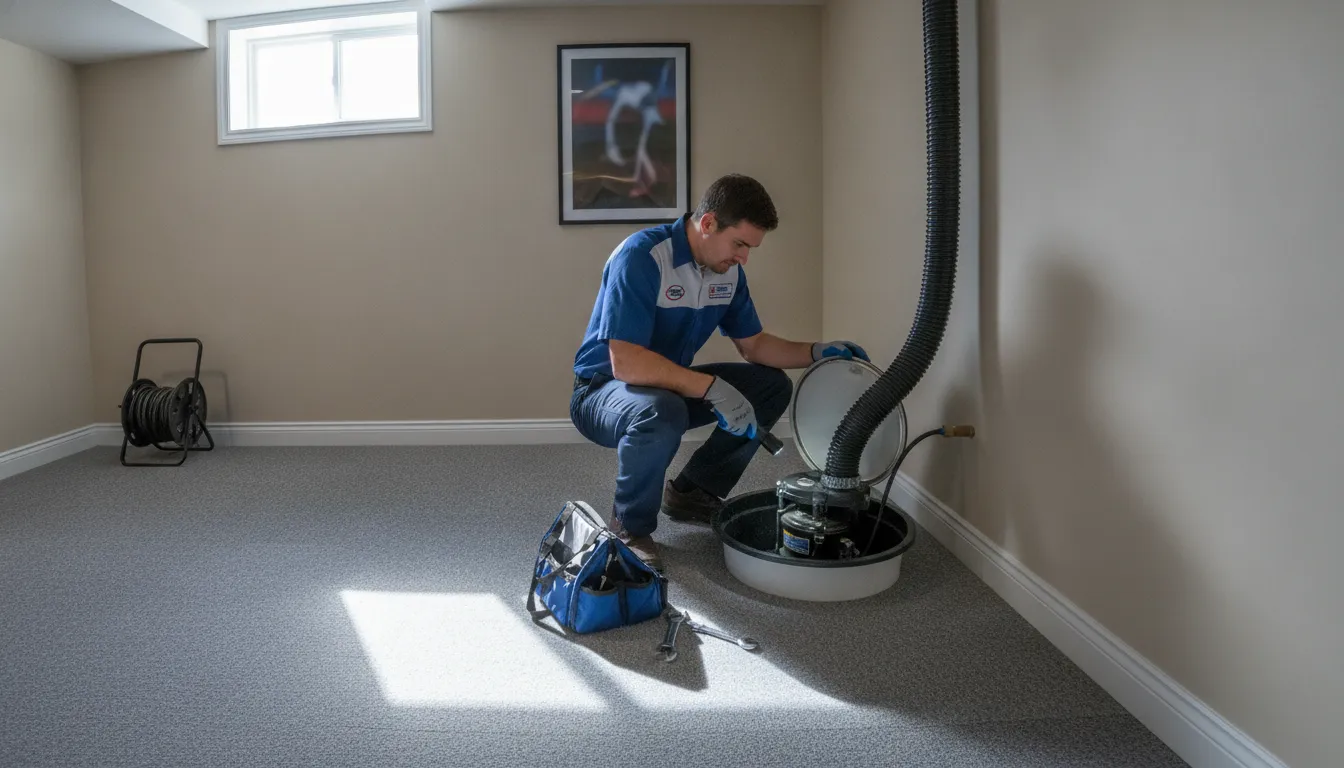
A sewage backup is one of the most serious plumbing emergencies you can face. It’s not just messy; it’s a significant health hazard for your family. If you hear gurgling sounds from your drains, see wastewater backing up into your sinks or toilets, or notice a strong, foul odor, you need to call for help right away. Similarly, a sump pump failure during a heavy rainstorm or snowmelt can lead to a flooded basement in a matter of hours. If your sump pump isn’t running when it should be, it’s a clear sign that you need immediate sump pump services to protect your home from extensive water damage.
Overflowing Toilets and Major Leaks
An overflowing toilet is more than just a hassle; it can cause serious water damage and create unsanitary conditions. If you can’t stop the flow with a plunger or by turning off the water valve at the base of the toilet, it’s time to call an emergency plumber. Water pooling around the toilet is another red flag that points to a bigger problem than a simple clog, often requiring professional toilet repair. The same urgency applies to major leaks. While a slow drip can wait, any leak that causes water to accumulate quickly, whether from a burst water heater or a hidden pipe, requires immediate attention to prevent structural damage and mold growth.
Collapsed Drains and Basement Flooding
Heavy rain or snowmelt can sometimes overwhelm your home’s drainage system, leading to basement flooding. If you notice water seeping into your basement where the floor meets the walls, or if multiple drains in your home are backing up at once, you could be dealing with a collapsed or severely blocked main drain line. This isn’t a simple clog that a drain snake can fix; it often points to a major issue underground that requires professional equipment to diagnose and resolve. Ignoring these signs can lead to foundational damage and widespread water issues, so it’s essential to seek help right away to protect your home’s integrity.
What to Do While You Wait for the Plumber
Once you’ve called for help, the waiting game begins. But you don’t have to stand by helplessly while water causes more damage to your home. Taking a few key steps can make a huge difference in protecting your property and making the repair process smoother. Think of it as first aid for your home’s plumbing. By taking these proactive measures, you can contain the immediate crisis and prevent a bad situation from becoming a catastrophe. Here’s what you can do to manage the scene while our team is on the way.
Shut Off the Main Water Supply
This is your number one priority. Cutting off the water at its source will stop the flow and prevent further flooding and water damage. Your main water shutoff valve is usually located in the basement, near your water heater or where the main water line enters your house. It might be a lever you pull down or a wheel-style handle you turn clockwise until it’s tight. If you’re not sure where it is, take a moment to find it now before you ever need it in a hurry. Taking this single step can save you from extensive and costly repairs, making it the most important thing you can do in an emergency plumbing situation.
Stop a Toilet Overflow at the Source
An overflowing toilet is a panic-inducing but common problem you can often get under control quickly. First, find the small water supply valve on the wall or floor behind the toilet and turn it clockwise to shut off the water. This will stop the tank from refilling. Next, carefully lift the lid off the toilet tank and reach in to press the flapper down. The flapper is the rubber seal at the bottom of the tank. This action will stop any remaining water in the tank from flowing into the bowl. This quick fix can prevent a messy overflow while you wait for a professional to handle the underlying clog or toilet repair.
Contain and Document the Damage
While the water is off, your next job is damage control. Use old towels, blankets, and buckets to soak up and contain any standing water. If you have a wet/dry vacuum, now is the time to use it. Removing as much water as possible will help prevent it from seeping into subfloors, drywall, and baseboards, which can lead to mold and structural issues. While you’re cleaning up, be sure to take plenty of photos and videos of the leak and any affected areas. This documentation will be incredibly helpful if you need to file an insurance claim later.
Don’t Make the Problem Worse
In a moment of crisis, it’s tempting to try and fix the problem yourself, but it’s important to know when to stop. If a simple plunger doesn’t clear a clog, don’t reach for harsh chemical drain cleaners. These can corrode your pipes and can be hazardous for the plumber who eventually works on them. Similarly, avoid using tools that aren’t meant for plumbing, as you could easily crack a pipe or break a fixture. You’ve already made the right call by contacting a professional; trying a risky DIY fix for something like frozen pipes could turn a simple repair into a major replacement.
How to Choose an Emergency Plumber in Troy, MI
When water is gushing from a pipe or your basement is flooding, the last thing you want to do is frantically search for a plumber you can trust. The pressure is on, and it’s easy to make a hasty decision. But choosing the right emergency plumber is crucial for getting the job done correctly and avoiding more headaches down the road. Knowing what to look for ahead of time can make all the difference. Focus on a few key qualities to find a reliable professional who will solve your problem without adding to your stress.
24/7 Availability and a Quick Response
Plumbing emergencies rarely happen at a convenient time. That’s why the first thing to check for is true 24/7 availability. A company that only answers calls during business hours won’t be much help when a pipe bursts in the middle of the night. Look for a plumber who explicitly advertises around-the-clock service and has a dedicated team ready to respond. When you call, they should be able to give you a clear and realistic timeframe for their arrival. A quick response is essential to minimizing water damage and getting your home back to normal as soon as possible.
Proper Licensing and Insurance
Never hire a plumber who isn’t properly licensed and insured. A license is your proof that the plumber has met the state’s standards for training and expertise. It shows they have the knowledge to handle your emergency safely and effectively. Insurance is just as important, as it protects you from liability if an accident happens on your property. A reputable company will be transparent about their credentials and happy to provide proof. Hiring a fully licensed and insured professional gives you peace of mind that you’re covered and that the work will be up to code.
Transparent, Upfront Pricing
The cost of an emergency repair can be a major source of anxiety, but a trustworthy plumber will be upfront about their pricing. While it’s often impossible to give an exact quote over the phone, they should be able to explain their fee structure, including any after-hours or emergency call-out charges. Once the plumber arrives and assesses the situation, they should provide you with a detailed estimate before any work begins. This transparency allows you to approve the costs and avoid any shocking surprises on the final bill. Always ask for a clear breakdown of labor and parts so you know exactly what you’re paying for.
A Strong Local Reputation and Positive Reviews
A plumber’s reputation in your community speaks volumes. Before you make a call, do a quick search for online reviews from other homeowners in the Troy area. Look for patterns in the feedback. Are customers consistently praising the plumber’s professionalism, timeliness, and quality of work? While one or two negative reviews aren’t necessarily a deal-breaker, a history of unresolved complaints is a major red flag. A company with a strong local reputation has a vested interest in keeping its customers happy and is more likely to provide reliable, high-quality service.
What Does an Emergency Plumber in Troy, MI Cost?
When you’re dealing with a burst pipe or an overflowing toilet, the last thing you want is a surprise bill. While it’s impossible to give a single price that covers every situation, understanding the costs associated with emergency plumbing can help you feel more prepared. Let’s break down what you can expect to pay for an emergency plumber in Troy, MI.
Common Emergency Plumbing Costs
Let’s start with a baseline. Nationally, the initial cost for an emergency plumber can be anywhere from $150 to $500. A recent guide on emergency plumbing repair costs notes that more complex jobs can even exceed $1,000. Think of this initial range as covering the service call fee and potentially a straightforward fix. For example, stopping a simple leak might fall into this category. However, this is just a starting point. The final bill will depend on the specific problem you’re facing, which is why getting an upfront quote from your plumber is so important before they begin any major work.
What to Expect for After-Hours Fees
Plumbing emergencies rarely happen at convenient times. If you need help on a weekend, a holiday, or in the middle of the night, you can expect to pay a premium. This isn’t a way for companies to take advantage of your situation; it’s standard practice to compensate plumbers for being on call and working outside of normal business hours. As industry experts explain, you should anticipate that calling after hours will increase your total cost. A reputable company like Mr. Pipey will be transparent about these fees, so you’ll know exactly what to expect when you call for emergency plumbing help.
Factors That Influence the Final Cost
Beyond the time of day, several other factors influence the final cost of your repair. The complexity of the job is the biggest one. A clogged drain is much different from a collapsed sewer line that requires excavation. The accessibility of the problem also matters; a leak under the sink is easier to fix than one inside a wall. Additionally, the specific parts and materials needed for the repair will be included in the final price. In Troy, plumber costs are also determined by local labor rates, which can vary. This is why a trustworthy plumber will assess the situation first and provide a detailed estimate before starting work.
Finding Your Go-To Emergency Plumber in Troy, MI
When a pipe bursts or your basement starts to flood, the last thing you want to do is frantically search for a plumber you can trust. Having a go-to emergency plumber already picked out gives you peace of mind. You’ll know exactly who to call to get fast, reliable help. Your ideal plumber should be someone who not only responds quickly but also does the job right the first time, preventing future headaches. For residents in Troy and the greater Metro Detroit area, finding that dependable expert is key to protecting your home.
Why Mr. Pipey Is a Trusted Choice
When you’re dealing with a crisis, you want a team that treats your home with care and respect. As a family-owned business, we at Mr. Pipey understand that. We’ve built our reputation on treating every client like a member of our own family. We offer 24/7 emergency plumbing services because we know that disasters don’t stick to a 9-to-5 schedule. Our licensed and insured plumbers arrive ready to diagnose the problem and provide a lasting solution, not just a temporary patch. We stand by our work with a 100% satisfaction guarantee, giving you confidence that the job is done right. We’re not just a company; we’re your neighbors, and you can learn more about the team that will show up at your door on our about us page.
What to Look for in Other Local Plumbers
If you’re still exploring your options, it’s helpful to have a checklist of what separates a great plumber from the rest. First, look for a company that offers comprehensive plumbing solutions. A plumber who can handle everything from a simple leak to a complex sump pump failure is a valuable partner to have. Also, confirm they are truly local to the Troy area. A local plumber will have a better understanding of regional issues, like the best methods for preventing and repairing frozen pipes during Michigan winters. Finally, insist on transparent, upfront pricing. You should never have to guess what a service will cost, especially during a stressful emergency. A trustworthy plumber will always provide a clear estimate before any work begins.
Key Questions to Ask Your Plumber
When a plumber arrives at your door, especially during a stressful emergency, it’s easy to just say, “Fix it!” and hope for the best. But taking a moment to ask a few simple questions can save you from future headaches and unexpected costs. Having these questions ready helps you confirm you’ve chosen a true professional who is transparent and reliable. Before they get to work, take a deep breath and run through this quick checklist to ensure you’re in good hands. It’s your home, and you deserve to feel confident in the person you’re hiring to fix it.
Are you licensed and insured?
This should always be your first question. A license proves the plumber has met the state and local requirements for training and expertise, so you know they’re qualified for the job. Insurance is just as important, as it protects you and your property from liability in case of an accident or damage during the repair. Any professional plumber will expect this question and should be happy to confirm their credentials. A company that is proud of its team and its qualifications, like our family here at Mr. Pipey, will always be upfront about being fully licensed and insured for your peace of mind.
What does the emergency fee include?
Emergency plumbing costs can be confusing, so it’s crucial to ask for clarity before any work begins. Ask the plumber to break down the charges for you. What is the after-hours call-out fee? What is their hourly rate? Does the initial estimate include parts, or will those be an additional cost? The price of an emergency plumbing visit can change based on the time of day and the complexity of the repair, so getting a clear, itemized estimate upfront helps prevent any surprises when you get the final bill. A trustworthy plumber will walk you through the potential costs without hesitation.
Do you guarantee your work?
Asking about a guarantee is a great way to gauge a plumber’s confidence in their own workmanship. A plumber who stands behind their repairs will offer a warranty or satisfaction guarantee on their services. This protects you in case the same problem pops up again a few days or weeks later. It shows that they are committed to providing a long-lasting solution, not just a temporary fix. When you contact a plumber, ask them what happens if the repair fails. You want to hire someone who is invested in getting the job done right the first time and will make it right if something goes wrong.
How to Prevent Future Plumbing Emergencies
Dealing with a plumbing emergency is stressful enough. The good news is that you can take a few proactive steps to protect your home and prevent many common issues from happening in the first place. A little prevention goes a long way in saving you from costly repairs and water damage down the road. Here are a few key areas to focus on.
Insulate Your Pipes Before Winter
In Michigan, our cold winters can be tough on plumbing. Pipes in unheated areas like basements, crawl spaces, and exterior walls are especially vulnerable to freezing and bursting. Insulating your pipes is one of the most effective ways to prevent this messy and expensive problem. You can use foam pipe sleeves or wrapping from a local hardware store for an easy DIY project. For a more thorough job that ensures every vulnerable pipe is protected, our team offers professional pipe insulation services. It’s a small investment that provides significant peace of mind when the temperatures drop.
Schedule Regular Plumbing Maintenance
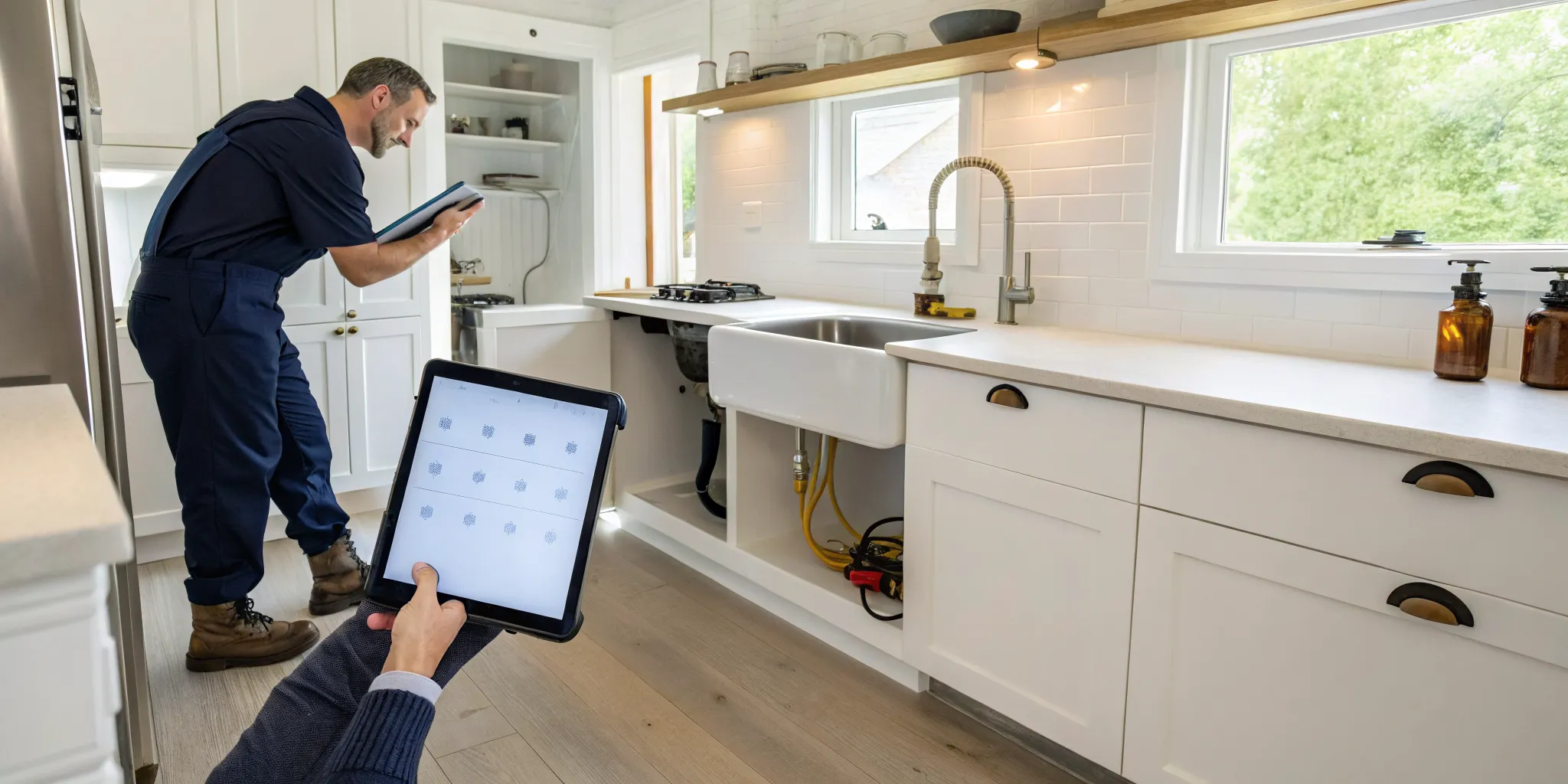
Think of regular plumbing maintenance as a check-up for your home. Scheduling an annual inspection can help a professional plumber spot potential issues, like minor leaks, slow drains, or corrosion, before they turn into full-blown emergencies. This proactive approach allows you to address problems on your own schedule, rather than in a panic at 2 a.m. A simple maintenance visit can extend the life of your pipes, water heater, and fixtures, saving you money and hassle over time. Our team can help with a wide range of plumbing services to keep your system running smoothly year-round.
Know Where Your Main Water Shutoff Is
If you learn only one thing about your home’s plumbing, make it the location of your main water shutoff valve. In the event of a burst pipe or major leak, turning off the water supply quickly is the single most important step you can take to minimize water damage. This valve is usually found in the basement or a utility closet where the main water line enters your house. Take a few minutes now to find it, label it clearly, and make sure everyone in your household knows how to turn it off. This simple piece of knowledge is your first line of defense in an emergency plumbing situation.
Maintain Your Sump Pump
Your sump pump is your silent guardian against basement flooding, especially during heavy rains or rapid snowmelt. But it can only do its job if it’s working correctly. Regular maintenance is key. You can perform simple checks yourself, like making sure the pump is upright and clearing any debris from the pit. Once or twice a year, test it by pouring a bucket of water into the pit to ensure the pump activates. For more complex issues or annual servicing to ensure it’s ready for the wet season, it’s best to call a professional. We offer expert sump pump services to keep your basement dry and protected.
Related Articles
Frequently Asked Questions
What’s the difference between a regular plumbing problem and a real emergency? A good rule of thumb is to consider the potential for damage. A dripping faucet is an annoyance that can wait for a scheduled appointment, but a situation that threatens your home with significant water damage or poses a health risk needs immediate attention. Think of things like major leaks, sewage backing up into your drains, or a burst pipe. If the problem can’t wait a day without causing serious harm to your property or family, it’s a true emergency.
I have water flooding my house. What is the absolute first thing I should do? Before you do anything else, you need to shut off the main water supply to your house. This single action stops the flow of water at its source and is the most effective way to prevent further damage while you wait for help. Your main shutoff valve is typically a lever or wheel-style handle located in your basement or a utility closet where the water line enters your home. Once the water is off, then you can call for professional help.
My pipes might be frozen. How can I know for sure, and is it safe to thaw them myself? The most common signs of a frozen pipe are a sudden drop in water pressure or no water coming out of a faucet at all. You might also hear strange hissing or banging sounds from your plumbing. While it can be tempting to try and thaw the pipe yourself with a hairdryer or space heater, this can be risky. Applying heat too quickly can cause the pipe to burst. The safest course of action is to call a professional who can thaw the pipe safely and inspect it for any damage.
Why do emergency plumbing services cost more after hours? Calling for help on a weekend, holiday, or in the middle of the night often comes with a higher fee. This isn’t about taking advantage of a bad situation; it’s the standard practice for compensating skilled plumbers who are on call and ready to respond outside of normal business hours. A trustworthy company will always be transparent about these fees when you call, so you will understand the potential costs before they even arrive.
Besides insulating pipes, what’s one simple thing I can do to prevent a future emergency? One of the most valuable things you can do is schedule regular plumbing maintenance. Having a professional inspect your system once a year can catch small issues like minor corrosion, slow drains, or early signs of wear on your water heater before they become major disasters. This proactive approach allows you to fix problems on your own terms, saving you the stress and expense of an unexpected crisis.