

A plumbing crisis doesn’t just threaten your home; it threatens your budget. The fear of a massive, unexpected bill can make a stressful situation even worse. This guide is here to help you make a smart financial decision, even when you’re under pressure. We’ll break down the typical costs of after-hours service, explain how to find a transparent company that won’t hit you with hidden fees, and show you how preventative maintenance is the best investment you can make. Finding a trustworthy emergency plumber is about protecting your wallet just as much as it is about protecting your property.
The best time to find a great emergency plumber is before you actually need one. When you’re standing in an inch of water in your basement, your judgment can be clouded by stress and a sense of urgency. Taking a few moments now to understand what to look for in a reliable plumbing service will save you time, money, and a massive headache later. This article is your preparedness plan. We’ll cover everything from the essential qualities of a trustworthy plumber to the steps you can take to prevent disasters in the first place. Think of this as your guide to making a smart, confident decision when the pressure is on.
Key Takeaways
- A little prep work prevents major panic: Before you ever have a problem, find your main water shut-off valve and save a trusted 24/7 plumber’s number in your phone. This is the best way to stay in control during a crisis.
- Know when to make the emergency call: Don’t hesitate if you see signs of a serious problem, such as burst pipes, sewage backups, a sudden loss of water pressure, or the smell of gas. These issues require immediate professional attention.
- Protect your home while help is on the way: After you call for service, your most important job is to turn off the water at the main valve. This single action can significantly reduce water damage while you wait for your plumber to arrive.
What Is an Emergency Plumber?
A plumbing emergency is any sudden issue that needs immediate attention to prevent serious water damage or safety risks in your home. Think of a burst pipe flooding your basement or a backed-up sewer line—these aren’t problems that can wait for a scheduled appointment. An emergency plumber is a specialist available 24/7 to handle these urgent crises. Unlike a standard plumbing call you book in advance, an emergency plumbing service is your first line of defense when things go wrong unexpectedly.
Their job is to get to your home quickly, diagnose the problem under pressure, and take immediate action to stop the damage. They arrive with the tools and expertise needed to manage chaotic situations, from major leaks to gas line problems. Essentially, they are the first responders of the plumbing world, trained to bring calm and control to a stressful situation. When you’re facing a potential disaster, knowing who to call can make all the difference in protecting your home and family.
What Problems Do Emergency Plumbers Fix?
When an emergency plumber arrives, their first priority is to contain the problem and prevent further damage. This often means finding and shutting off the main water supply to stop a flood. They are trained to quickly assess the situation, even if it involves complex issues like hidden leaks or sewage backups. A key part of their role is addressing immediate safety concerns. For instance, in the event of a major leak, they know how to address potential electrical hazards to keep everyone safe. After stabilizing the situation, they perform the necessary repairs to resolve the root cause of the emergency, ensuring your home’s plumbing system is secure.
Is It a Real Plumbing Emergency?
The biggest differences between an emergency and a standard plumbing call are timing and cost. A standard appointment is scheduled during regular business hours for non-urgent issues like a leaky faucet or a planned installation. An emergency call, however, is a request for immediate, after-hours assistance. Because these services are available 24/7, including nights, weekends, and holidays, they naturally cost more than services during a typical workday. You’re paying for the plumber’s immediate availability and rapid response. While a standard job might have a predictable rate, emergency hourly rates can be significantly higher to cover the on-call nature of the work.
Advanced Tools and Technology Used
Modern plumbing has moved far beyond just wrenches and plungers. When you call a professional for an emergency, they often arrive with sophisticated equipment designed to diagnose and resolve issues with incredible precision and efficiency. This technology allows them to find the source of a problem without resorting to destructive guesswork, like tearing open walls or digging up your yard. Two of the most effective tools in their arsenal are video camera inspections for accurate diagnosis and hydro jetting for clearing the most stubborn clogs. These advanced methods mean faster, more reliable repairs, getting your home back to normal with minimal disruption.
Video Camera Inspections
When a problem is hidden deep within your pipes, finding its exact location can be a challenge. That’s where video camera inspections come in. A plumber feeds a small, high-resolution waterproof camera attached to a flexible rod directly into your plumbing lines. This gives them a real-time, inside look at the condition of your pipes on a monitor. They can pinpoint the exact cause and location of a blockage, identify cracks or corrosion, and even spot invasive tree root intrusion without any excavation. This non-invasive approach is essential in an emergency, as it eliminates guesswork, saves valuable time, and ensures the repair strategy is targeted and effective from the start.
Hydro Jetting for Stubborn Clogs
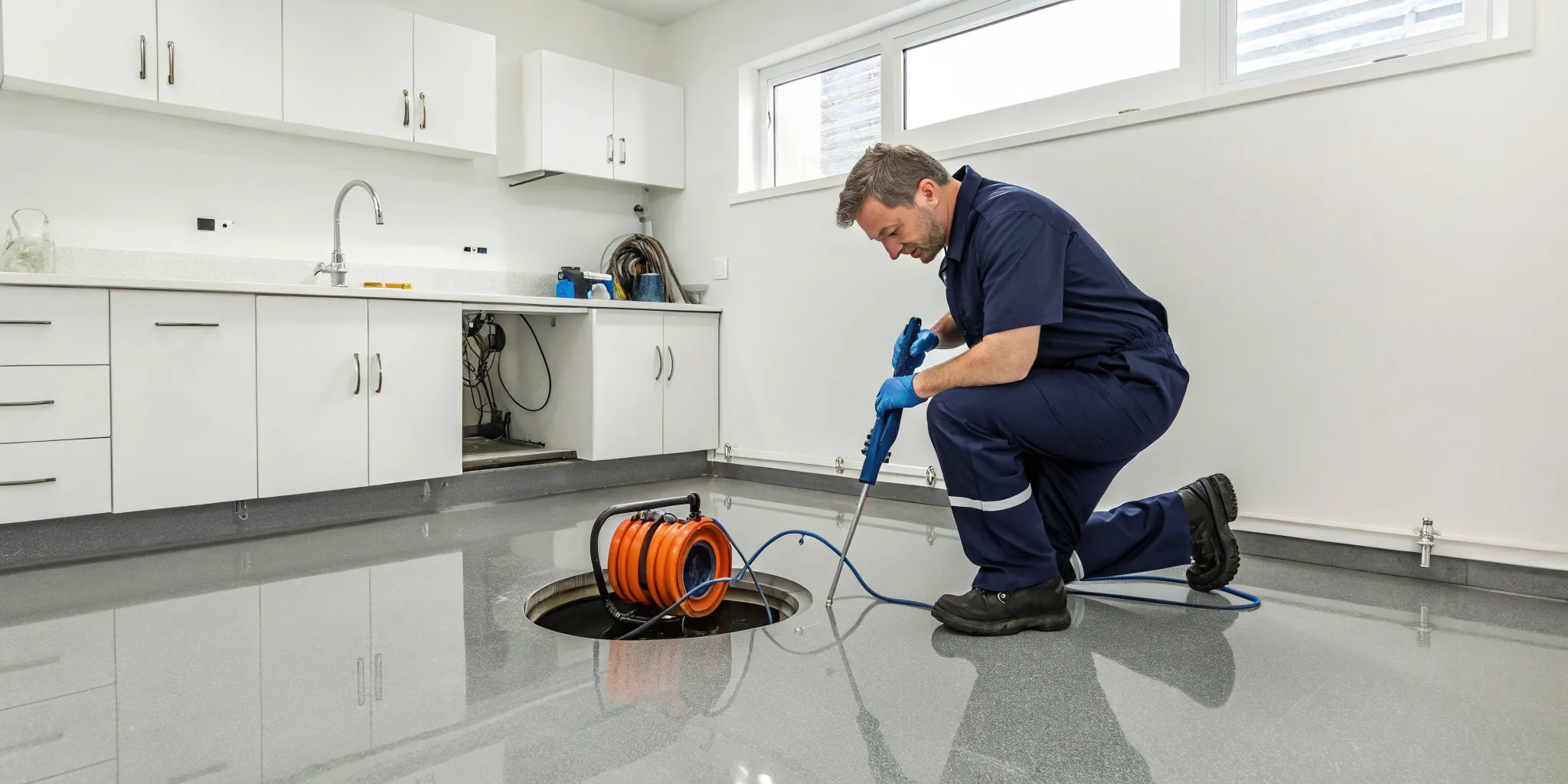
For severe clogs that a traditional drain snake can’t clear, hydro jetting is the ultimate solution. This technique uses a high-pressure stream of water to blast through the toughest blockages and completely clean the inside of your pipes. Think of it as pressure washing for your plumbing system. Hydro jetting is powerful enough to cut through grease, sludge, mineral scale, and even tree roots, scouring the pipe walls clean. Unlike a snake that simply pokes a hole through the obstruction, hydro jetting restores the pipe to its full diameter, which significantly reduces the chances of future clogs. When facing a major backup, emergency plumbers rely on this method to provide a lasting and thorough fix.
Do You Need an Emergency Plumber? Watch for These Signs
Some plumbing problems are minor annoyances, while others are full-blown crises that can’t wait until morning. Knowing the difference can save you from extensive damage, costly repairs, and major headaches. If you spot any of the following signs, it’s not an overreaction to call for help right away. These are clear indicators that you have a plumbing emergency on your hands and need a professional plumber to step in immediately. Don’t hesitate—a swift response is key to protecting your home or business.
Gushing Water from Burst Pipes or Leaks
A burst pipe is one of the most urgent plumbing emergencies you can face. If you see water actively flooding any part of your home, whether from a visible pipe or an overflowing toilet, it’s time to call for emergency plumbing services. Even a small leak can release a surprising amount of water over a short period. Ignoring it can lead to severe structural damage, ruined floors and furniture, and the potential for mold growth. The goal is to stop the water flow as quickly as possible, and a professional has the tools and expertise to do just that.
Suddenly No Water? Here’s Why It’s an Emergency
Waking up to find you have no water at all is unsettling and a definite sign that something is wrong. Similarly, a sudden and significant drop in water pressure across your entire home points to a serious issue. This could be caused by a major clog or a hidden leak in your main water line. While it might not be as dramatic as a burst pipe, a sudden loss of water or pressure requires a professional diagnosis to find the source of the problem and prevent further damage to your plumbing system.
Serious Hazards: Sewage Backups and Gas Leaks
A sewage backup is a serious health hazard. If you notice foul odors coming from your drains, gurgling toilets, or wastewater backing up into your sinks, tubs, or showers, you need immediate help. This situation exposes your family to harmful bacteria and can cause significant property damage. Even more critical is the smell of natural gas, which often has a distinct “rotten egg” odor. If you smell gas, evacuate your home immediately, call your gas company from a safe distance, and then call an emergency plumber to handle the pipe issue.
Frozen Pipes: A Common Michigan Emergency
Michigan winters are no joke, and neither are frozen pipes. If the temperature drops and you suddenly have no running water, or you see frost on your pipes, they are likely frozen. This is an emergency because frozen water expands, putting immense pressure on your pipes and creating a high risk of them cracking or bursting. Calling a professional for frozen pipe repair is essential to safely thaw the pipes and inspect them for damage before a catastrophic leak occurs. Acting quickly can prevent a simple freeze from turning into a major flood.
How to Choose the Right Emergency Plumber
When a pipe bursts or a drain backs up, the last thing you want to do is frantically search for a plumber you can trust. The key is to do a little homework before you’re in a panic. Finding a reliable emergency plumber means looking for a professional who is qualified, reputable, and ready to help when you need it most. Taking a few minutes to check for these key qualities will give you peace of mind and ensure the job gets done right, protecting your home from further damage.
Verify Their License and Insurance
Before you let any plumber start working in your home, make sure they are fully licensed and insured. A license proves they have the training and knowledge required by the state, while insurance protects you from any liability if an accident happens on your property. Any reputable company will be upfront about their credentials. This isn’t just a formality; it’s your assurance that you’re hiring a qualified professional who stands by their work. A company that invests in proper licensing and insurance is one that takes its responsibility to you and your home seriously.
See What Others Say: Read Reviews and Ask Around
What other customers say about a plumber can tell you a lot. Check recent online reviews on sites like Google to get a feel for their service quality, response times, and professionalism. Look for consistent themes—do customers repeatedly mention that the plumbers were courteous, on time, and transparent about pricing? Don’t forget to ask friends, family, or neighbors for their recommendations, too. A personal referral from someone you trust is often the best way to find a dependable emergency plumbing service that treats its customers like family.
Do They Offer True 24/7 Service?
A true emergency plumbing service is available 24 hours a day, 7 days a week—because disasters don’t wait for business hours. When you call, confirm that they offer round-the-clock service and ask for an estimated arrival time. A professional company should be able to give you a clear window of when to expect them. Quick and reliable communication from the very first call is a great sign that you’re dealing with a company that values your time and understands the urgency of your situation. You need a team that’s ready to act fast when you contact them for help.
Look for Guarantees and Warranties
A reputable plumber will always stand behind their work. When you’re dealing with an emergency, the last thing you want is a quick fix that fails a week later. Look for a company that offers a satisfaction guarantee or a warranty on their repairs. This is your assurance that they are committed to providing a long-lasting solution, not just a temporary patch. A guarantee shows that the company is confident in the quality of its workmanship and is willing to be held accountable. For example, a company that offers a 100% customer satisfaction guarantee, like we do at Mr. Pipey, is making a clear promise to you that the job will be done right. It’s about providing peace of mind when you need it most.
Ask About Discounts and Maintenance Plans
Emergency plumbing repairs can be an unexpected expense, so it’s smart to ask about pricing and payment options upfront. A transparent company should be able to explain their rates clearly, whether it’s an hourly fee or a flat rate for the emergency visit. Don’t hesitate to ask if they offer financing options to help manage the cost. Some companies also provide maintenance plans that can be a great long-term investment. These plans often include routine inspections to prevent future emergencies and may offer perks like priority scheduling and discounts on services, which can be a huge relief when you’re in a bind. Exploring these payment options can make a stressful situation much more manageable.
How Much Does an Emergency Plumber Cost?
Let’s talk about one of the biggest worries during a plumbing crisis: the cost. When water is flooding your basement, the last thing you want is a surprise bill. Understanding how emergency plumbing services are priced can help you feel more in control of the situation. The final cost depends on a few key factors, including when you call, the nature of the service fee, and how complex the job is.
At Mr. Pipey, we believe in being upfront and providing cost-effective solutions for our neighbors in Metro Detroit. We want you to have a clear picture of what to expect before we even arrive. Here’s a breakdown of the typical costs associated with an emergency plumbing call.
How Time of Day and Holidays Affect Pricing
If your pipe bursts at 2 a.m. or on Christmas morning, the repair will likely cost more than a standard daytime appointment. This is standard across the industry because technicians are being called in outside of normal business hours. Emergency hourly rates can often range between $150 and $400. While nobody loves paying a premium, it ensures you can get professional emergency plumbing help exactly when you need it most, preventing thousands of dollars in potential water damage.
Breaking Down the Bill: Service Fees vs. Repair Costs
When you get a quote, it’s helpful to know what you’re looking at. Most plumbers charge a service call fee (sometimes called a trip charge) just to come to your home and diagnose the problem. This fee typically runs from $50 to $150. On top of that, you’ll have the hourly rate for the actual repair work, which can be anywhere from $45 to $200 per hour for standard calls. Always ask if the service fee is waived or applied toward the total repair cost if you decide to proceed with the work.
Why Complex Jobs and Materials Cost More
Not all plumbing emergencies are created equal. A simple fix, like stopping a running toilet, will naturally cost less than a major job like repairing a burst frozen pipe inside a wall. The complexity of the problem is one of the biggest factors in the final price. The cost of any necessary replacement parts, from a small valve to a brand-new sump pump, will also be added to the total. A good plumber will assess the situation and explain the required work and material costs before they begin.
Understanding Hourly Rates and Additional Fees
The biggest variable in an emergency plumbing bill is the hourly rate. On average, you can expect to pay around $170 per hour, but this can range anywhere from $100 to $500 depending on the company and the situation. The real price jump happens outside of standard business hours. Since emergencies rarely stick to a 9-to-5 schedule, plumbers who offer 24/7 service charge a premium for calls on nights, weekends, or holidays. This after-hours rate can be 50% to 100% higher, sometimes reaching $300 to $600 per hour. While that might sound steep, you’re paying for the immediate availability of a skilled professional who can prevent a disaster from escalating.
Cost Estimates for Common Repairs
While hourly rates give you a baseline, the total cost will depend on the specific problem you’re facing. A severe drain clog might cost between $300 and $800 to resolve, while a burst pipe repair could range from $500 to $1,500. More complex issues, like a sewer line backup, can be significantly more expensive, sometimes running from $500 to over $3,800. These figures typically include both labor and materials. For Metro Detroit homeowners, a common winter emergency is a frozen pipe, which requires careful thawing and inspection. A trustworthy plumber will always provide a clear estimate before starting work so you know what to expect.
How to Manage Costs and Avoid Surprises
The best way to manage emergency plumbing costs is to prevent the emergency in the first place. Simple preventative maintenance, like having your pipes insulated before winter, can save you a fortune. It’s also smart to find a plumber you trust before you’re in a crisis. Research local companies, read reviews, and save the number of a reliable service like Mr. Pipey in your phone. When you do need to make an emergency call, ask about their pricing structure upfront. Inquire about service fees, hourly rates, and whether they offer payment plans. A transparent, customer-focused company will be happy to explain their costs and help you find a solution that works for your budget.
How Fast Will an Emergency Plumber Arrive?
When you’re dealing with a plumbing emergency, every minute feels like an hour. You’ve made the call for help, but now you’re left wondering, “How long will this take?” While every situation is unique, understanding the factors that influence a plumber’s arrival can help you manage your expectations and your stress levels. A professional and reliable company will always aim to get to you as quickly as possible to minimize damage and get your home back to normal.
Average Response Times in Metro Detroit
In the Metro Detroit area, a reputable emergency plumbing service understands that time is of the essence. Most companies prioritize getting a technician to your door on the same day, often within a few hours for critical issues like major leaks or backups. The goal isn’t just to show up quickly, but to arrive prepared. Experienced plumbers aim to diagnose and resolve the problem in a single visit, carrying the tools and parts needed for the most common emergencies. This efficiency is key to reducing the disruption to your home or business and preventing a bad situation from getting worse.
What Can Delay Your Plumber’s Arrival?
Several variables can affect how quickly a plumber can reach you. Your location in the Metro Detroit area, combined with local traffic and weather conditions, plays a significant role. The time of your call also matters—a request at 3 a.m. on a holiday might take longer than one on a weekday afternoon. Widespread issues, like a sudden cold snap causing a surge in calls for frozen pipe repair, can also impact availability. The severity of your problem is another factor; a burst pipe flooding your basement will likely be prioritized to prevent catastrophic damage.
What to Ask When You Call
When you call for help, you can get a clearer picture of the timeline by asking a few specific questions. First, always ask for an estimated time of arrival. Next, briefly describe your problem and ask if they have experience with that specific issue, whether it’s a failed sump pump or a backed-up sewer line. It’s also smart to confirm that their technicians arrive with well-stocked trucks to handle the repair on the spot. Getting this information upfront helps set clear expectations and ensures you’ve contacted the right team for the job.
What to Do While You Wait for Help
You’ve made the call, and help is on the way. The time between hanging up the phone and your plumber arriving at your door can feel like an eternity, but what you do in these crucial minutes matters. Taking a few proactive steps can significantly reduce damage, keep your family safe, and help us get the job done faster once we arrive. Think of it as plumbing first aid—a little effort now can save you a lot of headaches later.
First Step: Minimize Water Damage
Your first and most important task is to stop the flow of water. Find your home’s main water shut-off valve and turn it off immediately. This single action can prevent a small leak from turning into a full-blown flood, saving your floors, walls, and belongings from extensive damage. If the leak is contained to a specific fixture, like a toilet or sink, you can often find a smaller shut-off valve on the wall or floor nearby. Once the water is off, do what you can to manage the spill. Move any furniture, rugs, or electronics out of the affected area and use towels, buckets, or a mop to soak up standing water. These steps are critical when you need emergency plumbing services.
Open Faucets to Drain Pipes
After you’ve turned off the main water supply, take another important step: go through your home and open every faucet. Turn on the taps in your sinks, tubs, and showers. This relieves any remaining pressure in the plumbing system and allows the water trapped in your pipes to drain out completely. Why is this so important? It helps ensure that no more water can escape and cause further damage while you wait. Even a small amount of lingering water can continue to seep into floors and walls. Draining the system also gives your plumber a head start, making it easier for them to diagnose and resolve the emergency plumbing issue efficiently once they arrive.
Prioritize Safety: Gas and Electrical Precautions
Water and electricity are a dangerous combination. If you have standing water near outlets or electrical appliances, your top priority is preventing an electrical hazard. If you can safely access your breaker box without walking through water, turn off the power to the affected rooms. Never touch electrical devices while standing in water. Another serious concern is a potential gas leak, often indicated by a rotten egg smell. If you suspect a gas leak, do not turn any lights or appliances on or off. Leave your home immediately, and call your gas company from a safe distance. Your safety is always more important than your property.
Prepare for Their Arrival: Gather Key Information
When our technician arrives, giving them a clear picture of the situation helps them diagnose the problem quickly. Before we get there, try to jot down a few key details. When did you first notice the issue? Did you hear any strange noises, like gurgling or hissing? Can you pinpoint the exact location of the leak or backup? If it’s safe, take a quick photo or video with your phone. It’s also helpful to clear a path to the work area, removing any clutter or obstacles so we can get straight to work. Having this information ready when you contact us or when we arrive makes the entire process smoother and more efficient.
Who to Call (and Who Not to Call)
In a moment of panic, your first instinct might be to dial 911. While a burst pipe feels like a catastrophe, it’s a property emergency, not a life-threatening one that requires first responders. Fire departments are clear that you should not call 911 for broken pipes unless a secondary hazard, like a potential electrical fire or a major gas leak, puts someone’s life in immediate danger. The correct number to have on hand is for a qualified and reliable emergency plumbing service. A professional plumber is trained to handle these specific crises, arriving with the right tools and expertise to control the situation safely and protect your home from further damage. Save the 911 call for medical or fire emergencies, and trust a dedicated plumber to handle the water.
How to Prevent Plumbing Emergencies
The best way to handle a plumbing emergency is to stop it from happening in the first place. While we’re always here to help when disaster strikes, we’d much rather see you avoid the stress and expense. A little proactive care goes a long way in keeping your home’s plumbing system running smoothly. By taking a few simple steps, you can protect your property and save money on unexpected repairs. Think of it as an investment in your home’s health—one that pays off by preventing frantic late-night calls and costly water damage.
Why You Should Schedule Regular Maintenance
Think of a plumbing inspection like a yearly check-up for your home. Scheduling an annual visit helps our team identify minor issues, like a tiny leak or a slow drain, before they escalate into major emergencies. This simple step can save you from the headache of a burst pipe or a backed-up sewer line. During a maintenance check, a professional can assess your water heater, check for corrosion, and test your water pressure. It’s a small, affordable action that provides a huge return by keeping your system reliable. Taking care of your plumbing with regular maintenance is one of the smartest things a homeowner can do.
Water Heater and Sump Pump Checks
Two of the hardest-working appliances in your home are your water heater and sump pump, and they are also two of the most common culprits behind major water damage. A failing water heater can leak or even burst, flooding your basement or utility closet. In Michigan, a reliable sump pump is your best defense against a water-logged basement during heavy rains or snowmelt. Regular professional checks can catch sediment buildup in your water heater or test the float switch on your sump pump before it fails during a storm. A quick inspection is a simple, proactive step that ensures these essential systems are ready to do their jobs when you need them most.
The Cost of Prevention vs. Repair
While a maintenance visit has a predictable cost, an emergency call is a different story. Emergency plumbing services cost more because the work is urgent and often happens outside of normal business hours. Rates can range from $100 to $500 per hour, simply for the immediate, on-call response. When you compare that to the cost of a routine inspection, the value of prevention becomes clear. Investing a small amount in regular maintenance can help you avoid that urgent, middle-of-the-night call and the premium price tag that comes with it. It’s the most effective way to protect both your home and your budget from the shock of an unexpected plumbing disaster.
Prepare Your Pipes for Michigan Winters
Here in Metro Detroit, we know how brutal the winters can be—and your pipes feel it, too. Frozen pipes are one of the most common and destructive plumbing emergencies, but they are also highly preventable. Insulating exposed pipes in your basement, crawl space, or attic is an effective first step. Before the first freeze, disconnect and drain your outdoor hoses. If you’re traveling, keep your thermostat set to at least 55 degrees to ensure warm air circulates. These small actions can help you prevent frozen pipes and avoid a watery, expensive mess when temperatures plummet.
Learn to Spot Early Warning Signs
Your plumbing system often gives subtle hints that something is wrong before a catastrophe occurs. It’s important to know these signs so you can fix them before they get worse and cost more money. Pay attention to gurgling sounds from your drains, foul odors from pipes, or a sudden drop in water pressure. Other red flags include discolored water, damp spots on walls or ceilings, or an unexplained increase in your water bill. If you notice any of these issues, don’t ignore them. Catching a problem early is key to avoiding an emergency. If something seems off, it’s always best to give us a call and have it checked out.
Be Mindful of What Goes Down Your Drains
One of the most effective ways to prevent a plumbing emergency is to treat your drains with respect. It’s easy to think of them as a catch-all for waste, but things like cooking grease, coffee grounds, and fibrous food scraps can build up over time, creating stubborn clogs that lead to backups. Even products marketed as “flushable” wipes often don’t break down properly and are a primary cause of sewer line blockages. Adopting good habits, like scraping food scraps into the trash and properly disposing of grease, is a simple form of preventative maintenance that can help you avoid expensive plumbing problems and keep your system flowing freely.
Check Your Home’s Water Pressure
High water pressure might feel nice in the shower, but it puts constant stress on your entire plumbing system. Think of it as the silent culprit behind premature wear and tear on your pipes, joints, and appliance hoses. Over time, this excessive force can lead to leaks or even a burst pipe. You can easily check your home’s pressure with an inexpensive gauge from a hardware store; ideally, it should be between 40 and 80 PSI. If your pressure is too high, a plumber can install a pressure-reducing valve to protect your system. This small adjustment is a crucial step in preventing a sudden and costly emergency plumbing situation.
Local Environmental Factors Beyond the Cold
While we’re all familiar with the risks of frozen pipes in a Michigan winter, other local environmental factors can also lead to plumbing emergencies. The freeze-thaw cycles common in our region can cause the ground to shift, putting stress on underground water and sewer lines. In the spring and summer, heavy rainfall can overwhelm your drainage system, making a reliable sump pump essential for preventing a flooded basement. In many of Metro Detroit’s established neighborhoods, the roots from beautiful, mature trees can invade and block sewer lines, causing messy backups. Being aware of these local challenges is key to protecting your home year-round, especially when it comes to sump pump services.
How to Prepare for a Plumbing Emergency
A plumbing emergency is stressful enough without scrambling to figure out what to do. Taking a few simple steps now can make a world of difference when you’re faced with a burst pipe or a serious leak. Think of it as creating a simple action plan for your home. A little preparation helps you stay calm, minimize damage, and get the right help on the way quickly. It’s about turning a potential catastrophe into a manageable problem. By knowing where your main water shut-off is, who to call, and having a few basic tools ready, you put yourself in control of the situation. These proactive measures don’t take much time but can save you from costly repairs and major headaches down the road.
Know Where Your Main Water Shut-Off Is
If there’s one thing you do after reading this, make it this one. Knowing how to shut off your home’s water supply is the most critical step in any plumbing emergency. In case of a major leak, turning off the water immediately can prevent catastrophic flooding and save your floors, walls, and belongings from extensive damage. Your main shut-off valve is usually located where the main water line enters your house, often in the basement, a crawl space, or a utility closet near the water meter. Take a few minutes to find it, and make sure everyone in your household knows its location, too. Test the valve to ensure it isn’t stuck, and clearly label it so it’s easy to spot in a panic.
Create a List of Important Contacts
When water is spraying everywhere, the last thing you want to do is search for a plumber’s phone number. Decide on your go-to plumber before an emergency strikes. Once you’ve found a trusted plumber, save their number in your phone under a clear name like “Emergency Plumber.” For good measure, write it down on a sticky note and place it on your fridge or near your main water valve. Having this information ready means you can make the call for help immediately, reducing stress and ensuring a professional is on their way as soon as possible. It’s a simple step that saves precious time when it matters most.
Assemble a Basic Plumbing Emergency Kit
You don’t need a professional-grade toolbox, but having a small kit with a few essentials can help you manage a situation while you wait for help. A basic kit should include a bucket to catch drips, old towels to soak up water, a roll of duct tape or plumber’s tape for temporary patches, and a sturdy wrench. This simple setup can empower you to tackle minor issues and prevent them from escalating. While this kit is great for immediate damage control, remember that it’s a temporary fix. For any complex plumbing issues, it’s always best to call in a professional to ensure the job is done right.
Related Articles
- Plumbing Emergencies 101: How to Stop Damage Before It Starts
- Plumbing Costs Explained: Regular vs. Emergency Services
Frequently Asked Questions
Is it cheaper to wait until morning for a “minor” emergency? It’s natural to think about saving money, but waiting on a plumbing issue can be a costly gamble. While a plumber’s hourly rate is lower during business hours, the water damage that can happen overnight from a persistent leak or a slow backup often costs far more to repair than the emergency service fee. A small leak can warp your floors and lead to mold, turning a simple fix into a major renovation project. Acting fast is almost always the most cost-effective choice in the long run.
What if I can’t find my main water shut-off valve in a panic? First, take a deep breath. The valve is most often found in the basement or a crawl space where the main water line enters your home. If you still can’t locate it, focus on containing the water as much as possible with towels and buckets. When you call for help, let us know you can’t find the valve. Our technician can locate it quickly upon arrival or use a special tool to shut off the water at the street. The most important thing is to get a professional on the way.
Can I try to fix the problem myself before calling? While the DIY spirit is admirable, a plumbing emergency is not the best time for a trial run. Professional plumbers have specialized tools and years of experience to diagnose the root cause of a problem correctly. A temporary fix with the wrong materials can fail and make the situation worse, or you could accidentally damage a pipe and create a much bigger flood. For your peace of mind and the safety of your home, it’s always best to leave emergency repairs to a trained professional.
How can I be sure I’m not getting overcharged in a crisis? This is a completely valid concern. A trustworthy plumber will be transparent about their pricing, even in an emergency. When you call, you should be able to get a clear explanation of their service fee and hourly rates. Before any work begins, the technician should assess the situation and provide you with an estimate for the repair. Don’t hesitate to ask questions. A reputable company understands you’re in a stressful situation and will focus on clear communication, not surprise fees.
Does regular maintenance really prevent emergencies? Absolutely. Think of it like the routine oil changes you get for your car. A regular plumbing inspection allows a professional to spot and fix small issues before they have a chance to fail spectacularly. We can identify things like pipe corrosion, a failing sump pump switch, or a hidden leak that you wouldn’t notice otherwise. This proactive approach is the single best way to avoid the stress, mess, and expense of a sudden plumbing disaster.