
Your garbage disposal usually gives you a few warnings before it completely fails. That new grinding sound, the water that drains slower than usual, or a persistent leak under the sink are all signals that something is wrong. Ignoring these signs can turn a small, fixable problem into a costly plumbing disaster. Think of this guide as your decoder for what your disposal is trying to tell you. We’ll cover the five most critical symptoms to watch for, helping you understand the difference between a minor annoyance and a true crisis that needs immediate emergency garbage disposal repair to protect your kitchen from further damage.
Key Takeaways
- Practice Prevention and Spot Warning Signs: Keep your disposal healthy by avoiding grease, oil, and fibrous foods. Pay attention to early warnings like strange noises, slow draining, or leaks, as these are signs that a bigger problem might be developing.
- Prioritize Safety for DIY Troubleshooting: You can often fix a simple jam with a hex wrench, but always disconnect the power first. Never put your hands inside the unit; use tongs or pliers instead. For electrical issues or major leaks, it is best to call a professional.
- Choose a Professional Wisely in an Emergency: When you need a plumber, look for one with 24/7 availability, proper licensing, and positive customer reviews. Always ask for a clear, upfront estimate before work begins to avoid unexpected charges and ensure you are working with a trustworthy company.
5 Signs You Need Emergency Garbage Disposal Repair
A garbage disposal is one of those kitchen appliances you don’t think about until it stops working. When it’s running smoothly, it makes cleanup a breeze. But when it breaks down, it can bring your entire kitchen to a standstill, creating a smelly, inconvenient mess. Some problems are simple annoyances, while others are full-blown plumbing emergencies that need immediate attention. If you’re not sure whether your disposal issue is a quick fix or a sign of something more serious, you’re in the right place.
Knowing what to look for can save you from a major headache, water damage, and costly repairs down the line. From strange noises to stubborn clogs, your garbage disposal will usually give you a few warning signs before it completely gives out. Ignoring them can turn a small problem into a much bigger one. It’s easy to hope the problem will just go away, but with plumbing, that’s rarely the case. A small drip can become a flood, and a weird noise can signal a completely burnt-out motor. If you spot any of these five signs, it’s a good idea to stop what you’re doing and figure out your next steps. For serious issues, you may need emergency plumbing services to get your kitchen back in working order quickly and safely.
Grinding, Whirring, or Humming Noises
You’re used to the sound of your garbage disposal grinding up food scraps, but a sudden, loud metallic grinding or a strained whirring sound is a red flag. These noises often mean something is jammed in the grinding chamber that shouldn’t be there, like a piece of silverware or a bone. A persistent humming sound without any grinding action usually indicates the motor is seized or has a mechanical failure. If you hear these alarming sounds, turn the unit off immediately to prevent burning out the motor. While you might be able to dislodge a simple jam yourself, a mechanical issue requires a professional.
Water Drains Slowly or Not at All
Is water pooling in your sink and refusing to go down? A broken garbage disposal is a common cause of a severely clogged kitchen sink. When the disposal can’t effectively grind up food waste, the particles build up and create a blockage in your drain pipe. This can cause water to drain very slowly or not at all, leaving you with a basin full of dirty, standing water. This isn’t just an inconvenience; it can quickly escalate into a bigger plumbing problem if the clog moves further down the line. If you have a stubborn backup, it’s time to call for help.
Leaks Forming Under Your Sink
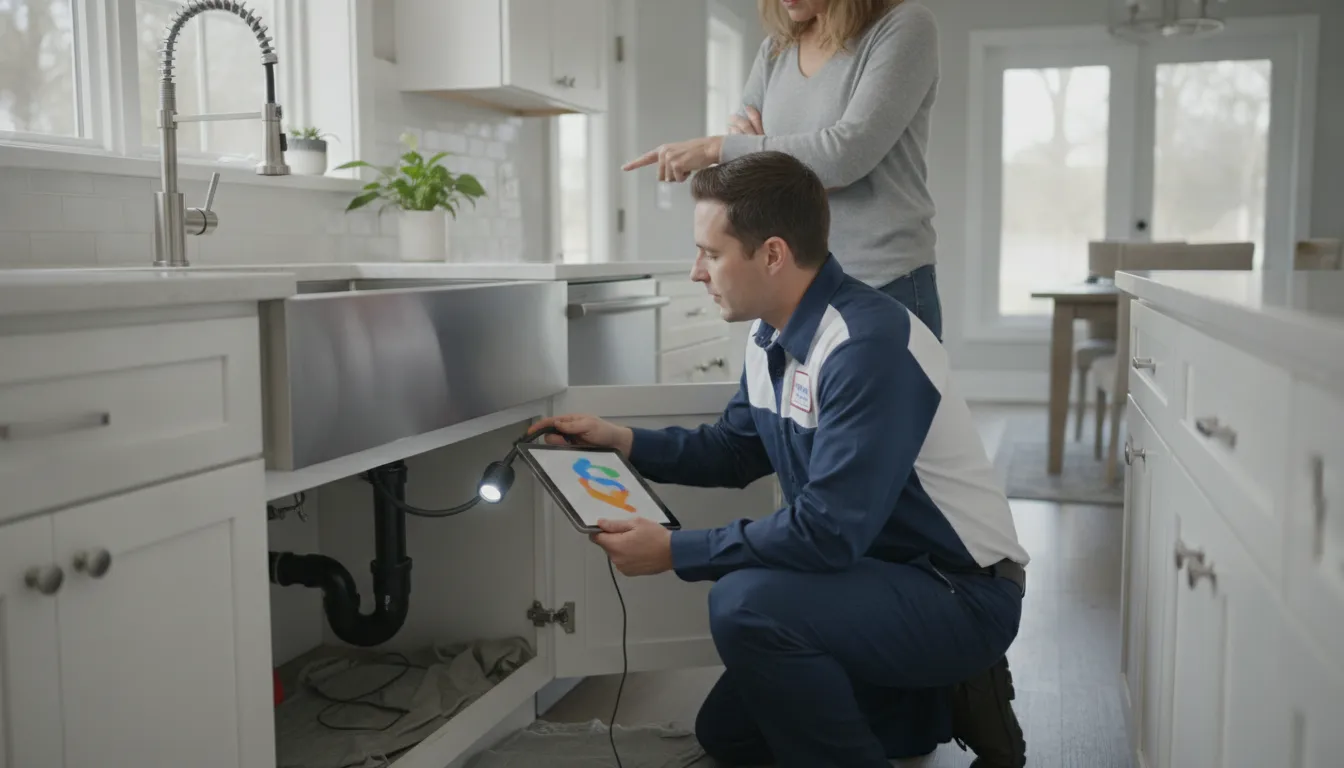
One of the most serious signs of a failing garbage disposal is a leak. If you notice a puddle of water or active dripping in the cabinet under your sink, inspect the disposal unit right away. Leaks can come from a few different places: the seals connecting the disposal to the sink flange, the dishwasher hose connection, or even a crack in the unit’s housing itself. Even a small leak can lead to significant water damage, mold growth, and rot in your cabinets and flooring. Don’t wait for the problem to get worse; a leak is a clear signal that your disposal needs immediate professional attention.
The Unit Has No Power or Trips the Breaker
If your garbage disposal won’t turn on at all, the first thing to check is the reset button (usually a small red or black button on the bottom of the unit). If that doesn’t work, check your home’s circuit breaker. However, if the disposal repeatedly trips the breaker or has no power even after a reset, you’re likely dealing with an electrical issue. This could be a sign of a faulty motor or damaged wiring, which poses a safety risk. For your safety, it’s best to leave electrical problems to a qualified plumber who can diagnose and fix the issue without risk.
A Foul Odor Lingers in Your Kitchen
A persistent, foul smell coming from your sink that doesn’t go away with regular cleaning is a telltale sign of a problem. This odor is usually caused by old food particles that have become trapped deep inside the disposal or in the drain pipes. When the unit can no longer grind waste effectively, food gets stuck and begins to decay, creating a breeding ground for smelly bacteria. If you’ve tried cleaning your disposal with ice cubes, citrus peels, and soap but the odor lingers, it means there’s a deeper clog or buildup that needs to be professionally removed.
A Safe DIY Guide to Troubleshooting Your Garbage Disposal
When your garbage disposal suddenly stops working, it can bring your kitchen cleanup to a grinding halt. That sinking feeling you get when you flip the switch and hear a strange hum, or worse, complete silence, is something most homeowners have experienced. While your first instinct might be to call for help, many common disposal issues are surprisingly simple to fix on your own. Before you assume the worst, taking a few minutes to troubleshoot can often save you time and money. This guide is designed to walk you through the basic steps to diagnose and potentially solve the problem safely.
We’ll cover everything from hitting the reset button to clearing a minor jam. Think of this as your first line of defense. The goal is to empower you to handle the small stuff while also helping you recognize when a problem is better left to the professionals. Your safety is the top priority, so we’ll start with the most critical step: cutting the power. If you follow these instructions and the disposal still isn’t working, or if you feel unsure at any point, it’s always best to contact a professional for emergency plumbing services.
Step 1: Cut the Power and Unplug the Unit
This is the most important step, and you should never skip it. Before you even think about reaching into your sink, you must cut all power to the garbage disposal. First, flip the switch that operates the disposal to the “Off” position. Then, go under your sink and unplug the unit from the wall outlet. For an extra layer of safety, head to your home’s breaker box and flip the circuit that powers your kitchen. As plumbing experts often note, trying to fix a disposal yourself can be dangerous due to the risk of electrical shock. Taking these few extra moments ensures you can work on the unit without any risk of it accidentally turning on.
Step 2: Check the Reset Button and Power Source
Now that the power is safely off, let’s check for the simplest fix. Most garbage disposals have a small red or black reset button located on the bottom of the unit. It’s often recessed, so you might need to feel around for it. If the motor overheated, this button will pop out. Press it firmly to reset it. Once you’ve done that, you can restore power at the breaker, plug the unit back in, and see if it works. If it still doesn’t turn on, double-check that the outlet itself has power by plugging in another small appliance, like a lamp. If the outlet is dead, the issue might be with your home’s electrical system rather than the disposal itself.
Step 3: Use a Hex Wrench to Clear a Jam
If you hear a humming sound but the blades aren’t spinning, you likely have a jam. Don’t worry, this is a common issue. With the power still completely off, grab the small hex wrench (also called an Allen key) that came with your disposal. If you can’t find it, a standard 1/4-inch hex wrench will usually work. Look for a small hexagonal hole in the center of the unit’s underside. Insert the wrench and turn it back and forth. This manually moves the blades, which can dislodge whatever is stuck inside. Professional plumbers often troubleshoot problems this way to break jams free without taking the whole unit apart.
Step 4: Manually Remove a Clog with Tongs
If the hex wrench doesn’t solve the jam, you may need to remove the object manually. Again, make absolutely sure the power is off. Grab a flashlight and peer down into the disposal from the sink drain. Look for the culprit, which could be anything from a fruit pit to a piece of silverware. Use a pair of pliers or tongs to reach in and pull the object out. Never, ever use your hands. Even with the power off, the blades are sharp, and it’s easy to get cut. This is a key reason experts often warn against DIY repairs without proper precautions. Once the obstruction is gone, hit the reset button again before restoring power.
Step 5: Inspect Hoses and Seals for Leaks
After you’ve cleared a jam or reset the unit, it’s a good idea to check for leaks. Run some cold water and turn the disposal on for a moment. While it’s running, use a flashlight to look under the sink at the disposal and all its connections. Check the seals where it connects to the sink flange and the pipes where the wastewater drains out. If you spot any drips or pooling water, you may have a cracked seal or a loose connection that needs attention. A persistent leak is a sign that you should schedule service right away, as water damage can lead to bigger problems like mold and wood rot in your cabinets.
When to Call a Professional Plumber
While it’s great to have a few DIY tricks up your sleeve, there are times when a garbage disposal problem is more than a simple clog. Knowing when to put down the hex wrench and pick up the phone can save you from a much bigger headache, not to mention a water-damaged kitchen. If you’ve tried the basic troubleshooting steps and are still stuck, or if the problem seems serious from the start, it’s time to call in a professional. Here’s how to know when your disposal issue requires an expert touch.
Problems That Go Beyond a Simple Fix
If your garbage disposal is making loud grinding noises, is completely unresponsive, or has a serious leak, it’s a clear sign you need help. These issues often point to problems that go beyond a simple jam. A broken unit can lead to foul odors, standing water in your sink, and damaging leaks under your cabinet. Trying to fix complex mechanical or electrical problems yourself can be risky and might even make the situation worse. A professional has the right tools and expertise to diagnose the root cause safely and efficiently, preventing a small issue from turning into a major emergency plumbing disaster.
Should You Repair or Replace Your Unit?
Deciding whether to repair or replace a faulty garbage disposal can be tricky. If your unit is relatively new and the repair is minor, fixing it is usually the most cost-effective choice. However, if your disposal is older, has had multiple issues, or the repair cost is close to the price of a new one, replacement might be the smarter long-term investment. A professional can provide a full range of plumbing services, from a quick repair to a full replacement. They’ll inspect the unit, explain your options, and help you weigh the costs so you can make an informed decision that fits your budget.
What to Expect When Your Plumber Arrives
When you call a professional, you can expect prompt, reliable service from someone who knows exactly what they’re doing. A licensed plumber will arrive with the necessary tools to handle the job safely, protecting both you and your home. They will diagnose the problem, explain the solution clearly, and provide an upfront price before starting any work. As a family-owned company, we believe in treating every client with respect and honesty. Learning about us and our commitment to customer satisfaction gives you peace of mind, knowing your home is in good hands from the moment we arrive.
What’s the Cost of an Emergency Repair?
When your garbage disposal suddenly quits, the first question on your mind is probably, “How much is this going to cost me?” It’s a valid concern, especially when you’re dealing with an unexpected problem that disrupts your whole kitchen. The price for an emergency repair can range quite a bit, typically falling somewhere between $100 and $400. This variation depends on what’s wrong with the unit, when you call for help, and the specific rates of the company you hire. While the uncertainty can be stressful, understanding what goes into the final bill can help you feel more prepared and in control of the situation.
A good plumber will always be upfront about their pricing. At Mr. Pipey, we believe in transparency because we treat our clients like family. There should be no mystery when it comes to the cost of your repair. Before any work begins, you should have a clear idea of the investment required to get your kitchen back in working order. Whether it’s a simple jam or a more complex issue, knowing the potential costs ahead of time makes the entire process smoother. Our emergency plumbing services are designed to solve your problem quickly and affordably, without any hidden fees.
Factors That Influence the Final Price
Several key things determine the final cost of your repair. First is the nature of the problem itself. A simple clog that a plumber can clear in a few minutes will cost much less than a major issue, like a burnt-out motor that needs to be replaced. The timing of your service call also matters. If you need help on a weekend, holiday, or in the middle of the night, you can expect to pay a premium for that immediate availability. Your location can also play a small role, as labor rates can vary. Finally, the brand and model of your garbage disposal can affect the price, since some units have more expensive parts or require specialized garbage disposal repair knowledge.
How to Avoid Surprise Charges on Your Bill
No one likes a surprise on their final bill. To make sure you know what you’re paying for, always ask for a detailed, written estimate before the plumber starts working. This document should clearly list the costs for labor, parts, and any other fees. Don’t be shy about asking about service charges, especially for an emergency call. A reputable company will be happy to explain their pricing. It’s also a smart idea to check if your garbage disposal is still under warranty, as some or all of the repair costs might be covered. Even in a hurry, taking a moment to compare quotes and read reviews can help you find a fair price and a trustworthy professional. You can always contact us for a clear, upfront estimate.
How to Choose the Right Emergency Plumber
When your garbage disposal suddenly quits, the last thing you want is the added stress of finding a trustworthy plumber. Choosing the right professional is about more than just a quick fix; it’s about finding someone skilled, reliable, and who won’t leave you with a bigger mess. Knowing what to look for before you’re in a panic can make all the difference. A great emergency plumbing service combines speed with quality workmanship, giving you confidence that the job is done right the first time.
Look for 24/7 Availability and Fast Response
Plumbing problems rarely happen at a convenient time, so finding a plumber who offers around-the-clock service is important. When a company advertises 24/7 availability, it should mean you can speak to a real person and get help dispatched no matter the hour. A fast response is just as critical, especially with a leak. A plumber who gets to your home quickly can prevent further damage and restore order to your kitchen. A company’s commitment to being available when you need them most is a strong indicator of their dedication. You can always contact us whenever an issue arises.
Check for Experience, Licensing, and Guarantees
Before you let anyone work on your home’s plumbing, make sure they are properly qualified. Always choose a plumber who is licensed and insured, as this protects you from liability and shows they meet professional standards. Experience also matters. A plumber with years of service in your area will be familiar with local building codes and common issues. Often, a family-owned business carries a legacy of expertise and a strong connection to the community. Finally, look for a company that offers a satisfaction guarantee. This shows they stand behind their work and are committed to getting the job done right.
How to Decode Customer Reviews
Customer reviews offer a peek into what it’s like to work with a plumber, but it helps to read between the lines. Look past the simple star rating and search for reviews that mention specific details. Are people praising their speed and efficiency during an emergency? Comments that highlight professionalism, clear communication, and cleanliness are green flags. For example, a review that says, “The plumber explained everything clearly and left the kitchen spotless,” tells you a lot about their work ethic. Also, notice if the company responds to reviews. A thoughtful response shows they value their customers and are dedicated to providing excellent service.
Prevent Future Emergencies with Simple Maintenance
The best way to handle a garbage disposal emergency is to prevent it from happening in the first place. A little bit of regular care can save you from the stress and expense of a sudden breakdown. By understanding how your disposal works and what it can handle, you can keep it running smoothly for years. These simple maintenance tips will help you protect your plumbing and avoid unexpected calls for an emergency repair.
Common Mistakes That Damage Your Disposal
We’ve all been guilty of treating the garbage disposal like a black hole for kitchen scraps. Unfortunately, a few common mistakes can lead to serious damage. Overloading the unit is a primary cause of jams and motor strain. It’s much better to feed food waste in gradually. Another frequent error is not using enough water. You should always run a strong flow of cold water before, during, and for about 15 seconds after grinding to flush food particles completely through the pipes. Attempting to fix a jam yourself without cutting the power can also be dangerous, so if you run into trouble, it’s often best to call for professional emergency plumbing services.
The “Do Not Grind” List: What to Keep Out
Knowing what to keep out of your disposal is just as important as knowing what can go in. To prevent clogs and blade damage, never put grease, oil, or fat down the drain; they solidify in pipes and create stubborn blockages. Fibrous and stringy foods like celery, corn husks, and onion skins can wrap around the blades and jam the motor. Hard materials such as bones, fruit pits, or un-popped popcorn kernels are too tough for most residential disposals. Other items to avoid include coffee grounds and eggshells, which can accumulate in pipes and cause clogs over time. When in doubt, it’s always safer to throw it in the trash or compost bin.
Easy Habits for a Healthy Disposal
Incorporating a few easy habits into your kitchen routine can significantly extend the life of your garbage disposal. Always run cold water when you use it, as this helps keep grease and oils in solid form so they can be chopped up and washed away. You can also periodically “clean” your disposal by grinding a few ice cubes to sharpen the blades, followed by some citrus peels to freshen it up. If you notice your disposal is starting to slow down or make unusual noises, don’t wait for it to become a major problem. Scheduling a yearly maintenance check-up allows a professional to spot and fix minor issues before they escalate. You can contact us to schedule a visit.
Is It Time for an Upgrade? Signs You Need a New Unit
Even with proper care, a garbage disposal won’t last forever. If you find yourself dealing with frequent clogs or constantly hitting the reset button, it might be a sign that your unit is nearing the end of its life. Persistent, foul odors that don’t go away with cleaning can also indicate that food particles are trapped inside a deteriorating unit. Another clear sign is if the disposal leaks from its housing, which often means the internal seals have failed. If your unit is over 10 years old and requires frequent repairs, replacing it is often more cost-effective than paying for another fix. We can help you assess the situation and explore your options for all types of plumbing services.
Related Articles
- Garbage Disposal Repair: Your DIY Fix-It Guide
- Garbage Disposal Not Working? 5 Easy Fixes to Try
- Fix a Garbage Disposal Jam in 6 Easy Steps
- How to Fix a Humming Garbage Disposal Fast
Frequently Asked Questions
My garbage disposal is just humming but not spinning. Is it broken for good? A humming sound is actually a common issue and doesn’t always mean your disposal is beyond saving. It usually signals that the motor is getting power but the blades are stuck, a condition often called a jam. You can try using the hex wrench that came with your unit to manually turn the blades from the bottom, which can dislodge the jam. If that doesn’t work or if you hear a loud grinding noise along with the hum, it could be a more serious mechanical failure that needs a professional look.
I tried the reset button and the hex wrench, but it’s still not working. What’s next? It sounds like you’ve done the initial troubleshooting, which is great. If those steps don’t solve the problem, it’s time to stop and call a professional. Continuing to try and fix it could damage the unit further or even be unsafe, especially if there’s an underlying electrical issue. A qualified plumber can safely diagnose whether it’s a clog deep in the pipes, a faulty motor, or damaged wiring and get it fixed correctly.
Is it really that bad to put things like coffee grounds or eggshells in the disposal? Yes, it’s best to avoid them. While they seem harmless, these items cause problems over time. Coffee grounds don’t get flushed away easily and can build up in your pipes, creating a thick, sludgy clog. Similarly, the membrane of an eggshell can wrap around the blades, and the ground-up shells can create a gritty sediment that contributes to blockages. It’s always safer to toss these items in the trash or compost bin to keep your plumbing clear.
A small leak under my sink doesn’t seem like a big deal. Can I wait to fix it? Please don’t wait. Even a tiny drip is a clear sign that something is wrong, and it’s one of the most important issues to address immediately. That small leak can quickly lead to significant water damage, promoting mold growth and causing the wood in your cabinets to rot. What seems like a minor annoyance can turn into a very expensive and messy problem, so it’s best to treat any leak as an urgent repair.
How can I tell if I need a simple repair or a full replacement? This often comes down to the age of your unit and the cost of the repair. If your disposal is less than eight years old and has a fixable issue like a minor leak or jam, a repair is usually the most sensible option. However, if your unit is over a decade old, requires frequent repairs, or has a major problem like a cracked housing or a dead motor, replacing it is often the more cost-effective choice in the long run. A professional can give you an honest assessment and help you compare the costs.