
It always seems to happen on a holiday weekend or right before you have guests coming over. You flush a toilet, and instead of going down, the water starts rising. Or you’re washing dishes, and dirty water begins bubbling up in the other side of the sink. That sinking feeling in your stomach is a universal experience for homeowners facing a plumbing emergency. In that moment, you need clear answers and fast help. This article is your resource for navigating these high-stress situations. We’ll break down the undeniable signs that you need an emergency drain cleaning service, explain what to look for in a reliable plumber, and offer tips to prevent it from happening again.
Key Takeaways
- Know when it’s a real emergency: Don’t ignore major red flags like multiple slow drains, sewage smells, or water backing up in odd places, such as the shower when a toilet flushes, as these point to a serious main line clog.
- Choose a reliable pro, even in a hurry: Look for a plumber with 24/7 availability, modern equipment like video inspection cameras, and clear proof of licensing, insurance, and service guarantees.
- Practice simple prevention to avoid future clogs: Keep your drains healthy by never pouring grease down the sink and using drain strainers. For extra protection, schedule a professional cleaning every couple of years.
When Do You Need Emergency Drain Cleaning?
It can be tough to tell the difference between a minor clog you can handle yourself and a full-blown plumbing crisis. A slow-draining sink might just be an annoyance, but some drain problems are clear signals of a much bigger issue brewing in your pipes. Knowing when to call for professional help can save you from costly water damage, unpleasant messes, and a lot of stress. Let’s walk through the signs that mean you should pick up the phone for an emergency service right away.
Signs you need a plumber right away
A single slow drain is one thing, but if you notice several drains in your home are clogged at the same time, that’s a major red flag. When your kitchen sink, shower, and toilet all start backing up, the problem is likely deep within your main sewer line, not just in one pipe. Another telltale sign is a persistent, foul odor coming from your drains that you can’t get rid of. This often indicates trapped waste or even a sewer gas leak. Finally, if you see water pooling around floor drains in your basement or near fixtures, it’s a clear sign that your plumbing system can’t keep up. These issues require emergency plumbing attention from a professional.
Common drain emergency scenarios
Some situations are undeniable emergencies. A sewage backup is at the top of the list. If you see or smell sewage coming back up through your drains, it’s not just unpleasant; it’s a serious health hazard for your family. Another urgent scenario is when water backs up in unusual places. For example, if flushing a toilet causes water to gurgle or appear in your shower drain, it means there’s a significant blockage forcing water to go wherever it can. Similarly, running the washing machine shouldn’t cause your kitchen sink to back up. These are classic signs that your main drain line is completely blocked and needs immediate professional cleaning to prevent a messy overflow.
How emergency service differs from routine maintenance
When you have a true drain emergency, you can’t wait for a standard appointment. That’s the key difference with an emergency service: it’s available 24/7. These services are designed to address urgent problems that could cause significant damage if left unattended overnight or through a weekend. Because of the immediate, after-hours response, the cost is higher than a scheduled maintenance visit. You’re paying for a technician to arrive quickly with the right tools to solve the problem on the spot. While routine drain cleaning is a great preventative measure, an emergency service provides the immediate relief and peace of mind you need when facing a sudden plumbing disaster. If you’re dealing with one now, it’s best to contact a professional immediately.
What Causes Drain Emergencies and What Do They Cost?
When a drain suddenly stops working, it can feel like a mystery. One minute everything is fine, and the next, you have a major backup on your hands. Understanding what causes these plumbing emergencies and what to expect financially can help you feel more in control of a stressful situation. The cause of the clog and the time of day you call for help will both play a role in the final cost of your repair.
Common causes of sudden drain clogs
Most sudden drain clogs aren’t so sudden after all; they’re often the result of a problem that has been building up for a while. One of the most common culprits is tree root intrusion, where roots find their way into your main sewer line, causing a serious blockage. If you notice several drains in your home slowing down at once, it’s a strong signal that the problem isn’t just one pipe but a deeper issue in your main line. Another tell-tale sign is water backing up in strange places, like your shower drain gurgling when you flush the toilet. These are clear indicators that you need emergency plumbing help right away.
Understanding emergency service pricing
It’s no secret that emergency services cost more than a scheduled appointment. When you need a plumber outside of regular business hours, you’re paying for their immediate availability and expertise. On average, you can expect emergency rates to be significantly higher than standard hourly rates. For drain cleaning specifically, a single clogged drain might cost a couple of hundred dollars to clear, while tackling a main sewer line blockage will be more involved and, therefore, more expensive. A trustworthy plumber will always be transparent about their pricing, so you know what to expect before the work begins. You can always contact us for a clear, upfront estimate.
Factors that influence your final bill
Several things can affect the final price of your emergency drain service. The complexity of the job is the biggest factor. A simple clog that can be cleared with a standard snake will cost less than a severe blockage that requires hydro-jetting or camera inspection. The time of your call also matters, as nights, weekends, and holidays typically have higher rates. Finally, the severity of the clog and the specific tools needed to fix it will influence the bill. We handle a wide range of plumbing solutions, and we always aim to provide the most cost-effective fix for your specific problem.
How to Choose the Right Emergency Drain Service
When your sink is overflowing or your basement drain is backing up, the last thing you want to do is scroll through dozens of plumbers, trying to figure out who to trust. The pressure is on to find someone fast. But making a quick decision doesn’t mean you have to make a bad one. Knowing what to look for ahead of time can help you find a reliable professional who will fix the problem correctly, even in a crisis.
Look for 24/7 availability and fast response times
Drain emergencies rarely happen at a convenient time. They’re notorious for showing up on holidays, weekends, or in the middle of the night. That’s why the first thing to check is if a company offers true 24/7 service. You need a plumber who will answer the phone and dispatch a technician no matter the hour. A fast response time is just as critical. When water is causing damage, every minute counts. A company that prioritizes emergency plumbing will understand the urgency and give you a clear timeline for when help will arrive, so you aren’t left waiting and worrying.
Check for the right tools and technology
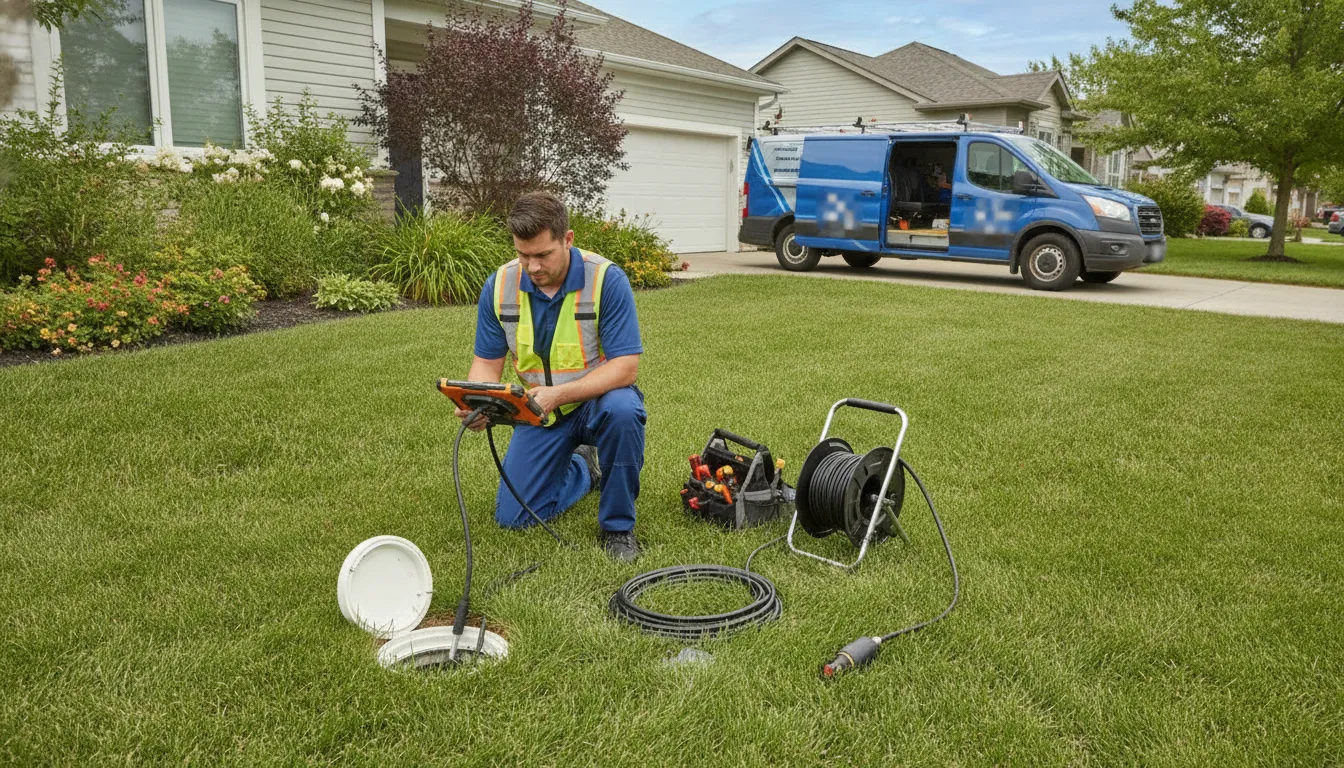
The effectiveness of a drain cleaning service often comes down to the equipment they use. A simple drain snake might not cut it for a serious blockage. Reputable companies invest in advanced tools to handle tough jobs. For example, some plumbers use specialized machines that can cut through stubborn tree roots that have invaded a sewer line, cleaning the pipe walls thoroughly. Modern technology like video camera inspections can also pinpoint the exact location and cause of a clog without guesswork. This ensures the problem is fully resolved, not just temporarily patched. A plumber with the right gear can work more efficiently and effectively.
Verify licensing, insurance, and service guarantees
Before you let anyone start working on your home, it’s essential to confirm they are licensed and insured. Licensing proves the plumber has met the state’s standards for knowledge and skill. Insurance protects you from liability in case of an accident or damage to your property during the repair. A trustworthy company will be upfront about their credentials. Also, ask about service guarantees. A plumber who stands behind their work offers peace of mind. Knowing that the job is guaranteed gives you confidence that you’re working with a reliable professional who is committed to getting it right the first time.
How Can You Prevent a Future Drain Disaster?
While our team is always ready to handle a plumbing crisis, we’d much rather help you avoid one in the first place. The good news is that you have more control than you might think. By adopting a few simple habits and learning to spot trouble early, you can keep your drains flowing freely and prevent a small issue from turning into a major, messy emergency. Think of it as a little preventative care for one of your home’s most essential systems.
Simple habits for healthy drains
The best way to manage a drain clog is to stop it from ever forming. A few small adjustments to your daily routine can make a huge difference in the long-term health of your pipes. Start by placing drain strainers in all your sinks and tubs to catch hair and food scraps. In the kitchen, never pour cooking grease, coffee grounds, or fibrous food waste down the drain; scrape them into the trash instead. It’s also a good practice to run hot water for a minute after washing dishes to help flush away any lingering residue. Finally, remember that your toilet isn’t a trash can. Only flush human waste and toilet paper to avoid serious blockages.
Early warning signs to watch for
Your plumbing system will almost always give you clues before a major backup occurs. You just have to know what to look and listen for. Pay attention if multiple drains in your home start to slow down at the same time, as this often points to a deeper issue in your main line. Gurgling sounds from your pipes or water backing up in unusual places (like the shower drain when you flush the toilet) are also clear red flags. Don’t ignore persistent, unpleasant odors coming from your drains, either. Catching these signs early gives you the chance to address the problem before you’re facing a full-blown emergency plumbing situation.
When to schedule a preventative cleaning
Just like your car needs an oil change, your drains benefit from regular professional attention. We recommend scheduling a preventative drain cleaning every 18 to 24 months to clear out the gradual buildup that daily use leaves behind. This is especially important for older homes or households with a lot of activity. A professional cleaning is a small investment that protects you from the stress and expense of an unexpected backup. If you’ve noticed any of the early warning signs or it’s simply been a while, it’s a good time to contact us and schedule a check-up for your pipes.
Related Articles
- Drain Backup in Basement? A Step-by-Step Guide
- Basement Drain Backup: Your Step-by-Step Guide
- HydroScrub Drain Jetting Services in Birmingham | Mr. Pipey® Plumbing
Frequently Asked Questions
My kitchen sink is draining slowly. Is that a real emergency? A single slow drain is usually more of an annoyance than a full-blown emergency. It’s a good warning sign that a clog is forming, but you likely don’t need a 24/7 call. The situation becomes an emergency when you notice other problems, like multiple drains in your house backing up at once, hearing gurgling sounds from your pipes, or smelling a persistent foul odor. Those are signals of a bigger issue, probably in your main sewer line, that needs immediate attention.
Can’t I just use a chemical drain cleaner from the store? While it might seem like a quick fix, we generally advise against using harsh chemical drain cleaners. These products can corrode your pipes over time, leading to much more serious and expensive problems down the road. They also rarely solve the root cause of a major blockage, like tree roots or significant buildup, which requires professional tools to clear out completely and safely.
Why does an emergency call cost more than a regular appointment? The higher price for an emergency service covers the immediate, around-the-clock availability of a skilled technician. You are paying for a professional to be on standby, ready to arrive at your home quickly, no matter the time of day or night. This service ensures that a potentially damaging situation, like a sewage backup, is handled right away to protect your home and health.
What should I do while I wait for the plumber to arrive? First, stop using all water in your house: don’t flush toilets, run faucets, or start the dishwasher. This will prevent more water from entering the system and making the backup worse. If you can safely access it, shutting off your home’s main water valve is also a great idea. Finally, try to clear the area around the affected drain to protect your floors and belongings from any potential overflow.
How often should I get my drains professionally cleaned if I’m not having problems? To prevent future emergencies, scheduling a professional drain cleaning every 18 to 24 months is a smart move. This is especially true for older homes or if you have a large family, as buildup can happen more quickly. Think of it as preventative care; it’s a small investment that helps you avoid the stress and cost of a sudden, messy backup.