

A gurgling drain, a slow-flushing toilet, a sink that takes forever to empty—these aren’t just minor annoyances. They are your plumbing system’s early warning signs that a blockage is forming. Ignore them, and you might face the final, unmistakable signal: a drain backup in your basement. This is your home’s way of shouting for help. Instead of panicking, it’s time to figure out what your pipes are trying to tell you. We’ll help you identify the root causes so you can solve the problem for good.
Key Takeaways
- Listen to Your Plumbing and Stop the Water: Your home often gives you warnings like slow drains or gurgling sounds before a major backup. If water does appear, your first and most critical move is to stop using all faucets, toilets, and appliances to keep from making the situation worse.
- Know When to Call for Help: A plunger can handle a single clogged sink, but a basement backup affecting multiple drains signals a main line issue. If your DIY efforts don’t work or you see signs of sewage, it’s time to call a professional to avoid causing more serious damage.
- Make Prevention Part of Your Routine: You can avoid most backups with simple habits. Be mindful of what goes down your drains (especially grease), use drain screens to catch debris, and consider a professional inspection to catch underlying issues like tree roots before they cause a flood.
Understanding Your Basement Plumbing
Understanding Your Basement Plumbing
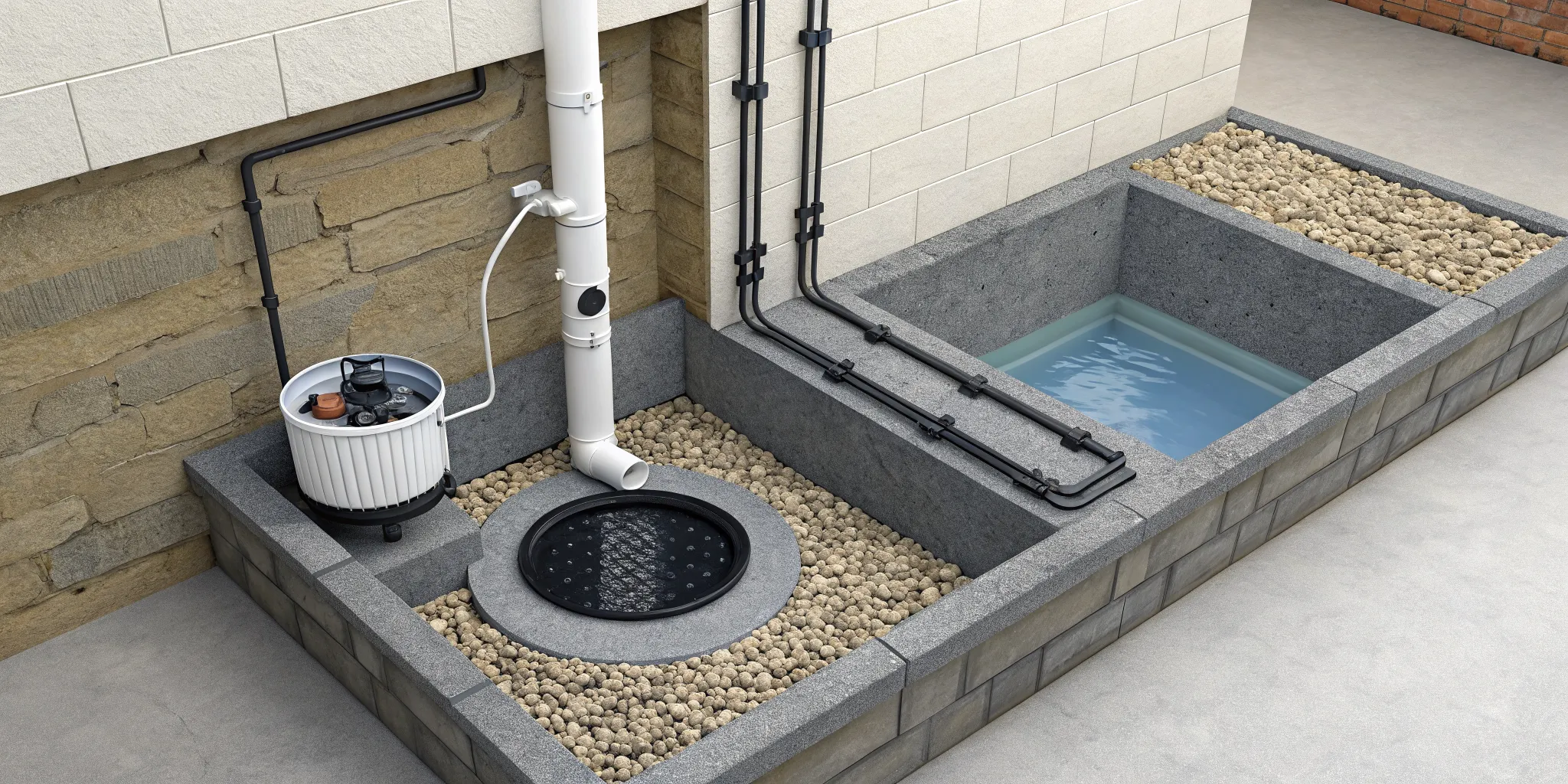
To get to the bottom of a basement backup, it helps to know a little about the plumbing under your feet. Your basement is the hub for your home’s drainage system, where all the pipes converge before heading out to the city sewer or your septic tank. It’s not as complicated as it sounds. The key components are designed to carry wastewater away and protect your home from water damage and unpleasant odors. Knowing how these parts work together can help you pinpoint what’s gone wrong and communicate more clearly with a professional when you need to make that call. Let’s walk through the essentials of your basement’s plumbing system.
The Role of Your Floor Drain Trap
That drain in the middle of your basement floor does more than just sit there. It’s your first line of defense against flooding from a burst pipe or a malfunctioning appliance. But its most clever feature is hidden from view: a U-shaped pipe called a “trap.” Just like the trap under your kitchen sink, this bend is designed to hold a small amount of water at all times. This water acts as a barrier, preventing sewer gases and nasty smells from creeping up into your home. It also helps catch larger debris before it can travel further down the line and cause a more serious clog. If this trap dries out, you might notice a foul odor, so it’s a good idea to pour a gallon of water down the drain every few months to keep it full.
Why You Shouldn’t Cap Your Floor Drains
When a floor drain starts backing up, it can be tempting to find a quick fix, and some people think capping the drain is the answer. Please don’t do this. Your basement drains are a critical safety feature, and sealing them off is like removing the batteries from a smoke detector. The backup is a symptom of a deeper problem, usually a clog in your main sewer line. Capping the drain won’t make the clog disappear; it will just force the water to find another way out, which could mean coming up through your toilet or shower on the lowest level of your home. The real solution is to address the blockage itself, not just block its exit point. If you’re dealing with a persistent backup, it’s a clear sign you need professional emergency plumbing help.
Homeowner vs. City Sewer Line Responsibility
Figuring out who is responsible for a sewer line clog can be confusing, but the rule is generally straightforward. As a homeowner, you are responsible for the sewer line—often called the lateral line—that runs from your house to the edge of your property, where it connects to the city’s main line. Any clogs or damage within that section are your responsibility to fix. The city is only responsible for issues in the main sewer line that typically runs under the street. A professional plumber can perform a camera inspection to determine the exact location of the blockage, which is essential for knowing who needs to handle the repair. This step saves you time and ensures the right team is called to solve the problem.
What If You Have a Septic System?
If your home isn’t connected to a municipal sewer system, your wastewater flows into a septic tank buried on your property. When you experience a backup in your basement, the cause might not be a clog but a full septic tank. A septic system has a finite capacity, and when the tank is full, there’s nowhere for new wastewater to go. As a result, it backs up into your home through the lowest drains, which are usually in the basement. This is a sign that your tank needs to be pumped immediately. Regular maintenance is key to preventing this messy situation. If you suspect a problem, it’s best to contact a professional who can assess whether the issue is a full tank or a blockage in the pipes leading to it.
Walking downstairs to find a puddle around your basement drain is a frustrating experience no homeowner wants. It’s messy, smelly, and immediately raises the question: what went wrong? A basement drain backup is your home’s way of telling you there’s a blockage somewhere down the line. The issue could be a simple clog right near the drain, or it could signal a more serious problem with your main sewer line. Understanding the potential causes is the first step toward finding the right solution and preventing it from happening again.
How Debris and Buildup Clog Your Drains
Often, the simplest explanation is the right one. Over time, things like hair, soap scum, dirt, and grease can wash down your drains and accumulate inside the pipes. This buildup slowly narrows the passage for water, and eventually, a clog forms. When the blockage is severe enough, wastewater has nowhere to go but back up through the lowest point in your home—the basement floor drain. While a single slow drain in a sink or shower might be an isolated issue, a backup in the basement often points to a clog in your main sewer line, which handles waste from your entire house. This is a job that requires more than a bottle of store-bought cleaner to fix.
Common Culprits: Wipes, Coffee Grounds, and More
Sometimes, the biggest plumbing problems start with small, everyday habits. Many products marketed as “flushable,” like wet wipes and feminine hygiene products, don’t break down the way toilet paper does. Instead, they can snag in your pipes and create stubborn blockages. The same goes for things you might rinse down the kitchen sink, such as coffee grounds and grease. While they might seem to wash away easily, they can accumulate over time, creating a thick, sludgy mess that chokes your main drain line. When this main line gets clogged, all the wastewater from your home has nowhere to go, and it backs up into your basement. Being mindful of what goes down your drains is a simple but powerful way to prevent major headaches.
Are Tree Roots Wrecking Your Pipes?
If you have large, mature trees in your yard, their roots could be the source of your plumbing woes. Tree roots are naturally drawn to the moisture and nutrients inside your sewer lines. They can work their way into tiny cracks or loose joints in the pipes, especially in older clay or cast iron systems common in many Metro Detroit homes. Once inside, the roots expand and create a dense web that catches debris and toilet paper, forming a stubborn blockage. This can cause slow drains throughout your house and eventually lead to a messy sewage backup in your basement. Root intrusion is a serious problem that requires professional emergency plumbing services to clear.
Could a Damaged Sewer Line Be the Problem?
Your home’s main sewer line doesn’t last forever. Pipes, particularly older ones made of cast iron or clay, can degrade over the years. Shifting soil, corrosion, or pressure from the ground above can cause them to crack, become misaligned, or even collapse entirely. When a pipe is broken or crushed, it creates an obstruction that stops the flow of wastewater away from your home. This forces everything to back up, and the basement drain is usually the first place you’ll see the evidence. Fixing a damaged sewer line is a complex job, but it’s essential for protecting your home from recurring backups and water damage.
How Heavy Rainfall Can Overwhelm Your System
Sometimes the problem isn’t inside your pipes but with the city’s sewer system. During a heavy downpour, municipal sewer systems can be inundated with more water than they can handle. When this happens, the system becomes pressurized, and that excess water can be forced back into your home’s sewer line. This is known as a sewer backflow, and it pushes water and sewage up through your floor drains. If your basement is prone to flooding during storms, a properly functioning sump pump is your best line of defense. Investing in professional sump pump services can help keep your basement dry when the weather gets rough.
Could Improper Installation Be the Cause?
Plumbing is all about gravity. Your drain pipes are designed with a specific downward slope, or “fall,” to ensure water and waste flow smoothly away from your house. If the drain wasn’t put in correctly—for instance, if it’s slightly uphill or the pipe is too small for the job—water won’t flow out properly. This creates a low spot where debris can settle and build a clog over time. While you might not notice it for years, an improperly installed pipe is a ticking time bomb for a future backup. This isn’t a problem you can fix with a plunger; it requires a professional plumber to assess the slope and potentially reinstall the drain correctly to ensure your system works as it should.
How Shifting Soil Affects Your Pipes
The ground beneath your home isn’t as stable as you might think, especially with Michigan’s dramatic freeze-thaw cycles. Over time, shifting soil can put immense pressure on your underground sewer lines. This movement can cause pipes to crack, develop low spots (called “bellies”), or become misaligned at the joints. Older pipes made of cast iron or clay are particularly vulnerable to this kind of damage. Once a pipe is cracked or separated, it not only leaks water into the surrounding soil but also allows dirt and roots to get inside, creating a stubborn blockage. A professional inspection can determine if soil shift has compromised your pipes and what repairs are needed to fix the problem.
Special Considerations for Older Homes
Many homes in the Metro Detroit area have a rich history and a lot of character, but that charm can come with aging plumbing. Homes built decades ago often have sewer lines made of materials like clay or cast iron. While durable for their time, these older pipes can degrade, corrode, and become brittle over the years. They are far more susceptible to cracking under pressure or collapsing from shifting soil. These older systems are also prime targets for tree root intrusion at their joints. If you live in an older home and are experiencing recurring drain issues, the material of your pipes could be the underlying cause. Understanding the state of your plumbing is key to preventing a catastrophic failure, and a professional can offer a range of plumbing solutions to address these age-related issues.
What Are the Early Signs of a Drain Backup?
Nobody wants to walk down to their basement and find a watery, smelly mess. A drain backup is one of those homeowner nightmares that can feel overwhelming, but the good news is that they rarely happen without warning. Your home’s plumbing system often gives you subtle hints that trouble is brewing long before it becomes a full-blown flood. Learning to spot these early signs is your best defense against a major disaster, saving you from costly water damage and stressful cleanup.
Think of it as your plumbing trying to communicate with you. A strange gurgle here, a slow drain there—these aren’t just minor annoyances. They’re clues that a clog is forming somewhere down the line. By paying attention to these signals, you can address the problem while it’s still manageable. Ignoring them can lead to significant water damage, health hazards from contaminated water, and much more expensive repairs. Catching a backup early means you can often get it fixed with a simple service call instead of facing a major emergency plumbing crisis. Knowing what to look for empowers you to protect your home and your peace of mind. Here are the key warning signs that tell you it’s time to take action.
Listen for Gurgling and Watch for Slow Drains
If your sink, shower, or tub takes forever to empty, don’t just write it off as a minor inconvenience. A slow drain is one of the first signs that a clog is forming in your pipes. You might also hear strange gurgling sounds coming from the drains, especially after flushing a toilet or running the washing machine. This gurgling happens when air gets trapped in the plumbing because of a blockage, forcing its way through the water. These two signs together are a clear signal that something is obstructing the flow and needs to be addressed before it gets worse.
Don’t Ignore Foul Smells from Your Drains
Your drains should be relatively odorless. If you start noticing a foul, sewage-like smell coming from your basement floor drain or other drains in your home, take it seriously. This unpleasant odor often means that waste and sewage aren’t flowing away from your house properly and are starting to back up into your pipes. Not only is the smell awful, but it can also be a health hazard, indicating the presence of bacteria and contaminated water. A persistent foul odor is a definite sign that you should call a professional plumber right away to investigate the source of the problem.
Finding Puddles Around Your Floor Drains?
A floor drain is designed to carry water away, so seeing water pooling around it is a major red flag. If you notice puddles forming on your basement floor near a drain, it’s a clear indication that the drain is not working correctly. This could be caused by a clog directly in the drain itself or, more seriously, a backup in the main sewer line that is forcing water back up into your home. Don’t ignore even a small amount of water, as it’s a sign that the system is overwhelmed and a larger backup could be imminent.
What It Means When Multiple Drains Clog
If you flush the toilet and water comes up in the shower, or if your kitchen sink and washing machine are both backing up at the same time, you likely have a bigger problem than an isolated clog. When multiple fixtures are affected simultaneously, it almost always points to a blockage in your home’s main sewer line. This is the large pipe that carries all the wastewater from your house to the municipal sewer. A main line clog is a serious issue that DIY methods can’t fix and requires immediate professional plumbing services.
What to Do Immediately When Your Basement Drain Backs Up
Seeing water coming up from your basement floor drain is alarming, but taking the right steps right away can prevent a messy situation from turning into a disaster. Panicking is a natural reaction, but a clear, methodical approach will help you regain control and minimize damage. Think of it as plumbing first aid. Before you try to figure out what’s causing the backup, focus on these four immediate actions to protect your home and your family.
Step 1: Stop Using All Water
This is the most critical first step. The moment you notice a backup, stop using any water in your house. That means no flushing toilets, running faucets, showering, or using the dishwasher or washing machine. The water backing up into your basement is coming from your home’s drainage system, and every drop you add puts more pressure on the clog. By turning off the water supply at the source of use, you stop feeding the problem and give yourself a chance to assess the situation without making it worse.
Step 2: Turn Off Your Main Water Supply
After you’ve stopped using all water-based appliances, your next move is to shut off the main water supply to your house. This acts as a fail-safe, guaranteeing that no more water can enter your plumbing system, even if someone forgets and turns on a faucet. You can usually find the main shut-off valve in your basement, located near the water meter where the main line comes into your home. It will likely have a wheel-style handle or a lever. To turn it off, rotate the wheel clockwise until it stops, or turn the lever a quarter turn so it’s perpendicular to the pipe. If the valve won’t budge or you can’t locate it, don’t try to force it. This is when you need to call for emergency plumbing help to avoid breaking the valve and causing a flood.
Step 2: Safely Remove Any Standing Water
Once you’ve stopped the flow of water, your next priority is to get rid of any standing water. Use a wet/dry vacuum, a mop and bucket, or a sump pump to clear the area as quickly as possible. Removing the water promptly helps prevent water damage to your floors, walls, and belongings, and it reduces the risk of mold growth. If the water is dark or has a foul odor, treat it as contaminated sewage. Wear waterproof boots, gloves, and even a mask to protect yourself while you clean.
Ventilate the Area to Clear Odors
After you’ve dealt with the standing water, you’ll likely be left with a lingering, unpleasant smell. Don’t just ignore it. That odor is a sign of bacteria and contaminants, so improving the air quality is an important step for your health and safety. The easiest way to do this is by creating cross-ventilation. Open any basement windows and doors to the outside to let fresh air circulate through the space. If your basement doesn’t have windows, use fans to help push the contaminated air out and pull fresh air in. This simple action helps clear out harmful airborne particles and makes the area safer for you to continue cleaning.
Disinfect Standing Water
With the water gone and the area aired out, your next job is to thoroughly clean and disinfect every surface the backup touched. Sewage water is filled with harmful bacteria, so this step is crucial for making your basement safe again. Start by scrubbing the floors, baseboards, and any affected walls with hot, soapy water to remove all the grime and residue. After cleaning, go over the entire area again with a bleach solution to kill any remaining germs and neutralize odors. If you’re dealing with a significant sewage backup, it’s often best to call for professional emergency plumbing services, as they have the proper equipment to handle hazardous waste and ensure your home is completely sanitized.
Step 3: Document the Damage for Insurance
Before you move anything or start major cleanup, take a moment to document the scene. Use your phone to take clear photos and videos of the flooded area, the drain itself, and any items that have been damaged by the water. Make a written list of everything that was affected. This evidence is incredibly important if you need to file an insurance claim for water damage. Having detailed documentation will make the process much smoother and help ensure you get the coverage you’re entitled to.
Step 4: Decide If You Need to Call a Plumber
Now it’s time to figure out if this is something you can handle or if you need to call in the experts. If only one drain is clogged (like a single sink), it might be a minor issue. But if you have water backing up in the basement and multiple drains throughout your house are slow or clogged, that’s a strong sign of a blockage in your main sewer line. This is not a DIY job. A main line clog requires professional equipment and expertise to fix correctly and safely. When in doubt, calling for emergency plumbing services is the safest bet.
Step 5: Locate Your Sewer Cleanout
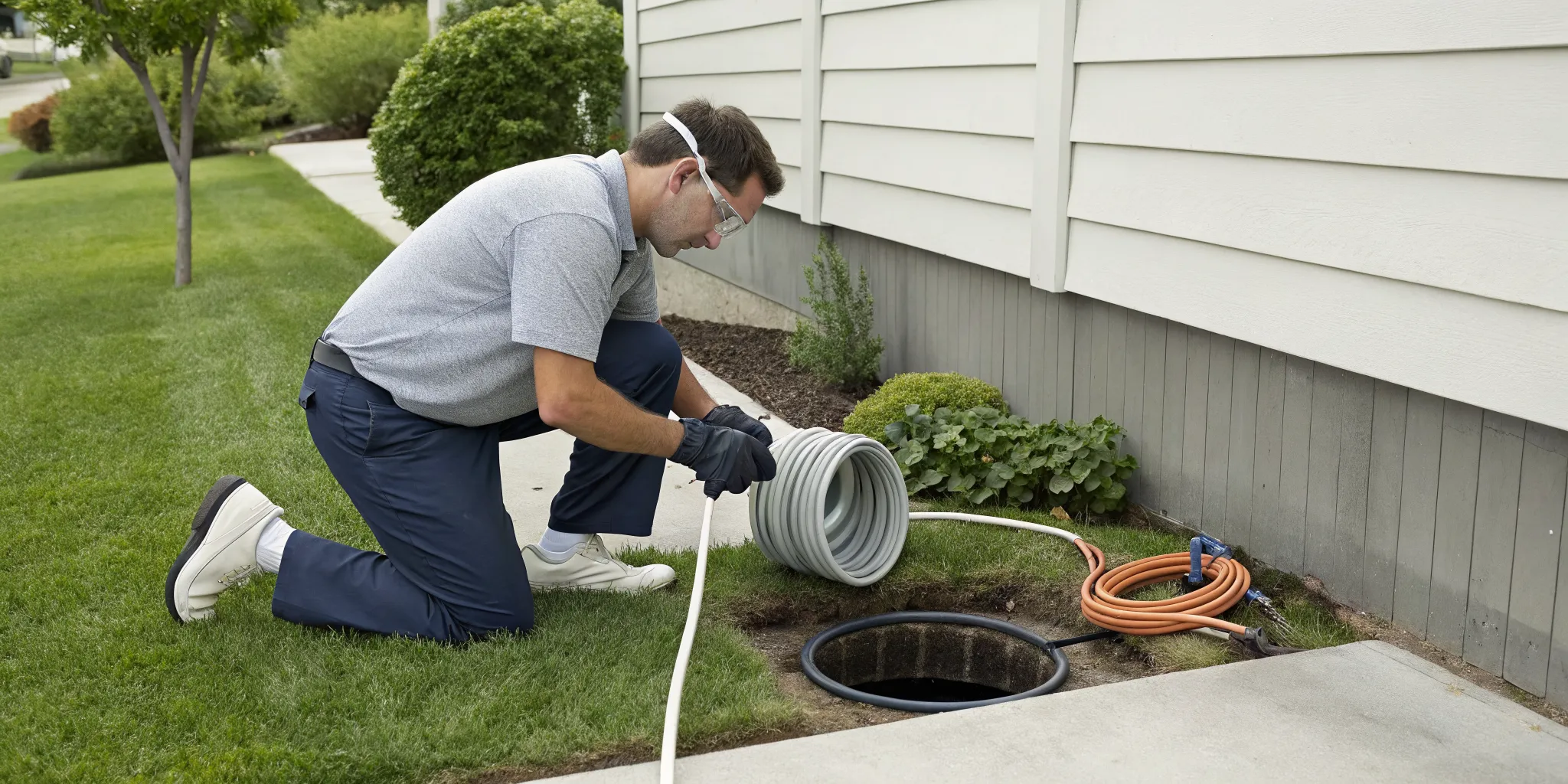
While you wait for a professional to arrive, you can help speed up the process by finding your main sewer cleanout. This is the access point to your home’s main sewer line, and your plumber will need it to diagnose and clear the blockage. Look for a pipe, usually three to four inches in diameter, with a cap or plug on top, often with a square-shaped nut. It’s typically located in the basement, crawlspace, or outside in your yard near your home’s foundation. If you see signs of a mainline problem—like multiple drains backing up or a distinct sewage smell—locating this cleanout is essential. It allows a plumber to use tools like a camera to pinpoint the exact cause, whether it’s tree roots or a collapsed pipe, and resolve your emergency plumbing issue more efficiently.
Step 6: Safely Dispose of Contaminated Items
If the backup involves sewage, you need to handle the cleanup with extreme care to protect your health. Start by putting on protective gear, including waterproof gloves, rubber boots, and a mask. Any porous items that have absorbed the contaminated water—such as carpets, rugs, cardboard boxes, or upholstered furniture—should be carefully bagged and thrown away. They are nearly impossible to sanitize fully and can harbor dangerous bacteria. For hard surfaces like concrete floors and walls, first clean them thoroughly with hot, soapy water. After that, disinfect the entire area with a bleach solution to kill any remaining germs and help eliminate foul odors, ensuring the space is safe for your family once again.
How to Fix a Minor Drain Backup Yourself
A little water around a basement drain can be alarming, but it doesn’t always signal a major disaster. If you’ve caught the problem early and it seems like a minor blockage, there are a few things you can try yourself before calling in the experts. These simple, effective methods can often clear up small clogs and get your drains flowing freely again. Just remember, these fixes are for minor backups. If you’re dealing with a large amount of water or suspect a more serious issue with your sewer line, it’s always best to contact a professional for a full range of plumbing solutions.
How to Use a Plunger Correctly
The trusty plunger is often the first tool to grab for a reason. For shallow clogs, it can be surprisingly effective. To use it on a floor drain, you need to create a good seal. You might need to plug any nearby sinks or tubs to direct all the pressure toward the clog. Place the plunger cup completely over the drain opening and push down and pull up with firm, steady motions for about 20 seconds. The goal is to use water pressure to dislodge whatever is causing the blockage. If a few good attempts don’t work, it’s time to move on to another method.
Using a Drain Snake to Clear the Clog
When a clog is deeper than a plunger can reach, a drain snake (also called an auger) is your next best bet. This flexible tool can be fed down the drain to physically break up or pull out the blockage. Carefully push the snake into the drain until you feel resistance. Then, turn the handle to work the tip of the snake into the clog, breaking it apart. You might need to pull the snake out and clean it off a few times. It can be a messy job, but it’s a great way to handle more stubborn clogs that are further down the line.
Try This Natural Fix: Baking Soda and Vinegar
If you prefer to avoid manual labor or harsh chemicals, this classic home remedy can work wonders on minor buildup. Start by pouring one cup of baking soda directly down the drain, followed by one cup of white vinegar. You’ll hear some fizzing—that’s the chemical reaction working to dissolve grease and grime. Let it sit for about 15 minutes, then flush the drain thoroughly with a pot of very hot (but not boiling) water. This is a great maintenance trick to keep drains clear and is much gentler on your pipes than store-bought chemical cleaners.
Using a Wet/Dry Vacuum for Small Puddles
If you’re dealing with a small puddle rather than a full-on flood, a wet/dry vacuum is an excellent tool for cleanup. After you’ve stopped all water use in the house, the next step is to remove the standing water to prevent it from soaking into your floors and walls, which can lead to water damage and mold. Set your vacuum to the “wet” setting, remove the filter, and get to work. This method is much faster and more effective than using a mop and bucket. Just be sure to exercise caution when using an electrical appliance around water and follow the manufacturer’s safety guidelines.
Trying Boiling Water for Grease Clogs
For clogs caused by grease, hot water can be a simple yet powerful solution. After using a method like baking soda and vinegar, flushing the drain with hot water helps melt and wash away the greasy buildup that the chemical reaction loosened. Boil a large pot of water, then let it cool for a minute or two so it’s very hot but not boiling, as boiling water can potentially damage PVC pipes. Carefully and slowly pour the hot water directly down the drain. This can often be the final push needed to clear a minor blockage. If this doesn’t work, the clog may be more serious, and it’s best to call for professional plumbing solutions to avoid causing further issues.
How to Stay Safe During Cleanup
Your safety should always come first, especially when dealing with backed-up water that could contain sewage. If you suspect any contamination, it’s crucial to protect yourself. Wear waterproof gloves, rubber boots, and even safety glasses. After the water is gone, clean and disinfect the entire affected area with a bleach solution to kill any harmful bacteria. If the backup is significant or involves raw sewage, it’s best to leave the cleanup to the pros. Situations like these often require professional emergency plumbing services to ensure your home is safe and sanitary.
When to Call a Professional Plumber
It’s completely understandable to want to tackle a backed-up drain yourself. Sometimes, a little work with a plunger is all it takes, and you feel like a home-repair hero. But there are certain plumbing problems that are much bigger than they appear on the surface. Knowing when to put down the tools and call a professional is crucial for protecting your home from significant water damage and expensive, complicated repairs. Pushing a DIY fix too far can quickly turn a manageable issue into a full-blown crisis. If you’re seeing any of the signs that point to a serious blockage, it’s best to get an expert opinion. A professional has the right tools and experience to find the source of the problem and fix it correctly, giving you lasting peace of mind. When in doubt, it’s always safer to call for emergency plumbing services and get it handled right the first time.
When Multiple Drains Are Clogged
Think of your home’s plumbing like a system of roads. A clog in a single sink is like a traffic jam on a small side street—annoying, but contained. But when your shower, toilet, and kitchen sink all start backing up at once, it’s like the main highway is completely shut down. This is a tell-tale sign that the problem isn’t in an individual pipe but in your main sewer line. This single, large pipe carries all the wastewater from your home out to the municipal sewer. A blockage here is not something a plunger can fix. Continuing to run any water will only cause more backups throughout your house, so it’s important to stop all water use and call a plumber immediately.
Seeing Sewage? It’s Time for a Pro
Your sewer cleanout is a capped pipe that provides direct access to your main sewer line. You can usually find it in your basement, crawlspace, or yard. If you open the cap and see standing water or, worse, raw sewage, that’s a clear signal of a major blockage downstream. It means the clog is somewhere between your house and the street, and everything you flush is backing up toward your home. This isn’t just a messy problem; it’s a serious health hazard. Sewage contains bacteria and contaminants that you don’t want in your home. This situation requires professional equipment and expertise to resolve safely and effectively.
When Your DIY Fixes Aren’t Enough
We’ve all been there—you’ve tried the plunger, the baking soda and vinegar trick, and maybe even a small drain snake from the hardware store, but the water just isn’t going down. It’s frustrating, but it’s also a sign that the clog is beyond the reach of standard household tools. Continuing to force the issue can actually damage your pipes, potentially turning a simple clog into a cracked pipe and a much more expensive repair. If your best efforts aren’t working, it’s time to stop and contact a professional. They have powerful equipment that can clear deep, stubborn clogs without harming your plumbing system.
For a Backup That Keeps Coming Back
A drain that backs up once is an inconvenience. A drain that backs up every few months is a symptom of a bigger, hidden problem. Think of it like a persistent cough—you can take cough drops, but eventually, you need to see a doctor to find out what’s really causing it. Frequent backups mean there’s an underlying issue, such as invasive tree roots cracking the pipe, a buildup of grease, or a section of the pipe that has started to collapse. A professional can use a special camera to inspect the inside of your pipes, pinpoint the exact cause, and recommend a permanent solution. This will save you from the endless cycle of cleanups and future water damage.
What a Plumber Will Do for a Serious Backup
When a plunger or drain snake just won’t cut it, you know it’s time to call in the experts. Professional plumbers have a whole different set of tools and techniques to deal with major backups safely and effectively. Instead of just treating the symptom (the clog), they focus on diagnosing and fixing the root cause, ensuring the problem doesn’t come right back. From high-powered water jets to tiny cameras that can travel through your pipes, here’s a look at how the pros handle the toughest drain disasters.
Using Hydro Jetting for Tough Clogs
For clogs that are deep, dense, or just plain stubborn, professionals often bring out the big guns: hydro jetting. This method uses a high-pressure stream of water to blast through whatever is blocking your pipes. It’s incredibly effective at clearing out years of accumulated grease, sludge, hair, and even invasive tree roots. Unlike a drain snake, which just pokes a hole through the blockage, hydro jetting scours the entire inner surface of the pipe, leaving it almost as clean as the day it was installed. It’s a powerful solution that gets to the heart of the problem, which is why it’s a go-to for emergency plumbing situations.
Pinpointing the Problem with a Camera Inspection
Guesswork has no place in plumbing. To figure out exactly what’s causing a backup, a professional plumber can perform a camera inspection. This involves feeding a small, waterproof camera into your pipes to get a real-time look at what’s going on inside. This technology helps pinpoint the exact location and cause of the issue, whether it’s a massive clog, a cracked pipe, or tree roots that have forced their way in. Seeing the problem firsthand allows for a precise diagnosis, so you’re not paying for repairs you don’t actually need. It’s the most accurate way to get answers and develop a solid plan of action.
Repairing or Replacing Damaged Pipes
If the camera inspection reveals significant damage, like cracks, corrosion, or a full-on collapse, a simple cleaning won’t be enough. In these cases, your plumber will discuss options for pipe repair or replacement. For issues caused by tree roots, this might mean replacing old, vulnerable pipes with new, durable PVC pipes that are much more resistant to root intrusion. While it sounds like a big job, addressing a damaged sewer line is a long-term solution that prevents recurring backups and gives you peace of mind. It’s a proactive step to protect your home from future water damage.
Prevent Future Flooding with a Backwater Valve
To add a powerful layer of defense against future backups, especially if you live in an area prone to heavy rain, consider having a backwater valve installed. This simple but effective device is fitted onto your sewer line and acts as a one-way gate. It allows wastewater to flow out of your home but automatically closes if sewage starts to flow back in. It’s a smart, preventative measure that can save you from the headache and expense of another basement flood. A professional can help you with backflow preventer repair and testing to ensure your home is protected.
Drain Backup Mistakes You Don’t Want to Make
When your basement drain backs up, your first instinct might be to grab the quickest fix you can find. But in a moment of panic, it’s easy to make a mistake that could worsen the damage or even put your family’s health at risk. Understanding what not to do is just as important as knowing the right steps to take. Let’s walk through some of the most common missteps homeowners make when facing a drain backup so you can handle the situation safely and effectively.
Why You Shouldn’t Use Chemical Drain Cleaners
It’s tempting to reach for a bottle of chemical drain cleaner for a quick fix, but this is one of the worst things you can do. These harsh chemicals can cause serious harm to your pipes, especially if you have an older home with metal plumbing. The chemical reaction they create generates heat, which can soften PVC pipes and lead to cracks or leaks. Worse yet, they rarely solve the underlying problem. If the clog is severe, the chemicals will just sit in your pipes, corroding them without clearing the blockage. Instead of pouring money down the drain, stick to a plunger or drain snake for minor clogs, and call for professional plumbing services if the problem persists.
Why Contaminated Water Is So Dangerous
If the water backing up into your basement is from a sewer line, you need to treat it as a serious health hazard. This isn’t just dirty water; it’s what professionals call “black water,” and it’s filled with bacteria, viruses, and other pathogens that can make you and your pets very sick. Direct contact with contaminated water can lead to gastrointestinal issues and other infections. Keep children and pets far away from the affected area, and avoid wading into the water yourself without proper protective gear. Your priority should be safety, which often means calling in an emergency plumbing team to handle the cleanup and repairs safely.
Don’t Attempt Major Repairs on Your Own
A single clogged drain is one thing, but if you notice water backing up in multiple drains—like a shower, toilet, and floor drain all at once—you’re likely dealing with a main sewer line blockage. This is not a DIY job. Attempting to fix a main line clog without the right tools or experience can easily make the problem worse. You could damage the pipe or simply push the blockage further down the line. A professional plumber can use specialized cameras to locate the blockage and determine the best way to clear it, whether that’s with a powerful auger or hydro jetting. Don’t risk a more expensive repair; know when to call for help.
Common Drain Clog Myths, Busted
Many homeowners believe that if they’ve never had a backup, they don’t need to worry about preventative measures. This is a common myth that can lead to a messy and expensive emergency. The reality is that sewer backups can happen without warning, especially in older homes or areas with heavy rainfall. Believing you don’t need a backwater valve just because you haven’t flooded yet is a risky gamble. Proactive maintenance is always more affordable than an emergency repair. Simple steps like scheduling annual inspections and being mindful of what goes down your drains can save you a major headache in the long run.
How to Prevent Future Basement Drain Backups
Dealing with a basement drain backup is something no one wants to go through twice. The good news is that you can take control and significantly reduce the chances of it happening again. Prevention is all about being proactive rather than reactive. By adopting a few simple habits and making some smart updates to your plumbing system, you can protect your home from water damage and save yourself the stress and expense of another messy cleanup. Think of it as a long-term investment in your home’s health and your own peace of mind. These straightforward strategies will help you keep your drains clear, your basement dry, and your plumbing system flowing smoothly for years to come.
Set Up a Regular Drain Maintenance Routine
One of the easiest ways to prevent backups is to give your drains some regular attention. Just like any other system in your home, your plumbing benefits from routine check-ups. Make it a habit to clean out the drain traps in your basement floor drain and sinks to stop hair, soap scum, and other debris from building up and forming a clog. While you’re at it, take a quick look at the accessible pipes for any signs of leaks or cracks. Catching a small drip early can prevent a major disaster later. If you’d rather leave it to the experts, scheduling a professional maintenance check can keep your entire system in top shape and identify potential issues before they escalate.
Use Drain Screens and a Backwater Valve
A few simple hardware additions can make a world of difference. Start by placing drain screens or covers over all your drains, especially in the basement and showers. These inexpensive items are great at catching debris before it has a chance to enter your pipes and cause a blockage. For a more robust defense, consider having a professional install a backwater valve. This clever device acts as a one-way gate, allowing wastewater to flow out of your home but automatically closing to prevent sewage from backing up into your basement during heavy storms or a municipal sewer overload. Mr. Pipey offers expert backflow preventer repair and testing to ensure your home is protected.
Watch What You’re Putting Down the Drain
What you put into your pipes every day has a huge impact on their health. Kitchen grease, oils, and fats are major culprits; they might be liquid when you pour them, but they solidify as they cool, creating stubborn, sticky clogs. Always dispose of grease in the trash, not the sink. In the bathroom, the only things that should ever be flushed are human waste and toilet paper. Even products marketed as “flushable” wipes can wreak havoc on your plumbing and contribute to serious blockages. Being mindful of these simple rules can prevent many of the most common causes of backups and keep your pipes flowing freely.
Keep an Eye on Landscaping and Tree Roots
The beautiful, mature trees in your yard could be a hidden threat to your sewer line. Tree roots are naturally drawn to the moisture and nutrients inside your pipes and can be surprisingly aggressive. They can work their way into tiny cracks, eventually expanding to block or even crush the pipe. If you’re planting new trees, be sure to find out where your sewer line is and plant them a safe distance away. For existing trees, if you suspect roots are causing slow drains or recurring clogs, it’s wise to schedule a professional camera inspection. This allows a plumber to see exactly what’s happening inside your pipes and address any root intrusion before it causes a major backup.
Does Your Insurance Cover Basement Drain Backups?
Dealing with a basement drain backup is stressful enough without the added worry of how you’ll cover the costs. You might assume your standard homeowner’s insurance has your back, but that’s often not the case. Most policies have specific exclusions for damage from drain or sewer backups, which can leave you facing a significant bill on your own. Before you start the cleanup, it’s important to understand what your policy covers and what steps to take to protect your home and your finances.
What Is Water Backup Coverage?
Your standard homeowner’s policy is great for covering things like fire damage or a burst pipe in the wall, but water coming up from a drain is usually a different category. For this, you typically need a special add-on, often called “water backup coverage.” By understanding what water backup coverage is, you can make sure you’re properly protected from the high costs of water damage. This endorsement helps pay for repairs to your home and replacing personal belongings. It’s different from flood insurance, which covers water coming from outside sources like heavy rain or an overflowing river. Check your policy or call your agent to see if you have this protection.
How to Document Damage for a Claim
If you need to file an insurance claim, solid proof is your best asset. Before you move anything or start cleaning, grab your phone and document everything. Take wide-shot photos and videos of the entire affected area, then get close-ups of the water line on the walls, the source of the backup, and any damaged items. Make a detailed list of everything that was ruined, from furniture and electronics to stored family keepsakes. Keep all your receipts for any immediate costs you incur, like renting a wet vac or calling for professional emergency plumbing services. This evidence will be essential for a smooth claims process.
When to Contact Your Insurance Agent
Once you’ve safely stopped any more water from entering and documented the damage, your next call should be to your insurance agent. It’s crucial to contact your agent as soon as possible to get the claims process started. They will guide you through the next steps, explain your coverage, and let you know when to expect an adjuster. Don’t wait for the adjuster to arrive before calling a plumber. Most policies require you to take reasonable steps to prevent further damage, which means getting the source of the backup fixed right away. You can contact Mr. Pipey for fast, reliable help to get the problem under control.
Understanding Potential Repair Costs
When you’re faced with a basement drain backup, it’s natural to worry about the repair bill. The final cost really depends on the complexity of the issue. A simple clog might be a straightforward fix, but a more serious problem like a damaged sewer line is a much larger investment. The tools needed for the job, such as hydro jetting for a stubborn blockage, and whether pipes need to be repaired or replaced all play a role in the final price. If your DIY efforts haven’t worked, it’s crucial to call a professional to avoid causing more serious damage. A reliable plumber can provide a clear estimate after a thorough inspection, so you know exactly what to expect before calling for emergency plumbing services.
Your Plumbing Emergency Action Plan
A plumbing emergency is one of those things you hope never happens, but being prepared can make all the difference. When water is rising in your basement, panic is the last thing you need. Taking a few simple steps now can save you time, money, and a massive headache later. Think of it as creating a game plan for your home’s plumbing so you can act quickly and confidently when every second counts.
Put Together a Basement Flood Kit
When you have water coming up from a basement drain, you need to act fast to prevent serious damage. That’s why having a dedicated flood emergency kit is a brilliant idea. Keep these items together in an easily accessible spot in your basement or garage. Your kit should include heavy-duty rubber gloves, boots, buckets, and old towels or mops. A wet/dry shop vacuum is also a lifesaver for removing standing water quickly. If your home relies on a sump pump, make sure it’s working correctly before the rainy season hits. Having these tools on hand means you can start managing the situation immediately while you wait for help to arrive.
Find Your Main Water Shutoff Valve Now
This is the single most important piece of information you need in a plumbing crisis. If you have a burst pipe or a severe leak, shutting off the main water supply can stop the flow of water and prevent catastrophic damage. Take a few minutes today to locate your main water shutoff valve. It’s typically found in the basement, a crawl space, or near your water heater. Make sure everyone in your household knows where it is and how to turn it off. For safety, you should also know where your home’s main electrical panel is. If it’s safe to do so, turn off power to the flooded area to prevent electrical hazards.
Find a Plumber You Trust Before You Need One
The worst time to search for a plumber is when your basement is flooding. Scrambling to find a reputable company in a panic can lead to hasty decisions. Instead, do your research now. Look for a local, family-owned company with a strong reputation for reliable work and fair pricing. Save their number in your phone under “Emergency Plumber.” If you ever face a major issue, like multiple drains backing up at once, you’ll know it’s a bigger problem that needs a professional. Having a trusted expert on call provides peace of mind and ensures you get fast, effective emergency plumbing service when you need it most.
Frequently Asked Questions
My basement drain only backs up when it rains hard. Is this a plumbing problem or something else? This is a very common issue, especially in areas with older infrastructure. When heavy rain overwhelms the city’s sewer system, the excess water can get forced back into your home’s pipes, causing a backup. While the problem starts outside your home, you can protect your basement by ensuring your sump pump is working correctly or by having a backwater valve installed. This device acts like a one-way door, letting water out but stopping city sewer water from coming in.
Are chemical drain cleaners ever a good idea? Honestly, I strongly advise against them. While they promise a quick fix, these harsh chemicals can do more harm than good, especially to older pipes. They generate heat that can warp or crack PVC pipes and corrode metal ones. Plus, if they fail to clear a serious blockage, you’re left with a pipe full of corrosive chemicals, which is dangerous for you and any plumber who has to fix it. It’s always safer to start with a plunger or a drain snake for minor issues.
What’s the real difference between a simple clog and a main sewer line backup? Think of it this way: a simple clog is like a traffic jam on a side street. It only affects one fixture, like a single slow-draining sink or shower. A main sewer line backup, however, is like a complete shutdown of the main highway. Since all your home’s drains lead to this one pipe, a blockage there will cause problems everywhere, often starting with water coming up through the lowest point—your basement drain.
How can I tell if tree roots are the problem without digging up my yard? You don’t have to start digging to find out. If you have large trees and experience recurring backups or gurgling sounds from your drains, roots are a likely suspect. The best way to know for sure is to have a professional perform a camera inspection. A plumber can feed a small, high-resolution camera down your sewer line to see exactly what’s going on inside, confirming if roots have invaded and showing the extent of the damage.
Is there any routine maintenance I can do to prevent this from happening again? Absolutely. The best defense is being mindful of what goes down your drains every day—avoid pouring grease down the kitchen sink and only flush toilet paper. You can also install simple mesh screens over your drains to catch hair and debris. For a more thorough approach, consider scheduling a professional drain cleaning or inspection annually. This helps clear out any buildup before it becomes a major blockage and gives you peace of mind.
Related Articles
- Repair & Emergency Solutions
- Plumbing Maintenance & Prevention
- DIY Garbage Disposal Repair: A Step-by-Step Guide
- How to Repair an Instant Water Heater: A DIY Guide