

That stiff, rusty handle in your basement—the main water shut-off valve—is your home’s most important safety feature. It’s the one thing that can stop a burst pipe from becoming a full-blown flood. But what happens when the valve itself is the problem? If it’s leaking, stuck, or showing its age, a replacement isn’t just a good idea; it’s essential. The first question on your mind is probably about the cost. This guide breaks down everything you need to know, from typical pricing to what influences your final bill, so you can make an informed decision.
Key Takeaways
- Locate Your Valve Before an Emergency: Knowing where your main water shut-off is and how to use it can prevent catastrophic water damage. If you spot signs of wear like rust or leaks, plan for a replacement, which typically costs between $250 and $600 in Metro Detroit.
- Leave This Job to the Professionals: While a DIY replacement might seem like a way to save money, a single mistake can cause a flood. Hiring a licensed plumber guarantees the job is done correctly, protecting your home and giving you peace of mind.
- Choose a Plumber with Confidence: Get multiple written estimates and always ask if a plumber is licensed and insured. A trustworthy professional will provide a detailed breakdown of costs and stand behind their work with a satisfaction guarantee.
Your Main Water Shut-Off Valve: What It Is and Why It Matters
Think of your main water shut-off valve as the master control for your home’s entire plumbing system. It’s the one valve that can stop the flow of water from the municipal supply into your house. While it might not be something you think about every day, knowing where it is and what it does is one of the most important pieces of information you can have as a homeowner. In a plumbing crisis, like a burst pipe, quickly closing this valve can be the difference between a small mess and catastrophic water damage.
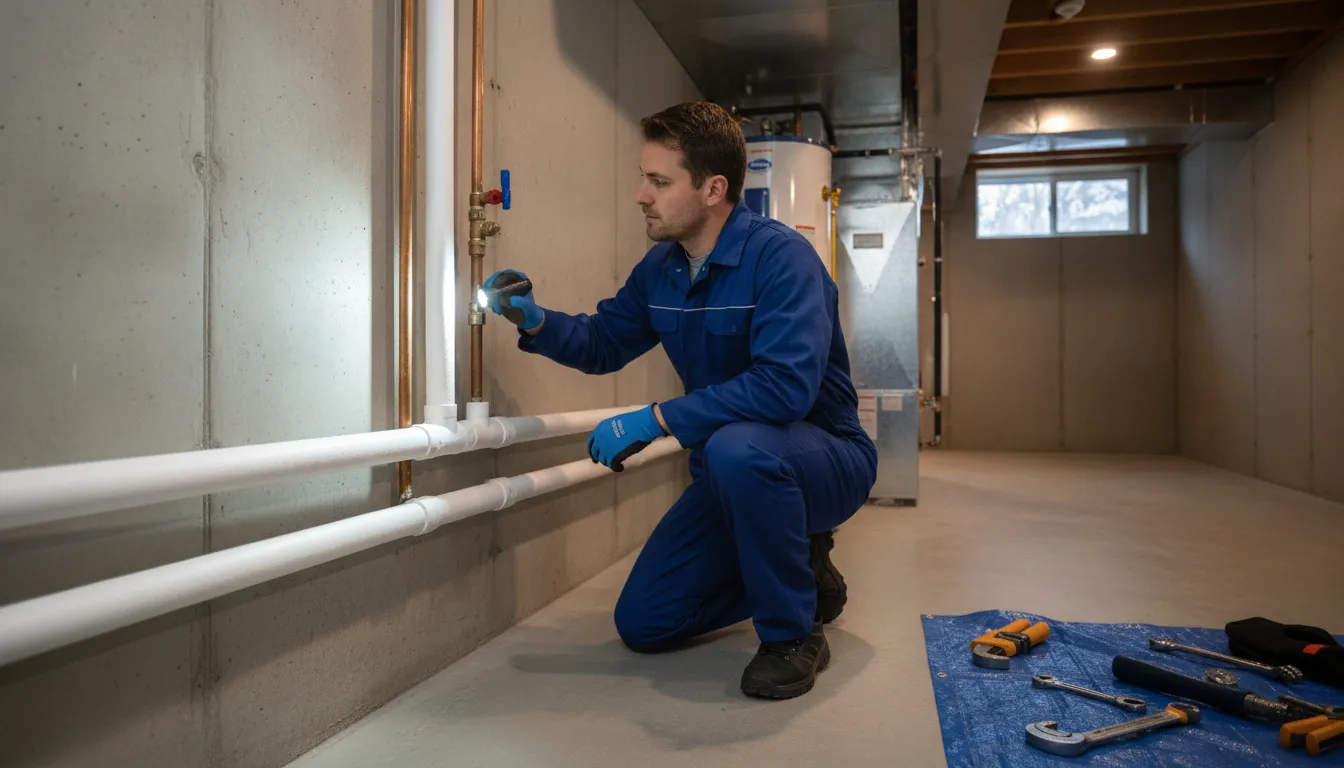
Every homeowner should be able to locate their main water shut-off valve and know how to operate it. Usually, you’ll find it in the basement, a crawl space, or a utility closet near where the main water line enters your home. Taking a few minutes to find it now can save you precious time and a lot of stress later. When you’re facing a sudden leak, the last thing you want is to be frantically searching for the valve. Being prepared is your best defense against a potential emergency plumbing situation.
What Does a Main Water Shut-Off Valve Actually Do?
At its core, the main water shut-off valve gives you complete control over your home’s water supply. Its primary job is to let you stop all water from flowing into your pipes. This is absolutely critical during an emergency, but it’s also essential for routine maintenance and repairs. If you need to replace a faucet, fix a running toilet, or have any other plumbing work done, shutting off the main valve ensures the job can be done safely and without causing a flood. It allows you or a professional to work on the system without water getting in the way, making all kinds of plumbing services possible.
Types of Water Shut-Off Valves in Your Home
Not all water valves in your home are created equal. While the main shut-off is the most powerful, you’ll find smaller, more specific valves scattered throughout your plumbing system. Understanding the different types and what they do can help you feel more confident when handling minor plumbing tasks or describing a problem to a professional. Each has a distinct role, from controlling the water to your entire house to isolating a single leaky faucet. Knowing which is which is a key part of being a prepared homeowner, and it can make a stressful situation feel much more manageable.
Main Shut-Off Valves: Gate vs. Ball Valves
The main shut-off valve is the one that controls the water supply to your entire home, and it typically comes in one of two styles. Older homes often have a “gate valve,” which has a round, wheel-like handle that you turn clockwise several times to close. Newer homes usually feature a “ball valve,” which is much easier to operate. It has a lever handle that you turn just a quarter-turn (90 degrees) so it’s perpendicular to the pipe to shut off the water. Ball valves are generally more reliable and less likely to seize up from lack of use, which is why they are the standard for modern installations and replacements. If you’re dealing with a plumbing crisis, knowing which type you have is the first step to stopping the flow and preventing damage while you wait for emergency plumbing help.
Fixture-Specific Shut-Off Valves (Angle Stops)
You’ve probably seen these small, oval-shaped knobs under your sinks and behind your toilets. These are fixture-specific shut-off valves, often called “angle stops.” Their job is to control the water flow to a single appliance or fixture. This is incredibly convenient because it means you can stop the water to a running toilet without shutting down the water for your whole house. If you’re tackling a small project, like replacing a faucet or performing a toilet repair, you’ll use these valves to isolate your work area. Just give the knob a few gentle turns clockwise to stop the water flow, and you’re ready to go without disrupting everyone else’s day.
The Outdoor Curb Stop Valve
There’s one more valve you should know about, but this one is usually hands-off. The curb stop valve is located outside your home, typically buried in a small box with a metal lid near the street. This valve controls the water flow from the city’s main line to your property and is technically the property of the water utility company. It often requires a special tool to operate, and you should generally avoid touching it. If your indoor main shut-off valve fails and you need to stop an active flood, the best course of action is to contact a professional plumber immediately. We can coordinate with the utility company to safely shut the water off at the curb and address the problem inside your home.
Is It Time to Replace Your Water Shut-Off Valve?
Like any part of your plumbing system, your main water shut-off valve won’t last forever. It’s important to check on it periodically and watch for signs of wear and tear. If you notice visible rust or mineral buildup (a white, crusty substance) on the valve or its fittings, it’s a clear sign of corrosion and aging. Any drips or small leaks around the valve handle are also red flags that it’s failing. Another key indicator is a handle that’s extremely difficult to turn or feels loose. You should be able to turn it with firm pressure; if it’s stuck, it won’t be of any use in an emergency. If you spot any of these issues, it’s best to contact a professional to have it inspected and likely replaced.
How to Find Your Main Water Shut-Off Valve
Knowing where your main water shut-off valve is located is crucial, but it’s something many homeowners overlook until they’re in the middle of a crisis. Taking the time to find it now will save you from a frantic search when every second counts. In most homes, the valve is situated where the main water line enters the house from the outside. This is often on the side of the house facing the street, as the water line typically runs directly from the municipal supply. A little proactive searching can give you the confidence to act quickly and prevent a small leak from becoming a major flood.
Common Locations in Metro Detroit Homes
For most of us here in Metro Detroit, the search for the main water shut-off valve usually begins in the basement. Look along the front foundation wall for a pipe coming through. You’ll typically find the valve near the water meter. If you don’t have a basement, your next best bet is a crawl space or a utility closet on the ground floor. It’s almost always located on an exterior wall, so start your search there. The valve itself will have either a round, wheel-like handle (a gate valve) or a straight, lever-style handle (a ball valve).
Tips for a Quicker Search
If you’ve checked the usual spots and are still coming up empty, don’t worry. There are a couple of clever tricks you can use to speed up your search and pinpoint the valve’s location without having to trace every pipe in your house. These simple strategies can help you find what you’re looking for and make a mental note for the future, ensuring you’re always prepared. A little detective work now can make a world of difference later on.
Check Your Home Inspection Report
Before you start moving boxes around in the basement, grab the paperwork you received when you bought your house. Your home inspection report is a treasure trove of information, and it should detail the exact location of the main water shut-off valve. The inspector’s job is to identify key systems, and this valve is one of the most important. Checking the report first can save you a lot of time and effort, pointing you directly to the right spot.
Follow the Water Lines
If you can’t find your inspection report, you can play detective with your plumbing. A great starting point is your water heater. Find the cold water pipe that feeds into the top or side of the tank and trace it backward. This line will eventually lead you to the main water supply line where the shut-off valve is located. It’s a straightforward way to understand the layout of your plumbing and find that all-important valve.
Special Considerations for Different Properties
Not all homes are built the same, and the location of your main shut-off valve can vary depending on your property type. If you live in a condo, an apartment, or a home with a private well, the standard advice might not apply. Understanding the unique setup of your water system is key to being prepared for an emergency. Here’s what you need to know for these specific situations.
Homes with Well Water
If your home gets its water from a private well instead of the city, your shut-off valve will be in a different spot. Instead of looking where the water line enters from the street, you’ll want to check near your well’s pressure tank. This tank is usually located in the basement, a utility closet, or a small well house outside. The shut-off valve will be on the pipe that runs from the well to the tank.
Apartments and Condos
Living in an apartment or condo building often means you don’t have an individual shut-off valve inside your unit. The main valve typically controls water for multiple units or even the entire building and is located in a shared utility room or maintenance area. Your best course of action is to contact your building manager or maintenance staff. They can show you where it is or provide instructions on what to do in an emergency.
Operating and Maintaining Your Valve
Once you’ve found your main water shut-off valve, the next step is understanding how to use it and keep it in good working order. A valve that’s stuck or difficult to turn is just as useless as one you can’t find. A little bit of maintenance goes a long way in ensuring it will work when you need it most. Proper operation is simple but essential—turning it too quickly can cause its own set of problems. Learning these basics will help you protect your home and your plumbing system from unnecessary damage and stress.
How to Turn Your Water Off Correctly
Operating your shut-off valve is straightforward, but the method depends on the type of handle it has. If you have a wheel-style handle (a gate valve), you’ll need to turn it clockwise several times until it stops. Think “righty-tighty, lefty-loosey.” If you have a lever-style handle (a ball valve), you only need to turn it a quarter-turn (90 degrees) so that the handle is perpendicular to the pipe. A parallel handle means the water is on; a perpendicular handle means it’s off.
Verifying the Water is Off
After you’ve turned the valve, you should always double-check that the water is completely off. The easiest way to do this is to go to the faucet closest to the valve and turn on the cold water. You might see a trickle of water for a few seconds as the remaining water drains from the pipes, but it should stop completely. If the water keeps running, the valve may not be fully closed or could be faulty.
How to Safely Turn Your Water Back On
When your plumbing repair is complete and it’s time to restore the water, it’s important to do so slowly. Turning the valve back on too quickly can cause a sudden surge of water pressure known as a “water hammer,” which can damage your pipes and appliances. Turn the wheel or lever counter-clockwise slowly and steadily. This allows the pipes to refill gradually, preventing any potential shock to the system and ensuring everything gets back to normal smoothly.
Simple Maintenance to Prevent Seizing
To keep your main water shut-off valve from getting stuck, it’s a good idea to operate it at least once a year. This simple exercise prevents mineral deposits and corrosion from causing the valve to seize up over time. Simply turn the valve all the way off and then all the way back on again. This quick, easy task ensures the valve remains functional and ready for action, so you can count on it during an emergency without any unpleasant surprises.
What to Do if Your Valve is Stuck
If you try to turn your valve and it won’t budge, do not force it. Applying too much pressure can break the handle or damage the valve stem, leading to a leak you can’t stop. A stuck valve is a clear sign that it needs professional attention. This is where an expert can help. At Mr. Pipey, we can safely address a seized valve and determine if a repair or replacement is necessary, ensuring your home’s plumbing is secure. Don’t risk causing a bigger problem—let a professional handle it.
Modern Solutions and Emergency Preparedness
Being prepared for a plumbing emergency goes beyond just knowing where your valve is. Modern technology offers new ways to protect your home from water damage, providing convenience and an extra layer of security. From smart devices that monitor your water usage to simple modifications that make your shut-off valve easier to access, these solutions can make a significant difference. Thinking about these options now can help you create a more resilient and responsive plumbing system for your home, giving you ultimate peace of mind.
Why Your Valve is Key for Emergency Prep
Your main water shut-off valve is your first line of defense in a plumbing emergency. Whether it’s a burst pipe from a frozen winter night or a failed washing machine hose, being able to quickly turn off your water can prevent thousands of dollars in damage. It stops the flow at the source, containing the problem and giving you time to call for professional help. Knowing its location and how to use it is a fundamental part of any home emergency plan, empowering you to protect your property and minimize the fallout from an unexpected plumbing failure.
Smart Water Shut-Off Valves
For those who love smart home technology, a smart water shut-off valve is a fantastic investment. These devices connect to your Wi-Fi and can automatically shut off your water supply if they detect a leak, even when you’re not home. You can also control them remotely from your smartphone. A smart water valve provides an advanced level of protection, monitoring your system 24/7 and acting instantly to prevent water damage, making it an excellent addition to any modern home.
Installing a More Accessible Valve
If your main shut-off valve is located in a hard-to-reach crawl space or a cluttered corner of your basement, it might not be very useful in an emergency. In these cases, it’s worth considering having a plumber install a secondary shut-off valve in a more accessible location, like a utility closet or laundry room. This simple upgrade can make a world of difference when you need to act fast. If you’re interested in making your plumbing system more user-friendly, our team at Mr. Pipey can help you find the perfect spot for an accessible valve.
How Much Does It Cost to Replace a Main Water Shut-Off Valve?
Let’s talk numbers. Knowing what to budget for a plumbing repair can take a lot of the stress out of the situation. While every job is a little different, I can give you a solid idea of what to expect when you get a quote for a main water shut-off valve replacement here in the Metro Detroit area. The final price tag depends on a few key things, like the type of valve your system needs, how easy it is for a plumber to access, and whether it’s a scheduled repair or a middle-of-the-night emergency. Understanding these factors will help you feel more prepared when you make the call.
The Going Rate for a Replacement in Metro Detroit
For a standard replacement, homeowners in our area can generally expect the cost to fall somewhere between $250 and $600. This range covers both the new valve and the professional installation. Most people find their final bill lands right around the $425 mark. This is a great baseline to keep in mind as you plan for the repair. It accounts for a straightforward job without any major complications, giving you a realistic financial picture from the start and helping you avoid any surprises.
What You’re Paying For: Labor vs. Materials
So, what exactly are you paying for? The total cost is split between two main categories: materials and labor. The new shut-off valve itself typically costs between $150 and $350. The rest of the cost, usually $100 to $250, covers the plumber’s time and expertise. A professional can usually complete this replacement in about one to two hours. This breakdown helps you see exactly where your money is going—paying for a quality part and the skilled labor needed to install it correctly and safely.
Will an Emergency Call Cost You More?
If your valve fails unexpectedly on a weekend or in the middle of the night, you’ll need an emergency plumbing service. While it’s a relief to have someone available 24/7, that convenience does come at a higher price. Emergency calls can increase labor costs by 50% to 100%. This means an urgent replacement could cost between $400 and $600. It’s a significant jump, but it reflects the immediate, off-hours response required to prevent serious water damage and get your home back in order as quickly as possible.
What Affects the Final Price Tag?
When you get a quote for a main water shut-off valve replacement, you’ll quickly find that the price isn’t a simple, flat rate. Several key factors can influence the final bill, turning what seems like a straightforward job into something more complex. It’s not just about the cost of the new valve itself; it’s about the labor, the accessibility, and the condition of your entire plumbing system at that connection point. Understanding these variables helps you see exactly what you’re paying for and why one estimate might differ from another. At Mr. Pipey, we believe in being completely transparent, so we want to walk you through the main elements that affect your replacement cost.
Think of it like this: replacing a lightbulb is easy, but if that lightbulb is in a 30-foot ceiling, the job suddenly requires a ladder, more time, and extra safety precautions. The same principle applies to your plumbing. A valve that’s out in the open is a much different job than one that’s been sealed behind a tiled wall for decades. We’ll break down how location, pipe condition, and even local regulations can impact the final price, so you can feel confident and informed about the work being done in your home.
Does the Valve’s Location Matter?
The biggest variable in your replacement cost is often the valve’s location. If your shut-off valve is easy to get to, like in an exposed part of your basement near the water meter, the job is usually quick and straightforward. However, if the valve is hidden behind a wall, tucked away in a tight crawl space, or buried underground, the cost will naturally go up. A plumber will need to spend extra time and effort cutting into drywall or even digging to access it, which adds to the labor hours. This is why a thorough inspection is part of our plumbing solutions; it ensures we know exactly what we’re dealing with before we start.
Will You Need More Than Just a Valve Replacement?
The state of your existing pipes is another major factor. If you have older, corroded pipes, there’s a chance they could be damaged during the valve replacement. A simple twist with a wrench on a rusty pipe can sometimes cause a crack or break, leading to additional repairs. What started as a valve swap can quickly turn into a bigger project. A good plumber will assess the surrounding pipes first, but be prepared for potential extra costs if your plumbing system has seen better days and requires emergency plumbing attention.
Don’t Forget About Labor Rates and Permits
Plumbing labor rates vary by location, and here in Metro Detroit, you can expect to pay a standard hourly rate for a licensed professional. A typical main shut-off valve replacement takes about one to two hours, but this can change based on the access and pipe condition we just talked about. Additionally, some municipalities require a permit for this kind of plumbing work, which adds a small fee to the total cost. When you get an estimate, make sure it clearly breaks down the labor charges and any anticipated permit fees.
DIY vs. Hiring a Pro: What’s the Right Call?
When your main water shut-off valve is on the fritz, the temptation to roll up your sleeves and tackle the job yourself can be strong. A quick search online makes it look easy enough, and who doesn’t want to save a few hundred dollars? But this isn’t like patching a small hole in the wall or swapping out a light fixture. The main water shut-off valve is the command center for your home’s entire plumbing system. Getting this replacement wrong can lead to a cascade of problems, from small, persistent leaks to a full-blown flood that causes thousands of dollars in water damage.
Deciding between a DIY approach and calling a professional plumber comes down to weighing the potential savings against the very real risks. While you might save on labor costs upfront, a single mistake could end up costing you far more in the long run. It’s about more than just money; it’s about protecting your home and your peace of mind. Before you grab a wrench, let’s break down what’s really involved and what could go wrong.
The Risks of a DIY Valve Replacement
Many well-intentioned DIY plumbing projects end with a frantic call for emergency plumbing services. Replacing a main water valve is a task with very little room for error. A common mistake is over-tightening fittings, which can crack connections and cause leaks. Using the wrong tools can strip the valve or damage the pipe it’s connected to. Some homeowners even forget the most crucial first step: ensuring the water is completely turned off from the street, leading to an instant gusher. Even if you avoid these immediate disasters, improper valve placement or using an outdated valve type can create hidden problems that only surface months later as a slow, damaging leak.
Why Hiring a Plumber Is Often Worth It
Hiring a professional plumber is an investment in getting the job done right the first time. While the cost might seem significant, you’re paying for expertise, experience, and the right equipment. A licensed plumber has done this job hundreds of times and knows how to handle the unexpected, like a corroded pipe that’s ready to crumble. They can ensure the new valve is installed correctly, meets local code requirements, and will function reliably for years to come. This peace of mind is invaluable. You can rest easy knowing your home’s most critical plumbing component is secure and won’t fail you when you need it most.
Do You Have the Right Tools and Time?
Before committing to a DIY replacement, consider the hidden costs: your time and the necessary tools. A professional can typically complete this job in one to two hours. For a homeowner, it could easily turn into an all-day project, especially with trips to the hardware store for parts you didn’t realize you needed. Specialized plumbing tools like pipe wrenches and tube cutters can also add up if you don’t already own them. When you factor in the value of your time and the cost of tools, the savings from a DIY job can start to look a lot smaller.
How to Choose the Right Plumber for the Job
Finding a plumber you can rely on feels like a huge win, especially when you’re dealing with something as critical as your main water line. The right professional not only fixes the problem but also gives you confidence that the job was done correctly. To find that perfect match, you just need to know what to look for and what questions to ask.
Questions to Ask Before You Hire
It’s smart to do a little homework before you commit. I always recommend getting at least two or three different quotes, as you might be surprised by how much prices can vary for the exact same job. When you call, ask if they are licensed and insured—this is non-negotiable and protects you from any liability. It’s also a good idea to ask about their experience with your specific issue. A plumber who has replaced dozens of main water shut-off valves will handle the job with more efficiency and expertise. Finally, ask about their warranty or satisfaction guarantee. A company that stands by its work is one you can trust.
How to Spot Red Flags in an Estimate
A clear, detailed estimate is the sign of a transparent and professional plumber. If a company is hesitant to put everything in writing, consider it a major red flag. Your estimate should be an itemized list that breaks down the costs for labor, materials, and any other potential fees, like permits. Be wary of vague quotes or anyone who gives you a price without seeing the job first. Also, keep in mind that emergency plumbing services outside of regular business hours will naturally cost more—often 50% to 100% higher. A trustworthy plumber will be upfront about these charges, not surprise you with them on the final bill.
How to Find a Trusted Plumber in Metro Detroit
When it comes to your home’s plumbing, local expertise matters. A plumber who is familiar with Metro Detroit’s infrastructure and building codes will ensure your project is done right and up to standard. Before making a final decision, take a few minutes to read online reviews and see what your neighbors are saying. As a family-owned business, we know that a good reputation is built one successful job at a time. It’s also a good idea to check with your homeowner’s insurance to see what your policy covers for plumbing repairs. Choosing a plumber who is invested in the community and guarantees their work gives you peace of mind that your home is in good hands.
Related Articles
- 7 Signs You Need an Emergency Plumber Now
- DIY Water Shut Off Valve Replacement in 5 Steps
- Water Heater Installation Cost: What You’ll Really Pay
- Shut Off Valve Under Sink: A Complete DIY Guide
- Need a 24 Hr Emergency Plumber? Read This First
Frequently Asked Questions
How can I find my main water shut-off valve? Your main water shut-off valve is most often located where the main water line enters your house. Start by checking your basement, crawl space, or a utility closet, usually on a wall that faces the street. Look for your water meter; the shut-off valve is typically very close to it. It will have either a round, wheel-like handle or a straight, lever-style handle.
My valve handle is just a little stiff. Does it really need to be replaced? A handle that’s difficult to turn is a serious warning sign. It usually indicates corrosion or mineral buildup inside the valve, which means it could fail to close completely when you need it most. In an emergency like a burst pipe, you need that valve to work instantly. It’s much safer and less stressful to replace a stiff valve proactively than to discover it’s seized up during a crisis.
How long will my water be turned off during the replacement? For a straightforward replacement where the valve is easy to access, a professional plumber can typically complete the job in about one to two hours. This means your water will only be off for a short period. The plumber will let you know the expected timeframe before they begin, so you can plan accordingly with minimal disruption to your day.
Why can’t I get an exact price for the replacement over the phone? An accurate quote requires a visual inspection. The final cost depends heavily on factors a plumber can’t see over the phone, such as the valve’s location, its accessibility, and the condition of the pipes connected to it. Providing a firm price without seeing the job could lead to surprise charges, so a reputable plumber will always assess the situation in person to give you a fair and complete estimate.
Is a small leak around the valve really an emergency? Even a minor drip from your main water shut-off valve should be addressed right away. That small leak is a clear sign that the valve’s seals are failing. Because this single valve is responsible for holding back all the water pressure coming into your home, a small failure can escalate into a major burst without warning. It’s best to treat any leak from this valve as an urgent repair.