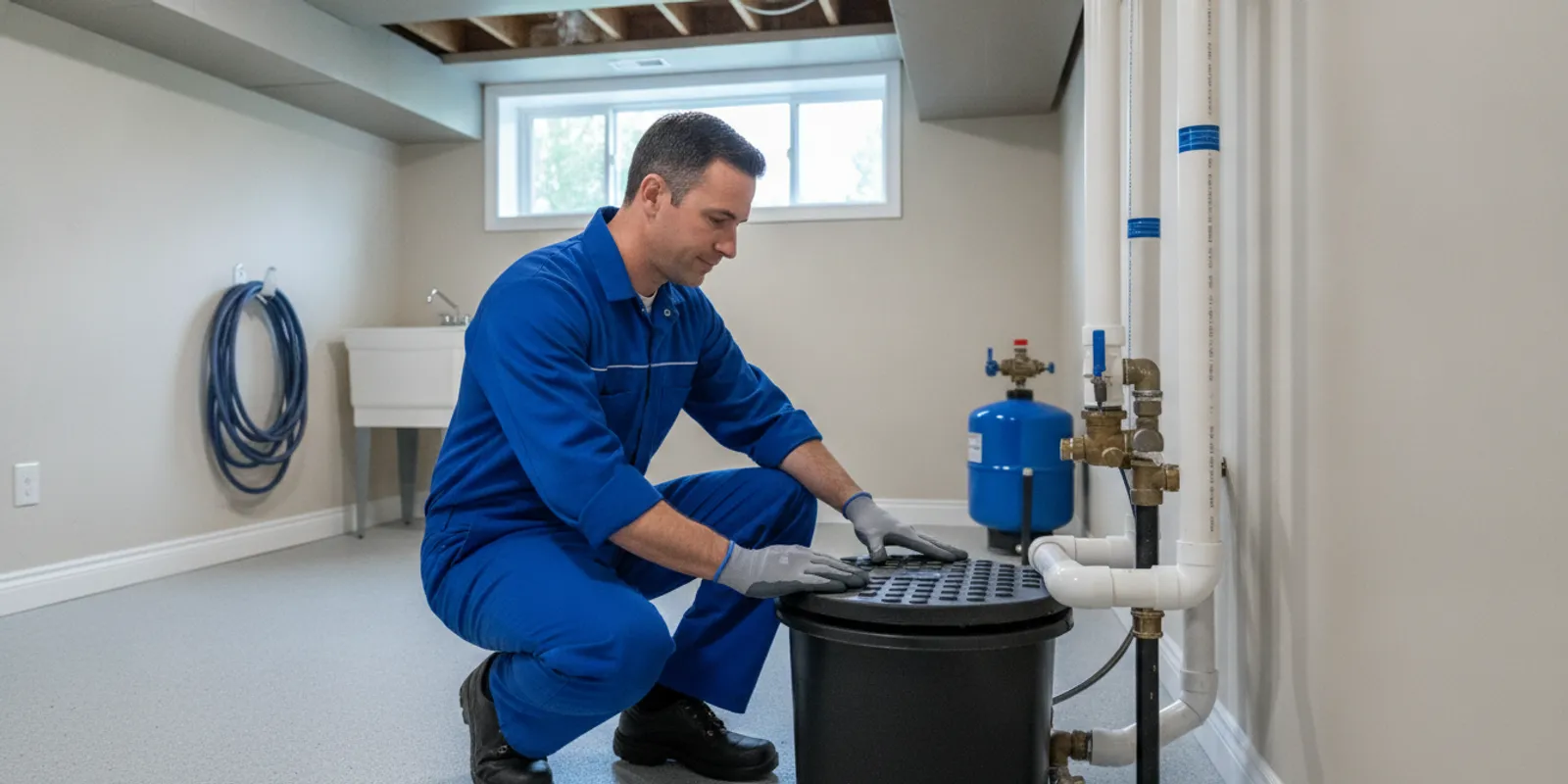
When you have a stubborn clog, you might picture a plumber showing up with a bigger version of the plunger under your sink. While that’s a start, a professional’s toolkit is far more advanced. They don’t just treat the symptom; they diagnose and solve the root cause of the problem. Think of them as drain detectives who use specialized tools and techniques to get your pipes flowing freely again. From high-tech video camera inspections that see inside your pipes to powerful hydro jetting that scours them clean, a skilled clogged drain plumber in Troy, MI, does more than just poke a hole in a blockage—they restore the health of your entire plumbing system.
Key Takeaways
- Protect your pipes with simple habits: Most clogs are preventable, so avoid putting grease, coffee grounds, and “flushable” wipes down your drains. Using drain strainers and being mindful of what goes in your pipes can save you from a major headache later.
- Listen to your plumbing’s warning signs: Gurgling sounds, foul odors, and clogs that keep returning are clear signals of a deeper issue. Ignoring these symptoms can lead to a messy backup, so it’s best to call a professional when you notice them.
- A professional provides a permanent solution: A licensed plumber does more than just clear the blockage; they find the root cause. Using tools like video cameras and hydro jetting, they can solve the underlying problem for good, whether it’s tree roots or pipe damage.
What Does a Clogged Drain Plumber Actually Do?
When you have a stubborn clog, you might picture a plumber showing up with a bigger version of the plunger under your sink. While that’s a start, a professional plumber’s toolkit is far more advanced. They don’t just treat the symptom; they diagnose and solve the root cause of the problem. Think of them as drain detectives who use specialized tools and techniques to get your pipes flowing freely again. From simple snaking to high-tech camera inspections, here’s a look at what a clogged drain plumber actually does to fix your plumbing woes.
Drain Cleaning and Snaking
This is the go-to first step for most common clogs. A plumber uses a professional-grade tool called a drain snake or auger, which is a long, flexible cable that they feed into the pipe. Unlike a flimsy store-bought snake, a professional auger has the power and length to reach deep into your plumbing system. It can break apart tough blockages caused by hair, soap scum, and other gunk, or hook onto the obstruction so it can be pulled out completely. It’s a highly effective method for clearing slow or stopped sinks, tubs, and toilets, getting your drains back to normal quickly.
Hydro Jetting
For more serious or recurring clogs, a plumber might recommend hydro jetting. This is a powerful cleaning method that uses a high-pressure stream of water to scour the inside of your pipes. Instead of just poking a hole through a blockage like a snake does, hydro jetting blasts away years of accumulated grease, scale, and debris, leaving your pipes practically as clean as the day they were installed. It’s especially effective for clearing out stubborn grease clogs in kitchen lines or removing tree roots that have started to invade your sewer line. This complex procedure is a true deep clean for your plumbing system.
Video Camera Inspections
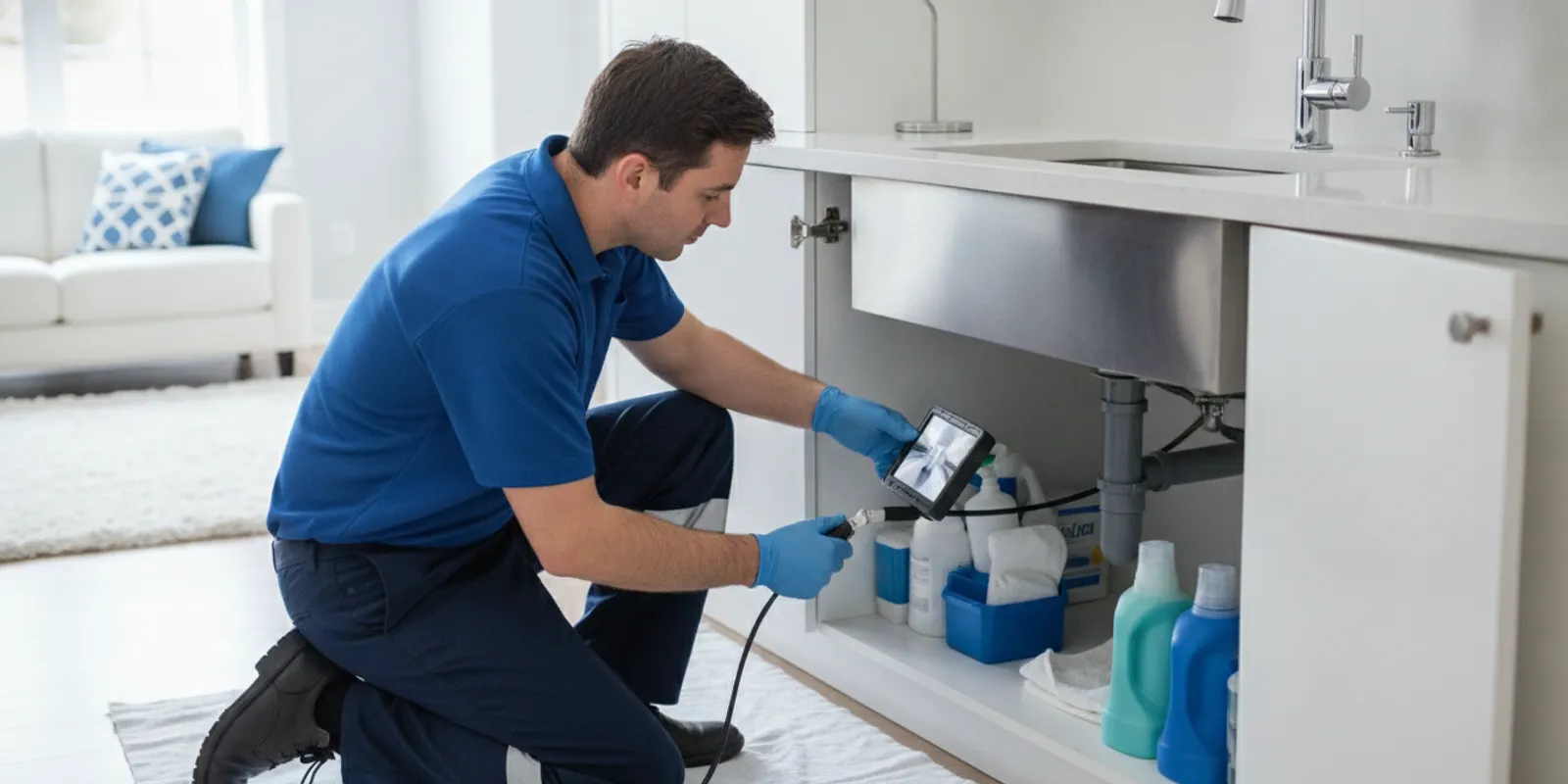
Ever wish you could see exactly what’s happening inside your pipes? With a video camera inspection, you can. A plumber feeds a small, waterproof camera attached to a flexible rod into your drain or sewer line. This gives them a real-time look at the condition of your pipes from the inside. This technology is invaluable for diagnosing recurring problems, locating the exact spot of a clog, or identifying issues like cracks, pipe corrosion, or tree root intrusion without any guesswork. It helps ensure that the right repair is done the first time, saving you time and money on future plumbing calls.
Sewer Line Repair
Sometimes, a clog isn’t just in a single drain but is a symptom of a bigger problem in your main sewer line. This is the large pipe that carries all your home’s wastewater out to the municipal sewer system. If this line is clogged, broken, or compromised by tree roots, you’ll experience backups in multiple drains throughout your house. After confirming the issue with a camera inspection, a plumber will recommend the best course of action for a sewer line repair. This can range from clearing the blockage to repairing or replacing sections of the damaged pipe.
Emergency Drain Services
A clogged drain can quickly turn into a major crisis. When a toilet is overflowing, sewage is backing up into your shower, or multiple drains are stopped completely, you have a plumbing emergency on your hands. In these stressful situations, you need help fast, no matter the time of day. That’s why professional plumbers offer emergency plumbing services 24/7. An emergency plumber has the expertise and equipment to respond quickly, diagnose the urgent problem, and take immediate action to prevent water damage and restore your plumbing system to working order.
What Causes Clogged Drains in Troy Homes?
A clogged drain can feel like a sudden, frustrating surprise, but it’s rarely a random event. Most clogs are the result of a slow, steady buildup over time. Understanding what’s happening inside your pipes is the first step to preventing future headaches. In Troy, we see a mix of causes, from everyday habits in the kitchen and bathroom to environmental factors unique to our Michigan climate and soil.
Some clogs are simple enough to manage on your own, but others point to a more serious problem lurking in your plumbing system. Knowing the difference can save you from a major backup or costly water damage down the road. It’s about recognizing when a slow drain is more than just an annoyance. Let’s walk through the most common culprits behind stubborn clogs so you can spot the signs early and know when it’s time to call for professional help. From grease and hair to tree roots and shifting soil, here’s what’s really causing your drains to slow down.
Grease, Food, and Soap Scum
Your kitchen sink drain isn’t a garbage can, but it’s often treated like one. When you pour cooking grease, fats, or oils down the drain, they don’t just wash away. As they cool, they solidify and stick to the inside of your pipes, creating a thick, waxy buildup. Over time, food particles from your garbage disposal and soap scum from your dishwasher get trapped in this sticky mess, narrowing the pipe and slowing drainage. You’ll start to notice gurgling sounds, foul odors, or water taking forever to drain. If you’re dealing with a stubborn kitchen clog, it’s a sign that years of buildup may need to be professionally cleared from your plumbing system.
Hair and Foreign Objects
In the bathroom, hair is the number one enemy of your drains. It binds with soap, shampoo, and conditioner to form stubborn clogs in your shower, tub, and sink drains. While a few strands here and there might not seem like a big deal, they accumulate quickly. Add in foreign objects that accidentally get flushed or dropped down the drain, and you have a recipe for a complete blockage. Things like cotton swabs, dental floss, wipes (even the “flushable” kind), and small toys don’t dissolve. They get lodged in the pipes, creating an obstruction that can lead to slow drains or a messy backup. Many of these issues can lead to a call for toilet repair when you least expect it.
Intrusive Tree Roots
What’s happening in your yard can have a huge impact on the pipes running underneath it. Tree roots are naturally drawn to the moisture, warmth, and nutrients found in your sewer lines. They can work their way into even the tiniest cracks in a pipe, growing into a dense, root-ball-like mass. This web of roots catches toilet paper and solid waste, eventually causing a complete blockage of your main sewer line. Signs of a root intrusion include foul smells coming from your drains, multiple drains backing up at once, or soggy patches in your yard. A sewer backup caused by tree roots is a serious issue that requires immediate emergency plumbing services.
Frozen Pipes and Weather Changes
Living in Troy means dealing with harsh winters, and your pipes feel it, too. When the temperature plummets, the water inside pipes located in unheated areas like basements, crawl spaces, and exterior walls can freeze. As water freezes, it expands, which can completely block the pipe and put immense pressure on it. This not only stops water from flowing but can also cause the pipe to crack or burst, leading to a flood. A frozen pipe acts as a powerful clog, and attempting to thaw it improperly can be dangerous. If you suspect a frozen pipe is causing your drainage issues, it’s best to call a professional who specializes in frozen pipe repair.
Old Pipes and Shifting Soil
Sometimes, the problem isn’t what you put down the drain but the drain itself. Many homes in our area have older plumbing systems made of materials like cast iron or clay that can corrode, crack, and deteriorate over time. On top of that, Troy’s unique mix of clay and sandy soil can shift, putting stress on underground pipes. This movement can cause pipes to misalign, crack, or develop low spots called “bellies” where waste and water collect. These issues create chronic clogs and slow drains that keep coming back no matter what you do. Diagnosing problems with old pipes or soil shifting requires a professional inspection to determine the best course of action for your plumbing needs.
Signs You Need a Drain Plumber Right Now
It’s easy to ignore a slow drain, hoping it will fix itself. But some plumbing issues are more than just minor annoyances; they’re warning signs of bigger problems brewing in your pipes. Recognizing these signals early can save you from a messy, expensive emergency down the road. If you notice any of the following signs, it’s time to stop guessing and call a professional.
Slow Drains and Backing Up Water
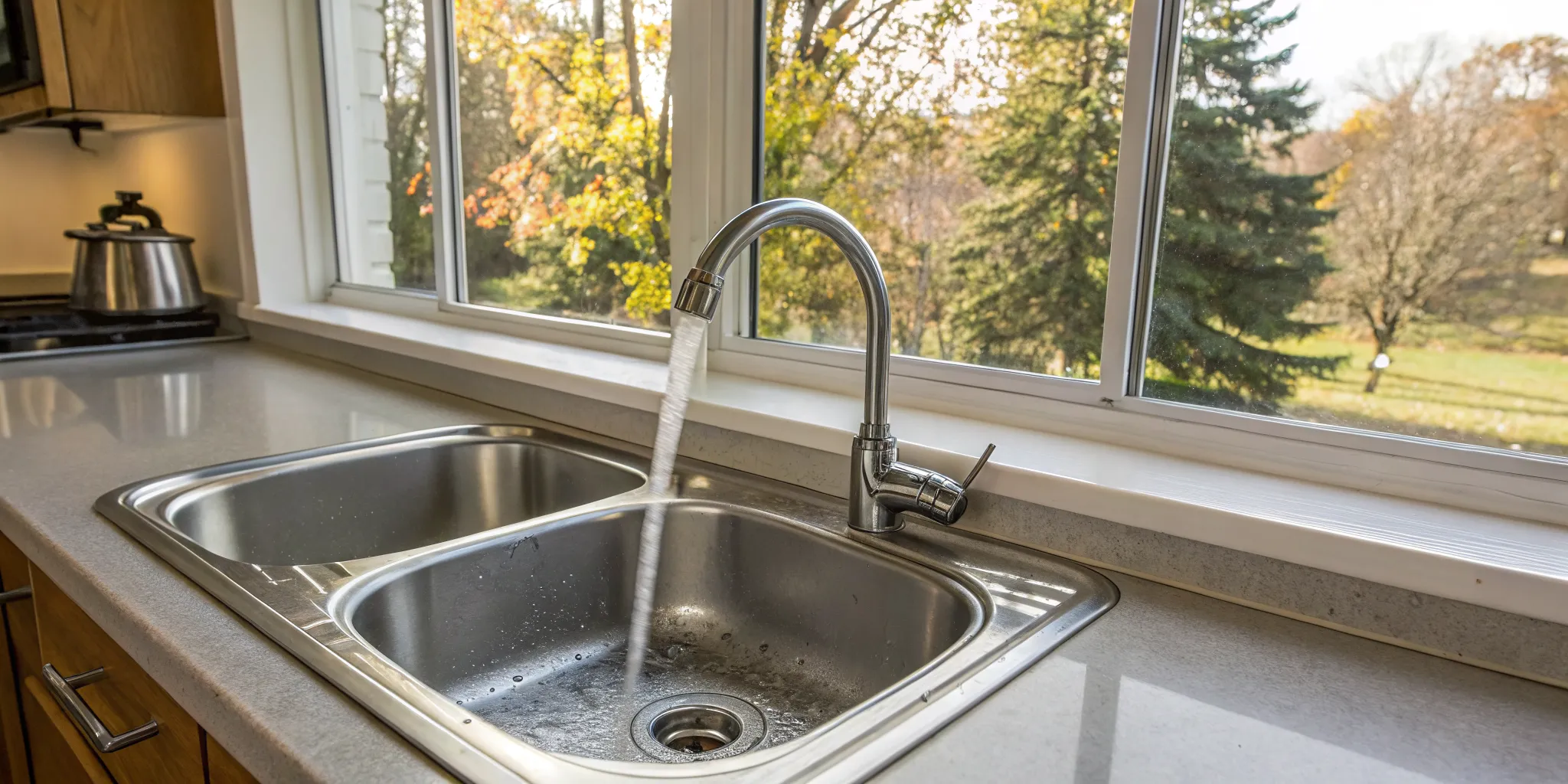
Does your shower feel more like a bath because water is pooling around your ankles? Or maybe your kitchen sink takes ages to empty after you do the dishes. A slow drain is one of the most common signs of a clog forming. While it might start in one drain, it can point to a blockage deeper in your plumbing system. If water starts backing up into your sinks, tubs, or toilets, especially after using water elsewhere in the house, you have a more serious problem. This indicates the clog is significant enough to stop water flow completely, and you may need emergency plumbing services to prevent water damage.
Gurgling Noises and Bad Smells
Your drains shouldn’t talk back to you. If you hear gurgling noises from your pipes when you run the faucet or flush the toilet, it’s a cry for help. That sound is caused by trapped air being forced through a blockage in your drain line. Another telltale sign is a persistent, unpleasant odor coming from your drains that you can’t seem to wash away. This smell is often caused by food, grease, and other waste that has become trapped and is starting to decompose inside your pipes. Don’t just mask the smell; it’s a clear indicator that you need a professional to find and remove the source of the clog.
Clogs That Keep Coming Back
Are you and your plunger becoming a little too familiar? If you find yourself constantly battling the same clog in your sink, tub, or toilet every few weeks, it’s a sign that you’re only fixing the symptom, not the cause. Over-the-counter chemical drain cleaners can offer a temporary fix, but they rarely clear the entire blockage and can even damage your pipes over time. Recurring clogs often point to a larger issue deeper within your main drain line, such as invasive tree roots or a buildup of stubborn debris. Instead of fighting a losing battle, it’s best to have a professional assess the situation and provide a lasting solution.
How Much Does It Cost to Unclog a Drain in Troy?
Let’s talk about one of the first questions every homeowner has when facing a stubborn clog: what’s this going to cost me? While it would be nice to have a single, simple answer, the truth is that the price for unclogging a drain can vary quite a bit. The final cost depends on what’s causing the clog, where it’s located, and what tools are needed to fix it for good.
Think of it like a car repair. A simple oil change has a different price than replacing the transmission. Similarly, a minor sink clog is a different job than clearing out a main sewer line blocked by tree roots. A trustworthy plumber will always give you a clear, upfront estimate before any work begins, so you know exactly what to expect. Here’s a breakdown of the costs and the factors that influence them.
Typical Price Ranges for Drain Services
When you’re budgeting for a drain cleaning service in the Troy area, you can generally expect the cost to fall somewhere between $100 and $700. That’s a wide range, I know, but it reflects the variety of issues that can cause a clog. A simple blockage in a kitchen sink or shower drain that a plumber can clear quickly will be on the lower end of that scale. Some data even shows the average cost for a basic plumbing repair in our area is just under $200.
However, more complex jobs, like clearing a main sewer line, will naturally be on the higher end. The best way to get an accurate price is to have a professional assess the situation. At Mr. Pipey, we provide honest, transparent estimates so you can make an informed decision without any pressure.
Factors That Influence the Final Cost
So, what makes one clog cost more to clear than another? Several key factors determine the final price of your service. The location of the clog is a big one; a blockage that’s easy to reach in a sink’s P-trap will cost less than one located deep within your home’s plumbing system. The severity of the clog also plays a major role. A simple buildup of hair is much easier to handle than a dense mass of grease or invasive tree roots.
The tools needed for the job will also affect the price. A standard drain snake is a common solution, but sometimes we need to use advanced equipment like hydro jetting or video cameras for a proper diagnosis. Finally, the time of service matters. A scheduled appointment during business hours will cost less than an emergency plumbing call in the middle of the night.
When to Expect Higher Costs
You can generally expect a higher bill when a clog requires more time, labor, and specialized equipment. For example, if the blockage is in your main sewer line, your plumber will need to access the line from outside, which is a much more involved process than working under a sink. If the clog is caused by something serious like a collapsed pipe or significant tree root intrusion, the job moves from a simple cleaning to a more complex repair.
Costs can also increase if the problem is a symptom of another issue, like a failing backflow preventer or pipes that have become damaged over time. These situations require more than just clearing the blockage; they involve fixing the underlying cause to prevent it from happening again. A professional plumber will always explain these situations clearly and outline all your options before proceeding with any work.
How to Choose the Right Plumber for Clogged Drains
Finding the right plumber when your drain is clogged can feel like a frantic search, but it doesn’t have to be. Taking a few moments to vet your options will save you from headaches and overpriced, shoddy work. You’re not just looking for a quick fix; you’re looking for a reliable professional you can trust with the integrity of your home. By focusing on a few key areas like credentials, availability, and transparency, you can confidently hire a plumber who will get the job done right.
Verify Licensing, Insurance, and Local Experience
Before you let anyone work on your home’s plumbing, make sure they are properly licensed and insured. A valid license shows that the plumber has met Michigan’s standards for knowledge and competence. More importantly, proper insurance protects you from liability if a worker is injured on your property or if accidental damage occurs during the repair. Don’t be shy about asking for proof; a reputable company will gladly provide it.
Beyond credentials, look for a plumber with deep roots in the Troy area. A local team understands the common plumbing quirks of our neighborhoods, from issues with older pipes to soil conditions that affect sewer lines. You want a company that is a trusted name in the community, not just a random contractor.
Prioritize 24/7 Emergency Availability
A severely clogged drain or a sewer backup is not something that can wait until morning. These issues can cause water damage and create unsanitary conditions in your home, so you need a plumber who is ready to respond at any time. When researching companies, check if they offer emergency plumbing services 24 hours a day, seven days a week.
Companies that provide round-the-clock availability demonstrate a commitment to their customers’ well-being. The best time to find a reliable 24/7 plumber is before you actually need one. Save their number in your phone so you’re prepared for any unexpected plumbing disaster, whether it happens on a weeknight or a holiday weekend.
Ask for Transparent Pricing and Honest Estimates
No one likes a surprise on their final bill. A trustworthy plumber will always provide a clear, upfront estimate before any work begins. While the average cost for a simple drain repair in our area can be around $180, this price can change based on the clog’s severity and location. Ask for a detailed breakdown that includes labor, parts, and any potential fees for complex jobs.
Be cautious of quotes that seem unusually low, as they might hide extra charges later on. A professional plumber will diagnose the problem first and then explain your options and the associated costs. You should feel comfortable with the price and the scope of work before you agree to the service. Feel free to get an estimate to understand what to expect.
Read Customer Reviews the Right Way
Online reviews on sites like Yelp and Google can offer a great window into a company’s performance, but it’s important to read them with a critical eye. Instead of just looking at the star rating, read through the actual comments. Look for patterns in what customers are saying. Are they consistently praising the plumber’s professionalism, punctuality, and communication? Or are there repeated complaints about surprise fees or unresolved issues?
Pay special attention to reviews from customers in Troy who had similar problems, like a clogged kitchen sink or a main sewer line backup. Their experiences will give you the most relevant insight into how a company handles the exact issue you’re facing.
What to Expect When Your Plumber Arrives
Having a plumber show up at your door can feel like a moment of truth. You’re dealing with a stressful clog, and now a stranger is about to start working in your home. Knowing what a professional process looks like can help ease your mind. A great plumber won’t just jump in and start wrenching on pipes; they will guide you through a clear, step-by-step process so you feel confident and in control the entire time. It all starts with clear communication and a thorough approach to problem-solving.
When we arrive, our first goal is to understand exactly what’s happening. We treat your home with the same care we’d treat our own, which means we take the time to listen before we act. You can help by sharing any details you’ve noticed, like when the drain started slowing down or if you hear any strange noises. From there, we begin our diagnostic work to pinpoint the true source of the clog. We believe in building trust through transparency, which is a core part of our family-owned business. You should always feel comfortable asking questions. We’re not just there to fix a pipe; we’re there to provide a solution and give you peace of mind.
The Initial Assessment and Diagnosis
The first thing a professional plumber will do is perform a complete assessment to diagnose the root cause of the clog. This is more than just a quick glance at the slow drain. We’ll likely ask you a few questions about the issue and then conduct a hands-on inspection of the affected area. This helps us figure out if we’re dealing with a simple blockage from hair or grease, or a more complex problem like intrusive tree roots or a damaged pipe. A thorough diagnosis ensures the fix is effective and long-lasting, preventing the same clog from coming back a few weeks later. This is especially critical for emergency plumbing situations where a quick, accurate diagnosis saves time and prevents further damage.
Your Service Options and Timeline
Once we’ve identified the problem, we’ll walk you through your service options. We believe in empowering you to make the best decision for your home, so we’ll clearly explain the pros and cons of each potential solution. For a minor clog, a drain snake might be all you need. For a tougher blockage, we might recommend hydro jetting to thoroughly clean the pipes. If we find a more serious issue, we’ll discuss repair or replacement options. Alongside these solutions, we’ll provide a realistic timeline for the work so you know exactly what to expect. Our goal is to present you with a full picture of our plumbing solutions so you can choose with confidence.
Confirming the Price Before Work Begins
No one likes financial surprises. Before any work starts, you should receive a clear, upfront price for the service you’ve chosen. A trustworthy plumber will provide a detailed estimate that outlines the cost of labor and any necessary parts, ensuring total transparency. This is your opportunity to review the costs and ask any final questions. While it can be helpful to know the average cost of plumbing work in the Troy area, the written quote from your plumber is the number that truly matters. At Mr. Pipey, we stand by our 100% customer satisfaction guarantee, which starts with honest pricing. If you’re ready for a straightforward estimate, feel free to contact us today.
How to Prevent Clogged Drains at Home
An ounce of prevention is worth a pound of cure, especially when it comes to your home’s plumbing. Dealing with a backed-up sink or a gurgling toilet is a headache no one wants. The good news is that you can avoid most clogs with a few simple habits and a little bit of awareness. It’s all about being mindful of what goes down your drains and taking small, proactive steps to keep your pipes clear. Think of it as a little bit of daily housekeeping for your plumbing system. These tips will help you protect your pipes, save money on repairs, and keep your home running smoothly.
What Not to Put Down Your Drains
Let’s start with the basics: your drains are not trash cans. Pouring the wrong things down the sink is the fastest way to create a stubborn clog. In the kitchen, the biggest offenders are grease, fats, and oils. They might be liquid when they’re hot, but they solidify in your pipes, creating a sticky trap for food scraps and other debris. Coffee grounds, eggshells, and fibrous vegetables like celery and potato peels are also major culprits. In the bathroom, avoid flushing anything other than toilet paper, including so-called “flushable” wipes, cotton balls, and feminine hygiene products. These items don’t break down and can easily cause a serious backup. If you do run into trouble, our emergency plumbing services are available 24/7.
Simple Tips for Kitchen and Bathroom Drains
A few easy habits can make a world of difference. In the kitchen, always scrape food scraps into the compost or trash before rinsing dishes. Using a mesh drain strainer is a simple and effective way to catch any particles that might otherwise wash down the drain. If you have a garbage disposal, run cold water while you use it and for about 15 seconds after to help flush everything through. In the bathroom, place hair catchers over shower and tub drains, and clean them out regularly. Once a week, you can flush your drains with very hot water to help dissolve soap scum and other buildup. If you notice your toilet needs repair or is clogging frequently, it’s a sign of a deeper issue that needs a professional look.
Protecting Your Pipes During a Troy Winter
Living in Troy means we’re no strangers to harsh winters. The freezing temperatures and lake-effect snow can be tough on your plumbing. Pipes in unheated areas like basements, crawl spaces, and exterior walls are especially vulnerable to freezing. When water freezes, it expands, which can cause pipes to crack or burst, leading to clogs and major water damage. To prevent this, consider professional pipe insulation for exposed pipes. During a deep freeze, let faucets connected to vulnerable pipes drip slowly to keep water moving. You can also open cabinet doors under sinks to allow warm air from your home to circulate around the pipes and keep them from freezing.
The Value of Routine Professional Maintenance
Even if you’re diligent about drain care, it’s a great idea to schedule routine professional maintenance. Think of it like a regular check-up for your home’s plumbing system. A professional plumber can identify potential problems you can’t see, like early-stage tree root intrusion or corrosion in older pipes, before they turn into costly emergencies. Using tools like video camera inspections, we can get a clear look inside your pipes and address issues proactively. Scheduling an annual inspection is a small investment that provides peace of mind and helps you avoid unexpected breakdowns. As a family-owned business, we believe in helping our neighbors stop problems before they start.
Why Troy Homeowners Trust Mr. Pipey for Clogged Drains
When a drain clogs, it feels like your whole day grinds to a halt. You need a plumber you can trust to fix it quickly and correctly, without any surprises. For homeowners in Troy, that plumber is often Mr. Pipey. It’s not just about fixing a pipe; it’s about restoring your peace of mind, and that comes from a foundation of trust.
First, we’re always here for you. Plumbing emergencies don’t stick to a 9-to-5 schedule, and neither do we. We provide 24/7 emergency plumbing support because we know that a serious backup can’t wait until morning. Having a reliable team on call means you’re never left dealing with a messy, stressful situation on your own.
We’re also your neighbors. As a family-owned business rooted in the Metro Detroit area, we understand the specific plumbing challenges Troy homes face, from issues with older pipes to the strain our Michigan winters can put on your system. This local expertise allows us to diagnose problems faster and provide solutions that are built to last. Our customer-first approach is at the heart of everything we do.
Finally, we believe in being upfront and honest. The last thing you need when you’re worried about a clog is a surprise on your bill. We provide clear, transparent estimates before any work begins, so you know exactly what to expect. We’re committed to offering cost-effective solutions and workmanship you can count on. That’s why so many of your neighbors in Troy trust us to keep their drains flowing freely.
Related Articles
- Clogged Drain Repair Plumbers in Southfield, MI | Mr. Pipey® Plumbing
- Drain Cleaning in Detroit & Royal Oak MI | Mr. Pipey® Plumbing
- HydroScrub Drain Jetting Services in Birmingham | Mr. Pipey® Plumbing
- Drain Backup in Basement? A Step-by-Step Guide
- Sewer Line Repair 101: A Homeowner’s Guide
Frequently Asked Questions
Why shouldn’t I just use a chemical drain cleaner from the store? While it’s tempting to grab a bottle of chemical cleaner for a quick fix, they often do more harm than good. These harsh chemicals can corrode your pipes, especially in older homes, leading to more expensive problems down the line. They also rarely solve the actual problem. At best, they might burn a small hole through the clog, providing temporary relief while leaving most of the buildup behind, which means the clog will likely return.
How can I tell if my clog is a simple issue or a main sewer line problem? A good way to tell is by observing how your plumbing reacts. If only one sink or shower is draining slowly, the clog is likely isolated to that specific drain. However, if you notice multiple drains backing up at once, hear gurgling from your toilet when you use the washing machine, or see water coming up in the shower after flushing, you are probably dealing with a main sewer line blockage. This is a more serious issue that requires immediate professional attention.
Is hydro jetting safe for my older pipes? That’s a great question. While hydro jetting is a powerful cleaning method, a true professional will never use it blindly. Before recommending hydro jetting, we always perform a thorough inspection, often with a video camera, to assess the condition of your pipes. If your pipes are older or show signs of weakness, we will discuss safer, more appropriate solutions with you. The goal is to clean your pipes, not damage them, so we always tailor the method to your specific plumbing system.
How often should I have my drains professionally checked? For most homes, scheduling a professional drain inspection every one to two years is a great preventative measure. If you live in an older home with aging pipes or have a lot of large trees on your property, you might consider an annual check-up. Regular maintenance allows a professional to catch small issues, like minor buildup or early tree root intrusion, before they become a major, messy emergency.
What can I do to prepare for the plumber’s arrival? To help us get to work quickly and efficiently, you can clear the area around the affected drain. For a kitchen or bathroom sink, this means removing any cleaning supplies or personal items from the cabinet underneath. It’s also helpful to make a mental note of when you first noticed the problem and any specific symptoms, like strange noises or smells. This information helps us diagnose the issue even faster.