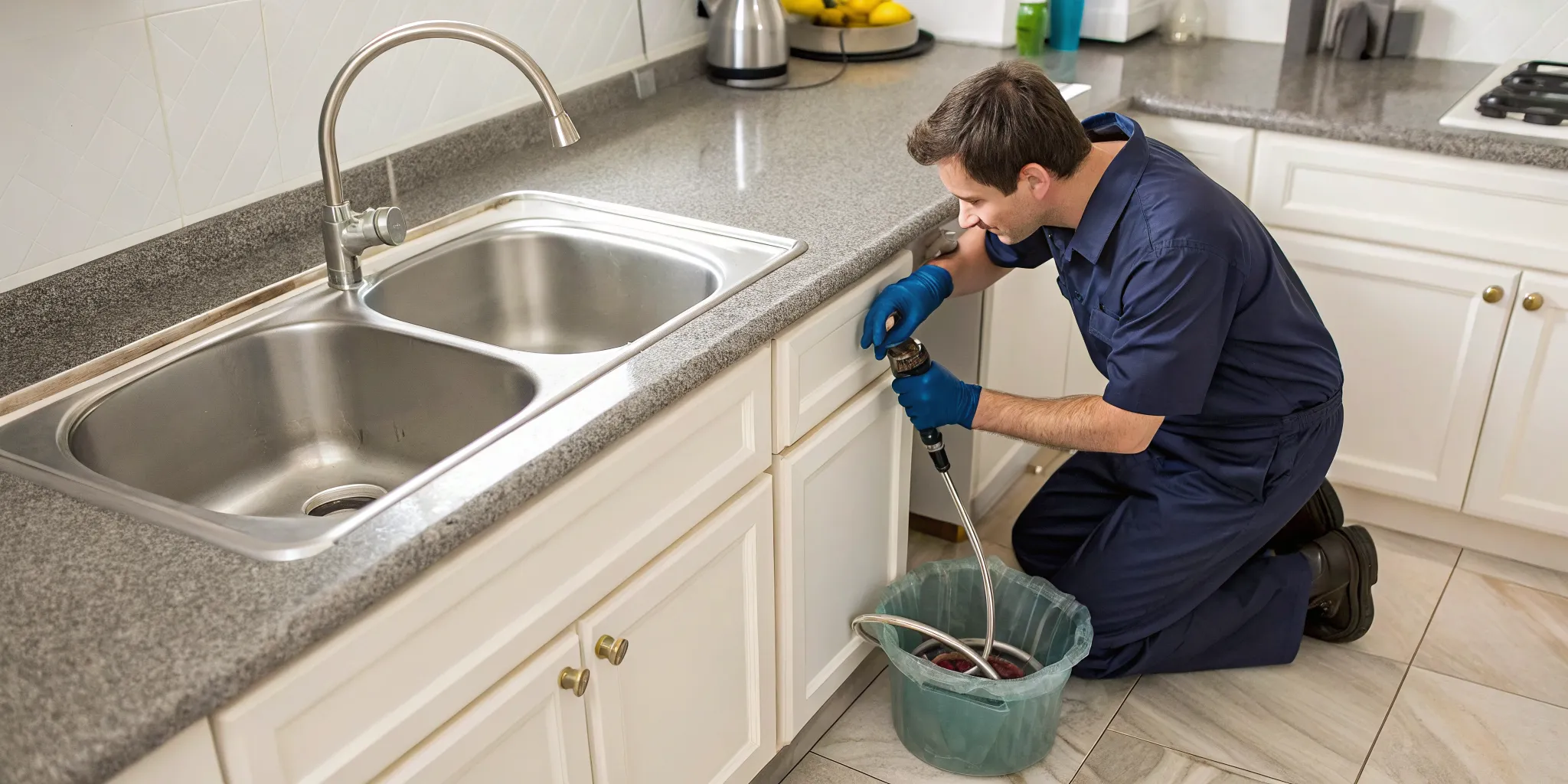
That slow-draining sink or gurgling sound from the shower drain is more than just a minor inconvenience; it’s your plumbing system’s way of sending out an SOS. These early warning signs are easy to ignore, but they often point to a bigger blockage forming deep within your pipes. Letting it go can turn a simple issue into a messy, expensive emergency. Before you’re faced with a full-blown backup, it’s important to understand what your drains are trying to tell you. We’ll explore the common signs of a clog and help you decide when it’s time to call a trusted clogged drain plumber Rochester Hills MI to protect your home.
Key Takeaways
- Prevent clogs before they start: You can avoid most common blockages with simple habits, such as using drain strainers, disposing of cooking grease in the trash, and being mindful of what goes down your drains.
- Recognize the early warning signs: Pay attention to slowly draining water, gurgling sounds, or foul smells. Addressing these clues right away is much easier and more affordable than waiting for a major backup.
- Know when to call a professional: For stubborn or recurring clogs, skip the harsh chemical cleaners that can damage your pipes. A licensed plumber uses the right tools to safely diagnose and fix the root cause, ensuring a long-term solution.
Why Your Drains Are Clogging in Rochester Hills
Dealing with a clogged drain is one of the most common frustrations for any homeowner. While it might seem like a random annoyance, there are often specific local factors at play. Here in Rochester Hills, a unique combination of hard water, mature trees, and beautiful older homes can create the perfect storm for recurring drain problems. Understanding what’s causing your clogs is the first step toward finding a lasting solution. From everyday buildup in the bathroom to more serious issues lurking in your main sewer line, let’s look at the most common culprits behind those slow-draining sinks and backed-up tubs.
Hair and soap scum
It’s the classic bathroom clog combination. Every time you shower, loose hair and soap residue wash down the drain. While it might not seem like much, soap scum acts like a sticky glue, binding hair and other debris together into a stubborn mass. Over time, this buildup narrows your pipes and eventually leads to a complete blockage. In Rochester Hills, many older homes have cast iron pipes, which have a rougher interior surface that can snag hair and accelerate this process. A simple drain guard can help catch the hair, but soap scum will still build up, requiring a professional cleaning to fully clear the line.
Grease and food waste
Your kitchen sink drain is not a trash can, but it’s often treated like one. Pouring cooking grease, oils, and fats down the drain is one of the fastest ways to create a serious clog. While hot grease might look like a liquid, it cools and solidifies once it hits the inside of your pipes. This creates a thick, waxy layer that traps food particles and other waste, slowly choking off the flow of water. Before you know it, you have a smelly, greasy blockage that a bottle of store-bought cleaner won’t touch. Always pour cooled grease into a disposable container and throw it in the trash to keep your kitchen pipes clear.
Mineral buildup from hard water
If you’ve noticed white, chalky residue on your faucets and showerheads, you’ve seen the effects of hard water. Rochester Hills is known for having hard water, which is rich in minerals like calcium and magnesium. As this water flows through your plumbing, it deposits these minerals on the inside of your pipes, creating a rock-hard scale buildup. This process, called calcification, gradually narrows the diameter of your pipes, restricting water flow and making them much more susceptible to clogs. This mineral buildup can also reduce the lifespan of your water heater and other appliances, making it a problem that goes beyond just your drains.
Tree roots in older pipes
For homes in Rochester Hills with beautiful, mature trees, there’s an invisible threat lurking underground. Tree roots are naturally drawn to the moisture and nutrients found in sewer lines. They can invade your pipes through tiny cracks or loose joints, especially in older clay tile pipes common in the area. Once inside, the roots expand and create a dense web that catches everything coming down the line, leading to severe main sewer line backups. If you’re experiencing slow drains throughout your entire house, gurgling toilets, or backups in your basement, invasive tree roots could be the cause. This is a serious issue that requires immediate professional attention.
Signs You Have a Clogged Drain
A completely blocked drain is hard to miss, but most clogs don’t happen all at once. They usually start small and give you plenty of warning signs along the way. Paying attention to these early clues can help you address the problem before it turns into a messy, expensive emergency. If you notice any of these issues in your Rochester Hills home, it’s a good idea to take action. Your plumbing system is trying to tell you something is wrong, and listening now can save you a major headache later.
Water drains slowly
This is often the very first sign of a developing clog. You might notice it first in the shower, where water starts pooling around your feet instead of disappearing right away. Or maybe your kitchen sink takes forever to empty after you’ve done the dishes. Even if the water eventually drains, this pooling is a clear indicator that a blockage is forming. Hair, soap scum, and grease are likely building up, narrowing the pipe and restricting water flow. Ignoring a slow drain just gives the clog more time to grow, so it’s best to get it checked out before it stops draining completely.
You hear gurgling sounds
Your pipes shouldn’t be talking to you. If you hear strange gurgling or bubbling sounds coming from your drains when you run the water or flush a toilet, it’s a cry for help. These noises happen when trapped air gets pushed through water that’s struggling to get past a blockage. It’s like the sound a straw makes at the bottom of an empty cup. This is a sign that your drain isn’t venting properly because of a clog somewhere down the line. Sometimes, these sounds can warn you of a more serious issue, so it’s wise to call for emergency plumbing services if the gurgling is persistent or getting louder.
Unpleasant smells appear
That funky smell coming from your kitchen or bathroom sink isn’t just unpleasant, it’s a sign of a problem. Foul odors are usually caused by food particles, grease, and other gunk that have become trapped in your pipes and started to decay. While you might be tempted to mask the smell, it won’t solve the underlying issue. The buildup is still there, creating a perfect breeding ground for bacteria and attracting pests. A persistent bad smell means it’s time to have a professional clean out whatever is rotting in your drain. You can contact us to find the source of the smell and get your drains flowing fresh again.
Water backs up into sinks or tubs
This is the most alarming sign of a clog, and it’s one you can’t ignore. If water starts rising in your sink or tub instead of draining, you have a significant blockage. It’s especially concerning if using one fixture causes a backup in another, for example, flushing the toilet makes water gurgle up into the shower drain. This often points to a clog in your main sewer line, which affects your entire home’s plumbing system. A main line clog is not a DIY project and requires immediate professional attention to prevent sewage from backing up into your house.
What a Plumber Does for a Clogged Drain
When you’re staring at a sink full of murky water that refuses to go down, calling a plumber can feel like a big step. You might wonder what exactly they can do that you can’t with a bottle of drain cleaner from the hardware store. The truth is, professional plumbers come equipped with a whole arsenal of tools and expertise to solve the problem correctly and safely. Unlike harsh chemical cleaners that can eat away at your pipes over time, a plumber’s first job is to diagnose the root cause of the clog. This isn’t just about clearing the immediate blockage; it’s about protecting your entire plumbing system for the long haul.
A professional assessment is key. A simple clog in your bathroom sink caused by hair is very different from a main sewer line backup caused by invasive tree roots. A plumber starts by asking questions and observing the symptoms to figure out the location and severity of the issue. From there, they can use specialized equipment ranging from mechanical snakes to high-pressure water jets to clear the line without damaging it. For more mysterious or recurring clogs, they can even send a camera down the drain to get a direct look at the problem. This approach ensures you get a lasting fix, not just a temporary patch that will have you calling again in a few weeks. When you call a professional for your plumbing needs, you’re investing in a solution that keeps your home’s plumbing in top shape and gives you peace of mind.
Drain cleaning and snaking
One of the most common and effective methods a plumber uses is drain snaking. A drain snake, also known as a plumber’s auger, is a flexible metal cable that can be fed deep into your pipes. As the plumber works the cable forward, it either breaks through the obstruction or latches onto it so it can be pulled out. This technique is perfect for clearing blockages caused by hair, soap scum, and other soft debris that get stuck in sink, shower, and tub drains.
If you’re dealing with slow drains or suspect a clog is forming, it’s always best to reach out to your go-to local plumbing company. A professional snaking service is a quick and efficient way to restore proper flow without resorting to chemicals that could harm your pipes.
Hydro jetting
For more stubborn or serious clogs, plumbers often turn to hydro jetting. This powerful technique uses a high-pressure stream of water to blast away years of accumulated gunk from the inside of your pipes. Hydro jetting is incredibly effective at removing tough blockages like heavy grease, mineral scale, and even invasive tree roots. It doesn’t just poke a hole through the clog; it thoroughly cleans the entire pipe wall, returning it to a near-original condition.
Think of it as a pressure wash for your plumbing. This method is not only great for resolving existing problems but also serves as excellent preventive maintenance. Having your lines jetted periodically can prevent future backups, making it a core part of our comprehensive plumbing solutions.
Video camera inspections
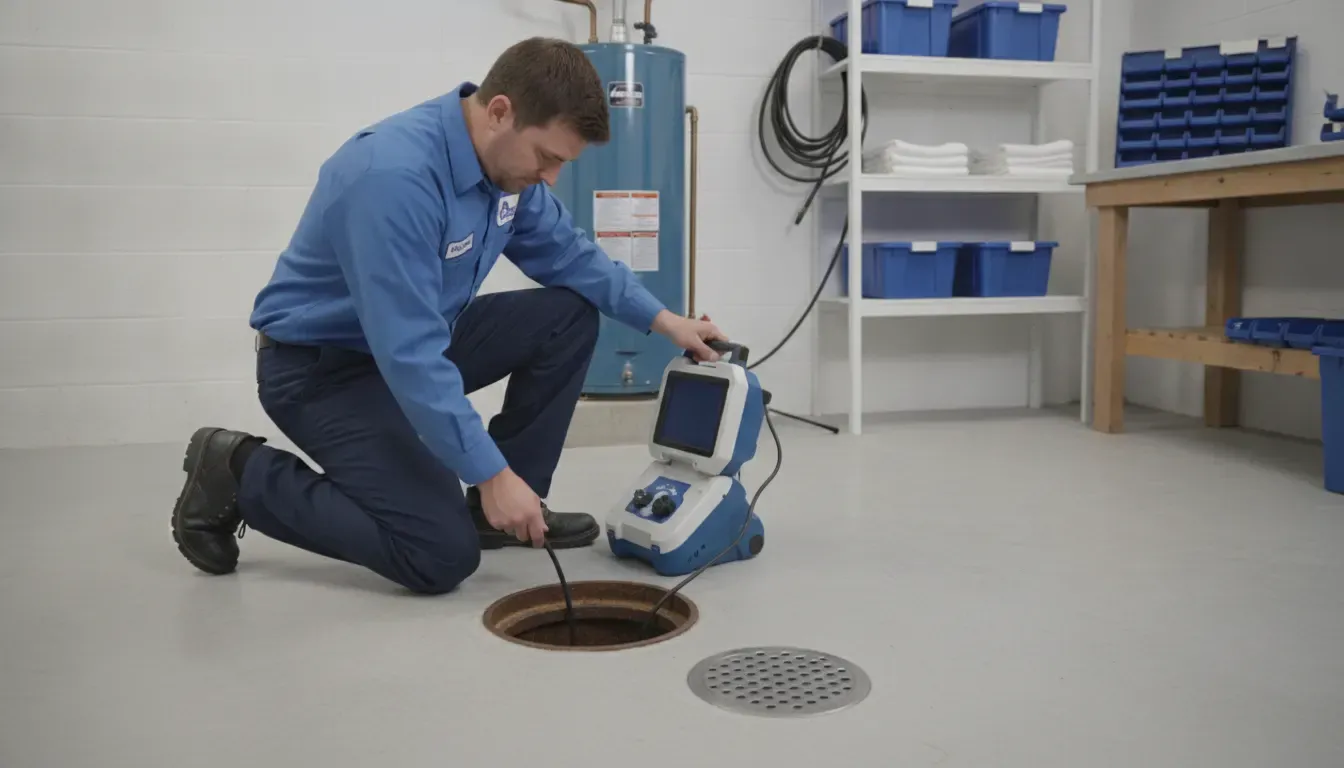
Have you ever wished you could see exactly what’s happening inside your pipes? With a video camera inspection, you can. Plumbers use a small, waterproof camera attached to a flexible rod to travel through your drain and sewer lines. This gives them a real-time look at the condition of your pipes and helps them pinpoint the exact location and cause of a clog. It takes all the guesswork out of the diagnosis.
This service is especially valuable for recurring clogs or when a more serious issue, like a broken pipe or tree root intrusion, is suspected. Before starting any major job, a camera inspection allows us to assess the situation accurately and recommend the most effective repair. If you have a persistent drain problem, contact us to see if a camera inspection is the right next step.
Emergency drain services
Some clogged drains are more than just an inconvenience; they’re a full-blown emergency. A main sewer line clog, for example, can cause raw sewage to back up into your home through multiple drains, creating a hazardous and messy situation. An overflowing toilet that won’t stop is another urgent problem that requires immediate attention. In these moments, you can’t afford to wait for a scheduled appointment.
That’s why having access to reliable emergency plumbing services is so important. Our team is ready to respond quickly to urgent calls in the Rochester Hills area. We understand how stressful these situations are and work fast to contain the problem, clear the blockage, and restore your plumbing to working order, protecting your home and family.
Pipe repair and replacement
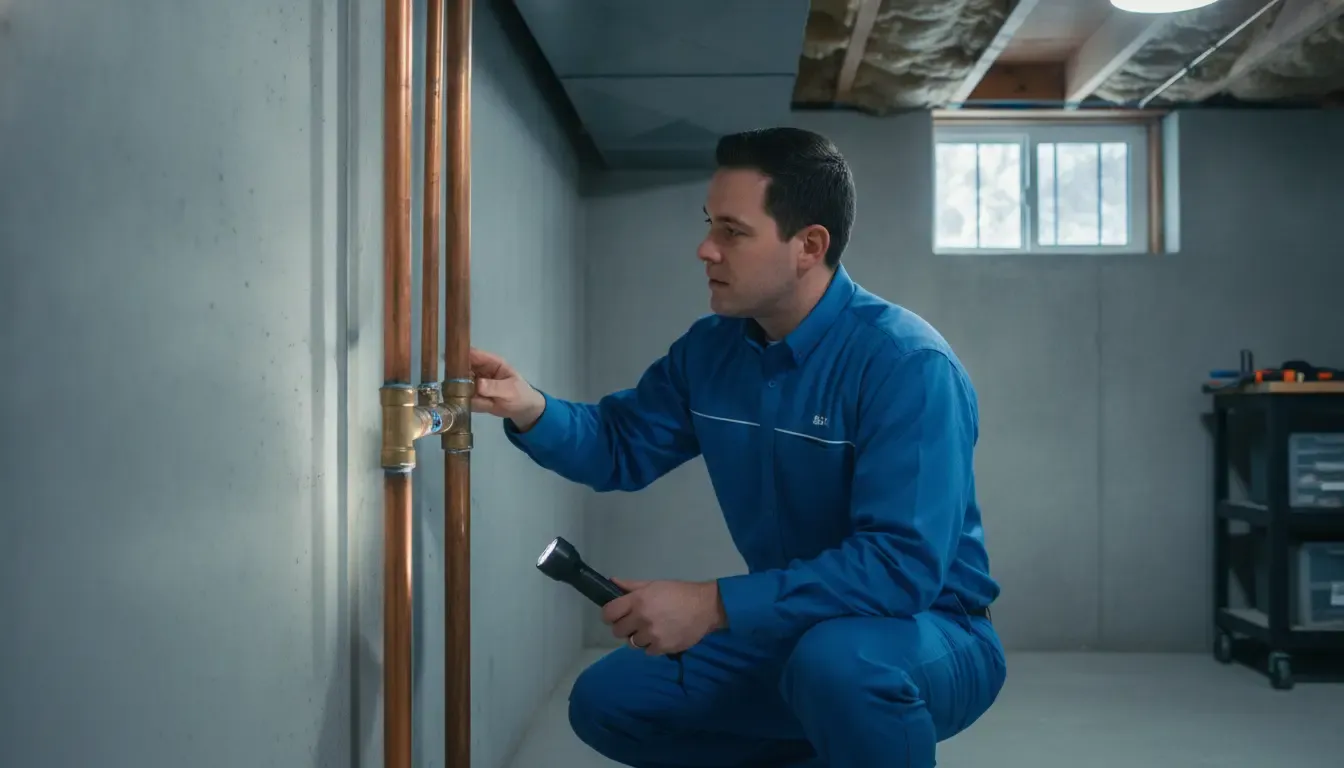
Sometimes, a clog isn’t just a clog; it’s a symptom of a much larger issue. If your pipes are old, corroded, cracked, or have collapsed, simply clearing a blockage won’t solve the underlying problem. In these situations, the only long-term solution is to repair or replace the damaged section of pipe. A video camera inspection can often reveal these hidden structural issues.
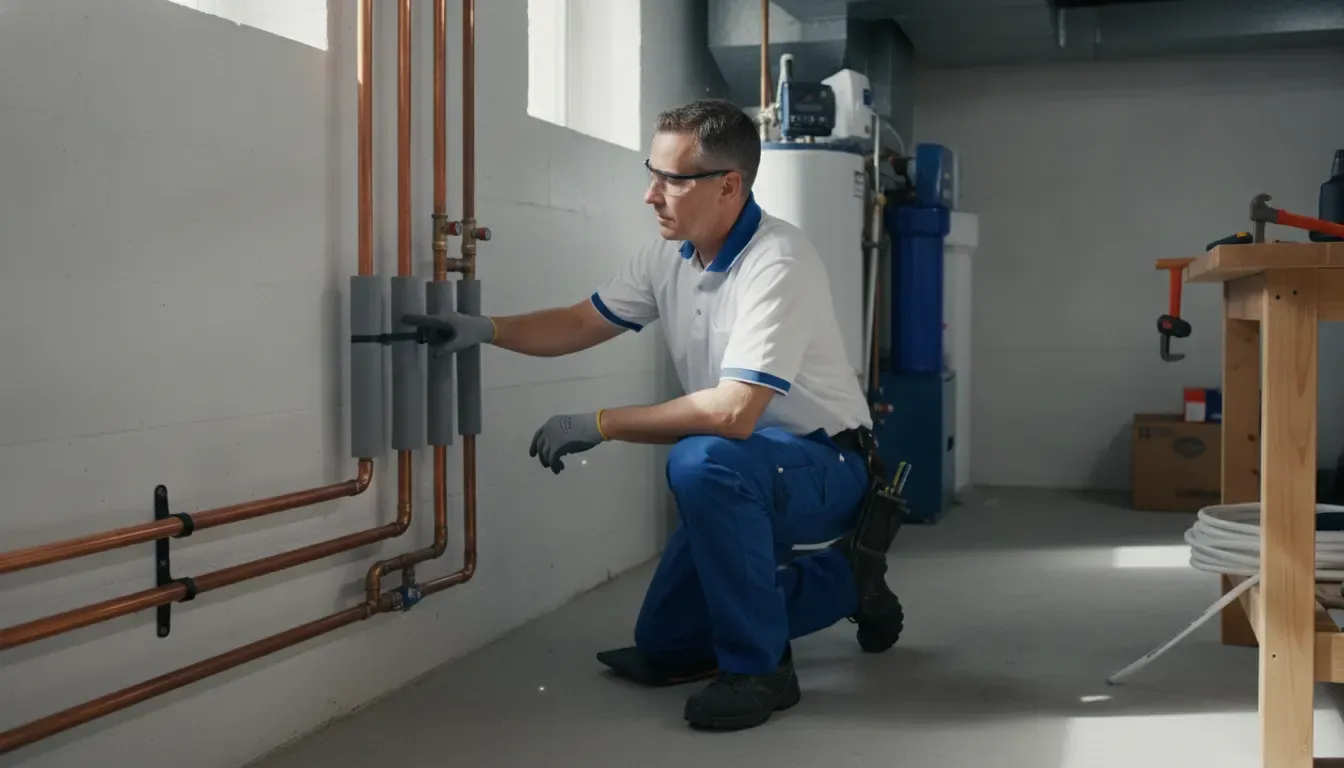
From small leaks to completely broken pipes, our team is equipped to handle all types of plumbing repairs to keep your system running smoothly. We’ll assess the damage and explain your options, whether it’s a simple patch or a full pipe replacement. Our goal is to provide a durable, reliable fix that prevents future clogs and gives you peace of mind. We can even help with pipe insulation to protect your system from future damage.
How Much Does It Cost to Unclog a Drain in Rochester Hills?
When you’re dealing with a stubborn clog, one of the first questions that comes to mind is, “How much will this cost to fix?” In Rochester Hills, the price for unclogging a drain can vary quite a bit. It really depends on where the clog is located and how severe it is. A simple sink backup will cost less than a major sewer line blockage. To give you a clearer picture, let’s break down the typical costs for different types of drain cleaning services you might need.
Branch drain cleaning ($150–$300)
A branch drain is one of the smaller pipes that connects a fixture, like your kitchen sink or bathtub, to the main sewer line. When these get clogged with everyday gunk like hair, soap scum, or food scraps, it’s usually a straightforward fix. This type of service, known as branch drain cleaning, typically costs between $150 and $300. A professional plumber can quickly clear these minor blockages and get your water flowing freely again. It’s one of the most common plumbing jobs and is essential for keeping individual fixtures in your home working properly.
Main sewer line cleaning ($250–$650)
If multiple drains in your home are backing up at once, you might have a blockage in your main sewer line. This is a more serious issue, often caused by tree roots, collapsed pipes, or major debris buildup. Clearing a main line is more involved and can cost anywhere from $250 to $650. The process might require specialized equipment to cut through roots or use high-pressure water jetting to clear the obstruction. Addressing a main line clog quickly is crucial, as it can quickly turn into a messy and expensive plumbing emergency.
Camera inspections ($200–$400)
Sometimes, the cause of a clog isn’t obvious. Before starting a major cleaning job, a plumber might recommend a video camera inspection, which usually costs between $200 and $400. During this process, a small, waterproof camera is fed into your pipes to get a real-time look at what’s going on inside. This helps pinpoint the exact location and cause of the problem, whether it’s invasive tree roots or a broken pipe. An inspection ensures we use the right approach, saving you time and money on unnecessary work. You can contact us to schedule an inspection if you suspect a deeper issue.
Factors that affect the final price
Several local factors can influence the final cost of clearing a drain in Rochester Hills. Our harsh Michigan winters can lead to frozen pipes, which are more complex to deal with than a simple clog. Many older homes in the area have cast iron pipes that are more susceptible to corrosion and root intrusion. The type of blockage also matters; thick grease and soap scum can be more difficult to remove than a simple hairball. A reputable plumber will always assess the situation and provide a transparent estimate before any work begins.
How to Choose the Right Plumber in Rochester Hills
Finding a plumber you can trust shouldn’t add to your stress. When you’re dealing with a clogged drain in Rochester Hills, you want someone reliable, skilled, and honest. Here are a few key things to look for to help you make the right choice for your home.
Check for licensing and insurance
First things first, make sure any plumber you consider is properly licensed and insured. A license proves they have the training and knowledge required by the state, while insurance protects you and your property in the rare case that something goes wrong during the job. Don’t be shy about asking for proof; a professional company will be happy to provide it. This simple step gives you peace of mind and separates the pros from the amateurs. As a family-owned business, we believe this is a fundamental part of earning your trust.
Read customer reviews and ratings
What are other homeowners saying? Checking online reviews is like getting a recommendation from a neighbor. Look at ratings on sites like Google and Yelp to get a feel for a plumber’s reputation. While a perfect five-star record is rare, you should see a pattern of positive feedback about professionalism, timeliness, and quality work. For example, some companies have high ratings based on dozens of reviews praising their knowledgeable technicians. Reading through a few customer reviews can give you valuable insight into what you can expect from their service.
Ask about response time and availability
When your sink is backing up or your toilet won’t flush, you can’t afford to wait days for a callback. Before you even have a problem, it’s a good idea to know a plumber’s availability. Do they offer 24/7 service for urgent issues? How quickly can they typically get a technician to your home for a non-emergency clog? A reliable plumber understands that some problems can’t wait. Knowing you have a go-to expert for emergency plumbing can save you a lot of headaches when a crisis hits.
Request transparent pricing and estimates
No one likes a surprise bill. A trustworthy plumber will be upfront about their pricing and provide a clear estimate before any work begins. Some companies offer free estimates for repairs, while others have standard pricing for common services like drain cleaning. Ask if their estimate includes all labor and materials to avoid hidden fees. Getting a clear, written quote helps you understand the costs involved and ensures you’re getting a fair price for the work. When you’re ready for a clear and honest quote, you can always contact us.
Should You Use Chemical Drain Cleaners?
When you’re staring at a sink full of murky water, it’s tempting to reach for a bottle of chemical drain cleaner. They promise a quick and easy fix, and sometimes they even seem to work. But before you pour those harsh chemicals down your drain, it’s worth considering the potential downsides. While they might offer a temporary solution, they can cause bigger problems for your plumbing down the road.
The problem with store-bought cleaners
Many store-bought drain cleaners use powerful chemicals to dissolve clogs. The problem is, these chemicals can’t tell the difference between a clump of hair and your actual pipes. Over time, repeated use can corrode your plumbing, leading to leaks and costly repairs. This is especially true for older metal pipes. Even seemingly harmless DIY solutions can cause trouble. For instance, pouring boiling water down a drain can warp or even melt PVC pipes, a common material in modern homes. These quick fixes often fail to address the real source of the clog, which means the problem will just keep coming back. A professional can properly diagnose and resolve issues within your entire plumbing system.
When to skip the DIY and call a professional
Knowing when to step back and call for help is key to protecting your home’s plumbing. If you’ve tried a gentle DIY method (like a plunger) and the clog isn’t budging, it’s time to call a professional. Another major red flag is when you have multiple drains backing up at once, which often points to a deeper blockage in your main sewer line. Recurring clogs are also a sign that a simple fix isn’t enough. A licensed plumber has the right tools and expertise to clear the blockage safely and effectively without damaging your pipes. If a stubborn clog is bringing your home to a standstill, it’s best to get emergency plumbing help.
How to Prevent Future Clogged Drains
Dealing with a backed-up sink or shower is never fun. While our team is always here to help you out of a jam, we’d much rather see you avoid the problem altogether. The great news is that preventing most clogs doesn’t require any special skills, just a few simple habits. By being a little more mindful of what goes down your drains, you can keep your pipes flowing freely and avoid the stress of an unexpected blockage. These preventative steps are easy to work into your daily routine and can save you a lot of time, money, and frustration down the road.
Use drain guards and strainers
One of the easiest and most effective ways to stop clogs before they start is by using drain guards. These simple, inexpensive mesh or silicone screens sit over your drain openings in the kitchen sink, shower, and bathtub. Think of them as a first line of defense for your plumbing. Using drain guards and strainers can help catch debris like hair, soap scum, and food particles, preventing them from washing down the pipe and forming a stubborn blockage. You can find them at most hardware or home goods stores, and they are incredibly easy to install and clean. Just pop them in place and remember to empty the collected gunk into the trash regularly.
Watch what goes down the drain
It’s a common myth that you only need to worry about your drains when they start slowing down. The truth is, prevention starts with being mindful of what goes down the drain every single day. In the kitchen, avoid washing coffee grounds, eggshells, and fibrous food scraps down the sink, as they don’t break down easily. In the bathroom, be aware that even products labeled “flushable,” like wipes, can cause serious blockups in your pipes. Getting into the habit of scraping food into the trash and only flushing toilet paper can prevent many common causes of clogs and save you from needing a toilet repair down the line.
Keep grease out of the sink
If there’s one public enemy for your kitchen sink, it’s grease. When you pour hot cooking grease, oil, or fat down the drain, it cools and solidifies inside your pipes. This sticky buildup acts like a magnet, trapping other food particles and debris that wash by. Over time, this everyday buildup from cooking grease and soap scum can create the perfect recipe for a massive, stubborn clog. Instead of rinsing it away, let grease cool in the pan and pour it into a disposable container, like an old jar or can, then toss it in the trash. Wiping greasy pans with a paper towel before washing is another great habit.
Schedule routine professional drain maintenance
Just like your car needs regular oil changes, your home’s plumbing system benefits from routine check-ups. Scheduling professional maintenance is a proactive way to keep your drains in top shape and catch small issues before they become big headaches. Depending on the age of your home and your usage, an annual or biennial preventive cleaning is the right schedule for homeowners to keep their drains flowing freely. During a maintenance visit, a professional can clear out the subtle buildup that happens over time, preventing a future emergency plumbing call. Think of it as a small investment that protects your home and gives you peace of mind.
Related Articles
- Clogged Drain Repair Plumbers in Southfield, MI | Mr. Pipey® Plumbing
- Drain Cleaning in Detroit & Royal Oak MI | Mr. Pipey® Plumbing
- Drain Backup in Basement? A Step-by-Step Guide
- A Homeowner’s Guide to Old Basement Drainage Systems
- Basement Drain Backup: Your Step-by-Step Guide
Frequently Asked Questions
Why do my drains seem to clog more often than in other homes I’ve lived in? That’s a great question, and you’re not imagining it. Here in Rochester Hills, we have a specific set of conditions that can be tough on plumbing. The combination of our area’s hard water, which leaves mineral deposits, and the beautiful mature trees whose roots can invade older sewer lines creates a challenging environment for pipes. Many homes also have original cast iron pipes, which have a rougher interior surface that snags debris more easily than modern PVC pipes.
Are chemical drain cleaners really that bad if I only use them for a small clog? It’s tempting to reach for a quick fix, but I always advise against it. Even when used just once, the harsh ingredients in those cleaners can begin to corrode your pipes, especially if they are older. Plus, these chemicals often just burn a small tunnel through the blockage instead of clearing it completely. This means the clog will likely return, and you’ll be stuck in a cycle of using a product that could be causing long-term damage to your plumbing system.
All the drains in my house are slow. What does that mean? If you’re noticing slow drains, gurgling sounds, or backups in multiple fixtures at once (like the shower and toilet), it’s a strong signal that you have a blockage in your main sewer line. This is different from a simple clog in a single sink. Your main line is the primary pipe that carries all of your home’s wastewater away, so a blockage there is a serious issue that can lead to a messy sewage backup into your home. This is not a DIY situation and requires immediate professional attention.
How do I know when to stop trying to fix a clog myself and call a professional? A good rule of thumb is to call for help if a simple tool, like a plunger, doesn’t solve the problem after a few attempts. You should also call a plumber if the clog keeps coming back, if you notice foul odors that won’t go away, or if more than one drain is affected. Trying to force a clog with the wrong tools can damage your pipes, so knowing when to step back and let an expert take over is the smartest move to protect your home.
Is professional drain cleaning just for emergencies, or should I do it for maintenance? While we are always ready to help during an emergency, professional drain cleaning is one of the best preventative measures you can take for your home. Think of it like a regular tune-up for your plumbing. Scheduling a routine cleaning can clear out the grease, soap scum, and mineral scale that build up over time. This proactive step helps prevent surprise backups, extends the life of your pipes, and gives you peace of mind knowing your system is in great shape.