
Living in a beautiful, established area like Northville has its perks, but it can also come with unique plumbing challenges. Mature trees with invasive roots, older homes with aging pipes, and Michigan’s characteristically hard water can all contribute to stubborn, recurring clogs. These aren’t your average blockages, and they often require more than a standard approach. As a local, family-owned company, we understand the specific issues that homeowners in our community face. We’ve created this guide to help you identify the signs of these common local problems and understand the best ways to solve them. When you’re dealing with more than just a simple clog, you need a clogged drain plumber Northville MI who knows the area and can provide a solution that lasts.
Key Takeaways
- Location Matters for Clogs: Pinpoint the cause of your clog by its location, as bathroom drains typically struggle with hair and soap scum while kitchen sinks are often blocked by grease and food scraps.
- Recognize Serious Warning Signs: Don’t ignore gurgling sounds, foul odors, or multiple slow drains at once, because these are clear signals of a major blockage that requires a professional plumber.
- Practice Proactive Drain Care: Adopt simple habits to prevent future clogs, such as using drain strainers, disposing of grease in the trash instead of the sink, and scheduling regular professional cleanings.
What’s Clogging Your Drains in Northville?
A slow drain is more than just an annoyance; it’s your plumbing system’s way of telling you something is wrong. While it’s tempting to reach for a chemical drain cleaner, understanding what’s causing the blockage is the first step toward a real solution. The culprits behind a clog often depend on which drain is acting up. From the bathroom to the kitchen and even the main sewer line under your yard, different materials are working to stop the flow of water. Knowing the usual suspects can help you prevent future headaches and know when it’s time to call for professional help with your plumbing services.
Hair and Soap Scum
This is the classic duo behind most bathroom drain clogs. Every time you shower or wash your hands, loose hair and soap residue go down the drain. On their own, they might not cause much trouble, but together they form stubborn, greasy clumps that trap other debris and slowly choke your pipes. Over time, this buildup can lead to a complete blockage in your sink, shower, or tub. While using a drain strainer can catch a lot of the hair, it’s nearly impossible to stop all of it. When you notice water pooling at your feet in the shower or your toilet won’t flush properly, it’s a clear sign this combination has created a problem that needs professional attention.
Grease, Fats, and Food Scraps
In the kitchen, the biggest enemy of your drains is the grease, oil, and fat from cooking. It might seem harmless to pour hot grease down the sink since it’s a liquid, but as it cools, it solidifies and sticks to the inside of your pipes. This sticky layer catches food scraps and other particles, creating a dense, smelly blockage that’s tough to clear. Even if you have a garbage disposal, it’s not designed to handle large amounts of grease. The best practice is to let grease cool and solidify, then scrape it into the trash. If you’re already dealing with a greasy clog, it’s best to get professional help to avoid pushing the problem further down the line.
Intrusive Tree Roots
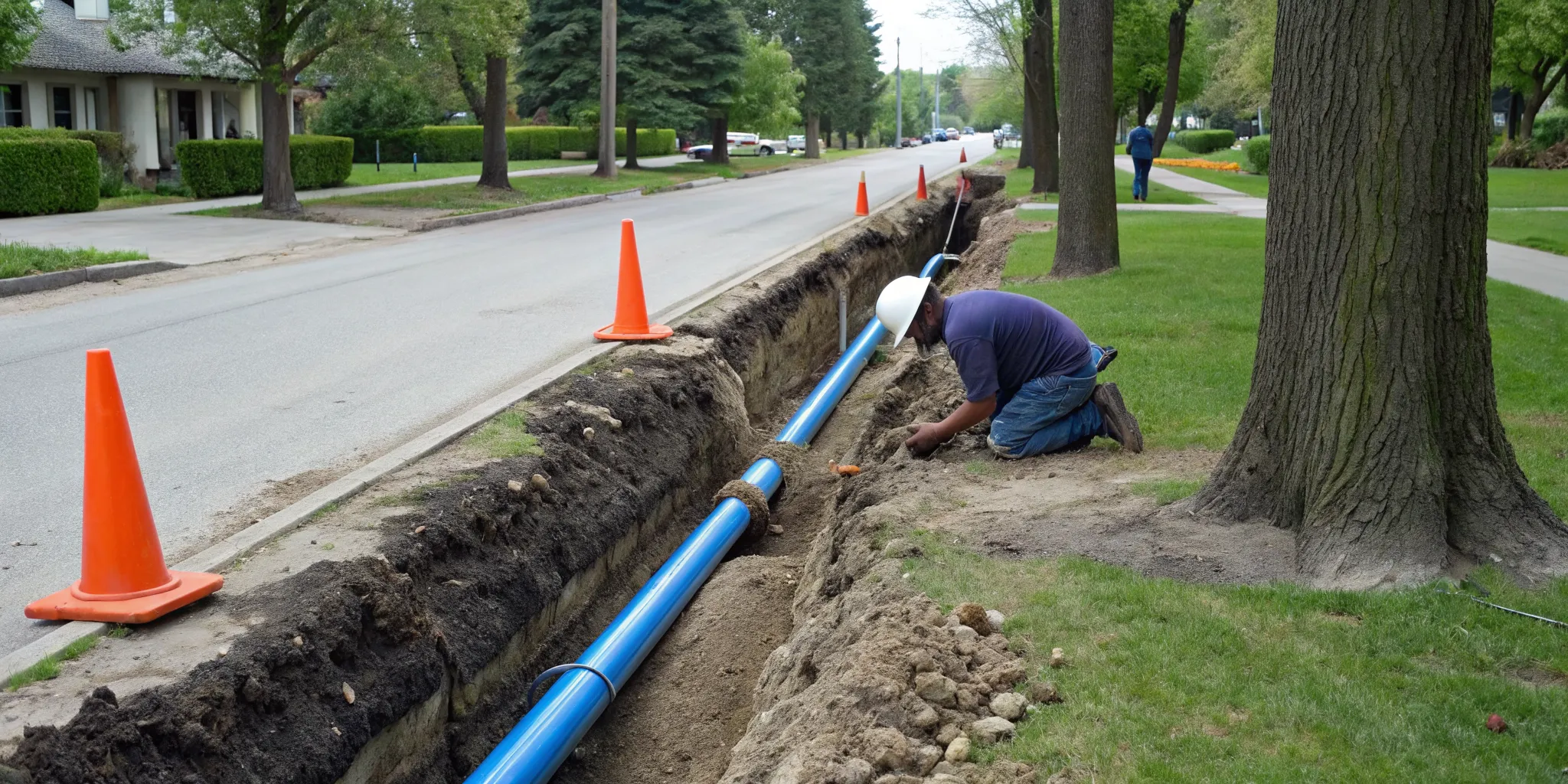
Sometimes, the problem isn’t inside your house at all. Tree roots are naturally drawn to the moisture and nutrients in your sewer lines. They can find their way into tiny cracks in the pipes and, once inside, they expand and create a massive blockage. This is a common issue in established neighborhoods like Northville with beautiful, mature trees. A root-filled pipe can cause slow drains throughout your entire home, gurgling sounds, and even sewage backups. This is a serious plumbing issue that requires sewer repair services to prevent extensive damage to your pipes and property.
Hard Water Mineral Buildup
Michigan is known for its hard water, which is water with a high concentration of minerals like calcium and magnesium. Over the years, these minerals can build up on the inside of your pipes, a process called scaling. Think of it like plaque building up in an artery; it gradually narrows the pipe and restricts water flow. This can lead to chronically low water pressure and persistent clogs that seem to have no other cause. While chemical cleaners won’t touch this kind of buildup, a professional plumber has the tools to safely remove mineral scale and restore your pipes to their full capacity.
Signs It’s Time to Call a Plumber
Some plumbing problems whisper before they shout. Knowing the early warning signs of a clogged drain can help you avoid a messy, expensive disaster. If you notice any of these issues, it’s a good idea to give a professional a call.
Your Sinks or Tubs Are Draining Slowly
A slow-draining sink or tub is one of the first clues that a clog is forming. You might notice the water pooling around your feet in the shower or taking forever to empty from the kitchen sink after you do dishes. While it might seem like a minor annoyance, it’s a clear sign that something is obstructing your pipes. Hair, soap scum, or food particles can build up over time, gradually narrowing the passage for water. Ignoring a slow drain can allow the blockage to grow, eventually leading to a complete backup and potentially more complex and costly repairs. Acting quickly when you notice a slow drain can save you a lot of trouble down the road.
You Hear Gurgling Noises from Your Pipes
Have you ever heard a strange gurgling sound coming from your drains after you flush the toilet or run the faucet? That noise isn’t just your house settling; it’s a cry for help from your plumbing. Gurgling happens when air gets trapped in your pipes by a blockage and is then forced through the water, creating that distinct sound. It’s a strong indicator that a clog is forming somewhere in the drain line. If you don’t address it, the blockage can worsen, leading to slow drains or even a complete sewage backup. If your pipes are talking to you, it’s a good idea to listen and call for a professional plumbing inspection.
Your Drains Smell Bad
An unpleasant odor wafting from your drains is a sure sign that something is wrong. That rotten-egg or sewage smell is often caused by food, grease, and other waste material getting trapped and decomposing inside your pipes. Not only is the smell unpleasant, but it also indicates a buildup that can attract bacteria and lead to more significant plumbing issues. While you might try to mask the odor with air fresheners, that won’t solve the underlying problem. A persistent bad smell means it’s time to have a professional plumber clean out the clog for good. Don’t live with the stink; contact us to get your drains smelling fresh again.
Multiple Drains Are Clogged at Once
If you notice that your kitchen sink, bathroom toilet, and shower are all draining slowly at the same time, you’re likely dealing with a much bigger issue than a simple, isolated clog. When multiple fixtures are affected, it usually points to a blockage deep within your home’s main sewer line. This is a serious problem that DIY methods simply can’t fix. A main line clog can be caused by anything from accumulated debris to invasive tree roots. If you don’t address it immediately, you risk a messy and unsanitary sewage backup into your home. This situation often requires emergency plumbing services to prevent extensive damage.
Water Is Backing Up into Sinks or Showers
Seeing dirty water come back up your drains is one of the most alarming signs of a severe clog. If water from your toilet backs up into the shower or water from your washing machine floods the kitchen sink, you have a plumbing emergency on your hands. This means there is a complete blockage in your main drain line, and the wastewater has nowhere else to go but back into your home. This not only creates a health hazard but can also cause significant water damage to your floors, walls, and belongings. At the first sign of a backup, stop using your water and call a professional plumber right away.
DIY Drain Cleaning: When to Try It and When to Stop
When you notice a drain slowing down, your first instinct might be to grab a bottle of chemical drain cleaner or a plunger. And sometimes, that’s all it takes! A little hands-on effort can often resolve minor issues, saving you time and money. However, it’s just as important to recognize when a clog is more than you can handle. Pushing a DIY fix too far can turn a small problem into a major, costly repair. Knowing the difference between a simple blockage and a serious obstruction is key to protecting your home’s plumbing system. Let’s walk through when it’s okay to roll up your sleeves and when it’s time to call in the experts.
When a DIY Fix Might Work
Facing a slow drain can be frustrating, but you don’t always have to reach for the phone right away. For minor clogs, a little DIY effort can often save the day. If you’re dealing with a single slow-draining sink or shower, it’s likely a simple blockage near the surface. Things like hair, soap scum, or small food particles are common culprits. You can try using a plunger to dislodge the obstruction or pour a mixture of baking soda and vinegar down the drain, followed by hot water. Another effective trick is to clean out the P-trap, that U-shaped pipe under your sink, where gunk often collects. These methods are great first steps for simple problems and are part of maintaining your home’s plumbing system.
When to Put Down the Tools and Call a Pro
So, you’ve tried the plunger and the baking soda trick, but the water is still standing. It’s time to know when to call it quits. As a general rule, if you’ve spent about 30 minutes trying to clear a clog with no success, it’s best to stop. Pushing further could damage your pipes. You should definitely call a professional if you notice recurring clogs, multiple drains backing up at once, or foul odors that won’t go away. These are classic signs of a deeper issue, like a main sewer line blockage, that requires specialized tools. When water starts backing up into your sink or shower, it’s a clear signal to get emergency plumbing help right away.
How a Professional Plumber Clears Clogged Drains
When a stubborn clog refuses to budge, it’s time to call in the pros. While a plunger or a chemical drain cleaner might seem like a quick fix, they often only address the surface of the problem, and some can even harm your pipes. A professional plumber, on the other hand, arrives with the right tools and expertise to not only clear the blockage but also diagnose the underlying cause. We believe in providing long-lasting solutions, not temporary patches. Our goal is to figure out why your drain is clogged, whether it’s due to years of buildup, an object that went down the sink, or even tree roots invading your sewer line.
Think of it this way: a DIY solution is like taking a painkiller for a toothache, while a professional plumber is like the dentist who finds and fixes the cavity. We don’t just want to make the symptom (the clog) go away for a little while. We want to solve the root problem to keep it from coming back. Depending on the severity and location of the clog, we use a combination of proven techniques to get your plumbing flowing smoothly again. Here are some of the methods a professional plumber uses to tackle even the toughest clogs.
Drain Snaking
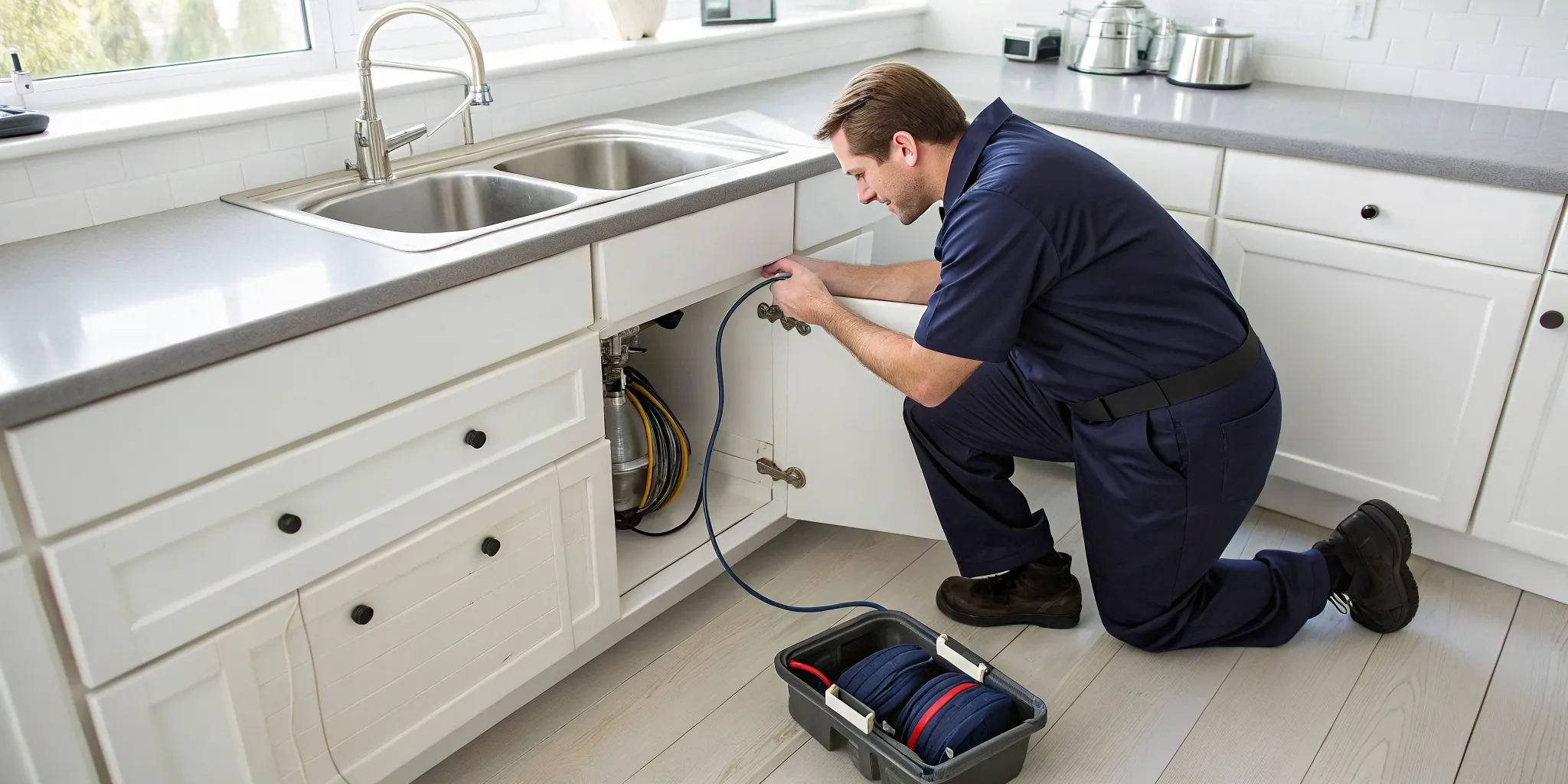
This is often the first tool we reach for. A drain snake, or auger, is a long, flexible cable that we feed into the pipe to break up or pull out a blockage. It’s much more powerful than the small, handheld versions you can buy at a hardware store. Professional-grade snakes can reach deep into your plumbing system to clear out tough clogs caused by hair, soap scum, or small objects. In Michigan, having a professional snake a drain is an effective and affordable first step for most common clogs, making it a go-to method for quick and reliable results.
High-Pressure Hydro-Jetting
For more serious blockages, like heavy grease buildup or invasive tree roots, snaking might not be enough. That’s when we bring out the hydro-jetter. This powerful tool uses a high-pressure stream of water to blast away years of accumulated gunk from the inside of your pipes. Unlike a snake, which just pokes a hole through the clog, hydro-jetting scours the entire pipe wall clean. It’s an incredibly effective way to restore your pipes to a like-new condition and is one of the many expert plumbing solutions we offer to keep your system in top shape for years to come.
Video Camera Inspections
If you have a clog that keeps coming back, there’s likely an underlying issue that a snake or hydro-jetter alone won’t solve. To get to the root of the problem, we use a waterproof video camera attached to a flexible rod. We guide the camera through your pipes to get a real-time look at what’s going on inside. This technology helps us pinpoint the exact location and cause of the clog, whether it’s a collapsed pipe, a severe tree root intrusion, or a foreign object. A video inspection is especially useful for older homes in Northville with aging plumbing systems.
Sump Pump Repair and Maintenance
Sometimes, what looks like a drain clog is actually a sign of a different problem. If water is backing up into your basement, the issue might not be a simple clog but a failing sump pump. Your sump pump is your first line of defense against flooding, and if it can’t keep up, you’ll see water where it doesn’t belong. As part of our diagnostic process, we check all related systems. If we find that the issue is your pump, we provide expert sump pump services to get it working again and protect your home from water damage.
24/7 Emergency Service
A backed-up sewer line or a severely overflowing toilet can’t wait until morning. These situations are not just inconvenient; they can cause serious water damage and pose health risks. That’s why we’re available 24 hours a day, 7 days a week, for any plumbing crisis. When you have a major clog that needs immediate attention, you can count on our emergency plumbing team to respond quickly. We’ll be there to get your system back in order, no matter the time of day or night, because we believe you deserve peace of mind.
How Much Does It Cost to Unclog a Drain in Northville?
Let’s talk about the question on everyone’s mind: what’s this going to cost? While there isn’t a single magic number, I can walk you through the factors that go into the price and give you a realistic idea of what to expect. The cost to clear a drain in Northville depends on a few key things, so getting a quote is always the best first step. A trustworthy plumber will be transparent about their pricing and explain exactly what you’re paying for before they start any work.
What Affects the Final Price?
The final bill for a plumbing job isn’t pulled out of thin air. Several factors determine the cost, including how complex the clog is and when you need the service. A simple kitchen sink clog on a Tuesday afternoon will naturally cost less than an emergency sewer line backup on a holiday weekend. Some plumbers charge by the hour, while others offer a flat rate for specific jobs. The cost of hiring a plumber is also influenced by the tools required. For example, a simple drain snake is a different job than one needing a full hydro-jetting setup. Always ask for a detailed estimate upfront to understand the breakdown.
Typical Costs for Different Services
So, what’s a typical range? For a straightforward clog in a sink, tub, or shower here in Michigan, you might see costs starting around $110 to $135. However, for more stubborn or deeper blockages, the price can go up. The average cost for drain cleaning can range from about $100 to $600, depending on where the clog is located and what method is needed to clear it. A main line clog, for instance, will be at the higher end of that spectrum because it requires more time and specialized equipment to resolve properly.
Ask About Guarantees and Warranties
When you’re comparing quotes, don’t just look at the bottom-line number. The cheapest option isn’t always the best value. A reputable plumber will stand behind their work with a satisfaction guarantee or warranty. This is your assurance that if the problem comes back soon after, they’ll return to fix it. We believe in this so strongly that we built our company on a 100% customer satisfaction guarantee. Paying a little more for a company that guarantees its workmanship can save you money and headaches down the road, ensuring the job is done right the first time. It’s about finding a long-term solution, not just a temporary fix.
How to Choose the Right Plumber in Northville
When you’re dealing with a stubborn clog or a backed-up drain, the last thing you want is the added stress of finding a reliable plumber. Choosing the right professional from the start can save you time, money, and a lot of frustration. A great plumber not only fixes the immediate problem but also provides peace of mind, knowing the job was done right. But with so many options, how do you find the best fit for your Northville home? It comes down to asking the right questions and looking for a few key qualities that separate the experts from the rest. Taking a few minutes to vet your options will ensure you partner with a company that values your home as much as you do.
Check for Proper Licensing and Insurance
First things first: any plumber you consider should be fully licensed and insured. This is a non-negotiable. A license proves they have met the state’s requirements for training and knowledge, so you know a qualified professional is working on your home’s plumbing system. Insurance is just as important, as it protects you from any liability if an accident happens on your property. Don’t be shy about asking for proof of both. A reputable company will be happy to provide it. This simple step ensures you’re working with a team that operates professionally and stands behind its work, which is a core part of our family-owned business.
Look for Transparent Pricing and Guarantees
No one likes surprise fees on their final bill. A trustworthy plumber will offer transparent, upfront pricing so you know what to expect before any work begins. While costs can vary, a plumber typically charges between $45 and $200 per hour, so be wary of any quote that seems unusually low or high. Always ask for a detailed estimate and inquire about any guarantees on their workmanship. A company that offers a satisfaction guarantee shows confidence in their skills and a commitment to their customers. Feel free to call for an estimate to get a clear idea of the costs involved in your specific repair.
Confirm Their Availability and Response Time
Plumbing emergencies don’t stick to a 9-to-5 schedule, and a clogged drain can quickly escalate from an annoyance to a major problem. That’s why it’s smart to find a plumber who offers prompt service and is available when you need them most. Look for a company that provides 24/7 availability for urgent issues. A quick response time can be the difference between a simple fix and extensive water damage. When your sink is backing up or your toilet is overflowing, you need to know that help is on the way. Having access to emergency plumbing services gives you crucial peace of mind.
Find a Trusted, Local Company
There’s a real benefit to hiring a local, family-owned plumbing company. Local plumbers have a reputation to uphold within the community and are often more invested in providing excellent service to their neighbors. They also have a better understanding of common plumbing issues specific to Northville homes, from hard water buildup to problems with older pipes. Check online reviews and ask friends for recommendations to find a company with a proven track record. Choosing a trusted local expert means you’re not just another job number; you’re a valued member of the community they serve. A local pro will offer a wide range of expert plumbing solutions tailored to your home.
Keep Your Drains Clear With These Simple Tips
After dealing with a stubborn clog, the last thing you want is a repeat performance. The good news is that you have more control than you might think. A few simple habits can make a huge difference in keeping your pipes clear and your water flowing freely. Think of it as preventative care for your home’s plumbing system. By being mindful of what goes down your drains, you can often stop clogs before they even have a chance to form, saving yourself from future frustration. It’s about creating a routine that protects your pipes from the daily wear and tear of household life.
Of course, some plumbing problems are out of your hands. Issues like invasive tree roots or problems with your main sewer line require a professional touch. But for the day-to-day clogs caused by hair, grease, and soap scum, a little effort goes a long way. Following these tips can help you avoid the stress and cost of an unexpected backup. And if you ever do face a plumbing crisis that’s beyond a simple fix, knowing you have a reliable team for emergency plumbing can provide peace of mind. Taking these small steps not only helps your plumbing but also helps you feel more in control of your home’s maintenance.
Use Drain Screens and Strainers
One of the easiest and most effective ways to prevent clogs is to stop them at the source. Using drain screens and strainers in your kitchen and bathroom sinks, showers, and tubs can help catch debris before it enters your pipes. These simple, inexpensive gadgets sit over the drain and trap hair, food scraps, and other solids while letting water pass through. As one plumbing expert notes, “Using drain screens and strainers can help catch debris and prevent clogs from forming in the first place.” Just remember to clean them out regularly. A strainer full of hair is just as effective at blocking water as a clog deep in your pipes. Making this small change can save you from a major headache down the road.
Know How to Dispose of Grease
Your kitchen sink drain is particularly vulnerable to clogs, and the main culprit is often grease. When you pour cooking oils, fats, or greasy food residue down the drain, it might seem harmless because it’s in a liquid state. However, as it cools, the grease solidifies and sticks to the inside of your pipes, creating a sticky trap for other food particles and debris. To avoid this, “Never pour grease down the drain. Instead, let it cool and dispose of it in the trash to avoid buildup in your pipes.” A great way to do this is to pour the cooled grease into an old coffee can or glass jar. Once it’s full, you can simply throw the whole container in the garbage. It’s a simple habit that keeps your kitchen pipes healthy.
Schedule Routine Drain Maintenance
Even if you’re careful, buildup in your pipes can happen over time. That’s why scheduling routine maintenance is a smart move for any homeowner. “Regular maintenance can help identify potential issues before they become major problems,” saving you from the cost and inconvenience of an emergency repair. A professional plumber can thoroughly clean your drains, removing the slow accumulation of soap scum, minerals, and other gunk that DIY methods can’t always reach. Think of it as a yearly check-up for your plumbing. Having a professional inspect and clean your drains can extend the life of your pipes and give you confidence that everything is working as it should. If you want to be proactive about your home’s plumbing health, you can explore our full range of plumbing services and find a maintenance plan that works for you.
Related Articles
- Clogged Drain Repair Plumbers in Southfield, MI | Mr. Pipey® Plumbing
- Drain Backup in Basement? A Step-by-Step Guide
- Drain Cleaning in Detroit & Royal Oak MI | Mr. Pipey® Plumbing
- 7 Signs You Need an Emergency Plumber Now
- A Homeowner’s Guide to Old Basement Drainage Systems
Frequently Asked Questions
Why shouldn’t I just use a chemical drain cleaner from the store? While chemical cleaners seem like a quick fix, they can be pretty harsh on your plumbing. They work by creating a chemical reaction to dissolve the clog, which can also corrode your pipes over time, especially if you have an older home. Often, they only burn a small tunnel through the blockage instead of clearing it completely, so the problem is likely to return. If the chemical fails to clear the drain, you’re left with a pipe full of caustic liquid, which is a safety hazard for you and any plumber who comes to help.
What’s the real difference between drain snaking and hydro-jetting? Think of it this way: snaking is like poking a hole through a blockage to get water moving again. A professional drain snake is a flexible tool that breaks up or pulls out a specific obstruction, which is very effective for common clogs caused by hair or a small object. Hydro-jetting, on the other hand, is a complete cleaning. It uses a high-pressure stream of water to scour the entire inside of the pipe, removing years of accumulated grease, scale, and grime. It restores the pipe to its original diameter and is a much more thorough, long-lasting solution.
How often should I have my drains professionally cleaned? There isn’t a one-size-fits-all answer, as it depends on the age of your home’s plumbing and your household’s habits. As a general guideline for preventative care, having your drains professionally cleaned every one to two years is a great way to avoid unexpected backups. If you live in an older home, have a large family, or notice your drains are frequently slow, you might consider making it a yearly appointment to keep everything flowing smoothly.
Why are all of my drains suddenly slow at the same time? When you see multiple drains in your house backing up at once, like in the kitchen sink and a downstairs shower, it’s a major red flag. This almost always points to a blockage in your home’s main sewer line. All the smaller drain pipes from your sinks, toilets, and tubs feed into this single main line. When that line gets clogged by things like invasive tree roots or years of debris, the wastewater has nowhere to go and backs up into the lowest points in your home. This is a serious issue that requires immediate professional help.
Is there anything I can do to stop tree roots from getting into my pipes? Preventing tree roots completely can be difficult, as they are naturally drawn to the moisture in sewer lines and can force their way into even the smallest cracks. However, you can be proactive. Scheduling a video camera inspection every few years can help you spot root intrusion before it becomes a major blockage. If roots are found, regular hydro-jetting can cut through them and clear the line. For older, more vulnerable pipes, this routine maintenance is the best defense against a root-related emergency.