
Not all clogs are created equal. Some are minor inconveniences, while others are full-blown emergencies waiting to happen. Knowing the difference can save you from significant stress, water damage, and costly repairs. If you’re hearing strange gurgling sounds, smelling foul odors, or noticing multiple drains backing up at once, your home is sending you a serious warning sign. These symptoms point to a problem that requires immediate attention. This article will help you identify the red flags of a true plumbing emergency and know when you need to contact a clogged drain plumber in Ferndale, MI, right away.
Key Takeaways
- Prioritize prevention with simple habits: You can avoid most clogs by using drain screens to catch hair, disposing of cooking grease in the trash, and only flushing toilet paper and human waste.
- Recognize when a clog is a red flag: If a drain is constantly backing up, multiple drains are slow at once, or you notice foul odors, it’s a sign of a deeper issue that needs a professional diagnosis.
- Invest in a real solution, not a quick fix: Chemical drain cleaners can damage your pipes over time. A professional plumber can safely identify and resolve the root cause of the blockage, saving you from future headaches and costly repairs.
What’s Clogging Your Ferndale Drains?
A slow drain is more than just an annoyance; it’s your home’s way of telling you something is wrong. While it’s tempting to reach for a quick-fix chemical cleaner, understanding the root cause of the clog is the key to a lasting solution. In a place like Ferndale, with its unique mix of beautiful older homes and mature trees, the culprits can range from everyday buildup to more serious plumbing issues. Let’s look at some of the most common reasons your drains might be giving you trouble.
Hair and Soap Buildup
It’s the classic bathroom mystery: one day your shower drains perfectly, and the next you’re standing in a puddle. The most likely suspects are hair and soap scum. Over time, loose hairs wash down the drain and get tangled up. Soap residue then binds it all together, creating a dense, stubborn blockage that water can barely squeeze past. While it’s a completely normal part of life, you can slow down the process by using a simple drain screen to catch hair before it disappears. When buildup does happen, a professional cleaning can get your pipes flowing freely again without damaging them.
Grease and Food Debris
In the kitchen, the biggest enemy of your plumbing is often what comes off your plates. Pouring cooking grease, oils, and fats down the sink might seem harmless, but it’s a recipe for disaster. As the grease cools, it solidifies inside your pipes, acting like sticky glue for any food scraps that follow. Before you know it, you have a solid, smelly blockage that a plunger can’t fix. The best habit you can form is to never pour grease down the sink. Instead, let it cool and dispose of it in the trash. Using a mesh strainer in your sink will also catch food particles and keep your drain happy.
Hard Water Mineral Deposits
Did you know your water itself could be clogging your pipes? Ferndale is known for having hard water, which means it contains a high concentration of dissolved minerals like calcium and magnesium. Over the years, these minerals can build up on the inner walls of your pipes, creating a layer of scale. This buildup gradually narrows the pipe’s diameter, restricting water flow and leading to persistent slow drains. It’s a sneaky problem because it happens so slowly you might not notice until it’s already causing issues. If you’re dealing with recurring clogs and low water pressure, mineral buildup could be the hidden cause.
Tree Root Intrusion and Old Pipe Deterioration
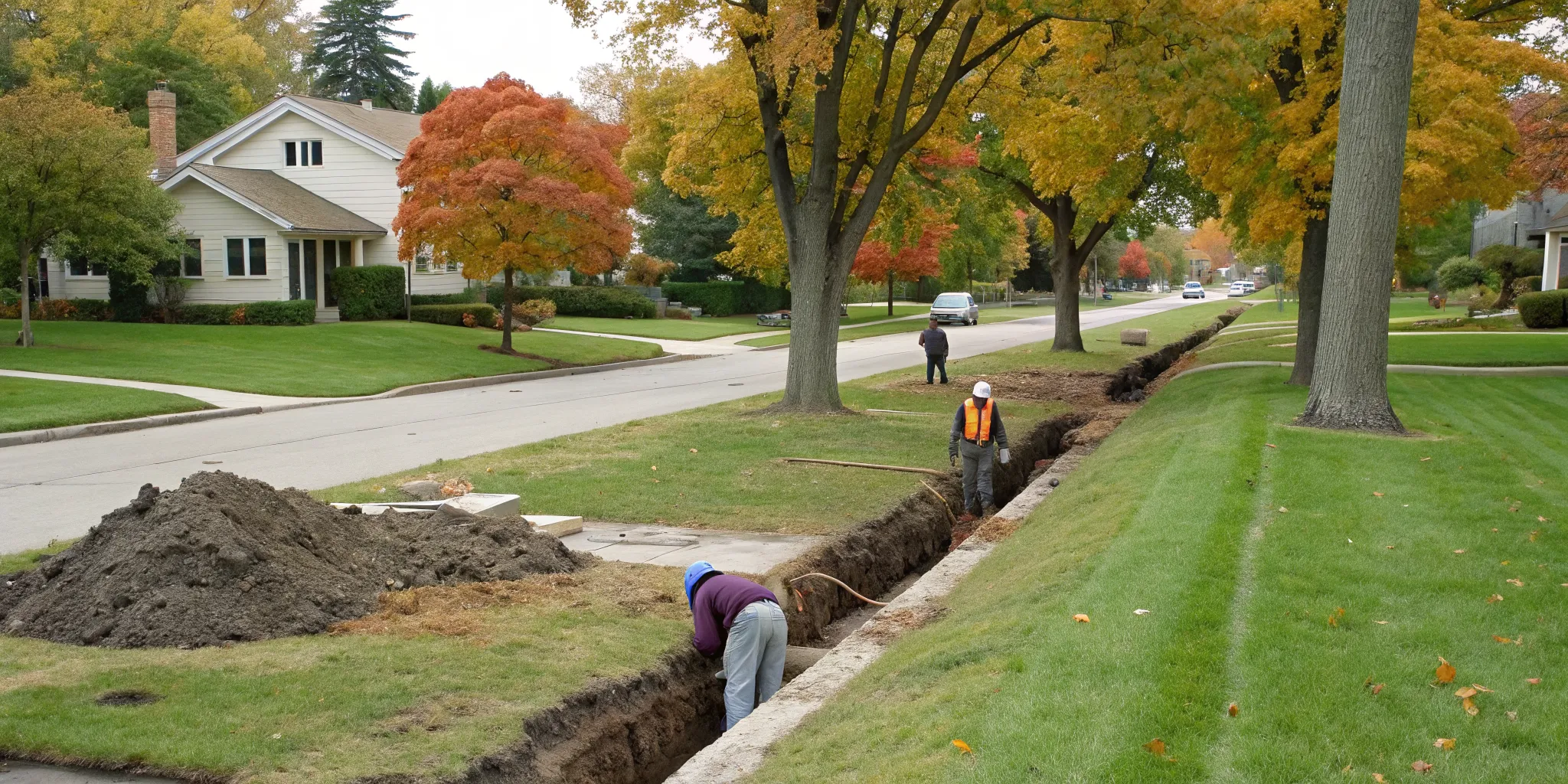
Ferndale’s beautiful, mature trees are one of its best features, but their roots can be a major threat to your sewer line. Tree roots are naturally drawn to the moisture and nutrients inside your pipes and can work their way into even the tiniest cracks. Once inside, they expand and create a tangled web that catches everything flowing down the drain, leading to a serious blockage. This problem is especially common in homes with older clay or cast iron pipes, which can deteriorate and crack over time. A root-filled pipe is a serious issue that can quickly become an emergency plumbing situation if not addressed by a professional.
When to Call a Plumber for a Clogged Drain
It’s tempting to reach for a plunger or a chemical drain cleaner at the first sign of trouble. Sometimes, those quick fixes work for minor issues. But many times, a clog is a symptom of a bigger problem brewing in your pipes. Ignoring the warning signs can lead to bigger, messier, and more expensive problems down the road. Knowing when to step back and call a professional is key to protecting your home’s plumbing. If you notice any of the following signs, it’s time to put down the DIY tools and pick up the phone.
Slow Draining Water
A slow drain is often the first hint that a clog is forming. You might notice water pooling around your feet in the shower or the kitchen sink taking forever to empty. This happens when hair, soap scum, grease, and other debris start building up on the walls of your pipes, narrowing the path for water to flow. While it might seem like a small annoyance, it’s a clear sign that a complete blockage could be next. If a drain is consistently slow, it means the clog is established and likely won’t clear on its own. A professional plumber can quickly and effectively remove the obstruction before it becomes a full-blown backup, saving you from a future plumbing headache.
Recurring Clogs
Are you constantly fighting with the same clogged drain every few weeks? If you feel like you’re in a never-ending battle with your plunger, it’s a sign that you’re only addressing the symptom, not the cause. Recurring clogs suggest a more serious underlying issue that DIY methods can’t resolve. The problem could be a large, stubborn clog deep within the pipe that your efforts can’t reach. It could also point to bigger issues like tree roots invading your sewer line or older pipes that are damaged. A professional can use advanced diagnostic tools to find the root of the problem and provide a lasting solution for all your plumbing needs.
Multiple Drains Clogged at Once
If you notice that your toilet won’t flush, your shower is backing up, and your sink is gurgling all at the same time, you have a serious problem. When multiple fixtures in your home are clogged simultaneously, it’s a definite sign that the blockage isn’t in an individual drain. The culprit is almost always a clog in your main sewer line. This is the large pipe that carries all the wastewater from your house to the municipal sewer. A main line clog is a plumbing emergency that requires immediate attention from a professional. Trying to fix it yourself can make the situation worse and even lead to a raw sewage backup in your home.
Foul Odors and Gurgling Sounds
Your drains should work silently and without any strange smells. If you start hearing gurgling sounds from your sinks or toilets, it’s a sign that air is trapped in your pipes by a blockage. As water tries to squeeze past the clog, it forces air bubbles back up, creating that tell-tale gurgle. Foul, sewer-like odors are another red flag. These smells mean that waste and bacteria are stuck in the drain instead of being washed away, allowing smelly gases to rise into your home. Don’t just live with the unpleasant sounds and smells; they are your plumbing system’s way of telling you it needs expert help.
Basement Floor Drain Backup After Heavy Rain
For homeowners in Ferndale, a basement floor drain that backs up during a heavy downpour is a common but serious issue. When it rains hard, the municipal sewer system can become overwhelmed. If your home’s sewer line has a partial clog or damage, it won’t be able to handle the excess water, forcing it back up through the lowest point in your house: the basement floor drain. This can also indicate a problem with your sump pump’s ability to manage groundwater. A basement backup not only creates a mess but can also lead to significant water damage and mold growth. If this happens, it’s crucial to have your sump pump and sewer line inspected.
Clogged Drain? When It’s a Real Emergency
While many clogged drains are just a nuisance, some are genuine emergencies that can cause serious damage to your home and property. Knowing how to spot the difference can save you from a major headache and costly repairs down the line. If you notice the signs below, it’s not a situation for a bottle of chemical drain cleaner or wishful thinking. These symptoms point to a significant problem within your plumbing system that requires immediate, professional help.
Sewage Backup
A sewage backup is exactly what it sounds like, and it’s one of the most serious plumbing issues a homeowner can face. Instead of water flowing down your drains, it comes back up, bringing foul-smelling wastewater with it. You might see water rising in your shower instead of draining, or a toilet that overflows when you run the sink. This isn’t just messy; it’s a significant health hazard that can contaminate your home. A sewage backup is a clear sign of a major blockage in your main sewer line, and it qualifies as a true emergency plumbing situation. Don’t hesitate to call for help right away to protect your home and family.
Complete Drain Blockage and Flooding Risk
A complete blockage can quickly escalate from an inconvenience to a disaster, especially when it comes to your basement. For homeowners in Ferndale, a basement floor drain that backs up during a heavy rainstorm is a huge red flag. This indicates your main drain is likely overwhelmed or completely blocked, leaving all that water with nowhere to go but onto your floor. This creates a serious risk of flooding and water damage. Remember, a stubborn clog rarely resolves on its own. If you’ve been ignoring slow drains, gurgling sounds, or unpleasant odors, you’re likely headed for a complete blockage. It’s best to contact a professional to address the issue before you’re dealing with a flooded basement.
How to Keep Your Drains Clear
An ounce of prevention is worth a pound of cure, especially when it comes to your home’s plumbing. Dealing with a clog is a hassle, but the good news is that you can prevent most of them with a few simple habits. Taking a little time to be mindful of what goes down your drains can save you from the stress and expense of an emergency call. Here are a few straightforward tips to keep your pipes flowing freely.
Use Drain Screens and Strainers
This is one of the easiest and most affordable ways to protect your drains. Installing a simple mesh screen over your shower and bathroom sink drains is a game-changer. These little guards are fantastic at catching hair and soap scum before they can wash down the pipe and create a stubborn blockage. You can find them at any hardware or home goods store. Just remember to clean them out regularly. It’s a small, two-minute task that prevents a much bigger headache down the road.
Dispose of Grease and Food Scraps Properly
Your kitchen sink isn’t a garbage can, even if you have a disposal. Cooking grease, oils, and fats are major culprits for clogs because they solidify in your pipes, creating a sticky trap for other debris. Always pour grease into a disposable container and throw it in the trash once it cools. It’s also a good idea to use a sink strainer to catch food scraps. Things like coffee grounds, eggshells, pasta, and rice expand with water and can quickly lead to a backup. Scrape your plates into the compost or trash before rinsing.
Be Mindful of What You Flush
Let’s talk toilets. The only things that should ever be flushed are human waste and toilet paper. That’s it. Even products marketed as “flushable,” like wipes and feminine hygiene products, don’t break down properly and are a primary cause of serious sewer line blockages. These items can get caught in your pipes and lead to messy backups that require professional toilet repair. To keep your plumbing system happy, stick to only flushing what’s safe and put a small trash can in your bathroom for everything else.
Schedule Routine Plumbing Maintenance
Just like your car needs regular oil changes, your home’s plumbing system benefits from periodic check-ups. Scheduling routine plumbing maintenance is the best way to catch small issues before they become big, expensive emergencies. A professional can inspect your pipes, clear out any minor buildup that’s starting to form, and ensure everything is working as it should. This proactive approach not only prevents clogs and foul odors but also extends the life of your plumbing, giving you peace of mind and protecting your home from unexpected water damage.
How Much Does Drain Cleaning Cost?
Let’s talk about one of the first questions on everyone’s mind: what’s this going to cost? The truth is, there’s no single price tag for drain cleaning because every clog is different. The final cost depends on where the clog is, how severe it is, and what it takes to clear it for good. A simple kitchen sink blockage will cost less than a major sewer line backup caused by tree roots.
Think of it like this: a quick fix might be cheaper now, but a thorough cleaning that addresses the root cause will save you from calling for help again in a few months. We believe in transparent pricing and will always walk you through the problem and the solution before any work begins, so you know exactly what to expect.
Factors That Affect the Price
The price of drain cleaning can vary quite a bit, and it really comes down to the complexity of the job. A minor clog in a single drain is on the lower end of the cost spectrum. However, if the problem lies deep within your sewer line, the price will reflect the more intensive work required. For example, a major sewer line repair can range from a few thousand dollars for pipe lining to a much larger investment for a full replacement that requires excavation. The key factors are the clog’s location and severity, which determine the tools and time needed to resolve the issue and prevent it from becoming a costly emergency plumbing situation.
Drain Cleaning vs. Hydro-Jetting Costs
When a standard drain snake won’t cut it, we often turn to hydro-jetting. This method uses a high-pressure stream of water to blast away years of accumulated grease, soap scum, and even tree roots from the inside of your pipes. While hydro-jetting can cost more than a simple snaking, it’s incredibly effective. It doesn’t just poke a hole through the clog; it thoroughly cleans the entire pipe wall. This comprehensive cleaning makes it a fantastic value, as it restores your pipes to a like-new condition and helps prevent future blockages. We offer a full range of drain cleaning services to match the solution to your specific problem.
When Paying More Upfront Saves You Money Later
It’s always tempting to choose the lowest price, but when it comes to plumbing, the cheapest option isn’t always the most cost-effective. A low-cost service might only provide a temporary fix, leaving you with the same recurring clog a few months later. Investing in a reputable plumber who takes the time to diagnose the true source of the problem will save you money and frustration in the long run. As a family-owned business, we focus on providing reliable, long-lasting solutions. By choosing an experienced team with local knowledge, you’re paying for the peace of mind that comes with getting the job done right the first time.
Don’t Believe These Clogged Drain Myths
When you have a clogged drain, your first instinct is probably to find a quick fix. It’s tempting to grab a bottle of drain cleaner or plunge away until the water goes down. While some DIY methods can work for minor issues, a lot of common advice is based on myths that can lead to bigger, more expensive problems. Let’s clear up a few of these misconceptions so you can handle your next clog the right way and protect your home’s plumbing.
Chemical Drain Cleaners Are Safe for Your Pipes
Many people think liquid drain cleaners are a magic bullet for clogs. While they might clear some gunk, they often do more harm than good. These products use harsh chemicals to dissolve blockages, but those same chemicals can also eat away at your pipes. Over time, this corrosion can weaken your plumbing system, leading to leaks and cracks, especially in older homes with metal pipes. Instead of risking long-term damage for a temporary fix, it’s much safer to have a professional clear the line. Our expert plumbing solutions can resolve the clog without compromising your pipes.
A Plunger Always Does the Job
A plunger is a fantastic tool, and it’s often the first thing you should try for a simple clog in a toilet or sink. However, it’s not a cure-all. If you’ve given it a few good tries and the drain is still slow or completely blocked, it’s time to stop. Continuously forcing it can actually push the blockage deeper into your plumbing system or damage the wax ring on your toilet. If a clog keeps coming back, a plunger is just a temporary fix for a deeper problem. Persistent clogs are a clear sign you need a professional to find and fix the real source of the issue, which could be anything from a major blockage to a problem with your toilet’s mechanics.
Tree Roots Are Not a Real Concern in Residential Areas
This is a big one, especially in beautiful, established neighborhoods like Ferndale. It’s easy to assume that tree roots are only a problem for homes in rural areas, but they are a major cause of sewer line clogs everywhere. Tree roots are naturally drawn to the moisture and nutrients inside your pipes. They can sneak into tiny cracks and, once inside, grow into a dense mass that blocks flow and can even break the pipe apart. If you’re experiencing frequent backups or slow drains throughout your house, root intrusion could be the culprit. This is a serious issue that requires professional equipment to diagnose and resolve, often qualifying as an emergency plumbing situation.
How to Choose the Right Plumber for Clogged Drains
When you’re dealing with a stubborn clog, it’s tempting to call the first plumber you find. But taking a moment to choose the right professional can save you from future headaches and surprise costs. Finding a reliable plumber isn’t just about fixing the immediate problem; it’s about finding a partner who understands your home and is committed to providing a lasting solution. Here’s what to look for to ensure you’re hiring a true expert for your Ferndale home.
Experience, Licensing, and Local Knowledge
A plumber’s experience, especially with homes in the Ferndale area, is invaluable. An expert with local knowledge will be familiar with common issues like older pipe systems or invasive tree roots that are prevalent in our neighborhoods. This insight allows them to diagnose problems faster and more accurately than someone unfamiliar with the area. Always confirm that your plumber is licensed and insured. This protects you from liability and ensures they meet professional standards. A family-owned company often brings a deep understanding of the community they serve, treating your home with the same care they would their own.
Range of Services and Diagnostic Technology
A simple clog can sometimes be a symptom of a much larger issue. That’s why it’s wise to choose a plumber who offers a full range of expert plumbing solutions. Look for a company that uses modern diagnostic technology, like in-pipe video cameras, to pinpoint the exact cause and location of a blockage. This approach ensures they aren’t just guessing. A plumber equipped to handle anything from a basic drain cleaning to hydro-jetting or even a full pipe repair can provide the right fix the first time, preventing the clog from coming right back. This versatility shows they are prepared for any situation.
Transparent Pricing and Satisfaction Guarantees
No one likes financial surprises, especially during a stressful plumbing situation. Look for a plumber who provides clear, upfront pricing so you know exactly what to expect before any work begins. A trustworthy company will stand behind its workmanship with a satisfaction guarantee. This shows they are confident in their skills and committed to getting the job done right. When a plumber guarantees their work, it gives you peace of mind knowing they are dedicated to providing a reliable, long-lasting solution. If you have questions about costs, don’t hesitate to contact them for a straightforward conversation.
Related Articles
- Drain Backup in Basement? A Step-by-Step Guide
- Clogged Drain Repair Plumbers in Southfield, MI | Mr. Pipey® Plumbing
- Drain Cleaning in Detroit & Royal Oak MI | Mr. Pipey® Plumbing
- Sewer Line Repair 101: A Homeowner’s Guide
- A Homeowner’s Guide to Old Basement Drainage Systems
Frequently Asked Questions
Are chemical drain cleaners really that bad for my pipes? Yes, they can be. While they might offer a temporary fix, the harsh chemicals in these cleaners can corrode your pipes over time, especially if you have an older home. This corrosion can lead to leaks and more serious damage down the road. It’s a short-term solution that often creates a long-term, expensive problem.
When should I stop trying to fix a clog myself and call a professional? A plunger is a great first step for a simple clog. However, if the water is still not draining after a few attempts, or if the clog comes back within a few days or weeks, it’s time to call for help. These are signs that the blockage is too deep or severe for DIY methods and needs an expert diagnosis.
What’s the most effective way to prevent clogs in my kitchen and bathroom? The best habits are simple ones. In the bathroom, use a mesh drain screen to catch hair before it goes down the drain. In the kitchen, never pour grease or oil down the sink; let it cool and throw it in the trash. Scrape food scraps off plates before rinsing. These small actions make a huge difference.
Why can’t I get an exact price for drain cleaning over the phone? The cost depends entirely on what’s causing the clog and where it’s located. A simple blockage in a sink drain requires different tools and time than a massive tree root invasion in your main sewer line. A trustworthy plumber needs to diagnose the problem first to give you an accurate price for the right solution.
My basement drain backs up during heavy rain. Is this a sign of a bigger issue? Absolutely. This is a major red flag that your main sewer line is partially blocked or damaged. When heavy rain overwhelms the city’s sewer system, that excess water has nowhere to go but back up into your home through the lowest point, which is usually the basement floor drain. This is a situation that requires immediate professional attention to prevent flooding and water damage.