
Your plumbing system has its own way of communicating, and a slow drain is often its first cry for help. Before you have a full-blown backup on your hands, your pipes will usually give you warning signs. Maybe it’s a strange gurgling noise after you flush the toilet, a foul odor coming from the kitchen sink, or multiple drains acting up at once. Ignoring these signals can lead to a much bigger, messier, and more expensive problem. Learning to recognize these early warnings is crucial. This article will walk you through the key signs that indicate it’s time to call a professional clogged drain plumber Farmington Hills MI to prevent a minor issue from becoming a major emergency.
Key Takeaways
- Practice simple drain maintenance: You can prevent most clogs by keeping grease out of the kitchen sink and using drain strainers in your showers to catch hair. These small habits make a huge difference in keeping your pipes clear.
- Recognize serious warning signs: While a single slow drain might be a DIY fix, don’t ignore recurring clogs, gurgling sounds, or multiple backups at once. These are clear signs of a deeper issue that requires professional attention.
- Hire a pro for a lasting fix: A qualified plumber uses the right tools, like video cameras and augers, to find and solve the root cause of the problem. For a reliable repair, choose a licensed and insured professional who offers transparent pricing and guarantees their work.
Signs It’s Time to Call a Clogged Drain Plumber
A slow drain is more than just a minor annoyance; it’s your plumbing system’s way of telling you something is wrong. While it’s tempting to ignore it or reach for a bottle of chemical drain cleaner, these early warnings can often signal a bigger problem brewing beneath the surface. Paying attention to the signs can help you avoid a full-blown plumbing emergency. If you notice any of these issues, it’s probably time to get professional plumbing solutions from a trusted expert.
Your Drains Are Slow
If you find yourself standing in a puddle of water by the end of your shower, or if your kitchen sink takes forever to empty, you’re seeing the first sign of a clog. Over time, things like hair, soap scum, grease, and food particles build up on the walls of your pipes, gradually narrowing the passage for water. While a single slow drain might seem manageable, it’s a clear indicator of a developing blockage. Addressing a slow drain early is often a straightforward fix for a professional and can prevent a complete, messy backup down the road.
You Hear Gurgling Sounds or Smell Odors
Your drains shouldn’t be talking to you. If you hear gurgling noises from your pipes after you flush a toilet or run the sink, it’s a sign that air is trapped in your plumbing by a blockage. As water struggles to get past the clog, it forces air bubbles back up, creating that distinct gurgling sound. Similarly, foul odors coming from your drains suggest that food and other waste are trapped and decomposing in the pipes. Don’t just light a candle; these smells are a clear warning that you need a plumber to clear the line before the problem gets worse.
Multiple Drains Are Backing Up
One clogged drain is a problem; multiple clogged drains are a potential emergency. If your toilet won’t flush properly, your shower is backing up, and your sinks are slow to drain all at once, the issue isn’t with an individual pipe. This points to a significant blockage in your main sewer line, the pipe responsible for carrying all of your home’s wastewater away. This is not a DIY job. A main line clog can cause raw sewage to back up into your home, creating a hazardous and expensive mess. It’s critical to contact a professional immediately.
The Same Clog Keeps Coming Back
Are you in a constant battle with the same stubborn drain? If you find yourself repeatedly using a plunger or pouring chemicals down a drain only for the clog to return a few days or weeks later, there’s a deeper issue. Recurring clogs mean that your efforts are only providing a temporary fix, not clearing the entire blockage. The problem could be a large, dense clog further down the pipe or even tree roots that have infiltrated your sewer line. A professional plumber has the tools to find and eliminate the root cause, saving you from the cycle of frustration.
What Causes Clogged Drains?
A slow-draining sink or a backed-up shower can bring your day to a screeching halt. While it’s tempting to think it’s a random problem, most clogged drains have a specific cause. Understanding what’s happening inside your pipes is the first step to preventing future headaches. From the kitchen sink to the main sewer line, different culprits are often at play. Knowing the enemy, so to speak, helps you take the right preventative steps and know when it’s time to call for professional help. Let’s look at the most common reasons your drains get blocked.
Kitchen Grease and Food Buildup
It might seem harmless to rinse a little cooking oil or a few leftover scraps down the drain, but this is one of the biggest causes of kitchen clogs. When you pour fats, oils, or grease down the sink, they cool and solidify inside your pipes. This sticky residue acts like a magnet for other food particles, coffee grounds, and debris, creating a stubborn, dense blockage over time. Your best bet is to always scrape plates into the trash can and pour cooled grease into a disposable container before throwing it away. If you’re already dealing with a greasy, slow-moving drain, it’s a sign a clog is forming that may require professional plumbing services.
Bathroom Hair and Soap Scum
In the bathroom, the primary offenders are hair and soap scum. It’s an unavoidable combination. Hair goes down the drain during every shower, and soap products, especially bar soaps, contain fats that mix with minerals in the water to form a waxy residue. This soap scum lines the pipes, creating a sticky surface that traps hair. Before you know it, you have a tangled, tough-to-remove clog that stops water in its tracks. An easy preventative measure is to use a drain strainer in your sinks and shower to catch hair before it becomes a problem. When these clogs become too deep or compacted to remove yourself, a plumber can clear the line completely.
Tree Roots in the Sewer Line
A clog that affects multiple drains or seems to come back no matter what you do could be a sign of a much bigger issue outside your home: tree roots in the sewer line. Roots are naturally drawn to the water and nutrients inside your pipes and can sneak into tiny cracks or loose joints. Once inside, they expand and create a powerful blockage that can catch waste and eventually cause a complete backup or even break the pipe. A small leak can quickly turn into a burst pipe, causing major damage. This is a serious problem that requires immediate emergency plumbing intervention to clear the roots and assess any damage to the line.
Hard Water Mineral Deposits
Here in Michigan, we’re no strangers to hard water. While it’s safe to drink, the high concentration of minerals like calcium and magnesium can take a toll on your plumbing. Over the years, these minerals build up inside your pipes, creating a layer of scale that narrows the passage for water. This process is slow, but it eventually restricts flow, leading to frequent clogs, reduced water pressure, and even strain on your appliances. Hard water can cause mineral buildup in pipes and water heaters, reducing their life. If you notice chalky white residue on your fixtures, you likely have hard water, and your pipes may be accumulating scale that needs professional attention.
What Does a Clogged Drain Plumber Do?
When you call a professional for a clogged drain, you’re getting more than just a person with a better plunger. They arrive with a full arsenal of tools and techniques designed to handle any blockage, from a simple kitchen sink backup to a major sewer line issue. Unlike DIY methods that often provide only a temporary fix, a plumber’s goal is to identify the root cause of the problem and provide a lasting solution. They have the expertise to know which method is right for your specific situation, ensuring your pipes are cleared safely and effectively without causing further damage. Let’s look at some of the common methods a clogged drain plumber uses to get your water flowing again.
Drain Snaking and Augering
This is often the first line of defense for a plumber. A drain snake, or auger, is a long, flexible tool that can be fed down a pipe to physically break up or pull out a blockage. It’s incredibly effective for common clogs caused by hair in the shower drain or food scraps in the kitchen sink. A professional plumber uses a motorized auger, which is much more powerful than the hand-cranked snakes you can buy at a hardware store. This tool allows them to reach clogs deep within your pipes and clear them out completely, restoring proper flow to your entire plumbing system.
Hydro Jetting
For really stubborn or recurring clogs, a plumber might recommend hydro jetting. Think of it as pressure washing for the inside of your pipes. This method uses a high-pressure stream of water to blast away years of accumulated grease, soap scum, sediment, and even tree roots that have invaded your sewer line. It’s a powerful cleaning technique that doesn’t just break through a clog; it scours the entire pipe wall, leaving it almost like new. This is an excellent solution for preventing future backups and is often used in emergency plumbing situations where a severe blockage has brought your system to a standstill.
Video Camera Inspections
Sometimes, the cause of a clog isn’t obvious. If you have recurring backups or issues in multiple drains, a plumber may use a video camera inspection to get a clear look at what’s happening inside your pipes. A small, waterproof camera is attached to a flexible rod and fed through your plumbing system, sending a live video feed back to a monitor. This allows the plumber to pinpoint the exact location and cause of the problem, whether it’s a break in the pipe, a major root intrusion, or a collapsed line. This diagnostic step ensures the right repair is made the first time, saving you time and money on guesswork.
Sewer Line Clearing
If a video inspection reveals a major problem in the main line connecting your home to the municipal sewer, your plumber will move on to sewer line clearing. This goes beyond a simple clog removal. Depending on the issue, this could involve using heavy-duty augers to cut through dense tree roots or performing a spot repair on a cracked section of pipe. In more serious cases, a full replacement of the damaged sewer line might be necessary. A professional plumber has the equipment and expertise to handle these large-scale jobs, ensuring your home’s entire drainage system is sound and functional. If you suspect a main line issue, it’s best to contact a professional right away.
DIY vs. Calling a Professional: What’s the Right Call?
When a drain starts backing up, it’s tempting to reach for a bottle of chemical cleaner or try a DIY fix you saw online. And sometimes, that’s all it takes. But knowing the difference between a minor issue you can handle and a serious problem that needs a professional can save you from a much bigger headache and expense down the road. It’s all about recognizing the signs and understanding your limits. Let’s break down when you can roll up your sleeves and when it’s best to pick up the phone and call a pro.
When You Can Fix It Yourself
For a simple, slow-moving drain in a single sink or tub, a little DIY effort can often do the trick. You can try to fix minor clogs with a plunger to dislodge the blockage. If you suspect hair is the culprit in a bathroom drain, a bent wire coat hanger can sometimes pull it out. Another option is to clean the P-trap, which is the U-shaped pipe under the sink. Just be sure to place a bucket underneath to catch water and wear gloves. These methods are great for small, localized clogs, but if they don’t work after a couple of tries, it’s a sign the problem is deeper in the pipe.
When It’s Time to Call a Plumber
If your plunger isn’t making a difference, stop what you’re doing. Continuing to force it can make the clog worse or even damage your pipes. It’s time to call a plumber for anything more complicated. Persistent clogs that keep returning, gurgling sounds from your drains, foul odors, or multiple fixtures backing up at once are all clear indicators of a bigger issue, like a main sewer line blockage. A professional has the right tools, like drain snakes and video inspection cameras, to diagnose and fix the problem correctly. If you’re dealing with a stubborn backup, calling for emergency plumbing ensures the job is done safely and effectively, preventing potential water damage.
What Does It Cost to Unclog a Drain in Farmington Hills?
Let’s talk about one of the first questions on everyone’s mind: what will this cost? The price for clearing a clogged drain isn’t one-size-fits-all, but understanding the typical costs and what influences them can help you feel prepared. A trustworthy plumber will always be upfront about pricing, so you know exactly what to expect before any work begins.
Typical Costs for Drain Services
For most common drain issues in the Farmington Hills area, homeowners can generally expect the cost to fall within a specific range. While every job is different, the average price for a standard drain clearing service is often around $195. Most simple jobs, like a slow or clogged sink, will typically land somewhere between $125 and $270. This range gives you a solid baseline for what to anticipate when you call for help. Remember, this is an estimate, and the final price will depend on the specific problem in your home.
Factors That Affect the Price
Several things can influence the final bill for a drain service. The location and accessibility of the clog play a big role. If the blockage is deep within your plumbing or in a hard-to-reach spot, it may require more time and specialized equipment to fix. The presence of cleanouts, which are access points built into your plumbing system, can sometimes make the job easier and more affordable. The overall condition of your pipes also matters. If a simple clog reveals a bigger issue, like a damaged pipe that needs repair, the cost will adjust accordingly. The best way to know for sure is to get a clear estimate from a professional who can assess the situation firsthand.
Understanding Emergency Service Fees
Plumbing problems don’t always happen during business hours. If you need help on a weekend or in the middle of the night, you’ll likely encounter emergency service fees. Many plumbers have a standard service call fee just for coming to your home, which is often applied to the total cost if you move forward with the repair. For after-hours emergency services, it’s common to see an increased rate, sometimes 20% to 50% higher than standard pricing. While nobody loves paying extra, having a reliable plumber available 24/7 can be a lifesaver when you’re dealing with a sudden backup or overflowing drain.
How to Choose a Reliable Plumber in Farmington Hills
Finding a plumber you can trust shouldn’t add more stress to an already frustrating situation. When your drain is clogged and your day is disrupted, you need someone reliable who can get the job done right. Taking a few moments to check for key qualifications can save you from headaches and costly repairs down the road. It’s about finding a professional partner who respects your home and your budget.
Verify Licensing and Insurance
Before you let anyone start working on your home’s plumbing, your first step should always be to confirm they are licensed and insured. A valid license means the plumber has met the state’s requirements for training and knowledge, ensuring they are qualified for the job. Insurance is just as important, as it protects you and your property from liability in case of an accident. Any reputable company will be upfront about their credentials. For example, our team is fully licensed and insured because we believe in providing safe, professional, and effective service every single time.
Get Transparent Pricing and Estimates
No one likes a surprise bill. A trustworthy plumber will always provide a clear, upfront estimate before any work begins. You should feel comfortable asking questions about the costs involved without feeling pressured. This transparency is a hallmark of good customer service and helps build a foundation of trust. Look for companies that offer free estimates so you can understand the scope and cost of the repair without any commitment. When you get in touch with a plumber, they should be able to clearly explain the potential charges and what the service includes, ensuring you’re on the same page from the start.
Read Local Reviews and Ask About Guarantees
What are your neighbors saying? Online reviews from local customers in Farmington Hills can offer honest insight into a plumber’s quality of work, professionalism, and response time. Look for consistent themes in the feedback, whether it’s praise for friendly service or appreciation for a job well done. Beyond reviews, ask if the company offers a satisfaction guarantee. A plumber who stands behind their work with a guarantee shows confidence in their skills and a commitment to your happiness. It’s a promise that they’ll make things right, which is a core part of all our plumbing solutions.
The Benefit of a Family-Owned Business
Choosing a family-owned plumbing company often means you get a more personal level of service. These businesses are typically deeply rooted in the community and build their reputation on long-term relationships, not just one-off jobs. They tend to prioritize honest pricing, lasting results, and treating every customer with respect. When you work with our family-owned business, you’re not just another appointment on the schedule. You’re a neighbor, and we’re dedicated to providing the same quality of care we would for our own family.
How to Prevent Future Clogs
A clogged drain is a huge headache, but the good news is that you can often prevent them with a few simple habits. Taking a proactive approach to your plumbing not only saves you from the mess and stress of a backup but also helps you avoid unexpected repair bills. Think of it as a little bit of care that goes a long way in keeping your home running smoothly. Here are some practical steps you can take in the kitchen and bathroom to keep your drains clear and happy.
Kitchen Drain Maintenance
Your kitchen sink sees a lot of action, so it’s a prime spot for clogs. The biggest rule to remember is to avoid pouring fats, oils, and grease down the drain. While they might be liquid when they’re hot, they cool and solidify inside your pipes, creating a sticky trap for food scraps and other debris. Over time, this buildup can cause a stubborn blockage. Instead, let grease cool in a can or jar and toss it in the trash. It’s also a good idea to run cold water when using your garbage disposal to help keep fats solid so they can be chopped up and washed away more effectively.
Bathroom Drain Care
In the bathroom, the main culprits behind clogs are hair and soap scum. These two love to team up to create blockages in your shower, tub, and sink drains. The easiest fix is to place drain strainers over each drain. These simple, inexpensive gadgets catch hair before it has a chance to go down the pipe. Just remember to clean them out regularly. Pay attention to warning signs like gurgling sounds, unpleasant odors, or drains that seem to be slowing down. These are your plumbing’s way of telling you a problem is forming. Catching it early can prevent a full-blown backup and a call for emergency plumbing services.
Why Regular Inspections Matter
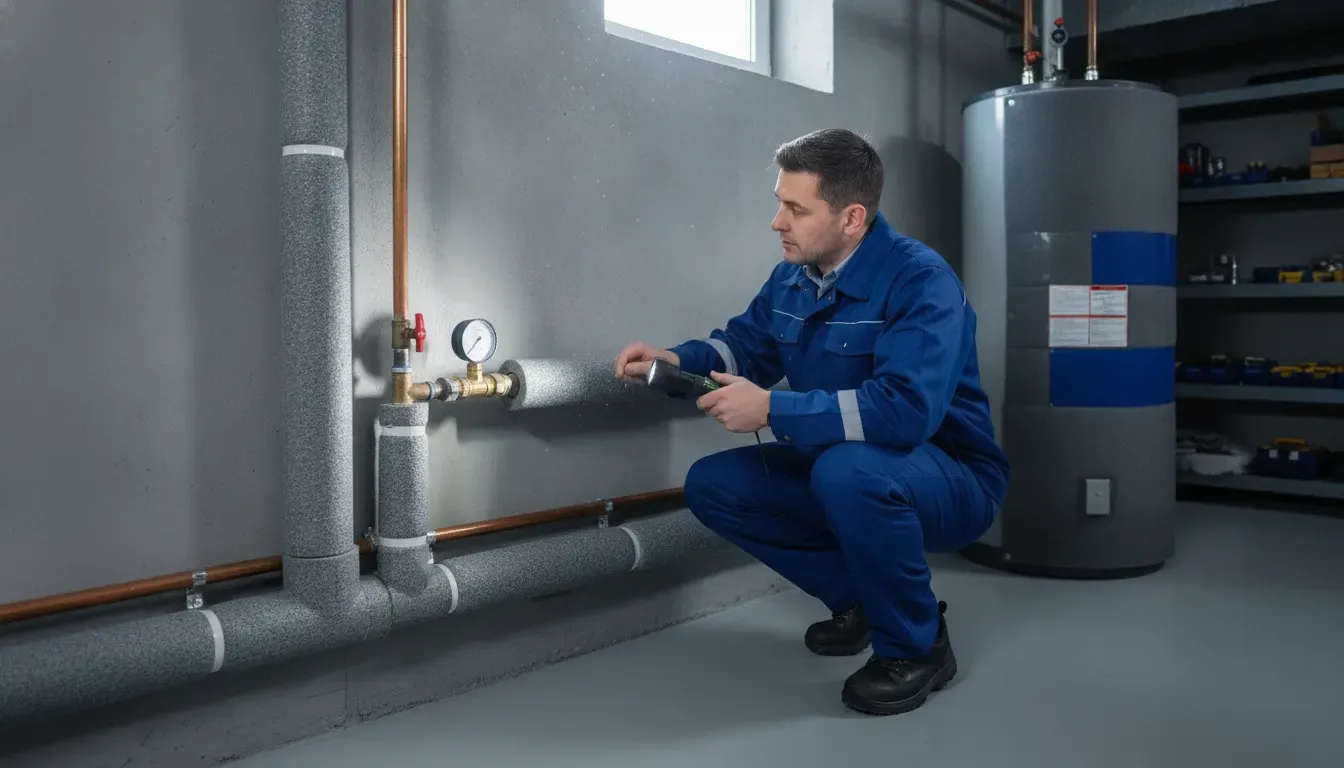
Think of regular plumbing inspections like a check-up for your home. A professional can spot potential issues that you might not see, like early-stage corrosion, small leaks, or minor buildup that could turn into a major clog. Addressing these small problems right away is much easier and more affordable than dealing with a full-blown crisis later. For example, a plumber can identify pipes that are at risk of freezing and recommend pipe insulation to prevent a burst pipe in the winter. Scheduling an inspection every year or two gives you peace of mind and helps protect your home from water damage and costly repairs.
Related Articles
- Clogged Drain Repair Plumbers in Southfield, MI | Mr. Pipey® Plumbing
- Drain Cleaning in Detroit & Royal Oak MI | Mr. Pipey® Plumbing
- Drain Backup in Basement? A Step-by-Step Guide
- A Homeowner’s Guide to Old Basement Drainage Systems
- Sewer Line Repair 101: A Homeowner’s Guide
Frequently Asked Questions
Are chemical drain cleaners a good idea? I get this question a lot, and I generally advise against them. While it seems like a quick fix, liquid drain cleaners use harsh chemicals that can corrode your pipes, especially if you have an older home. They also rarely solve the root of the problem; they might burn a small hole through a clog, but they leave the rest of the buildup behind, meaning the clog will come back. It’s much safer and more effective to have a professional physically remove the entire blockage.
My drain is just a little slow. When should I actually worry? A single, slightly slow drain isn’t usually a five-alarm fire, but it is a warning sign. Think of it as your plumbing giving you a heads-up. If you’ve tried a simple fix like using a plunger and the problem persists or gets worse, it’s time to pay attention. You should definitely call a professional if the slow drain is accompanied by gurgling sounds, bad smells, or if you notice other drains in the house are also starting to slow down.
What’s the deal with the gurgling sound my toilet makes? That gurgling sound is a classic sign that air is trapped in your drain line. When you flush, the water struggles to get past a blockage somewhere down the pipe. As it pushes past, it forces air bubbles back up, creating that telltale gurgle. While the clog might not be in the toilet itself, the sound is a clear indicator that a blockage is forming and restricting flow in the system.
How can I tell if the problem is in my main sewer line? This is a big one. The most obvious sign of a main line clog is when multiple fixtures are acting up at once. For example, if flushing a toilet causes water to back up into your shower, or running the washing machine makes your sinks gurgle, the problem is likely in the main line. You might also notice foul sewage smells around your property. If you suspect a main line issue, it’s critical to call for help immediately to avoid a messy and hazardous sewage backup in your home.
Is hydro jetting safe for my older pipes? That’s a great question, and the answer is that it depends on the condition of your pipes. A reliable plumber will never just start blasting away. The first step is always a thorough assessment, which usually involves a video camera inspection. This allows the plumber to see the inside of your pipes and determine if they are strong enough to handle the high pressure of hydro jetting. If your pipes are too fragile, they will recommend a different method, like snaking, to clear the clog safely.