

The visible mess of a sewer backup is bad enough, but the most serious dangers are the ones you can’t see. Contaminated water near electrical outlets creates a severe risk of shock, while trapped sewer gas can be flammable. And long after the water is gone, hidden moisture can lead to toxic mold growth within your walls. A proper cleanup sewer backup requires a plan that addresses all these threats. This guide will show you how to manage both the seen and unseen dangers, ensuring you protect your home and your family’s health from every angle, from initial safety checks to final drying.
Discovering a sewer backup can make you feel completely powerless. It’s a messy, disruptive, and stressful event that brings your home to a standstill. But knowledge is the first step to regaining control. Understanding the right way to respond—from shutting off the power and water to choosing the correct disinfectants—can make all the difference. This guide will empower you with a clear, step-by-step plan. We’ll cover everything you need to know to manage the situation safely and effectively. Whether you’re handling a small spill or need to know when to call for professional help, this is your roadmap for a thorough cleanup sewer backup.
Key Takeaways
- Your Safety Comes First: A sewer backup is a serious health risk. Before any cleanup, turn off the power and water to the area, get everyone to a safe location, and put on full protective gear, including waterproof boots, gloves, and a respirator mask.
- Clean and Disinfect Methodically: After removing standing water, you must throw away all porous items like carpets and upholstered furniture. For hard surfaces, clean them thoroughly with soap and water first, then use a proper disinfectant like a bleach solution to kill any remaining germs.
- Prevent a Repeat with Proactive Care: The best way to handle a sewer backup is to stop it from happening again. Schedule regular plumbing inspections to catch potential clogs, and consider having a professional install a backflow prevention device to protect your home from city sewer issues.
Why Did My Sewer Back Up?
A sewer backup is one of the most stressful plumbing problems a homeowner can face. It’s messy, disruptive, and can pose serious health risks if not handled correctly. Understanding what causes these backups is the first step in preventing them and protecting your home. Most issues stem from two main sources: a blockage somewhere in your property’s pipeline or a problem with the main municipal sewer system itself. Sometimes the cause is something that happened inside your home, like a stubborn clog from flushing the wrong things down the toilet. Other times, the problem is external and completely out of your control, such as invasive tree roots cracking your pipes or heavy rainfall overwhelming the city’s infrastructure. Pinpointing the source is key to finding the right solution and getting your home back to normal. It’s not just about the immediate cleanup; it’s about figuring out the “why” so you can take steps to make sure it doesn’t happen again. Knowing the difference between a simple clog and a main line issue can save you time, money, and a lot of headaches down the road. That’s why recognizing the causes and early warning signs is so important for every homeowner.
The Main Culprits Behind Sewer Backups
Sewer lines can back up for a handful of reasons, and they often happen without much warning. One of the most common culprits is a clog in the main sewer line. This can be caused by flushing items that don’t break down, like wipes, diapers, or paper towels, or from pouring grease down the drain, which solidifies and creates a stubborn blockage. Tree roots are another major issue; they are naturally drawn to the water in sewer lines and can grow into pipes, causing cracks and blockages. Sometimes, the problem isn’t in your pipes at all. Heavy rain can overwhelm the city’s sewer system, forcing sewage back into homes. Older systems can also fail, or incorrect connections, like sump pumps hooked up to the sewer line, can overload the system.
How to Spot a Sewer Backup Early
While a major backup can feel sudden, your plumbing usually gives you a few warning signs first. Paying attention to these clues can help you catch the problem before it becomes a disaster. One of the first things you might notice is a foul, sewage-like smell coming from your drains that you just can’t seem to get rid of. You might also find that multiple fixtures are draining slowly at the same time, like your toilet, shower, and sink. Listen for unusual gurgling or bubbling sounds coming from your drains or toilet. A classic sign is water backing up into your shower or tub when you flush the toilet. If you spot any of these issues, it’s time to act fast and call for emergency plumbing help.
Sewer Backup? Here’s What to Do First
Discovering a sewer backup is stressful, but your immediate actions can make a huge difference. Before you even think about cleanup, there are a few critical steps to take to ensure everyone’s safety and prevent the situation from getting worse. Acting quickly and correctly will protect your family and your home from further damage. Here’s exactly what you need to do the moment you notice a backup.
First: Turn Off the Power and Water
Your first priority is safety. Sewage water and electricity are a dangerous combination. If the water is anywhere near electrical outlets, cords, or appliances, go straight to your home’s main circuit breaker and shut off the power to the affected area immediately. This simple action can prevent a life-threatening electrical shock. Next, find your main water shut-off valve and turn it off. This stops more water from entering your plumbing system and adding to the flooding. If you’re unsure how to do either of these, or if the breaker box is in the flooded area, it’s best to wait for a professional. This is a true emergency plumbing situation, and getting expert help is key.
Keep People and Pets Away
Raw sewage is full of harmful bacteria, viruses, and other contaminants that pose serious health risks. It’s essential to get everyone, including your pets, out of the contaminated space right away. Move your family to a safe part of the house, far from the backup. If you can do so safely, open any windows in the affected area to help ventilate the space and allow fresh air to circulate. This helps reduce the concentration of airborne contaminants and unpleasant odors. Don’t let anyone re-enter the area without proper protective gear, which we’ll cover later. Your family’s health is the most important thing, so make this your next move.
Take Photos for Your Insurance Claim
Before you move or clean anything, take a moment to document the damage for your insurance claim. Use your phone to take plenty of photos and videos of the entire affected area. Capture wide shots showing the extent of the flooding and close-ups of damaged property, like furniture, appliances, and flooring. Make a note of the date and time you discovered the backup and where it originated, such as a floor drain or toilet. This detailed record will be invaluable when you contact your insurance company and can help streamline the claims process. Keep a file for any receipts related to the incident, including professional cleanup or plumbing services.
Stop Using All Drains and Toilets
This might sound simple, but it’s easy to forget in a moment of panic. Do not use any water in your home. That means no flushing toilets, running sinks, taking showers, or using the dishwasher or washing machine. Your home’s plumbing system is a closed loop, and any water you send down a drain will end up contributing to the backup, making the flooding worse. Even a single toilet flush can add several gallons of water to an already overwhelmed system. Resisting the urge to “test” the drains is one of the most effective things you can do to contain the problem while you wait for professional plumbing services.
Safety First: Protecting Yourself During Cleanup
Before you touch a single thing, let’s talk about safety. A sewer backup isn’t just messy; it’s a serious health hazard. The water is contaminated with bacteria, viruses, and other pathogens that can make you and your family very sick. Protecting yourself is the most important part of the cleanup process. Taking a few minutes to gear up properly and ventilate the space can prevent health issues down the road. If the scope of the cleanup feels too big or unsafe, it’s always best to call in professionals who are equipped to handle these situations. Your well-being comes first, always.
Your Protective Gear Checklist
Think of this as your non-negotiable uniform for cleanup. You need to create a complete barrier between your body and the contaminated water. Start with waterproof rubber boots that go up to your knees and a pair of heavy-duty rubber gloves that cover your wrists. Protect your eyes with safety goggles, and most importantly, wear a protective mask. The Illinois Department of Public Health recommends an N95 or HEPA respirator to avoid inhaling airborne contaminants. Regular dust masks won’t cut it here. This gear is your first and best line of defense against the harmful germs lurking in the water.
Contact Utility Companies Immediately
After you’ve shut off the power at the breaker, your next phone call should be to your utility companies. Contact your gas and electric providers right away and explain the situation. They need to shut off the services to your home from the outside to eliminate the risk of electrocution or a gas leak-related explosion. This is not a step you can skip, especially if there is standing water in your basement or near any appliances. The professionals at the utility company can ensure the services are safely disconnected, making the area secure for you or a cleanup crew to enter. It’s a crucial step that protects not only your home but also your life. Don’t assume that just flipping the breaker is enough; a professional assessment is always the safest route.
Understanding Explosion and Electrocution Risks
It’s easy to focus on the germs and bacteria in sewage, but the most immediate and life-threatening dangers are actually electrocution and explosion. When water covers electrical outlets, appliances, or wiring, it creates a severe risk of electric shock for anyone who enters the area. Furthermore, sewer gas can accumulate in enclosed spaces, and it contains methane, which is highly flammable. A single spark from an appliance or even static electricity could be enough to ignite the gas. These are invisible dangers that make it absolutely critical to stay out of the flooded area until you have confirmation from your utility companies that the power and gas lines have been completely shut off. Your safety depends on treating these risks with the seriousness they deserve.
Safety for Gas and Electrical Appliances
Once you understand the risks, the rules for what to do next become very clear. Do not, under any circumstances, enter a flooded basement or room until you know the electricity and gas are off. Never touch a fuse box, plugged-in cords, or any appliances that are in or near the water. Avoid lighting matches, using a lighter, or creating any kind of flame, as this could ignite trapped sewer gases. If you have any doubt about whether it’s safe to enter the area or how to manage the situation, your best move is to call for professional help. An emergency plumbing team is trained to handle these hazardous environments and can coordinate the necessary steps to make your home safe again.
Personal Health and Hygiene During Cleanup
Once the immediate risks of explosion and electrocution have been managed by the utility companies, your focus must shift to protecting yourself from the biological hazards. Raw sewage is teeming with dangerous pathogens, including bacteria like E. coli and salmonella, as well as viruses and parasites. Direct contact or even inhaling airborne particles can lead to serious illness. Maintaining strict personal hygiene throughout the cleanup process is essential to prevent infection. This means not only wearing the right protective gear but also being incredibly careful about how you move between contaminated and clean areas of your home. Every step you take should be deliberate and focused on preventing the spread of germs and keeping your family healthy.
Keeping Children Out of the Contaminated Area
This rule is absolute: children and pets must be kept far away from the contaminated area until the cleanup and disinfection are completely finished. Their immune systems are more vulnerable, and they are more susceptible to the pathogens found in sewage. Kids are also naturally curious and may not understand the danger of touching contaminated surfaces or splashing in the water. To ensure their safety, block off the area completely. If possible, arrange for children and pets to stay with friends or family until your home has been professionally cleaned and declared safe. There is no safe way for them to be near a sewer backup, so their removal from the environment should be a top priority.
How to Prevent Spreading Contamination
Containing the mess is key to protecting the rest of your home. Be very careful not to track sewage from the affected area into clean rooms on your shoes or equipment. It’s a good idea to establish a “decontamination zone” just outside the cleanup area where you can remove your boots and outer protective gear. Avoid touching your face, mouth, or eyes while working. It’s also critical not to let sewer water come into contact with your skin, especially if you have any open cuts or sores, as this provides a direct path for infection. According to the Centers for Disease Control and Prevention (CDC), floodwater and standing water can contain a host of dangerous contaminants, so creating a barrier between yourself and the water is your best defense.
Creating Safe Airflow and Ventilation
Getting fresh air circulating is crucial for two reasons: it helps dry out the affected area and reduces the concentration of airborne contaminants. As soon as it’s safe to do so, open any nearby windows to let fresh air in. Next, bring in fans to keep the air moving and speed up the drying process. Point them toward the damp areas, but also consider placing one facing out a window to help push the contaminated air outside. If you have a dehumidifier, now is the time to put it to work. It will pull excess moisture from the air, which is essential for preventing mold growth.
Why Sewage Exposure Is Dangerous
It’s important to understand exactly what you’re dealing with. Sewer water is considered “black water,” which means it’s grossly contaminated. According to SERVPRO, this water can carry dangerous germs that cause severe illnesses. Direct contact or even inhaling fumes can expose you to bacteria like E. coli and salmonella, as well as various viruses. This is why the cleanup process must be handled with extreme care. If you have any cuts or open sores, you should not attempt the cleanup yourself. When in doubt, the safest option is to contact our team for emergency plumbing services to ensure the job is done safely and thoroughly.
How to Clean Up a Sewer Backup: A Step-by-Step Guide
Tackling a sewer backup cleanup on your own is a serious job that requires caution and a clear plan. The water, known as blackwater, is highly contaminated with bacteria, viruses, and other pathogens, posing significant health risks to you and your family. If the spill is large, has been sitting for a while, or you simply feel overwhelmed, your safest bet is to call for professional help. Our team is always ready to handle these situations with emergency plumbing services to get your home safe and clean again. We have the right equipment and training to manage the hazards properly, ensuring no detail is missed. However, if you’re dealing with a smaller, more manageable spill and feel confident in your ability to handle it, you can proceed with the cleanup yourself. This guide will walk you through the process, ensuring you do it safely and effectively. Remember to wear protective gear throughout every step to protect yourself from exposure.
Step 1: Get Rid of Standing Sewage
Your first task is to get rid of all the standing water. The longer it sits, the more damage it causes to your home’s structure and the greater the risk of contamination spreading. Use a wet/dry vacuum or a sump pump to extract the water from the affected area. Be sure to work methodically, removing as much of the liquid as possible before moving on to the next phase of the cleanup. If you don’t have the right equipment, remember that professional sump pump services can handle this quickly and efficiently, ensuring all the water is properly removed and disposed of.
Step 2: Decide What to Keep and What to Toss
Once the water is gone, you need to sort through everything that came into contact with the sewage. Unfortunately, anything soft and porous must be thrown away. This includes items like carpets, rugs, padding, mattresses, upholstered furniture, and insulation. These materials absorb contaminants deep within their fibers, making them impossible to sanitize completely, no matter how much you clean them. Bag these items securely in heavy-duty trash bags to prevent cross-contamination and prepare them for disposal according to your local guidelines. It’s tough to part with belongings, but your health comes first.
Tips for Salvaging Hard-Surface Items
The good news is that hard, non-porous items like tile floors, solid wood furniture, and metal fixtures can often be salvaged with proper cleaning. But it takes more than a quick wipe-down; you need a two-step approach to ensure they are truly clean and safe. First, wash every surface thoroughly with warm, soapy water to remove all the grime and residue. Once that’s done, it’s time to disinfect. A solution of one cup of household bleach mixed with one gallon of water is what the Illinois Department of Public Health recommends for this step. If you’re worried about bleach damaging a particular item, you can use a commercial household disinfectant instead. Let everything air dry completely before you bring it back into your living space. This careful process is essential for killing any lingering germs and making your home safe again.
Step 3: Thoroughly Scrub All Affected Surfaces
With contaminated items removed, it’s time to clean all the hard surfaces that were affected. This includes walls, floors, and any non-porous furniture. Start by scrubbing everything thoroughly with hot water and a low-suds soap or detergent. This initial cleaning removes the grime and prepares the surfaces for disinfection. Don’t skip this step; disinfectant works best on a surface that has already been cleaned of physical dirt and debris. Make sure to get into every corner and crevice to ensure you haven’t missed any spots where bacteria could hide.
Step 4: Properly Disinfect the Entire Area
After cleaning, the next critical step is to disinfect every surface to kill any remaining bacteria, viruses, and other harmful pathogens. A simple and effective solution is to mix ¾ cup of household bleach with one gallon of water. Apply this solution to all the hard surfaces you just cleaned and let it sit for at least ten minutes to ensure it has enough time to work. This step is absolutely essential for making the area safe again and preventing the spread of disease. Always wear gloves and eye protection when working with bleach.
Step 5: Focus on Drying and Dehumidifying
Finally, you need to dry the area completely to prevent mold and mildew from growing. Mold can start to develop within 24 to 48 hours in damp conditions, creating another health hazard. Open up any windows and doors to get air circulating. Use fans to blow air across the wet surfaces and bring in a dehumidifier to pull moisture out of the air. The area needs to be bone-dry before you can consider the cleanup complete. This process can take several days, so be patient and thorough.
Special Instructions for Flooded Basements
When a sewer backup happens in your basement, safety becomes even more critical. The combination of standing water and electricity is incredibly dangerous, so your absolute first step is to shut off the power at the main circuit breaker to prevent electrocution. Once it’s safe to enter, the cleanup process follows the same key steps. You’ll need to put on full protective gear, open windows and use fans for ventilation, and get rid of the standing water. A wet/dry vacuum or a powerful sump pump is your best tool for this. Since basements are naturally damp and have limited airflow, be extra thorough with the drying and dehumidifying stage. Mold can start to grow in just 24 hours, so you want to get the space completely dry.
What Cleaners Should You Use for Sewage?
Once the standing water is gone, your next mission is to tackle the contamination left behind. This isn’t a job for just any household cleaner. Sewage contains harmful bacteria and pathogens that require specific, powerful solutions to eliminate completely. Choosing the right cleaning products and using them correctly is non-negotiable for making your home safe again. Let’s walk through the best options and how to use them.
How to Choose a Safe Disinfectant
When you’re dealing with sewage, you need a disinfectant that’s up to the task. Look for products specifically approved by the EPA for this kind of job. These aren’t your average all-purpose sprays; they are formulated to kill the dangerous pathogens and bacteria found in raw sewage. As cleanup experts point out, sewage cleanup addresses contamination risks that go far beyond typical water damage. An EPA-approved disinfectant ensures you’re actually neutralizing the health threats, not just wiping away the visible mess. Always read the product label and follow the instructions for dilution and contact time to make sure it works effectively.
Common Disinfectant Options and Ratios
You don’t need to buy expensive, specialized chemicals to disinfect your home after a sewer backup. In fact, some of the most effective solutions are probably already in your cleaning cabinet. The key is using the right product at the correct concentration. Household bleach is the gold standard for this kind of cleanup. For a powerful disinfecting solution, the Illinois Department of Public Health recommends mixing no more than one cup of bleach with one gallon of water; a common and effective ratio is ¾ cup of bleach per gallon. After applying it to a cleaned surface, let it sit for at least ten minutes before rinsing. This contact time is crucial for killing all the lingering germs. Never mix bleach with ammonia or other cleaners, as this can create dangerous toxic gas.
The Right Way to Use Bleach for Cleanup
If you don’t have a specialized disinfectant, household bleach can be a powerful tool when used with care. First, always clean surfaces with soap and warm water to remove dirt and grime, because disinfectant works best on a clean surface. After that, you can use a bleach solution. The Illinois Department of Public Health suggests a mixture of no more than one cup of bleach for every gallon of water. Never pour bleach directly onto a surface. Always wear gloves and eye protection, and keep the area well-ventilated by opening windows and using fans. Most importantly, never mix bleach with ammonia or any other cleaning products, as this can create toxic gas.
Tips for Applying Cleaners Effectively
How you apply your cleaner is just as important as which one you choose. For the initial heavy-duty cleaning, you can use a garden hose to spray down thick sludge on hard surfaces, followed by a mop and your cleaning solution. After mopping, rinse everything with clean water. A wet/dry vacuum is your best friend for removing any remaining water. This systematic approach helps you manage the mess without spreading it further. Remember, a sewer backup is a serious situation. If the scope of the cleanup feels overwhelming, it’s always safest to call for emergency plumbing professionals who have the right equipment and training to handle it safely.
Food and Water Safety After a Backup
After a sewer backup, your focus is naturally on the visible mess—the floors, the walls, the furniture. But some of the biggest health risks can be hidden in your pantry and your pipes. Contaminants from sewage can easily compromise your food and water supply, making it crucial to take careful steps to ensure everything is safe before you use it. This isn’t just about what the floodwaters touched directly; it’s also about understanding how a backup can affect your home’s entire system. Taking the time to assess your food and water is a non-negotiable part of a safe and thorough cleanup.
Assessing Your Drinking Water
One of the most critical questions after a sewer backup is whether your tap water is still safe to drink. If there’s any chance your private well or the water lines leading to your home have been contaminated, you must stop using the water immediately. The Illinois Department of Public Health is clear: do not use your water until you can confirm it is safe. Switch to bottled water for drinking, cooking, washing dishes, and even brushing your teeth. A sewer backup is a serious plumbing emergency, and it’s best to have a professional assess whether your water lines have been compromised. Your local health department can also provide guidance on getting your water tested for safety.
Guidelines for Food Exposed to Contamination
When it comes to food, the rule is simple: when in doubt, throw it out. Any food that has come into direct contact with floodwater must be discarded. This includes anything in packaging that isn’t completely waterproof, like cardboard boxes, paper, or plastic bags. Even items with screw caps, snap lids, or pull-tops should be thrown away, as it’s nearly impossible to be certain that contaminated water didn’t seep inside. It can be difficult to part with a pantry full of food, but the risk of consuming something contaminated with harmful bacteria is far too high. Your family’s health is the top priority.
How to Safely Clean Canned Goods
Commercially canned goods are often the only items that can be salvaged after exposure to floodwater, but they still need to be disinfected properly. First, remove the paper labels, since they can harbor germs, and use a permanent marker to re-label the can with its contents. Next, scrub the cans thoroughly with soap and hot water to remove any dirt or residue. After cleaning, you’ll need to sanitize them by soaking them in a bleach solution. A good ratio is one ounce of bleach per gallon of water. Let the cans soak for at least 15 minutes to kill any lingering bacteria on the surface. After soaking, allow them to air dry completely before storing.
Refrigerator and Freezer Food Safety
If you had to turn off the power during the backup, the food in your fridge and freezer could be at risk. Food in a refrigerator will typically stay cold for about four to six hours after the power goes out. If the temperature inside rises above 45°F, you should discard perishable items like meat, dairy, and leftovers. A full freezer will keep food frozen for about two days as long as the door remains closed. However, if the appliance itself came into contact with floodwater, the seals may be compromised. In that case, you should throw away all the food inside to be safe, as contaminants could have gotten inside.
Safely Disposing of Contaminated Items
After a sewer backup, one of the toughest parts of the cleanup is deciding what to keep and what to toss. It can be heartbreaking to part with personal items, but your family’s health has to come first. Sewage contains harmful bacteria, viruses, and other contaminants that can soak deep into porous materials, making them impossible to clean completely. Sorting through everything requires a careful eye and a commitment to safety. The general rule is simple: if you can’t wash or disinfect it thoroughly, it has to go. This step is crucial for preventing lingering odors and potential health risks long after the water is gone.
Knowing What to Throw Out
When it comes to contaminated items, it’s always better to be safe than sorry. You’ll need to throw out anything that is porous and absorbed the sewage. This includes items like mattresses, upholstered furniture, pillows, carpets and padding, stuffed animals, and books. These materials act like sponges, trapping contaminants deep within their fibers where they can’t be reached by surface cleaning. Even if they look clean on the outside, they can still harbor dangerous bacteria. It’s a tough call, but getting rid of these items is a non-negotiable step to ensure your home is truly safe and clean after a backup.
Deciding What’s Safe to Keep
The good news is that you don’t have to throw everything away. You can usually save hard, non-porous items with proper cleaning and disinfection. Things like solid wood furniture, plastic toys, metal, and glass can be thoroughly washed with hot water and a low-sudsing detergent. After cleaning, disinfect them with a solution of one cup of household bleach per gallon of water. You can even salvage canned goods; just scrub the cans, soak them in the bleach solution for about 15 minutes, and let them air dry. For items like area rugs with minor damage, professional cleaning might be an option, but inspect them carefully first.
Following Local Disposal Rules
You can’t just toss contaminated items in your regular trash bin or dump wastewater down a storm drain. Every community has specific regulations for disposing of hazardous materials, and sewage-contaminated items fall into that category. Before you start hauling things to the curb, check with your local waste management authority in the Metro Detroit area for guidance. They can tell you about special pickup days or designated drop-off locations. Improper disposal can create a public health hazard. If you’re feeling overwhelmed, remember that professional emergency plumbing services can manage the entire cleanup, including the safe and legal disposal of all contaminated materials.
Are You Making These Sewer Cleanup Mistakes?
Cleaning up after a sewer backup is a tough job, and a few common mistakes can put your health and home at risk. Knowing what to watch out for helps you handle the process safely and effectively. Here are the key missteps to avoid.
Mistake #1: Not Wearing Protective Gear
It’s tempting to start cleaning immediately, but working without safety gear is a serious risk. Sewage is filled with harmful bacteria and viruses. Always wear waterproof boots, rubber gloves, and safety goggles to protect yourself. If you have any open cuts, be sure they are covered and don’t touch contaminated water. Your health comes first, so gearing up is a critical step before you begin any cleanup procedures.
Mistake #2: Choosing the Wrong Cleaning Products
Your everyday household cleaner isn’t strong enough for a sewer backup. You need a powerful disinfectant to kill the dangerous germs left behind. A simple, effective option is a bleach solution: mix about ¾ cup of bleach with one gallon of water. This is strong enough for hard surfaces like floors and walls. Using the correct cleaning solutions ensures you’re removing the health hazard, not just the visible mess.
Mistake #3: Keeping Items That Should Be Tossed
It’s hard to part with belongings, but some items can’t be saved after sewage exposure. Porous materials like carpets, rugs, upholstered furniture, and mattresses absorb contaminants and are nearly impossible to fully disinfect. You’ll need to throw these items away. Bag them securely before disposal to prevent spreading contamination. Removing these materials is essential for keeping your home safe.
Mistake #4: Ignoring Hidden Moisture
After you’ve cleaned, hidden moisture can lead to another major problem: mold. Mold can grow within 24 to 48 hours in damp conditions, causing more damage and creating health risks. Focus on drying the area completely. Use dehumidifiers and fans to circulate air and pull moisture from walls and floors. Open windows if possible. Acting quickly to dry the affected area is just as important as the initial cleanup.
Should You Call a Professional for Cleanup?
While it’s tempting to tackle every home project yourself, a sewer backup is one of those times when calling for backup is the smartest move. This isn’t just a messy spill; it’s a potential health hazard and a sign of a serious plumbing problem. Professionals have the industrial-grade equipment, protective gear, and expertise to not only clean the mess safely but also to find and fix the root cause of the backup. Trying to handle a significant backup on your own can expose you to harmful contaminants and lead to even more damage if the underlying issue isn’t addressed correctly.
If you’re standing in even a small amount of sewage, it’s best to call for emergency plumbing services. A professional can assess the situation quickly, stop the flow of water, and create a plan to restore your home safely. They can also identify whether the problem is a simple clog or a more complex issue with your main sewer line. Getting an expert involved early protects your health, your home, and your peace of mind.
The Backup Is Large or Widespread
If the backup isn’t contained to a single drain and has spread across your floor, it’s no longer a DIY job. Widespread flooding, especially in a basement, means the contaminated water has likely soaked into drywall, carpeting, and wooden structures. Sewage backups are serious emergencies because the water can contain dangerous germs like viruses and bacteria that cause severe illnesses. Professionals have powerful water extraction tools and high-velocity fans to remove large volumes of water and dry the area completely, preventing structural damage and mold growth.
You’re Facing “Black Water” Contamination
All water from a sewer backup should be treated as highly hazardous. This water, often called “black water,” contains everything that goes down your drains, including human waste, bacteria, and pathogens. Acting quickly is critical to prevent further damage and health problems, but handling this level of contamination requires more than just rubber gloves and bleach. Professionals are trained to manage biohazards safely. They use personal protective equipment (PPE) and EPA-registered disinfectants to ensure every surface is properly cleaned and sanitized, protecting your family from potential illness.
Category 1: Clean Water
Not all water damage is the same. Professionals classify water into three categories based on its contamination level. Category 1 is “clean water,” which comes from a sanitary source like a broken supply pipe, an overflowing sink, or a leaky appliance line. While it’s the least dangerous, it’s not harmless. If left to sit, this water can seep into building materials and create the perfect environment for mold. It can also become more contaminated as it mixes with dirt on your floors, quickly degrading into the next category. Acting fast is key, even when the water looks clean.
Category 2: Gray Water
Category 2 is “gray water,” which is significantly contaminated and can cause illness if you come into contact with it. This type of water comes from sources like a washing machine overflow, a dishwasher leak, or a toilet overflow that contains urine but no feces. It contains waste products like soap, detergents, and potentially some bacteria. Gray water is a serious issue because it can degrade into the most dangerous category in as little as 48 hours as bacteria multiply. It requires careful handling and thorough disinfection to make the area safe again.
Category 3: Black Water
This is the most dangerous category and the one you’re dealing with in a sewer backup. Category 3, or “black water,” is grossly contaminated with harmful pathogens, bacteria, and viruses that can cause severe illness. It includes raw sewage from a toilet or drain backup, as well as floodwater from rivers or streams. You should avoid all contact with black water. Due to the extreme health risks, cleaning it up requires specialized equipment and techniques. This is not a DIY job; you should always call for professional emergency plumbing help to ensure the area is safely and completely decontaminated.
You Need Help with Your Insurance Claim
After the immediate crisis is over, you’ll have to deal with your insurance company. This process can be complicated, and having a professional on your side makes a huge difference. Many homeowner’s insurance policies do not automatically cover damage from a sewer backup; you may need a separate rider for that kind of coverage. A professional plumber can provide detailed documentation of the damage, including photos, a clear assessment of the cause, and a written report of the repairs needed. This evidence is exactly what insurance adjusters need to process your claim, making the entire experience much smoother for you.
Understanding the Costs of Cleanup and Repair
After you’ve managed the immediate shock of a sewer backup, the next big question is usually about the cost. It’s important to be prepared for the financial side of this issue, which involves two separate categories: the professional cleanup and the plumbing repairs needed to fix the source of the problem. The total cost can vary widely depending on the extent of the damage and the complexity of the repair. Knowing the potential expenses ahead of time can help you make informed decisions and get your home back to normal without any more surprises. Let’s break down the numbers so you know what to expect.
Average Cost for Professional Sewage Cleanup
Hiring a professional cleanup crew is a non-negotiable for ensuring your home is safe and sanitary. These teams have the right equipment and training to handle hazardous materials properly. On average, you can expect to pay between $7 and $14 per square foot for sewage removal and cleanup. For most homeowners, the total bill for cleanup and initial restoration typically falls somewhere between $2,000 and $10,000. In severe cases, especially if there’s extensive contamination or significant structural damage, the costs can climb much higher. While this is a significant expense, it’s a necessary investment in your family’s health and your home’s integrity.
Factors That Affect the Final Price
Several key factors will influence your final cleanup bill. The sheer volume of wastewater is a major one—the more there is to remove, the higher the cost. The extent of the contamination also plays a big role; if sewage has spread to multiple rooms or soaked into walls, the job becomes more complex. Finally, time is a critical factor. The longer the sewage sits, the more it soaks into materials like subflooring and drywall, leading to more extensive and expensive restoration work. Acting fast can help keep these costs down.
Does Homeowner’s Insurance Cover Sewer Backups?
This is a question we hear all the time, and unfortunately, the answer is usually no. Most standard homeowner’s insurance policies specifically exclude damage from sewer backups and floods. However, many insurance companies offer additional coverage, often called a “rider” or “endorsement,” that you can add to your policy. This extra coverage is surprisingly affordable, often costing around $5 per month, and can provide between $10,000 and $25,000 in coverage. It’s well worth checking your current policy and calling your agent to see if you can add this protection. It could save you thousands of dollars in the event of an emergency.
Common Repair Costs from a Plumber
Once the cleanup is underway, you need to address the root cause of the backup. This is where a professional plumber comes in. The cost of the repair will depend entirely on what caused the problem in the first place. Hiring a licensed plumber to diagnose and fix the issue typically costs between $60 and $80 per hour. The first step is always a thorough inspection to pinpoint the exact location and cause of the blockage or break in the line. From there, your plumber can recommend the most effective solution, whether it’s clearing a simple clog or repairing a damaged pipe.
Sewer Camera Inspection Costs
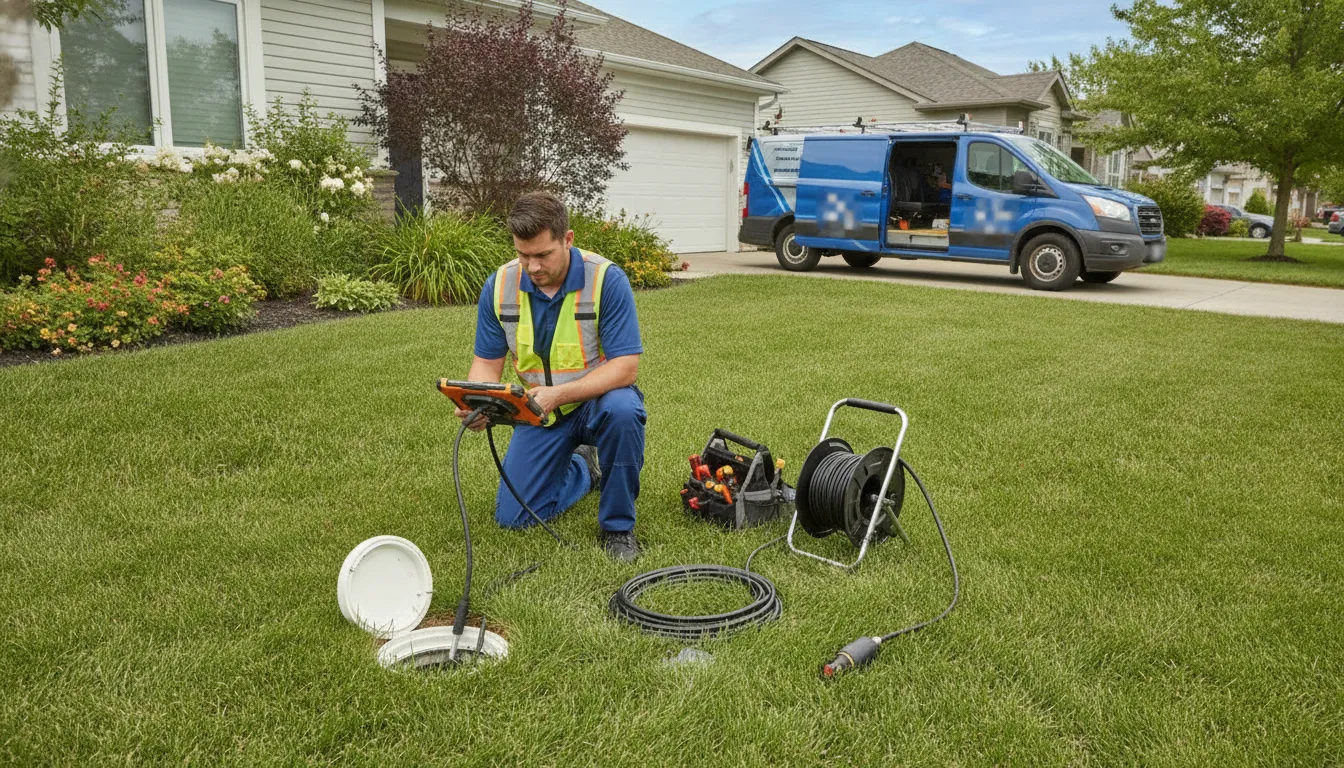
To figure out exactly what’s going on inside your pipes, a plumber will often perform a sewer camera inspection. This involves feeding a small, high-resolution camera down your sewer line to get a real-time look at its condition. This technology allows us to identify the exact location of clogs, tree root intrusions, or cracks without any guesswork. A sewer scope inspection typically costs between $250 and $500 and is one of the most valuable diagnostic tools available. It ensures we apply the right fix the first time, saving you time and money on unnecessary repairs.
Costs for Clearing Clogs and Roots
The cost to clear the line depends on the method required. For simpler clogs, snaking the line is often effective and can cost between $45 and $150 per hour. For more stubborn blockages, like heavy grease buildup or invasive tree roots, hydro jetting is a powerful solution. This process uses high-pressure water to scour the inside of the pipes clean and costs around $400 to $800. If tree roots are the primary issue, the cost for removal can range from $100 to $600. Our team can assess the situation and recommend the most cost-effective emergency plumbing solution for your home.
How to Prevent Future Sewer Backups
After dealing with a sewer backup, the last thing you want is a repeat performance. Thankfully, you can take proactive steps to protect your home and keep your pipes flowing freely. Prevention is all about being mindful of what goes down your drains and staying ahead of potential problems before they turn into disasters. By scheduling regular maintenance, installing the right equipment, and knowing what to look for, you can significantly reduce your risk of another messy and expensive cleanup. Let’s walk through the best ways to safeguard your plumbing system.
Schedule Regular Plumbing Maintenance
Think of plumbing maintenance like a regular check-up for your home’s circulatory system. Scheduling routine inspections is the single best way to catch small issues before they escalate into major blockages. During a maintenance visit, a professional plumber can run a camera through your sewer line to check for cracks, tree root intrusion, or buildup. If they spot a potential clog, they can clear it out right away. This simple, proactive step is far less stressful and expensive than dealing with the aftermath of a full-blown sewer backup. It’s an investment in your peace of mind and the long-term health of your home’s plumbing.
Consider a Backwater Prevention Valve
A backflow prevention device, also known as a backwater valve, is your home’s best defense against municipal sewer system overflows. This clever device acts as a one-way gate, allowing wastewater to flow out of your home but automatically closing if sewage tries to flow back in. It’s a must-have for homes in areas prone to heavy rainfall or those with basements. Installing a backflow preventer is a job for a licensed plumber, but it provides an essential layer of protection that can save you from thousands of dollars in damage and cleanup costs.
Pay Attention to Your Drains
Your plumbing system will often give you hints that trouble is brewing. Being able to spot these early warning signs can help you call for help before a backup occurs. Pay attention to things like foul, sewage-like odors coming from your drains, or multiple fixtures (like a toilet, sink, and shower) draining slowly at the same time. Gurgling or bubbling sounds from your pipes are another red flag. These symptoms suggest a blockage is forming in your main sewer line. If you notice any of them, don’t wait. It’s time to call for emergency plumbing services to get the line cleared.
Related Articles
- Basement Drain Backup: Your Step-by-Step Guide
- Drain Backup in Basement? A Step-by-Step Guide
- Sewage Clean Up: A Complete Homeowner’s Guide
Frequently Asked Questions
What’s the absolute first thing I should do if I see sewage backing up? Before you do anything else, prioritize safety. If water is near any electrical outlets or appliances, go to your main circuit breaker and turn off the power to that area. Then, find and turn off your home’s main water supply valve. These two steps prevent the risk of electrical shock and stop more water from adding to the problem while you call for professional help.
Will my homeowner’s insurance cover the damage from a sewer backup? It depends on your specific policy. Standard homeowner’s insurance often does not cover sewer backups, and you may need a separate rider or add-on for that protection. It’s a good idea to review your policy now so you know where you stand. When you file a claim, having detailed documentation from a professional plumber, including the cause and extent of the damage, can make the process much smoother.
How can I tell if it’s just a clogged toilet or a much bigger sewer line problem? A good rule of thumb is to observe how many fixtures are affected. If only one toilet or sink is draining slowly, the clog is likely isolated to that specific drain. However, if you notice multiple drains are slow, hear gurgling sounds from your pipes, or see water backing up into your shower when you flush the toilet, you’re almost certainly dealing with a main sewer line issue that requires immediate professional attention.
The cleanup is done, but how do I get rid of that awful sewer smell? That lingering odor can be stubborn. After a thorough cleaning and disinfection, continue to ventilate the area with fans and open windows for as long as possible. Placing open boxes of baking soda or bowls of activated charcoal around the room can help absorb remaining odors from the air. If the smell persists, it could mean moisture is still trapped somewhere, so ensure the area is completely dry.
Besides grease, what are the worst things to put down the drain? Grease is a major offender, but many other common items cause serious blockages. So-called “flushable” wipes are a huge problem because they don’t break down like toilet paper. You should also avoid flushing paper towels, cotton balls, feminine hygiene products, and dental floss. These items can easily snag in your pipes and create a stubborn clog that leads to a backup.