

Playing detective with your home’s plumbing can be a real headache, especially when the clues don’t add up. A prime example is when your basement floor drain backing up when kitchen sink drains. How can one affect the other? The answer lies in how your home’s drain lines are designed. In many houses, the pipes from the kitchen and laundry areas feed into the same main line that runs under your basement. When that shared line gets clogged with grease, food debris, or other buildup, the wastewater has no choice but to reverse course and emerge from the lowest drain. Let’s break down what’s happening and what your next steps should be.
Key Takeaways
- Know if it’s a big or small problem: A single slow drain often points to a local clog, but if multiple drains are acting up at once, you likely have a main sewer line issue. Figuring this out first tells you whether you have a minor annoyance or a real emergency on your hands.
- Act quickly and safely when a backup happens: The moment you see water, stop using all drains and toilets to prevent more flooding. Your next step is to keep your family safe by restricting access to the area and shutting off the basement’s power if water is near outlets.
- Make prevention a part of your routine: You can avoid most future backups by being careful about what goes down your drains, especially grease and wipes. Simple drain screens and regular professional inspections are also key to keeping your pipes clear and avoiding a mess.
Why Is My Basement Drain Backing Up?
Finding a puddle of murky water around your basement floor drain is never a welcome sight. It’s even more confusing when it happens right after you’ve been washing dishes upstairs. You might wonder how your kitchen sink could possibly cause a backup in the basement. The truth is, your home’s plumbing system is a complex network where one problem can easily show up in another location. Understanding how these drains are connected is the first step to figuring out what’s wrong and how to fix it.
How Your Kitchen Sink and Basement Drain Connect
It might seem strange, but your kitchen sink and basement floor drain are often linked. In many homes, the pipes from the kitchen and laundry room feed into the same main drain line that runs beneath your basement floor. Think of it like smaller streams flowing into a larger river. When you run the dishwasher or do a load of laundry, all that water travels through this shared pipe. If there’s a blockage downstream in that main line, the water has nowhere to go but back up through the lowest available opening, which is usually your basement floor drain.
The Main Sewer Line’s Role in Your Home
Your basement drain is the lowest point in your home’s plumbing system. This means that any issues in your main sewer line, the large pipe that carries all your home’s wastewater to the municipal sewer, will likely appear here first. If you notice a backup right after using a lot of water, like running the washing machine or draining a full bathtub, it’s a strong sign the problem is with your main line. Common culprits for these clogs include grease, food scraps, and hair building up over time. When this main artery of your plumbing system gets blocked, it can quickly turn into a serious issue requiring emergency plumbing services.
Common Causes for a Backed-Up Basement Drain
When water starts pooling around your basement floor drain, it’s a clear signal that something is wrong with your plumbing system. Because your basement is the lowest point in your home, it’s often the first place you’ll see evidence of a major blockage. Understanding the root cause is the first step toward finding the right solution and preventing it from happening again. From simple buildup to serious pipe damage, let’s look at the most common reasons your basement drain might be backing up.
A Clogged Main Sewer Line
Your home’s main sewer line is the single pipe that carries all wastewater out to the municipal sewer system. When this critical line gets clogged, the wastewater has nowhere to go but back into your house, and it will emerge at the lowest drain, which is usually in the basement. Buildup from grease, hair, soap scum, and other debris can accumulate over time, creating a stubborn blockage. Since a main sewer line clog affects every drain in your home, it’s a serious issue that often requires immediate attention. If you suspect a main line clog, it’s best to call for emergency plumbing services right away.
Grease and Food Buildup
What you send down your kitchen sink has a huge impact on the health of your pipes. Pouring cooking grease, fats, or oils down the drain is one of the fastest ways to create a clog. As the grease cools, it solidifies and sticks to the inside of your pipes, catching food particles and other debris. Over time, this greasy buildup can completely block the flow of water. Other items like coffee grounds, fibrous vegetable peels, and even so-called “flushable” wipes can contribute to a blockage that eventually causes a backup in your basement. Being mindful of what goes down your drains is key to preventing these messy situations.
Intrusive Tree Roots
If you have mature trees on your property, their roots could be the hidden cause of your plumbing problems. Tree roots are naturally drawn to the moisture and nutrients inside your sewer lines. They can work their way into tiny cracks or loose joints in the pipes, especially in older clay or cast iron systems. Once inside, the roots expand and create a dense web that catches debris and blocks the flow of water. This is a very common issue in established Metro Detroit neighborhoods. A professional plumber can use a camera to inspect your pipes and confirm if tree roots are the culprit behind your backed-up drain.
Old or Damaged Pipes
Sometimes, the problem isn’t what’s inside the pipes, but the pipes themselves. Plumbing in older homes can deteriorate over time. Cast iron pipes can rust and corrode from the inside out, while clay pipes can become brittle and crack under pressure. Shifting soil, heavy construction nearby, or even the freeze-thaw cycles we experience in Michigan can cause pipes to break or collapse. When a pipe is damaged, it can no longer carry wastewater away effectively, leading to inevitable backups. If you’re dealing with recurring clogs, it might be time to consider a professional inspection to assess the condition of your pipes.
Main Sewer Line Clog vs. Local Blockage: How to Tell the Difference
When water starts backing up, your first thought might be to grab a plunger. But before you do, it helps to play detective and figure out what you’re up against. The problem could be a simple clog in one pipe, or it could be a sign of a much bigger issue with your main sewer line. Distinguishing between a localized blockage and a main sewer line clog is the key to understanding the severity of the problem and what your next steps should be.
One is a relatively contained nuisance, while the other is a plumbing emergency waiting to happen. Let’s walk through the telltale signs of each so you can know what you’re dealing with.
Signs of a Main Sewer Line Clog
Your main sewer line is the single large pipe responsible for carrying all the wastewater from your home to the city’s sewer system. When this line gets blocked, the water has nowhere to go but back where it came from. Because your basement drain is the lowest point in your home’s plumbing, it’s usually the first place you’ll see a backup.
If you notice water coming up the basement drain right after using a lot of water upstairs, like from a washing machine or a draining bathtub, a main line clog is the likely culprit. Other major red flags include multiple drains backing up simultaneously, toilets making gurgling sounds, or water backing up into the shower when you flush a toilet. This is a serious problem that can cause significant damage, so it’s best to call for emergency plumbing services right away.
Signs of a Localized Blockage
If the problem is a localized blockage, you can breathe a small sigh of relief. This means the clog is contained within a smaller, secondary drain line that serves one or two fixtures, not your entire home. For example, if your kitchen sink is the only drain that’s slow or backing up, the clog is probably in that specific pipe.
Sometimes, the kitchen sink and laundry lines are connected before they join the main sewer line. If using your kitchen sink or washing machine causes a backup in the basement floor drain, but all your bathrooms are working perfectly fine, you’re likely dealing with a partial clog in that shared line. While it’s less of an emergency than a main line clog, it still needs to be addressed by a professional to prevent it from getting worse. You can explore our plumbing services to see how we can help.
What to Do When Your Basement Drain Backs Up
Seeing water backing up from your basement drain is stressful, but taking the right steps quickly can prevent a disaster. Your immediate actions can make a huge difference in minimizing damage and keeping your family safe. Here’s a clear, step-by-step guide on what to do the moment you notice a backup.
Stop Using Water Immediately
The very first thing you need to do is stop using all water in your house. This is the most important step because any water you send down your drains, from any fixture, will end up adding to the flood in your basement. Don’t flush any toilets, run the dishwasher or washing machine, or even wash your hands. Every single drop contributes to the problem when your main line is clogged. Alert everyone in your household to stop using water until the blockage is cleared. This simple action prevents the backup from getting worse while you figure out your next move.
Protect Yourself and Contain the Spill
That water in your basement isn’t just water; it can contain raw sewage and harmful bacteria. Your family’s safety is the top priority. Keep children and pets far away from the affected area. If you must enter the basement, wear protective gear like waterproof boots and gloves. One of the biggest dangers is the risk of electric shock. If the water level is near any electrical outlets, cords, or appliances, shut off the power to the basement at your circuit breaker immediately. This is a true plumbing crisis, so don’t hesitate to call for emergency plumbing assistance to handle the situation safely.
Attempt a Quick Fix (If It’s Safe)
If the backup is minor, contained to just the floor drain, and there’s no sewage smell, you might be able to address it yourself. You can try removing the drain cover and clearing away any visible debris. Using a plunger can sometimes dislodge a small, local clog. However, you should never use chemical drain cleaners. These harsh chemicals rarely fix a deep clog, can damage your pipes, and create a hazardous situation for you and any plumber who works on the line after you. If a simple plunge doesn’t work, it’s time to stop and call for professional help.
Clean and Disinfect the Area
Once the clog is cleared and the water stops backing up, you need to clean and sanitize the area thoroughly. Start by removing any remaining water with a wet/dry vacuum. After that, scrub the floor and any affected surfaces with a strong disinfectant, like a diluted bleach solution, to kill any lingering bacteria. Finally, dry the area completely using fans and a dehumidifier. Mold can begin to grow within 24 to 48 hours in damp conditions, so proper drying is essential. If the mess feels too big to handle, you can contact us for a complete solution.
When to Call a Professional Plumber
While it’s tempting to tackle every home repair yourself, a basement drain backup is one of those problems that often signals a much bigger issue lurking in your pipes. Knowing when to step back and call for help can save you from a major headache, costly damage, and a much bigger mess. If you’ve tried a simple fix and the water is still standing, it’s time to bring in a professional. A licensed plumber has the right tools and expertise to diagnose the root cause safely and get your plumbing system flowing correctly again.
Warning Signs You Can’t Ignore
Some plumbing problems are more than just an inconvenience; they’re clear signals that you need an expert. If you notice any of the following signs, it’s time to call a plumber right away. A foul, sewage-like smell coming from the drain is a major red flag, as is water that continues to rise or won’t stop backing up. Pay attention if multiple drains in your home are slow or clogged at the same time, as this almost always points to a problem in the main sewer line. A backup that happens over and over is another sign that a simple clog isn’t the real issue. These situations often require emergency plumbing services to prevent water damage and health hazards.
When DIY Fixes Do More Harm Than Good
Your first instinct for a clog might be to reach for a bottle of chemical drain cleaner, but for a basement backup, this can do more harm than good. These harsh chemicals often fail to clear a major blockage in the main line, and the corrosive agents can damage your pipes. Worse, they create a hazardous situation for the plumber who eventually has to work on the line. Another clue that the problem is beyond a DIY fix is when the backup occurs right after you use a lot of water, like when running the washing machine or draining a full bathtub. This indicates the main sewer line can’t handle the volume, and a professional diagnosis is needed to solve the problem for good.
How a Professional Plumber Solves the Problem
When a DIY fix isn’t enough, calling in a professional is the best way to protect your home and get your plumbing back on track. At Mr. Pipey, we use specialized tools and proven techniques to diagnose and resolve even the most stubborn backups. Here’s a look at how our experts tackle the problem, ensuring a safe and lasting solution.
Inspecting the Line With a Camera
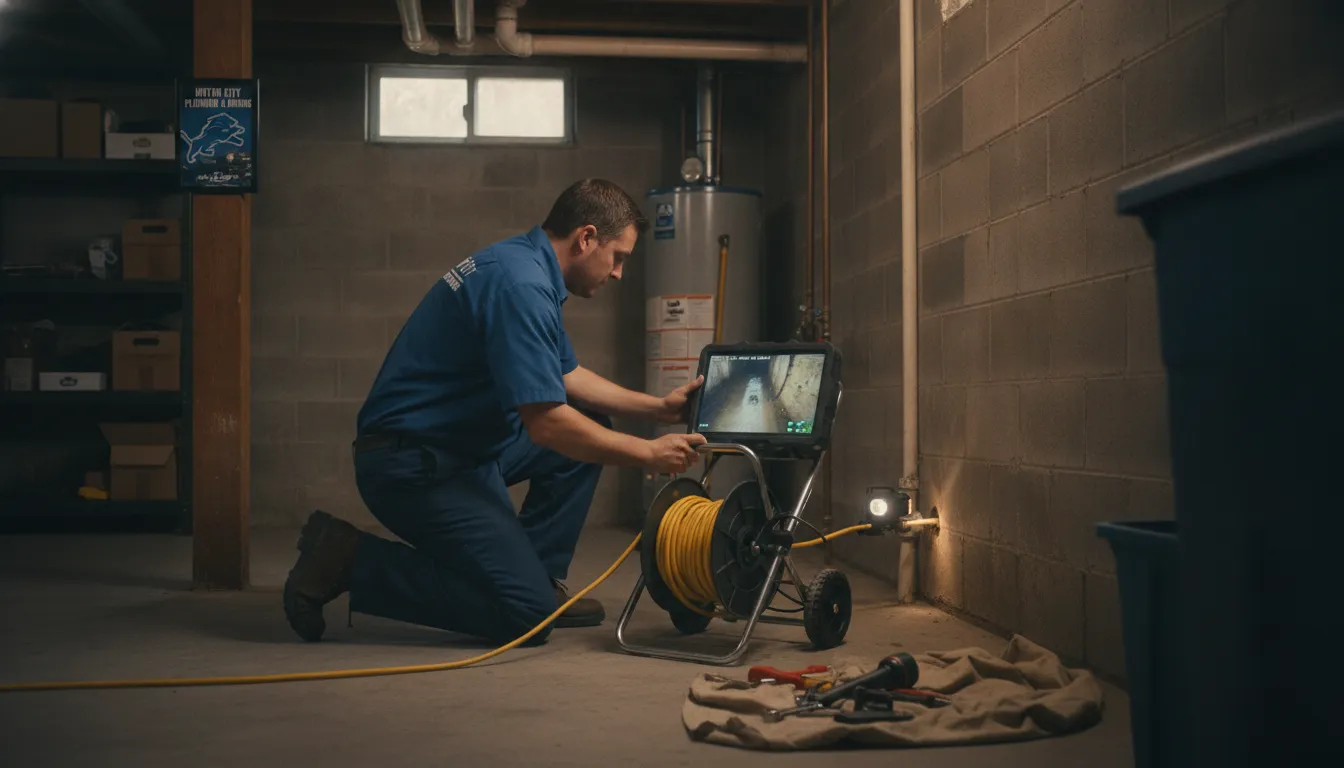
To solve a problem, you first have to see it clearly. Instead of guessing what’s causing the clog, we use a high-resolution, waterproof camera to perform a video pipe inspection. We guide the camera through your sewer line to get a real-time look at what’s going on inside. This lets us pinpoint the exact location and cause of the blockage, whether it’s a buildup of grease, an intruding tree root, or a damaged pipe. This accurate diagnosis means we can apply the right fix the first time, saving you time and money.
Clearing Pipes With Hydro Jetting
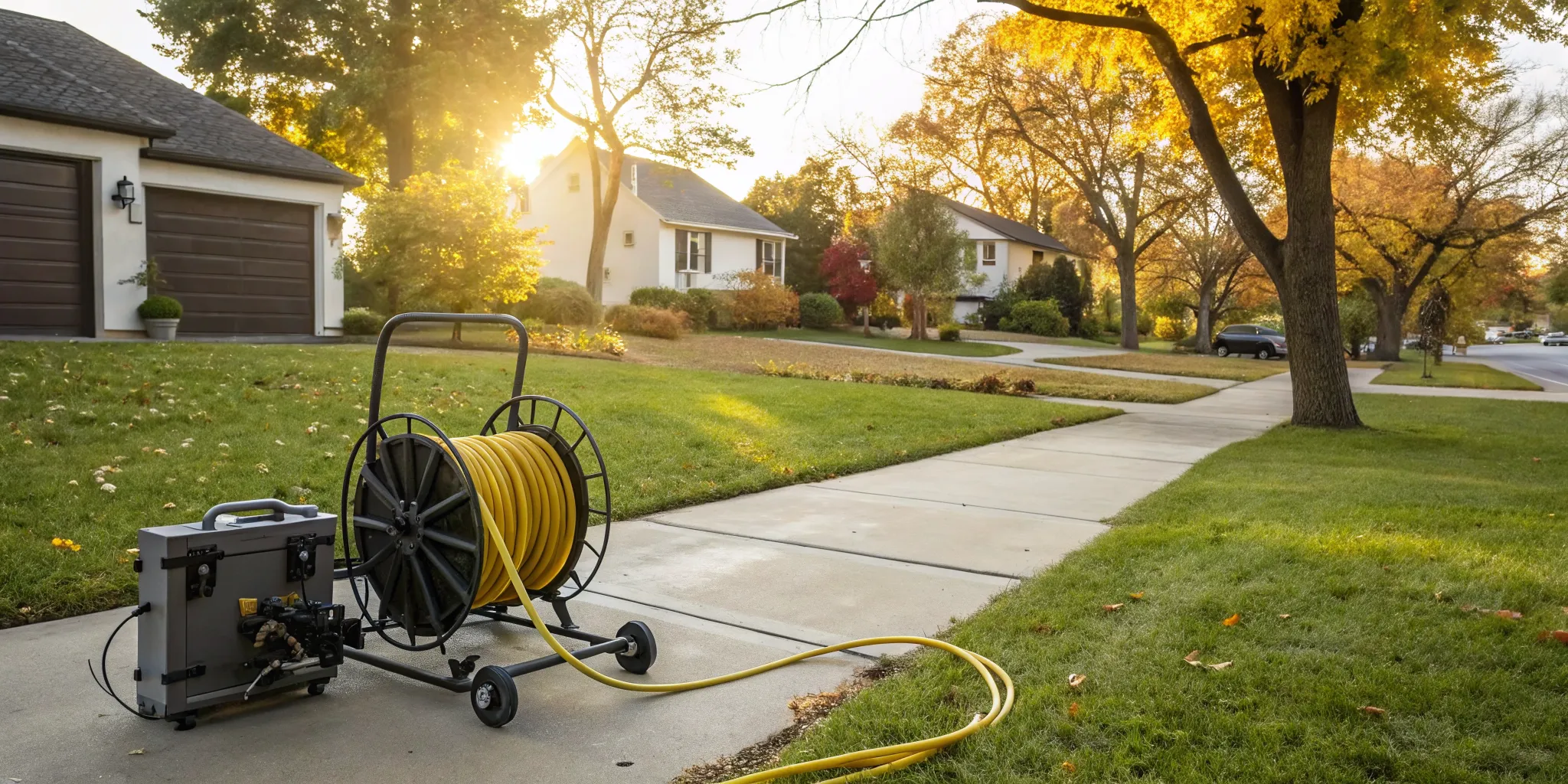
For tough clogs that a standard snake can’t handle, we turn to hydro jetting. This method uses a high-pressure stream of water to blast away years of accumulated grease, sludge, food particles, and even stubborn tree roots from the inside of your pipes. It’s incredibly effective and cleans the entire pipe diameter, not just punching a hole through the clog. Think of it as a pressure washer for your plumbing. This thorough cleaning restores your pipes to near-original condition and helps prevent future backups. If you’re facing a serious blockage, our emergency plumbing team can determine if hydro jetting is the right solution.
Repairing or Replacing Damaged Pipes
Sometimes, the problem isn’t just a clog but the pipe itself. Older pipes made of cast iron or clay can crack, corrode, or collapse over time. Tree roots can also break through pipe walls, causing recurring backups and leaks. If our camera inspection reveals significant damage, we may recommend repairing a section of the pipe or replacing it entirely. Upgrading to modern, durable PVC pipes can be a smart long-term investment. This not only solves the immediate backup but also provides a reliable drainage system that will serve your home for decades to come.
How to Prevent Future Backups
Dealing with a sewage backup is something no one wants to experience twice. The good news is that you can take several proactive steps to significantly lower the risk of it happening again. Think of it as preventative care for your home’s plumbing system. A few simple habits and strategic upgrades can save you from the stress, mess, and expense of another backup. By being mindful of what goes down your drains and keeping an eye on your plumbing’s health, you can keep things flowing smoothly.
Be Careful What Goes Down the Drain
Your drains are not invincible trash cans. Treating them with a little care goes a long way in preventing clogs. The biggest culprits are grease, fats, and oils from cooking. When you pour them down the sink, they cool, solidify, and stick to the inside of your pipes, creating a stubborn blockage that catches everything else. Coffee grounds, eggshells, and fibrous food scraps also cause trouble. And despite what the packaging says, “flushable” wipes are a plumber’s nightmare; they don’t break down like toilet paper and are a primary cause of major sewer line clogs. Getting into the habit of scraping plates into the trash and collecting grease in a container can make a huge difference.
Use Drain Screens and Covers
One of the easiest and most affordable ways to prevent clogs is by using drain screens. These simple mesh or silicone covers sit over your drains and act as a first line of defense, catching hair, food particles, and other debris before they have a chance to enter your pipes. You can find them for your kitchen sink, shower, and bathtub drains at any home improvement store. In the bathroom, they are fantastic for stopping hair from creating a net that leads to slow-draining tubs. In the kitchen, they catch the small bits of food that can contribute to a larger buildup over time. It’s a small investment that pays off by preventing future headaches.
Install a Backwater Valve
If your home is connected to the municipal sewer system, you’re also connected to its problems. Heavy rainfall or a blockage in the city’s main line can force raw sewage back up into your home through your basement drain. A backwater valve is your best defense against this unpleasant scenario. It’s a device that gets installed on your sewer line and acts like a one-way gate, allowing waste to flow out of your home but automatically closing to prevent anything from flowing back in. If you live in an area prone to sewer backups, this is a smart upgrade. We can help you determine if a backflow preventer is right for your home.
Add a Sump Pump for Extra Protection
While a backwater valve protects you from sewer line reversals, a sump pump protects your basement from groundwater. Here in Michigan, heavy rain and rapid snowmelt can saturate the ground, raising the water table and putting immense pressure on your foundation. A sump pump sits in a basin in the lowest part of your basement and automatically pumps excess water away from your home before it can flood the space. Having a reliable sump pump is a critical part of a complete basement protection plan, working alongside your drainage system to keep your lower level dry and safe from water damage, no matter the weather.
Manage Landscaping Near Your Sewer Line
The trees in your yard might be beautiful, but their roots can pose a serious threat to your sewer line. Tree roots are naturally drawn to the moisture and nutrients inside your pipes. They can sneak into tiny cracks and joints, and once inside, they expand and create dense root balls that cause severe blockages and can even break the pipe. When planting new trees or large shrubs, be aware of where your sewer line runs and plant them a safe distance away. If you have large, mature trees on your property, it’s a good idea to be aware of this risk and consider periodic inspections to catch root intrusion before it causes a backup.
Schedule Regular Drain Maintenance
The best way to avoid an unexpected plumbing disaster is through regular, proactive maintenance. Just like you take your car in for an oil change, your home’s plumbing system benefits from a periodic checkup. We recommend having your main sewer line professionally inspected and cleaned every couple of years, especially if you live in an older home or have large trees in your yard. Using a specialized camera, a plumber can see the exact condition of your pipes and identify potential issues like cracks, buildup, or root intrusion. This allows you to address small problems before they turn into messy, expensive emergency plumbing situations.
Related Articles
Frequently Asked Questions
Why does my basement drain back up when I use my kitchen sink? It’s a common and confusing problem. In many homes, the pipes from your kitchen and laundry room connect to a larger, shared drain line before it meets the main sewer line. If a clog forms in that shared pipe, the water from your sink has nowhere to go. Since your basement floor drain is the lowest point in the system, the water takes the path of least resistance and comes up there instead.
Is a basement drain backup always a major emergency? Not always, but it’s always serious. If only one or two fixtures are causing the backup and your toilets are flushing fine, you likely have a localized clog in a secondary line. This still needs attention but is less critical. However, if multiple drains are backing up, you hear gurgling noises from toilets, or water appears in the shower after you flush, you’re probably dealing with a main sewer line clog. That is a true plumbing emergency that requires immediate professional help.
Can I just pour a chemical drain cleaner down the drain to fix it? Please don’t. While it seems like a quick fix, chemical cleaners are rarely strong enough to clear a deep or significant blockage in a main line. More importantly, these harsh chemicals can corrode your pipes, causing more expensive damage over time. They also create a toxic hazard in the standing water, making it dangerous for you and for the plumber who eventually has to clear the line.
What’s the difference between a sump pump and a backwater valve? They both protect your basement from water, but they solve two very different problems. A sump pump removes groundwater that collects around your foundation from rain or snowmelt, pumping it away from your house to prevent flooding. A backwater valve is installed on your main sewer line to prevent raw sewage from the city’s sewer system from flowing backward into your home, which can happen during heavy storms.
How can I tell if tree roots are causing my recurring backups? Unfortunately, you can’t know for sure just by looking at the symptoms, as a root blockage can look a lot like a severe grease clog. The only way to get a definitive answer is with a professional video camera inspection. A plumber can feed a special camera into your sewer line to see exactly what’s going on inside, confirming if roots are the problem and showing the precise location and extent of the damage.