
The clean water that flows into your business is something we all take for granted. However, a sudden change in water pressure can cause a dangerous reversal, known as backflow, pulling contaminants from your property’s plumbing back into the public water supply. This poses a serious health risk to your employees, your customers, and the entire community. This is precisely why the city has strict rules in place. Regular testing ensures your backflow prevention device is working correctly, acting as a crucial gatekeeper for our shared water source. Getting professional backflow testing Troy MI is not just about compliance; it’s about being a responsible business owner committed to public health and safety.
Key Takeaways
- Prioritize Your Annual Test with a Certified Pro: Troy requires businesses to have their backflow preventer tested once a year by a plumber holding an ASSE certification. This is a firm rule that protects our community’s water and keeps your business clear of fines.
- Let Your Plumber Handle the Paperwork: Staying compliant is easier than it sounds because your certified tester is responsible for the entire process. They will perform the test, document the results, and submit everything directly to the city on your behalf.
- View Testing as a Smart Financial Investment: The cost of an annual backflow test is minimal when compared to the high price of non-compliance fines or emergency repairs after a failure. Regular testing is a cost-effective way to protect your business from expensive problems.
What Is Backflow and Why Does It Matter?
Simply put, backflow is the unwanted reversal of water flow in your plumbing. Instead of water flowing from the city’s main line into your property, it flows backward from your property into the clean water supply. This is a serious health concern because it can introduce contaminants like pesticides, chemicals, bacteria, and other hazardous materials into the water you and your community use for drinking, cooking, and bathing.
Think of your plumbing system as a one-way street. Backflow happens when traffic starts moving in the wrong direction, creating a dangerous situation. This reversal can contaminate the public drinking water system, posing a risk to everyone connected to it. That’s why cities like Troy have strict regulations in place to protect the municipal water supply. Preventing this issue is not just about protecting your property; it’s a crucial part of safeguarding public health for the entire community. A properly installed and tested backflow preventer acts like a gatekeeper, ensuring water only flows in the correct direction. It’s the best way to ensure your water, and your neighbor’s water, stays safe and clean. If you’re unsure about your system or its last inspection date, getting professional backflow preventer repair and testing is a critical first step toward peace of mind.
How Does Backflow Happen?
Backflow isn’t caused by a single faulty pipe; it’s usually the result of pressure changes in the water supply. Two main scenarios can trigger it: back-siphonage and back-pressure. Back-siphonage occurs when there’s a sudden drop in pressure in the city’s water main, creating a vacuum effect. This can happen during a water main break or when a fire hydrant is used nearby. This vacuum can suck contaminated water from a private plumbing system back into the public supply. Back-pressure happens when the water pressure in your building’s system is higher than the city’s supply, forcing water to flow backward. This is common in buildings with booster pumps or elevated water tanks.
Why Your Business Faces a Higher Risk
While backflow can happen anywhere, commercial properties often have a much higher risk than residential homes. This is because business plumbing systems are typically more complex and connected to potential sources of contamination. Think about it: restaurants have commercial dishwashers and soda fountains, medical offices have specialized equipment, and manufacturing facilities use various chemicals. Even a simple irrigation system for your landscaping can be a source of backflow. Because of these cross-connections, businesses are required by law to install and annually test their backflow prevention devices. It’s a small step that protects your customers, your employees, and your business from serious liability and fines.
Understanding Troy, MI’s Backflow Testing Rules
If you own a business in Troy, MI, you’re probably juggling a lot of local rules and regulations. When it comes to your plumbing, the city’s backflow testing requirements are some of the most important ones to follow. These rules aren’t just about checking a box; they are in place to protect our community’s water supply from contamination. Think of it as a crucial safety measure for everyone who lives and works here.
Understanding these requirements is the first step to making sure your business stays compliant and your water stays safe. The City of Troy has a clear process for commercial properties, and knowing what’s expected will save you time, money, and stress. From how often you need to get tested to who can perform the test and where the results go, we’ll walk through everything you need to know. Let’s break down exactly what the city requires.
The Annual Testing Requirement
For commercial properties in Troy, backflow testing isn’t a one-time task. The city mandates that your backflow prevention assembly must be tested once a year. This annual check-up ensures the device is working correctly and hasn’t worn down over time. The test must be performed by a licensed plumber who holds a specific certification for backflow testing. According to the City of Troy, this is a firm requirement for all businesses. Setting a yearly reminder on your calendar is a great way to stay ahead of the deadline and keep your property in good standing with the city.
Why Your Tester Must Be ASSE-Certified
You can’t have just any plumber perform your backflow test. The City of Troy requires the test to be done by a professional with an ASSE (American Society of Sanitary Engineering) backflow tester certification. This isn’t just red tape; it’s a critical quality control measure. Backflow prevention devices are specialized pieces of equipment that can fail or wear out. An ASSE-certified tester has the specific training to properly diagnose issues and ensure your device is functioning perfectly. This expertise protects your business, your customers, and the public water supply. When you hire a certified professional for backflow preventers repair and testing, you’re investing in peace of mind.
How to Submit Your Test Results
Here’s some good news: as the business owner, you don’t have to worry about submitting the paperwork yourself. The process is designed to be simple for you. Once your certified plumber completes the test, they are responsible for submitting the report directly to the city. Troy uses an online portal called the ‘Swift Comply’ program to manage all backflow test reports. Your plumber will handle the entire submission process, ensuring the city receives the documentation it needs. This streamlined system lets you focus on running your business while the experts handle the compliance details.
What Happens If You Don’t Comply?
Skipping your annual backflow test can lead to serious consequences. The city takes these regulations seriously because the health of the public water supply is at stake. If you fail to comply, you can face fines and other penalties. More importantly, a faulty backflow preventer can create a significant health risk by allowing contaminated water to enter the clean water system. The cost of a test is minimal compared to the potential fines and the liability that comes with a contamination event. Staying on top of your annual testing is the best way to avoid these issues and show your commitment to community safety.
What Does a Backflow Test Actually Involve?
If you’ve been told you need a backflow test, you might be picturing a complicated, disruptive process. The good news is that it’s actually a quick and precise procedure when handled by a certified professional. Think of it as a specialized check-up for your plumbing system’s most important safety feature. A licensed plumber uses specific tools to make sure your backflow preventer is ready to do its job: protecting your water from contamination. Let’s walk through exactly what you can expect during the test and the types of devices we commonly see.
The Testing Process, Step by Step
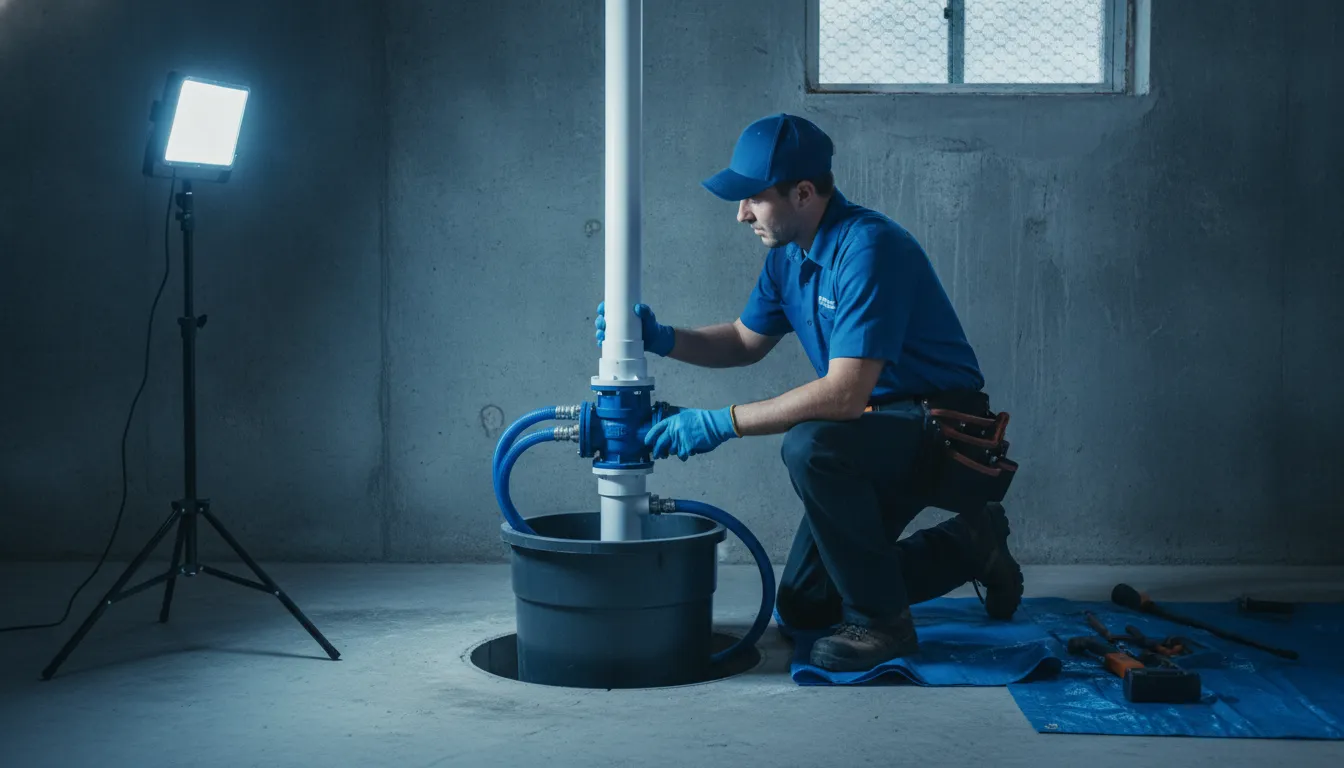
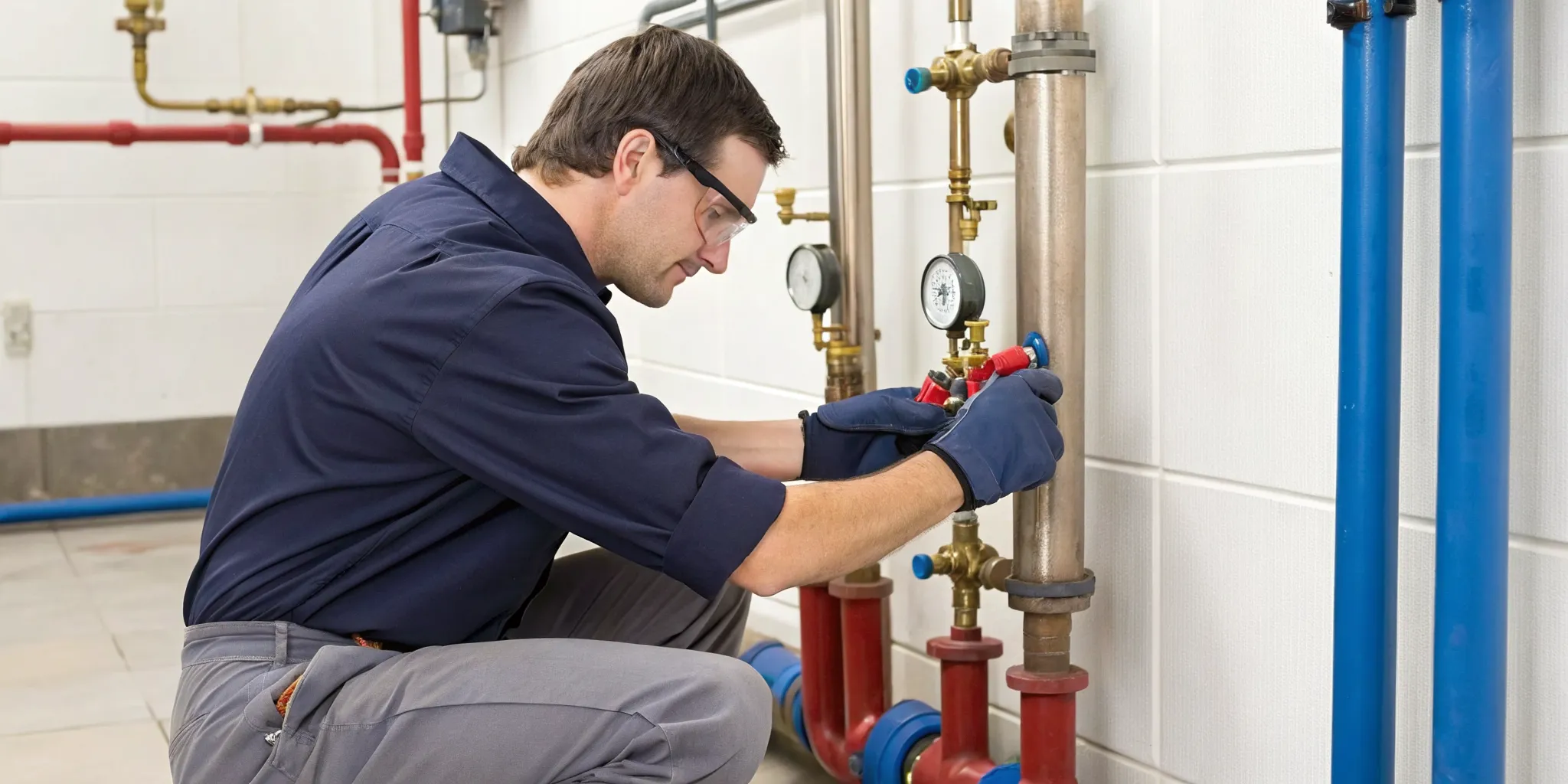
The annual backflow test is a streamlined process designed to be as efficient as possible. First, your water will be briefly shut off to isolate the backflow prevention device. This allows our certified technician to safely connect a specialized test kit. Using this kit, we measure the pressure in different parts of the assembly and check that its internal valves and checkpoints are working perfectly. It’s a precise diagnostic that tells us if the device can successfully stop a backflow event. Once the test is complete, we document the results on an official form required by the city and submit it on your behalf. We then restore your water, leaving you with the peace of mind that your system is compliant and safe.
Common Types of Backflow Prevention Devices
Not all backflow preventers are created equal, and the right one for your property depends on its specific risk level. You might have a Reduced Pressure Zone (RPZ) assembly, which offers the highest level of protection and is common in commercial buildings like restaurants or medical facilities. Other businesses might use a Double Check Valve Assembly (DCVA). The key is that the device must be properly sized and selected for the potential hazard. No matter which type you have, routine testing is the only way to confirm it’s working correctly. If we find an issue during your test, our team can handle any necessary repairs or replacements to keep your water supply safe and your business compliant.
How Much Does Backflow Testing Cost in Troy, MI?
Let’s talk about one of the most common questions business owners have: what is this going to cost? When you’re managing a budget, every expense matters. The cost of annual backflow testing is a necessary operational expense for many businesses in Troy, but the final price isn’t one-size-fits-all. Several key factors can influence your final quote, from the size of your plumbing system to the number of devices that need inspection.
Think of it less as a cost and more as an investment in safety, compliance, and peace of mind. A routine test is always more affordable than dealing with the consequences of a backflow incident, which can include expensive repairs, fines, and potential health hazards. Understanding the typical price range and the factors that affect it will help you budget accordingly and see the value in this essential service. We believe in being transparent about pricing, so let’s break down what you can expect.
Typical Price Ranges for Businesses
For businesses in Troy, the average cost for backflow testing generally falls between $300 and $435. However, it’s helpful to know that the full range can be wider, sometimes as low as $100 or as high as $750, depending on the specifics of the job. This range accounts for the variety of commercial properties and plumbing setups across the city. A small cafe with one backflow device will naturally have a different cost than a large industrial facility with multiple complex systems. The best way to get an accurate number for your budget is to request a personalized quote from a certified professional.
What Factors Affect the Final Cost?
The price on your invoice is determined by a few key variables. The most significant factors include the type of property, the size of the backflow prevention device, and how many devices your property has. A larger device on a sprawling commercial property requires more time and effort to test than a smaller one in a more compact space. The accessibility of the device also plays a role; if it’s located in a hard-to-reach area, it may add to the labor time. Our team can provide a clear, upfront estimate based on these factors when you schedule your backflow preventer service.
Weighing the Costs: Testing vs. Repairs and Fines
While it’s tempting to see backflow testing as just another line item on your expense report, its true value becomes clear when you compare it to the alternatives. The cost of a scheduled annual test is minimal compared to the potential fines for non-compliance from the city. More importantly, it pales in comparison to the cost of an actual backflow event. Contamination can lead to extensive water damage, expensive emergency plumbing repairs, and a serious risk to public health. Investing in a routine test protects your water supply, keeps your business compliant, and helps you catch small issues before they become costly disasters.
The Real Benefits of Regular Backflow Testing
Scheduling your annual backflow test might feel like just another item on your to-do list, but its benefits go far beyond simply meeting a requirement. Think of it as a proactive investment in the health of your business, your customers, and your plumbing system. Regular testing protects your water supply, keeps you on the right side of local regulations, prevents expensive repairs, and strengthens your reputation as a responsible community member. It’s a simple step that delivers real peace of mind.
Protect Public Health and Your Water Supply
The most important job of a backflow preventer is to act as a gatekeeper, stopping contaminated water from reversing flow and mixing with the clean, potable water supply. These devices contain seals, springs, and internal checks that can wear down or fail over time. Regular testing is essential because it confirms your system is working correctly.
By prioritizing prevention, you safeguard the health of your employees, customers, and the entire community. A failed device could introduce harmful chemicals, bacteria, or other pollutants into the drinking water, creating a serious public health risk. An annual test ensures your backflow prevention system is ready to do its job, keeping your water safe and clean.
Stay Compliant and Avoid Penalties
The City of Troy has clear rules for commercial properties to ensure water safety for everyone. According to local regulations, backflow testing is required once a year and must be performed by a licensed plumber holding an ASSE backflow tester certification. Failing to comply isn’t just a paperwork oversight; it can lead to hefty fines and even the risk of having your water service shut off until the issue is resolved.
Staying on top of your annual test is the easiest way to avoid these penalties and the business disruptions they cause. A certified test report provides the city with the documentation it needs and gives you proof that you’re operating safely and responsibly.
Extend the Life of Your Backflow Prevention System
Just like any other piece of mechanical equipment, your backflow preventer needs routine maintenance to function properly for years to come. An annual test is the perfect opportunity for a trained professional to spot small issues, like worn seals or sticky check valves, before they turn into major failures.
Catching these minor problems early is far more cost-effective than dealing with a complete device breakdown. A small repair or part replacement during a scheduled test can prevent a costly emergency call and an expensive full replacement down the road. This preventative approach not only saves you money but also ensures your entire plumbing system remains reliable and in good working order.
Build Trust in Your Community
As a business owner, your reputation is everything. Taking proactive steps to protect the public water supply shows your customers, employees, and neighbors that you care about the community’s well-being. This commitment to safety builds trust and demonstrates that you are a responsible local business. When you partner with a trusted expert for your testing, you ensure the reliability of your system and reinforce your dedication to public health.
This is especially true for businesses where water is integral, such as restaurants, salons, or healthcare facilities. By maintaining compliance and prioritizing safety, you show everyone that you’re a business people can count on, which is something we at Mr. Pipey value deeply as a family-owned company.
How to Choose the Right Backflow Tester in Troy
Finding the right professional for your annual backflow test is more than just checking a box. The right partner makes the process simple, ensures you’re compliant, and gives you peace of mind that your water supply is safe. With strict regulations in place, you need a certified and experienced plumber you can trust. Here’s how to find the best backflow tester for your Troy business.
Certifications to Look For
First things first, let’s talk credentials. Your backflow tester can’t just be any plumber; they need specific qualifications. The City of Troy requires that annual backflow assembly testing on commercial properties is performed by a licensed plumber who also holds an ASSE backflow tester certification. ASSE (American Society of Sanitary Engineering) certification means the technician has completed rigorous training and passed an exam to prove their expertise. This isn’t just a suggestion, it’s a requirement. When you’re vetting a company, make sure you confirm their technicians are ASSE-certified. It’s your guarantee that they know exactly how to test, repair, and maintain your device according to official standards.
Why Local Experience Is Key
A plumber from across the state might have the right certification, but local experience is a game-changer. A tester who works in Troy regularly will be familiar with the city’s specific submission processes and common plumbing configurations in local buildings. They understand the nuances of working with the Troy Water and Sewer department, which can make your life much easier. A local expert knows what it takes to make compliance seamless. They can anticipate potential issues and handle the paperwork efficiently, saving you from administrative headaches and ensuring your test results are filed correctly and on time.
Questions to Ask Before You Hire
Before you book an appointment, it’s smart to ask a few key questions to make sure you’re hiring the right team. This quick screening can save you a lot of trouble down the road.
Start with these questions:
- Are your technicians ASSE-certified for backflow testing?
- Do you have experience working with businesses in Troy?
- Will you handle submitting the test results directly to the Troy water authority for me?
- What is your process if my backflow preventer fails the test?
- Can you provide a clear breakdown of your testing and potential repair costs?
A trustworthy company will have clear, confident answers to all these questions.
Why Troy Businesses Trust Mr. Pipey
At Mr. Pipey, we’re proud to be the go-to choice for businesses in Troy. Our team isn’t just licensed and insured; our technicians are ASSE-certified experts who specialize in backflow preventers repair and testing. We handle everything from the initial test to any necessary repairs and all the paperwork, submitting your results directly to the city. We combine technical expertise with the customer-first approach our family-owned business is known for. We understand that as a business owner, you have enough on your plate. Our goal is to make backflow compliance straightforward and stress-free, so you can focus on running your business.
Related Articles
- Backflow Preventer Testing: A Homeowner’s Guide
- Plumbing Maintenance & Prevention
- Drain Backup in Basement? A Step-by-Step Guide
Frequently Asked Questions
What happens if my backflow preventer fails the test? A failed test isn’t a cause for panic; it’s actually a good thing that we caught a problem before it caused a real issue. It usually means a simple internal part, like a seal or a spring, has worn out. Our certified technician can diagnose the exact problem, perform the necessary repairs (often during the same visit), and then re-test the device to ensure it passes. Once it passes, we submit the successful report to the city for you, keeping your business compliant and your water safe.
Will the backflow test disrupt my business operations? We understand that you can’t afford significant downtime. The good news is that a standard backflow test is a quick and efficient process. We only need to shut off the water to the device for a short period, typically about 20 to 30 minutes. We are happy to work with you to schedule the test during your slowest hours to ensure there is minimal impact on your customers and employees.
Why does the test have to be done every single year? Think of it like a yearly physical for your plumbing’s most important safety feature. A backflow preventer has internal moving parts, gaskets, and springs that can wear down, get stuck, or degrade over time. An annual test is the only way to verify that these components are still working perfectly and will function correctly during an unexpected water pressure change. It ensures the device is ready to protect the water supply at a moment’s notice.
The blog post focuses on businesses. Do I need backflow testing for my home in Troy? While the City of Troy’s mandatory annual testing requirement is specifically for commercial properties, some residential properties may also need a backflow preventer. This is most common for homes with in-ground irrigation systems, fire suppression sprinklers, or pools with an auto-fill line. If you have one of these systems, having a backflow preventer installed and periodically tested is a critical step to protect your family’s drinking water from contamination.
How can I be sure my plumber actually submitted the test results to the city? This is a great question, and it’s why choosing a trustworthy partner is so important. As part of our service, we handle the entire submission process through Troy’s official online portal. For your peace of mind and your own records, we will provide you with a copy of the successfully submitted test report. This way, you have documented proof that your business is compliant for the year.