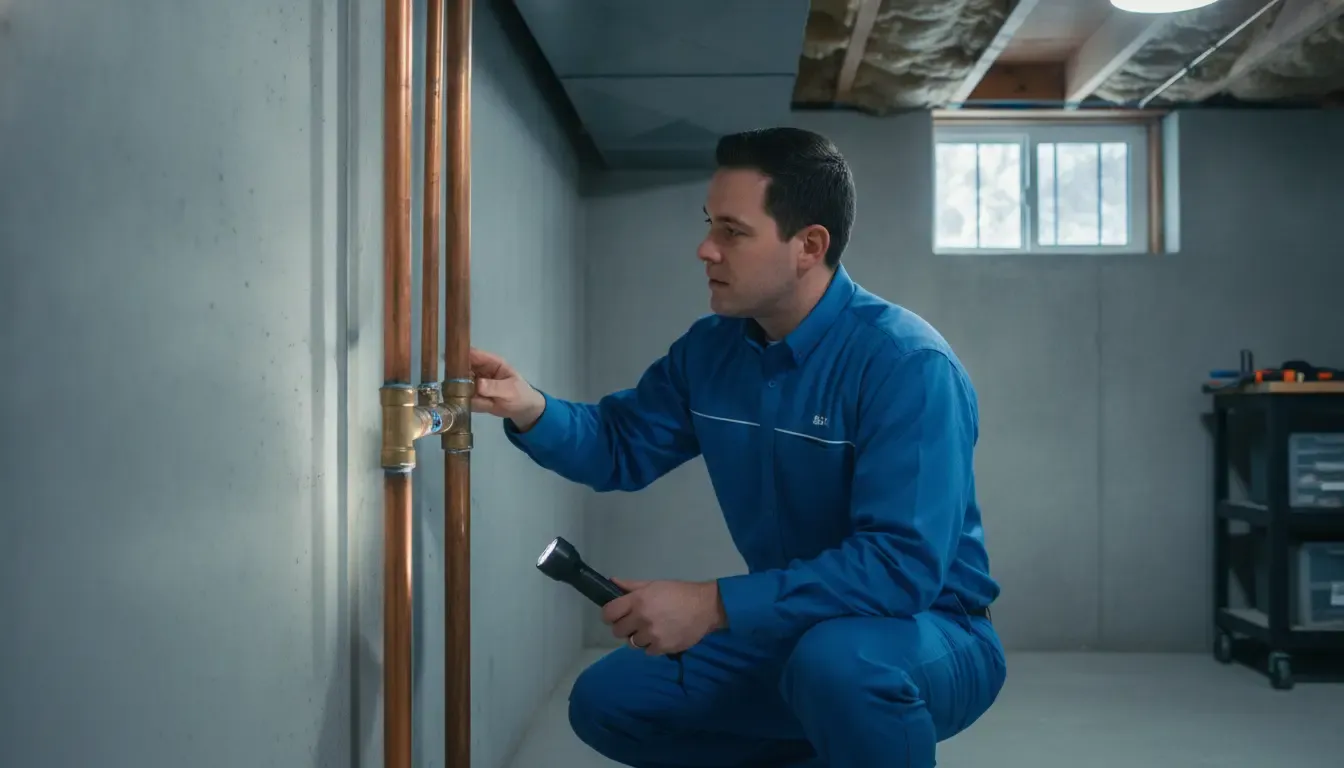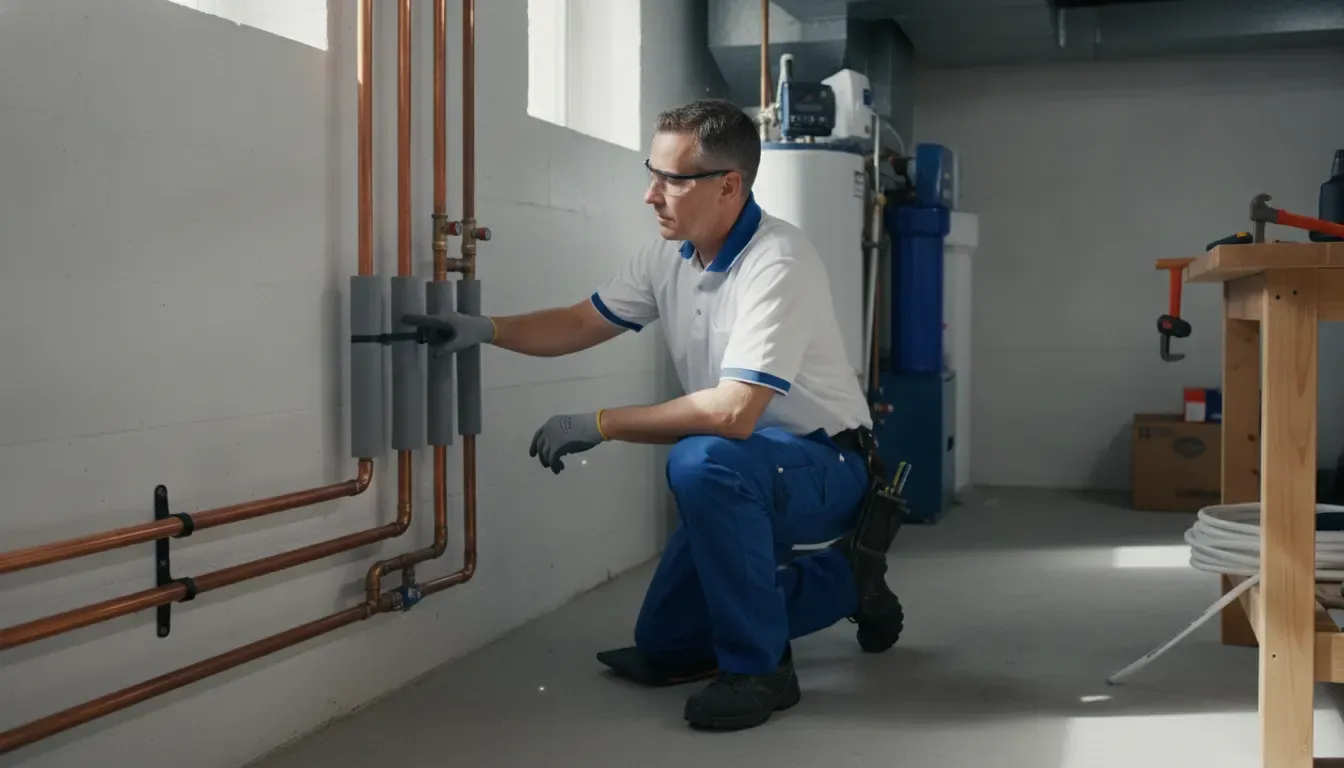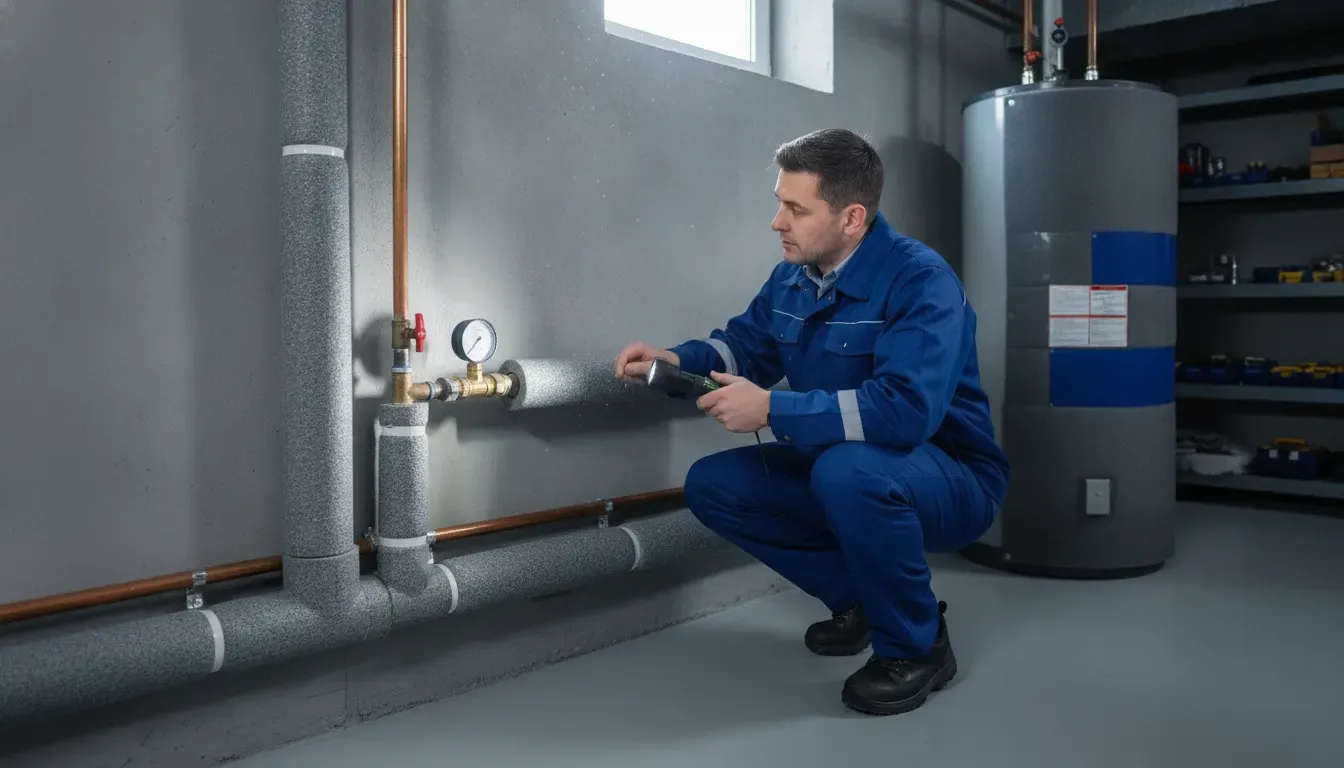


The water flowing from your taps should always be safe to drink, but a plumbing issue called backflow can put that at risk. Backflow happens when the water flow reverses, creating a siphon that can pull contaminated water from sources like irrigation systems or boilers back into your clean water lines. It’s a silent threat that can go unnoticed until it’s too late. That’s why regular testing of your backflow prevention device is so important. This guide explains how backflow occurs, why commercial properties are at a higher risk, and what the process for certified backflow testing Farmington Hills MI involves.
Key Takeaways
- Prioritize Annual Testing to Stay Compliant: Backflow testing is a required annual task for commercial properties in Farmington Hills. Keeping up with it protects the public water supply and helps you avoid serious consequences like fines or having your water shut off.
- Verify Your Technician’s Credentials: In Oakland County, only a licensed plumber with an ASSE 5110 certification can legally perform your backflow test. Before scheduling, confirm your chosen company’s technicians meet these specific requirements to ensure the test is valid.
- Understand That Repair is Often an Option: A failed backflow test doesn’t always mean you need a full replacement. Common issues like debris or worn seals can often be fixed with a simple repair. A professional will diagnose the problem and give you a clear quote before starting any work, putting you in control of the decision.
What Is Backflow Testing and Why Does It Matter?
Backflow testing is a critical safety check for your water supply. It’s a straightforward process that verifies your drinking water is protected from contamination by non-potable sources like fertilizers, chemicals, or other pollutants. During a test, a certified technician uses specialized equipment to ensure your backflow prevention devices are functioning correctly. These devices are designed to be the guardians of your plumbing, acting as a one-way gate that stops dirty water from reversing direction and mixing with your clean water supply.
For homeowners and commercial property managers in Farmington Hills, this test is more than just a routine task. It’s a fundamental part of maintaining a safe environment and complying with local health regulations. A backflow incident can contaminate the water not just in your building, but potentially in the surrounding neighborhood, posing a serious public health risk. That’s why Michigan has rules in place requiring periodic testing. Staying on top of your backflow testing schedule keeps your water safe, protects you from liability, and ensures you’re meeting your responsibilities to the community.
How Does Backflow Happen?
Backflow happens when the normal flow of water reverses, creating a pathway for contaminants to enter your drinking water supply. This usually occurs at a “cross-connection,” which is any point where your clean (potable) water system connects with a non-potable source. It’s an unwanted and dangerous plumbing mishap that requires a plan for protecting your drinking water.
There are two main ways this reversal can happen. The first is backsiphonage, which occurs when water pressure in the main supply line drops suddenly. Think of it like sipping through a straw; the drop in pressure can suck water from a contaminated source (like a garden hose left in a puddle of fertilizer) back into your pipes. The second is backpressure, which happens when a system on your property, like a boiler or a pressurized irrigation system, creates more pressure than the municipal water supply, pushing contaminated water back into the clean lines.
Why Commercial Properties Have a Higher Risk
Commercial properties often have more complex plumbing systems than homes, which naturally increases the risk of backflow. These buildings frequently contain multiple cross-connections, such as irrigation systems, fire suppression sprinklers, large-scale boilers, and chemical dispensers. Each of these connections is a potential point of failure where contamination could occur. Common issues like worn-out valve seals, hidden leaks, or devices that were installed improperly can compromise the entire system.
Because of this elevated risk, Michigan mandates that commercial properties install and regularly test their backflow prevention assemblies. This isn’t just a suggestion; it’s a requirement to comply with state safe drinking water standards and local water authority rules. For business owners, this means that consistent testing is essential for ensuring public safety and avoiding penalties for non-compliance.
Farmington Hills Backflow Testing: What Are the Rules?
Keeping up with local regulations can feel like a chore, but when it comes to backflow testing, the rules are there for a very important reason: to protect our community’s drinking water. For business owners in Farmington Hills, understanding these requirements is key to staying compliant and ensuring your property doesn’t pose a risk to the public water supply. Think of it less as red tape and more as a crucial part of being a responsible business owner. The good news is that the rules are straightforward, and working with a certified professional makes the process simple.
Who Is Certified to Perform a Backflow Test?
You can’t just call any plumber for a backflow test. Oakland County has specific requirements for who is qualified to perform and sign off on these tests. A technician must hold a valid American Society of Sanitary Engineering (ASSE) Standard 5110 certification. On top of that, they also need to be a licensed master plumber, journey plumber, or a registered apprentice plumber. These strict standards ensure that the person inspecting your system has the specialized training to do the job correctly. When you hire a company for backflow preventer repair and testing, you should always confirm their technicians have these credentials.
How Often Do You Need to Test Your Device?
Backflow testing is not a one-time task; it’s a regular maintenance item on your property’s checklist. Michigan law requires commercial properties to have their backflow prevention devices tested periodically to comply with safe drinking water standards. For most businesses in Farmington Hills, this means scheduling a test annually. An annual inspection confirms your device is functioning correctly and ready to prevent contamination in the event of a backflow incident. Staying on a regular testing schedule is the best way to protect your water supply and avoid any compliance headaches down the road. You can easily contact a certified team to get on a yearly schedule.
What Happens If You Miss a Test?
Forgetting or skipping your annual backflow test can lead to some serious problems. The most significant issue is the health risk. If your device fails and a backflow event occurs, it could contaminate the public drinking water with pollutants or bacteria. Beyond that, falling out of compliance with local water authority rules can result in violation notices, fines, and in some cases, the city may even shut off your water service until the test is completed. Regular testing is a small, proactive step that helps you avoid these stressful and costly consequences, ensuring you never have to make a call for emergency plumbing services related to a compliance shutoff.
How Much Does Backflow Testing Cost in Farmington Hills?
When you’re managing a commercial property, budgeting is everything. You need to know what to expect, and the cost of mandatory backflow testing is a common question. While the final price can depend on the state of your plumbing system, understanding the basic costs and potential extra expenses will help you plan effectively. A standard test is usually quite affordable, but it’s wise to be prepared for what the test might uncover. Let’s break down what you can expect to pay for backflow testing in Farmington Hills and what factors might influence your final bill.
Average Costs for Commercial Properties
For a standard backflow test on a commercial property in the Farmington Hills area, you can generally expect the cost to be around $100 per device. This price typically covers the certified technician’s time to perform the test and handle the necessary paperwork required by the local water authority. It’s a straightforward fee for a crucial service that confirms your system is operating correctly and protecting the public water supply. Think of it as a routine check-up for your building’s plumbing health, ensuring you stay compliant with local regulations without any hassle.
What Factors Increase the Price?
The initial testing fee covers the inspection, but if the test reveals any issues, the cost can go up. Several factors can cause a backflow preventer to fail, including worn-out seals, malfunctioning valves, or small leaks that have developed over time. Sometimes, the device may have been installed improperly from the start, or environmental factors like freezing temperatures could have caused damage. If your technician finds a problem, the device will need a backflow preventer repair. These repairs are not included in the testing fee and will be quoted as a separate expense.
Budgeting for Potential Repairs or Replacements
It’s always smart to budget for potential repairs when scheduling your backflow test. If your device fails the test but seems to be in decent shape, some issues can be resolved with a simple cleaning. A trustworthy technician might even clean and re-test it for you at no extra charge. However, if parts are broken, you’ll need a repair. A professional plumbing company will always provide a detailed cost estimate for any necessary repairs before starting the work, so you won’t face any surprise charges. This gives you full control to approve the work and plan your expenses accordingly.
How to Prepare for Your Backflow Test
Knowing your backflow preventer needs to be tested can feel a little daunting, but a bit of preparation makes the entire process go smoothly. Your testing appointment doesn’t have to disrupt your day. By taking a few simple steps beforehand, you can help your technician work efficiently and get your system certified without any hitches. Think of it as a routine check-up for your property’s water system, similar to an annual furnace inspection. It’s a necessary step to ensure the safety of your drinking water and stay compliant with local rules.
Understanding what to do before the test, what happens during the inspection, and how to handle a potential failure will give you peace of mind. A certified professional will handle the technical side, but being prepared helps everything move along without delays. This guide breaks down exactly what you need to know to get ready for your appointment.
Before Your Technician Arrives
To set your appointment up for success, there are a few small things you can do. First, make sure the area around your backflow prevention device is clear and accessible. This helps the technician get to work right away. Also, ensure the water supply to the device is turned on. For example, if the backflow preventer is part of your irrigation system, the water needs to be on for the test, though the sprinklers themselves don’t need to be running. Finally, have any paperwork from your local water authority ready. If you have any questions about what’s needed, it’s always a good idea to contact your plumbing company ahead of time.
What to Expect During the Test
When your certified technician arrives, they will have a specialized test kit with them. The process is fairly quick and non-invasive. They will start by temporarily shutting off the water to the device and connecting their gauges to its test ports. This allows them to measure the pressure and check that the internal valves are sealing properly, preventing any potential backflow. In our area, it’s important that your test is performed by a professional with an ASSE Standard 5110 certification, which is required by the Oakland County Water Resources Commissioner. Our team is fully certified for all backflow preventer repair and testing, ensuring your property stays compliant.
What to Do If Your Device Fails
If your technician tells you the device failed the test, don’t worry. It doesn’t automatically mean you’re facing a costly replacement. Often, a failure is caused by small debris or sediment caught in the valves. In these cases, the technician can simply clean the assembly and re-test it. If the problem is more significant, like a broken or worn-out part, a good professional will explain the issue clearly. They should provide you with a detailed quote for the repair costs before doing any work. Getting the device fixed promptly is key to protecting our community’s water supply and keeping your property in good standing with local regulations.
Does Your Backflow Preventer Need Repair or Replacement?
If your backflow preventer fails its test, the next question is always the same: can it be fixed, or does it need to be replaced? This can feel like a big decision, but it often comes down to a few key factors. A simple repair might be all you need to get back in compliance. However, sometimes a full replacement is the more practical and cost-effective solution in the long run. Understanding the difference will help you make the best choice for your property and your budget.
As your trusted plumbing partner, we can help you weigh the pros and cons. We’ll always give you a clear, honest assessment so you can feel confident in your decision.
Telltale Signs You Need a Repair
Most of the time, a failed test points to a specific, fixable problem. Your backflow preventer is a mechanical device with moving parts, and just like any other piece of equipment, it experiences wear and tear. You might notice visible leaks, dripping water, or even discolored water coming from your taps, which are all signs that something is wrong. Internally, the issue could be as simple as worn-out springs and seals, debris from line work, or mineral buildup that’s preventing a valve from closing properly. Our certified technicians can diagnose these exact issues during a test. The good news is that these common problems can usually be resolved with a straightforward backflow preventer repair, saving you the cost of a full replacement.
When to Choose Replacement Over Repair
While we always try to repair before we replace, sometimes a new unit is the smarter investment. If your device is old and requires frequent, costly repairs, you might be better off starting fresh. A key factor is cost. If the price of the repair is getting close to the cost of a brand-new backflow preventer, replacement is the logical choice. This is especially true for aging systems that are likely to have another issue pop up next year. A new device not only ensures you are compliant with current regulations but also gives you peace of mind and protects you from the recurring headache of constant fixes. We can help you do the math and figure out which option makes the most financial sense.
How to Find a Certified Backflow Tester in Farmington Hills
Finding the right professional for your backflow test is about more than just checking a box. You need someone who is certified, reliable, and understands the local requirements in Farmington Hills. This ensures your property stays compliant and your water supply remains safe. So, where do you begin your search? Here’s a straightforward guide to finding a qualified backflow tester you can trust.
Start with the Official Oakland County List
Your best first step is to head straight to the source. The Oakland County Water Resources Commissioner (WRC) maintains an official list of companies approved to perform backflow tests in the area. Using this list ensures you’re choosing from a pool of businesses that meet the county’s standards. It’s important to know that county rules require any technician testing your device to have both an ASSE Standard 5110 certification and a valid plumber’s license. While the WRC provides this list of testers, they don’t endorse any single company, leaving the final choice up to you.
What to Look for in a Testing Company
Once you have the county’s list, it’s time to vet your options. Don’t be shy about asking for proof of certification and licensing. Any reputable company will be happy to provide their credentials. This is your best way to confirm you’re hiring a qualified professional who can handle the job correctly. It’s also smart to call a few different companies to compare prices and availability. Look for a team that is transparent about their costs and process. At Mr. Pipey, we pride ourselves on being fully certified and providing clear, upfront information about our backflow preventer repair and testing services, so you know exactly what to expect.
Your Certified Backflow Experts in Farmington Hills
Keeping your water supply safe and clean is a top priority for everyone in Farmington Hills. That’s why local regulations are so specific about who can handle backflow testing. The Oakland County Water Resources Commissioner’s office requires that all backflow prevention tests be performed by technicians with a valid American Society of Sanitary Engineering (ASSE) Standard 5110 certification and a current plumbing license. These rules are in place to ensure that the person inspecting your system is a qualified professional who can properly protect your drinking water from contamination.
When you need a certified expert you can trust, you want a team that not only meets these strict requirements but also treats your property with care. As a family-owned company, we bring that level of personal commitment to every job. Our technicians are fully certified to perform backflow preventer repair and testing in compliance with all local codes. We understand that dealing with compliance testing can feel like a chore, so we make the process as straightforward and stress-free as possible.
We believe in doing the job right the first time, ensuring your backflow prevention system is functioning perfectly. Our work is backed by a 100% satisfaction guarantee, so you can have complete peace of mind. If you’re looking for a reliable partner to handle your backflow testing in Farmington Hills, we’re here to help. We combine technical expertise with the customer-first approach you’d expect from a neighbor.
Related Articles
- Backflow Preventer Testing: A Homeowner’s Guide
- Water Shut-off Valve Services in Hamtramck | Mr. Pipey® Plumbing
- Sewer Line Repair & Replacement Services in Bloomfield Hills| Mr. Pipey®
- A Homeowner’s Guide to Old Basement Drainage Systems
Frequently Asked Questions
Is backflow testing something I can do myself? This is one job you definitely want to leave to a certified professional. Because backflow poses a direct risk to public drinking water, Oakland County requires that tests are only performed by technicians who hold a specific ASSE 5110 certification and a valid plumbing license. This ensures the person inspecting your system has the right training and equipment to do the job correctly and keep our community’s water safe.
My property is residential. Do I still need to worry about backflow testing? While the annual testing requirement is primarily for commercial properties, homeowners should still be aware of backflow risks. If your home has an irrigation system, an in-ground swimming pool, or a boiler, you have cross-connections that could potentially contaminate your water supply. While you may not be required to test annually, having your backflow prevention devices checked periodically is a smart move for your family’s health and safety.
How long does a typical backflow test take? A standard backflow test is usually very quick and shouldn’t cause much disruption to your day. In most cases, a certified technician can complete the entire inspection and paperwork in under an hour. The process can go even faster if you ensure the area around your backflow device is clear and accessible before your technician arrives.
What’s the difference between backflow and a regular plumbing clog? Think of it this way: a clog is like a traffic jam in your drain pipes, stopping wastewater from leaving your property. It’s a nuisance, but it’s contained. Backflow is much more serious. It’s when the flow of water reverses, pulling contaminated water from a source like a sprinkler system or boiler back into the clean drinking water lines. This creates a significant health hazard that can affect more than just your own property.
If my device fails the test, do I have to use the same company for the repair? You are not obligated to use the same company for repairs that you used for the initial test. While it is often convenient to have the technician who found the problem fix it, you always have the right to get a second opinion or a different quote. A trustworthy plumbing company will provide you with a detailed estimate for any necessary repairs and will not begin work until you have approved the cost.