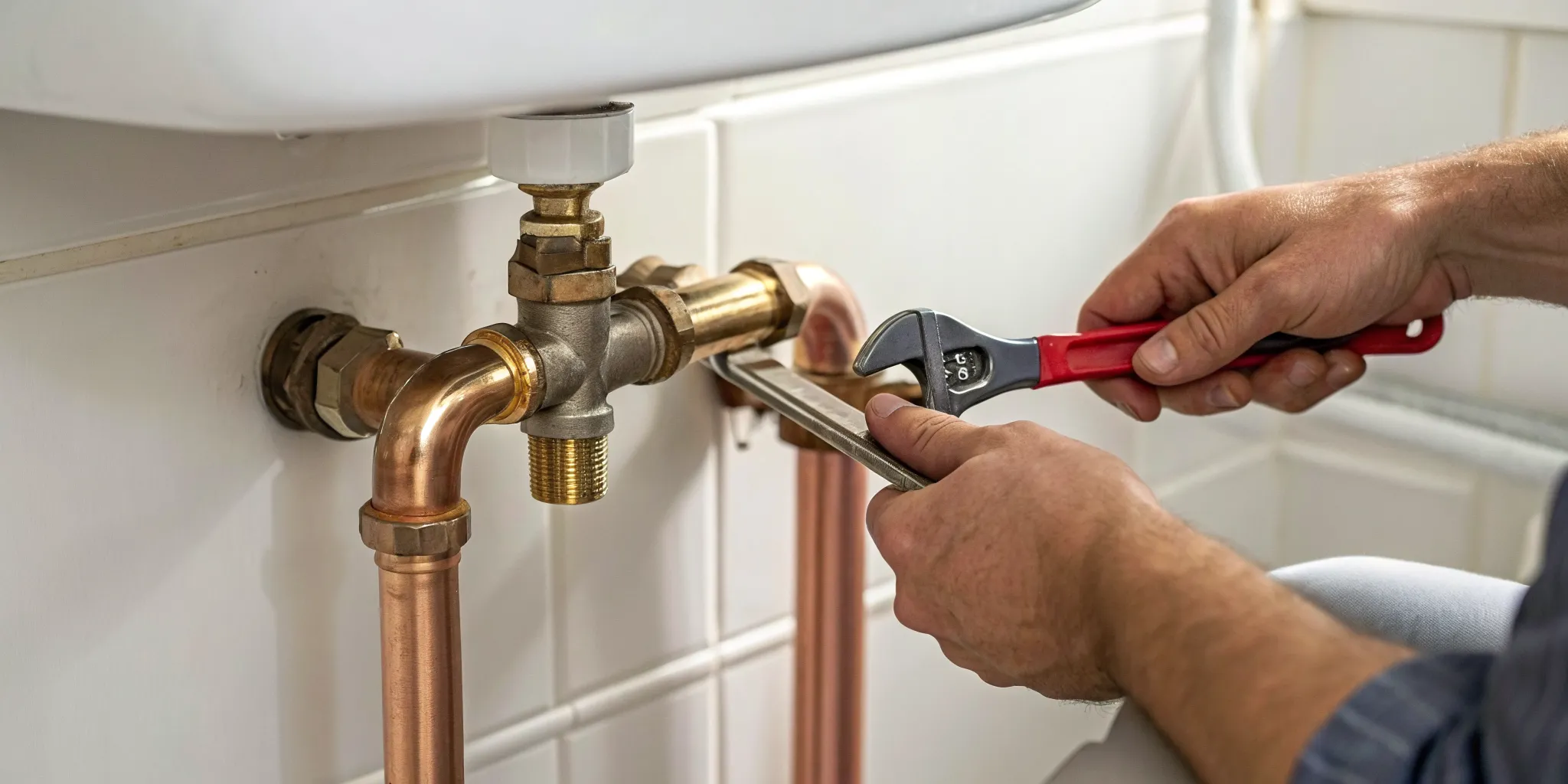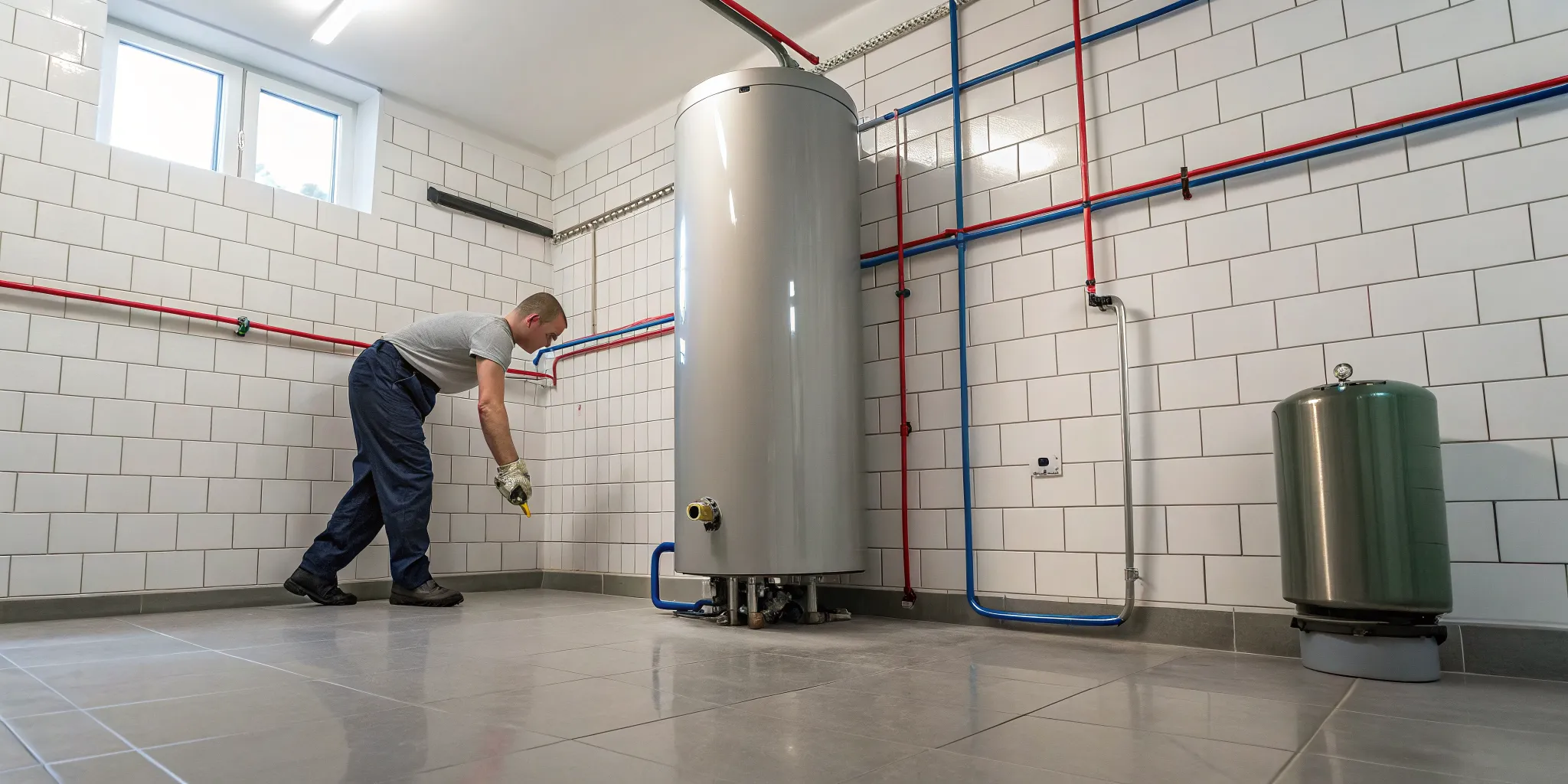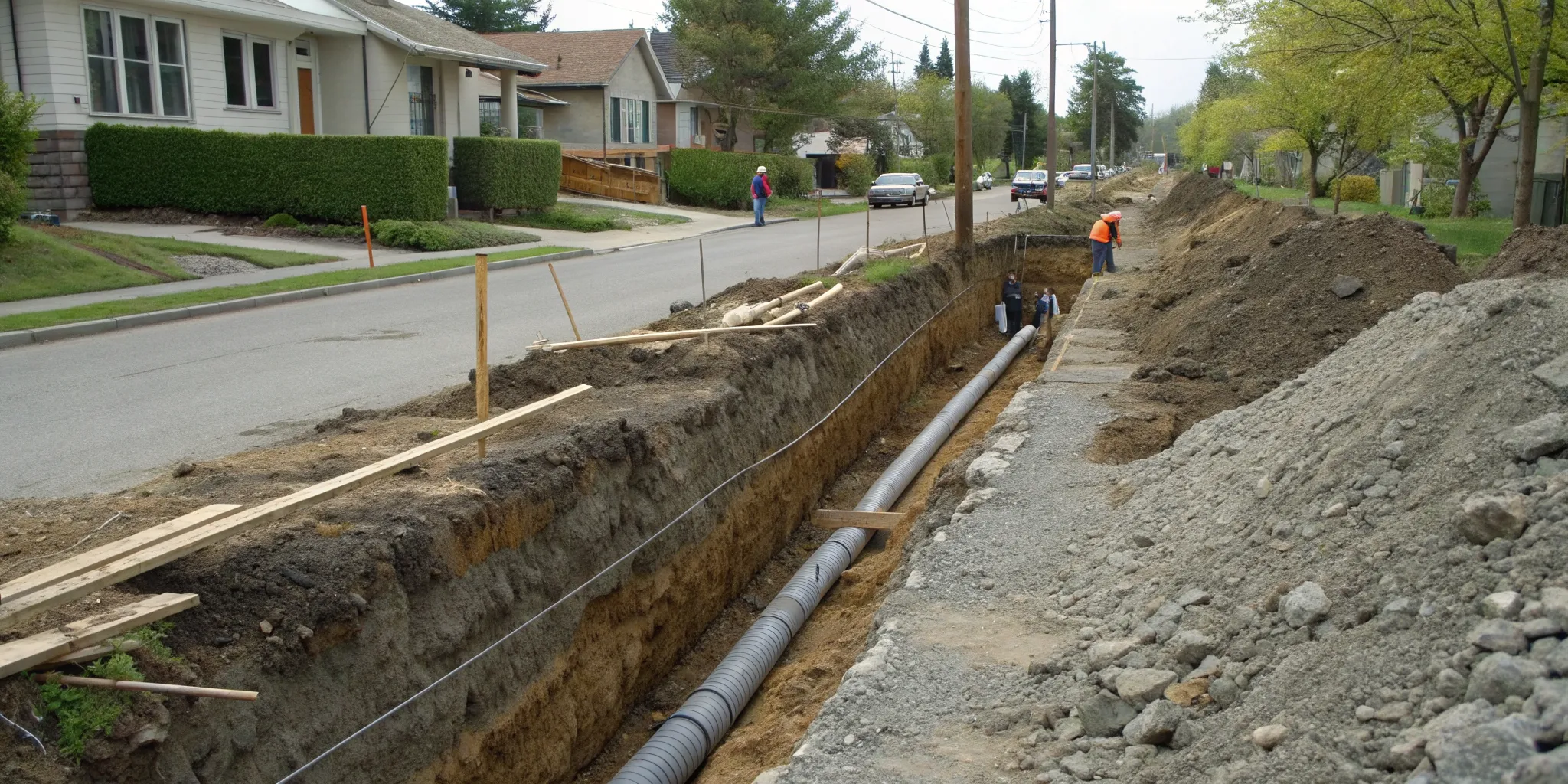


You might not know it, but your home’s plumbing has a silent guardian. It’s called a backflow preventer, and its one job is to ensure dirty water never flows backward into your clean water supply. This simple device is your first line of defense against contamination from things like lawn fertilizers or boiler chemicals. But like any safety equipment, it needs regular check-ups to work correctly. This guide explains why annual backflow preventer testing is one of the most important steps you can take for your family’s health and safety.
Key Takeaways
- Backflow preventers are essential safety devices: This device acts as a one-way gate, stopping contaminants from flowing backward into your clean water supply. Annual testing is the only way to confirm it’s working correctly and is often required to stay compliant with local Metro Detroit codes.
- Annual testing is a quick, non-invasive process: A certified technician can test your device in under 30 minutes. Scheduling this simple check-up once a year is the easiest way to protect your water, avoid fines, and make it a seamless part of your property maintenance routine.
- A failed test has a clear solution: If your device fails, a certified professional can identify the cause—often a minor issue like a worn seal or debris—and recommend the best course of action. Whether it’s a simple repair or a replacement, the goal is to get your system working safely again.
What is a Backflow Preventer and Why Do I Need One?
Let’s start with the basics. Your home or business has a plumbing system that brings in clean, fresh water (we call this potable water) for drinking, cooking, and bathing. It also has a system to carry away used, dirty water (non-potable water). These two systems should never mix. However, sometimes a change in water pressure can cause dirty water to flow backward into your clean water supply. This reversal is called backflow, and it’s a serious health hazard that can contaminate your drinking water with chemicals, fertilizers, and other pollutants.
This is where a backflow preventer comes in. It’s a simple but crucial device installed on your plumbing system that acts like a one-way gate for your water. Its only job is to ensure water flows in one direction—from the city’s supply into your pipes—and never the other way. Think of it as the security guard for your water supply, protecting your family or customers from contamination. If you’re unsure about your system, getting professional backflow preventer repair and testing is the best way to ensure your water is safe.
How Does a Backflow Preventer Keep Your Water Safe?
So, how does this little device do such a big job? A backflow preventer contains a set of specialized valves that are sensitive to pressure changes. Under normal conditions, when water is flowing into your property, the valves stay open. But if a sudden drop in pressure occurs in the main water line (like from a water main break or a nearby fire hydrant being used), it can create a siphon effect, trying to pull water backward from your property.
When the device senses this backward pull, its internal valves automatically snap shut. This action creates a barrier that stops any non-potable water from your home, irrigation system, or commercial equipment from being drawn back into the public water supply. Regular backflow testing is essential because it verifies that these valves are in perfect working order and ready to protect your water at a moment’s notice.
What Causes Backflow?
Backflow happens when the normal, one-way direction of your water flow reverses due to a sudden and significant change in water pressure. Think of your plumbing like a one-way street; backflow is what happens when traffic starts moving in the wrong direction, creating a serious hazard. This reversal is typically caused by one of two conditions: back-siphonage or back-pressure. Back-siphonage occurs when the pressure in the main water line drops, creating a vacuum that sucks water backward from your property. Back-pressure is the opposite—it happens when the pressure in your own system becomes greater than the pressure in the main supply line, forcing potentially contaminated water out and into the clean supply.
Common Causes of Backflow
Several everyday events can trigger the pressure changes that lead to backflow. A water main break in your neighborhood is a classic example, as is the use of a nearby fire hydrant by firefighters. Both situations can cause a sudden pressure drop in the city’s water supply, creating that dangerous vacuum effect. Here in Metro Detroit, even a frozen pipe that bursts can cause a significant pressure change within your own system, leading to back-pressure. These incidents are often unpredictable, which is why having a fully functional backflow preventer is so critical. It’s your system’s automatic failsafe, designed to stop a reversal before it can contaminate your water.
The Dangers of Contaminated Water
When backflow occurs, it doesn’t just pull clean water backward—it can pull any liquid connected to your plumbing system. This could include lawn fertilizers and pesticides from an irrigation system, harsh chemicals from a boiler, or other hazardous waste. Once these contaminants enter the potable water supply, they can pose a serious health risk to anyone downstream. According to industry experts, even minor wear and tear or debris can limit a device’s effectiveness, leaving your water unprotected. This is why annual backflow preventer repair and testing is not just a recommendation but a public health necessity, ensuring your device is ready to do its job correctly.
Which Type of Backflow Preventer Do You Have?
Not all backflow preventers are the same; the right one for you depends on the level of hazard or risk on your property. For most homeowners and small businesses in Metro Detroit, a Double-Check Valve Assembly is common. It uses two check valves in a series to provide solid protection against backflow. It’s a reliable workhorse for low-hazard situations.
For commercial properties like restaurants, medical facilities, or industrial buildings where the risk of contamination is higher, a Reduced Pressure Principle (RPP) device is usually required. These offer a higher level of protection because they have two independent check valves plus a relief valve in between. If a valve fails, the relief valve opens to discharge the back-flowing water, making it nearly impossible for contaminants to pass through. You can learn more about the different types of devices to understand what your property might need.
Additional Types of Backflow Preventers
Beyond the common Double-Check and RPP devices, there are a few other types you might encounter. The simplest is the Air Gap (AG), which is just an open vertical space between where water enters a fixture and the flood level of that fixture—think of the gap between your kitchen faucet and the sink drain. It’s highly effective but not always practical for every situation. Another common type, especially for lawn irrigation systems, is the Pressure Vacuum Breaker (PVB). This device is designed to protect against back-siphonage and must be installed higher than any other component in the system. Understanding the different kinds of devices helps you appreciate why a professional assessment is so important to ensure your property has the right level of protection for its specific risks.
Where Backflow Preventers Are Commonly Used
You’ll find backflow preventers in more places than you might think, protecting both homes and businesses. In residential settings, they are almost always required for in-ground sprinkler or irrigation systems, swimming pools, and boilers. For commercial properties, the list is even longer and includes fire sprinkler systems, commercial kitchen equipment like dishwashers and soda fountains, and medical or dental facilities with specialized equipment. Because the specific requirements can vary based on local Metro Detroit codes, it’s crucial to have a certified professional ensure your property is compliant. Proper backflow preventer repair and testing not only keeps your water safe but also helps you avoid potential fines for non-compliance.
How to Locate Your Backflow Preventer
Knowing where your backflow preventer is located is helpful, especially when scheduling a test. In most residential homes, you’ll find it right after the main shutoff valve, often in the basement, a utility closet, or a crawl space where the water service line enters the house. For homes with an in-ground irrigation system, there will be a separate backflow preventer located outside, usually in a green irrigation box near your water meter.
For commercial buildings, the backflow preventer is almost always located where the main water line enters the building, typically in a mechanical room or basement. It’s usually installed at a specific height off the ground to ensure it functions correctly. If you’re having trouble finding it, don’t worry—our certified technicians at Mr. Pipey can locate it for you during your scheduled service.
Why You Can’t Skip Your Backflow Preventer Test
Think of your backflow preventer as the silent guardian of your home’s water supply. It’s one of those crucial plumbing components that works behind the scenes, so it’s easy to forget it’s even there. However, regular testing isn’t just a “nice-to-have”—it’s an essential practice for the health of your family, your community, and your plumbing system. The main reason for testing is simple: to make sure your device is actually doing its job. A failed backflow preventer can allow contaminated water from sources like irrigation systems, boilers, or industrial processes to reverse flow and mix with your clean drinking water. This process, known as backflow, poses serious health risks by introducing harmful contaminants that can lead to waterborne illnesses.
Beyond the immediate safety concerns, regular testing is often a legal requirement. Local municipalities across Metro Detroit mandate annual tests to protect the public water supply from widespread contamination. A single faulty device in the system can compromise the water quality for an entire neighborhood. Staying on top of these tests keeps you compliant with local regulations and helps you avoid potential fines or, in some cases, interruptions to your water service. It’s a small, proactive step that provides huge peace of mind, ensuring your water is safe and your property meets all local codes. Our certified team at Mr. Pipey specializes in backflow preventer repair and testing, making it easy to stay protected and compliant.
Keep Your Drinking Water Safe from Contamination
The number one goal of a backflow test is to confirm your prevention device is working correctly to keep contaminants out of your water. When water pressure in the main lines drops—say, from a water main break or firefighters using a nearby hydrant—it can create a reverse siphon effect. Without a functioning backflow preventer, this can pull harmful substances like pesticides from your lawn, chemicals from a boiler system, or bacteria from stagnant water back into your clean water supply. This isn’t just a minor inconvenience; it’s a serious health hazard that can lead to waterborne illnesses. Regular testing is your first line of defense, ensuring that the water you use for drinking, cooking, and bathing remains safe and pure.
Meeting Local Requirements and Avoiding Fines
Beyond protecting your water, backflow preventer testing is a matter of legal compliance. Most local water authorities and municipalities in the Metro Detroit area require annual testing for both residential and commercial properties. These regulations are in place to safeguard the entire community’s water supply, as a single faulty device can have far-reaching effects. Only a certified professional can perform these tests and ensure you meet all local plumbing codes. When you work with a licensed team, we handle the entire process, from the inspection to submitting the necessary paperwork to your local water authority. This keeps you in good standing and helps you avoid fines or other penalties associated with non-compliance.
Shared Responsibility for Water Safety
Keeping our water clean isn’t just the city’s job—it’s a team effort. While your local water supplier works hard to treat and deliver safe water to your property, it’s up to property owners to ensure their plumbing systems don’t accidentally send contaminants back into that shared supply. As one industry expert puts it, preventing backflow is a shared responsibility between water suppliers and the people who use the water. Your backflow preventer is the key piece of equipment that upholds your end of this partnership. By scheduling an annual test, you’re not just protecting your own family or business; you’re doing your part to maintain the integrity of the water supply for your entire community.
How Local Regulations Are Set
You might wonder who decides how often these tests are needed. While there used to be a national standard, the rules are now set by local authorities. This means local cities and water companies now decide how often and what kind of testing is needed for their specific area. For us here in Metro Detroit, most municipalities mandate annual testing for both residential and commercial properties to protect the public water supply. At Mr. Pipey, our certified technicians are familiar with the specific codes and requirements across the region, so we can ensure your property is fully compliant. We handle the testing and the paperwork, making it simple to fulfill your local obligations and keep everyone’s water safe.
What Metro Detroit Requires for Backflow Testing
Each city and township within Metro Detroit can have its own specific requirements for backflow testing, and it’s your responsibility as a property owner to know and follow them. Forgetting your annual test or ignoring a notice from the water department can lead to real consequences. These can range from warning letters and fines to, in some cases, the termination of your water service until the issue is resolved. An improperly installed or malfunctioning backflow preventer can also cause other problems, like water leaks that waste water and drive up your utility bills. Don’t wait until you receive a compliance notice. If you’re unsure about your local rules, it’s best to be proactive and contact us for guidance.
How Often Should You Test Your Backflow Preventer?
Knowing when to test your backflow preventer is key to keeping your water safe and staying on the right side of local regulations. Think of it as a crucial piece of your home or business maintenance puzzle. While there are standard guidelines, certain situations call for more immediate attention. The right testing schedule protects your property and community from contaminated water and helps you avoid unexpected fines or service interruptions. Let’s break down the timing so you know exactly what to expect.
The Once-a-Year Rule for Backflow Testing
The simplest rule to remember is that backflow preventers need to be tested at least once a year. This annual check-up ensures the device’s internal seals, springs, and valves are working correctly and creating the necessary barrier against backflow. Over time, these components can wear out or get clogged with debris, compromising their ability to protect your water supply. A state-certified professional has the specialized equipment to run these tests and verify that everything is up to code. Scheduling an annual backflow preventer test is the most reliable way to ensure your system is functioning properly year-round.
Timing Your Annual Test
While “once a year” is the standard, you can be strategic about when you schedule your test to make it a seamless part of your property maintenance. A great time for homeowners with sprinkler systems is in the spring, right before you turn your irrigation back on for the season. This ensures it’s protected from the start. For others, tying it to another annual appointment, like a furnace check-up, can make it easy to remember. Many local water departments in Metro Detroit will also send you a reminder notice in the mail. When you receive that letter, it’s the perfect cue to give a certified plumbing team a call to get your test scheduled and the paperwork filed, keeping you compliant without any last-minute stress.
When to Test Beyond the Annual Schedule
Your annual inspection is the bare minimum, but certain situations require an immediate test to ensure your water remains safe. You should always schedule a test right after a new backflow preventer is installed, if the existing device is repaired or replaced, or if it’s moved to a new location. This confirms that the installation and all seals are correct before it’s put back into service. You should also be on the lookout for warning signs. If you notice water dripping or leaking from the device, a sudden drop in water pressure, or discolored water, don’t wait for your annual reminder. These are signs that your device may have failed, and you should schedule a backflow preventer repair and testing service call right away.
Do Homes and Businesses Have Different Testing Schedules?
While annual testing is a best practice for everyone, the requirements can differ for residential and commercial properties. For businesses, multi-family housing units, and commercial buildings in Metro Detroit, annual testing is typically a legal requirement. This is because the risk of a large-scale contamination event is much higher in these settings. For homeowners, the rules can vary by municipality, but it’s still a highly recommended safety measure. An undetected failure in your residential backflow preventer can still affect your neighborhood’s water supply, not to mention the health of your own family.
Managing Water Supply During Testing in Commercial Buildings
For any business, the thought of shutting off the water supply, even for a short time, can be a concern. The good news is that a backflow preventer test is a quick and minimally invasive procedure. To perform the test correctly, a certified technician will need to temporarily shut off the water to your building, but this interruption typically lasts less than 30 minutes. The key to a smooth process is planning. We recommend scheduling your annual test during off-peak hours—such as before your business opens or after it closes—to avoid any disruption to your employees, customers, or daily operations. This small, planned shutdown is a proactive step that prevents much larger, unplanned problems, like fines or a forced service termination from the water department. Working with a professional for your backflow preventer repair and testing ensures the process is handled efficiently and at a time that works best for your business.
Warning Signs: When to Schedule a Test ASAP
Sometimes, your plumbing system will give you clear signals that something is wrong before your annual test is due. If you notice any of these warning signs, it’s time to call a professional right away, as they could indicate your backflow preventer is failing.
- Discolored or foul-smelling water: If your water suddenly looks rusty, yellow, or brown, or has a strange smell, it’s a major red flag.
- A noticeable drop in water pressure: A sudden decrease in pressure can mean the device’s valves are stuck or not opening correctly.
- Leaks or drips from the device: Any visible water leaking from the backflow preventer itself is a clear sign of a problem.
These symptoms can point to serious issues, so it’s best to schedule an emergency plumbing inspection to diagnose the problem quickly.
What to Expect During a Backflow Preventer Test
If you’ve never had a backflow preventer test, the idea might seem mysterious. But it’s a quick, straightforward process when handled by a certified professional. Knowing what happens step-by-step can help you feel prepared. The entire test is non-invasive and usually takes less than 30 minutes. At Mr. Pipey, our certified technicians follow a precise procedure to make your annual backflow preventer testing as smooth as possible, giving you peace of mind and keeping your property compliant with local regulations.
Preparing for the Test: The Initial Inspection
Before we connect any testing equipment, our first step is a thorough visual inspection. Your plumber will briefly turn off a water valve to safely examine the device and the area around it for any obvious signs of trouble, like leaks, corrosion, or physical damage. We also check to make sure all essential parts, like the shutoff valves and test cocks, are in place and haven’t been altered. This initial once-over helps us spot any immediate red flags that might affect the test or indicate a larger problem before we begin.
How a Pro Checks Your Valves and Pressure
Once the visual inspection is complete, we move on to the technical test. For this part, the water supply to the device is temporarily shut off. Your plumber will then attach a specialized test kit to the test cocks on your backflow preventer. This equipment allows us to measure the pressure within the system and make sure the internal check valves and relief valves are doing their job correctly—opening and closing exactly when they’re supposed to. We carefully analyze the pressure readings to confirm they meet the strict safety standards required for certification.
Using a Calibrated Test Kit
This is where the technical part of the test happens. A certified technician connects a specialized, calibrated test kit directly to your backflow preventer. This kit is essentially a set of highly accurate pressure gauges designed for this specific job. With the water temporarily shut off, the technician uses the kit to manipulate the pressure inside the device, checking to see if the internal valves are functioning correctly. The goal is to verify that the check valves seal tightly to allow only one-way water flow and that the relief valve opens when it should to discharge any back-pressured water. This meticulous process confirms that your device can effectively prevent contamination and is ready to protect your water supply.
Safely Restoring Water Pressure After the Test
Once the test is complete and your device passes, the final step is to bring your system back online safely. The technician carefully removes the test kit and then slowly turns the water back on. This step is more important than it sounds, as turning the water on too quickly can create a sudden pressure surge, also known as a water hammer, which can damage your pipes and appliances. A careful, gradual restoration of pressure is the mark of a true professional. After everything is back to normal, we handle all the required paperwork, submitting the official test results to your local Metro Detroit water authority to ensure you remain compliant.
Passing the Test: What Your Certification Means
After the test is finished, you’ll get the results right away. If your backflow preventer passes, we’ll provide you with the official certification paperwork, which you’ll typically need to submit to your local water authority. If the device fails, don’t worry. We’ll explain exactly what went wrong and what repairs are needed to fix it. We can discuss your options for repair or replacement and schedule a follow-up to get your system back in working order. Our team is here to help you through the next steps and ensure your water is safe.
What Happens if Your Backflow Preventer Fails the Test?
Hearing that your backflow preventer failed its test can be stressful, but don’t worry—it’s a solvable problem. A failed test simply means the device isn’t working correctly, leaving your water supply vulnerable to contamination. The good news is that a certified plumber can identify the exact issue and get it fixed so you can get back into compliance and, more importantly, keep your water safe. Think of the test as a check-up; it caught a problem before it could cause real harm. Now, let’s walk through what causes a failure and what the next steps look like.
Why Did My Device Fail? Common Issues and Fixes
A few common issues can cause a backflow preventer to fail its annual test. Often, we find problems like worn-out seals, stuck valves, or internal debris that prevent the device from holding pressure correctly. Leaks, slow water movement, and other pressure problems are typical signs of trouble. When a device fails, it can no longer protect your clean water from contaminants like fertilizers, chemicals, or sewage. The fix depends on the problem, but a certified technician can diagnose it, clean the internal components, and replace any faulty parts to get it working properly again. Our team specializes in backflow preventer repair and testing and can handle these fixes efficiently.
Repair or Replace? How to Decide
Once we know why the device failed, the next question is whether to repair or replace it. If the issue is minor, like a worn-out O-ring or a bit of debris, a simple repair is usually the most cost-effective solution. However, if the device is old, has significant corrosion, or if the cost of repairs is close to the price of a new unit, replacement might be the smarter long-term choice. Regular testing and maintenance can extend the life of your device and help you avoid a full replacement. We’ll always give you a clear recommendation based on our inspection so you can make an informed decision that fits your budget.
Factoring in Your Device’s Lifespan
Another key factor in the repair-or-replace debate is the age of your device. Most backflow preventers have a lifespan of about five to ten years. If your device is already pushing a decade and fails its test, investing in a full replacement is often the more sensible long-term solution, even if a simple repair could fix the immediate problem. Pouring money into an older unit might just be a temporary patch before another component fails. On the other hand, if your device is only a few years old, a targeted repair makes perfect sense. Consistent annual backflow preventer repair and testing is the best way to catch issues early and help your device reach its maximum lifespan, ensuring you get the most out of your investment.
Getting Back on Track: Retesting and Compliance
After any repair or replacement, the job isn’t quite done. Your backflow preventer must be tested again to confirm it’s working correctly and meets all local requirements. This final test is crucial for compliance and provides the official documentation you need to submit to your municipality. Once it passes, you’re all set for another year. At Mr. Pipey, we handle the entire process for you—from the initial test and any necessary repairs or replacements to the final retest and paperwork. Our goal is to make it as seamless as possible, ensuring your water is safe and you remain compliant with Metro Detroit regulations.
How to Choose the Right Pro for Backflow Preventer Testing
When it comes to something as important as your water supply, you can’t afford to take chances. Not every plumber is qualified to test and certify a backflow preventer. This is a specialized task that requires specific training and credentials to ensure it’s done correctly and in compliance with local codes. Choosing the right professional means finding someone with proven expertise who can protect your home or business from the serious risks of water contamination. It’s about finding a partner you can trust to keep your water safe, year after year.
Don’t Hire Just Anyone: Why Certification is a Must
Think of backflow testing as a specialty within the plumbing world. A general plumber might be great at fixing a leak, but they may not have the specific training to properly test a backflow device. Professionals who perform these tests must hold special certifications, like the ASSE 5110, which prove they’ve been trained in the correct procedures. This certification is your assurance that the technician understands the complex mechanics of your device and can accurately assess its performance.
Hiring a certified expert is your best defense against a malfunctioning preventer and potential water contamination. These technicians have the right tools and knowledge to perform a thorough test and identify any issues before they become major problems. At Mr. Pipey, our licensed plumbers are experts in backflow preventer repair and testing, ensuring your system is in the best hands.
Planning Your Test: Costs and Scheduling Tips
The good news is that annual backflow testing is a relatively inexpensive service, especially when you consider the protection it provides. Think of it as a small yearly investment in the health and safety of your family, employees, or customers. The cost of a test is minimal compared to the potential expenses and health risks associated with a backflow incident. Keeping your water clean and safe is one of the most important things you can do for your property.
To make things easy, try to schedule your test around the same time each year so it becomes a regular part of your home or business maintenance routine. Many people schedule it in the spring when they are turning on their irrigation systems. If you have questions or are ready to get your test on the calendar, you can always contact our team to find a time that works for you.
Key Questions to Ask Before You Hire
Before you book an appointment, it’s smart to ask a few key questions to make sure you’re hiring the right company for the job. A reputable professional will be happy to provide clear answers and give you confidence in their services. Start by asking if their technicians are certified for backflow testing and what specific certifications they hold. This is the most important qualification to confirm.
You should also ask about their testing process and what it involves. Inquire about what happens if your device fails the test—do they also handle repairs or replacements? Finally, ask if they are familiar with the specific regulations in your municipality. As a family-owned company that treats every client like our own, we believe in transparency and are always ready to walk you through our process and answer any questions you have.
Frequently Asked Questions
How do I know if I even have a backflow preventer that needs testing? Most properties connected to a public water supply have a backflow preventer, especially if you have an in-ground sprinkler system, a fire suppression system, or certain types of commercial equipment. For homes, you can typically find it in your basement or a utility closet near where the main water line enters. If you’ve received a notice from your city, that’s a sure sign you have one that requires a test.
Will my water be shut off during the test, and for how long? Yes, the water to your property will need to be turned off for the test to be performed correctly. However, the good news is that the process is very quick. A certified technician can usually complete the entire inspection and test in under 30 minutes, so the disruption to your home or business will be very brief.
My city sent me a notice about backflow testing. What should I do? Receiving a notice from your local water authority is very common and simply means it’s time for your required annual test. It’s their way of ensuring the community’s water supply stays safe. The best next step is to call a certified plumbing professional. We can schedule your test, handle the inspection, and submit all the necessary certification paperwork directly to the city for you.
What’s the real difference between repairing and replacing a failed device? A repair is often the best route for newer devices with minor issues, like a worn-out rubber seal or some trapped debris that’s preventing a proper seal. It’s a quick and cost-effective fix. Replacement becomes the smarter long-term choice when a device is old, heavily corroded, or has multiple failing parts. In those cases, a new unit provides better reliability and peace of mind.
Is the backflow preventer for my sprinkler system the same as the one for my house? They are two separate devices that protect against different risks. The backflow preventer on your main water line protects your drinking water from your home’s internal plumbing. The one for your irrigation system is located outside and specifically stops lawn chemicals, fertilizers, and stagnant water from being pulled back into the clean water supply. Both types of devices typically require their own annual test to remain compliant.