

When you discover water pooling on your floor, panic is a completely normal reaction. But the first fifteen minutes of a plumbing crisis are the most critical, and what you do in that time can save you thousands in repairs. Instead of feeling helpless, you can take control. This guide is your action plan. We’ll walk you through the immediate, essential steps to take—from shutting off the water main to protecting your belongings—while you wait for help. Knowing these steps empowers you to manage the situation effectively and make a clear-headed call to a reliable 24 hr emergency plumber.
It’s 2 a.m., and a strange gurgling sound from the bathroom has you wide awake. Is it something that can wait until morning, or are you on the verge of a major flood? This is the question every homeowner dreads. Making the wrong call can mean either paying a premium for a non-urgent issue or waking up to thousands of dollars in water damage. This guide removes the guesswork. We’ll clearly define what constitutes a real plumbing emergency, helping you decide when to watch and wait versus when to immediately call a professional 24 hr emergency plumber to prevent a disaster in your Metro Detroit home.
Key Takeaways
- Master Your Home’s Main Water Shut-Off: In a water emergency, your first and most critical action is to stop the flow. Locate your main water valve now so you can turn it off quickly to minimize damage while you wait for professional help.
- Embrace Proactive Plumbing Care: You can prevent most major disasters with simple maintenance. Insulating pipes for winter, scheduling an annual inspection, and paying attention to early warning signs are the best ways to avoid a costly emergency.
- Choose Your Emergency Plumber Before You Need One: Don’t wait for a crisis to find help. Research and save the number of a licensed, insured plumber with positive local reviews and clear communication about their 24/7 availability and rates.
When Is It a True Plumbing Emergency?
It can be tough to tell the difference between a minor plumbing annoyance and a full-blown crisis. A dripping faucet can wait until morning, but some issues demand immediate action to protect your family and your home. A true plumbing emergency is any situation that poses a risk to your health or threatens to cause significant property damage. If water is flooding your basement or you’re dealing with a potential safety hazard, you can’t afford to wait.
Knowing what qualifies as an emergency helps you make the right call, preventing a small problem from turning into a costly disaster. From burst pipes to a sudden loss of water, certain red flags mean you should pick up the phone and call for emergency plumbing services right away, no matter the time of day. We’ll walk through the most common scenarios that count as a true plumbing emergency.
Gushing Water from Burst Pipes or Leaks
If you see water pouring into your home and you can’t stop it, you have an emergency on your hands. A burst pipe can release gallons of water in minutes, causing widespread structural damage, ruining floors and furniture, and creating the perfect environment for mold growth. This is especially a concern during Michigan’s harsh winters, when a sudden cold snap can lead to frozen pipes that crack under pressure. Don’t hesitate on this one. The longer you wait, the more extensive and expensive the damage will be. Your immediate priority is to stop the flow of water and get a professional on the way.
Foul Odors and Sewage Backups
A sewage backup is one of the most serious and unpleasant plumbing emergencies you can face. If you notice sewage coming back up through your toilets, floor drains, or showers, it’s a critical issue. This isn’t just messy water; it’s a severe health hazard filled with bacteria and contaminants that can make your family sick. Trying to clean it up yourself can be dangerous. This situation requires immediate professional attention to safely clear the blockage, clean the affected area, and restore your plumbing to a safe and sanitary condition. A backed-up sewer line is a problem that absolutely cannot wait.
The Danger of a Suspected Gas Leak
This is the most urgent emergency of all. If you smell gas in or around your home, you need to act immediately. A gas leak is extremely dangerous and can lead to a fire or explosion. Don’t try to find the source of the leak, turn any lights on or off, or use your phone inside the house. Your only priority is to get everyone out of the home to a safe distance. Once you are safely outside, call your gas company and then contact a professional plumber who is certified to handle gas line repairs. Your safety is paramount, and this is a situation that requires an expert.
Sudden Loss of All Water
Waking up to find you have no water can be more than just an inconvenience—it can signal a major problem. If your neighbors have water and you don’t, the issue is likely within your home’s plumbing system. It could be a hidden leak, a problem with your water main, or a failed well pump. Similarly, a sudden loss of hot water could point to a water heater failure, which might involve a leak or a faulty pressure relief valve. While it might not be as dramatic as a burst pipe, a total lack of water disrupts your ability to cook, clean, and maintain basic hygiene, making it a true emergency.
Sudden Spike in Your Water Bill
When your water bill suddenly shoots up without any obvious reason, it’s easy to dismiss it as a fluke. But this is often the first and only sign of a serious hidden leak. A broken water supply line under your foundation or behind a wall can waste a tremendous amount of water, leading to the spike in your bill. More importantly, that water is seeping into your home’s structure, which can cause foundation damage, rot, and widespread mold. This isn’t just about the cost of the water; it’s about preventing thousands of dollars in repairs. If your bill is unusually high, it’s time to call for a professional inspection to find and fix the leak before it causes a catastrophe.
Leaking Water Heater with a Gas Smell
A leaking water heater is a problem, but when you also smell gas, it becomes a critical, life-threatening emergency. The rotten egg smell is a clear warning of a natural gas leak, which can lead to a fire or an explosion. Do not try to find the source or turn off any appliances. Your first priority is safety. Immediately evacuate everyone from the house, leaving the doors open behind you. From a safe distance, call your gas company to report the leak, and then call for emergency plumbing services. This is one of the most dangerous situations a homeowner can face, and it requires immediate, expert intervention to make your home safe again.
What to Do While You Wait for Help
That moment of panic when you discover a major leak or a burst pipe is something no homeowner wants to experience. Your mind races, and the sound of rushing water can be overwhelming. But when water is spreading fast, knowing exactly what to do can save you from costly damage and a whole lot of stress. Instead of feeling helpless, you can take control of the situation. Taking a few deep breaths and following a clear action plan will help you manage the chaos until a professional arrives. Think of these immediate steps as your first line of defense—the critical actions you take in the first 15 minutes to protect your home and your family. They are simple, effective, and can make all the difference between a minor cleanup and a major renovation. By focusing on these four key actions, you can secure the area, prevent further damage, and get the right help on the way.
Step 1: Shut Off the Water Main
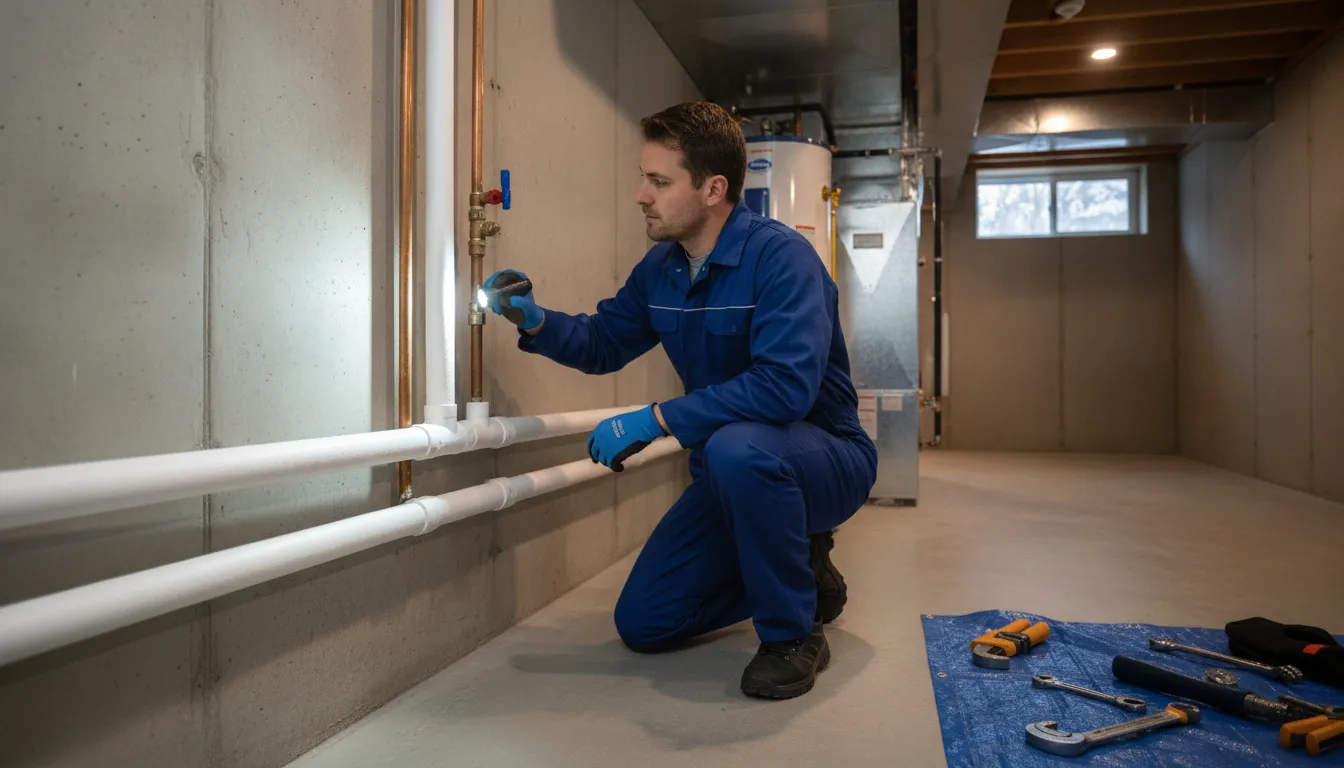
Before you do anything else, stop the flow of water at its source. This single action prevents the problem from getting worse while you figure out your next move. Your home’s main water shut-off valve is your best friend in a plumbing emergency. It’s typically located in the basement, a crawl space, or a utility closet near your water heater. If you’re not sure where it is, take a few minutes to find it now—it’s much easier than searching during a crisis. Turn the valve clockwise until it’s completely closed. This will cut off the water supply to your entire house, containing the leak immediately.
Use Fixture Shut-Off Valves for Isolated Issues
If the leak is coming from a specific fixture, like a toilet or a sink, you might not need to shut off water to the entire house. Look for a smaller valve, called a fixture shut-off or supply valve, on the pipe leading directly to that appliance. You’ll usually find it under the sink or behind the toilet. Turning this valve clockwise will stop the water flow just to that area, which is a huge help if the problem is contained. This lets you continue using water elsewhere in your home while you wait for a plumber. However, be aware that these valves can sometimes get stuck from lack of use or have internal parts that break. If the valve won’t turn or doesn’t stop the water, you’ll need to go back to the main shut-off and call a professional for a toilet repair or fixture service.
Step 2: Turn Off Electricity Near Water
Your safety always comes first. Water and electricity are a dangerous mix, so if the leak is near any electrical outlets, appliances, or your breaker box, it’s critical to shut off the power. Head to your main electrical panel and flip the main breaker to the “Off” position. Be extremely careful and avoid touching any electrical switches or wires that might be near the water. If you have to step through water to get to your breaker box, don’t risk it. Wait for a professional who can safely assess the situation. It’s better to have a bit more water damage than to risk a serious injury.
Step 3: Protect Your Belongings
With the water and power off, you can focus on damage control. The goal here is to minimize the mess and protect your belongings. Quickly grab buckets, bowls, or any large containers you have to catch dripping water. Use old towels, blankets, and mops to soak up any water that has already pooled on the floor. If you can do so safely, move furniture, rugs, electronics, and other valuables out of the affected area. This quick cleanup can prevent water from seeping into your subflooring, drywall, and furniture, saving you a significant amount of money on repairs later on.
Step 4: Call a 24-Hour Emergency Plumber
Once you’ve taken these initial steps to secure your home, it’s time to call in the experts. Plumbing emergencies can’t wait, which is why you need a reliable team that offers 24/7 support. A professional can diagnose the problem quickly and provide a lasting solution, whether it’s a temporary fix to get you through the night or a complete repair on the spot. When you’re facing a crisis, you can count on Mr. Pipey’s emergency plumbing services to be there when you need us most. We’ll get your home back to normal as quickly and safely as possible.
Ask for Instructions Over the Phone
When you call for help, the person on the other end of the line is more than just a dispatcher—they’re your first point of contact with an expert. Don’t be afraid to ask for guidance while you wait. Clearly describe what you’re seeing and hearing, and ask, “Is there anything I can do right now to make the situation safer?” A professional can walk you through specific steps, like how to turn off the water to a single appliance instead of the whole house, or what to do to contain a leak. This communication is key to minimizing damage. When you contact our team, we’re ready to provide clear, calm instructions to help you manage the situation until we arrive at your door.
Do Not Call 911
In the heat of the moment, it might be tempting to dial 911, but it’s important to remember that this number is reserved for life-threatening emergencies. A burst pipe or a backed-up sewer line, while stressful and damaging, is not a situation for police, fire, or medical first responders. Calling 911 for a plumbing issue can divert critical resources from someone experiencing a true life-or-death crisis. Instead, your first call should be to a licensed and insured emergency plumber. Professionals are equipped with the specific tools and training to handle these situations safely and efficiently. You need an expert in plumbing, not a paramedic, so be sure to call a trusted professional who can address the root of the problem.
Common Fixes from an Emergency Plumber
When a plumbing crisis hits, you need someone who can do more than just put a temporary patch on the problem. An emergency plumber arrives with the specialized tools and expertise to handle the most urgent and destructive plumbing issues. They’re trained to work quickly under pressure to diagnose the root cause of the problem, stop the immediate damage, and provide a lasting solution, no matter the time of day. From gushing pipes to backed-up sewer lines, their job is to restore safety and function to your home’s plumbing system as fast as possible. Think of them as the first responders for your home’s pipes, ready to tackle the jobs that simply can’t wait.
Repairing Burst Pipes
A burst pipe is one of the most destructive plumbing emergencies you can face. Water can pour into your home, damaging floors, walls, and furniture in minutes. You should never ignore a burst pipe, even if it happens in the middle of the night; waiting will only lead to more extensive and expensive damage. An emergency plumber will act fast to locate the break, shut off the water flow, and repair or replace the damaged section of pipe. Their goal is to stop the leak and secure your system to prevent further water damage, getting your home back to normal.
Finding and Fixing Major Leaks
Sometimes, the most dangerous leaks are the ones you can’t see. If you notice a sudden drop in water pressure, unexplained wet spots on your walls or ceilings, or the sound of running water when all faucets are off, you could have a major hidden leak. An emergency plumber uses advanced diagnostic tools to pinpoint the exact location of these leaks without tearing your home apart. Finding and fixing a hidden leak quickly is crucial to preventing long-term structural damage, wood rot, and mold growth that can compromise your home’s integrity and your family’s health.
Using Advanced Diagnostic Tools
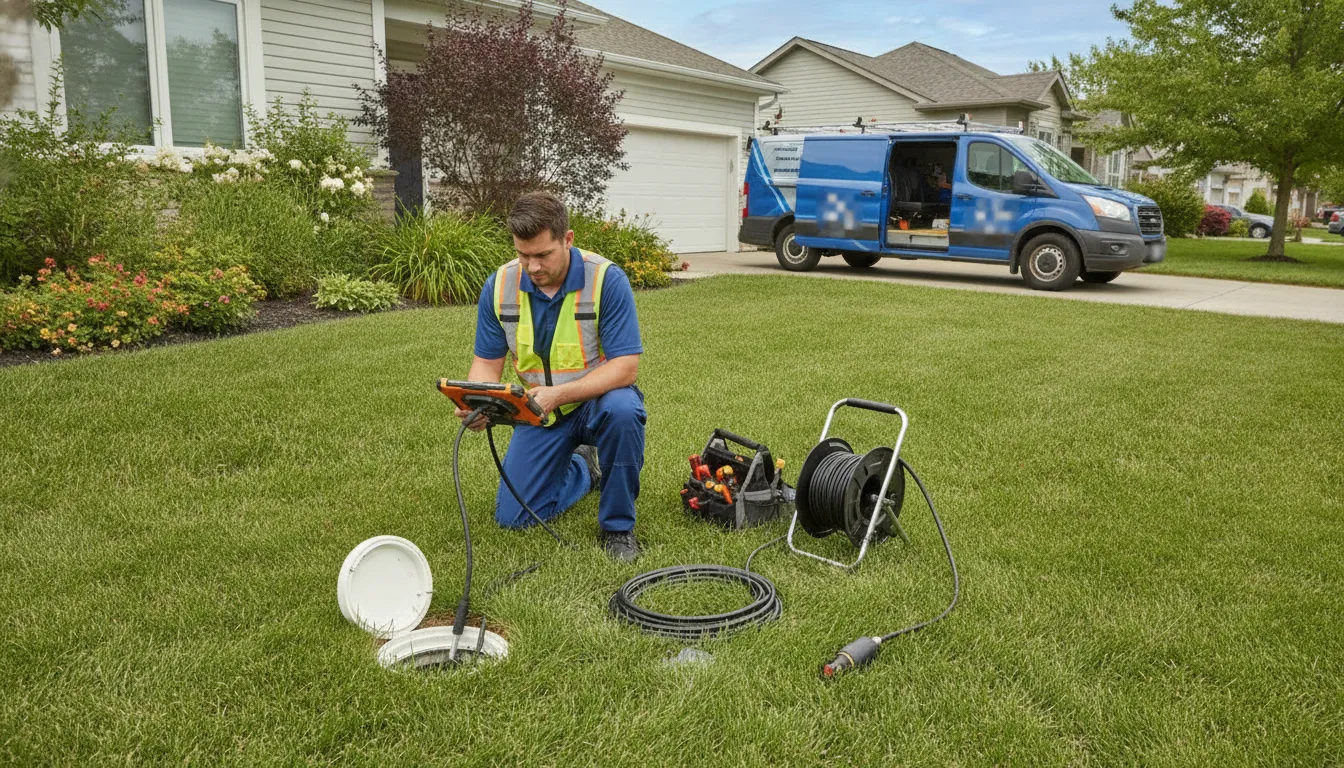
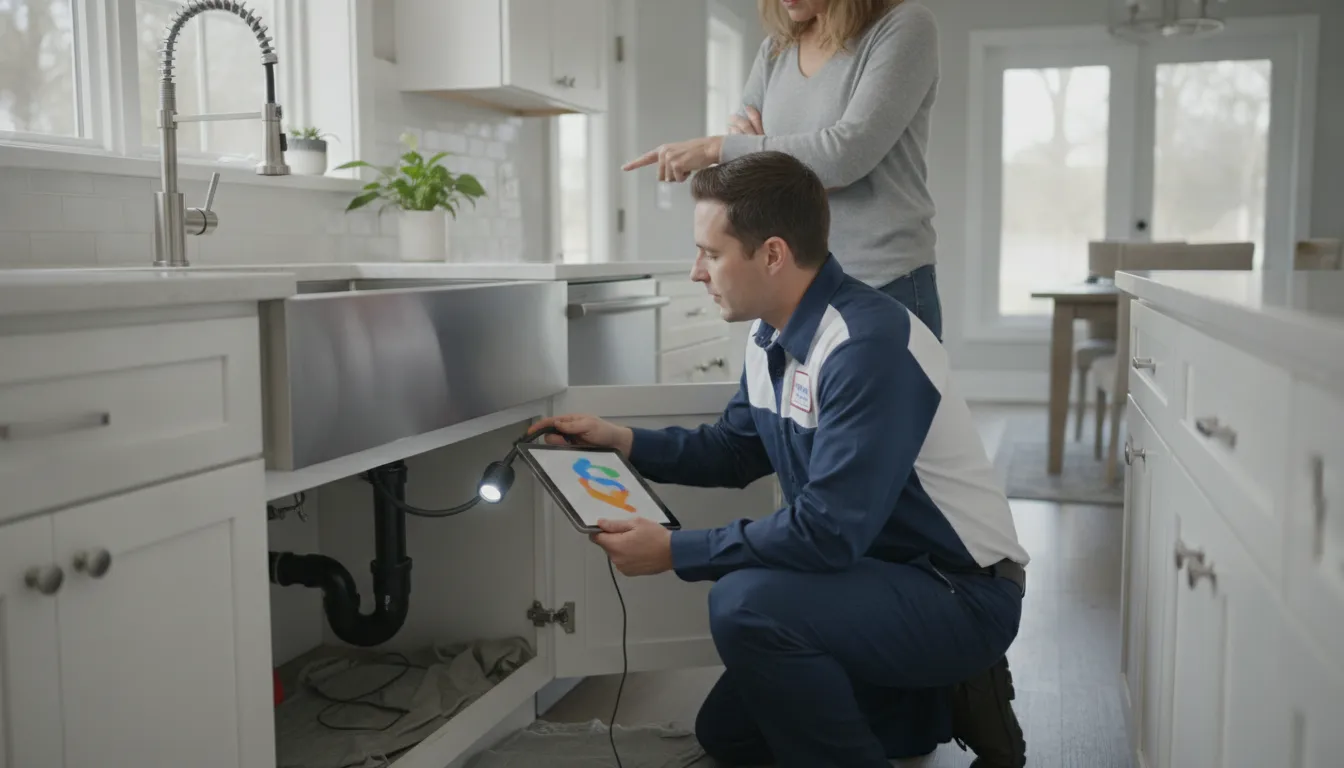
When a leak is hidden behind a wall, plumbers don’t have to rely on guesswork. They use advanced tools, like tiny, high-resolution cameras that can travel through your pipes to get a clear view of the problem. This technology lets them find the exact spot of a clog or leak without the disruptive process of tearing down walls or pulling up floors. It’s about more than just keeping your home intact; it’s about being fast and precise. By quickly identifying the root of the issue, a professional can stop a hidden leak from causing long-term damage like wood rot and unhealthy mold growth. This diagnostic step is a crucial part of an effective emergency plumbing response, making sure the fix is done right the first time.
Handling Water Heater Breakdowns
Waking up to an ice-cold shower is more than just an inconvenience—it can be a sign of a serious water heater failure. If your water heater is leaking, making loud banging or rumbling noises, or has stopped producing hot water altogether, it’s time to call for help. A leaking tank can flood your basement or utility closet, while other malfunctions can pose safety risks. An emergency plumber can quickly assess the situation, whether it’s a faulty pilot light, a broken heating element, or a critical tank failure, and perform the necessary repairs or replacement.
Clearing Clogged Sewer Lines
Few plumbing problems are as unpleasant or hazardous as a sewer line backup. If you have multiple drains backing up at once, overflowing toilets, or the smell of raw sewage in your home, you have a main sewer line clog. This is a serious health hazard that requires immediate professional attention. Emergency plumbers have powerful tools like drain augers and hydro-jetting equipment to clear stubborn blockages deep within your sewer line. They can quickly remove the clog and get your wastewater flowing away from your home safely.
Safely Thawing Frozen Pipes
During a harsh Metro Detroit winter, frozen pipes are a major risk. While a frozen pipe isn’t leaking yet, the pressure building inside can easily cause it to burst. If you turn on a faucet and nothing comes out, you likely have a frozen pipe that needs immediate attention. An emergency plumber can use safe, professional techniques to gently thaw the pipe and restore water flow. They can also help you take preventative steps, like adding pipe insulation, to protect your plumbing from freezing again in the future.
Repairing Broken Sump Pumps
Your sump pump is your basement’s silent guardian, and when it fails during a heavy downpour, you have a serious emergency on your hands. A broken sump pump can lead to a flooded basement in a matter of hours, causing thousands of dollars in water damage to your foundation, belongings, and electrical systems. If you notice your pump isn’t kicking on, is running constantly, or is making strange noises, you can’t afford to wait. While you can quickly check if it has power by testing the outlet and resetting the breaker, most failures are due to a bad float switch or a seized motor. An emergency plumber can quickly diagnose the problem, whether it’s a simple clog or a complete mechanical failure, and perform the necessary repairs or replacement to protect your home from flooding.
How to Choose the Right Emergency Plumber
When water is gushing from a pipe, the last thing you want to do is frantically search for a plumber you can trust. Having a plan before disaster strikes makes all the difference. But even if you’re in the middle of a crisis right now, taking a few deep breaths and a couple of minutes to vet your options can save you from a much bigger headache down the road. A reliable emergency plumber will be transparent, responsive, and qualified. Here’s how to quickly find one who will get the job done right.
Verify They’re Licensed and Insured
This is non-negotiable. A licensed plumber has met state requirements for training and knowledge, and insurance protects you and your home from any accidental damage that might happen during the repair. Before you let anyone start working, ask for their license number and proof of insurance. Any professional company will provide this information without hesitation. You can even verify a plumber’s license through the Michigan Department of Licensing and Regulatory Affairs (LARA). Hiring an unlicensed or uninsured individual might seem cheaper upfront, but it puts you at risk for shoddy work and financial liability if something goes wrong.
Ask How Quickly They Can Arrive
In a plumbing emergency, every minute counts. When you call, one of the first questions you should ask is, “What is your estimated arrival time?” A dedicated emergency plumbing service should be able to give you a clear and realistic timeframe. If they are vague or the wait is several hours, you may want to call another company. A plumber who understands the urgency of your situation will prioritize getting to you quickly to minimize water damage. Be sure to confirm they offer true 24/7 service, so you know you’re not just leaving a message on an after-hours answering machine.
See What Your Neighbors Are Saying
Word-of-mouth is still one of the best ways to find a trustworthy professional. Ask friends or neighbors for recommendations, or check online reviews on sites like Google and Yelp. Look for recent feedback that speaks to the plumber’s punctuality, professionalism, and the quality of their work. While a single negative review isn’t necessarily a deal-breaker, a consistent pattern of complaints about pricing, communication, or unresolved issues is a major red flag. You want to find a company that clearly values its customers and has a strong reputation in the community, much like a trusted family-owned business.
Make Sure They Can Fix Your Problem
Not all plumbers are equipped to handle every type of crisis. When you call, be as specific as possible about your problem. For example, say, “My sump pump has failed, and my basement is starting to flood,” or “I have a burst pipe behind my kitchen wall.” This helps the company determine if they have the right tools and expertise for your specific situation. A good plumber will have experience with a wide range of urgent issues, from frozen pipe repair to major sewer line blockages. Confirming this upfront ensures you don’t waste precious time waiting for someone who can’t actually fix the problem.
Check for Guarantees and Certifications
A truly professional plumber doesn’t just fix the problem and leave; they stand behind their work. Look for a company that offers a satisfaction guarantee. This isn’t just a marketing slogan—it’s a promise that they are committed to quality and will make things right if you’re not happy with the results. It shows they have confidence in their skills and value their reputation. At Mr. Pipey, we treat every client like family, which is why we back all our work with a 100% customer satisfaction guarantee. Beyond guarantees, ask about specific certifications. For example, if you have a backflow preventer, you need a plumber certified to test and repair it. These credentials ensure you’re hiring an expert with proven knowledge, giving you peace of mind that the job will be done correctly and safely.
Warning Signs of a Bad Plumber
Trust your gut—if something feels off, it probably is. A major red flag is vague or high-pressure pricing. A professional plumber should be able to provide a clear, upfront estimate before starting any work, not surprise you with a massive bill later. Another warning sign is poor communication. If they are difficult to reach, show up late without calling, or can’t answer your questions clearly, it reflects a lack of professionalism. Be wary of plumbers who arrive in unmarked vehicles or seem unprepared for the job. Finally, if a plumber hesitates or refuses to provide their license number and proof of insurance, end the conversation immediately. You can always reach out to a trusted company that is transparent and ready to answer all your questions.
Making the Call: What to Tell Your Plumber
When you’re standing in a puddle of water, making a clear and coherent phone call can feel like a tall order. But taking a deep breath and providing the right information is one of the most helpful things you can do. The details you share on that initial call help us understand the situation, dispatch the right technician, and show up with the tools and parts needed to get the job done right the first time. Think of it as the first step in a partnership to solve the problem. A few minutes of clear communication can save valuable time and help us provide the emergency plumbing service you need as quickly as possible. Being prepared for this call will help you feel more in control and ensure we’re on the same page from the moment we answer.
Explain Exactly What’s Happening
You don’t need to know the technical term for every pipe and valve in your home. Just tell us what you see and hear. Is water spraying from a pipe under the kitchen sink? Is your toilet overflowing? Is there a foul smell coming from a drain? Be as specific as you can. For example, instead of just saying “my basement is flooding,” try “water is seeping in where the wall meets the floor in the corner of my basement.” This level of detail gives our plumbers a mental picture of the scene, helping them diagnose the potential issue and prepare the right equipment before they even leave the shop.
Provide Your Address and How to Get In
Once you’ve described the problem, we need to know how to get to you—and the problem—quickly. Provide your full address, including any apartment or unit numbers. If your home is tricky to find, mention major cross-streets or landmarks. It’s also incredibly helpful to let us know about any access details. Do you have a gate code? Is there a dog we should be aware of? Is the issue in a tight crawl space or behind a locked utility room door? Giving us a heads-up on these things ensures our technician can arrive and get straight to work without any delays. You can find our service area details when you contact us.
Share Your Home’s Plumbing History
If you’ve had plumbing problems before, now is the time to mention them. Think of it like giving a doctor your medical history; context is key. Let the dispatcher know if the overflowing toilet has been running intermittently for weeks or if you’ve had slow drains throughout the house recently. Sharing this history can provide crucial clues that help our plumbers identify the root cause of the emergency, rather than just fixing the immediate symptom. This insight can lead to a more permanent and reliable repair, saving you from another emergency call down the road.
Ask About Arrival Time and Potential Cost
It’s completely reasonable to ask for an estimated time of arrival. Knowing when to expect help can ease a lot of stress. You should also feel comfortable asking about costs. While we can’t give you a precise quote without seeing the problem firsthand, we can explain our pricing structure. Ask about the emergency service fee, after-hours rates, and how billing works. Understanding the potential costs upfront helps you make an informed decision and prevents surprises on the final bill. We believe in transparency across all our services and want you to feel confident in your choice.
Call Now or Wait Until Morning?
It’s the middle of the night, and a sudden drip, gush, or strange gurgling sound from your pipes has you wide awake. The first question that pops into your head is probably, “Is this bad enough to call someone right now?” It’s a tough spot to be in. You don’t want to wake up to a flooded basement, but you also don’t want to pay for an emergency call if the problem could have waited until 9 a.m.
Knowing how to tell the difference between a true plumbing crisis and a minor annoyance is key. A real emergency threatens to cause significant water damage to your home or poses a health and safety risk to your family. A minor issue, while frustrating, can typically be contained until a plumber can visit during regular business hours. Making the right decision can save you a lot of money and stress. Before you pick up the phone, take a deep breath and use this guide to figure out your next move. If you’re facing a serious situation, don’t hesitate to call for emergency plumbing services.
Signs You Need to Call Immediately
Some plumbing problems are non-negotiable and require an immediate call, no matter the time of day. If you see any of these red flags, it’s time to act fast. A burst pipe, often caused by freezing temperatures, can release gallons of water into your home every minute, causing catastrophic structural damage. Similarly, any sign of a sewage backup, like overflowing toilets or foul odors coming from your drains, is a serious health hazard that needs professional attention right away. These situations can’t wait because the potential for damage and contamination grows with every passing hour. Don’t delay in calling for frozen pipe repair if you suspect that’s the cause.
Issues That Can Probably Wait
On the other hand, some issues feel urgent but can safely wait for a scheduled appointment. A dripping faucet, a slow-clearing drain, or a toilet that constantly runs are all problems that need fixing, but they aren’t emergencies. While annoying, these issues aren’t likely to cause major damage overnight. You can often contain a minor leak with a bucket and turn off the water supply to the specific fixture until a plumber can take a look. Scheduling a toilet repair for the next day is a much more cost-effective solution than calling for an emergency visit for a running toilet.
Slow Drains and Minor Faucet Drips
That constant *drip, drip, drip* from the kitchen faucet or the slow-draining sink after you do the dishes can be incredibly frustrating. While these issues are annoying, they don’t typically require a middle-of-the-night emergency call. A slow drain or a minor faucet leak is unlikely to cause significant damage overnight. You can easily manage the situation by placing a bowl under the drip and turning off the small shut-off valve for that specific fixture, which is usually located under the sink. This contains the problem and buys you time to schedule a repair during regular business hours, saving you the cost of an emergency fee.
Running Toilets
A toilet that constantly runs is not just a nuisance; it’s also a major water-waster that can drive up your utility bill. However, unless it’s actively overflowing onto the floor, it doesn’t qualify as a true emergency. The sound might keep you up at night, but the risk of immediate water damage is very low. The simplest temporary fix is to turn off the water supply to the toilet using the valve located on the wall behind it. This will stop the noise and the water waste until you can arrange for a professional toilet repair, which is a much more cost-effective approach than an after-hours service call.
What to Expect from an After-Hours Fee
It’s important to be aware that after-hours service comes at a premium. Emergency plumbing calls outside of standard business hours—nights, weekends, and holidays—will cost more than a scheduled visit. This higher rate covers the plumber’s immediate availability and travel time when they are off the clock. While the exact cost varies, you can expect to pay a higher hourly rate or a flat emergency fee. For a true emergency like a burst pipe, paying the extra cost is a small price compared to the thousands you might spend repairing water damage. When you contact us, we’ll always be upfront about our pricing.
How Much Will an Emergency Plumber Cost?
When you’re dealing with a burst pipe or a backed-up sewer line, the last thing you want to worry about is a surprise bill. The cost of an emergency plumbing visit is a valid concern, but knowing what goes into the pricing can help you feel more in control. The final invoice isn’t just an arbitrary number; it’s a combination of specific factors, including the time of day, the nature of the problem, and the expertise required to fix it.
Understanding these elements can demystify the cost and help you make a clear-headed decision when you need it most. Let’s break down what you can expect, from initial service fees to the variables that shape the final bill, so you can manage the situation without breaking the bank.
The Initial Call-Out Fee
The first thing to know is that an emergency call typically costs more than a scheduled appointment. Most plumbers charge a higher hourly rate or a flat “call-out” fee for immediate, unscheduled service. This premium covers the cost of dispatching a technician to your home right away, often disrupting their planned schedule to address your urgent need. Think of it as the price for priority service. When you call, it’s always a good idea to ask about this initial fee so you know what to expect before the plumber even arrives at your door.
Higher Rates for Nights and Weekends
The fear of a massive bill for a late-night or weekend call is common, and for good reason—many companies do charge extra for services outside of standard business hours. However, not all plumbers operate this way. Some customer-focused companies understand that you can’t schedule a disaster and offer consistent pricing no matter the time or day. When you’re searching for help, ask directly about their policy on after-hours, weekend, or holiday rates. A company that provides 24/7 emergency plumbing without penalizing you for the time of day is a great find.
Factors That Affect Your Final Bill
Beyond the initial call-out fee and hourly rate, several factors determine your final cost. The complexity of the job is the biggest one; fixing a simple toilet clog will cost less than repairing a hidden leak inside a wall. The price of any necessary replacement parts will also be added to the bill. Finally, the plumber’s experience and credentials matter. A licensed and insured professional might have a higher rate, but their expertise ensures the repair is done correctly and safely, saving you from the cost of repeat visits or damage from faulty work.
Location and Accessibility
Where the problem is located—both in your home and in the city—plays a role in the final cost. If the issue is in a spot that is particularly hard to reach, like a burst pipe behind a tiled wall or under a concrete slab, the plumber will need more time and specialized tools to access it. This extra labor, which can involve cutting through drywall or flooring, will be reflected in the bill. Your home’s location within our service area can also be a factor, as significant travel time could influence the overall cost. We always aim to get to our Metro Detroit neighbors quickly, but accessibility is a key part of any plumbing repair.
Cost of Special Parts
Professional plumbers keep their trucks stocked with a wide array of common parts to handle most repairs on the spot. However, some situations require specific components that aren’t standard, such as a part for an older water heater or a specific brand of sump pump. In an emergency, we may need to source these items from a specialty supplier after hours. If special parts are needed quickly to resolve your issue, there might be an extra charge to get them expedited. We are always transparent about these costs and will discuss them with you before proceeding with the repair.
Tips for Managing the Cost
While you can’t always prevent an emergency, you can take steps to manage the cost. The most important thing is to hire a reputable, licensed, and insured plumber. Verifying a company’s credentials beforehand protects you from shoddy work that could lead to more expensive problems down the road. When you call for help, provide a clear and detailed description of the issue. The more information the plumber has, the better prepared they’ll be, which can reduce diagnostic time on-site. Choosing a trustworthy company like Mr. Pipey ensures you get transparent pricing and reliable service.
Get Multiple Quotes if Time Allows
In a true emergency, like a burst pipe flooding your basement, your top priority is getting the first available qualified professional to your door. But if the situation is less critical—say, a failing sump pump that’s still working for now—taking a moment to get a few estimates can be a smart move. Plumbing prices can vary significantly between companies, sometimes by as much as 20-30%. If you have the time, calling two or three reputable plumbers to describe your issue and ask for a quote can give you a clear picture of the market rate and help you make a more informed financial decision. This step ensures you’re getting a fair price for the work you need done.
Ask About Day Rates for Big Jobs
If you’re facing a more extensive repair that will likely take a full day or longer, it’s worth asking about a day rate. Instead of billing by the hour, some plumbers offer a flat rate for a full day of work. This can be a more cost-effective option for complex projects like replacing a major pipe section or installing a new backflow preventer. A day rate gives you cost certainty, so you won’t have to worry about the bill climbing higher if the job takes a bit longer than initially estimated. Don’t hesitate to ask your plumber if this is an option; it shows you’re thinking ahead and can lead to significant savings on larger projects.
Clear the Area Before the Plumber Arrives
Here’s a simple tip that can save you money: clear the area around the problem before your plumber arrives. If the issue is a leaking pipe under the kitchen sink, empty the cabinet. If your water heater is failing, make sure there’s a clear path to it in your basement or utility closet. Plumbers typically bill for their time from the moment they start working, and that includes time spent moving boxes or clutter to access the pipes. By preparing the space ahead of time, you allow them to get straight to diagnosing and fixing the problem, which can reduce labor time and lower your final bill.
Understanding Hourly vs. Fixed Pricing
When you get a quote from a plumber, it will likely fall into one of two categories: hourly or fixed-rate. Neither is inherently better than the other, but understanding the difference helps you know exactly what you’re agreeing to. An hourly rate is common for diagnostic work or jobs with unpredictable timelines. The main benefit is that you only pay for the actual time the plumber spends working on your issue. However, if the repair turns out to be more complex than anticipated, the costs can add up quickly, leading to a higher-than-expected bill. This model is often used for troubleshooting where the full scope of the problem isn’t immediately clear.
A fixed-price, or flat-rate, quote is a set cost for the entire job, agreed upon before any work begins. This price includes labor, parts, and any other associated fees. The biggest advantage here is predictability—you know exactly what you’ll pay, regardless of how long the job takes. This can provide great peace of mind, especially for larger projects. The trade-off is that if the job is completed faster than expected, you still pay the full quoted amount. A trustworthy company will be transparent about their pricing model and explain why it’s the best fit for your specific plumbing repair, ensuring you feel confident and informed from the start.
How to Be Ready for a Plumbing Emergency
A plumbing emergency can feel overwhelming, but a little preparation goes a long way in managing the chaos and minimizing damage. Instead of scrambling when a pipe bursts, you can act confidently and quickly. Taking a few simple steps now will save you stress, time, and money down the road. Think of it as creating your own action plan for when things go wrong. By knowing what to do and who to call, you can turn a potential disaster into a manageable problem.
Assemble a Basic Plumbing Toolkit
Just like you have a kit for scrapes and cuts, you should have one for plumbing mishaps. Assembling a plumbing first-aid kit is a simple weekend project that can make a huge difference. Keep a sturdy, waterproof bin in an accessible spot with essentials like old towels and buckets to contain initial water damage. You’ll also want to include a plunger, an adjustable wrench, a flashlight (for those dark under-sink cabinets), and plumber’s tape for temporarily sealing small leaks. Having these items ready means you can immediately tackle the first steps of damage control while waiting for professional help to arrive for more complex plumbing solutions.
Learn Where Your Shut-Off Valves Are
You don’t need to be a plumbing expert, but knowing a few basics about your home’s system is crucial. The most important thing you can do is locate your main water shut-off valve. In any water-related emergency, stopping the flow of water is the absolute first step. Your main valve is likely in the basement, a crawl space, or a utility closet. Take a moment to find it and make sure everyone in your household knows where it is and how to turn it off. It’s also helpful to identify the individual shut-off valves for toilets and sinks. This knowledge empowers you to take immediate action and prevent a small leak from becoming a flood before you call for emergency plumbing services.
Save a Plumber’s Number in Your Phone
The worst time to look for a plumber is when water is actively damaging your home. Do your research ahead of time to find a reliable, local company you can trust. Look at reviews, ask friends or neighbors for recommendations, and find a team that feels right for you. Once you’ve found your go-to plumber, save their number in your phone and post it somewhere visible, like on your refrigerator or near the main water valve. Having a trusted professional like Mr. Pipey on speed dial means you can get help on the way without the added stress of a frantic search. When you need help, you can contact us knowing you have a familiar team ready to assist.
Preventing the Next Plumbing Emergency
The best way to handle a plumbing emergency is to stop it from ever happening. While you can’t predict everything, a little proactive care goes a long way in protecting your home and your wallet. Taking a few simple steps can help you avoid the stress and expense of a sudden pipe burst or sewer backup. Think of it as simple home maintenance that pays off big time. Here are a few key strategies to keep your plumbing system running smoothly and prevent disasters before they start.
Get Your Plumbing Inspected Regularly
An annual check-up isn’t just for your health; it’s for your home’s plumbing, too. Scheduling a regular inspection with a professional plumber allows an expert to get their eyes on your system and catch small problems before they escalate. Things like minor corrosion, hidden leaks, or incorrect water pressure might not seem like a big deal, but they can be signs of a much larger issue on the horizon. A yearly visit can identify these risks, giving you the chance to address them on your own terms instead of during a frantic late-night call. It’s one of the smartest ways to maintain your home and avoid costly emergency plumbing situations down the road.
Protect Your Pipes from Freezing
Here in Metro Detroit, we know how cold winter can get. That cold is a major threat to your home’s plumbing. Any pipes located in unheated spaces like your basement, crawl space, or garage are at risk of freezing. When water freezes, it expands with incredible force, which can easily crack or burst a pipe, leading to a flood. The good news is that prevention is simple. Investing in pipe insulation for these vulnerable areas is a low-cost, high-impact solution. On especially frigid nights, you can also let a faucet connected to those pipes drip slowly. This keeps water moving and helps prevent it from freezing solid.
Don’t Ignore the Small Drips and Clogs
You know your home better than anyone, so you’re the first line of defense against plumbing problems. Learning to recognize the early warning signs can save you from a major headache. Pay attention to subtle changes in your plumbing. Are your drains gurgling or running slower than usual? Have you noticed a sudden, severe drop in water pressure? Do you smell musty or sewer-like odors near drains? These are all clues that something isn’t right. Spotting these issues early and calling a professional means you can handle the problem before it becomes a crisis that risks your family’s health or causes significant damage to your home.
Frequently Asked Questions
What’s the absolute first thing I should do if I have a major leak? Before you even think about grabbing a mop or calling for help, your number one priority is to shut off the main water valve to your house. This single action stops the flow of water at its source and prevents a bad situation from getting much worse. Once the water is off, you can take a breath and move on to the next steps, like addressing electrical safety and calling a professional.
How do I know if my problem can wait until morning? The key difference between a real emergency and a simple annoyance comes down to the potential for damage. If water is actively spreading and threatening your floors, walls, or belongings, or if you’re dealing with a sewage backup, you need to call for help immediately. A slow drip from a faucet or a toilet that won’t stop running can almost always wait for regular business hours.
Is it safe to try and fix the problem myself before calling? While it can be tempting to try a quick fix, most plumbing emergencies are best left to a professional. You could accidentally make the problem worse, cause a different leak, or even injure yourself, especially if water is near electrical systems. A licensed plumber has the right tools and experience to diagnose the issue correctly and provide a safe, lasting repair.
Will my homeowner’s insurance cover the cost of an emergency repair? This really depends on your specific policy, so it’s always best to check with your insurance provider. Generally, most standard policies will cover the cost of the water damage itself—like replacing drywall or flooring—but they often do not cover the cost of repairing the broken pipe or faulty fixture that caused the problem in the first place.
Besides insulating my pipes, what else can I do to prevent a plumbing emergency? One of the best things you can do is schedule a regular plumbing inspection. A professional can spot early signs of corrosion or wear and tear that you might miss. You should also pay attention to your home’s signals, like slow drains, gurgling sounds, or sudden drops in water pressure, and address them before they become a crisis.