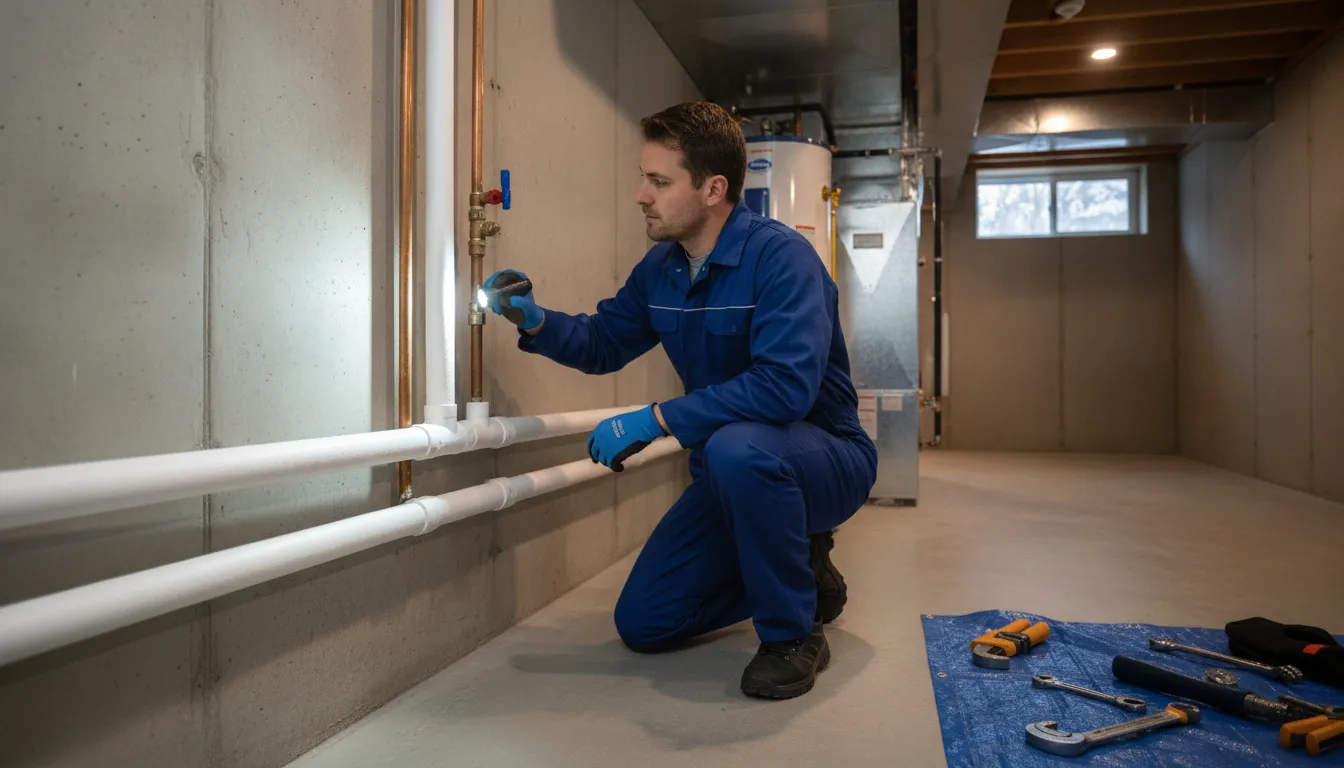


Let’s be honest: when you hear water gushing in your basement at 2 a.m., your first thought isn’t about the budget. It’s about stopping the damage. But once the initial panic subsides, the big question hits: how much is this going to cost? The uncertainty around the 24-hour plumber cost can be just as stressful as the emergency itself. You need a fast solution, but you also deserve to know what you’re paying for. This guide is here to demystify the process, breaking down what influences the final bill so you can feel more in control during a crisis.
Key Takeaways
- Expect higher rates for after-hours calls: Emergency plumbing services outside of standard business hours will cost more to cover a technician’s immediate availability. The final price is shaped by this timing, the complexity of the repair, and the parts needed.
- Minimize costs with prevention and quick action: The best way to save is to avoid emergencies through regular maintenance, like insulating pipes. If a leak happens, immediately shut off your main water valve to prevent expensive water damage while you wait for help.
- Vet your plumber, even in a panic: Before hiring, always confirm the plumber is licensed and insured. Ask for their emergency fee structure and an upfront cost estimate to avoid hidden charges and ensure you’re working with a trustworthy professional.
Breaking Down Your Emergency Plumbing Costs
Let’s be honest: no one budgets for a plumbing disaster. When a pipe bursts or a toilet overflows in the middle of the night, your first thought is getting it fixed, not how much it will cost. But once the initial panic subsides, the price is a major concern. The final bill for an emergency plumbing visit isn’t random; it’s based on several key factors. Understanding what goes into the pricing can help you feel more in control during a stressful situation and know what to expect when the invoice arrives. From the time of your call to the complexity of the repair, here’s a breakdown of what influences the cost.
How Time of Day Impacts Your Bill
The biggest factor in emergency pricing is timing. A plumbing issue that happens at 2 p.m. on a Tuesday will almost always cost less than the exact same problem at 2 a.m. on a Saturday. Plumbers have standard business hours, and any call outside of that window—including nights, weekends, and holidays—is considered an emergency. You’re paying for the immediate availability of a skilled professional who has to stop what they’re doing and come to your rescue. This premium rate covers the on-call status and the disruption to their personal time, which is why after-hours calls can sometimes be double or even triple the standard rate.
How the Type of Repair Affects the Price
Not all plumbing emergencies are created equal, and the price will reflect the severity and complexity of the job. A clogged toilet is an urgent problem, but it’s a much quicker and simpler fix than a burst pipe gushing water into your basement. Issues like a major sewer line backup or a failed sump pump during a storm require more time, specialized equipment, and expertise to resolve. The more extensive the problem and the more materials needed for the repair, the higher the cost will be. A plumber will assess the situation to determine the scope of the work before providing an estimate.
Factoring in Location and Travel Time
Where you live in relation to the plumbing company can also play a part in the total cost. Some plumbers charge a flat dispatch or travel fee to cover the time and fuel required to get their service vehicle to your home. This is especially common for calls in remote or hard-to-reach areas. Finding a reliable plumber who serves your specific neighborhood can sometimes help keep these costs down. At Mr. Pipey, we’re proud to serve our neighbors across the Metro Detroit area, ensuring we can get to you quickly without excessive travel charges tacked onto your bill.
Paying for Expertise: The Plumber’s Skill Level
When you call an emergency plumber, you’re paying for more than just a pair of hands—you’re paying for expertise, speed, and peace of mind. A licensed, insured, and experienced plumber may have a higher hourly rate than a less-established one, but their skill can save you money in the long run. They can diagnose problems accurately and perform durable repairs that prevent future issues. A reputable, family-owned business invests in quality training and equipment, and that value is reflected in their work. You’re investing in a reliable solution from a professional you can trust to do the job right, even under pressure.
The Hidden Costs: Training, Insurance, and Overhead
It’s easy to look at an hourly rate and think it’s just for labor, but so much more goes into that number. When you hire a professional plumber, you’re paying for their ongoing training, licensing, and, most importantly, their insurance. That insurance is your safety net—it protects you and your home from liability in the rare case that something goes wrong during the repair. Beyond that, the cost covers business overhead: the fully-stocked service vehicle, the specialized diagnostic tools, and the support staff who answer your call at 3 a.m. These are the hallmarks of a reputable company that invests in providing reliable, high-quality service, ensuring you get a lasting solution, not just a quick fix.
Market Demand and Plumber Availability
The simple rule of supply and demand also plays a role in emergency plumbing costs. Think about what happens during a major cold snap in Metro Detroit—suddenly, hundreds of homes are dealing with frozen pipes all at once. The demand for qualified plumbers skyrockets, but the number of available technicians stays the same. During these peak times, finding an available plumber can be challenging, and the increased demand can influence pricing. This is why it’s so valuable to have a trusted plumber’s contact information ready before a crisis hits. Planning ahead can save you the stress of scrambling to find a reliable professional when every minute counts.
How Much Should You Expect to Pay an Emergency Plumber?
Let’s be honest: when you’re dealing with a burst pipe at 2 a.m., the last thing you want to worry about is a surprise bill. Understanding the potential cost of an emergency plumbing call can help you make a clear-headed decision in a stressful moment. Emergency services will always cost more than a scheduled appointment, and for good reason. You’re paying for a professional’s immediate availability—often on nights, weekends, or holidays—to solve a problem that simply can’t wait. This premium covers not just the technician’s expertise, but also the disruption to their personal time to ensure your home is protected from further damage as quickly as possible.
While every situation is unique, most emergency plumbing costs are based on a few key factors. These include a standard service fee for the visit, the hourly labor rate, and the price of any parts needed for the repair. A trustworthy plumber will always be transparent about their pricing structure, so you know what to expect before the work begins. The goal is to get your home back in order quickly and fairly, without adding financial stress to an already difficult situation.
What’s Included in a Service Call Fee?
Think of the service call fee as the cost of getting a qualified plumber to your doorstep right when you need them. Most urgent plumbing calls have a base fee that can range from $150 to $500. This initial charge covers the plumber’s travel time and the premium for dropping everything to handle your immediate crisis outside of normal business hours. It’s important to remember that this fee typically doesn’t include the cost of labor or parts; it’s simply the price for the prompt response. It ensures that a professional is on their way to diagnose the issue and prevent any further damage to your property.
Understanding Call-Out Fees and First-Hour Charges
To make things a bit clearer, some plumbing companies use a “call-out fee” that bundles the first hour of labor into the initial charge. This is different from a simple service fee that only covers travel. While pricing varies, this bundled approach can give you a better initial idea of the cost, since it includes both the visit and the first hour of diagnostic or repair work. However, it’s crucial to ask for clarification when you call. You should always ask, “Does your initial fee include any labor, or is that billed separately?” This simple question helps you avoid surprises on the final bill. A transparent plumber will have no problem explaining their fee structure, ensuring you understand exactly what you’re paying for before they even start the work. This clarity is key to feeling confident in your choice, especially during a high-stress emergency plumbing situation.
Cost Estimates for Leaks, Clogs, and More
Once the plumber diagnoses the problem, the cost of the actual repair is added to the service fee. For comparison, a standard, non-urgent repair during business hours might cost between $125 and $350. For an emergency, however, the price reflects the urgency. For example, fixing a burst pipe can easily cost $400 or more, and very serious problems that require extensive work can sometimes exceed $1,000. The final cost will always depend on the specific issue, from a simple clog to a major leak requiring new pipes. A good plumber will explain the necessary repairs and associated costs before starting the work.
Simple Leaks and Faucet Repairs
Not every late-night plumbing call involves a catastrophic flood. Sometimes, the emergency is a relentlessly dripping faucet or a toilet that won’t stop running—issues that are more of a nuisance but still need immediate attention. The good news is that these simpler repairs are on the lower end of the cost spectrum. The actual work to fix a leaky faucet or a minor pipe drip might run between $100 and $300. While you’ll still have the initial after-hours service fee, the repair itself is far more manageable than a major overhaul. For perspective, fixing a burst pipe can easily cost $400 or more, so addressing a smaller issue quickly is always the more cost-effective choice. Getting a professional to handle a straightforward toilet repair right away prevents water waste and saves you from a much larger headache down the road.
When Things Get Complicated: Pricing for Major Jobs
For severe or complicated emergencies, the costs can climb based on several factors. The time of your call, the complexity of the issue, and the specific parts required all play a role. Industry averages show that plumbers may charge around $350 per hour for emergency calls, in addition to a trip fee that averages about $225. If your emergency requires hours of work and specialized equipment, these rates can add up. That’s why it’s so important to contact a plumber who provides a clear, upfront estimate. This transparency allows you to approve the work with confidence, knowing there won’t be any hidden charges on the final bill.
Real-World Examples: What Homeowners Actually Pay
It helps to see some numbers to get a clearer picture of what an emergency plumbing bill might look like. While every situation is different, homeowners usually pay between $150 and $500 for an urgent call. This initial cost often covers the trip fee and the first hour of work. For a more serious issue like a burst pipe, the repair could easily cost $400 or more, especially since calls outside of business hours can be 1.5 to 2 times the normal rate. For very complex jobs that require extensive work, some plumbers charge an hourly rate around $350 plus a trip fee. The most important thing is to ask for an upfront estimate so you know exactly what to expect before the work begins.
Emergency vs. Standard Rates: How Much More Will You Pay?
It’s the question on everyone’s mind when water is pooling on the floor: how much more is this going to cost me? Let’s be direct—yes, emergency plumbing services cost more than a standard, scheduled appointment. But it’s not an arbitrary price hike. You’re paying for immediate access to a skilled professional outside of typical 9-to-5 business hours. Think of it as a premium for availability. That higher rate ensures a plumber is ready to leave their home on a weekend, holiday, or in the middle of the night to resolve your crisis.
This on-call readiness is what separates a minor inconvenience from a major catastrophe. While a standard appointment can be booked days or weeks in advance, an emergency requires an immediate reshuffling of schedules and resources. The price difference reflects the urgency and the critical need to prevent further damage to your home. When you’re facing a burst pipe, that rapid response is worth every penny, often saving you thousands in potential water damage repairs down the line. At Mr. Pipey, we believe in transparent pricing, so you’ll always understand the costs associated with our emergency plumbing services before we begin work.
Understanding Standard Hourly and Service Fees
To really grasp why emergency rates are higher, it helps to know what standard plumbing services cost. During regular business hours, you can typically expect to pay an hourly rate, which often falls somewhere between $75 and $150. On top of that, many companies charge a service fee, which covers the plumber’s travel and the initial diagnostic work. This structure is for planned appointments—think installing a new faucet or fixing a slow drain that you’ve scheduled in advance. The total cost will naturally depend on how long the job takes and what parts are needed. This baseline is important because it highlights the premium you pay for immediate, after-hours emergency plumbing, which requires a technician to be available 24/7.
Why Nights and Weekends Cost Extra
Most plumbing emergencies conveniently happen when you least expect them—and rarely during business hours. Calls made in the evening, overnight, or on weekends will naturally come with a higher price tag. This is because you’re asking a technician to work outside their standard schedule. The increased rate compensates them for their time and ensures someone is always available to answer your call. Some reports show that emergency calls can double or even triple the cost of a regular repair. It’s the basic economics of supply and demand, applied to the essential service of keeping your home safe and dry.
Do Plumbers Charge More on Holidays?
If a plumbing disaster strikes on Thanksgiving or Christmas Day, you can expect to pay a premium. Holidays are a peak time for plumbing issues, thanks to extra houseguests, heavy kitchen use, and strained pipes. At the same time, fewer plumbers are available to work. This combination of high demand and low supply means that holiday service calls are among the most expensive. While no one wants to deal with a clogged drain during a family gathering, knowing that a professional is available provides invaluable peace of mind. The higher cost ensures you can find an expert ready to tackle the problem so you can get back to your celebration.
Priority Service and What It Costs
Sometimes, the biggest “markup” in a plumbing emergency doesn’t come from the plumber’s bill but from the cost of waiting. Hesitating to call for help can turn a simple fix into a devastatingly expensive problem. A small leak can quickly lead to ruined drywall, warped flooring, and dangerous mold growth. The longer you wait, the more extensive the damage becomes. While an emergency service call has a higher upfront cost, it’s an investment in damage control. Acting fast ultimately saves you money by preventing the need for much larger and more costly repairs to your home’s structure and finishes.
When to Call a 24-Hour Plumber (and When It Can Wait)
It’s the middle of the night, and you hear the unmistakable sound of gushing water. Or maybe you wake up to a freezing cold shower. It’s easy to panic and assume every plumbing problem is a five-alarm fire, but knowing the difference between a true crisis and a minor inconvenience can save you a lot of stress and money. Some issues, like a slow drain or a dripping faucet, can definitely wait for business hours. Others, however, pose an immediate threat to your home and your family’s safety, and waiting can turn a manageable repair into a major renovation project.
So, how do you know when to make the call? An emergency plumbing situation is any problem that can cause significant water damage, create a health hazard, or compromise your home’s essential systems. Think of it this way: if the problem is actively damaging your property or putting your family at risk, it’s an emergency. If it’s simply an annoyance, it can probably wait. Understanding this distinction is key. Below, we’ll walk through the specific scenarios that absolutely warrant a call to a 24-hour plumber, so you can feel confident in your decision when a problem strikes.
Don’t Wait: Burst Pipes and Uncontrolled Leaks
A burst pipe is one of the most urgent plumbing emergencies you can face. When a pipe breaks, water can pour into your home, causing catastrophic damage to floors, walls, and electrical systems in a matter of minutes. This is especially a concern during Michigan’s harsh winters, when a frozen pipe can easily rupture. If you notice a sudden drop in water pressure, see water stains spreading on your ceiling, or hear water running when all the faucets are off, you likely have a major leak. The first thing you should do is find your main water shut-off valve and turn it off. Then, call an emergency plumber immediately to locate and repair the pipe.
Yes, a Sewage Backup Is an Emergency
If your toilet is overflowing and won’t stop, or if you see or smell sewage coming back up through your drains, you have a serious problem. A sewage backup isn’t just messy—it’s a significant health hazard. Raw sewage contains harmful bacteria and pathogens that can make your family sick. This kind of issue points to a major blockage in your main sewer line that a simple plunger can’t fix. To prevent contamination and further damage, stop using all water fixtures in your home and call a professional for toilet repair and drain clearing right away. Don’t wait until morning to address a sewage problem.
No Water or a Suspected Gas Leak
Waking up to no water at all can be more than just an inconvenience; it can signal a major issue like a frozen pipe or a break in your main water line. While it’s not as immediately destructive as a burst pipe, it leaves your home without a basic necessity and needs prompt attention. An even more critical emergency is a suspected gas leak. If you smell sulfur or rotten eggs, hear a hissing sound near a gas line, or see a damaged connection, you need to act fast. Gas leaks are incredibly dangerous and can lead to fires or explosions. Evacuate your home immediately, call your gas company from a safe distance, and then contact a qualified plumber to handle the repair.
When Your Water Heater or Sump Pump Fails
A failing water heater might not seem like an emergency until you see a pool of water spreading across your basement floor. A leaking tank can cause extensive water damage and requires immediate attention. Similarly, your sump pump is your first line of defense against a flooded basement. If you notice your sump pump isn’t working, especially during a heavy rainstorm, it’s a true emergency. Waiting to get it fixed could result in thousands of dollars in flood damage. In both cases, calling a 24-hour plumber can prevent a small problem from turning into a major disaster.
What Am I Paying For? A Guide to Your Bill
When you’re dealing with a plumbing crisis, the last thing you want is a surprise on your final bill. Understanding the charges can give you peace of mind and help you see the value in the expert service you received. Most emergency plumbing bills are broken down into a few key components: the initial service fee, the cost of labor, and the price of any materials used for the repair. Let’s walk through what each of these means so you know exactly what you’re paying for.
Breaking Down Service and Diagnostic Fees
Think of the service call fee as the cost to get a licensed, equipped professional to your doorstep at a moment’s notice. This initial charge covers the plumber’s travel time and the initial assessment of your problem. Emergency services almost always have higher costs than standard appointments because they pull technicians away from their families on nights, weekends, or holidays. This fee ensures that when you have a burst pipe at 2 a.m., a qualified expert is available and ready to help. It’s the price of immediate availability and expertise when you need it most.
Hourly vs. Flat-Rate: How Labor is Charged
After the initial fee, you’ll be charged for the actual time the plumber spends working on the repair. Labor is typically billed at an hourly rate, which is higher for emergency calls. While a standard plumbing job might run you a couple of hundred dollars in labor, an urgent, after-hours call can easily be double that, with most emergency labor costs falling between $150 and $500. For very complex or severe issues, this cost can be higher. This premium rate reflects the skill and speed required to resolve a critical problem correctly and prevent further damage to your home.
Daily Rates for Larger Projects
For bigger plumbing emergencies that aren’t a quick fix, some plumbers might charge a daily rate instead of an hourly one. This is common for complex jobs that require a full day of work, like replacing a section of your main sewer line or dealing with extensive damage from a burst pipe. A daily rate, which can range from $250 to $500 or more, gives you a clearer picture of the total cost from the start, so you aren’t watching the clock as hourly charges add up. While it might seem like a lot, it can actually be more cost-effective for major repairs. Remember, the urgency of the situation often means emergency calls can be significantly more expensive than scheduled work, so understanding the pricing structure helps you make an informed decision without any surprises.
The Cost of New Parts and Materials
If your repair requires new parts—like a replacement pipe, a valve, or a new component for your sump pump—the cost of these materials will be on your bill. The final price tag for your emergency service will depend heavily on the parts needed to fix the issue. Plumbers often include a small markup on materials, which covers the logistics of sourcing, stocking, and guaranteeing the quality of those parts. This ensures they have the right components on hand in their truck, saving you precious time during an emergency.
How to Save on Emergency Plumbing Costs
A plumbing emergency is stressful enough without worrying about the final bill. While after-hours service will always cost more than a scheduled appointment, you aren’t powerless. A few smart moves can significantly reduce the financial impact, both by preventing emergencies in the first place and by managing them effectively when they happen. Taking control of the situation can save you from costly water damage and extra labor charges. Here are some practical ways to keep emergency plumbing costs in check.
Prevent Problems Before They Start
The absolute best way to save money on emergency repairs is to avoid them altogether. Think of preventative maintenance as a small investment that protects you from a massive, unexpected expense down the road. Scheduling an annual plumbing inspection allows a professional to spot and fix minor issues—like a tiny leak or a corroded pipe—before they become catastrophic failures. It’s also about daily habits. Be mindful of what goes down your drains; things like grease, coffee grounds, and so-called “flushable” wipes are notorious for causing clogs that lead to backups. If you have a recurring issue with a slow drain or a finicky toilet, getting a toilet repair now is much cheaper than dealing with an overflow later.
Especially here in Metro Detroit, one of the most important preventative steps is preparing for winter. Insulating your pipes in vulnerable areas like basements, crawl spaces, and garages is crucial. This simple step is your best defense against a frozen and burst pipe, which is one of the most destructive and expensive plumbing emergencies a homeowner can face. Taking care of pipe insulation before the first freeze can save you thousands.
The Role of Annual Inspections and Maintenance Plans
The best way to handle a plumbing emergency is to stop it from ever happening. Scheduling an annual plumbing inspection is one of the smartest investments you can make for your home. During an inspection, a professional can spot and fix minor issues—like a tiny leak, a bit of corrosion on a pipe, or a sump pump that’s starting to show its age—before they have a chance to become a full-blown crisis. Think of it as a check-up for your home’s circulatory system. A trained eye can identify potential problems you might not notice until it’s too late. This proactive approach not only saves you from the stress of an emergency but also protects you from the massive, unexpected expense of a major failure down the road.
Knowing When to Repair vs. Replace Old Pipes
When you have an older home, you’ll eventually face the question of whether to repair a leaking pipe or replace the whole system. A one-time, minor leak can often be patched up effectively. But if you’re dealing with recurring leaks, low water pressure, or discolored water, you might be looking at a systemic problem. Continuously patching old, corroded pipes can feel like playing whack-a-mole; you fix one spot, and another one springs a leak. In these cases, a full replacement, while a larger upfront cost, can be the more economical choice in the long run. It saves you from repeated emergency plumbing calls and the compounding water damage that comes with them, giving you lasting peace of mind.
Can It Wait Until Morning?
When a plumbing problem strikes after 5 p.m. or on a weekend, your first instinct might be to panic and call for help immediately. But take a deep breath and assess the situation. Is it a true emergency, or can it wait until regular business hours? If the issue isn’t causing active water damage and you can safely contain it, waiting could save you a significant amount on after-hours fees. For example, a dripping faucet or a toilet that runs constantly are annoying, but they likely don’t require an immediate, middle-of-the-night fix.
However, some situations absolutely cannot wait. A burst pipe, a major leak flooding your home, a sewage backup, or a complete loss of water are all situations that demand an emergency plumbing call. The key is to use your judgment. If waiting will lead to more extensive and expensive damage to your home, it’s not worth the risk. But if you can safely manage the problem overnight, your wallet will thank you.
How to Minimize Damage While You Wait
If you’re facing a serious leak, the minutes between your call and the plumber’s arrival are critical. The most important action you can take is to shut off the main water supply to your house. Every homeowner should know where their main water shut-off valve is located—it’s often in the basement, a crawl space, or a utility closet near the water meter. Turning this valve clockwise will stop the flow of water and prevent further damage while you wait for help. This single action can be the difference between a manageable cleanup and a full-blown restoration project.
Once the water is off, you can take a few more steps. If the leak is from a specific appliance like a water heater, you can also turn off the power or gas supply to that unit. Place buckets and towels to catch any remaining drips, and move any furniture, rugs, or valuables out of the affected area. After you’ve contained the immediate threat, you can confidently contact a professional knowing you’ve done everything possible to minimize the damage and the final cost.
Plan Ahead: The Value of a Home Repair Fund
A plumbing emergency is a two-part crisis: first, there’s the panic of the problem itself, and second, there’s the stress of the unexpected bill. Creating a dedicated home repair fund is one of the smartest things you can do as a homeowner to soften the financial blow. When you know that an urgent plumbing call can cost between $150 and $500 before the work even begins, having money set aside specifically for these moments provides incredible peace of mind. It transforms a financial catastrophe into a manageable inconvenience, allowing you to focus on finding the right solution instead of worrying about how you’ll afford it.
Having a financial cushion means you can make decisions based on quality and reliability, not just the cheapest price you can find in a panic. Since emergency calls can cost double or even triple the standard rate, that fund becomes even more critical. It’s the difference between hiring a licensed, insured professional who will fix the problem correctly and taking a risk on a quick fix that might fail later. Think of it as part of your overall home maintenance strategy. While regular inspections and preventative care can stop many issues, a repair fund is your safety net for the problems you can’t predict.
How to Find a Trustworthy 24-Hour Plumber
When water is gushing from a pipe at 2 a.m., the first plumber you find online can feel like a lifesaver. But in a panic, it’s easy to overlook warning signs and end up with a bigger mess and a shocking bill. Finding a reliable emergency plumber doesn’t have to be a gamble, even when you’re under pressure. Knowing what to look for ahead of time—or even in the heat of the moment—can help you choose a professional who will solve the problem correctly and treat you fairly. A trustworthy plumber will be transparent about their qualifications, pricing, and process from the very first call. They understand you’re in a stressful situation and should provide clear answers that give you confidence, not more anxiety. Think of it as having a mini-checklist ready. By focusing on a few key areas like licensing, clear pricing, and asking the right questions, you can quickly sort through your options and find a plumber who will get the job done right, without taking advantage of your emergency. This small bit of preparation can save you from a lot of headaches later on.
Why Licensing and Insurance Are Non-Negotiable
First things first: always confirm that the plumber is licensed and insured. A license is more than just a piece of paper; it’s proof that they have completed the necessary training and are knowledgeable about local plumbing codes and regulations. Hiring an unlicensed plumber might seem cheaper initially, but it can lead to improper repairs that fail inspections or cause even more damage down the road. Insurance is just as important, as it protects you and your home in the unlikely event that something goes wrong during the repair. A reputable company will have no problem providing you with their license number and proof of insurance, as it shows they are a legitimate and professional family-owned business.
Warning Signs of a Bad Plumber
While higher rates are standard for after-hours work, be cautious of plumbers who are vague about their pricing. If a company can’t give you a clear idea of their fee structure—like their service call fee or hourly rate—consider it a major red flag. Another warning sign is high-pressure sales tactics. A plumber should diagnose the problem and provide you with a clear estimate before starting any work, not push you into expensive repairs on the spot. Also, be wary of anyone who demands a large cash payment upfront. A professional emergency plumbing service will have transparent billing and payment processes.
Key Questions to Ask Before You Hire
When you call, be prepared with a few questions to help you gauge the plumber’s professionalism and transparency. Before they even head to your home, you should ask about their licensing, insurance, and estimated arrival time. It’s also smart to ask how they charge for emergency calls—is it a flat fee or an hourly rate that starts upon arrival? Be sure to clearly describe your issue, whether it’s an overflowing toilet or a failed sump pump, and ask if they can provide a cost estimate before beginning the work. A trustworthy plumber will be happy to answer your questions and ensure you understand the potential costs involved.
Understanding the Quote and Final Bill
Once the plumber has assessed the situation, they should provide you with a clear quote before starting any work. This isn’t just a number; it’s a breakdown of what you’re paying for, and a trustworthy professional will be happy to explain it. Your final bill will typically consist of three main parts: the service call fee, the hourly labor rate, and the cost of any materials needed for the repair. Understanding these components helps you see exactly where your money is going and ensures there are no surprises. A transparent quote is a hallmark of a reliable company that values your trust, especially when you’re dealing with a stressful emergency plumbing situation.
Need an Emergency Plumber in Metro Detroit?
When a plumbing disaster strikes, the last thing you want is more stress. You need a reliable team that can get to you quickly, fix the problem correctly, and treat you with respect. At Mr. Pipey, we understand the urgency and anxiety that come with a plumbing emergency. That’s why we’re dedicated to providing Metro Detroit homeowners and businesses with fast, effective, and trustworthy service, no matter the time of day. We combine expert solutions with a customer-first approach, ensuring you feel supported from the moment you call until the job is done.
You’ll Always Know the Cost Before We Start
Worrying about a surprise bill shouldn’t be part of your emergency plan. While it’s true that after-hours and holiday calls cost more than standard appointments, transparency is key. We believe in providing clear, upfront pricing for all our emergency plumbing work. Before we begin any repairs, we’ll assess the situation and explain the costs involved, so you can make an informed decision without pressure. Our goal is to offer cost-effective solutions that solve your problem for good, not just for now. When you’re facing a crisis, you deserve honesty and clarity, and that’s exactly what we provide.
We Stand Behind Our Work
A burst pipe, a backed-up sewer line, or an overflowing toilet can cause significant damage in minutes. When you see signs of a major problem, you need to act fast and call a team you can count on. We stand behind our work with a 100% customer satisfaction guarantee. This promise means we aren’t finished until you are completely satisfied with the repair. Our expert plumbers are equipped to handle any crisis, from locating the source of a leak to mitigating water damage. We’re committed to restoring your plumbing and your peace of mind.
Count on Your Local, Family-Owned Team
There’s a certain level of care and accountability that comes from a family-owned business, and we bring that to every job. We’re not just serving a community; we’re part of it. Our reputation is built on trust, reliable workmanship, and treating every client like a neighbor. When you call Mr. Pipey, you’re not just getting a plumber—you’re getting a dedicated partner who values your safety and comfort. We take pride in our work and are committed to providing the dependable, long-lasting solutions your home or business deserves.
Related Articles
- Repair & Emergency Solutions
- Plumbing Maintenance & Prevention
- DIY Garbage Disposal Repair: A Step-by-Step Guide
- How to Repair an Instant Water Heater: A DIY Guide
Frequently Asked Questions
Is it always more expensive to call a plumber after business hours? Yes, you can expect to pay more for a service call outside of standard business hours. Think of it less as a penalty and more as a premium for immediate availability. You’re paying for a skilled professional to be on-call and ready to leave their home on a weekend or in the middle of the night to solve your problem. That higher rate ensures someone is always there to protect your home from serious damage, which is a service that requires extra compensation.
My problem doesn’t seem that bad. How do I know if it’s a real emergency or if I can wait until morning? A great rule of thumb is to ask yourself: is this problem actively causing damage or creating a health risk? A burst pipe flooding your basement or a sewage backup are clear emergencies that can’t wait. However, a slow drain or a dripping faucet, while annoying, can likely be managed until the next business day. If you can safely contain the issue and it isn’t getting worse by the minute, you can probably save yourself the after-hours fee.
What’s the first thing I should do when I have a major water leak? Before you even pick up the phone to call a plumber, find and shut off your home’s main water valve. This single action stops the flow of water and is the most effective way to prevent further damage while you wait for help to arrive. Every homeowner should know where this valve is—it’s usually in the basement or a utility closet. Turning it off immediately can save you thousands of dollars in potential repairs to your floors, walls, and belongings.
Why is there a separate ‘service call fee’ on my bill? The service call fee covers the cost of getting a fully-equipped, professional plumber to your door, especially outside of normal hours. It accounts for their travel time, vehicle expenses, and the initial time spent diagnosing the problem. This fee is separate from the labor and parts needed for the actual repair. It essentially covers the immediate response and expert assessment required to figure out the best way to solve your plumbing crisis.
Besides insulating my pipes, what’s one simple thing I can do to prevent a plumbing emergency? One of the most effective preventative habits is to be very careful about what you put down your drains. Kitchen grease, coffee grounds, and fibrous foods can easily build up and create stubborn clogs that lead to messy backups. In the bathroom, avoid flushing anything other than toilet paper—even products labeled “flushable” can cause major blockages in your sewer line. Being mindful of your drains every day is a simple, no-cost way to avoid a future crisis.