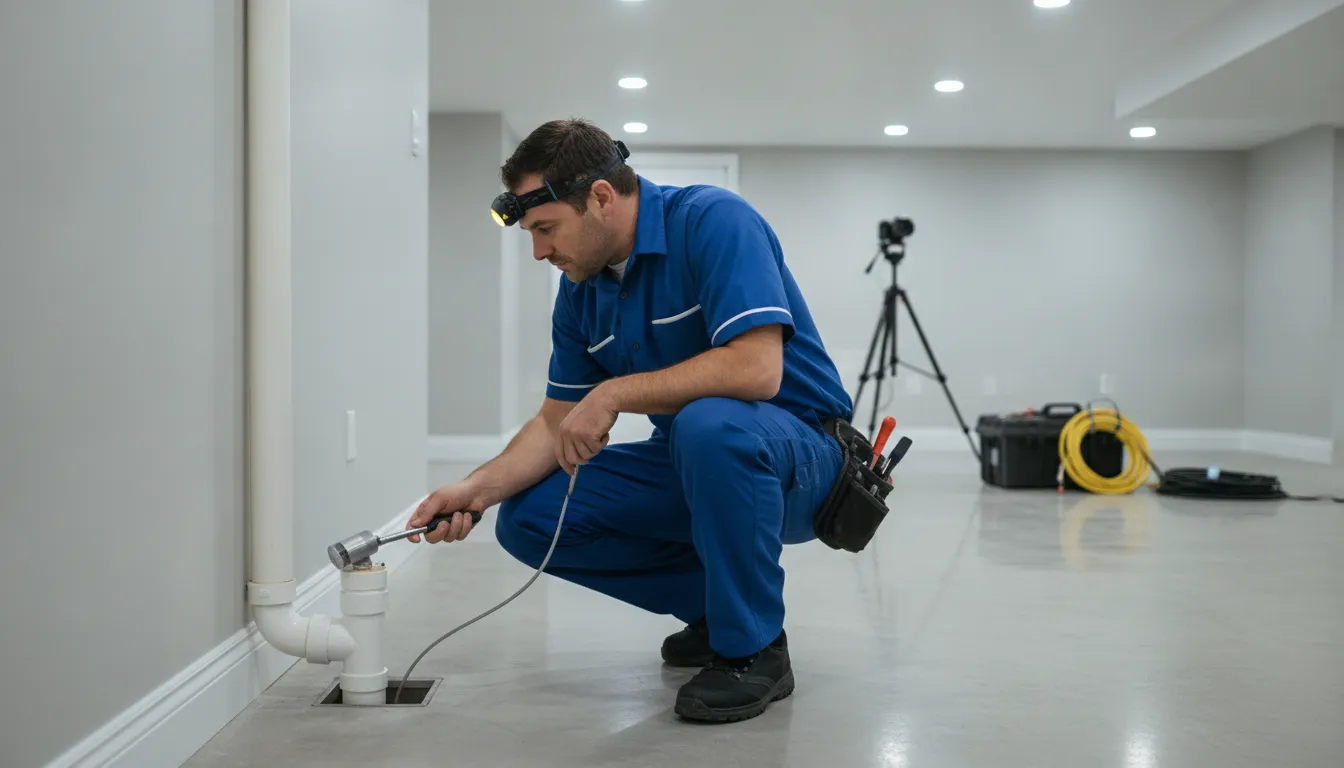


A sump pump is your home’s silent guardian, and its failure can be one of the most expensive problems a homeowner can face. A flooded basement means more than just a mess; it can lead to ruined belongings, mold growth, and even structural damage. Investing a little time and attention into your pump is one of the smartest financial decisions you can make. This guide will help you protect your investment by teaching you how to spot trouble early, what to look for in a quality replacement, and how to maintain your system. When professional help is needed, we’ll also clarify what to expect from sump pump repair in Rochester Hills, MI.
Key Takeaways
- Regular maintenance is your best defense: Simple actions like testing your pump with water, cleaning the pit, and checking the float switch can prevent a flooded basement. Pay attention to warning signs like strange noises or constant running.
- Repairing is not always the best option: If your pump is over seven years old or a repair costs half as much as a new one, replacement is the smarter financial choice. A new pump provides reliability and protects your home from expensive water damage.
- Choose the right professional for peace of mind: A reliable plumber offers upfront pricing, emergency availability, and comprehensive expertise. Partnering with an expert ensures you get a lasting solution, not just a temporary fix.
Is Your Sump Pump Failing? Watch for These Signs
Your sump pump is your home’s first line of defense against a flooded basement, quietly working to protect your foundation and belongings from water damage. But because it’s usually out of sight, it’s also out of mind, until it’s too late. A failing pump can quickly turn a heavy rainstorm into a major headache. The good news is that most sump pumps give off warning signs before they quit completely. Learning to spot these signals can help you schedule a repair before you’re dealing with an emergency. If you notice any of the following issues, it’s time to pay closer attention to your pump and consider calling in a professional for sump pump services.
Strange noises or excessive shaking
A healthy sump pump should operate with a quiet, consistent hum. If you start hearing loud or unusual sounds coming from the basement, it’s a cause for concern. Grinding, rattling, or clanking noises often point to a problem with the pump’s motor or impeller, the fan-like part that pushes water out. These sounds can mean a rock or debris is stuck in the system, or that a mechanical part is broken or worn out. Similarly, if the pump vibrates excessively while running, it could have a bent or damaged impeller, causing it to be off-balance. Don’t dismiss these sounds as normal; they are your pump’s way of telling you it needs help.
Running constantly or not turning on
Your sump pump should only run when there’s water to remove. If you notice it running nonstop, even during dry weather, something is wrong. This could be caused by a stuck float switch, which is the trigger that tells the pump to turn on and off. It might also mean your pump is too small for the amount of water it’s handling or that the check valve is broken, allowing water to flow back into the pit. On the other hand, a pump that doesn’t turn on at all during a storm is an even bigger problem. This could be a simple power issue or a sign of complete motor failure. If your pump is failing to activate or won’t shut off, it’s time to contact a professional.
Standing water in the pit or a damp basement
This is one of the most obvious signs of a failing sump pump. If you look into the sump pit and see it’s full of water, but the pump isn’t running, you have a clear problem. Even more telling is when the pump seems to be running, but water isn’t leaving the pit, or you find water seeping into your basement anyway. This indicates the pump has lost its ability to effectively move water out of your home. The cause could be a clog in the discharge line, a broken impeller, or a motor that has lost its power. Any sign of water where it shouldn’t be is an urgent warning that requires immediate attention to prevent flooding and mold growth.
Visible rust and wear
Sometimes, you can tell your sump pump is in trouble just by looking at it. Take a moment to inspect the pump itself for any visible signs of deterioration. Significant rust is a major red flag. While a little discoloration can be normal, heavy corrosion can eat away at the pump’s components and lead to leaks or mechanical failure. Rust is often caused by iron bacteria in the water and can shorten the pump’s lifespan considerably. If your pump is more than seven years old and looks worn out, it may be nearing the end of its life. Catching this early gives you time to plan for a replacement instead of dealing with a sudden breakdown during a downpour.
Sump Pump Repair Costs in Rochester Hills, MI
When your sump pump starts acting up, one of the first questions you probably have is, “How much is this going to cost?” The answer isn’t always straightforward, but understanding the variables can help you budget and make the best decision for your home. The final price depends on whether you need a simple fix or a full replacement, the type of pump you have, and the complexity of the job. Let’s break down what you can expect when you call a professional for sump pump services in the Rochester Hills area.
Repair vs. replacement: understanding the price difference
Deciding between repairing and replacing your sump pump often comes down to the specific problem. A minor repair, like clearing a clogged valve or fixing a faulty float switch, will naturally cost less than installing a brand-new unit. The type of pump you own also plays a big role. Pedestal pumps, which sit above the sump pit, are generally easier to access and less expensive to repair. Submersible pumps, located inside the pit, are more labor-intensive to reach, which can increase the repair cost. A simple fix might be a couple of hundred dollars, while a major repair could start approaching the cost of a new pump.
Factors that affect your final cost
Several things influence the final number on your invoice. Beyond the repair-versus-replacement question, the specific model of your sump pump and the extent of the damage are key factors. On average, homeowners might see costs ranging from a few hundred dollars for a minor repair to over a thousand for a full replacement. Most sump pumps have a lifespan of about seven to ten years. If your pump is getting older and requires a significant repair, you’re often better off putting that money toward a new installation. For a clear and accurate estimate tailored to your situation, it’s always best to contact a professional for an inspection.
When a new pump is the smarter investment
Sometimes, repairing an old sump pump is like putting a bandage on a bigger problem. If your pump is more than seven years old, has needed multiple repairs in the past, or the cost of the current repair is 50% or more of a new unit’s price, replacement is usually the smarter financial move. Think of it as an investment in your home’s safety. A brand-new pump gives you reliability and peace of mind, protecting your basement from water damage during the next heavy rain or snowmelt. A flooded basement can lead to expensive structural repairs and mold remediation, making a proactive replacement a small price to pay to avoid a call for emergency plumbing.
How to Choose the Right Sump Pump
Choosing a new sump pump can feel overwhelming, but it doesn’t have to be. When you know what to look for, you can confidently select a model that will protect your home for years to come. The main decision points are the type of pump, the quality of its components, and the warranty that backs it up. Getting these right is key to a dry basement and lasting peace of mind. Here’s a straightforward guide to help you make the best choice for your Rochester Hills home.
Pedestal vs. submersible: what’s best for your home?
The first choice you’ll make is between a pedestal and a submersible pump. A pedestal pump’s motor sits on a column above the sump pit, making it easier to access and generally more affordable. However, it’s also louder and takes up more visible space. A submersible pump, on the other hand, sits directly in the water inside the pit. This makes it much quieter and completely out of sight. While they can be more powerful, accessing them for repairs is more involved. For most homeowners who want a quiet, powerful, and unobtrusive solution, a submersible pump is the preferred choice. Our team can help you weigh the pros and cons during our sump pump services.
Key features of a quality, long-lasting pump
Beyond the basic type, the specific features of a pump determine its reliability. Look for a pump with a cast iron body, which is far more durable than plastic and helps dissipate heat from the motor, extending its life. The float switch is another critical component, as it’s one of the most common points of failure. A high-quality, clog-resistant switch is a must. Finally, ensure the pump’s horsepower is appropriate for your home. A professional can assess your water table and risk of flooding to recommend the right power level. Choosing a pump with these quality features is a core part of all our plumbing services.
Understanding pump warranties
A good warranty is a sign that the manufacturer stands behind its product. When comparing pumps, don’t just look at the length of the warranty; read the details. Does it cover both parts and labor? Is the float switch covered for the same duration as the motor? Generally, pedestal pumps may offer longer warranties since their motors aren’t submerged, but a quality submersible pump from a reputable brand will also come with solid protection. Think of the warranty as an investment in your peace of mind. If you have questions about different pump models and their warranties, feel free to contact us for straightforward advice.
Finding a Reliable Sump Pump Pro in Rochester Hills
When your sump pump is on the fritz, the last thing you want is the added stress of finding a trustworthy professional. The right plumber doesn’t just fix the immediate problem; they give you confidence that your basement is protected from future flooding. Choosing a local expert in Rochester Hills means finding someone who understands the area’s specific challenges and is committed to quality work. Here’s what to focus on to make sure you’re hiring the best team for the job.
What to look for in a local repair service
Your sump pump is part of a larger system, so it’s smart to choose a plumber with well-rounded expertise. Look for a company that offers a comprehensive range of plumbing services, not just sump pump specialization. This indicates they have the knowledge to solve complex issues that might go beyond the pump itself. A truly reliable pro will be licensed, insured, and have a solid reputation in the community. When a company is family-owned and treats you like one of their own, you know you’re getting service you can count on for the long haul, ensuring your home is in good hands.
The importance of upfront pricing and emergency service
No one likes financial surprises, especially during a home repair emergency. That’s why upfront, transparent pricing is non-negotiable. A trustworthy plumber will assess the situation and give you a clear cost before any work begins, so you can make an informed decision without pressure. Sump pump failures also rarely happen at a convenient time. That’s why access to 24/7 emergency plumbing is crucial. You need a team that will answer your call day or night and respond quickly to protect your home from water damage. A company that guarantees its work gives you the ultimate peace of mind.
How to Extend Your Sump Pump’s Lifespan
A little maintenance goes a long way in keeping your sump pump running smoothly and your basement dry. You don’t have to be a plumbing expert to perform these simple checks, and they can save you from the stress and expense of a flooded basement. By spending just a little time on your pump a few times a year, you can significantly extend its life and ensure it’s ready to work when you need it most. These proactive steps are your best defense against water damage.
Test your pump before the rainy season
The worst time to discover your sump pump isn’t working is during a heavy downpour. That’s why it’s a great idea to test it before Michigan’s rainy season begins. You can do this easily by pouring a bucket of water into the sump pit. This simple test ensures the pump activates properly and can handle the water load when it matters. The water should cause the float switch to rise, turning the pump on. If it quickly clears the water from the pit, you’re in good shape. If it doesn’t turn on, makes strange noises, or struggles to pump the water out, it’s time to call for a professional sump pump service.
Keep the sump pit clean and the discharge line clear
Over time, dirt, gravel, and other debris can find their way into your sump pit. This gunk can clog the pump’s intake and lead to failure. At least once a year, unplug the pump and remove it from the pit. You can then clean the inlet screen and clear the pit of any sludge or debris. A clean sump pit allows for better water flow and reduces the risk of your pump getting jammed. While you’re at it, head outside and check the discharge pipe. Make sure it’s clear of leaves, dirt, and other obstructions so water can flow freely away from your home’s foundation.
Inspect the float switch and power source
The float switch is the trigger that tells your pump when to turn on and off. If it gets stuck, your pump won’t work correctly, leaving your basement vulnerable to flooding. To prevent this, make sure the float switch moves freely and isn’t obstructed by the pump itself or the sides of the pit. It’s also wise to check the power source. Inspect the power cord for any signs of wear or damage, and confirm it’s plugged into a working ground fault circuit interrupter (GFCI) outlet. These simple visual checks can prevent a major headache down the road.
Why you should schedule an annual professional inspection
While DIY maintenance is helpful, nothing beats the peace of mind that comes from a professional inspection. An expert can spot subtle issues you might miss, like a worn-out motor or a failing check valve. Scheduling an annual inspection ensures your sump pump is ready to handle heavy water loads, which is especially important during Michigan’s unpredictable seasons. A professional can identify potential issues before they become major problems, saving you from costly emergency repairs. If you want to be certain your home is protected, contact our team to schedule a yearly check-up.
Related Articles
- Cost to Replace Sump Pump: A 2026 Price Guide
- Sump Pump and Installation Cost: What to Expect
- Sump Pump Installation: Your Guide to a Dry Basement
Frequently Asked Questions
How long should a good sump pump last? On average, you can expect a quality sump pump to work reliably for about seven to ten years. This lifespan can vary based on a few factors, such as how often it runs, the quality of the water it’s pumping (water with high mineral content can cause more wear), and whether it receives regular maintenance. If your pump is approaching that ten-year mark, it’s wise to start planning for a replacement rather than waiting for it to fail during a storm.
My pump is making a weird noise. What’s the first thing I should do? An unusual noise like grinding or rattling is a clear signal that something is wrong. First, do not ignore it. The sound is often caused by debris hitting the impeller or a failing motor bearing. While you can look into the pit to see if there’s any obvious obstruction, the safest and most effective step is to call a professional. Continuing to run a pump that’s making noise can cause more extensive damage, so getting it diagnosed quickly is your best bet.
Is it better to repair or replace my sump pump? This is a great question, and the answer usually comes down to cost and age. A good rule of thumb is to consider replacement if the repair cost is 50% or more of the price of a new unit. Also, if your pump is over seven years old and has started needing frequent repairs, investing in a new, reliable model is often the smarter financial decision. A new pump provides peace of mind and protection that a patched-up older unit might not.
Do I really need a professional to inspect my sump pump every year? While you can definitely perform simple checks yourself, an annual professional inspection is one of the best ways to prevent a flooded basement. A trained plumber can spot subtle issues you might miss, like a worn motor, a failing check valve, or minor electrical problems. Think of it as a check-up to ensure your home’s primary defense against water damage is in top condition before you actually need it.
Is a battery backup system a good idea for my sump pump? Yes, a battery backup system is excellent insurance for your home. The biggest storms often come with power outages, which is precisely when your sump pump needs to be working the hardest. A battery backup system automatically kicks in when the power goes out, ensuring your basement stays dry. It’s a secondary layer of protection that gives you complete confidence, no matter what the weather is doing outside.