
Here in Metro Detroit, we know a thing or two about harsh winters and the plumbing problems they can cause, like frozen and burst pipes. When a pipe gives way, the situation can get out of hand fast. Having the ability to shut off your water at the source is critical, but the main valve isn’t inside your house; it’s outside by the street. To operate it, you need a specific piece of hardware known as a water shut off valve outside tool. Think of it as your emergency brake for your home’s plumbing system. This guide is designed for Detroit-area homeowners, helping you prepare for the unexpected by explaining how to find your valve and use this tool with confidence.
Key Takeaways
- Know your main water shut-off: Your outdoor water shut-off tool, or curb key, gives you the power to stop your home’s water supply at the source. This is your most effective move during a major leak, like a burst pipe, or when doing significant plumbing work.
- Get the right fit and material: Your shut-off tool needs to be made of durable steel to handle the job without breaking. Make sure it is long enough to reach your underground valve and that the head fits the valve nut perfectly to avoid stripping it and making the problem worse.
- Turn it correctly and know when to call for help: To shut off the water, use your tool to give the valve a firm, quarter-turn clockwise. If the valve is stuck, seems broken, or you can’t find it, don’t force it; call a professional plumber to prevent causing more serious damage.
What Is an Outdoor Water Shut-Off Tool?
An outdoor water shut-off tool, often called a curb key, is a specialized T-shaped wrench designed for one important job: turning your home’s main water supply on or off. This main valve, known as a curb stop, is usually located underground near the street. Think of this tool as the master key for your home’s entire plumbing system. While you have smaller shut-off valves under sinks and behind toilets, the curb key gives you control at the source. For homeowners, having one of these tools on hand can be the difference between a small cleanup and a major disaster, giving you the power to stop a water emergency in its tracks.
How It Works and Where to Find Your Valve
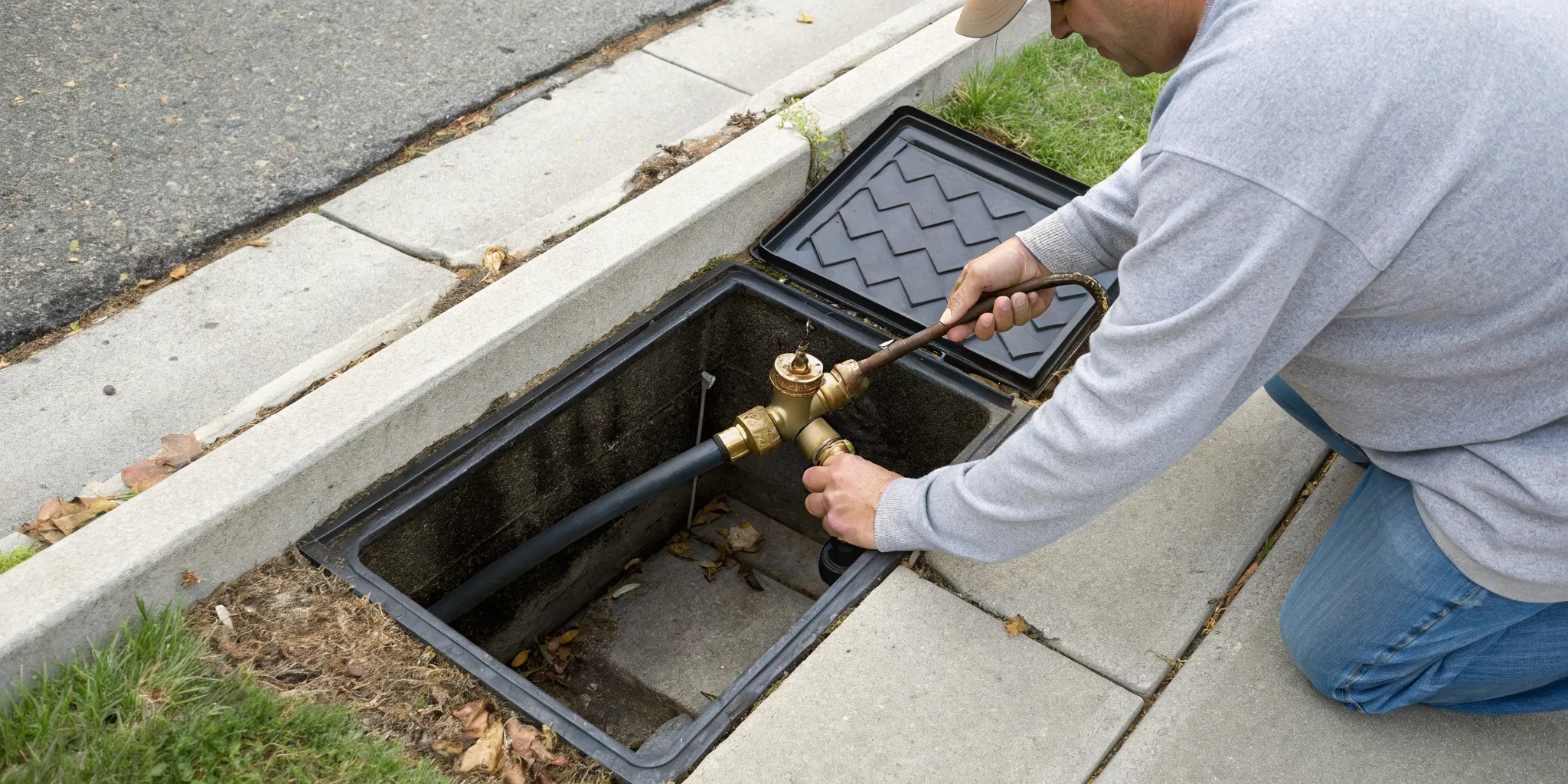
A curb key is essentially a long metal rod with a handle at the top and a slotted opening at the bottom. This design allows you to reach the curb stop valve, which is often several feet underground, and turn it. To find your valve, walk to the edge of your property line near the street or sidewalk. You’re looking for a small, round metal or plastic lid, sometimes marked with the word “water.” It might be flush with the ground or slightly raised. Once you open this lid and clear away any dirt, you’ll see the operating nut of the valve. The curb key’s end fits onto this nut, allowing you to turn it with the handle. If you can’t find it or the valve seems stuck, it might be time to call for emergency plumbing assistance.
When Should You Use One?
The most critical time to use an outdoor water shut-off tool is during a major plumbing emergency, like a burst pipe that’s flooding your basement. When the water won’t stop, shutting it off at the curb is your fastest and most effective solution. But it’s not just for emergencies. This tool is also incredibly useful for routine maintenance. You’ll need to shut off the main water supply when making significant plumbing repairs or installing new appliances like a water heater. It’s also a key step in winterizing your home, especially for protecting sprinkler systems or outdoor faucets from freezing pipes, a common concern for us here in Metro Detroit.
Common Types of Outdoor Water Shut-Off Tools
When you head to the hardware store, you’ll find a few different tools designed for outdoor water valves. It can be a little confusing to know which one you actually need. Don’t worry, it’s simpler than it looks. Most tools fall into three main categories, each with a specific job in mind. Understanding the difference will help you grab the right one for your home, so you’re prepared for any plumbing situation that comes your way. Let’s walk through the most common types you’ll encounter. If you ever find yourself unsure about your valve or the right tool, remember that our team at Mr. Pipey is always here to help.
Curb Keys
A curb key is the most common tool for this job. It’s a long metal rod with a T-handle at the top and a slotted end at the bottom, designed specifically to reach the underground shut-off valve at the curb. These tools come in various styles and lengths, so it’s important to know what kind of valve you have. Some are even telescoping, which makes them adjustable and easier to store. You might also see some with special heads, like a pentagon shape, to fit specific nuts on the valve or meter box. A good curb key is a must-have for any homeowner who wants to be able to control their main water supply.
Valve Wrenches
While a curb key is made for reaching valves deep underground, a valve wrench is designed for more general use. Think of it as a heavy-duty wrench made specifically for turning stubborn or large valves that you might find in your system. These are often simpler in design than a curb key and provide the leverage you need to operate different types of valves without stripping the nut or causing damage. For many homeowners, a standard adjustable wrench might do the trick, but a dedicated valve wrench can make the job much easier, especially if the valve hasn’t been turned in a while.
Multi-Purpose Utility Keys
A multi-purpose utility key is like the Swiss Army knife for your home’s utilities. These handy, compact tools often feature four or more different key patterns in one, allowing you to open not just water valves but also electric cabinets, gas meters, and other utility boxes. Their versatility makes them a fantastic addition to any homeowner’s toolkit. While one might not have the length to reach a deep curb stop, a multi-purpose key is perfect for managing various access points around your property, streamlining tasks without needing a whole bag of specialized tools.
How to Choose the Right Shut-Off Tool
Picking the right shut-off tool is a bit like choosing the right key for a lock. With so many options out there, it’s easy to feel overwhelmed. But don’t worry, I’m here to walk you through what to look for. Getting the right tool for your home’s specific setup will make all the difference, especially when you’re in a hurry. Let’s break down the key features to consider so you can feel confident you’re making the right choice.
Look for Durable Materials
When you’re dealing with a plumbing issue, the last thing you need is for your tool to fail. That’s why durability is at the top of the list. Look for shut-off tools made from heavy-duty materials like solid steel. These tools are designed to handle a lot of torque and resist bending or breaking under pressure. A well-made tool will also stand up to the elements, since your outdoor valve is exposed to rain, snow, and soil. Investing in a durable tool means you can count on it to work correctly during an emergency plumbing situation, giving you one less thing to worry about.
Get the Right Size and Length
Size definitely matters when it comes to water shut-off tools. Your curb stop valve is likely located a few feet underground, so you’ll need a key that’s long enough to reach it comfortably. Measure the depth of your valve box if you can, or choose a tool with a telescoping handle for adjustability. Just as important is the fit. The head of the tool needs to match the operating nut on your valve perfectly. An ill-fitting tool can slip or even strip the nut, making it impossible to turn. If you’re unsure about sizing, our team can help with all your plumbing needs.
Ensure It Fits Your Valve
Beyond just size, you’ll find that valve nuts come in different styles, and each requires a specific type of tool head. Some common styles you might hear about are “Trumbull,” “Erie,” or “Minneapolis.” While you probably don’t need to become an expert on valve types, it’s good to know that these variations exist. If you buy a tool that doesn’t match your valve style, it simply won’t work. This is one of those details where a professional’s experience comes in handy. If you’re having trouble identifying your valve, feel free to contact us for help.
Prioritize Comfort and Ease of Use
During a water emergency, your stress levels are already high. A tool that’s easy to use can make a tense situation much more manageable. Look for features like a T-shaped handle, which gives you better leverage for turning a stubborn valve. Some tools are also designed to be collapsible or telescoping, making them easier to handle and adjust. When you’re dealing with a potential disaster like a burst pipe from freezing temperatures, you’ll be grateful for a tool that feels comfortable in your hands and does its job without a struggle. Our frozen pipe repair services can handle the rest.
Consider Storage and Portability
A great tool isn’t much help if you can’t find it when you need it. Think about where you’ll store your shut-off key. A bulky, heavy tool might be difficult to store in an accessible spot, while a more compact or collapsible model can easily fit in a utility closet or toolbox. Some multi-purpose tools even come with extra features like a pry point for lifting stubborn curb box lids. The goal is to have a portable, easy-to-store tool ready to go at a moment’s notice. It’s this kind of preparedness that we value as a family-owned company, and you can learn more about our commitment to you on our About Us page.
How to Use Your Outdoor Water Shut-Off Tool
Knowing how to use an outdoor water shut-off tool is a skill every homeowner should have, especially when facing a plumbing emergency. Whether you’re dealing with a burst pipe or preparing for a major repair, shutting off your home’s water supply quickly can save you from significant water damage and stress. It might seem intimidating, but with the right tool and a little guidance, you can handle it confidently. Let’s walk through the process step-by-step.
Step 1: Find Your Curb Stop
First things first, you need to locate your curb stop. This is the main valve that controls the water flow from the municipal line to your house. It’s usually buried in the front yard near the street or sidewalk, protected by a metal or plastic lid labeled “water.” If you have trouble finding it, your property’s blueprints or a call to your local water utility can help. The American Water Works Association notes that these valves are typically found in a valve box near the property line, so start your search there.
Step 2: Position the Tool on the Valve
Once you’ve uncovered the curb stop, you’ll see a small nut or rectangular knob at the bottom of the access pipe. This is the operating head of the valve. Lower your curb key or shut-off tool into the hole and fit the end securely onto the valve’s operating head. You might need to wiggle it a bit to get a snug fit. Making sure you have the correct tool and that it’s properly seated is key to avoiding any damage to the valve itself. A loose fit can cause the tool to slip and strip the valve head, which creates a much bigger problem.
Step 3: Turn the Valve to the “Off” Position
With the tool securely in place, it’s time to turn off the water. Slowly and firmly rotate the tool clockwise (to the right) by a quarter turn, or 90 degrees. Most outdoor shut-off valves are designed this way, but it’s always a good idea to check for any specific instructions for your valve type if you can. According to This Old House, you shouldn’t have to apply excessive force. If the valve feels stuck, don’t try to wrench it free.
Step 4: Confirm the Water Is Off
After turning the valve, you need to make sure you were successful. Head back inside your house and turn on a faucet, preferably one on the lowest level of your home, like in the basement. If only a trickle of water comes out before stopping completely, you’ve done it. The experts at Family Handyman confirm that this is the best way to check your work. If water continues to flow, go back and ensure the valve is turned all the way to the off position.
Common Mistakes to Avoid
One of the most frequent missteps is not getting the tool properly seated on the valve before trying to turn it. Applying force with a poorly fitted tool can strip the valve’s operating nut, making it impossible to turn. As the pros at Bob Vila advise, always double-check the fit before you start turning. Another mistake is forcing a valve that won’t budge. This can break the valve or the pipe, turning a small issue into an immediate crisis. If that happens, you may need emergency plumbing services right away.
How to Maintain Your Shut-Off Valve
A little preventative care can go a long way. It’s a good practice to locate and inspect your shut-off valve annually. Check for any signs of rust, corrosion, or damage that could prevent it from working when you need it most. To keep it in good working order, you can clear any debris from the valve box and lubricate the operating nut. As recommended by The Spruce, a silicone-based lubricant helps keep the parts moving smoothly without attracting dirt. If you notice any issues during your inspection, it’s best to have them addressed before an emergency strikes.
When to Call a Professional
If you can’t find the valve, can’t get it to turn, or notice that it’s broken or leaking, it’s time to call in a professional. Forcing a stuck valve can cause serious damage that leads to expensive repairs. A professional plumber has the right tools and experience to handle stubborn or damaged valves safely. If you’re in the Metro Detroit area and run into any trouble, don’t hesitate to contact us. At Mr. Pipey, we treat your home like our own and are always here to help with any plumbing challenge, big or small.
Related Articles
- How to Find Your Water Main Shut Off Valve at Street
- Water Shut Off Valve in House: A Homeowner’s Guide
Frequently Asked Questions
What should I do if I can’t find my outdoor water shut-off valve? Finding your shut-off valve can sometimes feel like a treasure hunt. Start by checking your property records or survey, as they often mark utility access points. If you still can’t find it, your local water department can usually provide a map or description of its location. If it’s buried under grass or dirt, a professional plumber has tools to locate it quickly without tearing up your yard.
My valve is stuck and won’t turn. Should I use more force? No, please don’t force it. An outdoor valve that hasn’t been turned in years can seize up due to rust or mineral deposits. Trying to force it can break the valve stem or the pipe itself, turning a manageable problem into a major, costly emergency. If the valve doesn’t turn with firm, steady pressure, it’s a clear sign to stop and call a professional for help.
How do I know for sure which tool will fit my specific valve? This is a great question, as a proper fit is essential. The best way to be sure is to open the curb stop lid, clear out any dirt, and take a clear picture of the operating nut at the bottom. You can show this photo to an employee at a well-stocked hardware or plumbing supply store. If you’re still uncertain, a professional plumber can identify the valve type and ensure you have the correct tool for your home.
Is it really necessary to have a special tool, or can I just use a standard wrench? While a standard wrench might work for some shallow or accessible valves, a dedicated curb key is designed for this specific job. Its length allows you to reach deep underground valves without straining, and its T-handle provides the right kind of leverage to turn the valve smoothly. Using the wrong tool increases the risk of stripping the nut, which would make it impossible to turn off your water in an emergency. For any issues with your home’s water valves, contact our team for professional water valve service.
Once I shut the water off, how do I turn it back on? Turning the water back on is just as important as shutting it off. First, make sure all your faucets inside the house are closed. Then, return to the curb stop and use your tool to turn the valve slowly counter-clockwise (to the left) a quarter turn. Opening it slowly helps prevent a sudden surge of pressure, called a water hammer, which can damage your pipes and appliances.