
In plumbing, specifics matter. A general drop in water pressure is one thing, but a loss of hot water pressure in shower only is a very precise symptom that points you in the right direction. It immediately tells you that your main water line is fine and your water heater is likely producing hot water correctly. The problem is happening somewhere on the journey from the heater to your shower. This narrows the search down significantly, making it much easier to diagnose. Is it the showerhead itself? The mixing valve behind the handle? Or something in the pipe? Let’s break down the possibilities logically to uncover the reason for your weak hot water flow.
Key Takeaways
- Check other faucets before the shower: If your sinks have strong hot water pressure, the problem is almost certainly in the shower’s hardware, like a clogged showerhead or valve. This simple check saves you from worrying about a whole-house plumbing issue.
- Start with the simplest fixes: Mineral buildup is a frequent cause of low pressure. Before assuming a major problem, try cleaning your showerhead by soaking it in vinegar and confirm that any accessible shut-off valves are completely open.
- Know when to call a professional: If the simple solutions don’t work or the low pressure affects your entire home, it’s time for expert help. Issues like a failing water heater, a hidden leak, or a bad mixing valve require a professional’s tools and knowledge to fix correctly.
Why Is My Hot Water Pressure Low Only in the Shower?
Stepping into the shower for a relaxing stream of hot water, only to be met with a weak trickle, is incredibly frustrating. If you’ve noticed that your cold water pressure is perfectly fine, but the hot water is barely there, you’re dealing with a very specific issue. The good news is that this clue helps narrow down the source of the problem significantly. It tells us the issue isn’t with your home’s main water supply but is isolated to your hot water system. The cause could be a simple clog in the shower itself or a sign of a more complex issue with your water heater or the pipes leading to it.
Hot vs. Cold Water Pressure: What’s the Difference?
When you’re trying to figure out a water pressure problem, comparing the hot and cold flow is the first diagnostic step. If your cold water runs strong while the hot water dribbles out, the issue lies somewhere within your hot water system. This could point to a problem with your water heater, like sediment buildup at the bottom of the tank that’s blocking the outlet pipe. It might also indicate a blockage or kink in the specific hot water line that runs to your shower. A sudden, major drop in pressure could even signal a more serious issue, so it’s wise to be aware of your emergency plumbing options if the situation worsens.
Why Your Shower Is the First to Signal a Problem
Finding that the low hot water pressure is confined to just one shower is actually a positive sign. It means the problem is localized and not affecting your entire home’s plumbing. The issue is almost certainly located within that specific shower’s hardware or the single pipe that supplies it with hot water. This rules out bigger problems with your main water lines or the water heater’s ability to serve the whole house. While this narrows things down, pinpointing whether it’s the showerhead, the mixing valve, or the pipe itself can still be tricky. If you’ve tried a few simple fixes without success, getting a professional to look at your plumbing services can save you time and prevent further frustration.
7 Common Causes for Low Hot Water Pressure in the Shower
That frustrating moment when your hot shower turns into a weak, lukewarm trickle is something we’ve all dreaded. If you’ve noticed the problem is only with the hot water and only in the shower, you can breathe a small sigh of relief. It often points to a localized issue rather than a major plumbing catastrophe. From simple mineral buildup to a faulty valve, several common culprits could be behind your low hot water pressure. Let’s walk through the seven most likely reasons so you can figure out what’s going on and get back to enjoying a proper shower.
Clogged Shower Valve Cartridge
Inside your shower handle is a small but mighty part called a valve cartridge. Its job is to mix the hot and cold water to give you that perfect temperature. Over time, minerals from your water supply can build up inside this cartridge, creating a blockage. This often happens more on the hot water side, restricting flow before it even reaches your showerhead. If your cold water pressure seems fine but the hot water is just a dribble, a clogged cartridge is a very likely suspect. Replacing it is a common repair that can make a world of difference.
Mineral Buildup in Your Showerhead
This is one of the most common and easiest-to-fix causes of low shower pressure. The water in Metro Detroit contains minerals like calcium and magnesium, which can build up on and inside your showerhead’s nozzles. Over time, this limescale hardens and clogs the small holes, physically blocking water from getting through. You might notice water spraying in odd directions or some nozzles not spraying at all. The good news is that a thorough cleaning can often restore your showerhead to its former glory and get your water pressure back to normal without needing a plumber.
Partially Closed Shut-Off Valves
Your plumbing system has several shut-off valves that control water flow to different fixtures. Your shower likely has its own set of hot and cold water valves, sometimes located behind an access panel in the wall or under a nearby sink. If maintenance was recently done, it’s possible the hot water valve wasn’t fully reopened afterward. Sometimes, older gate-style valves can also fail internally, appearing open when they are actually restricting flow. Ensuring the valve is completely open is a simple check that could solve your pressure problem in seconds.
A Faulty Mixing Valve or Anti-Scald Device
Modern shower faucets include a safety feature called a mixing valve or an anti-scald device. This valve is designed to balance hot and cold water pressure to prevent you from getting burned if, for example, a toilet is flushed elsewhere in the house (which causes a drop in cold water pressure). If this valve gets clogged with sediment or simply fails, it can get stuck in a “safe” position, permanently limiting the amount of hot water that can flow through. This results in consistently weak hot water pressure, even when there’s no real danger of scalding.
Sediment in Your Water Heater
Over the years, your water heater tank accumulates sediment, rust, and mineral deposits at the bottom. When you turn on a hot water tap, this debris can get stirred up and pulled into your home’s hot water lines. These particles can then travel to your shower and create a blockage in the pipes or the shower valve itself. If you notice low hot water pressure in other faucets too, not just the shower, sediment from your water heater could be the root cause. Regular flushing of your water heater can help prevent this from happening.
Aging or Corroded Pipes
If you live in an older home, your low hot water pressure might be due to the pipes themselves. Galvanized steel pipes, common in homes built decades ago, are prone to corrosion from the inside. Rust and scale can build up over the years, dramatically narrowing the pipe’s interior diameter and restricting water flow. This problem is often worse in hot water lines. While it’s a more complex issue to fix, identifying corroded pipes is the first step toward a lasting solution and restoring strong water pressure throughout your home’s plumbing system.
A Hidden Leak in a Hot Water Line
A leak anywhere in the hot water line leading to your shower will cause a drop in pressure, as water is escaping before it reaches the showerhead. These leaks can be small and hidden behind walls, under floors, or in a crawlspace, making them difficult to spot. Telltale signs include the sound of running water when all taps are off, damp spots on walls or ceilings, or an unexpectedly high water bill. A hidden leak is a serious issue that wastes water and can lead to significant structural damage, so it’s important to call for emergency plumbing services if you suspect one.
How to Pinpoint the Cause: A Step-by-Step Guide
Figuring out why your shower is acting up can feel like a mystery, but you can often find the source with a little detective work. This guide walks you through a logical process, starting with the simplest checks and moving toward more complex issues. By following these steps, you can narrow down the possibilities and get a much clearer picture of what’s going on with your plumbing.
Step 1: Test the Water Pressure in Other Faucets
Before you focus on the shower, let’s see if the problem is bigger. Turn on the hot water at your bathroom sink, then the kitchen sink. Is the pressure low there, too? If every hot water tap in the house is just trickling, the issue is likely with your water heater or the main hot water line connected to it. But if every other faucet is working fine and only the shower’s hot water is weak, you’ve successfully isolated the problem. This tells you the culprit is located somewhere within the shower’s specific plumbing.
Step 2: Inspect Your Showerhead for Buildup
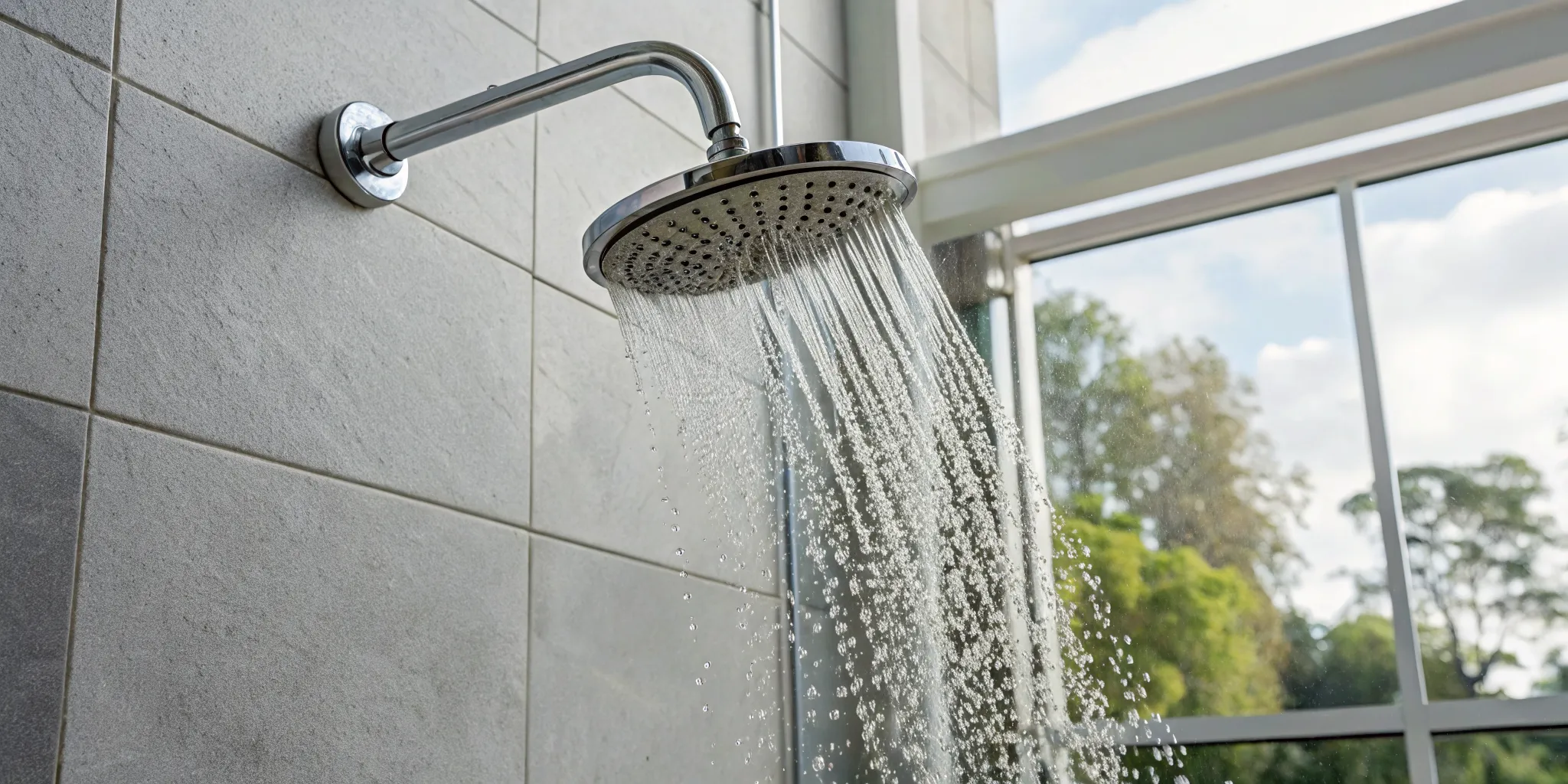
This is one of the most common causes, especially in areas with hard water. Over time, mineral deposits like calcium and magnesium can clog the tiny nozzles on your showerhead, restricting water flow. An easy way to test this is to carefully unscrew the showerhead from the pipe arm. Turn the water on for a moment. If you get a strong, healthy flow of water coming out of the pipe, you’ve found your problem. A clogged showerhead is a simple fix, and cleaning it often restores pressure immediately.
Step 3: Check Your Shower’s Shut-Off Valves
Many plumbing fixtures, including showers, have their own shut-off valves for maintenance. These are often located behind a small metal plate (called an escutcheon) right behind the shower handle, or sometimes on an access panel on the other side of the wall. There will be one for hot and one for cold. Using a screwdriver, make sure the hot water valve is turned all the way to the open position (fully counter-clockwise). Sometimes these can be partially closed by accident during a different repair, choking off the water supply to your shower.
Step 4: Examine the Shower Valve and Cartridge
Inside your shower handle lies a critical component called a valve cartridge. This device is responsible for mixing the hot and cold water to your desired temperature. Over the years, these cartridges can get clogged with sediment or simply wear out from use. If the handle feels stiff, gritty, or difficult to turn, it’s a strong sign the cartridge is failing and restricting water flow. While some DIY-savvy homeowners can replace these, it often requires special tools and knowledge of your specific fixture. Inspecting it can help confirm if this is where the problem lies before calling for a professional repair.
Step 5: Check the Anti-Scald Device Setting
Most modern shower valves include a safety feature called an anti-scald device. Its job is to prevent burns by limiting how far you can turn the handle toward pure hot water. Sometimes, this device is set too conservatively from the factory, or it can shift over time, which physically stops the valve from opening enough to allow full hot water pressure. You can typically adjust this yourself by removing the shower handle. The device is usually a small plastic ring that you can rotate to allow for a greater range of motion and more hot water flow.
Step 6: Look for Signs of Water Heater Sediment
If you noticed slightly lower pressure in other taps during Step 1, your water heater is a prime suspect. Sediment naturally builds up at the bottom of the tank over time. This buildup can insulate the heating element, making it less efficient, and small particles can break free and clog the hot water outlet pipe. This reduces hot water pressure throughout your entire home. Flushing your water heater annually is the best way to prevent this. If you hear popping or rumbling sounds from your heater, it’s a definite sign that sediment is a problem and could lead to an emergency plumbing situation if ignored.
Step 7: Inspect Pipes for Leaks or Corrosion
This is the least common but most serious potential cause. A hidden leak in a hot water line will absolutely cause a drop in pressure by the time the water reaches your shower. Take a careful look at any visible plumbing in your basement or crawlspace. Check the wall behind the shower and the ceiling below it for any signs of moisture, discoloration, or dampness. Older galvanized steel pipes can also corrode from the inside out, creating blockages that restrict flow. If you spot any evidence of a leak or pipe damage, it’s important to contact a professional right away to prevent costly water damage.
How to Fix Low Hot Water Pressure in Your Shower
Once you have an idea of what’s causing your weak hot water flow, you can start working on a solution. Some of these fixes are simple enough for a quick weekend project, while others are best left to a professional. Here are the most effective ways to get your hot, steamy showers back.
Clean or Replace Your Showerhead
Let’s start with the easiest fix. Over time, mineral deposits from your water can build up inside your showerhead, creating a blockage that slows down water flow. To check if this is your issue, simply unscrew the showerhead and turn on the water. If the pressure from the pipe is strong, you’ve found your culprit. To clean it, submerge the showerhead in a plastic bag or bowl filled with white vinegar overnight. The vinegar will dissolve the mineral buildup. If it’s still clogged after a good soak, it might be time for a replacement.
Replace the Shower Cartridge or Mixing Valve
If cleaning the showerhead didn’t work, the problem might be deeper inside the faucet. The shower valve cartridge is a small but essential part that mixes hot and cold water. These cartridges can wear out or get clogged with sediment, especially on the hot water side. Replacing a shower cartridge can be a bit tricky, as you need to shut off the water and use specific tools to pull the old one out. If you’re not comfortable with this kind of repair, it’s a good idea to call in a professional. A botched job can lead to leaks and bigger headaches, so it’s better to trust an expert with your plumbing services.
Fully Open or Replace Shut-Off Valves
Sometimes, the solution is as simple as turning a valve. Your shower, and sometimes your entire bathroom, has shut-off valves that control the water supply. It’s possible the hot water valve was partially closed by accident. Locate the valve (often behind an access panel or under the sink) and make sure it’s turned all the way counter-clockwise to the fully open position. If the valve is old, corroded, or starts leaking when you touch it, don’t force it. An old, faulty valve will need to be replaced to restore proper flow and prevent a potential emergency plumbing situation.
Adjust Your Anti-Scald Device
Most modern shower faucets have an anti-scald device, also called a temperature limit stop, to prevent burns. It’s a safety feature that limits how much hot water can flow through the valve. Sometimes, this device is set too conservatively or can slip out of place, restricting hot water and reducing pressure. You can typically find it by removing your shower handle. It often looks like a small, plastic gear. Try adjusting it one or two notches to allow more hot water through, then test the temperature. Just be careful not to set it too high to avoid scalding water.
Flush Your Water Heater
If you’re noticing low hot water pressure throughout your house, not just the shower, the problem could be sediment in your water heater. Over the years, minerals and debris settle at the bottom of the tank. This gunk can get stirred up and flow into your hot water lines, causing blockages. Flushing your water heater annually is a key maintenance task that removes this sediment. While it’s a job some homeowners do themselves, it can be messy and time-consuming. Our team at Mr. Pipey can handle this as part of a routine maintenance check to keep your entire system running smoothly.
Explore Long-Term Solutions for Persistent Issues
If you’ve tried these fixes and the problem keeps coming back, it might be time to think about long-term solutions. Regular maintenance is your best defense against future water pressure problems. This includes cleaning your showerhead every few months and flushing your water heater annually. For homes with very hard water, a water softener can reduce the mineral buildup that causes clogs. It’s also wise to have your plumbing inspected periodically. Scheduling a routine check-up allows a professional to spot and fix minor issues before they become major ones, ensuring your pipes and fixtures stay in great shape.
Know When to Call a Professional Plumber
While it’s empowering to fix things around the house, some plumbing problems are best left to the experts. Knowing when to put down the wrench and pick up the phone can save you from a major headache, costly water damage, and a lot of frustration. If you’ve tried the basic fixes for your low hot water pressure and are still stuck with a weak shower, it might be a sign of a deeper issue. A professional plumber has the right tools and experience to diagnose the root cause quickly and accurately, handling everything from simple repairs to complex plumbing solutions.
The Problem Affects More Than Just the Shower
One of the first things a plumber will do is check the water pressure elsewhere in your home, and you can too. If your kitchen sink and bathroom faucet also have low hot water pressure, the problem isn’t your showerhead. This points to a more widespread issue within your plumbing system. The culprit could be sediment buildup in your water heater, a failing pressure regulator for the whole house, or even an issue with the municipal water supply. Trying to diagnose this on your own can feel like searching for a needle in a haystack, so when the problem goes beyond one fixture, it’s time to call for professional help.
You Find Visible Pipe Damage or Leaks
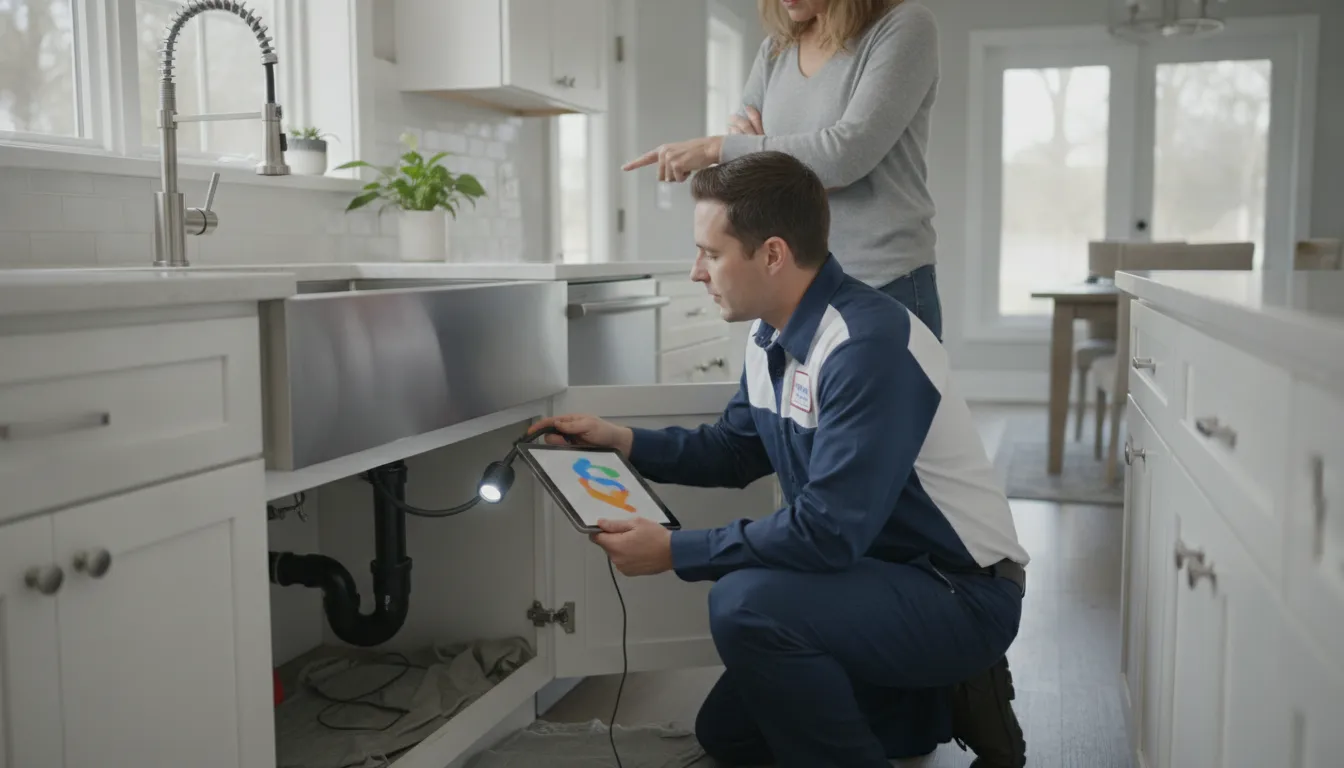
Take a close look at any exposed pipes you can access, especially those around your water heater and under your sinks. Obvious signs of trouble like rust, corrosion, or active dripping are clear calls for help. You should also keep an eye out for indirect signs of a hidden leak, such as musty odors, water stains appearing on ceilings or walls, or paint that is bubbling or peeling. A sudden, unexplained spike in your water bill is another huge red flag. These symptoms often point to aging or damaged pipes that need immediate attention to prevent serious water damage and mold growth.
Your DIY Solutions Don’t Work
You gave it your best shot. You cleaned the showerhead, checked the shut-off valves, and maybe even tried adjusting the anti-scald device. If your hot water pressure is still just a trickle, it’s time to tag in a professional. Continuing to tinker with your plumbing without a clear diagnosis can sometimes make the problem worse. The issue could be a faulty shower cartridge, a failing mixing valve, or a hidden leak in a hot water line, all of which require specific tools and expertise to fix correctly. A professional can pinpoint the exact cause and get your hot showers flowing again, saving you time and ensuring the job is done right. When you’ve exhausted your options, don’t hesitate to contact a trusted plumber.
How to Prevent Future Water Pressure Problems
Once you’ve got your hot water flowing perfectly, the last thing you want is for the problem to come back. A little proactive maintenance goes a long way in keeping your plumbing system healthy and your showers comfortable. Taking care of your pipes and fixtures doesn’t have to be complicated. By incorporating a few simple habits into your home care routine, you can prevent most common water pressure issues before they even start. These steps will help you protect your plumbing, save money on future repairs, and ensure you always have a great shower to look forward to.
Perform Regular Showerhead and Valve Maintenance
Think of all the water that flows through your shower. It carries tiny minerals that, over time, build up and clog the small openings in your showerhead and the internal valve cartridge. This is often why pressure starts to dwindle. To prevent this, give your showerhead a good cleaning every few months by soaking it in vinegar. The valve cartridge, which is the part inside the faucet that mixes the hot and cold water, can also get clogged with sediment. While cleaning a showerhead is a simple DIY task, inspecting or replacing a valve cartridge can be more complex. Regular checks on your fixtures are a key part of maintaining your home’s plumbing system.
Flush Your Water Heater Annually
Your water heater is the heart of your home’s hot water supply, but it can also be a source of sediment. Over time, minerals and debris settle at the bottom of the tank. When you turn on the hot water, this gunk can get stirred up and pushed into your pipes, leading to blockages and low pressure, especially in your shower. Flushing your water heater once a year is one of the best ways to prevent this. This process removes the collected sediment, which not only protects your pipes but also helps your water heater run more efficiently and last longer. It’s a crucial step in preventing a minor issue from becoming a major headache.
Insulate Your Pipes for Better Performance
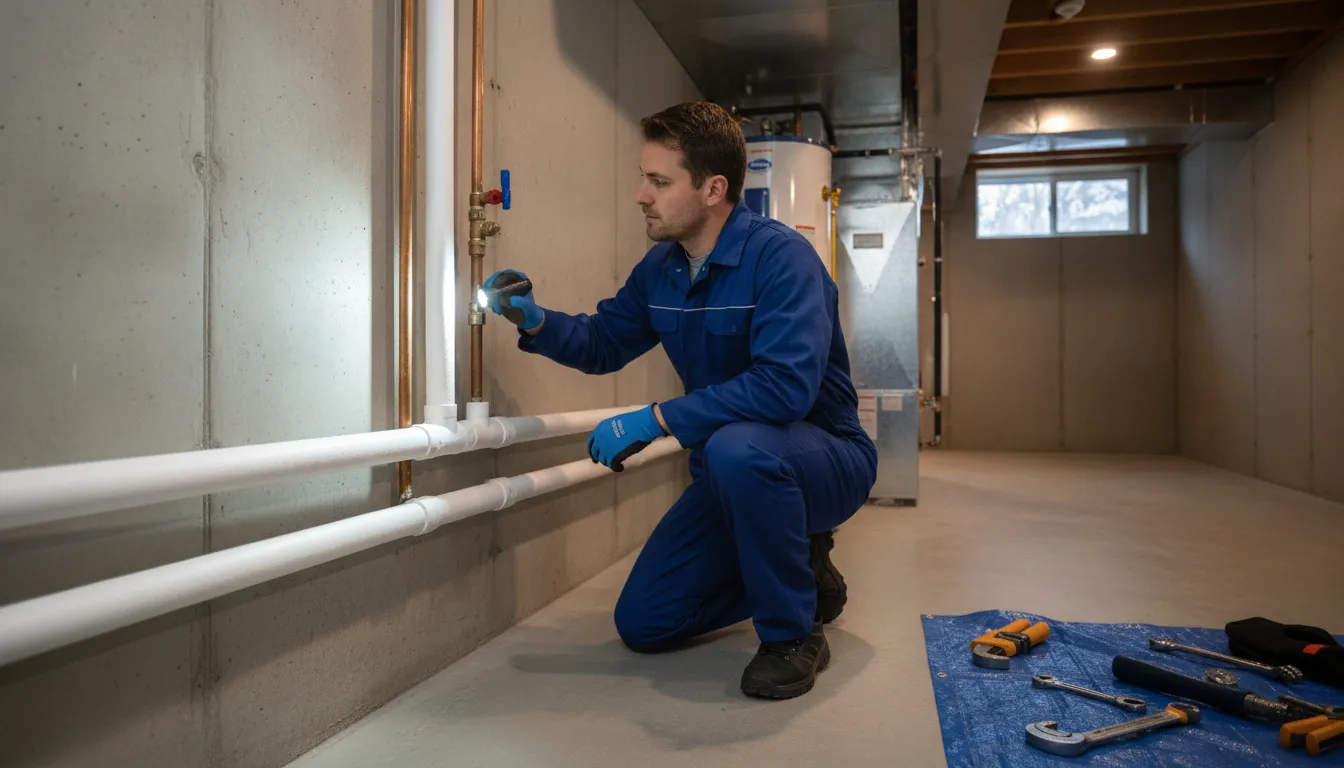
Here in Metro Detroit, we know all about cold winters. Those freezing temperatures don’t just make us uncomfortable; they can be tough on our plumbing, too. Uninsulated pipes in basements, crawl spaces, or exterior walls are vulnerable to freezing, which can restrict water flow or even cause a pipe to burst. Proper pipe insulation is a simple and effective way to protect your plumbing from the cold. It helps maintain the water temperature, prevents heat loss, and provides a critical defense against freezing. This small investment can prevent catastrophic leaks and ensure your water pressure remains steady all year round, no matter how low the temperature drops.
Schedule a Routine Plumbing Inspection with Mr. Pipey
While DIY maintenance is great, nothing beats a professional eye. Some plumbing problems, like slow, hidden leaks or early-stage pipe corrosion, aren’t obvious until they’ve already caused significant damage. Scheduling a routine plumbing inspection gives a professional a chance to catch these issues early. A plumber can assess your entire system, from the water heater to the individual fixtures, and identify potential problems you might not see. This preventative approach is the best way to ensure your plumbing is in top shape and to get peace of mind. If you want to stay ahead of repairs, contact Mr. Pipey to schedule an inspection and keep your system running smoothly.
Related Articles
- How to Repair an Instant Water Heater: A DIY Guide
- Water Heater Leak? Here’s What to Do Right Now
- Shut Off Valve Under Sink: A Complete DIY Guide
- DIY Water Shut Off Valve Replacement in 5 Steps
Frequently Asked Questions
My hot water pressure is low, but where should I even start looking? Before you worry about complex plumbing, always start with the simplest explanation: a clogged showerhead. Unscrew it from the pipe arm and turn on the water for a second. If water gushes out of the pipe, you’ve found your problem. Cleaning the showerhead with vinegar is an easy fix that often solves the issue right away. This quick test helps you confirm if the problem is with the fixture itself or something deeper in your plumbing.
How can I tell if the problem is my water heater and not just the shower? The biggest clue is to check your other faucets. Turn on the hot water at your bathroom and kitchen sinks. If the pressure is weak everywhere, then the issue is likely centered around your water heater or the main hot water line connected to it. If the pressure is strong everywhere else, the problem is isolated to the shower. Other signs of a water heater issue include popping sounds from the tank or finding that your hot water runs out much faster than it used to.
I’m pretty handy. When should I stop trying to fix it myself and call a plumber? It’s great to be self-sufficient, but the line is usually drawn at the water shut-off valve. If you’ve cleaned the showerhead and checked the anti-scald device without success, the next steps involve internal parts like the shower cartridge. If you feel at all hesitant about shutting off the water to your home or taking apart the faucet assembly, it’s time to call a professional. A small mistake can lead to a persistent leak behind the wall, which is a much bigger problem to solve.
Is this just something that will keep happening? It can be, especially in areas with hard water, but you can definitely get ahead of it. The two most effective preventative steps are cleaning your showerhead every few months and having your water heater flushed annually. The first task prevents mineral buildup at the fixture, and the second stops sediment from ever entering your pipes. Think of it like routine maintenance for your car; a little attention now prevents major issues later.
What’s the difference between a mixing valve and an anti-scald device? That’s a great question, as they are closely related. The mixing valve is the core mechanism inside your faucet that blends hot and cold water. The anti-scald device, or temperature limit stop, is a safety feature on that valve that physically prevents you from turning the handle to a dangerously hot temperature. While adjusting the anti-scald device is a safe DIY task, replacing the entire mixing valve cartridge is more complex and is usually best left to a professional.