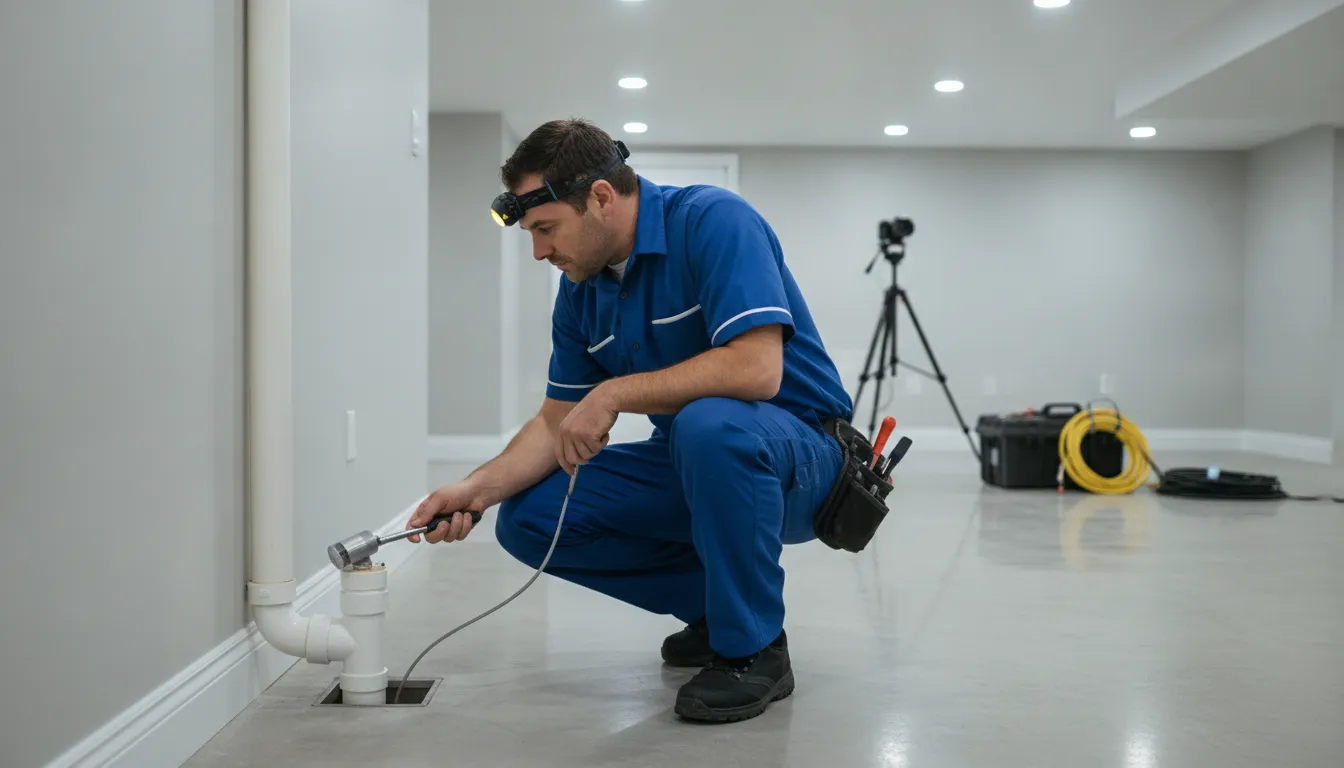


A shower that surges from strong to weak, pipes that bang after a fixture shuts off, or water pressure that feels different from one day to the next can make a Detroit home feel unpredictable. In many cases, the issue deserves a professional look at the pressure-reducing valve, also called a PRV. This guide to water pressure regulator Detroit homeowners can use explains what that valve does, which changes merit attention, and what a licensed plumbing professional evaluates before recommending replacement.
For a clear assessment of changing water pressure, contact Mr. Pipey at (313) 900-0700. Our Metro Detroit team can diagnose the cause and explain the appropriate repair with transparent flat-rate pricing.
What Does a Water Pressure Regulator Do in a Detroit Home?
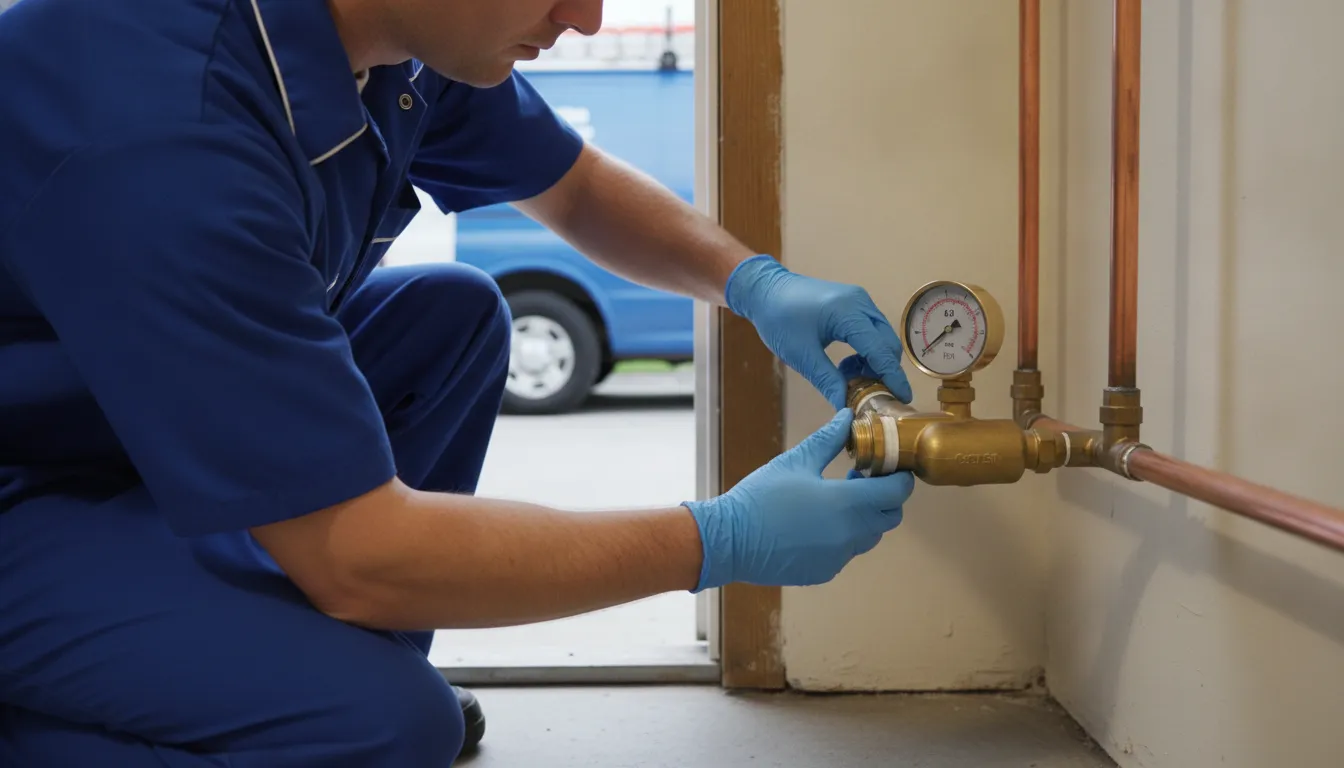
A water pressure regulator is a valve installed on or near a home’s main water supply line. Its role is to reduce incoming water pressure to a consistent level for the plumbing system downstream. Think of it as a stabilizer. When municipal supply pressure varies, it helps keep water delivery to fixtures and appliances more predictable.
That consistency matters throughout the home. Fixtures, supply lines, water heaters, and appliances all work best when pressure is within the range their components are designed to handle. A regulator is not present in every house, and pressure symptoms can also come from a partially closed valve, a leak, mineral buildup, or a localized fixture issue. That is why a diagnosis should look at the whole system rather than assume one component is responsible.
For homeowners already dealing with reduced flow, our guide to low water pressure in a house explains other common causes that may need to be ruled out.
What Are the Signs a Water Pressure Regulator Needs Replacing?
A regulator rarely announces a problem with a single unmistakable symptom. More often, a homeowner notices a pattern of changes across multiple fixtures. The following signs are useful information to share when scheduling professional service.
| What you notice | Why a professional assessment helps |
|---|---|
| Pressure rises and falls at several fixtures | It helps distinguish a regulator issue from a supply or leak concern. |
| Banging or whistling after water use | It identifies whether pressure changes, valves, or pipe support are involved. |
| Recurring fixture or connection issues | It checks whether a system-wide pressure condition is contributing to wear. |
| Water bills that climb without a change in usage | It can reveal a pressure condition that wastes water through leaks or overflow. |
| A regulator older than its typical service life | Age and supply pressure help a technician weigh whether replacement makes sense. |
Here are seven warning signs a water pressure regulator may need attention.
- Pressure changes without a clear reason. One day, the shower may feel forceful; later, it may seem noticeably weaker. Repeated swings at more than one fixture can point to a regulator that is no longer controlling pressure consistently. A plumber also considers supply conditions, plumbing restrictions, and leaks before identifying the source.
- Pipes bang, thump, or whistle. Sudden changes in water movement can create noise in plumbing lines. Banging, thumping, or whistling does not automatically mean the regulator has failed, but it is worth mentioning when it occurs alongside pressure fluctuations. A technician can distinguish water-hammer concerns from issues involving pipe support, shutoff valves, or the pressure-regulating valve.
- Fixtures begin leaking or need repeated attention. Dripping faucets, worn toilet fill valves, or connections that develop leaks may have separate causes. However, when these issues appear repeatedly across the home, unstable or excessive pressure should be part of the professional evaluation. The goal is not just to address an individual fixture, but to understand whether a pressure condition is contributing to recurring wear.
- Water flow changes throughout the home. A regulator serves the main supply, so a regulator-related issue is more likely to affect several fixtures than a single sink. If only one faucet has weak flow, that points more toward a localized restriction or fixture problem. If showers, sinks, and appliances all seem to change together, the main water line and pressure controls deserve closer inspection.
- You notice changes after water use stops. Some homeowners notice a short burst of noise or a pressure change when a washing machine, dishwasher, or faucet turns off. That observation gives a plumber useful context because it helps identify when the plumbing system is reacting. Avoid making adjustments to the valve yourself. A professional test can determine whether the regulator is operating as intended and whether another component is involved.
- Your water bill rises for no clear reason. Excessively high supply pressure can waste water through dribbling fixtures, running toilets, or valves that do not fully close. When monthly usage trends upward without a change in household habits, a pressure evaluation is a reasonable next step. A technician can check whether the regulator and related valves are letting too much pressure through.
- The regulator is old or the supply pressure reads very high. Regulators are durable but not permanent. When an older unit has served for many years, or when a pressure gauge shows supply pressure well above the range fixtures are built for, the regulator may no longer be providing its protective function. A professional reading of system pressure helps confirm whether replacement is warranted.
Why Does Water Pressure Change From Room to Room?
Not every pressure complaint is a regulator problem. A useful first distinction is whether the change is whole-home or isolated. When one fixture is affected, the cause may be limited to that fixture, a branch line, or a nearby valve. When pressure changes are noticeable in several areas of the home, a main-line component such as a pressure regulator becomes more relevant.
Older plumbing, mineral accumulation, hidden leaks, and changes in water demand can also affect what homeowners experience at a fixture. A careful diagnosis protects against replacing the wrong part. Mr. Pipey technicians consider the location and timing of the symptom, inspect applicable valves and connections, and use appropriate diagnostic methods to identify the actual condition.
Homeowners should also know where their main water shut-off service point is located in case of an active leak or other urgent plumbing concern. If water is actively leaking or the situation cannot wait, visit our emergency plumbing service page for help.
How Does a Plumber Test a Water Pressure Regulator?
Professional testing begins with the symptoms you have observed: which fixtures are affected, whether the condition comes and goes, and whether there are sounds, leaks, or appliance concerns. The technician then evaluates the main supply and related plumbing components. One symptom alone rarely tells the whole story.
- Review the pressure symptoms and the areas of the home affected.
- Assess the main supply, regulator, shutoff valves, and visible connections.
- Measure and observe system pressure as appropriate for the plumbing layout.
- Explain the confirmed cause and any recommended repair before work begins.
The assessment may include measuring pressure at appropriate points. The technician may also observe how it responds during normal water use. They check the regulator, shutoff valves, and visible connections. This separates a regulator issue from a supply, leak, or localized restriction problem. If replacement is appropriate, the technician explains the work and any related valve needs.
The regulator is tied to the home’s main water supply. Installation and calibration are professional plumbing work. The correct valve and setup depend on the pipe material, line size, installation location, and condition of adjacent components. A tailored assessment is safer than a one-size-fits-all recommendation.
How Can Detroit Homeowners Protect Plumbing From Pressure Problems?
Protecting a plumbing system starts with paying attention to changes, not trying to diagnose a valve from a single symptom. Note when pressure changes occur, which rooms are affected, and whether the change follows the use of an appliance or fixture. That information gives a plumbing professional a more complete picture of the system and can make the service visit more efficient.
It is also important to separate normal variation from a persistent pattern. A brief change while water is used elsewhere may have a different cause than repeated surging or chronic weak flow. A loud bang after a fixture closes needs attention too. A professional evaluation considers the regulator, main water line, shutoff valves, visible supply connections, fixture condition, and signs of leakage. This system-level approach prevents treating a symptom while the source remains unresolved.
Homes in Metro Detroit vary widely in age and plumbing layout. A regulator may be installed differently from one property to the next. Access to the main line can influence the repair plan. Older piping, prior modifications, and worn valves can also change what a technician needs to inspect. A service recommendation should follow an on-site assessment, not an assumption that every pressure concern has the same repair.
When a regulator is functioning correctly, it supports a steadier water experience throughout the home. When it is not, the appropriate response is measured, professional troubleshooting. Mr. Pipey can explain what was found. You can then review whether the regulator is the cause and the recommended work before repair begins.
Homeowners can make the service visit more productive by noting the rooms affected, the timing of pressure changes, and any sounds that occur after water use. Avoid attempting to adjust or replace the valve. Those details are more useful to a technician than a guess about the part itself. They help focus the diagnosis on the pressure condition and the plumbing components that control it.
When Should You Schedule Water Pressure Regulator Replacement?
Schedule an inspection when pressure swings keep returning, plumbing noise is becoming more frequent, or multiple fixtures begin showing related changes. It is also sensible to arrange service when a technician identifies a regulator that can no longer maintain consistent performance. Addressing the underlying cause early can help avoid repeated calls for individual fixtures that are reacting to the same system condition.
Regulator work may involve related valves on the main water line. If those components are worn, difficult to operate, or part of the access needed for the repair, a technician may discuss whether water valve service belongs in the same visit. The recommendation should be based on the condition of your plumbing, not a generic replacement schedule.
What Does Water Pressure Regulator Replacement Cost in Detroit?
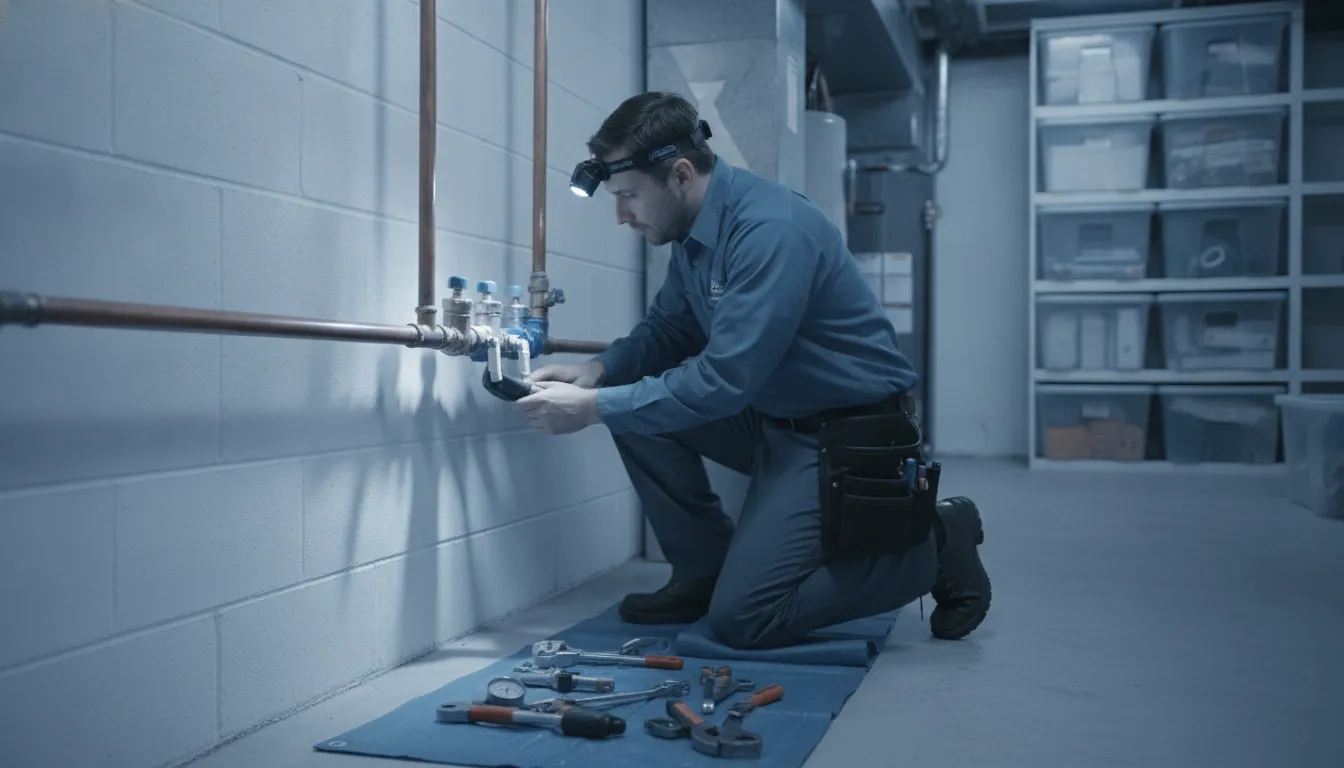
The cost of replacing a water pressure regulator in Detroit varies by the home and the repair scope. Access to the main water line, pipe material and layout, the valve size, the condition of nearby shutoffs, and whether related repair is needed can all affect the final price. An online estimate cannot account for these details or confirm that the regulator is the actual source of the symptom.
Mr. Pipey uses transparent flat-rate pricing for repairs and service calls, so you can review the recommended work before it begins. A professional assessment is the best way to receive pricing that reflects your plumbing system rather than an assumption based on a generic range.
If pressure problems keep returning, schedule a water pressure regulator evaluation in Metro Detroit. Mr. Pipey will check the main supply and related valves before recommending any work, and you can review the flat-rate pricing before anything begins.
FAQs About Water Pressure Regulators
How can I tell if my water pressure regulator is bad?
Inconsistent pressure at multiple fixtures, recurring pipe noise, and repeated fixture or connection issues can be warning signs. These symptoms overlap with leaks, valve problems, and restrictions, so a professional diagnosis is the right way to confirm the cause.
Why does my Detroit home need a water pressure regulator?
A regulator helps manage incoming water pressure so the plumbing system receives a more consistent supply. Whether your home needs one, or needs an existing one replaced, depends on the property’s plumbing configuration and the pressure conditions a technician finds.
Can I replace a water pressure regulator myself?
Mr. Pipey recommends professional replacement. The valve connects to the main water supply. Proper selection, installation, and testing depend on the home’s pipe layout and related components. A plumber can also confirm that the regulator, rather than another issue, is causing the symptom.
Should I call a plumber for water hammer or changing pressure?
Yes. Repeated banging noises or changing pressure are appropriate reasons to schedule a plumbing evaluation, particularly when several fixtures are involved. A technician can determine whether the concern is tied to a regulator, valves, pipe support, or another part of the system.
Get a professional water pressure regulator evaluation in Metro Detroit. Contact Mr. Pipey or call (313) 900-0700 to schedule service.