
That small pool of water on your basement floor is more than just an inconvenience; it’s a direct threat to your wallet. A persistent drip can lead to costly structural damage, dangerous mold growth, and surprisingly high utility bills as your unit works overtime to heat water that just ends up on the floor. The sight of water leaking under water heater is a clear warning that inaction will only make the problem more expensive. We’ll guide you through the immediate steps to minimize damage and help you decide whether a cost-effective repair or a full replacement is the smarter financial move for your home.
Key Takeaways
- Prioritize Safety and Damage Control: The moment you spot a leak, immediately cut the power or gas and turn off the water supply to the heater. This contains the problem and protects your home while you assess the situation.
- The Leak’s Location Determines the Solution: Water dripping from a valve or pipe connection on top of the heater is often a simple repair. In contrast, water pooling at the base is a critical sign of internal rust, meaning the entire unit must be replaced.
- Proactive Maintenance Is Your Best Defense: Prevent future leaks with simple, annual tasks. Flushing the tank, checking the anode rod, and scheduling a professional inspection will extend your water heater’s lifespan and save you from costly emergency repairs.
How Serious Is a Leaking Water Heater?
Finding a puddle under your water heater is definitely a cause for concern. While it’s easy to hope it’s a minor drip, a leaking water heater is almost always a sign of a bigger problem that needs your immediate attention. Think of it as a final warning shot before a much larger failure. Ignoring it can lead to serious and expensive water damage to your home.
The seriousness often depends on where the leak is coming from. If you notice water dripping directly from the bottom of the tank, it’s a major red flag. This usually means the tank’s inner lining has developed internal corrosion and rusted through. Unfortunately, a corroded tank cannot be repaired; the entire unit must be replaced to prevent a complete rupture.
Even a slow, seemingly manageable leak is a threat. Over time, that constant moisture can seep into your flooring, subfloor, and drywall, creating the perfect environment for mold and mildew growth. What starts as a small plumbing issue can quickly become a costly restoration project. That’s why it’s so important to act fast. A leaking water heater isn’t a problem that will fix itself, and waiting will only make the eventual outcome worse. If you see water, it’s time to investigate and call for professional help before a small leak becomes a flood.
Leaking Water Heater? Take These 3 Steps Immediately
Discovering a puddle of water around your water heater is an unwelcome surprise for any homeowner. That initial moment of panic is completely normal, but taking a few quick, decisive actions can prevent a minor issue from turning into a major disaster. These immediate steps are all about damage control. By securing the area and stopping the flow of water, you can protect your home from costly repairs and create a safe environment while you wait for a professional. Once you’ve completed these three steps, you can confidently call for help, knowing you’ve done everything possible to minimize the problem.
Step 1: Cut the Power or Gas
Before you do anything else, your top priority is safety. Water and electricity are a dangerous mix, and a gas leak presents a serious hazard. You must cut the energy source to your water heater immediately. For an electric water heater, head to your home’s main electrical panel (often in the basement, garage, or a utility closet) and flip the breaker connected to the unit. If the breakers aren’t labeled, you can shut off the main power to be safe. For a gas water heater, find the dedicated gas line that runs to the unit. You’ll see a small valve with a handle; turn it to the “OFF” position. You shouldn’t need any tools. If you smell gas, leave your home right away and call your gas company from a safe location.
Step 2: Turn Off the Water Supply
Now that the energy source is off, you need to stop more water from entering the tank. Look for the cold water inlet pipe, which is typically located near the top of your water heater. On this pipe, there will be a shutoff valve, which might have a wheel-like handle or a lever. Turn the handle clockwise as far as it will go to stop the water flow. If the valve is stuck or you can’t get it to turn, don’t try to force it. Instead, you’ll need to shut off your home’s main water supply. This valve is usually found where the main water line enters your house, such as in the basement or near the street. This will stop all water from entering your home, giving you time to manage the leak.
Step 3: Contain the Mess and Document the Damage
With the situation under control, it’s time to deal with the water that has already escaped. For a small puddle, a few old towels might be all you need. If you’re facing a larger amount of water or a continuous drip, you should drain the tank to prevent further flooding. Attach a standard garden hose to the drain valve located at the bottom of the water heater. Run the other end of the hose to a floor drain, a sump pump, or outside. To help the tank drain faster, open a hot water faucet somewhere in your house. This allows air to enter the system and breaks the vacuum. Once the area is safe, take a few photos of the leak and any damage to your floors or walls for potential insurance claims. Now you can call for emergency plumbing services to get an expert diagnosis.
Is It a Leak or Just Condensation?
Finding water around your water heater can be alarming, but it doesn’t always mean you have a major leak on your hands. Sometimes, the culprit is just condensation. Think about how a cold glass of water “sweats” on a warm day; the same thing can happen to your water heater, especially if it’s in a humid basement. When cold water fills the tank, it cools the metal surface, causing moisture from the warmer air to condense and drip down. This is often normal and nothing to worry about.
However, you should never assume that water is just condensation. A true leak is a serious issue that can lead to rotted floors, damaged drywall, and dangerous mold growth. It’s also a strong indicator that your water heater itself is failing and could be at risk of bursting. The key is to figure out which one you’re dealing with so you can take the right next steps. Ignoring a real leak can lead to a much bigger, more expensive problem down the road. Luckily, there’s a simple way to tell the difference and determine if you need to call for help.
How to Tell Them Apart
Before you panic, let’s do a quick and easy test. First, take a dry cloth or some paper towels and completely wipe away all the moisture on and around your water heater. Make sure the floor, the base of the tank, and any visible pipes are totally dry. Next, lay a few fresh, dry paper towels on the floor around the base of the unit. Leave them there for about 30 minutes to an hour.
Now, go back and check the paper towels. If they are still dry, you were likely just dealing with condensation. If the paper towels are wet, you have an active leak. A puddle or a steady drip is a clear sign of a leak that needs immediate attention.
When Condensation Signals a Deeper Issue
Even if you’ve determined the water is from condensation, you shouldn’t ignore it completely if it’s happening all the time. Constant, heavy condensation can create its own set of problems. Over time, this perpetual moisture can cause the exterior of your tank and its metal fittings to rust. Once corrosion starts, it can weaken the metal and eventually lead to a real, damaging leak.
If you notice rust spots or streaks forming on the outside of your tank, it’s a warning sign that the condensation has become a more serious issue. This is your cue to have a professional take a look. A plumber can assess the condition of your tank and check for underlying issues, like poor ventilation, that might be causing excessive humidity. Addressing it early can prevent a small issue from turning into a full-blown emergency. If you see rust, it’s time to call for a professional plumbing inspection.
How to Pinpoint the Source of the Leak
Once you’ve safely shut everything off, it’s time to play detective. Finding where the water is coming from is the key to understanding how serious the problem is. A leak from a fitting is a much different situation than a leak from the tank itself. Don’t worry, you don’t need any special tools for this part. A little patience and a careful look will usually tell you what you need to know. Let’s walk through the most common culprits one by one so you can narrow down the source of the problem and figure out your next steps.
Grab a Flashlight and Paper Towels
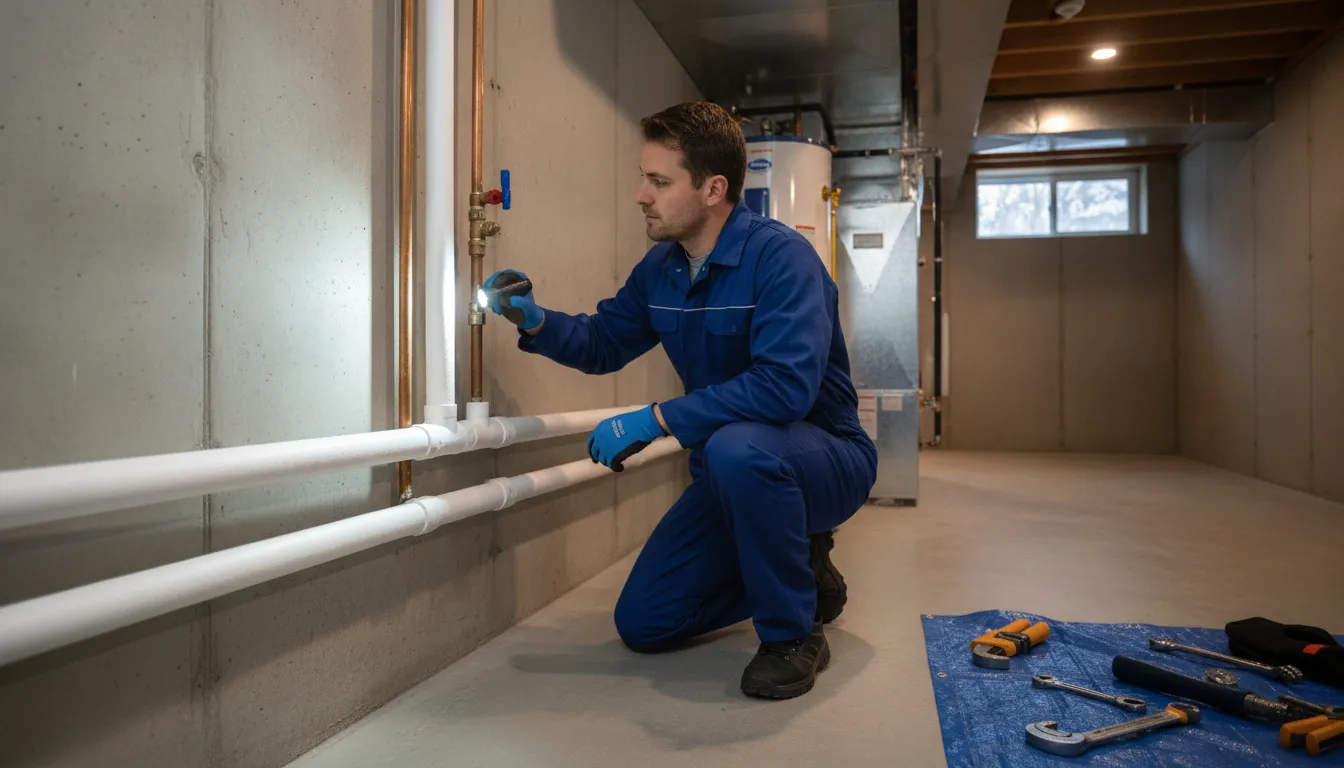
Before you start inspecting, grab a good flashlight and a roll of paper towels. The area around your water heater can be dark and cramped, and a bright light is essential for spotting small drips or signs of moisture. Thoroughly dry the entire exterior of the tank, the pipes, and the floor around it. Once everything is dry, you can use fresh paper towels to touch different connections and fittings. Even a tiny, slow leak will leave a damp spot on the paper, making it much easier to find the exact source of the water.
Check the Drain Valve
Look for a spigot-like valve near the bottom of your water heater tank; this is the drain valve. It’s used for flushing sediment out of the tank. These valves can sometimes fail to close completely after use or develop a leak over time. Carefully feel around and under the valve’s nozzle for any moisture. If you find water dripping from the valve itself, it might just need tightening. If it continues to leak, the valve likely needs to be replaced. While it seems like a small part, replacing it involves draining the tank, so it’s often best to call for professional help.
Inspect the T&P Relief Valve
The Temperature and Pressure (T&P) relief valve is a critical safety feature. It’s usually located on the top or side of the tank with a pipe running down towards the floor. Its job is to release water if the temperature or pressure inside the tank gets too high. Check for drips coming from the end of this discharge pipe. A constantly dripping T&P valve can signal dangerously high pressure in your tank or a faulty valve. Because this is a safety issue, it’s important to address it immediately with emergency plumbing services to prevent a more serious problem.
Examine the Inlet and Outlet Connections
Next, use your flashlight to inspect the hot and cold water lines connected to the top of your water heater. These are the cold-water inlet and the hot water outlet pipes. Run your dry paper towel around the base of these connections where they meet the tank. A leak here is often caused by a loose fitting or old plumbing tape. Sometimes, simply tightening the connection with a wrench can solve the problem. If the leak persists after tightening, the connection may need to be taken apart and resealed by a professional.
Look for Damage at the Base of the Tank
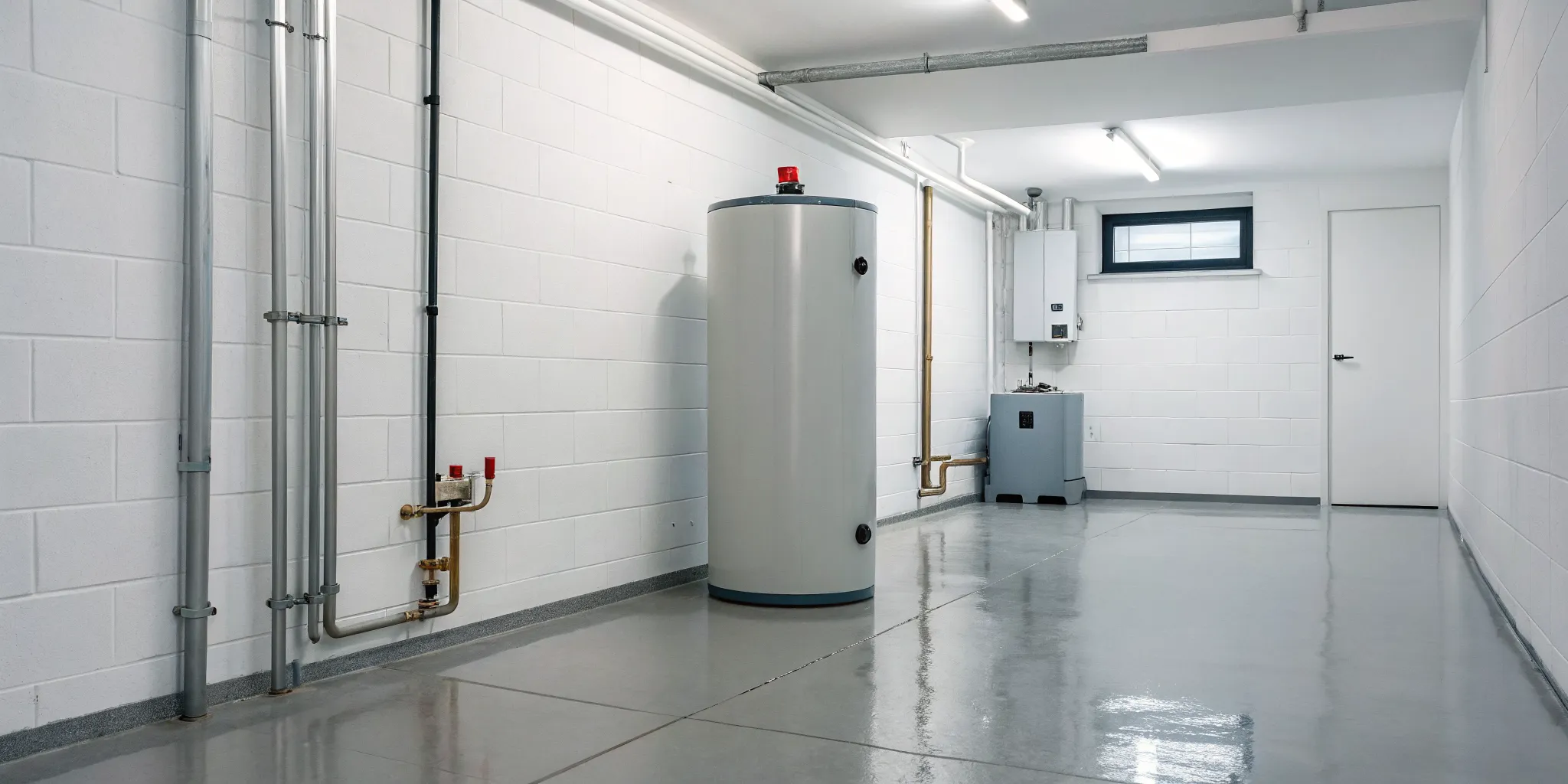
Finally, carefully inspect the bottom of the tank itself. If you’ve checked all the fittings and valves and can’t find a source, but you see water pooling around the base, it’s often a sign of a much bigger issue. This usually means the inner tank has rusted through and is leaking from the inside. Unfortunately, a corroded tank cannot be repaired and is a clear sign that the entire water heater needs to be replaced. If you suspect this is the case, it’s time to contact a professional to discuss your options for a new unit.
Why Is Your Water Heater Leaking? 6 Common Causes
Once you’ve found where the water is coming from, the next step is to understand why it’s happening. A water heater leak can stem from several issues, ranging from a simple loose connection to a sign that your tank is on its last legs. Figuring out the root cause is key to knowing whether you’re looking at a quick repair or a full replacement. Let’s walk through the six most common culprits behind a leaking water heater.
1. Tank Corrosion or Rust
If you see water pooling directly under the tank, internal corrosion is a likely suspect. Over the years, the inside of the steel tank can rust away, eventually allowing water to seep through. This is especially common in older units where the anode rod, a component designed to prevent rust, has been completely used up. Unfortunately, a corroded tank is a fatal diagnosis. It can’t be patched or repaired, and the only solution is a full replacement. A leaking tank can quickly become a major problem, so it’s best to call for emergency plumbing services right away to prevent further damage to your home.
2. Excessive Sediment Buildup
The water in Metro Detroit contains minerals that can settle at the bottom of your water heater tank over time, creating a layer of sediment. This buildup acts as an insulator, forcing your water heater to work harder to heat the water. This can lead to overheating, which can damage the tank’s inner lining and cause it to crack and leak. Regular maintenance, like flushing the tank, can prevent this. However, if the sediment has already caused significant damage, you may be looking at a replacement. Our team can assess the situation and recommend the best course of action from our range of plumbing solutions.
3. A Failing Drain Valve
At the bottom of your water heater, you’ll find a drain valve used for flushing the tank. Like any mechanical part, this valve can wear out, become brittle, or get clogged with sediment, causing it to leak. You might notice a slow drip or a small puddle forming right around the valve. The good news is that this is often a straightforward and inexpensive fix. In most cases, a professional plumber can simply replace the faulty valve without needing to replace the entire water heater. If you suspect a leaky drain valve, contact us to schedule a quick and easy repair.
4. Loose or Damaged Pipe Connections
Check the pipes connected to the top of your water heater, the cold water inlet and the hot water outlet. Over time, the constant expansion and contraction from temperature changes can cause these connections to loosen, resulting in drips that run down the side of the tank. Sometimes, the pipes themselves can corrode and develop pinhole leaks. A plumber can usually resolve this by tightening the connections or replacing a small section of pipe. This is a common issue that our team handles as part of our comprehensive plumbing services, getting your system sealed and secure again.
5. Water Pressure Is Too High
Your home’s plumbing is designed to operate within a specific pressure range. If the water pressure is too high, it puts a strain on your entire system, including your water heater. This excess pressure can force water out of any weak point, including the tank itself or its connections. A plumber can test your home’s water pressure and, if necessary, install a pressure-reducing valve to protect your appliances. This is similar to the work we do with backflow preventers, which also help regulate your plumbing system and keep it safe.
6. Pressure Relief Valve Failure
The Temperature and Pressure (T&P) relief valve is a crucial safety feature. It’s designed to automatically open and release water if the pressure or temperature inside the tank gets dangerously high. If you see water leaking from this valve, it means one of two things: either the valve is faulty, or it’s doing its job because of a serious pressure issue. In either case, this requires immediate attention. A malfunctioning T&P valve can be extremely dangerous, so it’s critical to call for emergency plumbing to have it inspected and repaired by a professional.
The Dangers of Ignoring a Water Heater Leak
That small puddle under your water heater might seem like something you can deal with later, but putting it off is a risky gamble. A leak is more than just a minor drip; it’s a warning sign of bigger problems that can affect your home’s safety, your health, and your wallet. Understanding the potential consequences is the first step toward protecting your property from serious damage. Let’s walk through exactly what’s at stake when a water heater leak is left unchecked.
Mold and Mildew Growth
Even a tiny, slow leak creates a consistently damp environment, which is the perfect breeding ground for mold and mildew. This isn’t just about an unsightly spot on the floor. Mold can spread quickly into drywall, subflooring, and wall cavities, often growing undetected until it becomes a major problem. According to the EPA, mold exposure can cause allergic reactions, asthma attacks, and other respiratory issues. What starts as a simple water leak can quickly turn into a serious air quality concern for your family, requiring extensive and costly remediation to fix.
Damage to Your Floors and Walls
Water is incredibly destructive to building materials. A persistent leak will saturate everything it touches, causing wood floors to warp and buckle, subfloors to rot, and drywall to soften and crumble. A water heater leaking from the bottom is especially serious because it can quickly lead to significant water damage. If your water heater is on an upper floor, the leak can stain ceilings and damage property in the rooms below. These repairs go far beyond fixing the plumbing; they often involve replacing flooring, drywall, and even structural supports. If you’re facing a sudden flood, you need emergency plumbing help right away.
Electrical Risks and Higher Bills
A leaking water heater hits you in two ways: safety and cost. First, it’s inefficient. The unit has to constantly heat new water to replace what’s leaking out, causing it to run more often and driving up your energy bills. You’re essentially paying to heat water that just ends up on your floor. Second, and more importantly, is the electrical hazard. Most water heaters have critical electrical components near the base of the tank. If water seeps into this area, it can cause a short circuit, permanently damage the unit, or create a serious risk of electrical shock. This combination of wasted money and safety risks makes ignoring a leak a poor choice.
A Potential Tank Burst
The most alarming danger of a leaking water heater is the possibility of a complete tank failure. If you see water coming from the bottom of the tank itself, it’s a critical sign that the inner tank has likely rusted through. This internal corrosion compromises the structural integrity of the unit. As pressure builds inside the weakened tank, it can lead to a sudden and catastrophic burst, releasing 40 to 80 gallons of scalding hot water all at once. This can cause devastating flooding and severe property damage. When a tank is corroded, it cannot be repaired; you’ll need to contact a professional for a full replacement.
Repair or Replace? How to Decide
Once you’ve pinpointed the leak, the big question is: can it be fixed, or is it time for a new water heater? Making the right call can save you a lot of money and future headaches. The answer usually comes down to where the leak is coming from, the age of your unit, and whether a repair is just a temporary fix for a much bigger problem. Let’s break down the signs to help you figure out your next move.
Signs You Just Need a Repair
Finding a leak doesn’t always mean your water heater is destined for the scrap heap. If you notice water dripping from the top of the unit, it’s often a fixable problem. Leaks from the temperature and pressure (T&P) relief valve, the water inlet or outlet connections, or the seal around the anode rod are usually caused by a faulty part. These components can typically be replaced without needing to swap out the entire tank. While it’s good news that you might just need a simple fix, it’s important to have a professional diagnose the issue to be sure. A small leak can turn into a big problem if it’s not handled correctly.
Signs You Need a Replacement
Unfortunately, some leaks are a clear sign that your water heater’s time is up. The most critical red flag is water pooling at the base of the tank, especially if it seems to be coming from underneath the unit itself. This almost always means the inner tank has rusted through. Once corrosion creates a hole in the tank, it cannot be repaired. Think of it like a rusty hole in a bucket; you can’t patch it effectively. In this situation, a replacement is your only option, and you’ll want to act fast to avoid a major flood. If you see this, it’s time to contact a professional right away.
Considering the Age and Warranty
Even if a repair is possible, it might not be the smartest financial move. Most standard water heaters have a lifespan of about 8 to 12 years. If your unit is approaching or has passed that age, sinking money into repairs can be a losing game. An older appliance is more likely to have other parts fail soon, leading to more service calls. Check your unit’s warranty status. If it’s out of warranty and nearing the end of its life expectancy, investing in a new, more efficient water heater is often the most cost-effective decision for the long run. It gives you peace of mind and protects you from another surprise breakdown.
How to Prevent Future Water Heater Leaks
After dealing with a leak, the last thing you want is a repeat performance. The good news is that a little preventative maintenance goes a long way in keeping your water heater healthy and extending its lifespan. Taking these proactive steps can save you from the stress and expense of another watery mess. Think of it as a small investment in your home’s plumbing and your own peace of mind. By staying on top of a few key tasks, you can catch small issues before they become major headaches and ensure your water heater operates safely and efficiently for years to come.
This isn’t about adding complicated chores to your list; it’s about simple, smart habits that protect one of your home’s most important appliances. From simple temperature adjustments to annual check-ups, each step plays a role in preventing corrosion, reducing strain, and catching potential problems early. A well-maintained water heater is not only less likely to leak, but it also runs more efficiently, which can even help lower your utility bills. Let’s walk through the five most effective ways to keep your water heater in top shape and avoid another unexpected surprise.
Set the Temperature to 120°F
Most water heaters are set to 140°F by default, but this high temperature can actually speed up corrosion inside the tank and increase the risk of scalding. Setting your water heater’s thermostat to 120°F is a simple adjustment that offers multiple benefits. It’s still plenty hot for your daily needs, but it slows down the buildup of hard water minerals and reduces the strain on the tank. This simple change can also lower your energy bills. While you’re checking the temperature, it’s also wise to be aware of your home’s water pressure. Excessively high pressure can stress your entire plumbing system, including the water heater, making leaks more likely.
Flush the Tank Annually
Over time, minerals like calcium and magnesium from your water supply settle at the bottom of your water heater tank, creating a layer of sediment. This buildup forces your unit to work harder to heat the water, which can lead to overheating, internal damage, and eventually, leaks from the bottom of the tank. Flushing the tank once a year removes this sediment and keeps your water heater running efficiently. While some homeowners tackle this themselves, having a professional handle it during an annual inspection ensures it’s done safely and thoroughly. It’s a critical step for maintaining the health and longevity of your unit.
Replace the Anode Rod Every 3–5 Years
Inside your water heater is a component called an anode rod, and it has one important job: to sacrifice itself for your tank. This rod is made of metals that attract corrosive elements in the water, drawing them away from the steel tank lining. Essentially, the rod rusts so your tank doesn’t have to. Once the anode rod is completely corroded, your tank becomes the next target, leading to rust and leaks that can’t be repaired. We recommend you contact a professional to inspect and replace this rod every three to five years to keep your tank protected from the inside out.
Install a Drain Pan and Water Leak Alarm
This is one of the smartest and most affordable preventative measures you can take. A drain pan is a simple tray that sits underneath your water heater to catch any drips or minor leaks. It can be connected to a drainpipe to safely channel water away, preventing it from pooling on your floor and causing damage. For an extra layer of security, place a battery-operated water leak alarm inside the pan. These small sensors will sound a loud alarm the moment they detect moisture, giving you an early warning to address the problem before it turns into a full-blown emergency plumbing crisis.
Schedule Regular Professional Inspections
The best way to prevent future leaks is to have your water heater professionally inspected once a year. A trained technician can spot subtle signs of trouble that are easy to miss, like early-stage corrosion or failing parts. During an inspection, a plumber will test the temperature and pressure relief valve, check the anode rod for corrosion, inspect all connections for leaks, and flush the tank to remove sediment. This comprehensive check-up ensures every component is working correctly and safely. Scheduling routine maintenance is a small, proactive step that protects your home from water damage and gives you confidence in your plumbing system.
When It’s Time to Call a Professional
While it’s tempting to try a DIY fix, some plumbing problems are best left to the experts. When it comes to a leaking water heater, making a mistake can lead to a much bigger flood, property damage, or even safety hazards. If you’re not 100% confident in what you’re doing, or if the problem seems complex, it’s always smarter to call for backup. Your peace of mind is worth it.
The most critical sign that you need a professional immediately is water pooling directly under the tank. If the leak isn’t coming from a valve or a pipe connection but from the base of the tank itself, it almost always means the inner tank has rusted through. Unfortunately, this kind of internal corrosion cannot be repaired. The entire water heater will need to be replaced, which is a job that requires a licensed plumber to handle safely.
You should also call a professional for any work involving the gas or electrical systems connected to your heater. These systems are dangerous, and a small error can have serious consequences. If you’ve done a quick check and still can’t figure out where the water is coming from, it’s time to make the call. A professional plumber can quickly diagnose the exact cause of the leak and let you know if it’s a simple fix or if a replacement is necessary. When you’re facing a significant leak, don’t hesitate to seek emergency plumbing services to prevent further damage to your home.
Related Articles
Frequently Asked Questions
Is a small, slow leak really that serious? Yes, absolutely. Even a tiny drip is a major warning sign that something is wrong. That constant moisture can rot your floor, damage your walls, and lead to mold growth. More importantly, a small leak is often the first indication that the tank is failing, and it could be a precursor to a much larger, more destructive burst. It’s best to treat every leak as an urgent problem.
My water heater is leaking from the bottom. Is that fixable? Unfortunately, a leak coming from the bottom of the tank itself is almost never fixable. This is the clearest sign that the inner tank has rusted through from the inside. A corroded tank cannot be patched or repaired safely, so a full replacement is the only solution. Acting quickly is key to preventing a sudden tank burst and major water damage.
Is it worth repairing an older water heater? That depends, but often the answer is no. Most water heaters last about 8 to 12 years. If your unit is approaching that age, investing in a repair might not be the best use of your money. Another component could fail soon, leading to another service call. If your older, out-of-warranty unit needs a significant repair, replacing it with a new, more efficient model is usually the smarter long-term financial decision.
What’s the most important thing I can do to prevent this from happening again? If you do just one thing, make it scheduling an annual professional inspection. During a check-up, a plumber can flush out damaging sediment, inspect and replace the anode rod that prevents rust, and test the safety valves. This single visit addresses the most common causes of leaks and can catch small problems before they turn into a crisis, extending the life of your unit.
I’ve shut off the power and water. Can I just wait to call a plumber? You’ve taken the right first steps to prevent immediate damage, which is great. However, you shouldn’t wait to call for help. The underlying problem, whether it’s a corroded tank or a faulty valve, still exists. Leaving a tank full of water with a known leak is risky, as the leak could worsen at any time. Getting a professional out quickly will give you a clear diagnosis and a plan to get your hot water back safely.