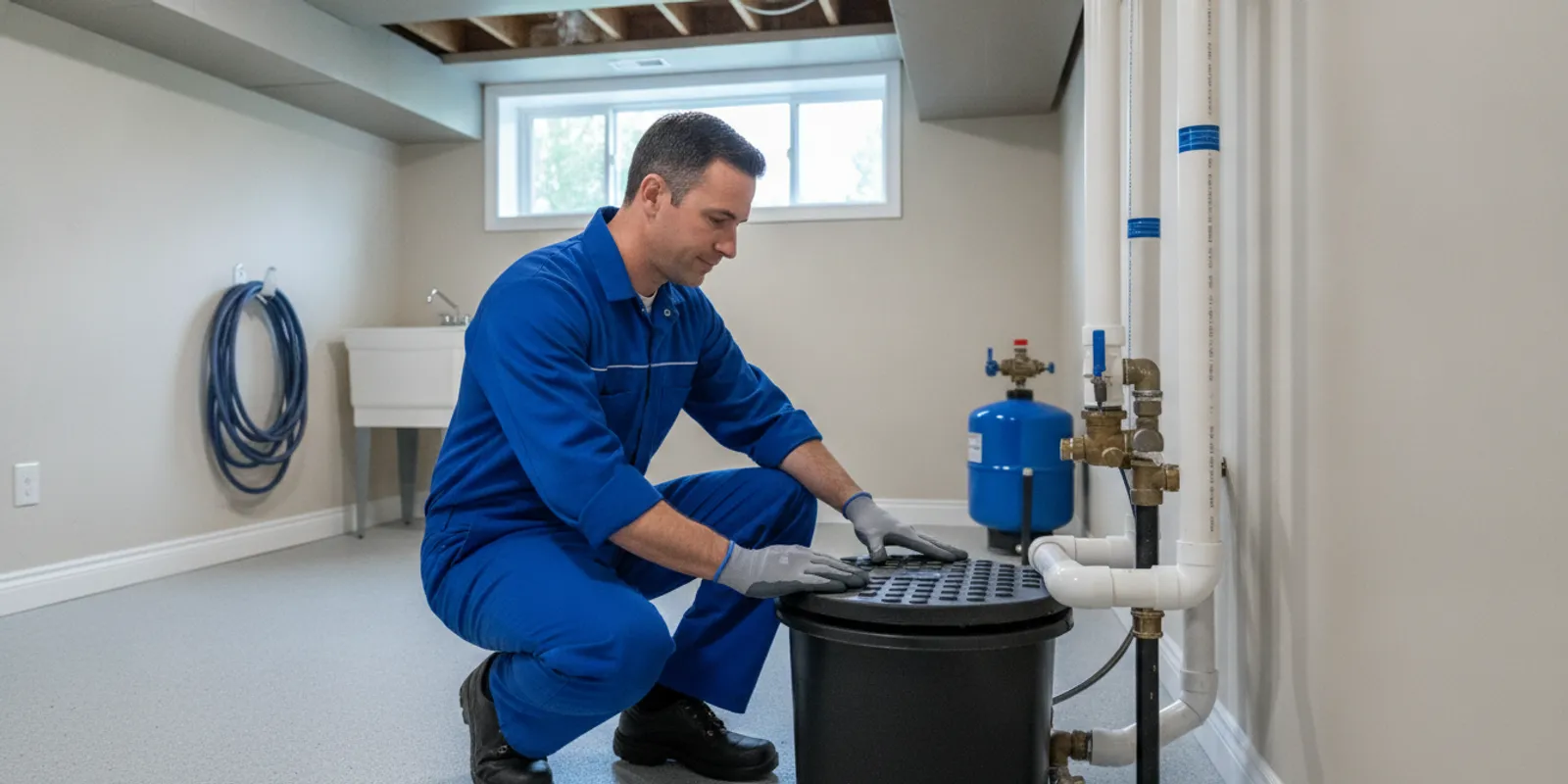

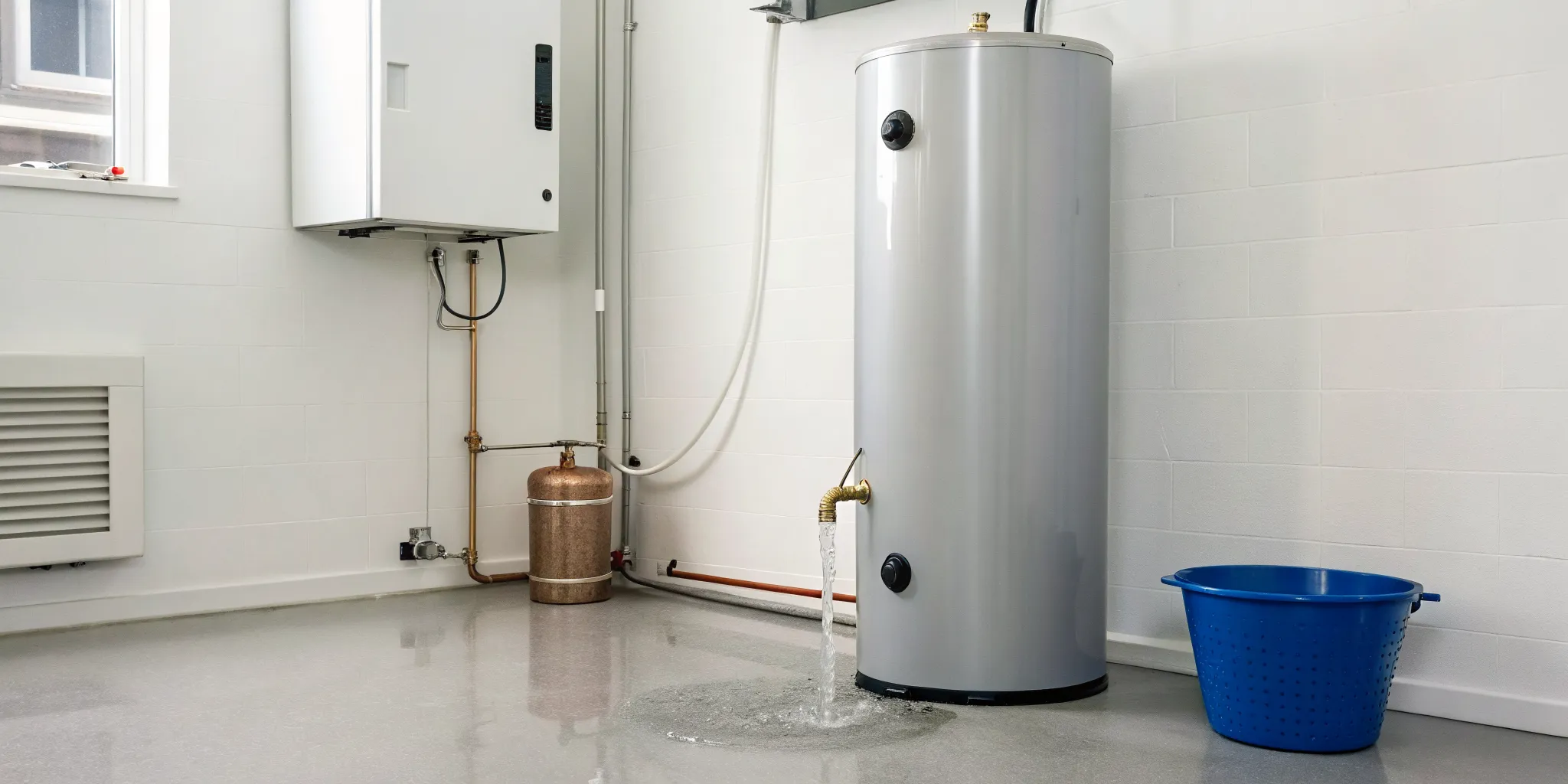
That steady drip from your water heater isn’t just an annoyance; it’s a message. Think of your heater relief valve as your system’s emergency alert. It doesn’t leak for no reason; it’s communicating a problem. The drip you see isn’t the issue itself, but a symptom of an underlying cause, like dangerously high water pressure, an overheating thermostat, or a faulty valve. When you find water coming from this critical component, your first step is to figure out what your system is trying to tell you. We’ll help you decode the signs, walk through a few simple tests, and explain when it’s time to call a professional for a safe and reliable fix.
Key Takeaways
- Treat a leak as a symptom, not the problem: A dripping relief valve often points to underlying issues like high water pressure, an incorrect temperature setting, or sediment buildup inside the tank.
- Prioritize safety above all else: A continuous leak signals a potentially dangerous situation. Your most important step is to never plug or cap the valve, as this can lead to a tank rupture.
- Prevent future leaks with simple maintenance: You can avoid most problems by flushing your water heater tank annually and replacing the relief valve every five years. If you’re unsure or the leak persists, calling a professional is the safest choice.
What Is a Water Heater Relief Valve?
Let’s talk about a small but mighty part of your water heater: the relief valve. You might also hear it called a temperature and pressure (T&P) valve. Think of it as your water heater’s built-in safety guard. Its main job is to protect your home from the dangers of excessive pressure or temperature building up inside the tank. If things get too hot or the pressure climbs too high, this valve springs into action, releasing a bit of water to bring everything back to a safe level. It’s a simple device, but it plays a huge role in preventing major damage to your unit and, more importantly, keeping your family safe.
How This Small Valve Protects Your Home
So, how exactly does this little valve protect you? Your water heater is constantly working to heat water, which naturally creates pressure inside the tank. The T&P valve is there to make sure this pressure never reaches a dangerous point. Without it, the tank could be at risk of rupturing or, in a worst-case scenario, even exploding. By automatically releasing water when needed, the valve acts as a failsafe, maintaining safe operating conditions. It’s one of those essential components that works quietly in the background, giving you peace of mind and preventing a plumbing issue from turning into a serious emergency plumbing situation.
Where to Find the T&P Valve
Finding the T&P valve is usually straightforward. Take a look at the top or side of your water heater tank—you’re looking for a small, brass-colored valve with a lever on top. The easiest way to identify it is by the discharge pipe connected to it. This pipe, typically made of copper or PVC, runs down the side of the tank and stops about six inches from the floor. Its job is to safely direct hot water away from the unit if the valve activates. If you’re having trouble spotting it, your water heater’s manual is a great resource, or you can compare what you see to a visual guide to be sure.
Plumbing Code Requirements
That small T&P valve isn’t just a good idea—it’s required by law. The International Plumbing Code (IPC) mandates that every water heater must have one to prevent dangerous pressure buildup and potential tank ruptures. These codes also specify exactly how the valve and its discharge pipe must be installed to ensure they function correctly and safely. This is why professional installation is so important. At Mr. Pipey, we ensure every water heater service we perform in Metro Detroit homes meets all local plumbing codes. It’s our commitment to making sure your system is not only efficient but, more importantly, completely safe for your family.
How Does a T&P Valve Work?
The T&P valve is always on duty, monitoring the conditions inside your water heater tank. It’s designed with specific safety limits in mind. Typically, if the internal pressure climbs above 150 psi (pounds per square inch) or the water temperature exceeds 210 degrees Fahrenheit, the valve automatically opens. This allows hot water and steam to escape through a discharge pipe, instantly lowering the pressure and temperature inside. Once conditions return to a safe range, the valve closes again. This simple mechanical process is key to your water heater’s safe and efficient operation, and it’s a core part of the expert plumbing solutions that keep your home running smoothly.
Why Is Your Heater Relief Valve Leaking?
Seeing water dripping from your water heater’s relief valve can be unsettling, but it’s often a sign that this crucial safety device is doing exactly what it’s supposed to do. Think of it as your water heater’s emergency alert system. The valve is designed to open and release water when the pressure or temperature inside the tank gets too high, preventing a much more dangerous situation. So, while the leak needs your attention, it’s important to remember that the drip itself isn’t the problem; it’s a symptom of an underlying issue that needs to be addressed.
Most of the time, a leaking relief valve points to one of four common culprits: the water pressure in your home is too high, the water temperature is set incorrectly, sediment is physically blocking the valve from closing, or the valve itself has simply worn out from age. Figuring out which one is causing your leak is the first step toward a safe and effective fix. By understanding these potential causes, you can better diagnose the situation and know when it’s time to call in a professional for help.
Is Your Water Pressure Too High?
If the water pressure coming into your home from the city’s supply is too strong, it can create excessive and constant pressure inside your water heater tank. When this happens, the T&P valve opens to relieve that stress, resulting in a leak. In this case, the valve is protecting the tank from rupturing under the strain. While it’s doing its job, consistently high pressure can wear out the valve and put stress on your pipes and other appliances. A professional plumber can test your home’s water pressure and, if necessary, install a pressure-reducing valve to solve the problem for good.
Is the Water Temperature Set Too High?
Your water heater’s thermostat is responsible for controlling how hot the water gets. If the thermostat is set too high (most experts recommend 120°F) or if it malfunctions, the water can overheat. As water heats up, it expands in a process called thermal expansion, which dramatically increases the pressure inside the tank. The relief valve will then open to release that pressure. If you suspect your water is dangerously hot or see steam coming from the valve, it’s a serious safety concern. You should contact a professional for emergency plumbing services to inspect the thermostat and heating elements right away.
Could Sediment Be Blocking the Valve?
Over time, minerals like calcium and magnesium naturally present in your water can settle at the bottom of your water heater, creating a layer of sediment. Small particles of this sediment can get stirred up and flow into the T&P valve when it opens. If a piece of debris gets lodged in the valve’s sealing surface, it can prevent the valve from closing completely, causing a slow but persistent leak. Regular water heater maintenance, including flushing the tank annually, can help prevent this buildup. If you think sediment is the issue, our team can perform a full system check as part of our plumbing services.
What if the Expansion Tank Is the Problem?
Another common culprit behind a leaking relief valve is a faulty expansion tank. Think of this as a small shock absorber for your plumbing system. It’s a separate, smaller tank connected to your water heater that’s designed to handle something called thermal expansion. When water heats up, it expands, and the expansion tank gives that extra water volume a place to go, keeping the pressure inside your main tank stable. If the expansion tank fails, it can’t absorb that pressure, which then forces the T&P valve to open and drip. If you notice the leak happens most often after running the shower or dishwasher, a bad expansion tank is a strong possibility. Since testing and replacing one requires the right tools and knowledge, it’s a good idea to call for professional help. Our team can quickly diagnose the issue as part of our expert plumbing services.
Is the Valve Simply Old or Broken?
Like any mechanical part, a T&P valve won’t last forever. With age, the internal spring can weaken, or the seals can corrode and degrade. If you’ve ruled out issues with pressure and temperature, it’s very likely the valve itself is just old or faulty and needs to be replaced. Because this is such a critical safety component for your home, replacing it is a job best left to a professional. An incorrectly installed valve can fail to operate when you need it most. If you need water valve replacement, contact Mr. Pipey, and we’ll make sure the job is done right.
Is a Leaking Relief Valve Really Dangerous?
A leaking relief valve can be anything from a minor drip to a major red flag. The key is knowing how to tell the difference. While this valve is designed to release water occasionally, a persistent leak can signal a dangerous buildup of pressure or temperature inside your water heater tank. Let’s walk through what’s normal, what’s not, and what you should never do.
When a Small Drip Is Nothing to Worry About
It can be alarming to see water dripping from your water heater, but a small amount is sometimes perfectly normal. Your T&P valve is designed to open and release a little water when the pressure or temperature inside the tank gets too high. This is its safety feature in action, preventing more serious problems. So, if you notice an occasional, small drip, it usually just means the valve is doing its job correctly. Think of it as the system letting off a little steam. The key words here are “occasional” and “small.” A few drops now and then are nothing to worry about, but it’s always a good idea to keep an eye on it.
Warning Signs That Point to a Bigger Problem
When a small drip turns into a steady leak, it’s time to pay attention. A constant flow of water means your water heater system is under stress, and the valve might be failing. Look out for a few key warning signs: a continuous drip or a stream of water, water that contains rust or sediment, or loud noises like whistling or screeching coming from the valve. These symptoms suggest a serious issue, like dangerously high pressure or a broken valve. Ignoring these signs can lead to significant water damage or even a tank rupture. This is a situation that requires emergency plumbing attention to keep your home and family safe.
Beyond the Explosion Risk: Water Damage and Mold
While a tank rupture is the most dramatic outcome, the far more common danger of a persistent leak is slow and silent destruction. A steady drip might not seem like an emergency, but over time, that constant moisture can saturate your flooring, warp subfloors, and weaken drywall. This creates the perfect breeding ground for mold and mildew, which can grow unseen behind walls and compromise your home’s air quality. What starts as a small plumbing issue can quickly escalate into a costly project involving water damage restoration and mold remediation. Addressing a continuous leak promptly helps you prevent a plumbing emergency and protects your home from these hidden, long-term consequences.
Myths About Leaking Valves You Shouldn’t Believe
One of the biggest myths is that a small, steady leak is harmless and can be ignored. In reality, any persistent leak from a relief valve is a warning that something is wrong with your water heater. It needs to be addressed quickly to prevent bigger issues. The most dangerous myth, however, is that you can fix the leak by capping or plugging the valve. Never, ever do this. The T&P valve is often the only thing preventing a dangerous pressure buildup. Capping it is like plugging the spout on a boiling kettle; it can cause the tank to rupture or even explode. Instead of attempting a risky DIY fix, it’s always safest to contact a professional to diagnose the problem correctly.
Your Action Plan for a Leaking Relief Valve
Discovering a leak from your water heater’s relief valve can be alarming, but it’s a clear signal that your system needs attention. This small but mighty component is a critical safety feature, designed to release excess pressure or temperature to prevent your tank from becoming dangerously over-pressurized. A dripping or leaking valve is something you should never ignore. Taking the right steps can help you diagnose the issue and determine whether it’s a simple fix or a job for a professional. The following steps will guide you through what to do when you find water coming from your relief valve.
First Things First: Immediate Safety Steps
First things first: don’t panic, but do take the situation seriously. The T&P valve is your water heater’s most important safety device. A steady leak means there’s an issue with pressure, temperature, or the valve itself. While it’s working to keep you safe, you need to address the root cause. Avoid the temptation to plug the discharge pipe or cap the valve, as this can lead to a dangerous pressure buildup inside the tank. Keep children and pets away from the area, as the leaking water can be extremely hot. Your immediate goal is to identify the problem safely before deciding on the next course of action.
How to Safely Test Your Relief Valve
You can perform a couple of simple tests to figure out what’s going on. First, check your water heater’s temperature setting. Most manufacturers recommend a setting of 120°F for safety and efficiency. If it’s set much higher, lower it and see if the leaking stops. Next, you can test the valve itself. Place a bucket under the discharge pipe and carefully lift the test lever on the valve for a few seconds. A short burst of hot water should come out. Let the lever snap back into place. This can sometimes clear out sediment that might be preventing a proper seal. If the valve continues to leak after the test, it may be faulty.
A Critical Warning Before You Test
Before you touch the test lever, it’s crucial to understand that you’re dealing with a critical safety device. The T&P valve is designed to release dangerously high pressure, and the water it lets out will be scalding hot. Always place a bucket to catch the water and be prepared for a forceful spray. More importantly, under no circumstances should you ever plug or cap the valve’s opening to stop a leak. This is incredibly dangerous and can cause the tank to rupture. If the valve continues leaking after your test or if you feel at all unsure about what to do, the safest move is to call for emergency plumbing services. Your safety is not worth the risk.
Easy DIY Fixes to Try Before You Call
If you suspect sediment is the culprit, the test mentioned above might solve the problem. Briefly opening the valve can flush out small mineral deposits that got stuck in the valve seat, preventing it from closing completely. If you perform the test and the valve continues to drip afterward, the internal spring or seal is likely worn out. In this case, the valve needs to be replaced. While some experienced homeowners might tackle this replacement themselves, it involves shutting off the water and draining the tank. For most people, this is where professional help ensures the job is done correctly and safely.
Replacing the T&P Valve Yourself
If you’re comfortable with plumbing projects, replacing the T&P valve is a task you might be able to handle on your own. However, this isn’t a job to take lightly. The valve is a critical safety component, and an incorrect installation can have serious consequences. Before you grab your tools, it’s essential to understand the entire process, from selecting the right part to ensuring the final installation is secure and up to code. Safety should be your top priority, so if you feel even slightly unsure at any point, it’s always best to call in a professional. For those ready to proceed, let’s walk through what you need to know.
Choosing the Correct Replacement Part
First things first: T&P valves are not one-size-fits-all. You must get an exact match for your old valve to ensure it functions correctly. When you’re looking for a replacement, you’ll need to match the size (diameter), BTU rating, PSI rating, temperature rating, and the length of the temperature sensor. The easiest way to get this right is to find the part number on your water heater manufacturer’s specifications or on the old valve itself. Using the wrong valve could mean it won’t open when it needs to, or it might open too often, defeating its purpose. Getting the right part is the most important step in this entire process.
Step-by-Step DIY Replacement Guide
Once you have the correct replacement valve, you can begin the installation. Start by turning off the power (for an electric heater) or gas supply (for a gas heater). Next, shut off the cold water supply line to the tank. To drain the tank, connect a hose to the drain valve and open it, then open a few hot water faucets in your house to let air into the system. You only need to drain enough water so the level is below the T&P valve. Now, you can disconnect the overflow pipe and use a pipe wrench to unscrew the old valve. Wrap the threads of the new valve with Teflon tape, screw it in, and tighten it securely. Finally, reconnect the discharge pipe, turn the water back on, and check carefully for leaks before restoring power or gas.
Discharge Pipe Requirements
The discharge pipe that connects to the T&P valve is just as important as the valve itself. This pipe’s job is to safely direct scalding water away from the tank if the valve opens. According to most plumbing codes, this pipe should be at least 3/4 inch in diameter and made of a material rated for hot water, like copper or CPVC plastic. The end of the pipe should not be threaded or capped, as this could create a dangerous blockage. It must also be angled downward to allow water to flow out easily via gravity, terminating about six inches above the floor. If you’re unsure about your local code requirements, it’s a good idea to consult a professional plumber.
How Much Does T&P Valve Replacement Cost?
When your T&P valve needs replacing, one of the first questions you’ll likely have is about the cost. The final price tag depends heavily on whether you decide to tackle the job yourself or hire a professional. A DIY replacement is certainly the cheaper route, as you’ll only need to pay for the new valve itself. However, hiring a licensed plumber offers peace of mind, ensuring this critical safety device is installed correctly. Let’s break down the costs and considerations for both options so you can make the best decision for your home and budget.
Professional vs. DIY Costs
If you hire a professional plumber, you can expect the T&P valve replacement to cost between $150 and $300. This price typically includes the new valve, the labor for the installation, and a thorough safety check of your water heater system. While doing it yourself means you only pay for the part (usually $20-$40), the professional fee covers expertise and a guarantee of proper installation. For many homeowners in Metro Detroit, the assurance that a critical safety component is handled correctly is well worth the investment. At Mr. Pipey, our expert plumbing solutions ensure the job is done right, giving you confidence in your home’s safety.
Will My Water Heater Warranty Cover It?
You might be wondering if your water heater’s warranty will cover the cost of a T&P valve replacement. The answer is: maybe. Coverage depends entirely on the manufacturer’s terms and conditions. Some warranties will cover the part, but they often come with stipulations. For example, a manufacturer might require proof that your home’s water pressure was tested and is within a safe range, or they may require you to have a thermal expansion tank installed. Navigating these warranty requirements can be tricky, which is another area where a professional plumber can help. They can perform the necessary tests and provide documentation to support your warranty claim.
When Is It Time to Call Mr. Pipey?
If you’ve tried these simple steps and the leak persists, or if you’re not comfortable working on your water heater, it’s time to call a professional. A constantly leaking relief valve can indicate high pressure in your home’s plumbing system, a faulty water heater thermostat, or a failing valve. These are not issues to leave to chance. Our team at Mr. Pipey can quickly diagnose the problem and provide a safe, effective solution. We offer expert emergency plumbing services across Metro Detroit to handle urgent issues just like this. Don’t hesitate to contact us to ensure your water heater is operating safely and efficiently.
How to Prevent Your Relief Valve from Leaking Again
A leaking relief valve is a clear sign that your water heater needs attention. Once you’ve addressed the immediate issue, the next step is to make sure it doesn’t happen again. Taking a few preventative steps can save you from future stress, water damage, and costly repairs. It’s all about being proactive rather than reactive. By incorporating some simple habits and knowing what to look for, you can keep your water heater running safely and efficiently for years to come. Here’s how you can stay ahead of potential problems.
Easy Water Heater Maintenance You Can Do
Think of your water heater like your car; it needs regular tune-ups to perform its best. An annual inspection from a professional plumber is one of the smartest things you can do. They can spot small issues before they become big, expensive problems. Another key task is flushing the tank every year or so. Over time, sediment and mineral deposits build up at the bottom, which can cause the tank to overheat and create excess pressure. Clearing out this gunk helps your system run more efficiently and reduces the strain on your relief valve. These simple plumbing services are a small investment that pays off in peace of mind.
How Often Should You Replace Your Valve?
Even with perfect maintenance, your temperature and pressure (T&P) relief valve won’t last forever. As a general rule, it’s a good idea to have it replaced every four to five years to ensure it’s working correctly. If you notice the valve is faulty or broken, don’t wait to replace it. Fortunately, this is usually a quick and affordable repair that restores your water heater’s most important safety feature. Waiting too long puts your home at risk, so treating this as a priority is essential. A new valve is a simple way to prevent a plumbing emergency down the road.
More Tips for a Leak-Free Water Heater
Beyond basic maintenance, there are a couple of other proactive measures you can take. First, keep an eye on your home’s water pressure. If the pressure from your city’s supply is too high, it puts constant stress on your entire plumbing system, including the T&P valve. You can check this with a simple pressure gauge. If it’s consistently high, a plumber can install a pressure-reducing valve. Another great solution is an expansion tank. When water heats up, it expands. An expansion tank provides a safe place for that extra volume to go, absorbing the pressure instead of forcing your relief valve to do all the work. It’s a smart addition that protects your water heater and pipes.
Related Articles
Frequently Asked Questions
Is it normal for my water heater relief valve to leak a little? Seeing a few drops of water from the valve every now and then isn’t usually a cause for alarm. The valve is designed to release small amounts of water to relieve pressure as your water heater works. However, if that occasional drip turns into a constant, steady leak, it’s a clear sign that something is wrong. A persistent leak indicates an underlying issue with pressure, temperature, or the valve itself that needs to be addressed.
Why can’t I just plug the discharge pipe to stop the leak? You should never, under any circumstances, cap or plug the relief valve’s discharge pipe. This is extremely dangerous. The valve is your water heater’s most important safety feature, acting as an emergency release for excessive pressure. Blocking it essentially turns the tank into a sealed pressure vessel. If the pressure continues to build, it can cause the tank to rupture or even explode, leading to severe property damage and serious injury.
How often should I test or replace my T&P valve? It’s a good practice to test the valve’s function once a year, which you can do by lifting the test lever for a few seconds. As for replacement, these valves don’t last forever. To ensure your water heater remains safe, it’s wise to have a professional plumber replace the T&P valve about every five years, or sooner if you notice any signs of corrosion or malfunction during your annual test.
My valve is brand new, but it’s still leaking. What could be the problem? If a new valve is leaking, the issue likely isn’t the valve itself but another part of your plumbing system. The most common cause is high water pressure throughout your home. When the municipal water supply pressure is too high, it puts constant stress on the valve, forcing it to open. Another possibility is that your water heater’s thermostat is malfunctioning and overheating the water, creating excess pressure through thermal expansion.
Is replacing a relief valve a DIY job? While it’s technically possible for a homeowner with plumbing experience to replace a T&P valve, it’s a job best left to a professional for most people. The process involves shutting off the water and power to the heater and partially draining the tank. An incorrect installation can compromise this critical safety device. If you’re not completely comfortable with the process, or if the leak continues after a simple test, calling a professional is the safest choice.
The Role of a Thermal Expansion Tank
When your water heater does its job, the water inside expands—a process called thermal expansion. This creates a spike in pressure within the tank. If you don’t have a way to manage this pressure, your T&P valve is forced to open and release water to compensate. A thermal expansion tank is a small, separate tank installed near your water heater that acts like a shock absorber. It contains a bladder and a cushion of air that safely absorbs this excess pressure. By giving the expanded water somewhere to go, it prevents your relief valve from opening unnecessarily, which reduces wear and tear and helps it last longer. It’s a smart upgrade that’s part of a complete, reliable plumbing solution.
Other Helpful Plumbing Components
Your T&P valve doesn’t work in isolation; several other components help it function correctly. The anode rod, for instance, protects the inside of your tank from rust, which prevents rust particles from getting lodged in the valve’s seal. Your thermostat is also crucial, as it controls the water temperature and prevents it from getting so hot that it triggers the valve to open. In areas with hard water, like many parts of Metro Detroit, a water softener can be a huge help. It reduces the mineral buildup that can clog the valve and cause it to fail. Keeping these components in good shape is key to a healthy water heater system.
Consider Upgrading Your Drain Valve
At the bottom of your water heater is a drain valve, which is essential for annual flushing and maintenance. Unfortunately, the valves that come standard on most water heaters are often made of cheap plastic. These can easily become clogged with sediment from the bottom of the tank. When you try to drain the tank for maintenance, a clogged valve might not close completely afterward, leaving you with a brand-new leak. We often recommend upgrading to a high-quality brass ball valve. It’s a small, cost-effective change that makes maintenance much easier and helps you avoid an unexpected plumbing headache. If you’re interested in this upgrade, contact us and we can install one during your next service visit.